We use cookies for analytics and, unless you opt out, advertising.
You can opt out of advertising at any time.UMBC uses essential cookies to run this site. With your permission we would also use analytics cookies (to understand how the site is used) and advertising cookies (to measure and target our ads on other platforms). Nothing else loads unless you accept. You can change your choice any time from Cookie Settings in the footer.Privacy Policy
EssentialRequired for the site to work (login, security, your cookie choice). Always on.
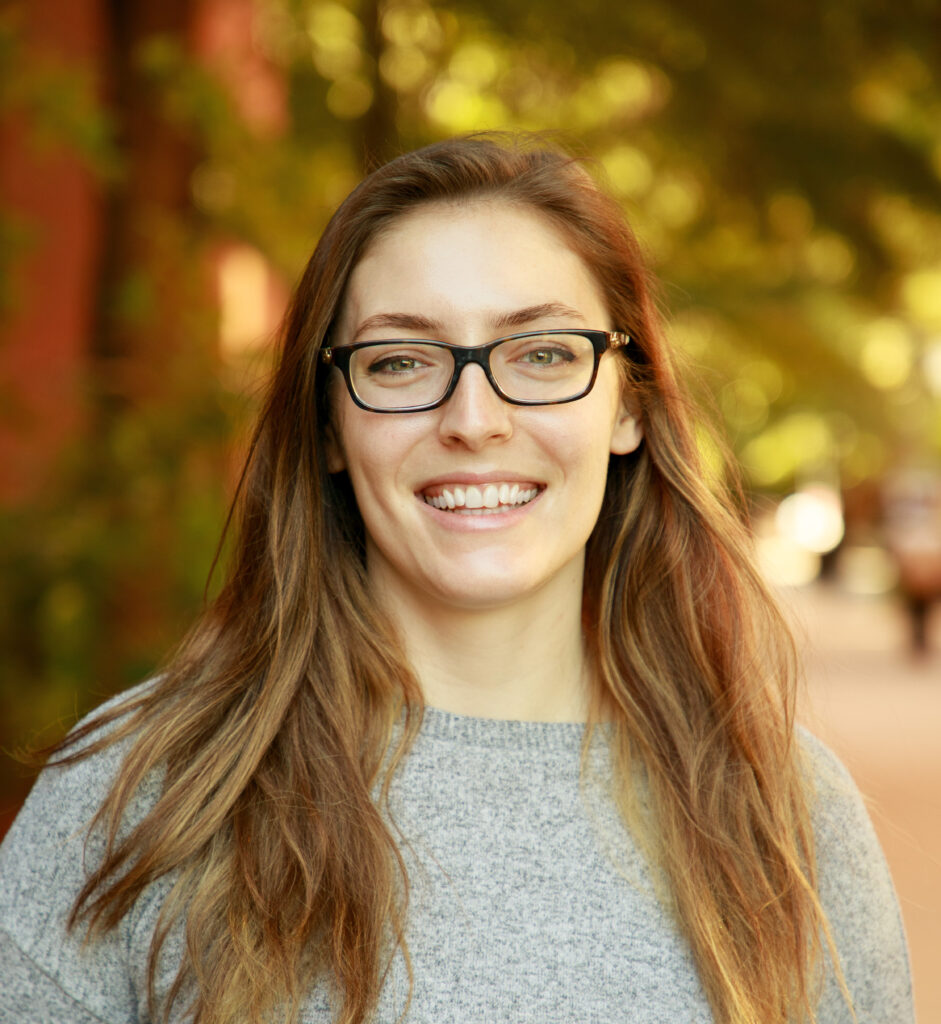
Jessica Novak is excited to be heading to the National Renewable Energy Laboratory next year—an aspiration she’s worked toward for years. (Image by Melissa Cormier, M.F.A. ’17/UMBC)
At UMBC, Novak studies how the bacterium Cellvibrio japonicus breaks down complex carbohydrates withJeffrey Gardner, associate professor of biological sciences. Unlike most other bacteria, C. japonicus can simultaneously break down a variety of sugar types, Novak explains, which makes it especially appealing for biofuels applications. At NREL, she plans to improve the understanding of how C. japonicus breaks down switchgrass, a bioenergy crop used to create bioethanol.
“The neat thing we’re going to look at is the rate Cellvibrio japonicus consumes different sugars that are in switchgrass, so that will help us better characterize its metabolic capabilities,” Novak says. NREL’s equipment and established protocols will be particularly helpful for that analysis, she adds.
Her time at NREL “will also train me in some of the biochemical analyses that I’m going to do back at UMBC,” she says. “I think the results we’re going to get from this fellowship will spark new ideas.”
Little steps toward big goals
The fellowship is an exciting step for Novak, who is a self-identified “planner.” Her interest in biofuels began in an undergraduate molecular genetics class at Salisbury University, where the professor talked about using algae as biofuels. “I knew eight years ago that I wanted to try out NREL,” she says, “and I’ve been taking little steps to make that happen.”
After finishing her bachelor’s, Novak worked at a company detecting biological threats in environmental samples. When she was ready to start her Ph.D., she connected with Gardner based on his research interests. She carefully selected an interdisciplinary thesis committee, which includes Brandon Knott, a chemical engineer at NREL. The DoE fellowship requires a co-mentor at the destination laboratory, and Knott will fill that role for Novak. Novak will also work with NREL scientists Violeta Sànchez and Alissa Bleem.
“I put so much time and effort into planning out my life and what I wanted to happen,” Novak says. “It’s just incredible that it’s starting to work out that way. I’m absolutely ecstatic. I cannot wait.”
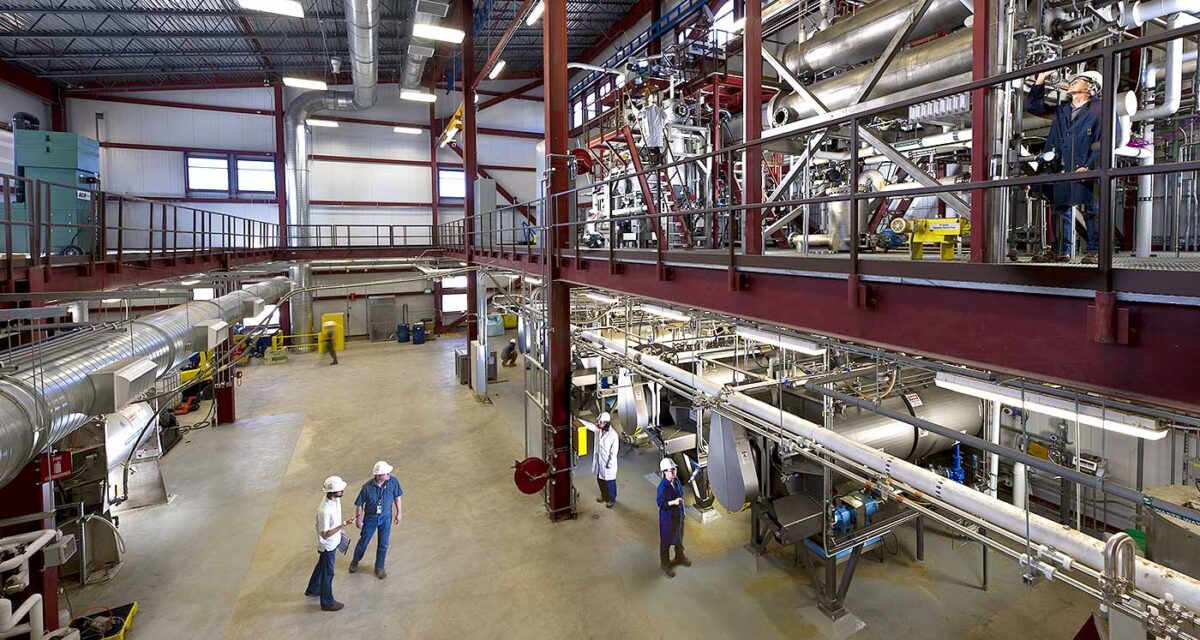
At NREL’s Integrated Biorefinery Research Facility, NREL researchers and partners work on processes and technologies related to biofuels and other bio-based products. (Image courtesy of NREL)
Using bacteria to make things better
Novak’s trajectory hasn’t been a simple beeline to a career in biofuels. In Gardner’s lab, Novak has been studying a different bacterium that breaks down plastic alongside her work on C. japonicus. Those experiences ignited her interest in bioremediation—a process that uses organisms like plants or microbes to remove toxins from the environment.
Now, she says, “I’m really interested in how we can use bacteria to break down man-made errors,” both literally and figuratively. “They just evolve so quickly to adapt to our faults. I really love the idea of utilizing that to repair our environment.”
Novak’s current plan is to finish her Ph.D. by summer 2025, and then pursue a postdoc in industry focused on bioremediation.
A new turning point
Gardner has supported Novak’s goals along the way. “He is so supportive and so encouraging of us bettering ourselves,” Novak says. “I’ve expressed that appreciation to him, and he always says, ‘It’s my job to support you and help you be as prepared as you can be leaving here.’ He takes that to heart—he’s just been remarkable.”
Jeffrey Gardner prioritizes setting his students up for success after UMBC. (Image by Marlayna Demond ’11/UMBC)
“I’m extremely proud of Jessie for winning this DOE fellowship,” Gardner shares. “She has done outstanding graduate work, and her time at NREL will not only advance her thesis research, but also help develop her professional network and provide opportunities for career mentoring. Additionally, the skills she brings back and shares with the lab will expand what we are able to do at UMBC.”
Novak expects her NREL fellowship to be another turning point in her career journey.
“I have loved what NREL does for a long time, so I am really hoping to meet some people there and see what they do on the industry side of research,” Novak says. “The fellowship gives me a chance to peek into that and progress my research at the same time, which will help me figure out what I want to do moving forward.”
Having a proper balance of proteins in our cells—the right kinds and the right number, depending on the cell type—is critical for optimal health. The proteins also need to avoid “misfolding”—contorting into shapes that prevent them from doing their jobs. It’s normal for proteins to misfold here and there, and there are mechanisms in cells to destroy aberrant proteins. But sometimes these systems fail. They also worsen as we age.
Protein misfolding “underlies a lot of diseases and aging,” says Erin Green, associate professor of biological sciences. In particular, cancer and neurodegenerative diseases like amyotrophic lateral sclerosis (ALS) and Alzheimer’s can be tied to a buildup of misfolded proteins.
In Green’s lab, she and her students are studying cellular pathways that may help maintain the balance of healthy proteins in a cell, a state called “proteostasis.” A deeper understanding of how cells protect healthy proteins and get rid of damaged ones may eventually lead to improved treatments for diseases caused by protein misfolding.
Erin Green’s research group is leaning into a new area of research on how organisms maintain a healthy balance of functional proteins. (Melissa Penley Cormier, M.F.A. ’17/UMBC)
Building discovery on discovery
With the NIA support, Green’s group discovered that the enzyme Set6 is important for maintaining protein balance in cells of budding yeast, a model organism. Set6 and other proteins in the same family are closely related to human enzymes in the SMYD gene family. Set6 adds methyl groups, small molecules made up of three carbon atoms and a hydrogen atom, to the amino acid lysine in proteins. These methyl groups can affect how proteins function.
“All of the machinery in yeast is very similar to in humans, and we have lots of tools for genetic and molecular manipulation in yeast,” Green explains. “You can do the same things in human cells, but it works much more rapidly and is simplified in yeast.”
After identifying the relevant enzyme, the team found molecules they believe Set6 interacts with. Now they’d like to confirm the interactions they identified, and then explore how they are controlled and their functions—all of which is unknown.
“There’s not a single published paper on Set6. Our goal is to uncover what I think will be a new function for this set of enzymes,” Green says. “Then we can apply that knowledge to investigating whether or not any of the human proteins have a similar role in human cells.”
If there’s a match with a human enzyme, then that would open the door to further work seeking to “keep proteostasis intact longer, and potentially prevent conversion into a disease state,” Green says.
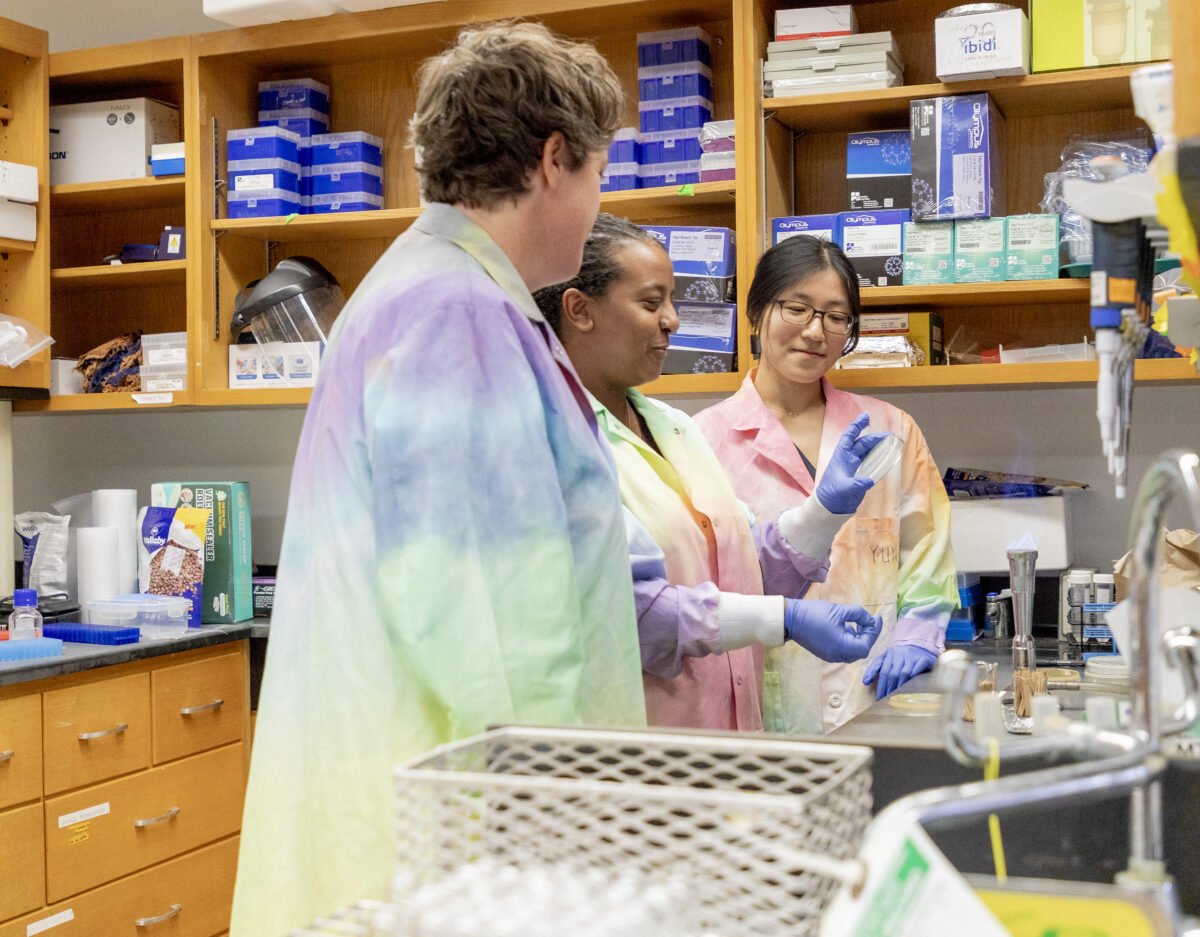
Left to right: Erin Green and graduate students Maki Negesse and Winny Sun hard at work in the Green lab. (Melissa Penley Cormier, M.F.A. ’17/UMBC)
Students lead the way
Luke Mason, a third-year Ph.D. student in Green’s lab, will take a leading role in the new project. He’ll be joined by a new graduate student supported by the NIH grant. “Set6 is upregulated under stressful conditions,” particularly a lack of nitrogen, Mason says. “I’m trying to figure out the specific interactions of Set6 and what it does.”
He has also found a home in Green’s lab. “It’s an environment that’s very conducive to teamwork,” Mason says. “People are always willing to share knowledge, skill sets, and really anything to help each other out.” That support is particularly valuable when knowledge about the enzymes they are investigating is still so limited, he adds.
Winny Sun, a Ph.D. student in her fourth year with Green’s lab, will be less directly involved in the new project, but her previous work on the related protein Set4 helped pave the way for this new direction. She studies Set4 under oxygen deprivation—a different kind of stress. Sun developed techniques for working with proteins that are only detectable under stress, and now Mason will apply them to the Set6 enzyme work.
Winny Sun (left) and Luke Mason are two of the graduate students who have contributed substantially to the Set6 research in Erin Green’s lab. (Melissa Penley Cormier, M.F.A. ’17/UMBC)
Nurturing research leaders
“Erin provides a lot of opportunities to grow as a scientist,” Sun says. One Green Lab member completed an internship at biotech firm Genentech and another traveled to France to work with a collaborator, Sun says, adding that she has had opportunities to present at NIH conferences.
Oluwaseun Kintunde’25, biological sciences, also appreciates working with Green. After her initial interview, she remembers thinking, “This is someone who I want to continue to mentor me, because she is so easy to talk to.” She has also received mentorship from the graduate students in the lab. “I can talk to Winny about anything,” Kintunde shares.
Green prioritizes mentoring her students, and works directly with both her graduate and undergraduate lab members. She knows a research career, whether in academia or industry, comes with successes alongside setbacks, so, she says, “The idea is to send them off into the world with the skill set that they need to deal with all the challenges they may face.”
Uncovering new biology
As the team forges ahead, the overall goal is to develop a molecular understanding of how Set6 contributes to proteostasis, Green says. That includes confirming what molecules it interacts with and exploring what biological pathways it may control. The group’s discovery of the enzyme’s response to stress is especially intriguing.
“There’s a ton of open questions, and I feel like there’s a lot of new biology to uncover there,” Green says. Given the SET family proteins’ implications for prevalent diseases like cancer and neurodegeneration, she adds, “If we can define at the molecular level how it’s working in yeast, there’s a lot of applications moving forward for broadening the research.”
Inioluwa Oluseyi has wanted to be a neurosurgeon as long as she can remember. She didn’t anticipate how much fly husbandry would play a role in her reaching her goal. In a fall 2022 genetics class with Fernando Vonhoff, “He talked about how his lab works on flies to answer questions related to neurological issues, so that just immediately clicked for me,” says Oluseyi, a biological sciences junior.
She talked to Vonhoff, an assistant professor of biological sciences, after class about opportunities. He gave her a tour of the lab the following week, and she started working with his research group soon thereafter. In the fall and spring, Oluseyi gained skills in fly husbandry, dissection, and common testing protocols.
Vonhoff was impressed with her progress, and it was clear that by summer Oluseyi would be ready to take on her own project. Vonhoff suggested she apply for research scholarships, including the new Thomas F. Roth Research Award.
Roth joined the UMBC faculty in 1972 and helped get the fledgling university off the ground. He was instrumental in forging the culture of collegiality in the biological sciences department that continues today. Roth passed away in 2021, and his sons Kurt and Peter Roth established the research award in his memory.
Oluseyi is an international student from Nigeria, and she was happy to learn that she was eligible for the Roth award. Many scholarships are limited to U.S. citizens or permanent residents. “I was so excited,” she recalls. “Finally, I had this opportunity to apply to.”
Inioluwa Oluseyi is thrilled to be pursuing biological research with Fernando Vonhoff and plans to pursue graduate work. (Image courtesy of Oluseyi)
Pushing her thinking
Oluseyi is the first recipient of the Thomas F. Roth Research Award. She also successfully applied for a UMBC Undergraduate Research Award (URA) for the 2023 – 2024 academic year based on her work in Vonhoff’s lab. Her URA proposal builds on her Roth-funded summer research and outlines experiments to study the behavioral responses of flies to pain, including whether experiencing pain changes their preference for plain versus ethanol-laced apple juice, or if it affects their mobility or feeding and mating patterns.
This summer, she bred the flies needed for her fall experiments. She also supported testing on flies with altered genes, for a project led by Ph.D. student Claudia Gualtieri, to learn how those genes are involved in various behaviors. “Ini has always been willing to go the extra mile,” Gualtieri says. “She was eager to learn despite challenges, and she did all of this while bringing a contagious smile into the lab,” Gualtieri says.
Oluseyi’s summer experiences funded by the Roth award “made me push my thinking,” she says, and may lead to changes in the project she proposed for her URA.
“I think I want to broaden my horizons,” Oluseyi says. “My research proposal was very much behavioral, but now I want to refine it and go deeper into the gene level.”
Growing relationships, setting goals
Spending so much time in the lab over the summer also afforded opportunities to enrich her relationships with labmates and think deeply about her future. “I branched out and talked to a lot of new people and learned what they were studying,” Oluseyi says. “That helped me to improve my scientific thinking.”
Her connection with Vonhoff also shifted. “Now we’ve talked more and connected in a different way,” Oluseyi says. “Before I saw him as my supervisor, but now I see him as a mentor—someone I can come to if I need anything.”
Fernando Vonhoff (right) and Abby Cruz ’17, biological sciences, discuss their research in Vonhoff’s laboratory. (Marlayna Demond ’11/UMBC)
Those conversations covered the immediate work in the lab as well as Oluseyi’s longer-term goals. Originally, she was planning on medical school. Now that she knows she enjoys research and has discussed her options with Vonhoff, Gualtieri, and others in the lab, the M.D./Ph.D. path toward life as a physician-scientist is appealing.
“Inioluwa is a living example of how access to research opportunities can be a transformative experience for growing young minds,” Vonhoff says. “From the beginning, it was obvious that Ini was driven by her intellectual curiosity and passion to make meaningful contributions to our society.”
A cool connection
The Roth award made these developments possible, but her connection to Roth extends beyond receiving support for her studies. In her spring 2023 cell biology class, around the time she was applying for the Roth award, Oluseyi was learning about coated pits—structures on a cell’s surface that help it take in large molecules. She also learned who discovered these pits: Thomas Roth.
Roth made the discovery as a graduate student under Keith R. Porter at Harvard University. Later in his career, Porter became a professor at UMBC, and UMBC’s Keith R. Porter Imaging Facility bears his name.
“When I found out about that, I told everybody—‘What we’re learning about is by this person!’” Oluseyi says. “It was so cool.”
Pursuing her dreams
Oluseyi’s research has not progressed as quickly as she hoped, mostly due to unexpected flooding in UMBC’s biology building last winter, but even the challenges became a learning experience. “My biggest takeaway from this summer is that research doesn’t always go as you want it to go,” she says. “But even if it changed, I liked what I did. I got to explore other things and learn more about flies in general.”
And the experience has paved the way for future work—which will certainly be full of both challenges and successes. “The Roth family’s generosity has made it possible for me to pursue my dreams,” Oluseyi says. “I’m looking forward to starting the URA project this semester.”
Although objects like bridges, buildings, and airplane wings may seem quite rigid, by design they are capable of a surprising deal of bending. This elasticity allows them to deform safely and temporarily in windy conditions. However, very rarely, “Elastic systems like bridges, buildings, and planes can become oscillatory or unstable in the presence of everyday wind, with potential for the oscillations to become damaging,” says Justin Webster, associate professor of mathematics and statistics. “Understanding this has big implications for fields like civil engineering or alternative energy.”
Webster has received a new $290,000 National Science Foundation Division of Mathematical Sciences grant to “look at the mathematical models that describe these wind-structure systems,” he says, “and try to answer the questions, ‘What gives rise to these self-destabilization effects? And do I understand it well enough to stop it, or better yet, to prevent it altogether?’” In other words, can we prevent the bridge collapsing or the wings snapping off the plane in windy conditions?
The Tacoma Narrows Bridge collapse in November 1940 is a classic example of wind-induced oscillations having catastrophic effects.
In contrast, certain energy harvesting devices require oscillation to function. As wind flows over one of these flag-like surfaces, it flaps, or “flutters,” generating electrical current. With these energy harvesters—as opposed to planes and bridges—says Webster, “It’s the opposite: You want the oscillations to happen. Not only do we want this to happen, but we want it to happen in an optimal way.”
For some of these systems, there are no existing mathematical models. For others, models exist, but they don’t seem to capture the way these systems behave in the physical world very well. As a first step, Webster and his students, including new members brought on board with the NSF support, will work to generate new, relevant models or refine existing ones. Next, they will analyze how the models address key questions in three applications: a bridge, an airfoil (like a plane wing), and a flutter-driven energy harvesting device.
In each scenario, Webster and his team will ask, “What conditions give rise to flow-induced oscillations that appear to be spontaneous? And if they do happen, can the model predict what they will look like—such as bending, or, more dangerously, twisting?” Right now, the answer to the latter is “no.” The new grant will help Webster get closer to “yes,” and as a result, eventually improve infrastructure safety and the efficiency of some alternative energy devices.
Viruses must hijack their hosts’ cellular machinery to make more viruses, so preventing this hijacking could lead to a host of new treatments for viral diseases. However, much is unknown about how the viruses actually accomplish their takeover. Scientific understanding is especially murky for RNA viruses, which use RNA as their genetic material, rather than DNA like animals. These viruses’ RNA serves as their genome and also codes directly for viral proteins.
With support from an NSF CAREER Award, Deepak Koirala, assistant professor of chemistry and biochemistry, has been working on figuring out how enteroviruses, a large group of RNA viruses, replicate their RNA genomes. Enteroviruses include viruses that cause polio, the common cold, and many more diseases that affect humans and other animals. Now Koirala has received a five-year, $1.8 million grant from the National Institutes of Health to solve another part of this puzzle: How do these viruses commandeer proteins in the host cell to produce viral proteins? The cell must build these viral proteins before the virus can replicate.
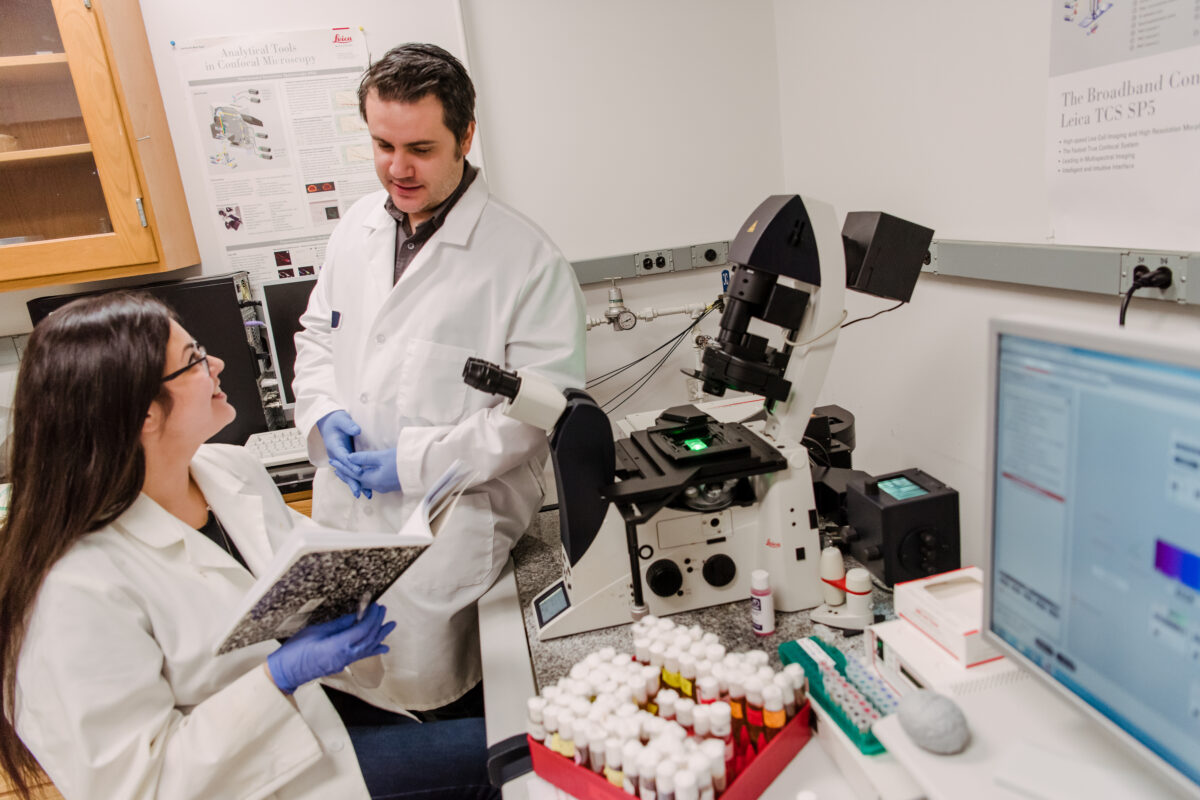
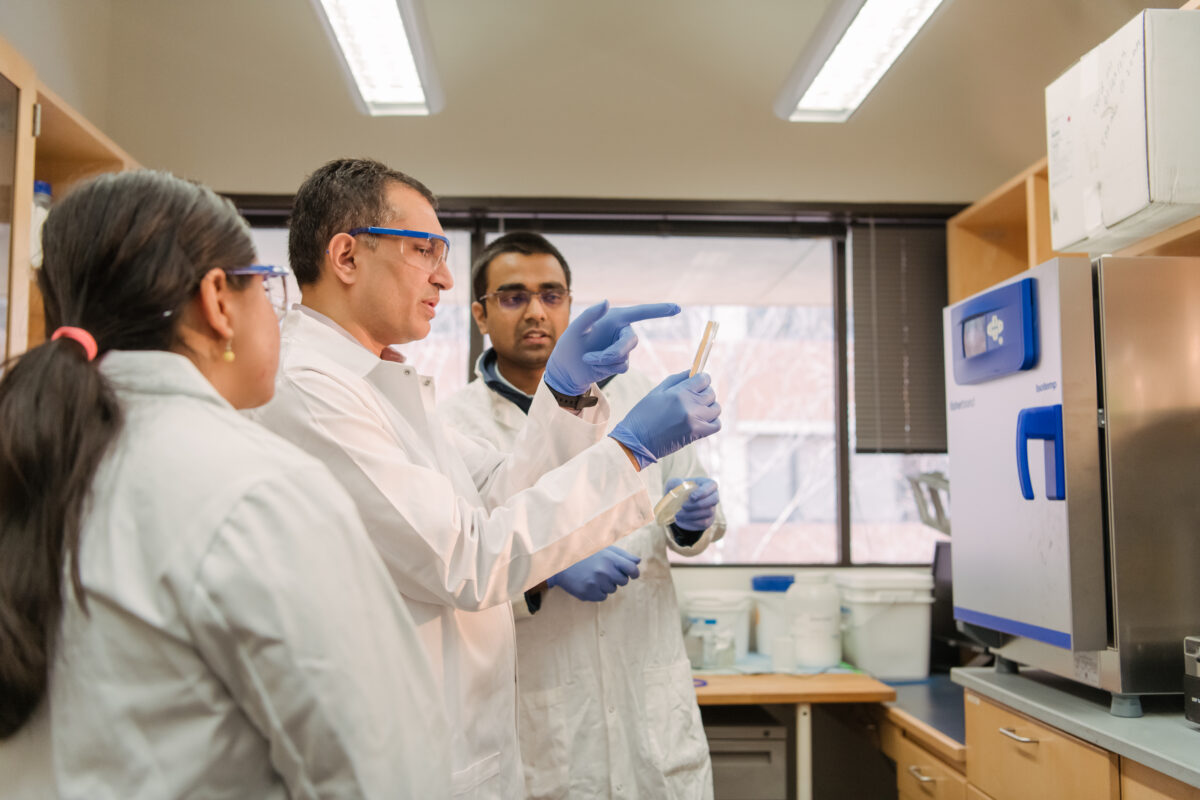
Deepak Koirala (pointing at petri dish) uses a wide range of techniques to answer scientific questions about RNA viruses. Naba Krishna Das (right), a Ph.D. student in Koirala’s lab, is a key contributor to the group’s viral replication research. (Marlayna Demond ’11/UMBC)
A new biological mechanism?
When a cell makes its own proteins, the cellular mRNA, a type of RNA that carries the instructions for building proteins, interacts with the protein-building machinery via a special structure at one end called a “cap,” Koirala explains. Enteroviral mRNAs lack this cap—and yet they are still perfectly capable of forcing the cell to do their bidding. Koirala is trying to figure out how.
Koirala has been studying unique structures at the ends of viral RNAs for their role in replication, but they may be doing double duty by initiating protein production as well, he believes. Koirala and his team, which includes undergraduate and graduate students, will use a technique called X-ray crystallography to deduce the precise molecular makeup of these special RNA structures.
At the same time, they will run experiments to learn how the structures interact with the cellular machinery. These two lines of investigation complement one another. “If we have the structure, that would allow us to pinpoint the critical nucleotide or amino acid that is important for the interaction,” Koirala says. “And then we can mutate that one, to see how that changes the interaction.”
By using a range of techniques, the team seeks to determine what the structures look like and how they work in the cell. “It could be a new biological mechanism we’ve never seen before,” Koirala says.
The team already has some early data supporting their goals, Koirala says. A related publication is under review at a top-tier academic journal. Several lab members are authors on the paper—including three undergraduates. “We are really excited about that,” Koirala says.
Manju Ojha, a Ph.D. student in Koirala’s lab, mentors undergraduate Zohra Mian. Ojha will have a leading role in the work related to viral protein production for the new grant. (Image by Marlayna Demond ’11/UMBC)
One drug, many targets
The project is likely to end up supporting other researchers, as well. In the course of the team’s work, “We are developing tools that facilitate our understanding of these RNA structures,” Koirala says. “The tools we develop may be useful not only for the particular system we are working on, but they could be useful in general for many other RNA structures in other fields of research.”
In addition, RNA structures found in one species of enterovirus are very similar to those found in other enteroviruses that cause different diseases—even some that infect very different kinds of organisms, Koirala discovered. That opens the door to developing antiviral treatments that are able to target many different viruses.
With the RNA structures in hand, the next step might be to use artificial intelligence to screen for other molecules that bind to the structures, preventing the viruses from taking over the cell and causing illness. Scientists could then take steps to develop new drugs using these molecules.
“Once we understand the structure, and we have a better understanding of the mechanism, we can better design drugs,” Koirala says. “But right now we are at the fundamental level of how these things even work.”
Every living thing on Earth, from bacteria to humans, uses the same set of 20 amino acids to build all of its proteins, called our “amino acid alphabet.” But why that particular set of 20? If other amino acids are possible, what makes a good alphabet? And how might we recognize life beyond Earth that’s using an alphabet other than our own?
These are all questions that Stephen Freeland, professor of biological sciences, has been asking for over a decade in his theoretical research at UMBC. Now he and colleagues at the Tokyo Institute of Technology, Charles University in the Czech Republic, and Johns Hopkins University will take this work into the laboratory for the first time.
Stephen Freeland has been studying the origins of life for decades; now he’s taking the work into a new realm with international colleagues. (Image courtesy of UMBC Individualized Study Program)
The team seeks to marry Freeland’s theoretical work with his colleagues’ unique laboratory expertise to link together known alternative amino acids to form proteins. The Human Frontier Science Program (HFSP) is supporting the work with a new three-year, $1.8 million grant. The HFSP is a major international funding agency for basic life science research that specializes in supporting collaborations across continents.
The overarching question the project seeks to answer, Freeland says, is “What can we learn about how life could be different at the most fundamental level of biochemistry?” It’s a daunting question, with significant implications from biomedical applications to increasing our chances of detecting life on other planets.
Researchers have already created alternative amino acids in the lab and added individual alternative amino acids to proteins otherwise made of standard ones. However, no one has built entire proteins from scratch using nothing but a set of alternative amino acids. “This work is genuinely novel,” Freeland says. “Nobody knows what will happen. This is a first.”
Finding the essence
Freeland’s prior work has focused on determining what characteristics are necessary for a set of amino acids to function well as a basis for life. He and his students determined what differentiates our set of 20 amino acids from other random sets of 20 taken from a digital library of about 4,000 mathematically-generated amino acid structures.
That work led to a group of four equations that can be used to describe any set of 20 amino acids. “So it’s almost as if conceptually we boiled it and got the essence of it,” Freeland says, “We identified really unusual, simple characteristics that distinguish life on Earth’s set of 20 amino acids from random.”
With those factors in hand—what Freeland calls “design principles”—his team is now using a powerful computer program they developed to look at other sets of 20 amino acids and find examples that meet the same criteria. And this time around, they are taking the amino acids from a catalog of about 300 that can be obtained commercially—so any “good” set they find can be tested in the lab.
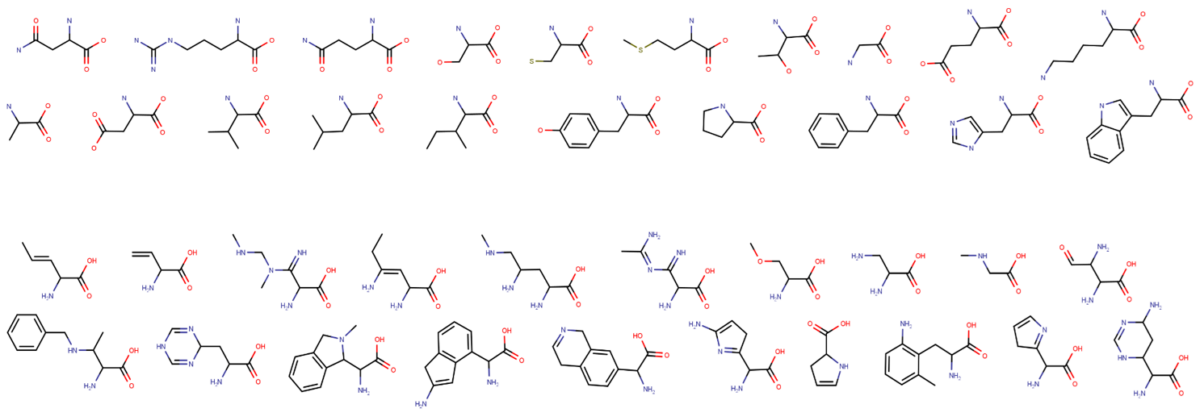
The top row includes molecular structures of the 20 amino acids found in all life on Earth. The bottom row is Xeno-ꞵ, an amino acid alphabet of 20 amino acids unlike any found within the genetic code of life on Earth. Yet, Xeno-ꞵ matches unusual mathematical properties of the chemical structures found in life’s alphabet. (Figure adapted from a 2022 paper published in Astrobiology and co-authored by UMBC Ph.D. candidate Sean Brown, collaborator Václav Voráček, and Stephen Freeland, courtesy of Freeland)
Going back in time to leap forward
This summer, the work entered a new phase. Sean Brown, a UMBC Ph.D. candidate in biological sciences working with Freeland, traveled to the Czech Republic to work in Klara Hlouchova’s lab, where they are preparing the technology to produce proteins with proposed alternative amino acid alphabets. “Basically, we’re asking, ‘Do our design principles work’?” Freeland says.
In some ways, this work will be like going back in time to the mid-20th century, when researchers were first discovering how life behaves at the molecular level. Since then, techniques for building and analyzing proteins have come to rely on everything we’ve learned about life’s amino acid alphabet. As such, these tools cannot be applied to alternative amino acid alphabets. For this project, the team will return to older approaches and techniques, in which the Czech researchers have retained expertise, to see if their alternative amino acids can actually form proteins.
If the experiments are successful, the team will be able to further hone the design principles for a generic life-producing amino acid alphabet, rather than basing the principles solely on the characteristics of life on Earth.
“If we can show that unusual, abstract properties of life as we know it are necessary, it helps us to understand why evolution on Earth went the path it did,” Freeland says. “It’s part of our own history, and it answers the question, ‘Why those 20?’”
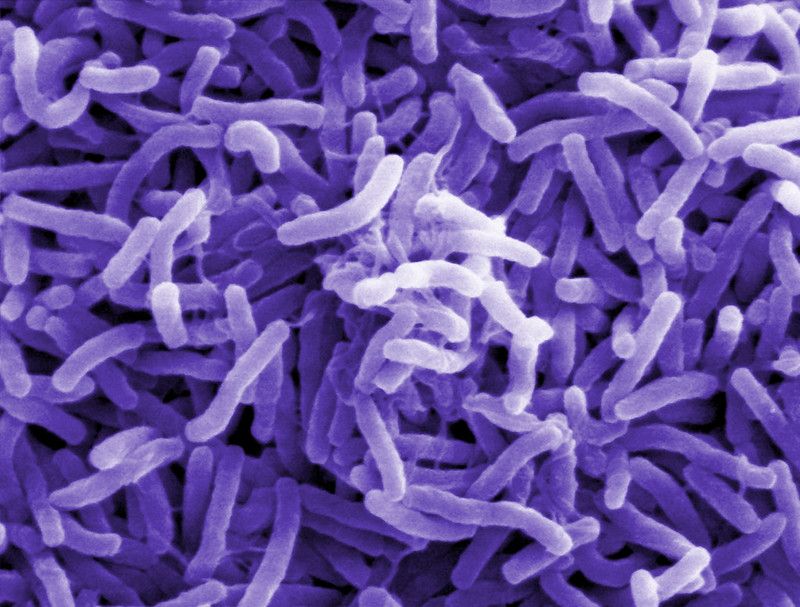
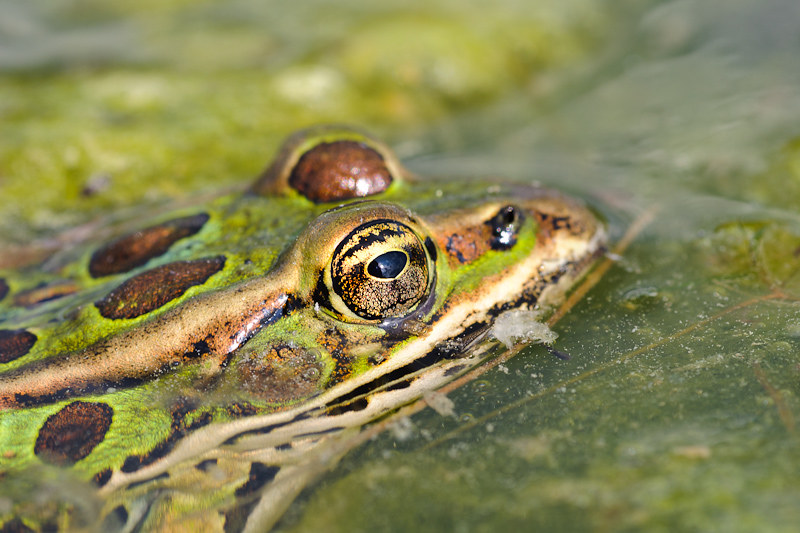
Organisms on Earth display remarkable diversity—but all of them without exception use the same set of 20 amino acids to build proteins. Stephen Freeland is part of team trying to figure out why those 20, and possibly help humans discover life that operates on a different basis elsewhere. (Frog by Breic, CC BY 2.0; sunflower by r44flyer, CC BY-NC-ND 2.0; tropicbird by Doug Greenberg, CC BY-NC 2.0; cholera bacteria by Sanofi, CC BY-NC-ND 2.0; koala by Azri, CC BY-NC-ND 2.0)
Knowing what to look for around the universe
Beyond understanding our own history, refining the design principles would better inform our approach to seeking life on other planets, Freeland says. Scientists generally agree that other life forms are most likely to be microbial, but “most of the ways we currently detect microbes absolutely rely on the molecules in use for life on Earth,” Freeland adds. This work could help researchers know how to detect a “molecular signature” of amino acids that are most likely to show up in life forms that originated independent of Earth.
Like all technologies, these developments come with great promise alongside risk. Freeland isn’t particularly concerned about individual synthetic proteins getting into the wild in the current stage of research, because proteins can’t replicate on their own. But he notes that there are important questions to ask about future, more advanced research. For example, there is potential for scientists working with DNA to build programmable genetic codes. Once this technology merges with fully synthetic proteins, he says, “is where the story takes a really interesting turn.”
Synthetic DNA and proteins have many potential beneficial applications. But they also come with a host of ethical concerns. By putting their work in the public domain, Freeland and his team are working hard to make possible a transparent, public debate about whether and how these technologies should be used. (Image by Marlayna Demond ’11/UMBC)
Open-source proteins
Possible beneficial applications of synthetic proteins abound, and could include medical treatments or removing toxins from the environment. But without proper oversight, the technology could potentially also lead to harm, Freeland cautions.
Freeland is hoping to avoid the synthetic protein field following in the footsteps of synthetic DNA research. That field is much further ahead, but has mostly been carried out by private companies out of public view, “lending itself to patents and commercial ownership rather than to healthy, transparent debate and legislation,” Freeland says.
To create the best chance for responsible regulation around the use of synthetic proteins, Freeland and his colleagues are trying to quickly get their research into the public domain, he says, to make as robust as possible “what I think will be one of the more important debates of the 21st century when it comes to biotechnology: What are the laws, what are the ethics guiding our use of synthetic proteins and DNA?”
“Life on Earth is an example”
As Freeland and his colleagues lead the way into a new era of synthetic protein research, questions abound. Will proteins form from the amino acid combinations recommended by the algorithm? How can and should we use synthetic proteins, and who will decide? Will the research help us discover life on other planets? As the work develops and more researchers join this burgeoning field, researchers and the public will be constantly reminded of what Freeland describes as “one of the deepest principles of astrobiology.”
“Life on Earth is an example,” he says. “It would seem surprising to think it’s the only example.”
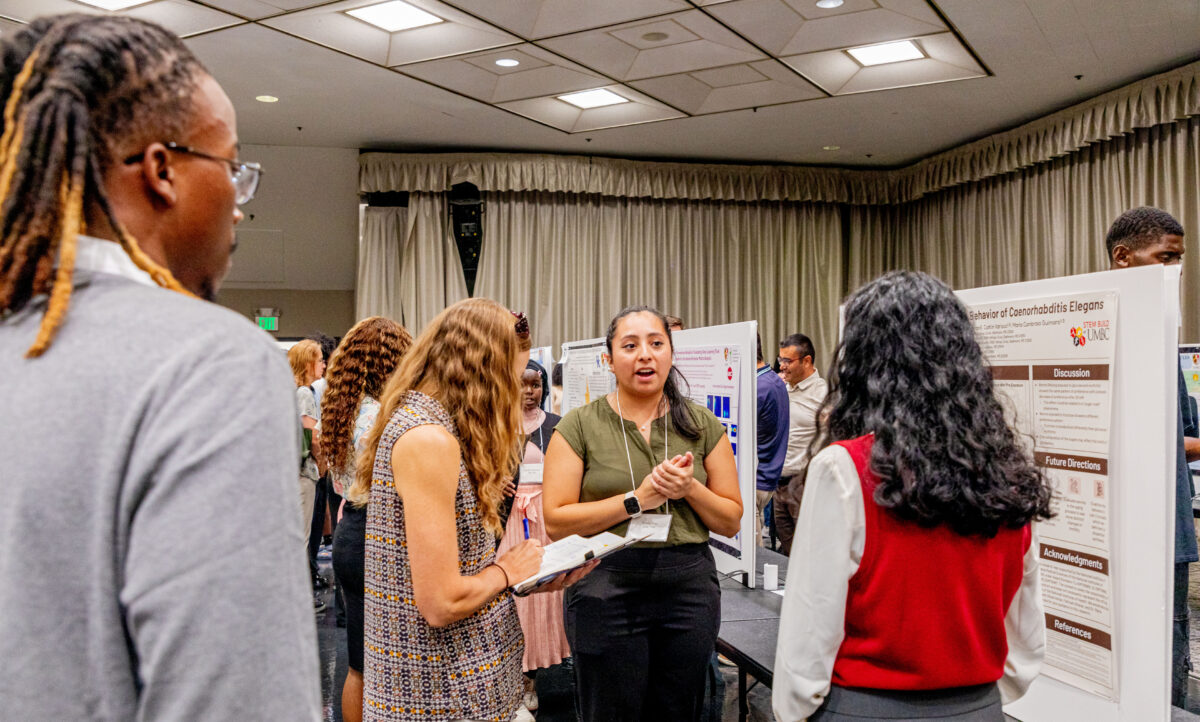
At Summer Undergraduate Research Fest (SURF) on August 9, 132 students presented posters and six gave short oral presentations, called “lightning talks,” about research projects covering topics from “forever” chemicals to prostate cancer to alcohol addiction. The University Center Ballroom buzzed with students, mentors, and guests as students shared their progress, interacted with other student researchers, and received feedback. The annual event, sponsored by the College of Natural and Mathematical Sciences (CNMS) since 2005, gives students who are often in the early stages of their research careers an important opportunity to feel like part of a scholarly community.
“We are proud of all that our students accomplished this summer. Now they are more knowledgeable, experienced, and skilled—they are better scientists,” shares CNMS Dean William R. LaCourse. “Their discoveries, their effort, and their willingness to explore have added to the vault of scientific knowledge, which in the end benefits society through empowerment—an empowerment of understanding, prediction, and invention.”
Undergraduate research boosts confidence, opens doors
Community college students who participated in the BUILD a Bridge to STEM Internship, a component of STEM BUILD at UMBC, presented research they conducted in small groups under the mentorship of Maria Cambraia, assistant director of research and international affairs in CNMS. Each group developed a different research question about the earthworm C. elegans, a common model organism, and then designed and carried out experiments to answer that question. The internship operates as a course-based undergraduate research experience, or CURE, a structure designed to create opportunities for more students to gain authentic research experience.
Emily Paz ’25, biological sciences, studied how high sugar diets affected the worms. It was Paz’s first time conducting quantitative research, and the BUILD internship created opportunities to make mistakes and learn from them, she says. “It expanded my career choices, and made me see I really have an interest in this field,” says Paz, a transfer student from Howard Community College.
Emily Paz ’25 (center), biological sciences, explains her research to SURF attendees. (Image by Melissa Penley Cormier, M.F.A. ’17/UMBC)
In addition to work in the lab, the process of preparing for SURF and completing the Introduction to Research Badge as part of the internship was valuable for BUILD intern Emily Molnar, a Montgomery College student whose project focused on the relationship between stress and alcohol in C. elegans. Interns completed the badge, a sequence of activities designed to help them get ready to find and pursue undergraduate research opportunities, under the guidance of Caitlin Varisco, assistant director of undergraduate initiatives in CNMS.
“The internship gave me experience with abstracts, posters, and skills to get future opportunities, which boosted my confidence,” Molnar says.
Belonging in science
Student research at UMBC is frequently student driven, which was the experience of Samuel Barnett ’25, biochemistry and molecular biology, another Howard Community College transfer. His project looked at how nicotine influenced the appetite of C. elegans. “You have so much freedom in this program, which I love,” he says. “That really made me feel involved in the research process.”
Third- and fourth-year UMBC students, some of them former STEM BUILD Trainees, mentored the interns along with Cambraia. “I found it uplifting,” says mentor Courtney De Leon ’25, biological sciences. “I’m so proud of the students I mentored.” De Leon also presented her own project at SURF on how long-term nicotine consumption affected growth and reproduction in C. elegans.
Andrew Opincar ’25, biological sciences and a STEM BUILD Trainee, presents a “lightning talk” at SURF. (Image by Melissa Penley Cormier, M.F.A. ’17/UMBC)
Cambraia notes that after the eight-week internship, the interns identified much more with being scientists than they had at the outset. “Science identity” is documented to increase the chances that students will complete STEM degrees and then continue in related careers.
“That’s why mentoring and peer mentoring are so important in this program,” Cambraia says. “We are not just mentoring them in wet lab techniques, experimental design, and data analysis skills. Our main goal is to help them see and feel that they belong in science and that they can be future leaders in this field.”
“A grand scholarly community”
BUILD a Bridge to STEM is just one example of a student research program that participated in SURF. Students in an array of programs supported by the likes of the National Institutes of Health, Howard Hughes Medical Institute, and the Louis Stokes Alliance for Minority Participation participated, as well as those who arranged their research projects individually.
“These projects all depend on mentors supporting undergraduate research with their time, energy, and resources,” LaCourse notes. UMBC faculty have shown time and again that they are happy to work with students to help them reach their goals, as evidenced by the huge number of students presenting original work at SURF. For many students, SURF is their first time presenting research—but LaCourse hopes it won’t be the last.
“This may be the first of many scientific talks you give,” he told the participants at the end of the day. “By practicing and applying the skills of performing research this summer, you are following in the footsteps of great scientists and researchers—making each of you a part of a grand scholarly community.”
In 2018, faculty at UMBC and four of its top-sending community colleges embarked on a project with an ambitious mission: improve students’ quantitative skills in biological contexts, and eliminate the achievement gap between transfer and direct-entry students in courses requiring these skills. The urgent need for students in the life sciences to be proficient in a range of mathematical concepts has been made clear again and again by various national reports. The project, dubbed the NEXUS Institute for Quantitative Biology (NIQB), arose to address that need.
Dean William R. LaCourse has led numerous projects designed to increase student success in STEM at UMBC. (Image by Melissa Penley Cormier/UMBC)
“The world is quantitative,” says William R. LaCourse, dean of the College of Natural and Mathematical Sciences at UMBC. “To do science, and even to make informed decisions in your everyday life, you need to be able to interpret graphs, understand statistics, and more. Having the knowledge to make decisions on your own, and interpret information, empowers you to be successful.”
The NIQB is an arm of the $1.4 million Improving Undergraduate Science Education (IUSE) grant funded by the National Science Foundation that involves UMBC, Howard Community College, Montgomery College, Anne Arundel Community College, and Community College of Baltimore County. At UMBC, the project is led by LaCourse and Jeff Leips, professor of biological sciences. The grant formally concludes in September, and feedback at the group’s fifth annual symposium held in June made clear that it has been a resounding success. Many of its outcomes will continue to benefit students and the partner institutions moving forward.
Promising results
Tory Williams leads the evaluation effort for NIQB. In her role at the UMBC Faculty Development Center, she conducts research that supports teaching innovation across UMBC. (Image by Marlayna Demond ’11/UMBC)
Over the five years of the NIQB project, faculty teams comprised of math and biology instructors and administrators from multiple institutions developed 21 new curricular modules that teach quantitative skills through exploring biological concepts. For example, students studied exponential change through a “Rat Attack” module about population growth. Other modules covered cell division, natural selection, concentration and saturation, and the immune response.
An analysis by Tory Williams, assistant director for pedagogical research in UMBC’s Faculty Development Center, found that after participating in the modules, students showed statistically significant improvement on the desired skills, such as working with algorithms and using quantitative language.
“Our students have really gained a lot in their quantitative skills. It not only helped them better understand the math side of things, but it helped them better understand the biology,” shares Hannah Pie, a biology instructor at Howard Community College.
Growing skills, changing minds
Students at all of the institutions performed at the same level on nine of the modules. On four other modules, performance across institutions only differed on a few items. These are promising signs that the performance gap between transfer and direct entry students is likely to shrink as these students transfer to four-year institutions. The remaining modules were implemented later in the project and require additional analysis from spring 2023 to get meaningful results.
Michelle Starz-Gaiano (center), professor of biological sciences, has been involved with integrating quantitative skills into biology courses at UMBC through NIQB and other efforts. (Image courtesy of Starz-Gaiano)
In spring 2021, some faculty began teaching the modules in their courses. Each semester, new modules became available, and more faculty adopted the new and existing modules in their curricula. By spring 2023, the modules were being taught at five different institutions.
A large majority of faculty said that given the choice, they would use the modules again, according to Williams’ analysis. The students also reported changes in their attitudes toward using math in biology after taking courses using the modules. Their ratings of how intriguing, fun, and appealing they found using math for biology increased, and worry and intimidation decreased.
“Math and biology fit really well together—who would have known?” joked Sybille Clayton, a math instructor at Anne Arundel Community College. “The STEM field has so much to offer, and our math students are still starving for applications at their level. I have always been a proponent of that, and now we have wonderful biology examples.”
Rewarding relationships
In addition to introducing the modules, some institutions made larger curriculum modifications as a result of the NIQB faculty teams’ work, such as shifting content between courses or altering course sequencing or prerequisite requirements. All the changes were in service of optimizing student learning and preparing community college students to succeed at UMBC or another four-year institution.
A committee with similar goals was formed in years prior to the NIQB project, “but it was really a one way street,” reflects Stephen Miller, associate professor of biological sciences at UMBC. Rather than community colleges solely adapting to UMBC’s curriculum, “It was much better to make it a two-way conversation with NIQB,” he says.
The faculty teams discussed everything from different class period lengths to different methods of assessment across institutions in their regular meetings. Addressing challenges together helped the team members build rewarding relationships that they plan to continue to nurture.
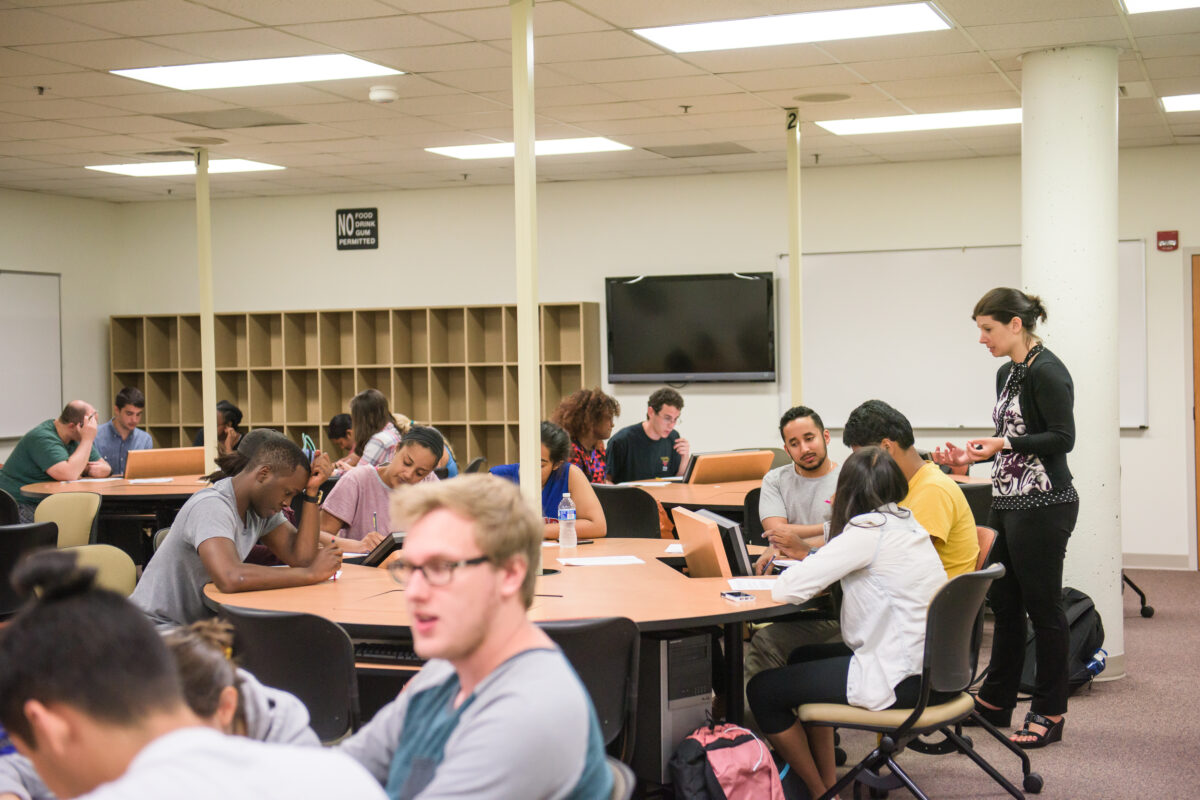
Tracy Smith (standing, right), senior lecturer of biological sciences, teaches in UMBC’s CNMS Active Science Teaching and Learning Environment (CASTLE). Faculty at UMBC have been increasingly adopting innovative active learning techniques for several years, which are known to help students more effectively take ownership of their learning. (Image by Marlayna Demond ’11/UMBC)
“I would like to continue to have these rich collaborations, and meet with other faculty teaching the same courses that I am,” Pie says. “It’s really rewarding to bounce ideas off other people and make your course the best that it can be.”
“It was interesting to see what other topics would come up in our team meetings not related directly to this project,” adds Rebecca Thomas, professor of biology at Montgomery College. “It’s opening up those bigger conversations about how we teach and what are our practices,” which benefits students and faculty alike.
Engaging students in the work
Laura Ott, former IUSE director at UMBC and now teaching assistant professor in biology at the University of North Carolina at Chapel Hill, gave the keynote address at the annual symposium in June. She has taken module development a step farther: She included curriculum design in one of her undergraduate courses.
Students create modules in Ott’s course and later analyze their success when other courses use them. The process creates independent research opportunities beyond typical lab research. Participating in what Ott calls disciplinary-based education research led to “huge gains in research self-efficacy, even more so than in traditional research experiences,” Ott says.
Faculty at the symposium were intrigued, and some started brainstorming ways to implement similar ideas at their institutions, such as in honors projects.
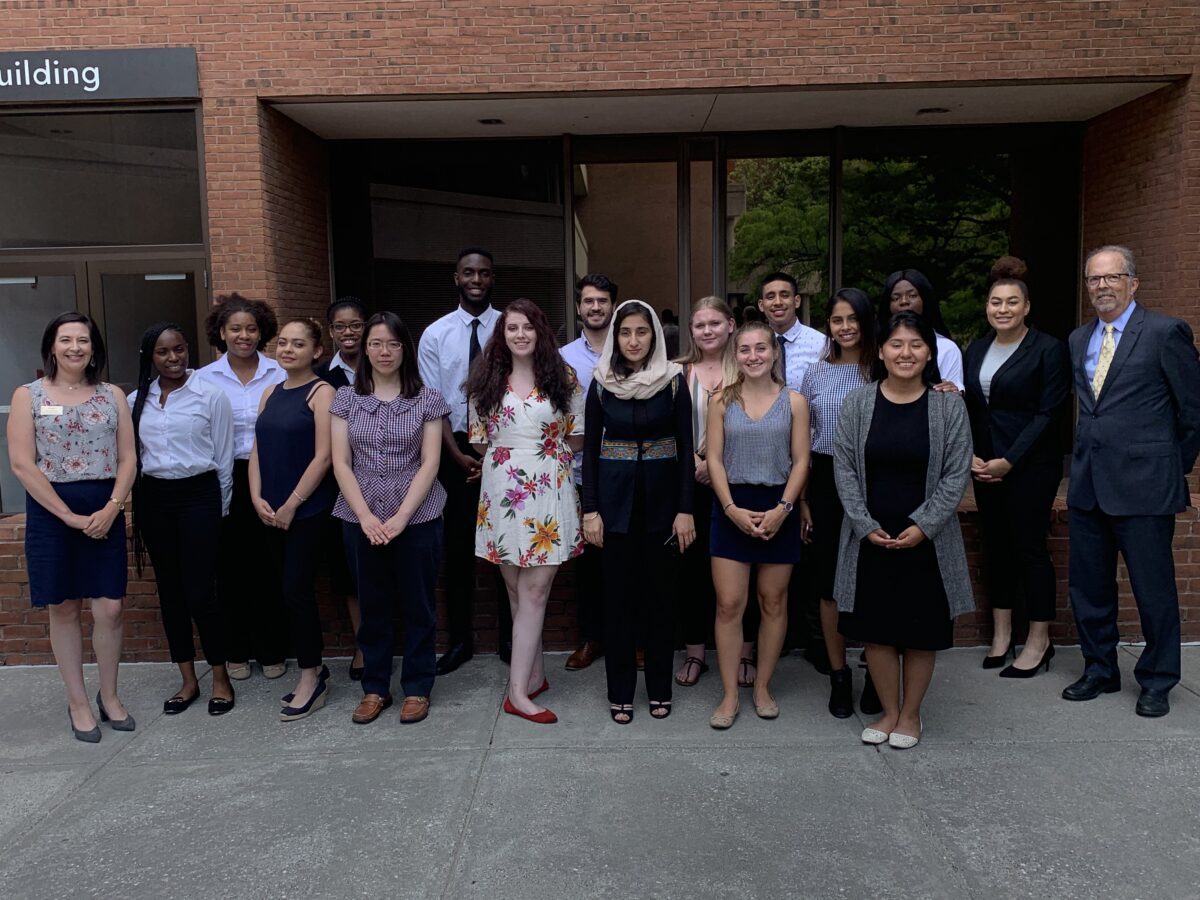
Laura Ott (far left) and Philip Farabaugh (far right), professor of biological sciences, with students in the UMBC STEM BUILD program in 2019. Ott was a lead staff member in the program, which is designed to support student success in STEM, from 2014 – 2019.
Spreading the word
Moving forward, the partner institutions are determined to find ways to keep the connections they’ve built alive and to continue to innovate their teaching to support student success. The faculty will also focus on sharing their results and the modules more broadly through publications, presentations, and word of mouth.
To start, Leips plans to share the modules with Carroll Community College, where he serves as a STEM advisor. Already, the modules are spreading to instructors at the partner institutions who are not directly involved in NIQB. In addition, the NIQB is disseminating their modules worldwide through the Quantitative Undergraduate Biology Education and Synthesis (QUBES) website.
“The faculty involved in this project have really taken this work back and disseminated it at our institution. The modules have become a part of the culture of our teaching,” Thomas says. Given the success of the modules in supporting student learning, “That’s a huge benefit for the faculty and for the students.”
No one wants to receive a cancer diagnosis. Ovarian cancer can be particularly scary, because its vague symptoms make it difficult to detect early—and when caught late, after the cancer has already metastasized into nearby organs, the five-year survival rate of ovarian cancer is less than 30 percent.
However, if caught early, that number rises sharply to 90 percent, explains Achuth Padmanabhan, assistant professor of biological sciences. Padmanabhan, who received his Ph.D. from UMBC in 2011 and returned as a faculty member in 2019, has made it the mission of his long-term research program to improve these daunting statistics.
Padmanabhan’s research group, which includes graduate, undergraduate, and high school students, is revealing new potential treatment options by expanding understanding of the basic biology of ovarian cancer. Overall, “our goal is to eliminate ovarian cancer mortality,” he says.
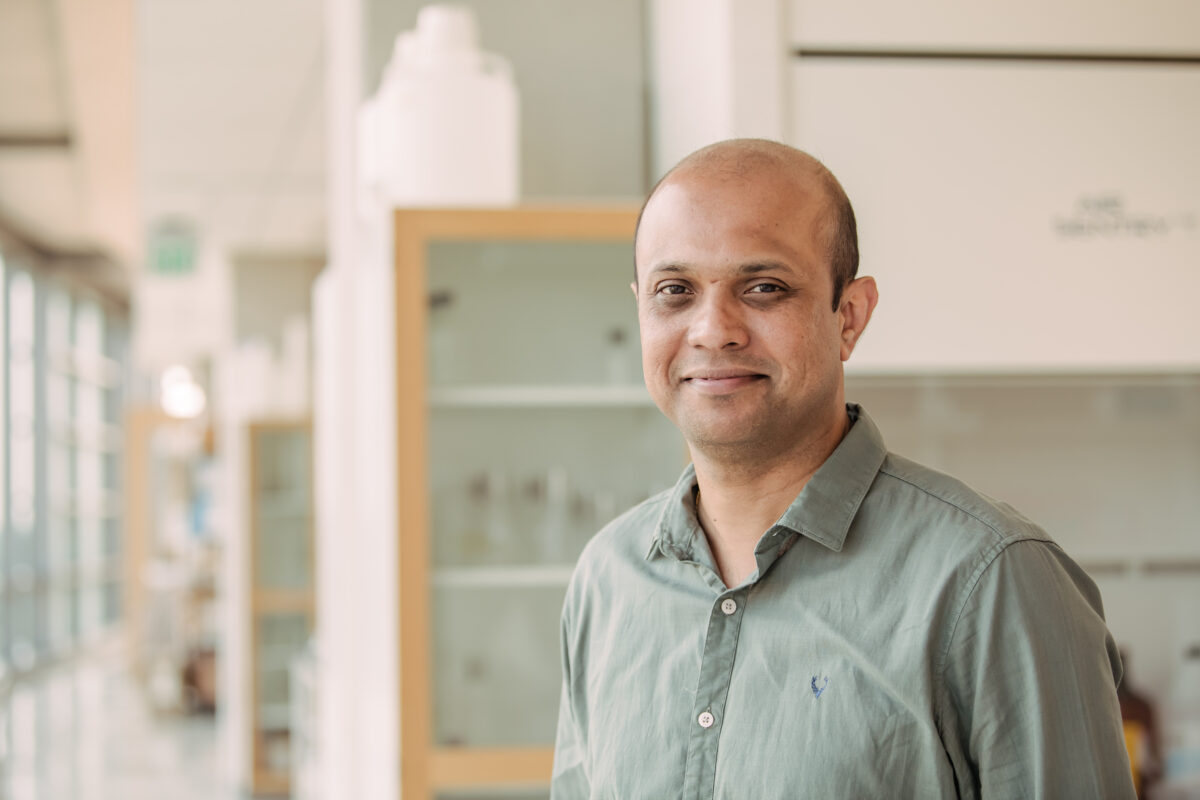
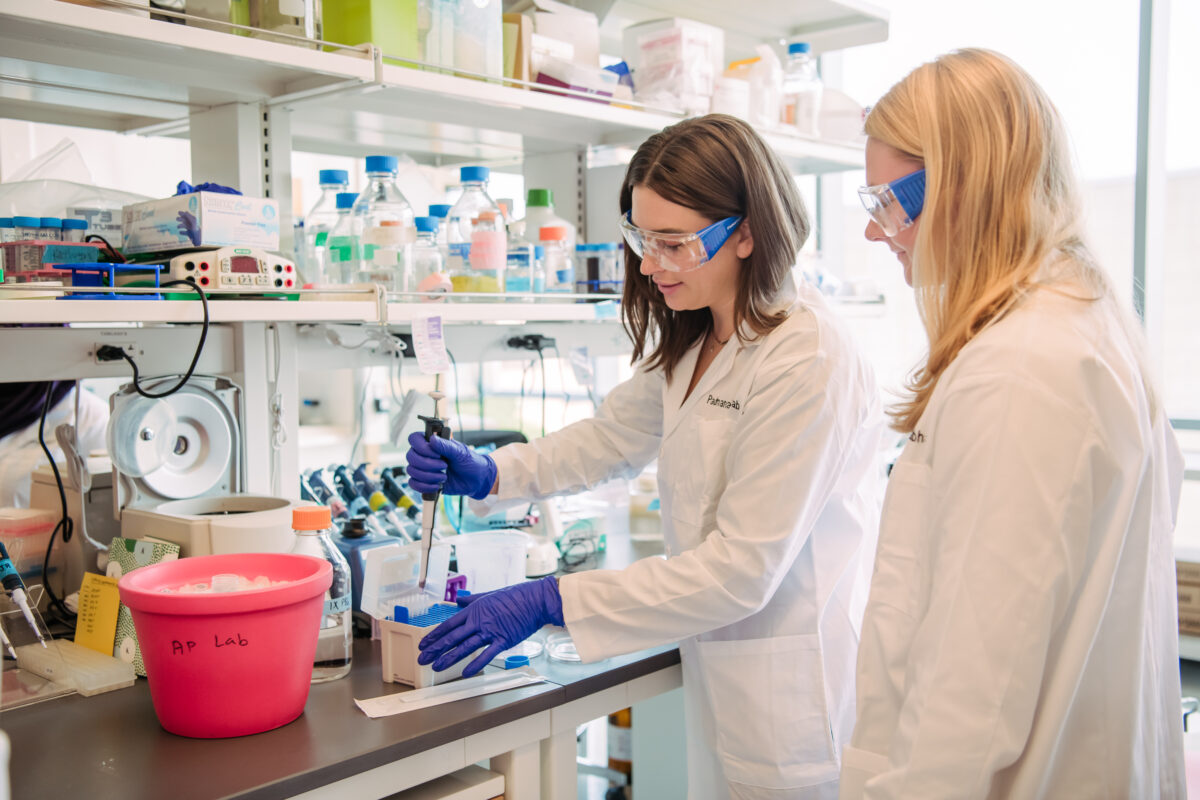
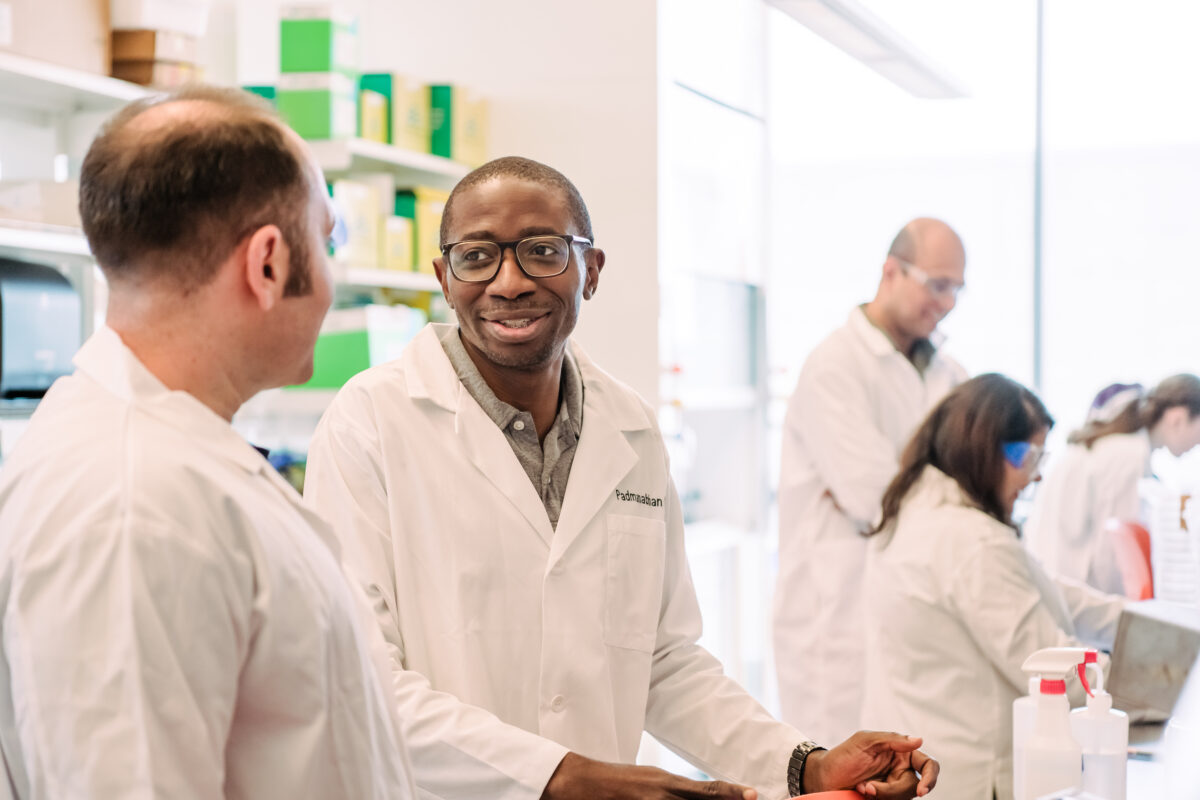
Achuth Padmanabhan in his laboratory. (Image by Marlayna Demond ’11/UMBC)
Starting this summer, Padmanabhan will be in an even stronger position to pursue that ambitious goal: He has received a two-year, $387,000 Ovarian Cancer Pilot Award and a four-year, $1.2 million Ovarian Cancer Academy Early-Career Award, both from the U.S. Department of Defense (DoD). In addition to funding, the Academy offers valuable opportunities for mentorship from leading ovarian cancer researchers, including Padmanabhan’s mentor le-Ming Shih, professor of gynecology and obstetrics at Johns Hopkins University. Workshops and training sessions with all Academy members also offer networking opportunities and exposure to the latest knowledge and techniques for fighting this life-threatening disease.
Opening doors to new treatment and diagnostic tools
Padmanabhan has already contributed to the understanding of how ovarian cancer progression is regulated, opening new avenues to developing treatments. His lab discovered that a protein called zinc finger protein 217, or ZNF217, is frequently present in unusually high amounts in ovarian cancer tumors and is associated with tumor growth, metastasis, and resistance to chemotherapy. “We believe it is central to driving metastasis,” Padmanabhan says.
Early data also suggest high levels of ZNF217 might cause changes in the chemical environment inside a tumor, which impacts how a patient responds to different therapeutics. “If we can reduce ZNF217 in tumor cells, there is the potential to extend the life of the patient and give other therapies a chance to work more effectively,” Padmanabhan explains.
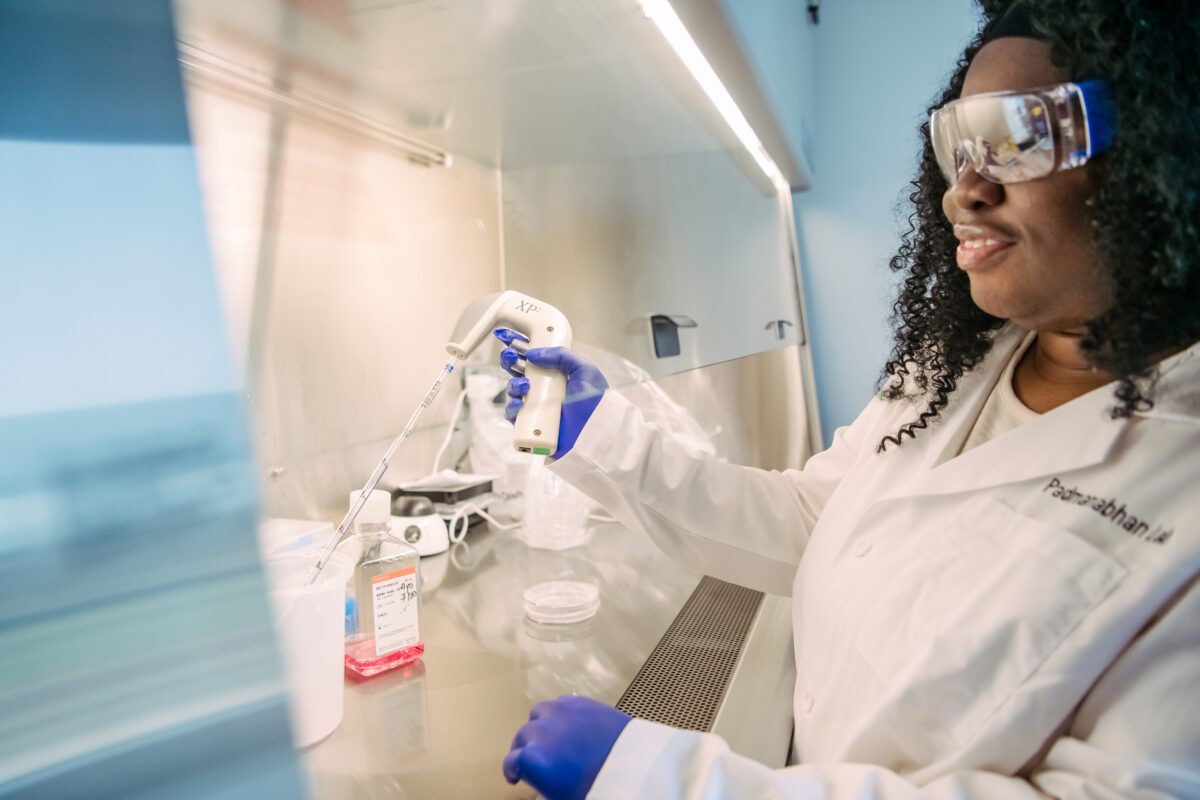
Ayo Ogunsanya, a Ph.D. student in Padmanabhan’s lab, works at a cell culture hood. (Image by Marlayna Demond ’11/UMBC)
With the new grant, Padmanabhan and his students will further explore the effects of ZNF217 on ovarian cancer progression, treatment resistance, and the environment inside tumors. If the lab can confirm its preliminary data about ZNF217’s significant role in ovarian cancer, they will then explore their hypotheses for how to reduce the amount of ZNF217 in cancer cells, thereby reducing its detrimental effects.
Overall, the work has the potential to significantly increase treatment options and improve outcomes for patients.
Exploring every angle
At the same time, the $387,000 Pilot Award will allow Padmanabhan’s team to test different combinations of existing cancer drugs in cell lines and in mice. Some of these drugs target a tumor suppressor protein called p53. In cancer cells, p53 is frequently mutated in such a way that it helps the tumor grow rather than suppressing it. In the most lethal version of ovarian cancer, p53 is mutated more than 96 percent of the time, Padmanabhan explains.
“We think the new drug combinations will more effectively target mutated p53, and because the drugs are already approved for use in cancer patients, effective new combinations could be translated to the clinic more quickly,” Padmanabhan says.
Kathryn Wardrup (left), a fourth-year Ph.D. student with Padmanabhan, was instrumental in collecting data that led to the group’s new Academy grant. Here she works with Jessica Hoffman ’26, biological sciences in the laboratory. (Image by Marlayna Demond ’11/UMBC)
Padmanabhan is a strong believer in involving students in research, and his lab’s new projects will be no exception. The grant will allow him to hire another postdoctoral fellow, and there are currently several graduate and undergraduate students in the lab who will contribute their energy to this work. Dedicated high school students are also welcome. He gives every lab member an independent project, and several have made key contributions that got the lab to the place it is now.
Kathryn Wardrup, a fourth-year Ph.D. student in Padmanabhan’s lab, generated the bulk of the data that led to the Academy grant. Noel Amadu, M.S. ’20, applied molecular biology, and Megha Pandya, M.S. ’21, applied molecular biology, generated data that led to the DoD Pilot Award. Amadu is in the third-year of his Ph.D., and Pandya is in her first year—although she previously worked with Padmanabhan in the applied molecular biology program and then as a laboratory technician.
Work by Noel Amadu, center left, and Megha Pandya (right, blue goggles) conducted experiments that led to the Pilot Award. Here Amadu talks with research assistant Joseph Lobianco, and Pandya works at the bench with Padmanabhan. (Image by Marlayna Demond ’11/UMBC)
“It’s important for students to realize how challenging and rewarding research can be,” Padmanabhan says, “and it’s most rewarding when you have something you can call yours.”
Having a large team will help the group make progress on several scientific questions at once. “All of our previous work is coming together in these new grants,” Padmanabhan says. While it is still early days in their line of research, there is high potential for it to translate to clinical trials later on and have a major impact on the future of ovarian cancer treatment—which is Padmanabhan’s overarching goal.
“There’s a lot that needs to be understood at the basic science level that will hopefully allow us to translate it someday,” Padmanabhan says. “I guess that’s every person’s dream—you just want to help people.”
Research led by Adam Dixon, Ph.D. ’21, geography and environmental systems, describes the successful pilot of a novel method to study how well grassland birds are faring on croplands. The study, published in Ecological Applications, may serve as a model for monitoring wildlife on working lands more generally, which can also include cattle ranches and logged forests. It’s an example of the kind of work that’s needed to help humanity move toward a more sustainable coexistence between agriculture and biodiversity.
Farmers lead a challenging existence, frequently operating on extremely thin financial margins and relying on fickle weather, Dixon says, which incentivizes them to simplify and control the landscape as much as possible. Unfortunately, that can lead to environmental harm. Grassland species are in particular peril given their habitat is converted to farmland at an alarming rate. Through his work, Dixon wants to help find a middle way that supports both farmers and the environment.
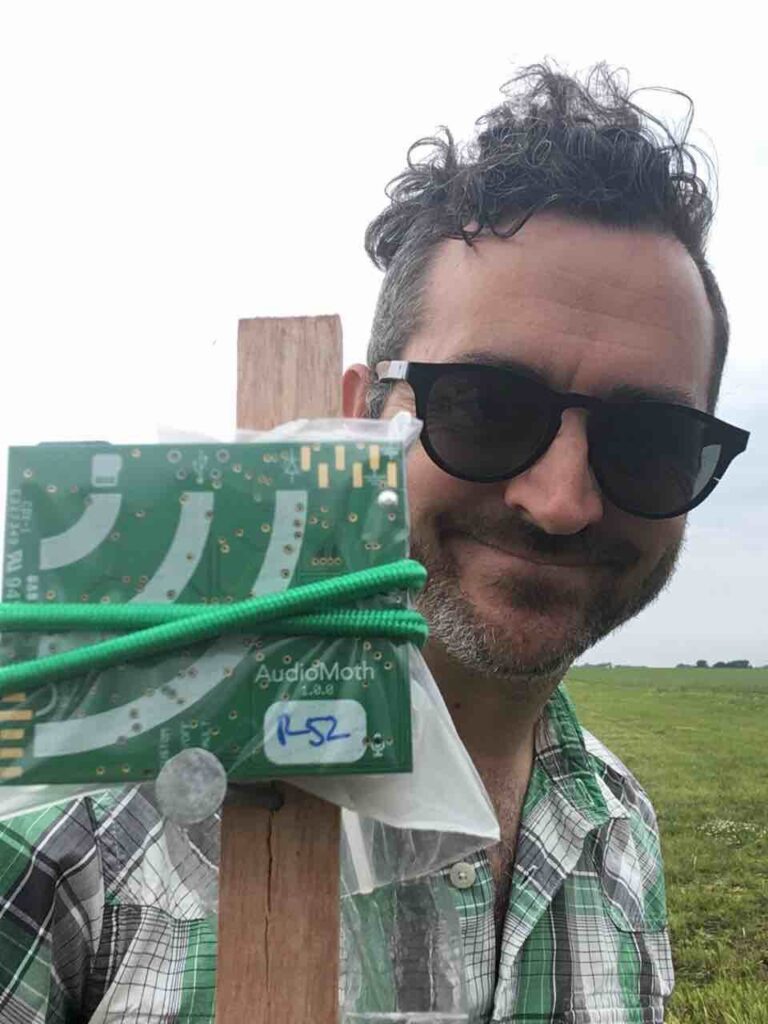
Adam Dixon poses with a bioacoustic recorder at one of the study sites. (Image courtesy of Dixon)
More, better habitat needed
The new study combined satellite imagery data and recordings from simple audio recorders to look at how grassland birds were using 44 pockets of vegetation in the gaps between crop rows and at the edges of fields on lands under intensive cultivation in Iowa. Both methods were low-cost and required very few visits to the lands under study, demonstrating the scalability of this approach to monitoring biodiversity.
The researchers analyzed the satellite imagery data to determine the pockets’ area and “texture,” referring to the variety in plant species, height, and density in the habitat. The bioacoustic recorders—essentially circuit boards with a battery and mini cell phone microphone attached, all sealed in a plastic bag—helped the team identify which bird species were using the habitat.
“Using novel methods, we found that agricultural habitats are good for birds in general, but when you look at grassland birds specifically, either there’s not enough habitat or the habitat characteristics aren’t good,” says Dixon, who studies working lands biodiversity in the northern U.S. plains for the World Wildlife Fund.
The study’s relatively small sample size limited the strength of the findings. Still, the study showed that their unique method combining satellite imagery and bioacoustic data can help researchers effectively measure habitat quality and bird biodiversity. The authors hope their work encourages future studies incorporating more study sites to strengthen the statistical power of the results.
Beyond protected areas
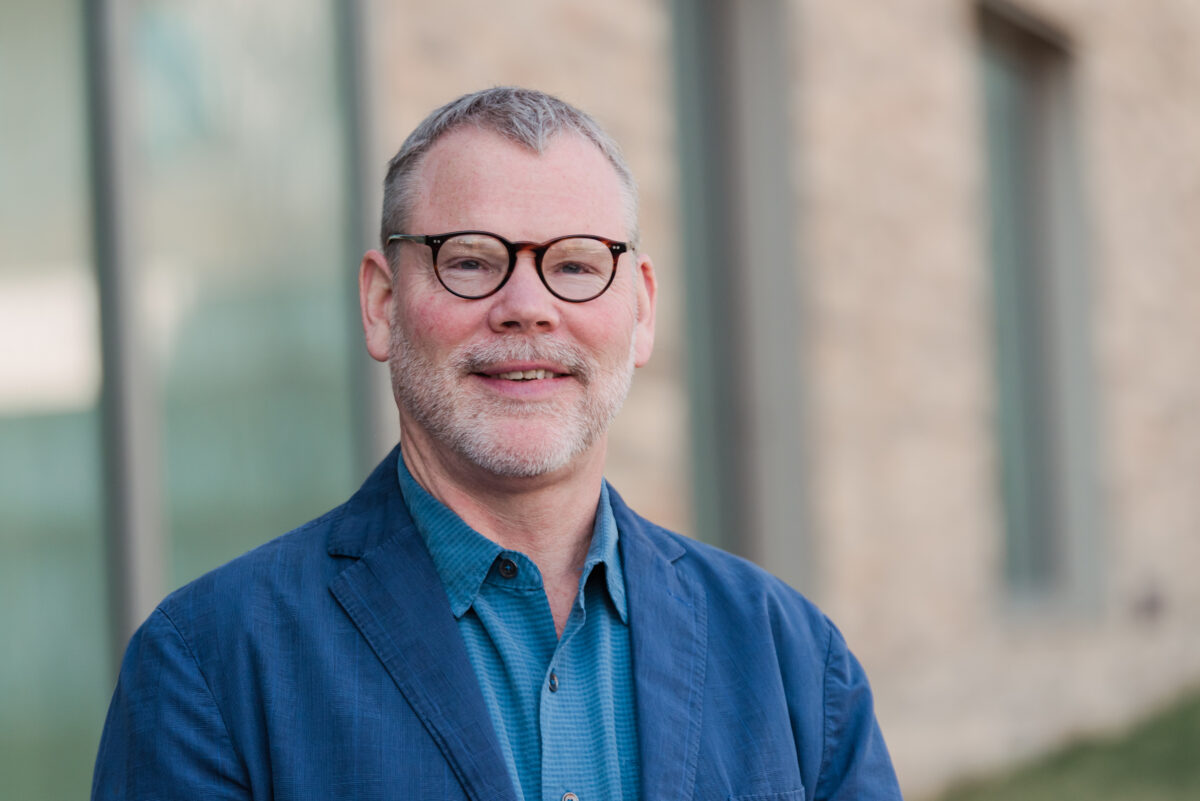
Erle Ellis, professor of geography and environmental systems, is senior author on the paper and served as Dixon’s Ph.D. advisor. Dixon says he knew working with Ellis would be the right fit after their first meeting.
“I saw a lot of research emphasis on protected areas,” Dixon says, whereas he wanted to focus on the intersection of intensive agriculture and ecology. Dixon grew up surrounded by large wheat farms in the Midwest and observed their effects on the environment, which informed his career goals. His formative experiences, he says, led to an understanding that protected areas alone are not enough to solve the biodiversity, food, and health challenges the U.S. and the world are facing.
“Agriculture covers more of this planet than protected areas do, and Adam’s research on bird habitats in Iowa farmlands confirms that even some of the most intensively managed agricultural landscapes on Earth can sustain significant biodiversity,” Ellis shares. “More research like Adam’s is needed to conserve, restore, and monitor biodiversity in the working landscapes needed to sustain both people and wildlife across more than three quarters of Earth’s land.”
Community collaboration
The new study is also an example of another aspect of the human elements of research, since it took place on privately held farmland. Dixon worked with landowners to get permission to conduct research on their property, and in some cases farmers placed the recorders themselves.
“It’s difficult but not impossible to work on private lands,” Dixon says. “You just need to build trust and relationships.” In the future, Dixon would like to deepen his collaboration with farmers. Gathering more information about their management practices would open up additional research questions. Plus, learning about any barriers farmers face to participating in research could make it more likely that other projects requiring farmer buy-in would get off the ground.
Other collaborators brought their own strengths to the paper: Matthew Baker, professor of geography and environmental systems and a co-author, added his expertise to the project, including his familiarity with using remote sensing methods for major mapping projects and combining on-the-ground measurements with satellite imagery to answer complex environmental questions. Baker’s previous research has included using such combinations to study urban tree canopy, streams in the Chesapeake Bay watershed, and the effects of a major dam removal.
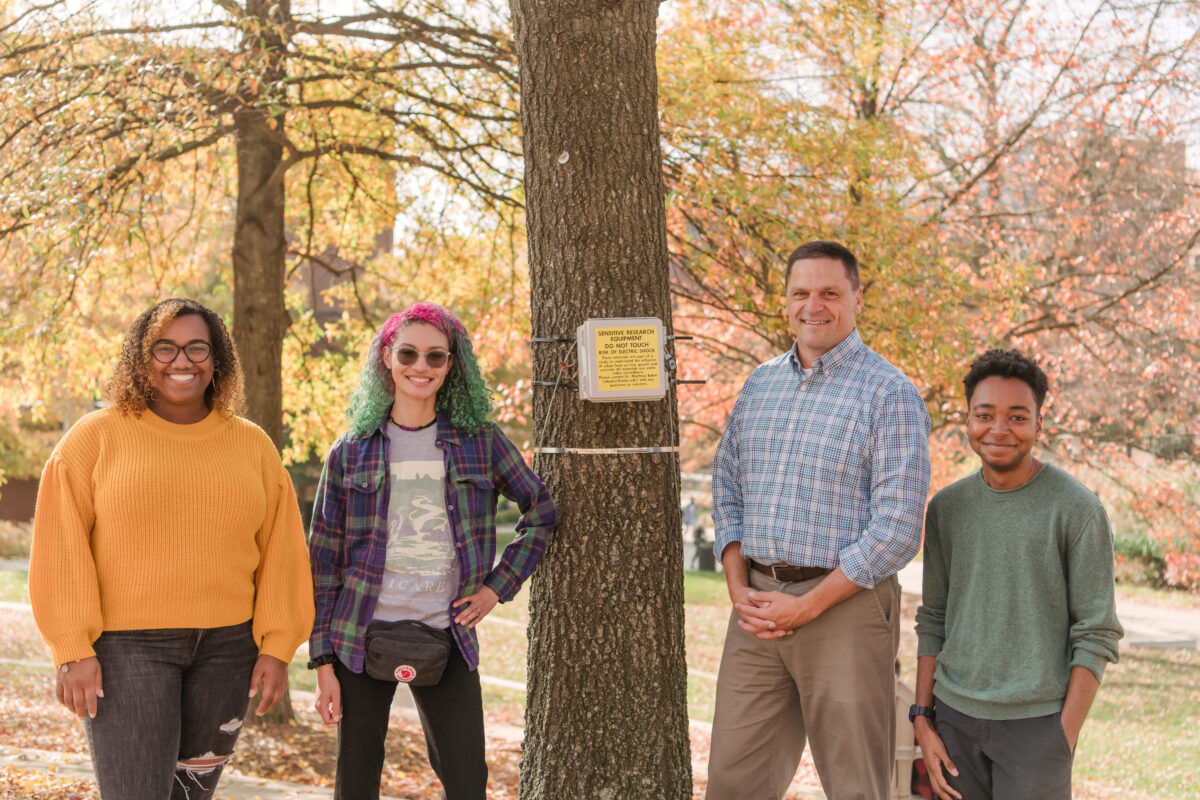
Matthew Baker and UMBC master’s students in geography and environmental systems stand next to one of the trees on UMBC’s main campus included in the urban canopy research project. Left to right: Tyrah Cobb-Davis, Erin Hamner, Matthew Baker, Drew Powell. (Image by Marlayna Demond ’11/UMBC)
“What was impressive about Adam’s investigation was his willingness to employ novel technology and ideas to overcome what has historically been an absolute challenge in surveying working landscapes,” Baker says. “His example has really shown the potential and the need for additional study.”
Supporting farmers and the environment
Questions remain as Dixon and others seek to support biodiversity on working lands.
“How do we move from the necessity for farmers to simplify the system to something that’s more balanced and takes into account the entire environment? To something that understands the unique ecology of a place and integrates that into management, and allows the farmer to prosper across generations? How can we find a better solution besides just hoping that we’re going to protect these small patches?” Dixon asks.
Those questions are why Dixon has pursued research into biodiversity on working lands, he says. While the new paper may be a small step to better understanding how wildlife is and is not flourishing on working lands, it is a step in the right direction and opens the door for future projects.
“We need to integrate conservation solutions into our most intensive places,” Dixon says. “So this research identifies that as an area of valid research and also shows how that research might be done.”
It’s a spring morning, and Isabel Dastvan ’22, geography and environmental systems, is slowly wending her way through the Conservation Environmental Research Area (CERA) at the southern edge of UMBC’s main campus. Braving the uneven terrain and an occasional thorny branch, she’s carefully recording the presence of a long list of invasive species with photos and in a notebook: garlic mustard there, wavyleaf basketgrass over there, and porcelainberry everywhere.
Over several weeks in fall 2022 and again in spring 2023, Dastvan painstakingly completed a survey of campus invaders—from English ivy to Japanese stiltgrass—all the way from CERA to wooded land north of UMBC’s dorms. Dastvan’s work revealed that there are at least 100 invasive plant species present in natural and managed spaces on campus, which can threaten native species, reduce ecosystem functions like pollination and water filtration, and increase the chance of fires by thickening vegetation.
“UMBC has a long history of agricultural use and urban development, and with land disturbance we’re seeing a lot more invasive species,” says Dastvan, who is excited to apply knowledge she gained as a UMBC undergraduate to real ecological challenges. Some invasives are weakening or even killing native trees, she explains, and trees “are one of the important environmental assets we want to protect to be a more resilient campus in the face of climate change.”
Growing capacity, training leaders
Throughout the academic year, and in deep collaboration with Facilities Management staff, Dastvan completed on-the-ground surveys, created maps of invasive species on campus, identified the most urgent invasive threats, and determined the best ways to combat their spread. The end result is a 187-page, comprehensive Invasive Species Management Plan for UMBC, which Dastvan published in June. Moving forward, Facilities Management staff, led by landscape and grounds manager Charles Hogan, will implement the plan, continuing UMBC’s legacy of prioritizing sustainability and stewarding the land the university occupies.
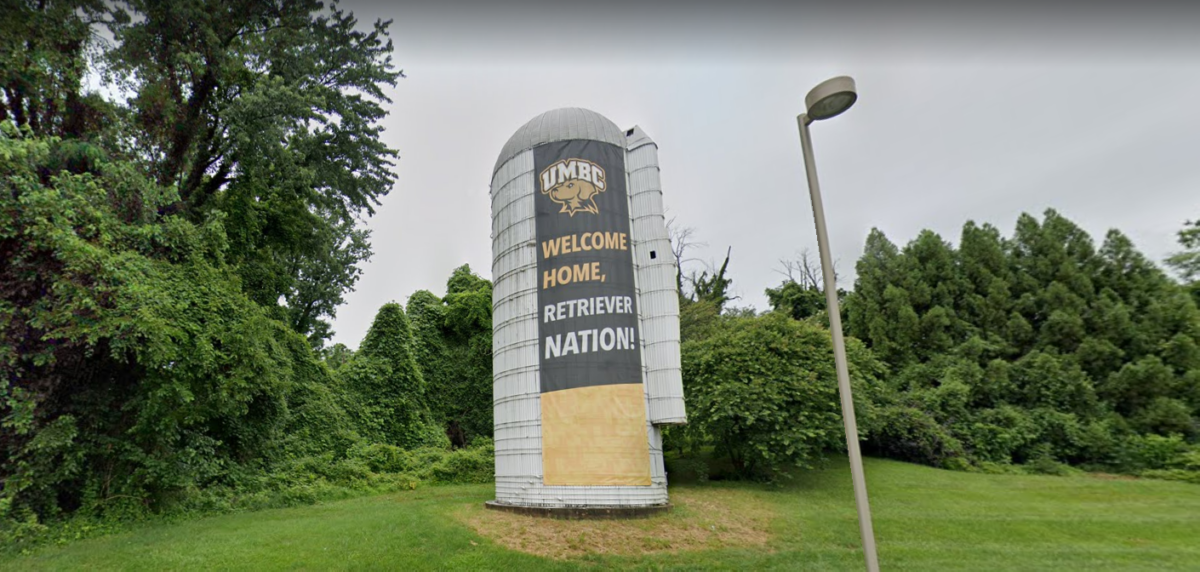
Invasive kudzu blankets vegetation at the entrance to UMBC. Plants underneath—even full-grown trees—are at risk of being smothered. (Image by Google 2023)
Dastvan completed the plan as a 2022 – 2023 Sustainability Fellow with Climate Corps, a program for recent college graduates supported by the non-profit Strategic Energy Innovations in California and the Hannon Armstrong Foundation in Annapolis, MD. Climate Corps connects emerging leaders like Dastvan with non-profits, businesses, governments, and universities with sustainability project needs. Fellows gain valuable professional experience and the institutions they support gain capacity to reach their sustainability goals.
Connecting with the community
UMBC will benefit for years from Dastvan’s work as a Fellow. In addition to the invasive species management plan, she worked to increase awareness of invasive species throughout the UMBC community by meeting with student organizations and informally engaging with people on campus. Dastvan collaborated with the student-led Environmental Task Force club to host weekly cleanups removing invasive plant species in addition to their weekly trash cleanups on campus.
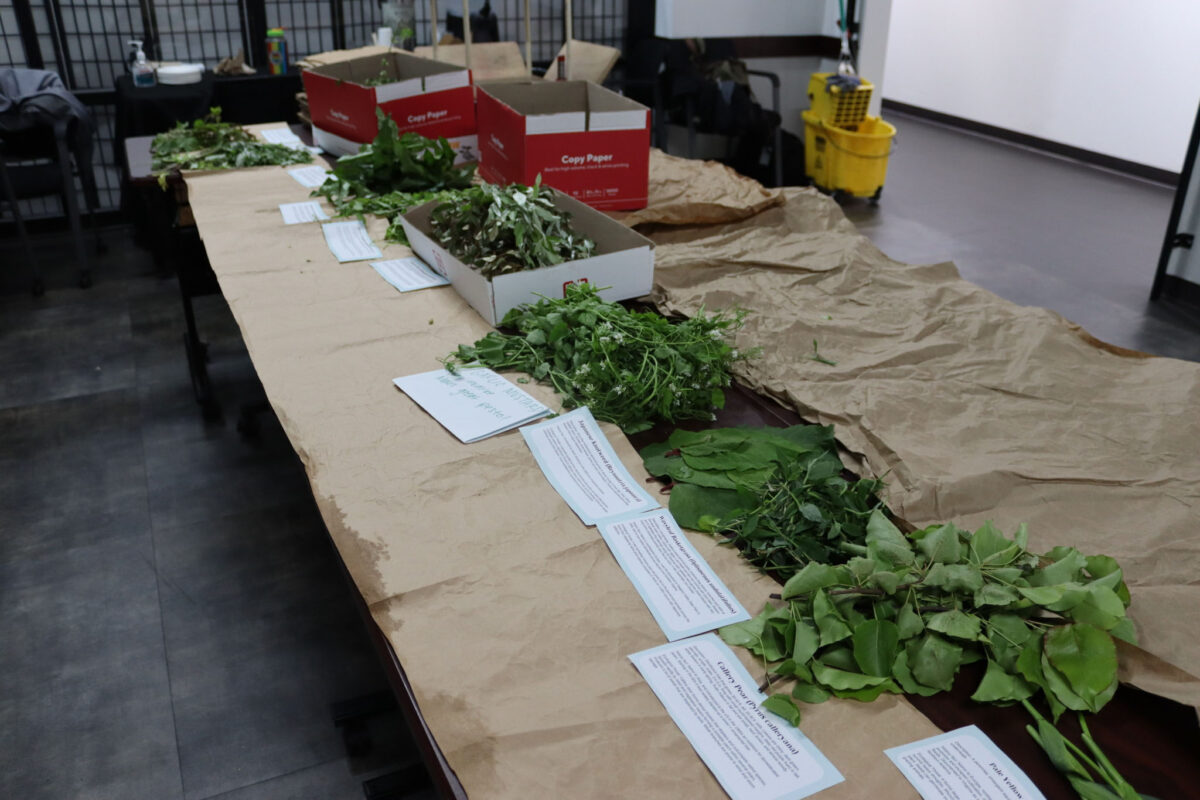
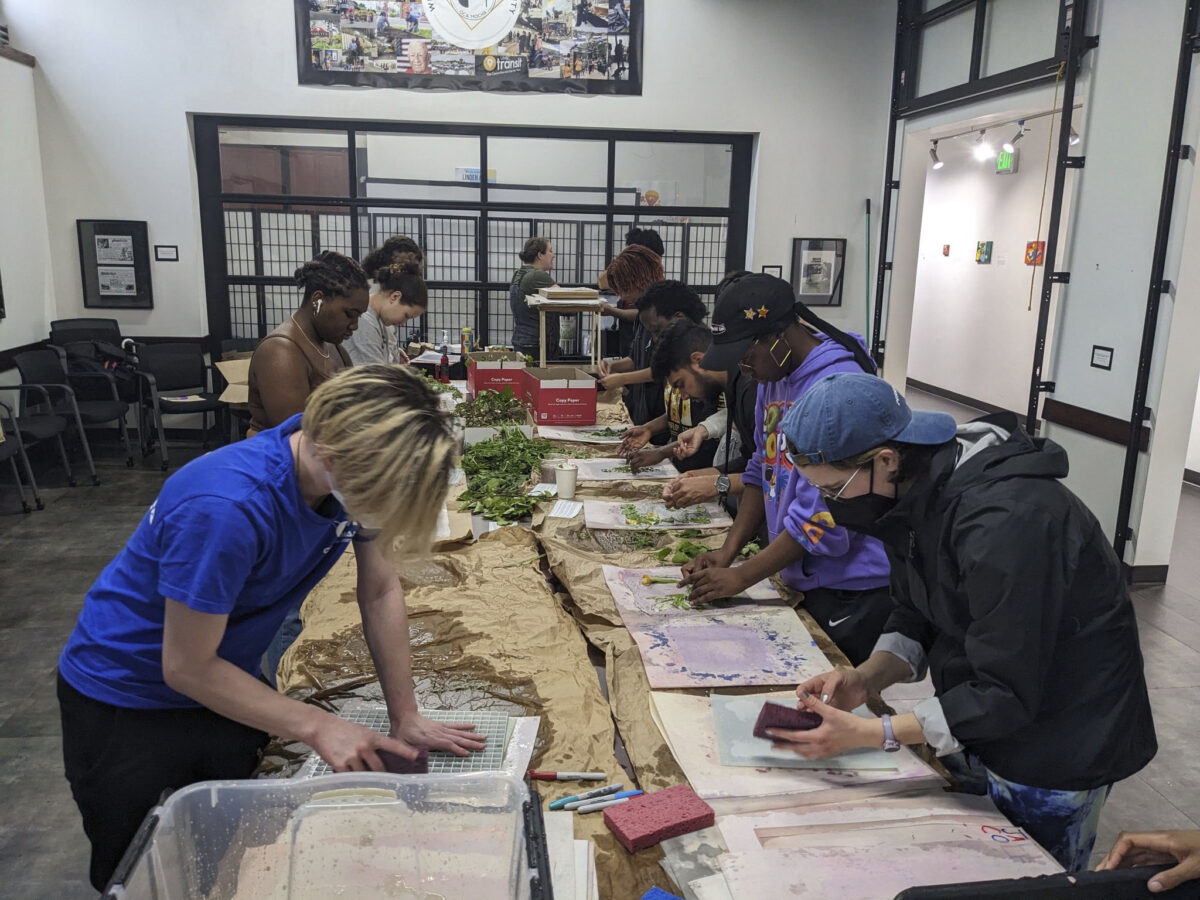
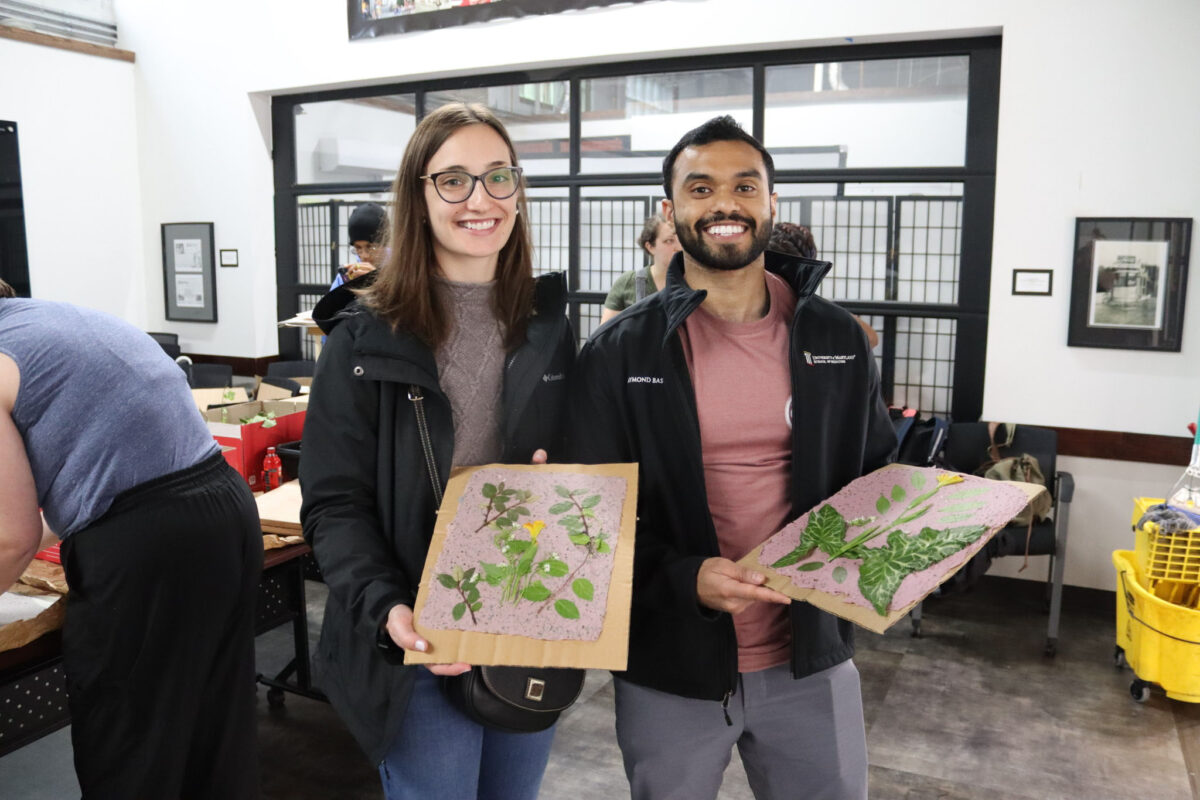
Dastvan also co-hosted an art-making event at Oca Mocha using invasive plant material from campus and recycled paper with Jessie Houff, who has an M.F.A. in community art and is passionate about papermaking and teaching. Dastvan even collaborated with UMBC Dining to inform students about invasive species and offer them at True Grit’s—Chesapeake Bay Blue Catfish, anyone?
Invasive plant clippings, accompanied by information about the plants, ready to be turned into art.Participants hard at work on their invasive plant art.The finished product. (Images by Claire Runquist)
The threat of invasive species is “something that needs to be taken more seriously,” Dastvan says, “so if there are different ways that we can get the community involved, and genuinely excited, I think that’s the best way to go about tackling it. There are a lot of people who are enthusiastic about learning and willing to help out, and a community that creates a space for that is absolutely necessary.”
Claire Runquist, environmental sustainability coordinator at UMBC, oversaw Dastvan’s work. “Bella’s work on invasive species was incredibly valuable to campus—prior to this we didn’t have a comprehensive understanding of what invasive species we had on campus or where exactly they all were,” she shares. “Her project combined GIS mapping along with best management practices and led to prioritization for management.”
Finding her own path
For Dastvan, the impact of her fellowship will likely be even longer-lasting than her invasive species management plan. As a GES major at UMBC, Dastvan threw herself into her studies, including working with the Office of Sustainability to support a farmer’s market on campus. But when she started UMBC’s accelerated master’s program in GES while finishing her Bachelor’s degree program, she quickly experienced burnout. She decided to take some time off from her studies to gain relevant professional experience, and when she saw the Climate Corps program on a UMBC graduate student listserv, it was the perfect fit.
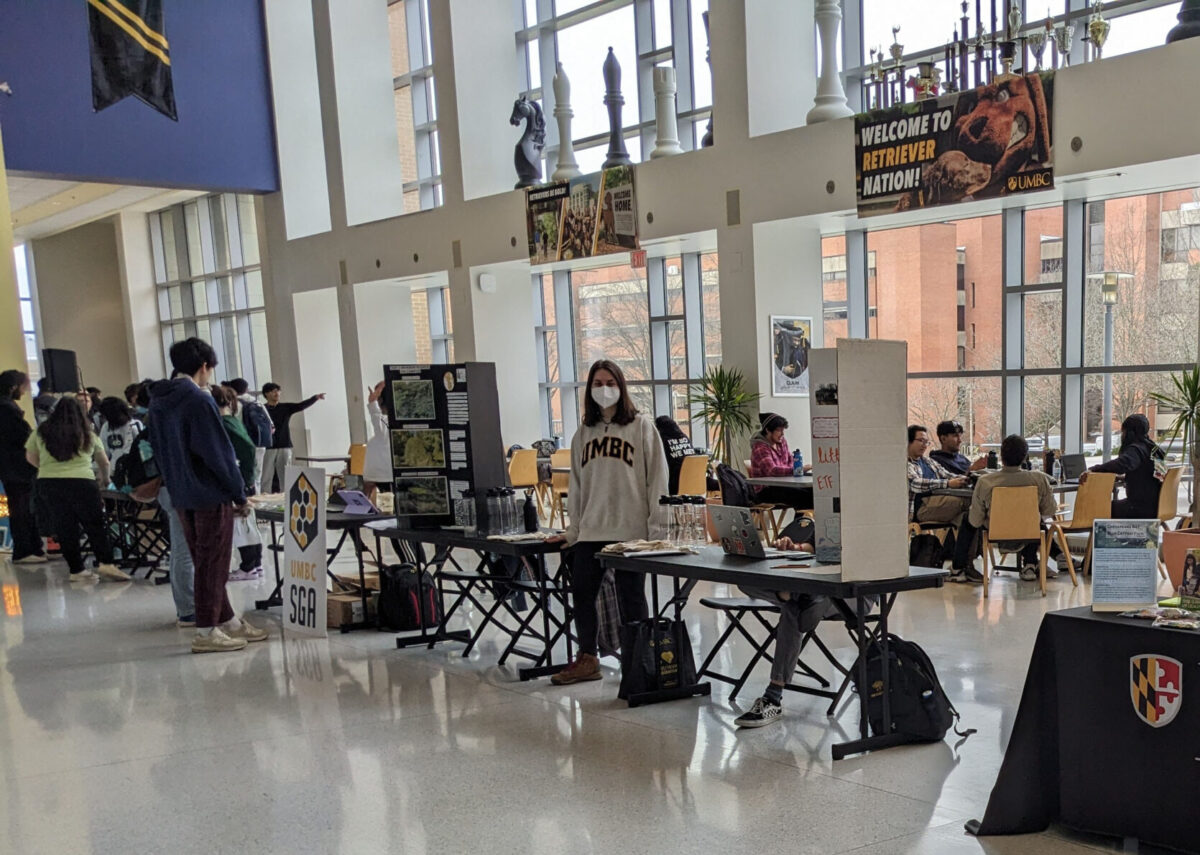
Isabel Dastvan (UMBC sweatshirt, center) shares information about invasive species with people in the UMBC Commons. (Image by Claire Runquist)
When she was selected as UMBC’s Sustainability Fellow through the program, it was a homecoming. “I was very excited to be able to work with the sustainability office from a different lens and be involved on campus in a new way,” Dastvan says.
Her undergraduate degree from UMBC provided the foundational knowledge and skills to make her an effective fellow, and through the Climate Corps program, she gained additional technical and leadership skills and confirmed her desire for a career in a related field. Dastvan was recently thrilled to accept a position as a horticultural technician at Silvec Biologics—and she’ll carry her UMBC experiences everywhere she goes, she says, adding, “I’m just really grateful to have had this opportunity to be on campus and contribute.”
Michelle Starz-Gaiano, professor of biological sciences, joined the UMBC faculty as an assistant professor in 2008, fresh from a postdoctoral fellowship at Johns Hopkins University. Since then, her research program has blossomed, she’s mentored half a dozen graduate students and more than 50 undergraduates, and she’s taken on numerous leadership roles. In 2014, she received the Donald Creighton Outstanding Faculty Member Award from the UMBC Graduate Student Association for her excellent mentorship.
This August, she’ll bring all of that experience to a new role: department chair. As department chair, Starz-Gaiano will be responsible for leading the department into a new era at UMBC, as well as managing day-to-day tasks from teaching assignments to faculty meetings. The role requires managerial skills as well as a deep understanding of the department and its needs.
“I think it’s an important time to step into the job,” Starz-Gaiano says, given setbacks like restricted lab access during the COVID-19 pandemic and recent flood damage in the Biological Sciences Building. “This gives us an opportunity to reevaluate what is working well and what we can improve on or change to make the department grow stronger. I think we have amazing people working and studying here, and I really want to make sure they can be successful.”
Starz-Gaiano has grown up as an independent researcher within the department. “That means that I know inside out what works well in the department and what we can do better,” she says.
Michelle Starz-Gaiano (center) works with Shahabal Azhar ’24, biological sciences, and Jarrett Lloyd ’24, biological sciences, in her laboratory. (Image courtesy of Starz-Gaiano)
A supportive environment
Starz-Gaiano didn’t come to UMBC expecting to be department chair one day, however. In fact, when she started her undergraduate career as a first-generation college student, she didn’t even know what a professor did. But with supportive mentors and colleagues—the same kind of support she now offers to others—she found her way.
The opportunity to do many different things as a faculty member was a good fit, Starz-Gaiano says, and UMBC, in particular, attracted her with its reputation for innovation. “It’s really cool to be in a place where we’re building new things and not entrenched in historical perspectives,” she says.
That innovation includes opportunities at UMBC for faculty to receive mentorship and gain important skills beyond their research discipline, such as in teaching, leadership, and management. Starz-Gaiano has taken advantage of many such opportunities. The College of Natural and Mathematical Sciences (CNMS) Entrepreneurial Skills Training program, a week of sessions led by Gib Mason ’95, economics; the Teacher Scholar Program from UMBC’s Faculty Development Center; and UMBC’s Women in Science and Engineering group all offered resources, support, and training opportunities as Starz-Gaiano’s career progressed, preparing her to take on future opportunities.
Paying mentorship forward
After gaining tenure, Starz-Gaiano became a mentor for the Teacher Scholar Program, and in 2015, she took on the role of graduate program director (GPD) in the biological sciences department. A GPD must do everything from support students experiencing challenges to enforce program policies and manage recruitment efforts. It requires effective mentoring of students and collaboration with colleagues.
“I benefited a lot from having good relationships with my mentors,” Starz-Gaiano says, so now she works hard to do the same for her mentees and every graduate student she meets.“It’s challenging to be a mentor, because everybody needs something different. And working that out means it’s never perfect. But being open to that reality is part of the strategy to make mentoring work well.”
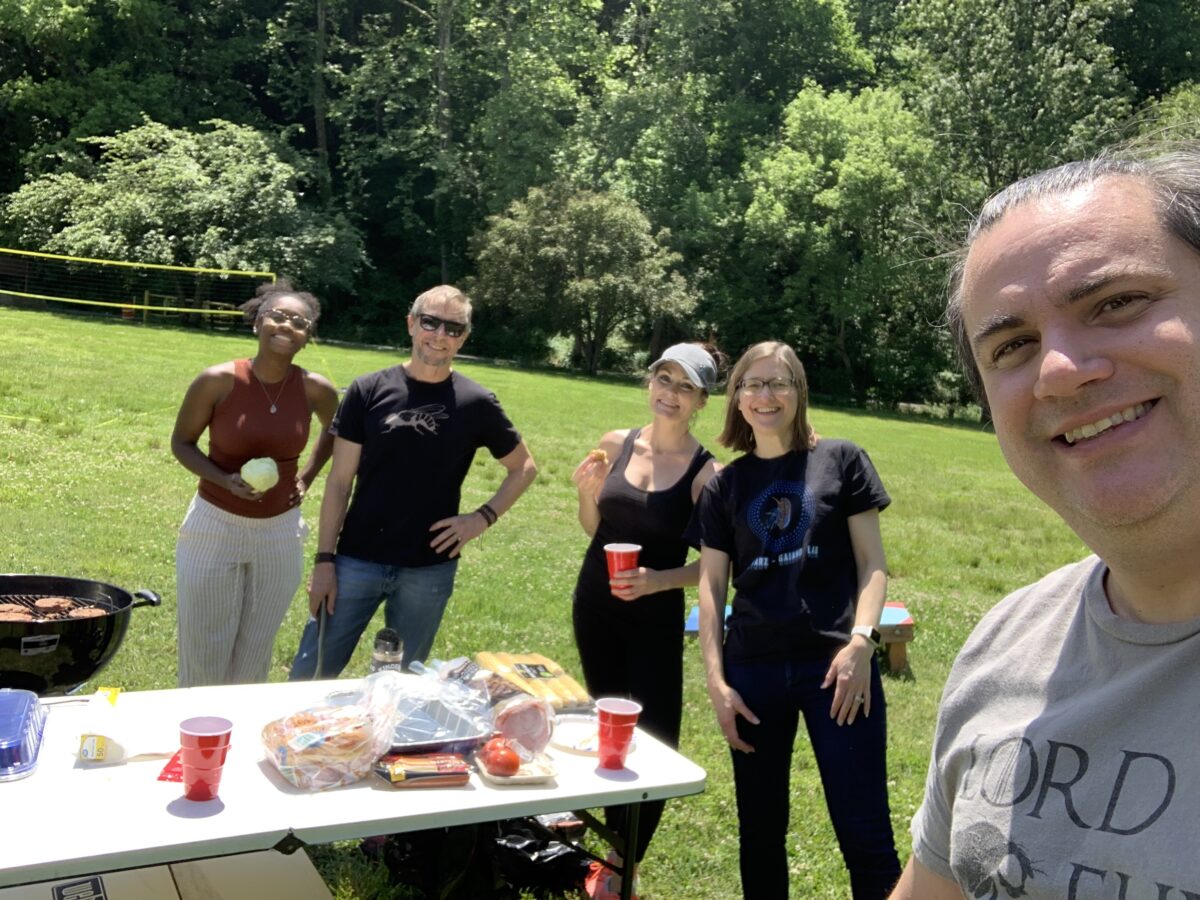
Relationship building happens outside of the academic setting, too. Devonique Brissett, Ph.D. student; Jeff Leips, professor; Shonda Campbell, Ph.D. student; Michelle Starz-Gaiano, professor; and Fernando Vonhoff, assistant professor, attend the annual biology picnic. (Image by Vonhoff)
Putting students first
Amanda Monahan, Ph.D. ’15, biological sciences, says that Starz-Gaiano’s adaptability is one of her biggest strengths as a mentor. “She is able to read and conform to her trainee’s personality, needs, and comfort. I was more independent and she gave me that leeway,” Monahan says, but “some people need a little more hands-on mentorship, and she will provide that in those cases. It is rare to see the level of adaptability that Dr. Starz-Gaiano is able and willing to offer.”
Monahan continued to turn to Starz-Gaiano for guidance after graduation, especially as she transitioned from a research role to one in scientific publishing. “Even though I was no longer her student, she listened to me and provided reassurance and advice throughout the entire process,” Monahan says. “This is just who she is. She will always put her students as a top priority, even when they are no longer her active students.”
For Philip Farabaugh, professor of biological sciences and the outgoing department chair, Starz-Gaiano’s outstanding work with graduate students makes her a natural choice to succeed him. “I have come to rely on Michelle in her role as the graduate program director,” he says. “Michelle has led the graduate committee to ensure we have the best possible students in our M.S. and Ph.D. programs and provided mentorship and friendship to all. Her work in this pivotal position showed me that she had all the skills and personality traits to make her a great department leader.”
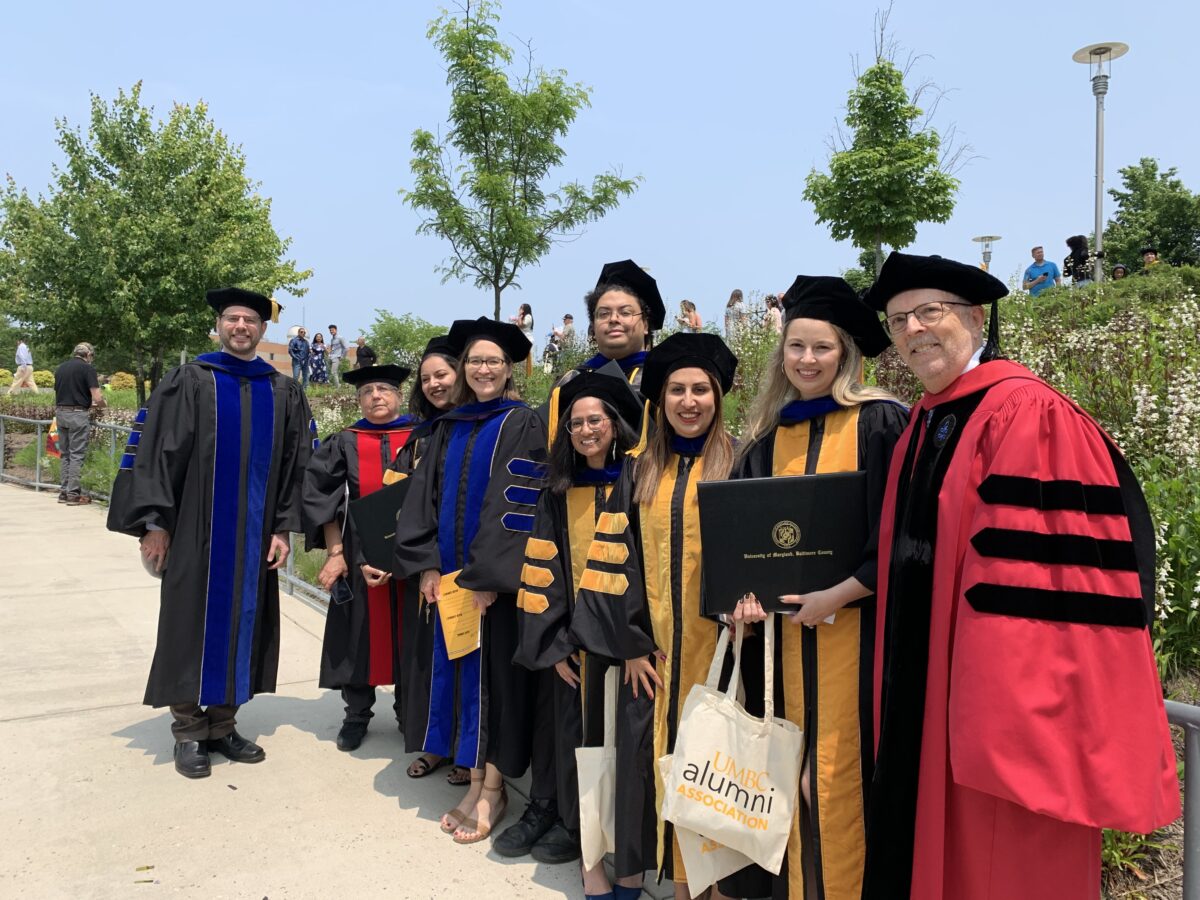
UMBC biological sciences faculty and students graduating with their doctorates in biological sciences in May 2023. From left to right: Daniel Lobo, associate professor; Phyllis Robinson, professor; Mallika Bhattacharya, Ph.D. ’23; Michelle Starz-Gaiano; John Fenimore, Ph.D. ’23; Archana Hari, Ph.D. ’23; Sima Saleh, Ph.D. ’23, Alexis Nobleman, Ph.D. ’23; and Philip Farabaugh.
Embracing change
As chair, Starz-Gaiano says she is “excited to get to know what my colleagues are doing even more. I’m hoping to be able to energize people around each other’s work,” noting that new hybrid work patterns can make it more difficult to keep up with colleagues. “I’m hoping we can build relationships a little more in the department and maybe beyond the department. I think there’s a lot of potential.”
She also wants to take advantage of university-level transitions, such as the new president and future new provost, to advocate for the department’s needs. Farabaugh supports that vision.
“Michelle has a clear sense of the direction the department should take to tap opportunities and meet challenges as UMBC adjusts to its new status as a Carnegie R1 institution, while making sure that we continue to provide the excellent undergraduate education and research training that UMBC is renowned for,” Farabaugh says. “I have the greatest respect for her as a colleague and am certain that she will be a terrific chair, the first woman to hold that position in our department.”
Building on strengths
While there is always room to grow, there are so many existing strengths to build on. “I think the research people are doing is exceptionally strong, and I think our department is great at meeting students where they are and helping them be successful, without taking on a sink or swim approach,” Starz-Gaiano says. “I think we have amazing teaching faculty. We have lecturers who not only do their job but do research in pedagogy and try to find best practices and then actually change their teaching based on their findings.”
To more junior faculty looking to find their footing, Starz-Gaiano says, “I think getting involved is really important, and doing the things that are of interest and important to you.” Starz-Gaiano has been doing that for 15 years at UMBC, resulting in lasting positive impact on her students and colleagues. As the new chair, there’s no sign of her stopping now.