

Four UMBC faculty and staff members have received highly competitive Fulbright U.S. Scholar awards to teach, conduct research, and forge cross-cultural connections around the world in the coming year. The recipients span all three UMBC colleges and comprise three faculty members and one staff member. Augusto Casas, an associate teaching professor in information systems, will travel to Colombia; Cynthia Wagner, a teaching professor in biological sciences, will travel to Kyrgyzstan; Irene Chan, a professor in visual arts, will travel to Romania; and Tom Penniston, M.A. ’09, TESOL, Ph.D. ’14, language, literacy, and culture, the coordinator of learning analytics in the Division of Information Technology (DoIT), will travel to Croatia.
“Fulbright Scholar awards are not just a globally prestigious academic award; they are also a centerpiece of public diplomacy,” says Brian Souders, Ph.D. ’09, language, literacy, and culture, M.A. ’19, TESOL, the associate director for global learning in UMBC’s Center for Global Engagement.
The Fulbright Program was founded in 1946 with the goal of increasing mutual understanding and supporting friendly relations between people in the United States and other countries. It is the flagship international academic exchange program sponsored by the United States government. UMBC has had 18 Fulbright Scholars over the past 10 years, not including the upcoming year’s four recipients. Past awardees have taught or conducted research throughout the world, including in Ethiopia, Kosovo, Colombia, Germany, Australia, the United Kingdom, Denmark, and China.
Sharing a passion with international partners
The new UMBC awardees will connect with international partners in areas of shared interest.

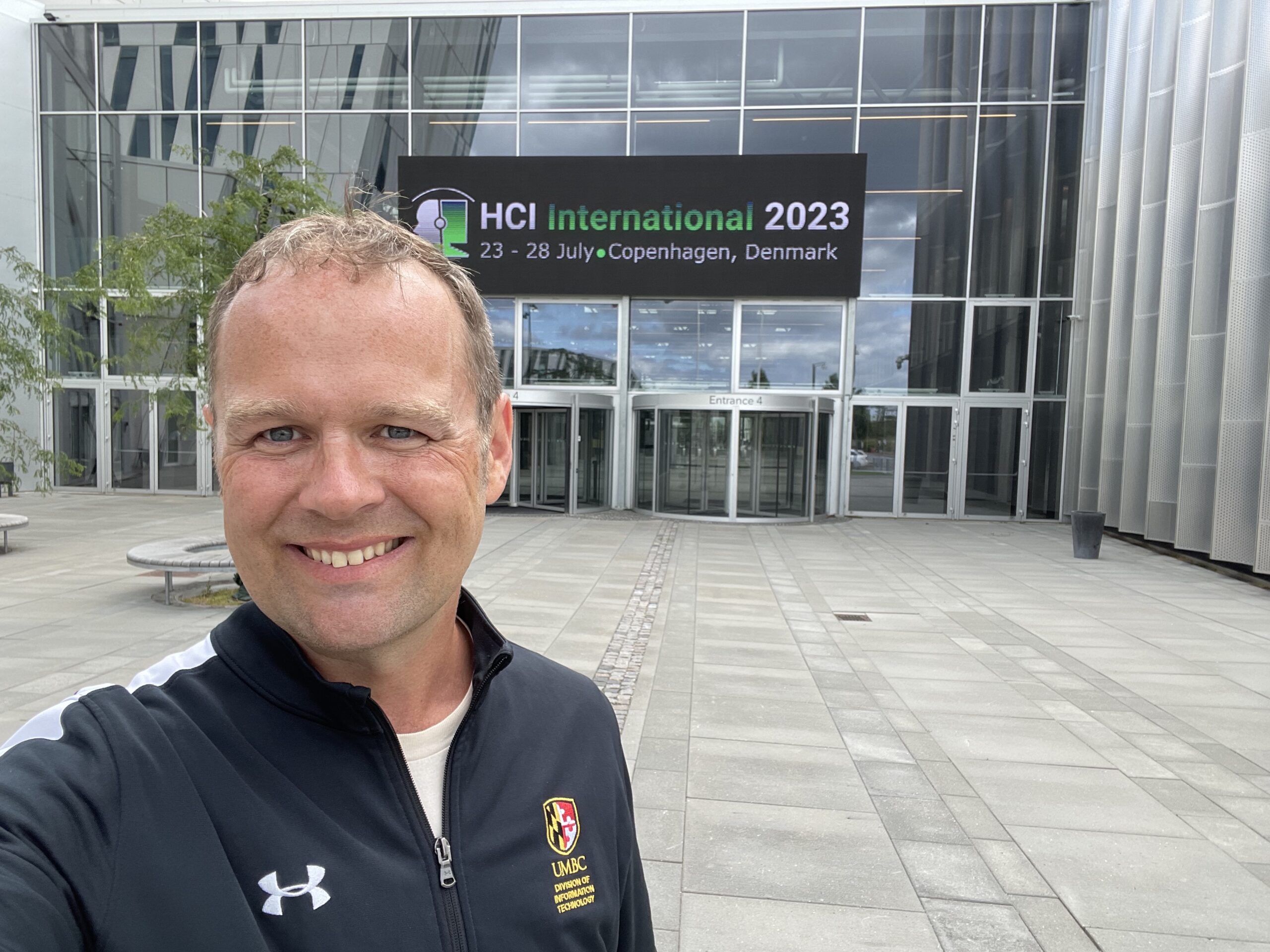
“My primary responsibility at UMBC is to support data-informed pedagogy, and my Fulbright grant aligns directly with this work,” says Penniston, who will be working with colleagues at the University of Zagreb in Croatia on projects such as AI-assisted course redesigns and mapping how learning analytics tools are adopted within and between universities. “I am most excited to dive headfirst into work and be a data wonk,” he says.
Casas, who is an associate teaching professor in the online M.S. in information systems program at UMBC, will assist the Universidad del Atlántico in Barranquilla, Colombia, in creating an online software engineering degree program to reach beyond the university’s physical campus. He will support creating the curriculum, help select the most appropriate technology, and train their faculty.
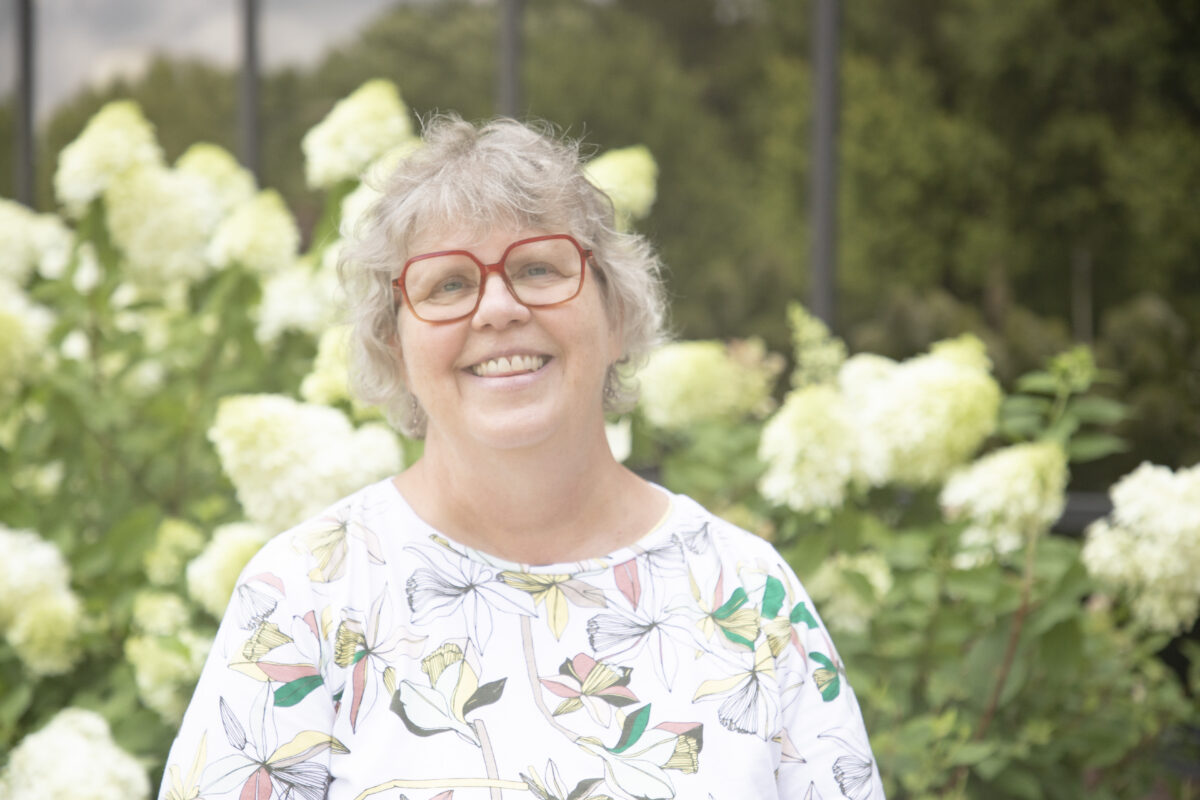
Wagner, who recently retired from UMBC after decades of inspiring students in her popular biology courses, will teach biology classes in English to students at Kyrgyz-Turkish Manas University in Bishkek, Kyrgyzstan. She’ll also conduct research searching for novel antimicrobial agents in the soil of Kyrgyzstan.
Lastly, Chan, a multidisciplinary artist engaged in conceptual work across print media, papermaking, installation art, and storytelling performance, will instruct both undergraduate and graduate students at the University of Art and Design in Cluj Napoca, Romania, utilizing concepts and methodologies she has developed during her tenure at UMBC. Additionally, she will produce a new collection of artist books, focusing on research into fiber art techniques and Romanian folk tales. These books, intended for display in both Romanian and international art collections, will also subtly reference corresponding motifs found within Chan’s own Chinese and American cultural heritage. This recognition of folk art traditions provides a foundation for cultural exchange, Chan says.

Finding support at home and abroad
Souders, who serves as the Fulbright Scholar Liaison, says most UMBC faculty and staff work with him to hone their application. Casas shares that while he had been interested in the Fulbright awards since he started his academic career in the early 2000s, it wasn’t until he attended an informational webinar by Souders that he realized he was ready to apply. He met with Souders for advice, reached out to colleagues at the Universidad del Atlántico to assess where their needs and his interests overlapped, submitted his application, and “Here I am,” he says.
Penniston credits his supervisors and colleagues in DoIT with supporting his application and the opportunity for him to work remotely from Croatia following his six-month residency at the University of Zagreb. He hopes his time abroad will deepen his understanding of European Union education policy and seed partnerships that will ultimately benefit UMBC students and faculty.
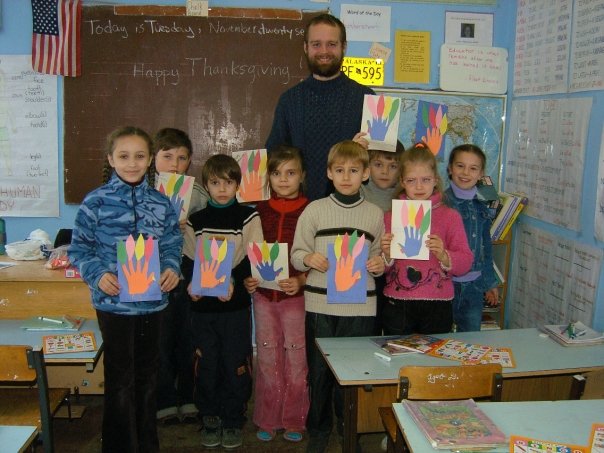
Different scholars find different ways to bring bits of the world back with them when they return to the UMBC community, Souders says. For example, the College of Engineering and Information Technology’s award-winning Global Engineering course, co-taught with faculty at the University of Porto in Portugal, originated with the Fulbright project of Marc Zupan, an associate professor in the Department of Mechanical Engineering.
Wagner says it would be amazing to make a discovery that might one day help alleviate the antibiotic resistance crisis in the world. “A good majority of our current antibiotics come from soil microbes,” she says. “Kyrgyzstan has several different ecological niches in which the soil could vary and so could the microbes.”
Across the board, UMBC’s newest crop of Fulbright Scholars is excited to connect internationally and advance projects of shared interest.
“My Croatian hosts have already gone out of their way to make me feel welcome,” says Penniston. “I am thrilled to embark on this immersive intercultural experience, and to share it with my wife and our children.”
Wagner echoes the sense of excitement at a new, horizon-broadening opportunity: “It will be an adventure!” she says.