



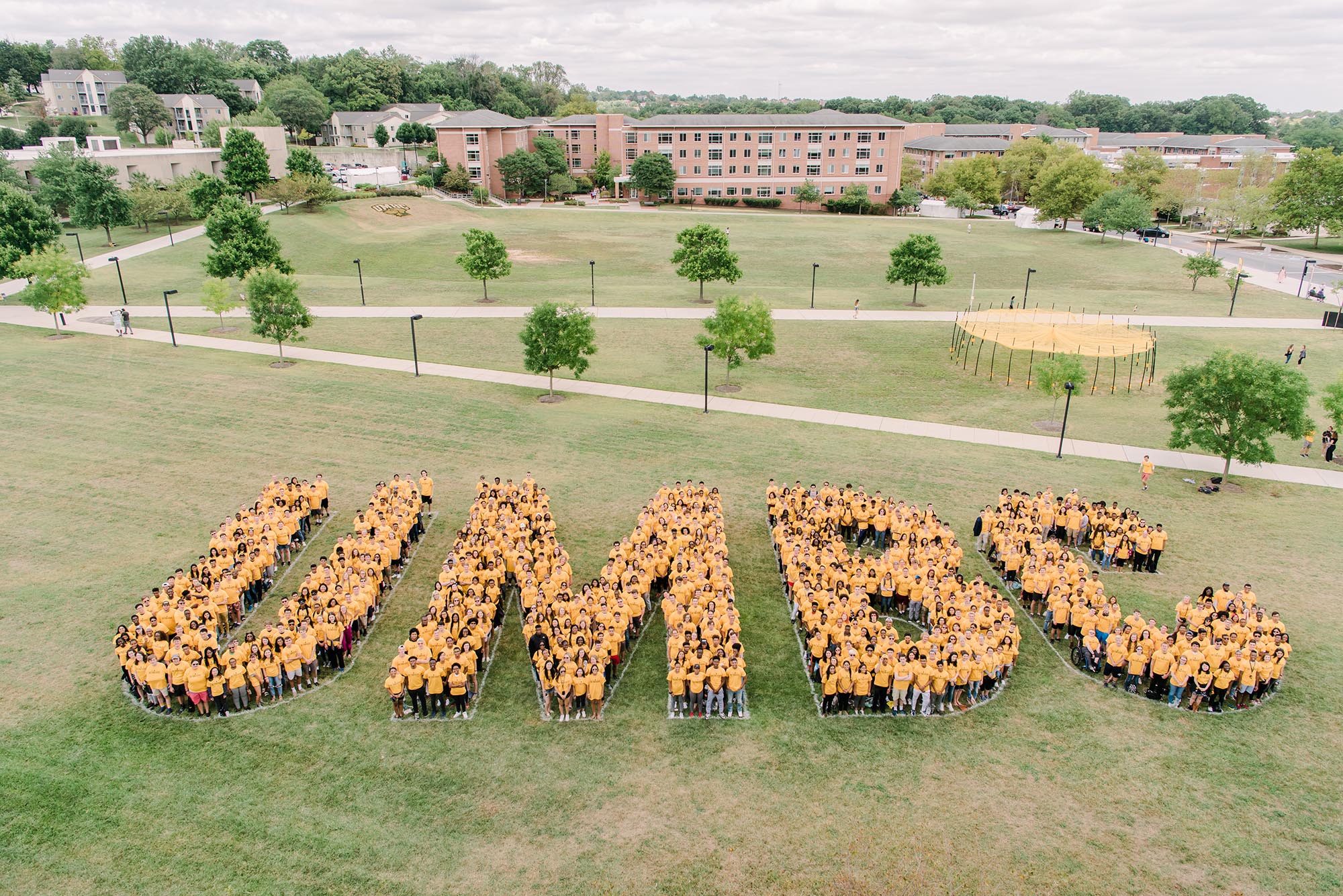
Media Resources and Guidelines
Find the resources you need for connecting with faculty and staff experts, publishing news about UMBC, and more.
Jump to section:
As a public university, UMBC permits media and film representatives in public, outdoor spaces on UMBC’s campus. To best serve you, we recommend connecting with a member of the University Communications team by using the email links below.
Our staff can answer information requests, connect you with faculty experts or other community members, and assist with photography and videography requests. You can find the answers to additional questions in the FAQs section below.
For the Media:
Faculty Experts
Contact Cherie Parker, director of media relations, at cheriepa@umbc.edu or 240-930-1169 to connect with any of our experts.
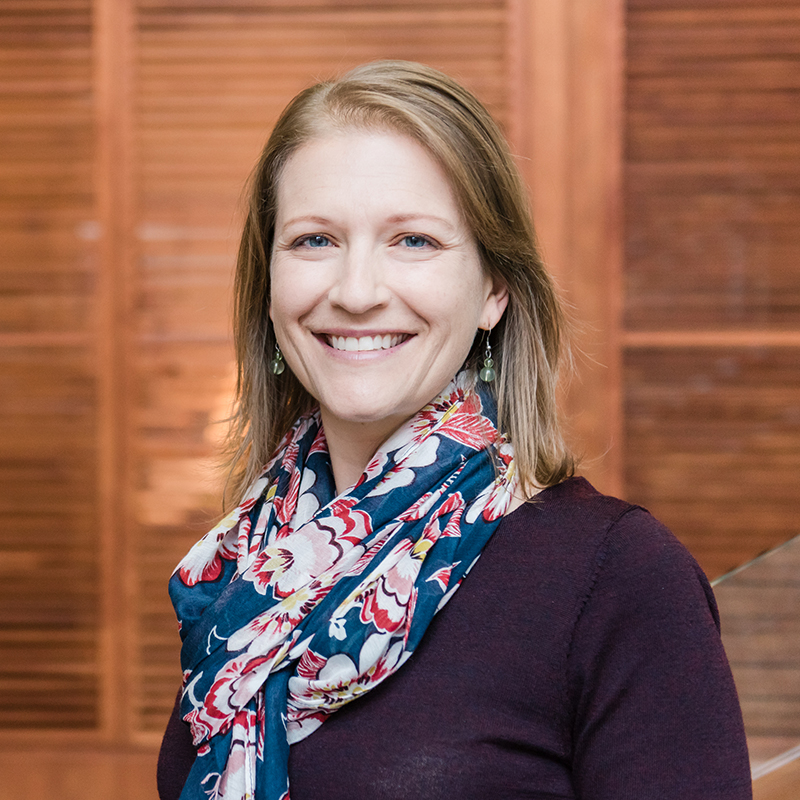

Vandana Janeja
AI and data science, information trustworthiness, technology for social impact

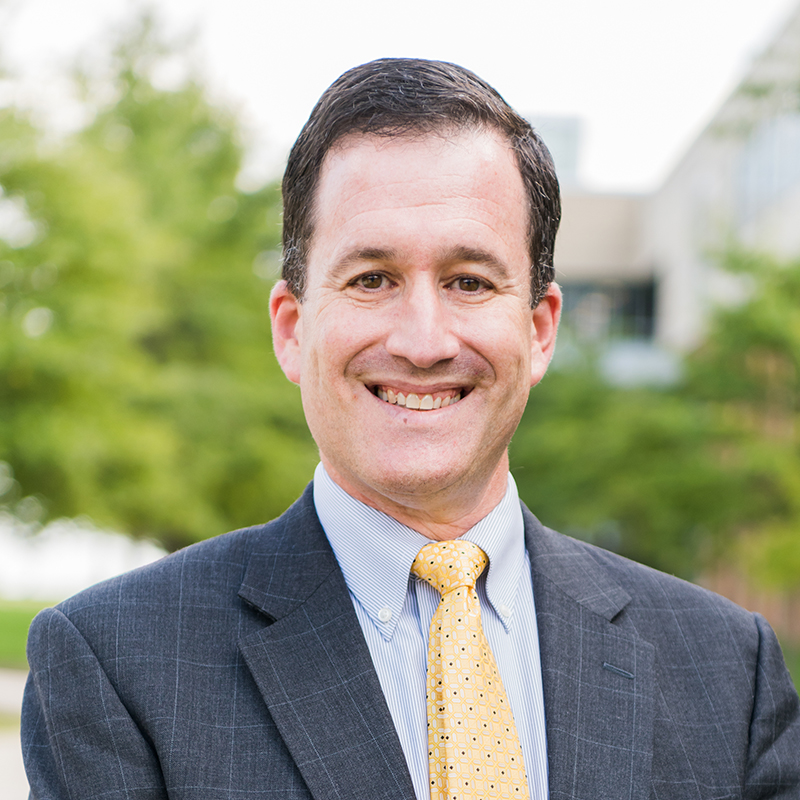
Ian G. Anson
Psychology of voter decision-making, campaign communication, political media, political knowledge and attitudes, political research methodology

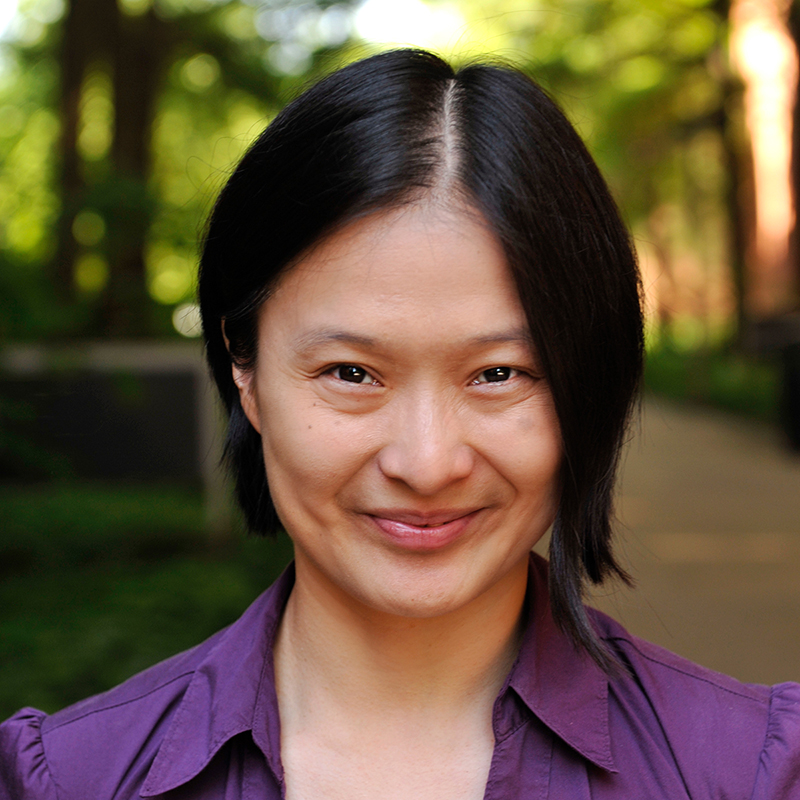
Mileah K. Kromer
Public opinion polling, American electoral politics, Maryland state politics, women in politics
UMBC Quick Facts
Overall
| Label | Value |
|---|---|
| White (3,640) (Percentage of Total Student Population) | 26.9 |
| Black (3,138) (Percentage of Total Student Population) | 23.2 |
| Asian (2,849) (Percentage of Total Student Population) | 21.1 |
| International (1,553) (Percentage of Total Student Population) | 11.5 |
| Hispanic (1,363) (Percentage of Total Student Population) | 10.1 |
| Two or More Races (709) (Percentage of Total Student Population) | 5.2 |
| Not Specified (252) (Percentage of Total Student Population) | 1.9 |
| Native Hawaiian or Other Pacific Islander (15) (Percentage of Total Student Population) | 0.1 |
| American Indian or Alaska Native (11) (Percentage of Total Student Population) | 0.1 |
46.1% Women
53.9% Men
Undergraduate
| Label | Value |
|---|---|
| White (2,982) (Percentage of Total Student Population) | 26.9 |
| Black (2,811) (Percentage of Total Student Population) | 25.4 |
| Asian (2,633) (Percentage of Total Student Population) | 23.7 |
| Hispanic (1,237) (Percentage of Total Student Population) | 11.2 |
| Two or More Races (650) (Percentage of Total Student Population) | 5.9 |
| International (542) (Percentage of Total Student Population) | 4.9 |
| Not Specified (209) (Percentage of Total Student Population) | 1.9 |
| Native Hawaiian or Other Pacific Islander (13) (Percentage of Total Student Population) | 0.1 |
| American Indian or Alaska Native (10) (Percentage of Total Student Population) | 0.1 |
45.68% Women
54.32% Men
Graduate
| Label | Value |
|---|---|
| International (1,011) (Percentage of Total Student Population) | 41.4 |
| White (658) (Percentage of Total Student Population) | 26.9 |
| Black (327) (Percentage of Total Student Population) | 13.4 |
| Asian (216) (Percentage of Total Student Population) | 8.8 |
| Hispanic (126) (Percentage of Total Student Population) | 5.2 |
| Two or More Races (59) (Percentage of Total Student Population) | 2.4 |
| Not Specified (43) (Percentage of Total Student Population) | 1.8 |
| Native Hawaiian or Other Pacific Islander (2) (Percentage of Total Student Population) | 0.1 |
| American Indian or Alaska Native (1) (Percentage of Total Student Population) | 0 |
48.01% Women
51.99% Men
UMBC’s student community is one of the most diverse in the nation, reflecting its status as a Minority Serving Institution (MSI) and Asian American and Native American Pacific Islander-Serving Institution (AANAPISI).
UMBC was ranked among the top 50 most ethnically diverse colleges in the U.S.. The university first opened its doors in 1966 as Maryland’s first public college inclusive of all races, and this commitment to diversity and social justice continues today.
Over 59.76% of students are from minority backgrounds. Students come from all 50 states and 100+ countries, contributing to a vibrant mix of perspectives.
These charts show distribution of UMBC’s Fall 2025 student population by race and ethnicity. Data reflects self-reported information and is shown as a percentage of the total overall, undergraduate, and graduate enrollment.
#1
Producer of Black undergraduates who go on to earn a Ph.D. in natural sciences and engineering.
Top 150
UMBC ranks among the Top 150 Universities for federal research funding.
1240+
Organizations hired our 2023 degree recipients.
147+
Graduate and professional schools our 2023 degree recipients are attending.
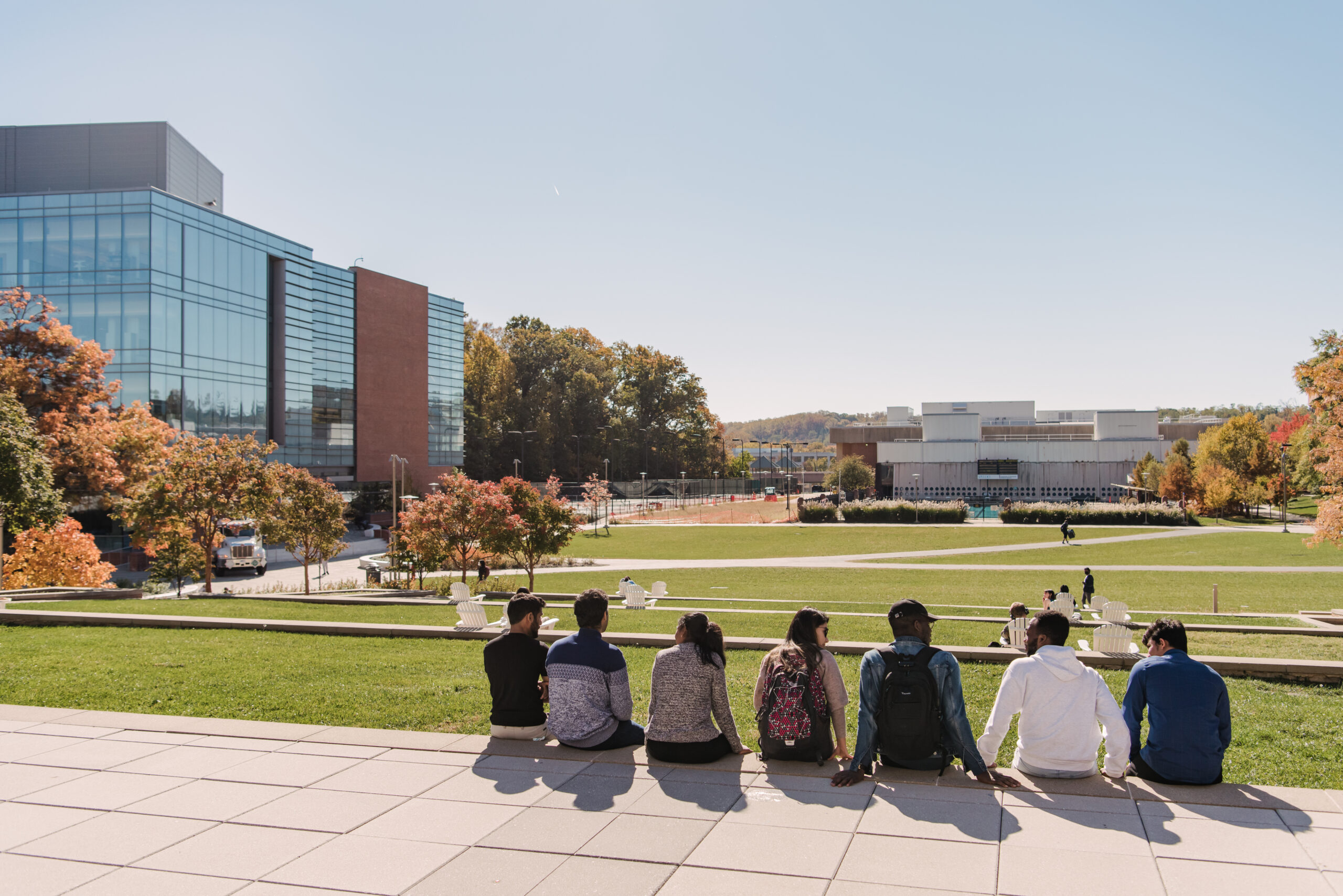
Guidelines for On-campus Photography and Film
We ask that all members of the media who are visiting notify University Communications and Marketing in advance by emailing news@umbc.edu, or by communicating directly with any member of the University Communications staff so we may help coordinate interviews and parking, and provide other helpful information.
Members of the media covering athletic events should coordinate directly with UMBC’s athletics communications team (on that page scroll down to the “Athletic Communications” section).
Advanced notice is required for:
• All commercial filming and photography
• Live broadcasts
• Filming and photography inside buildings
In general, filming inside of private spaces such as dorms and medical areas is not permitted. UMBC also has a strict no-drone policy, as outlined here.
Communications staff can answer questions, provide media with parking codes, arrange interviews, and assist with access to desired spaces.
Frequently Asked Questions
Featured UMBC News
-
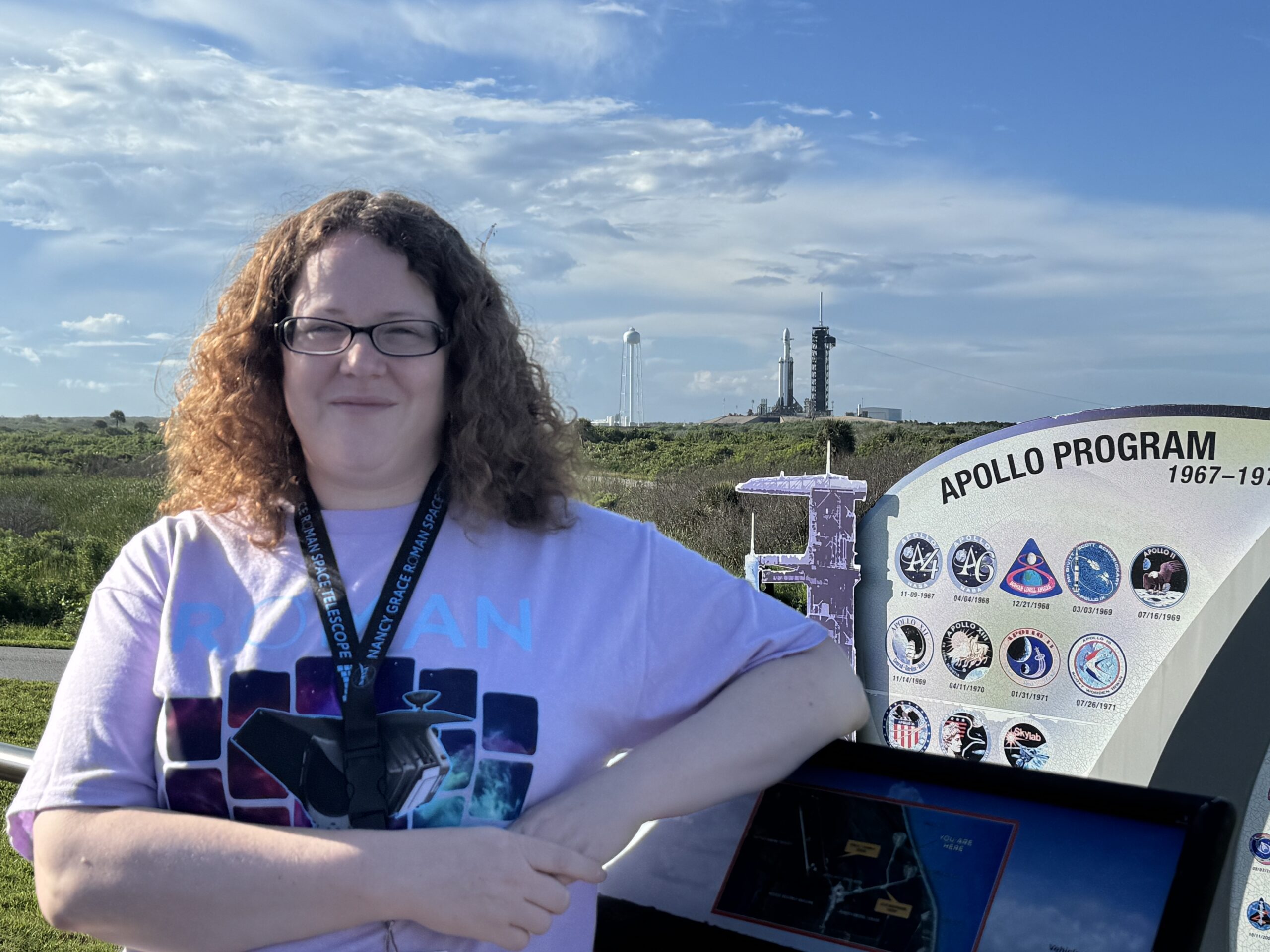
UMBC researcher is helping unlock the mystery of dark energy with NASA’s Roman Telescope
-
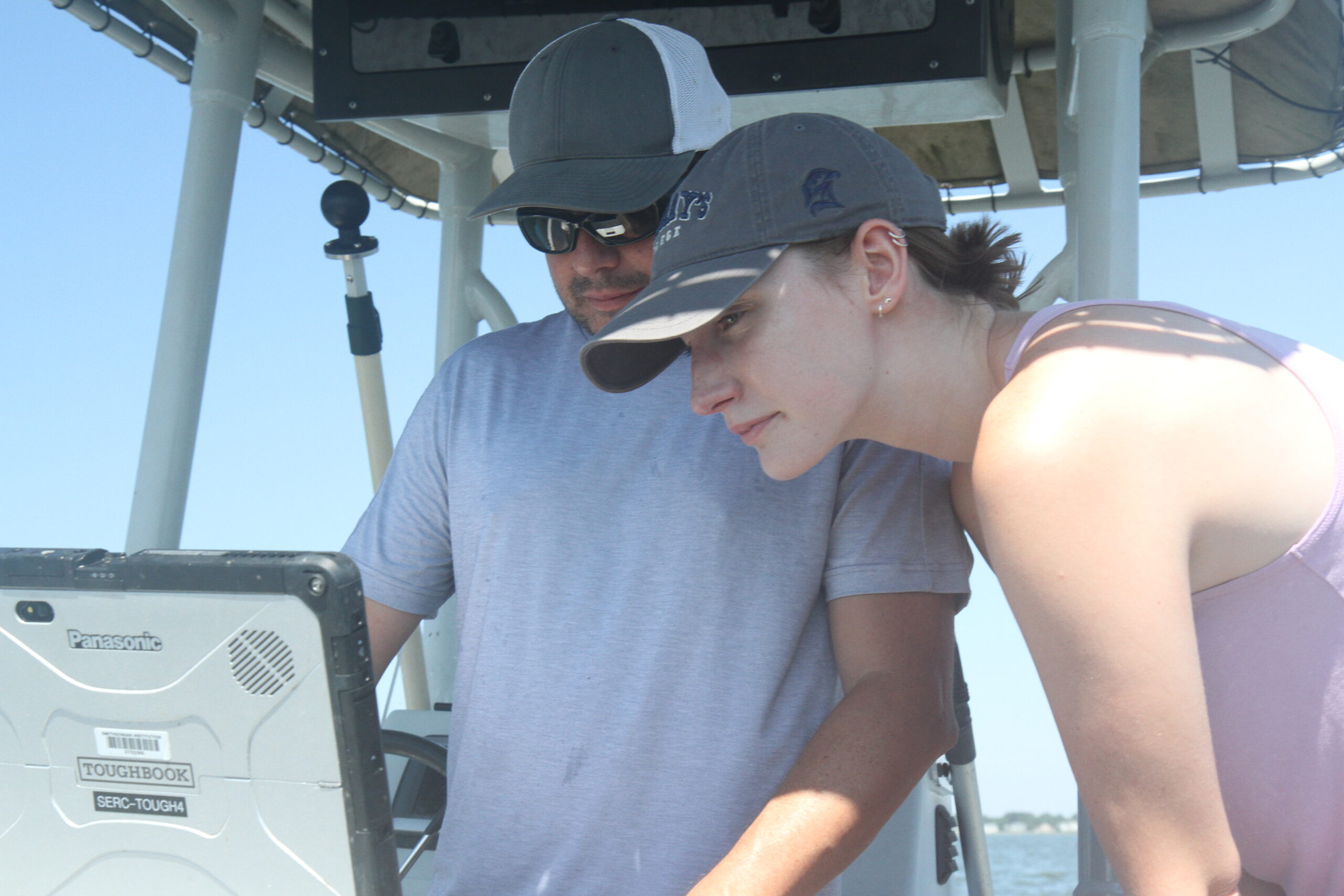
Long-term oyster reef restoration shows clear success in murky waters
-
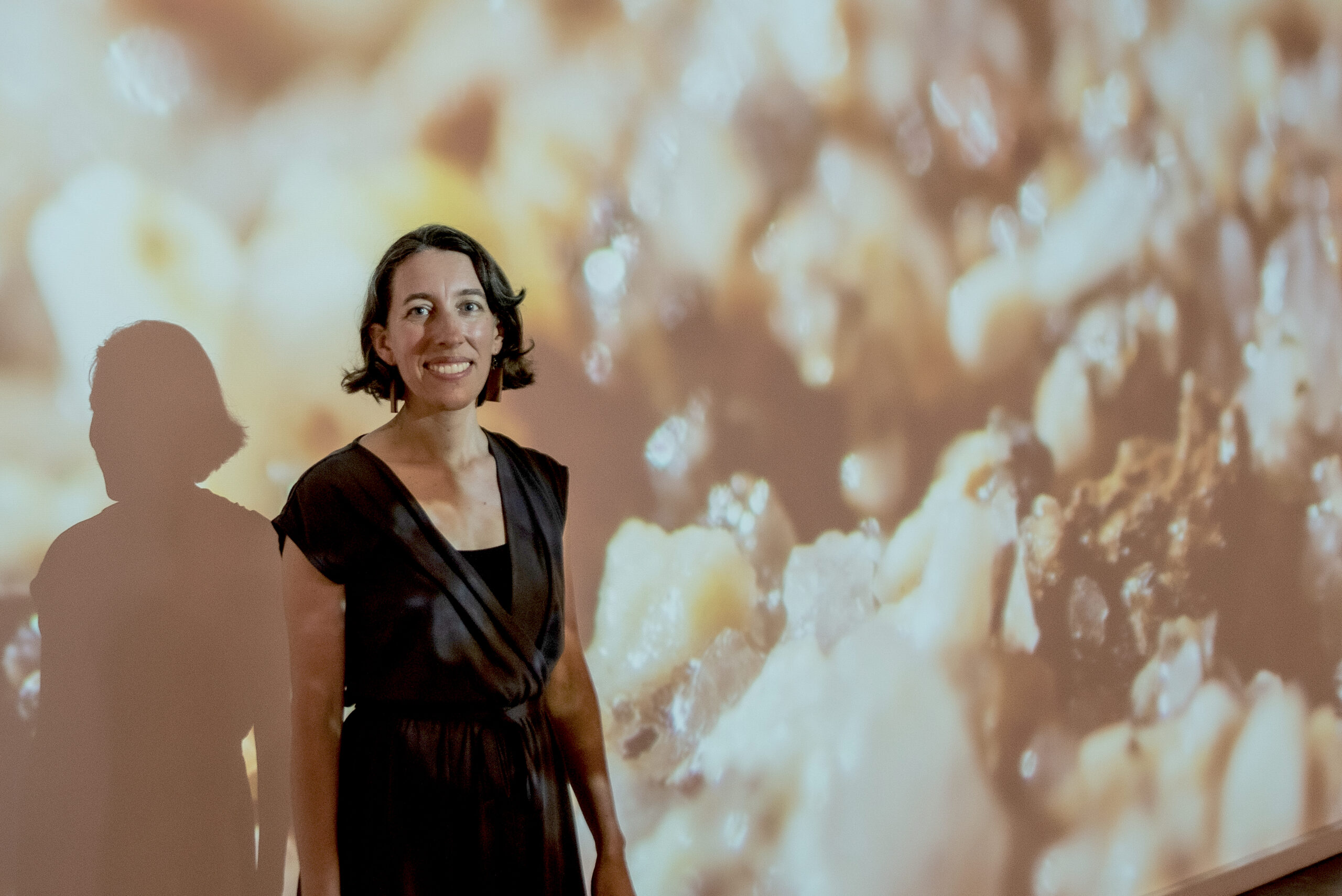
Extraordinary Animations: Corrie Francis Parks joins the Academy of Motion Picture Arts and Sciences
-
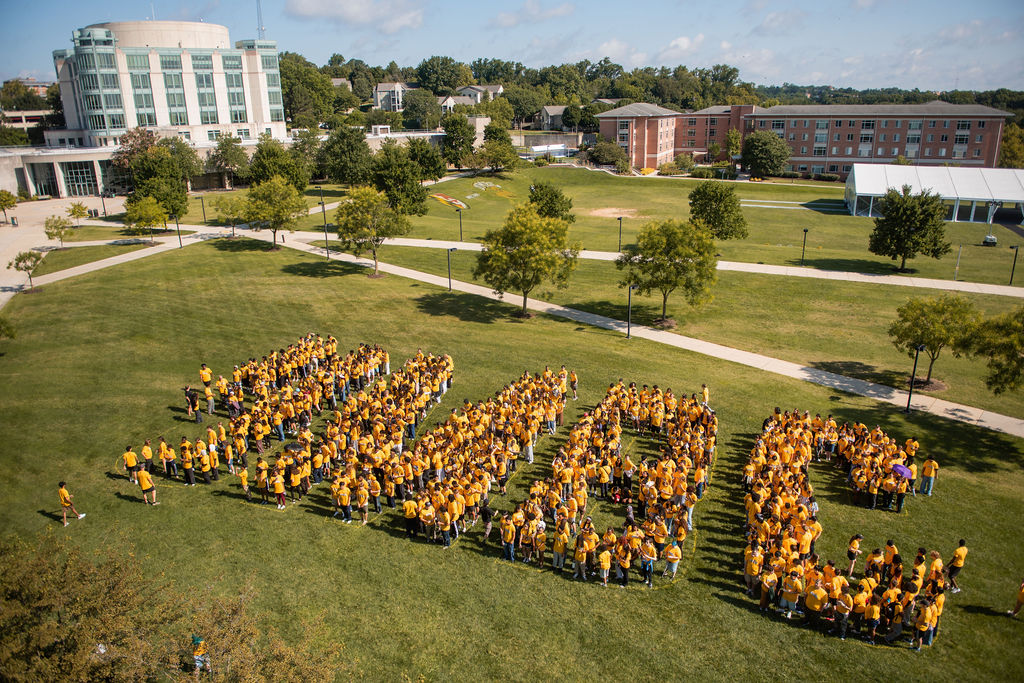
“You belong here”—New and returning Retrievers are welcomed to campus for fall 2026