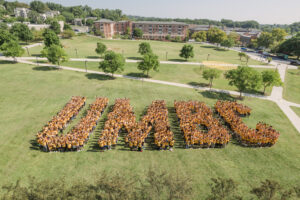


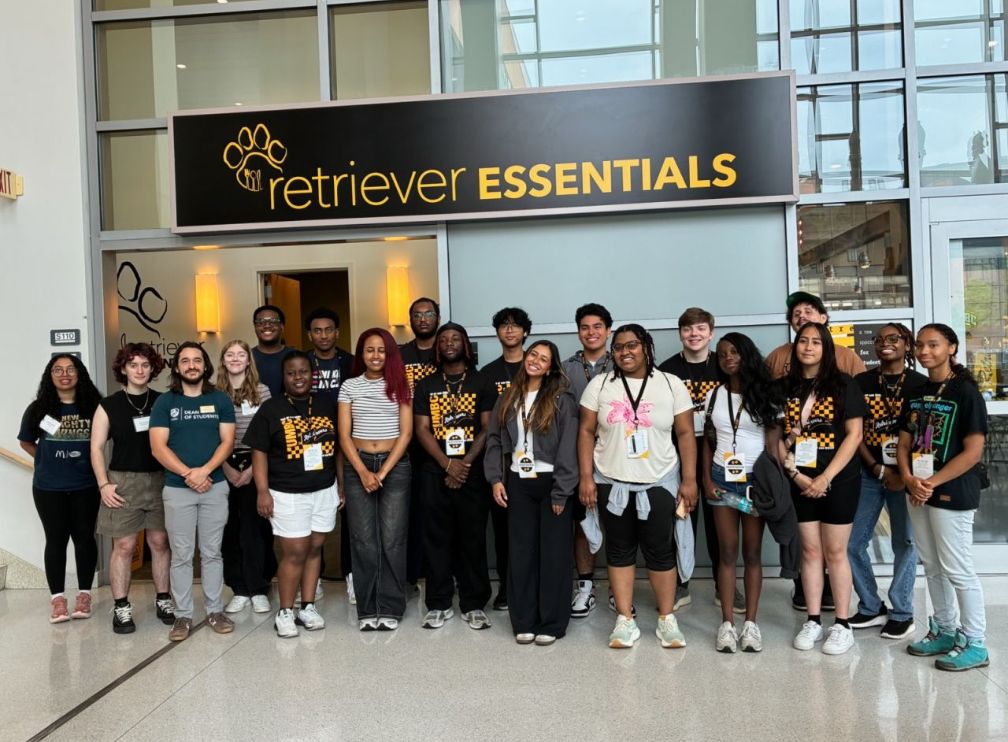
Earlier this summer, a month before the start of fall classes, newly-minted Retrievers were on campus and ready to start working. Part of UMBC’s initiative to scale up work-integrated learning (WIL), more than 100 incoming first-year and transfer students spent a night on campus, connected with an instructor and teaching assistant, and spent a day participating in service on site at five different community partner locations: Art with a Heart, Friends of Patterson Park, Paul’s Place, Filbert Street Garden, and Retriever Essentials. WIL is an educational approach that prepares students for a rewarding career after college by pairing what they are learning in the classroom with hands-on, authentic work experiences.
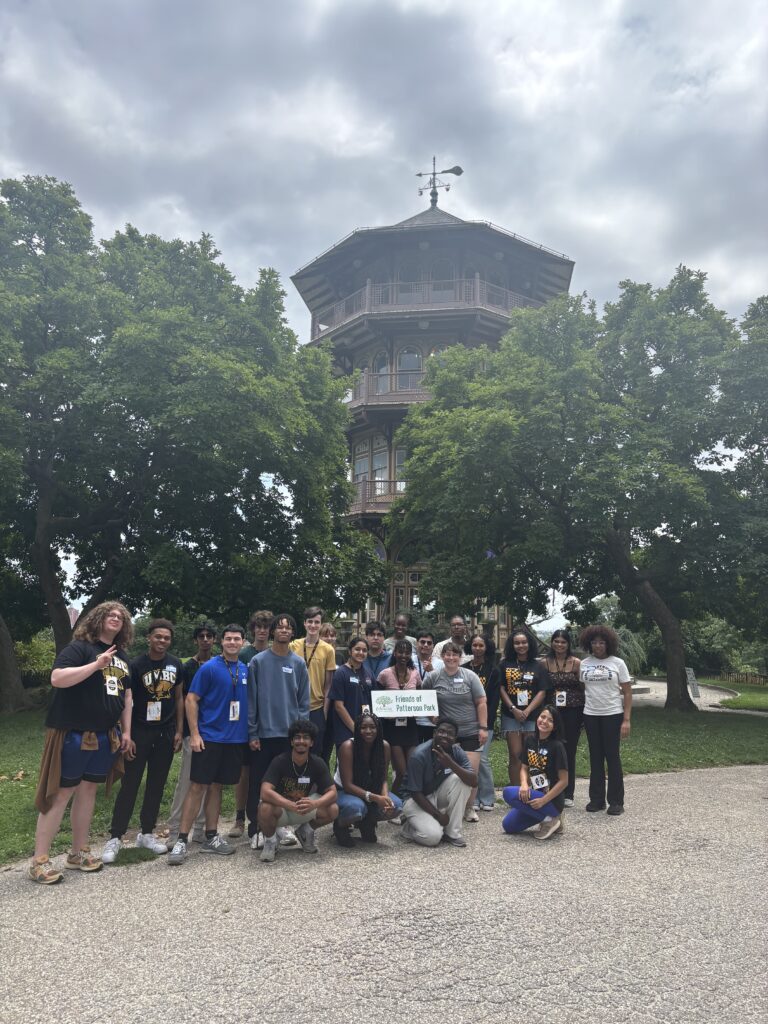
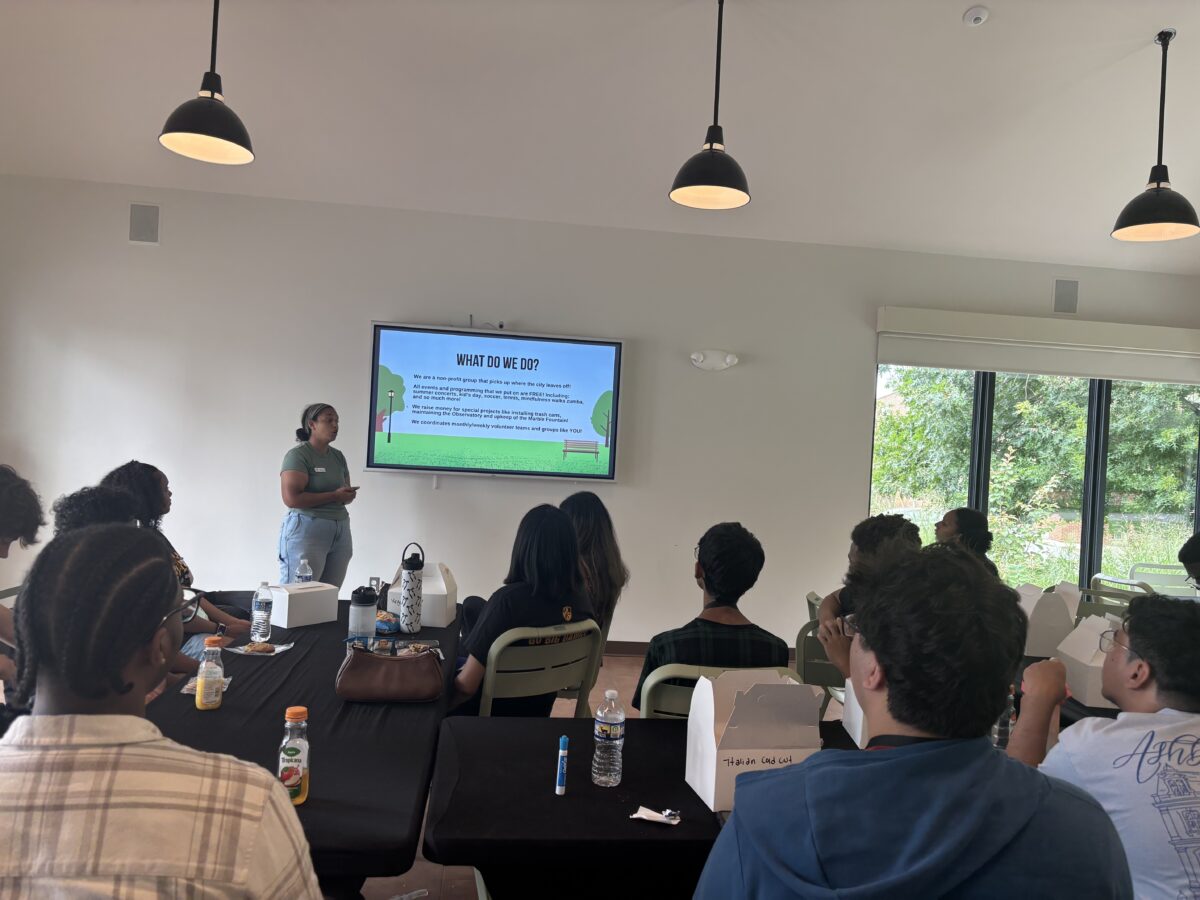
Emily Passera, the senior program coordinator for community-engaged learning through The Shriver Center at UMBC, led a group of students to Patterson Park in east Baltimore. The bus ride to the participation site gave the students a chance to hear an overview of important cultural, historic, and environmental structures in between UMBC and Patterson Park, she says.
Once there, “They jumped into the hard physical work, and they deeply connected with each other,” observed Passera. “Students observed a pathway that was covered with mud and weeds, and shared that cleaning mud with shovels made them connect to the importance of fully accessible pathways for strollers, wheelchairs, and bicycles. The park should be usable for many different functions in many different ways.”
WIL students will participate in service with the same sites throughout their full first year at UMBC, deepening engagement and strengthening connection to their peers and faculty as well as to the campus and community.
“I believe a program like this is an excellent cohort building model. I was able to have individual conversations with all of them, learning what they cared about going into their unique UMBC journeys,” says Passera, who will teach the same students in a first-year experience course called UNIV 101. “These few hours will make my job as the UNIV 101 instructor a little easier, as we now have a shared experience together. We are really looking forward to the music and community events that happen in the park throughout the fall when they return.”
James DeVita, assistant vice president for academic partnerships and high impact experiences in the Division of Student Affairs, has been responsible for growing UMBC’s WIL opportunities across campus to ensure every student is exposed to the work world throughout their college years.
“WIL experiences are essential learning opportunities for students, not only because they help develop transferable and durable skills that ensure graduates are ready for the workforce, but also because they provide opportunities for real-world application that deepens learning in ways recognizable by external and industry partners,” says DeVita. “These experiences need to be embedded from day one for all of our students.”