We use cookies for analytics and, unless you opt out, advertising.
You can opt out of advertising at any time.UMBC uses essential cookies to run this site. With your permission we would also use analytics cookies (to understand how the site is used) and advertising cookies (to measure and target our ads on other platforms). Nothing else loads unless you accept. You can change your choice any time from Cookie Settings in the footer.Privacy Policy
EssentialRequired for the site to work (login, security, your cookie choice). Always on.
Graduate students rely on internet research and word of mouth to hear about programs that align with their interests. For Hatice Gürsoy, word of mouth led her from the Republic of Türkiye to UMBC’s Culture, Child, and Adolescent Development Lab, when she was looking for developmental psychology doctoral programs that could support her interests in the resiliency of Muslim immigrants. “One of Dr. Charissa Cheah’s doctoral students also happened to be from Türkiye. She connected me with Dr. Cheah, and we bonded from that moment over my research interests,” says Gürsoy.
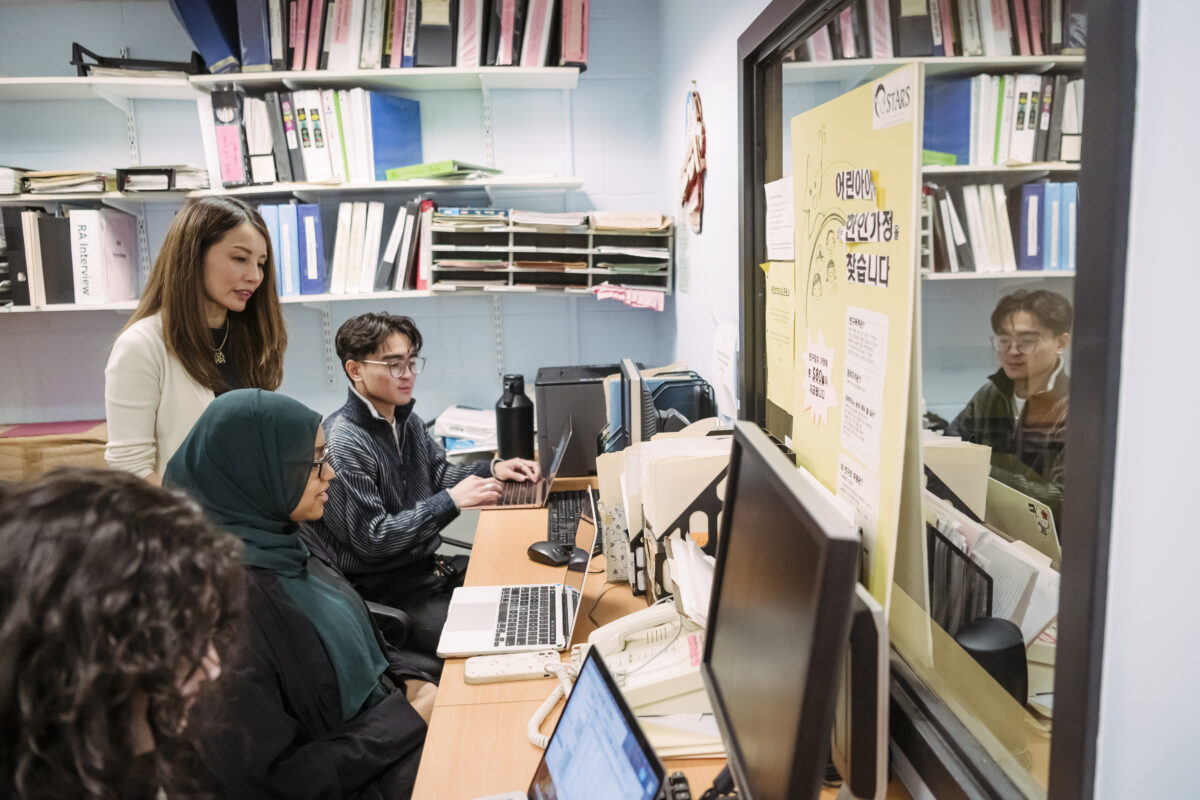
Gürsoy is not alone in her trajectory to Cheah’s lab. Students worldwide are drawn to lab founder and director Charissa Cheah’s hands-on approach to teaching, mentoring, and research. “I tell students that my lab is a vibrant space where they can build expertise in collaborative public impact research,” says Cheah, a professor of psychology. She studies adolescent social-emotional development and the well-being of families from minoritized backgrounds, emphasizing the experiences of those from Asian, Middle-Eastern, and North African heritage, which are frequently overlooked in psychology research, she says.
To approach this seemingly broad array of topics, Cheah offers graduate students seven ongoing research projects to choose from, including the latest project—Asian Americans’ Resilience, Identity, and Socialization of Engagement (ARISE), which focuses on the impact of racism and discrimination on Chinese, Korean, and Filipino American families parents’ and adolescents’ relationships, multiple identities, racial-ethnic socialization, civic engagement, and development.
Earlier in 2024, Cheah was invited to the White House to present the latest findings on the ARISE project with the Office of Science and Technology Policy. “It is empowering to represent the voices of marginalized groups, especially early career scholars, and to speak with individuals who aim to use this information to shape policies that decrease bias and hate,” she shared there.
Mentoring through unprecedented changes
Thanks to Cheah’s approach to mentorship, Hyun Su Cho, Ph.D. ’24, applied developmental psychology, had the support she needed to navigate unprecedented changes like COVID-19, in-person and virtual classes, and welcoming a new child. “It can all be very overwhelming,” says Cho. “Charissa is very busy, but she always finds time for you.”
Cho found her way to Cheah’s lab after reading her research while completing her master’s in developmental psychology at Seoul National University in South Korea. “I had the same master’s advisor as a former doctoral student in the lab and she introduced me to Dr. Cheah during a conference,” says Cho. “I was interested in parenting and world culture. Her lab offered opportunities to study multiple Asian communities.”
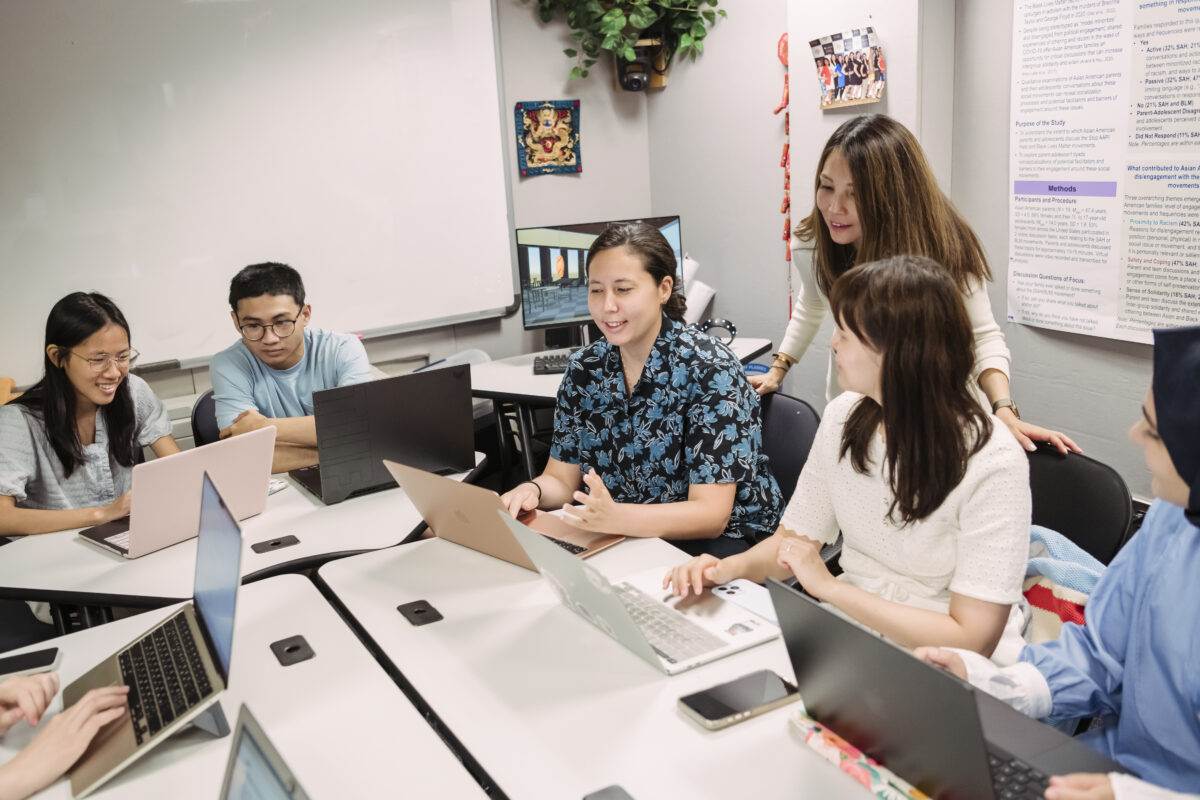
Charissa Cheah and undergraduate students discuss lab work. (Marlayna Demond ’11)
Initially, Cho collaborated with Korean American families on the Immigrant Children’s Successful Transition and Adaptation Research project. Later, she became deeply involved in the ARISE project. This work led to several publications and funding awards to complete her dissertation.
Huiguang Ren, Ph.D. ’24, applied developmental psychology, also found his way to Cheah’s lab through a recommendation. As a master’s student in developmental psychology at East China Normal University, “I wasn’t sure whether to go straight into industry or continue with a Ph.D.,” says Ren. He sought guidance from his mentor, who was researching adolescent development in Shanghai with Cheah. Ren started at UMBC as a visiting scholar before joining the doctoral program. “After working with Dr. Cheah, I decided research is something that intrigues me, and it’s a career that I want to pursue. ”
Passing on the skillset
Ren also worked on several projects in addition to ARISE. He helped set up the Strengthening Asian American Families’ Excellence and Resilience project, one of the first National Science Foundation grants to explore the influences of the COVID-19 outbreak on racial discrimination, identity development, and socialization. Ren and Cho managed classes, guided students through research methods, helped them develop scientific language, and showed them how to analyze the data they collected and disseminate it to families and scholars. He now has a faculty position at his alma mater but initially struggled with imposter syndrome about guiding undergraduates. “And then I realized I have mentored quite a few students during my time in Dr. Cheah’s lab,” Ren says. “And then I realized I have mentored quite a few students during my time in Dr. Cheah’s lab,” Ren says.
Cheah discusses work with her students. (Marlayna Demond ’11)
Gursoy is now in the fifth year of her doctoral program focused on the Identities of Muslim American Adolescents and their Growth and Excellence research study. This project explores the impact of identity, interpersonal relationships, racism, and cultural socialization factors on Muslim American development and adjustment.
Like Cho and Ren, Gürsoy mentors undergraduates, modeling Cheah’s methods and plans on taking those skills with her. “Working with undergraduates is one of the things I love doing best. They are creative, curious, and are not afraid to tell you something that might not work,” says Gürsoy. “Dr. Cheah has been holding my hand throughout my journey. Helping me learn by giving me constructive feedback. I want to give the same kindness to our undergraduates.”
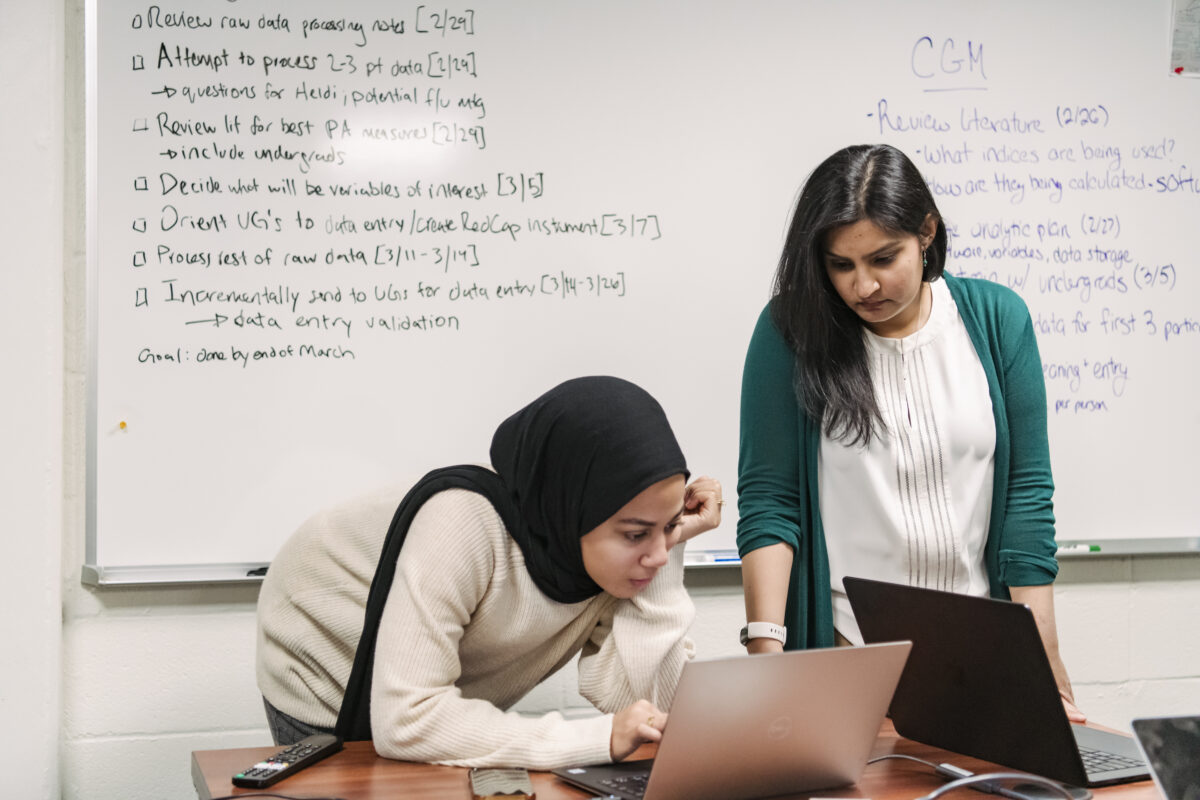
On the fourth floor of UMBC’s math/psychology building, Tasneem Khambaty, associate professor of clinical psychology and behavioral medicine, meets with doctoral students Ashley Splain and Sumaiya DeLane to plan the day’s work at the Cognition, Affect, and Cardiometabolic HEalth (CACHE) lab. The task at hand is analyzing novel data collected by continuous glucose monitoring (CGM) systems. Every detail matters. Splain and DeLane are study coordinators for one of the first research studies to use CGM technology to investigate the precise associations between low and high glucose levels, cognitive function, and key Alzheimer’s disease biomarkers in middle-age and older adults at risk for type 2 diabetes.
Now in their sixth and fifth years of the clinical psychology and behavioral medicine doctoral program, Splain and DeLane came to UMBC with years of clinical experience working with older adults. As future clinical psychologists, they were looking for a doctoral program that offered strong mentorship enabling them to build their scientific research skills and obtain hands-on experience in a variety of settings to enrich their clinical practice. The CACHE lab allowed all those things to come together. “I was looking for someone who recognized I had a unique set of experiences and skills to bring and was willing to take a chance and be open to teaching me a lot of these basics,” says Splain. “That was something I appreciated about Dr. Khambaty. She recognized what I could bring to the lab.”
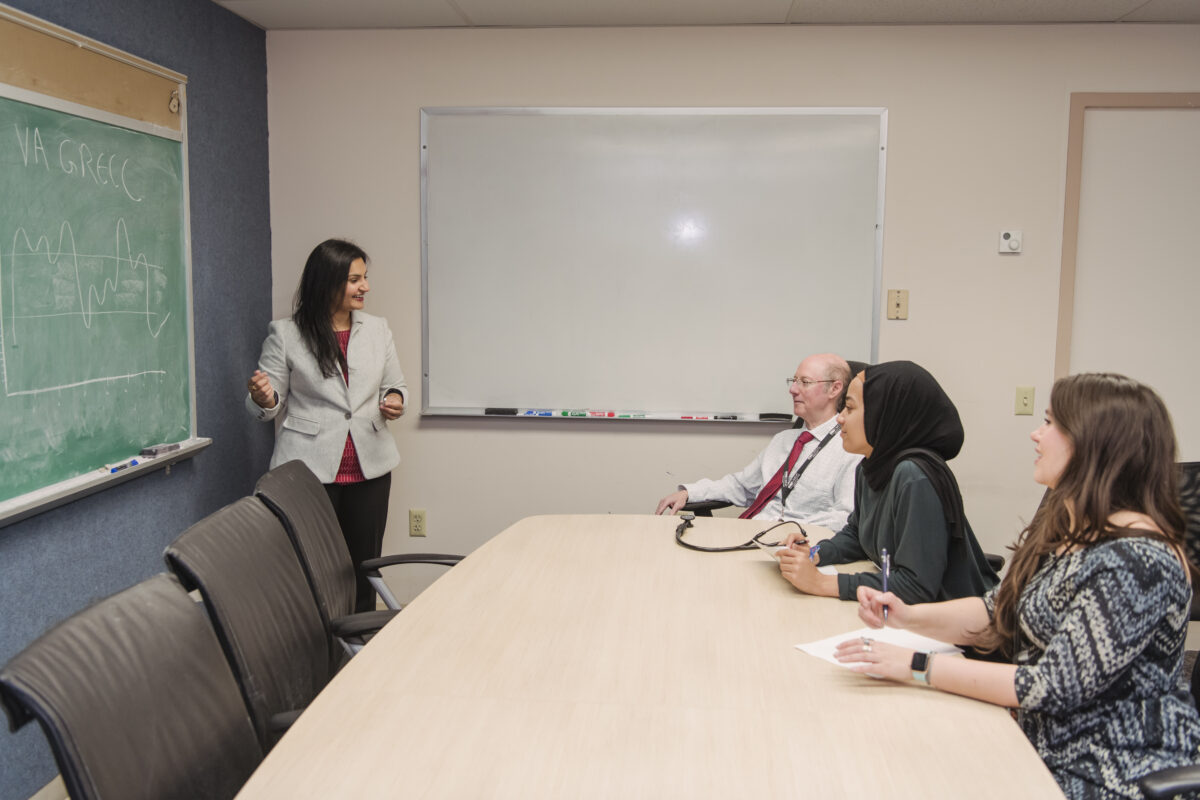
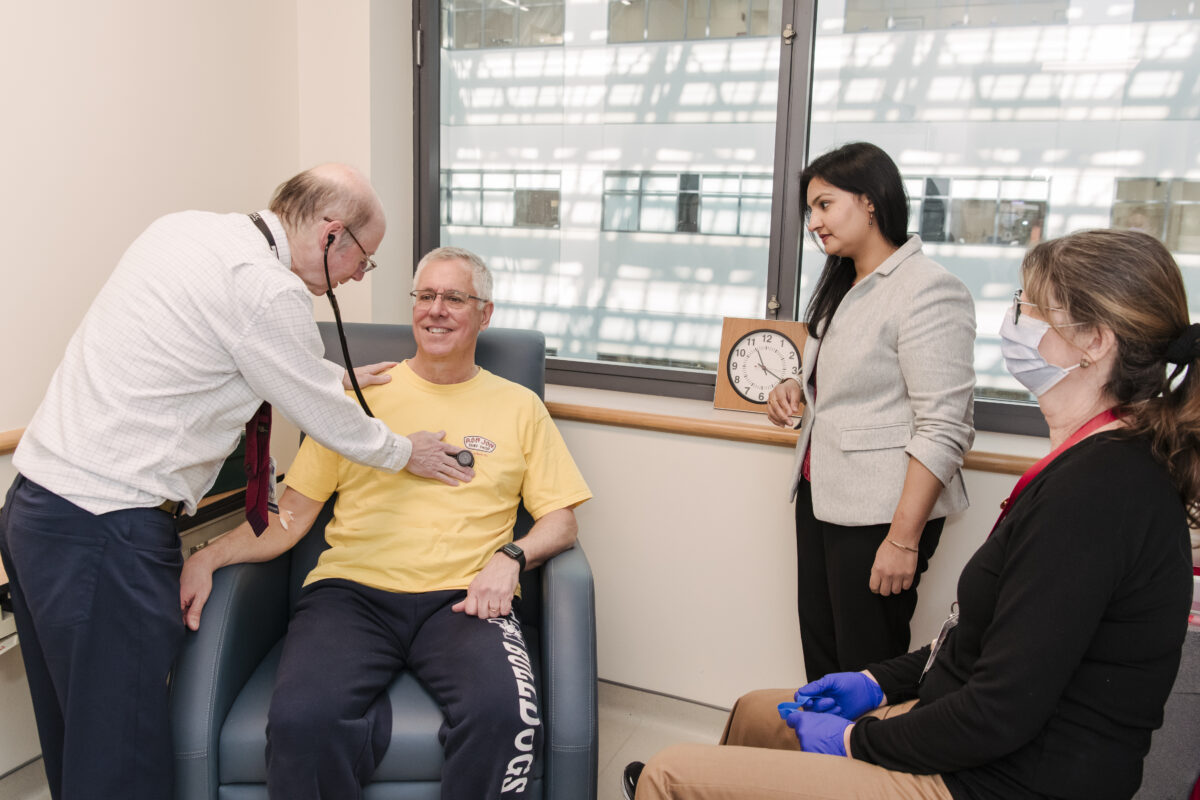
(l-r): Khambaty, Les Katzel, Sumaiya DeLane, and Ashley Splain. (Marlayna Demond ’11/UMBC)
Khambaty, the principal investigator in the CGM study funded by a National Institute of Aging grant, researches the psychosocial and neurocognitive factors that influence the diabetes process across the lifespan of middle-aged and older adults. “This research introduces a cost-effective, user-friendly CGM technology as a novel, sensitive, digital biomarker for the early detection of cognitive dysfunction and stratification of Alzheimer’s disease risk, ultimately, helping older adults preserve cognitive function into later life,” says Khambaty.
People with Type 1 diabetes cannot produce insulin at all. Type 2 diabetes happens when the body cannot utilize insulin efficiently, and this is the most prevalent type of diabetes, notes Khambaty. “It is linked to cognitive dysfunction in episodic memory and executive functions, and an increased risk for Alzheimer’s disease. “Type 2 diabetes is curable,” she says. “If we focus on prevention, we won’t need a cure.”
A barrier to prevention is reliable, diagnostic, digital CGM tools for the early detection of cognitive dysfunction and Alzheimer’s disease for people at risk of type 2 diabetes. CGM, which gives a precise assessment of fluctuating blood sugar levels, has historically been limited to people who already have diabetes. “Further research is needed to determine the role of glucose fluctuations in the prediabetic stage,” says Khambaty. This requires collaborators.
Splain and DeLane have been involved in the study from the start, gaining valuable experience alongside an interdisciplinary team of experts in behavioral medicine, endocrinology, geriatrics, and neuropsychology. This includes UMBC’s Shari Waldstein, a professor of psychology who focuses on cardiovascular behavioral medicine and medical neuropsychology, and various physicians and nurses, including Les Katzel a physician of geriatric medicine at the University of Maryland Claude D. Pepper Older Americans Independence Center (UM-OAIC) and the Geriatric Research Education and Clinical Center (GRECC) within the Baltimore Veterans Affairs Medical Center (VAMC).
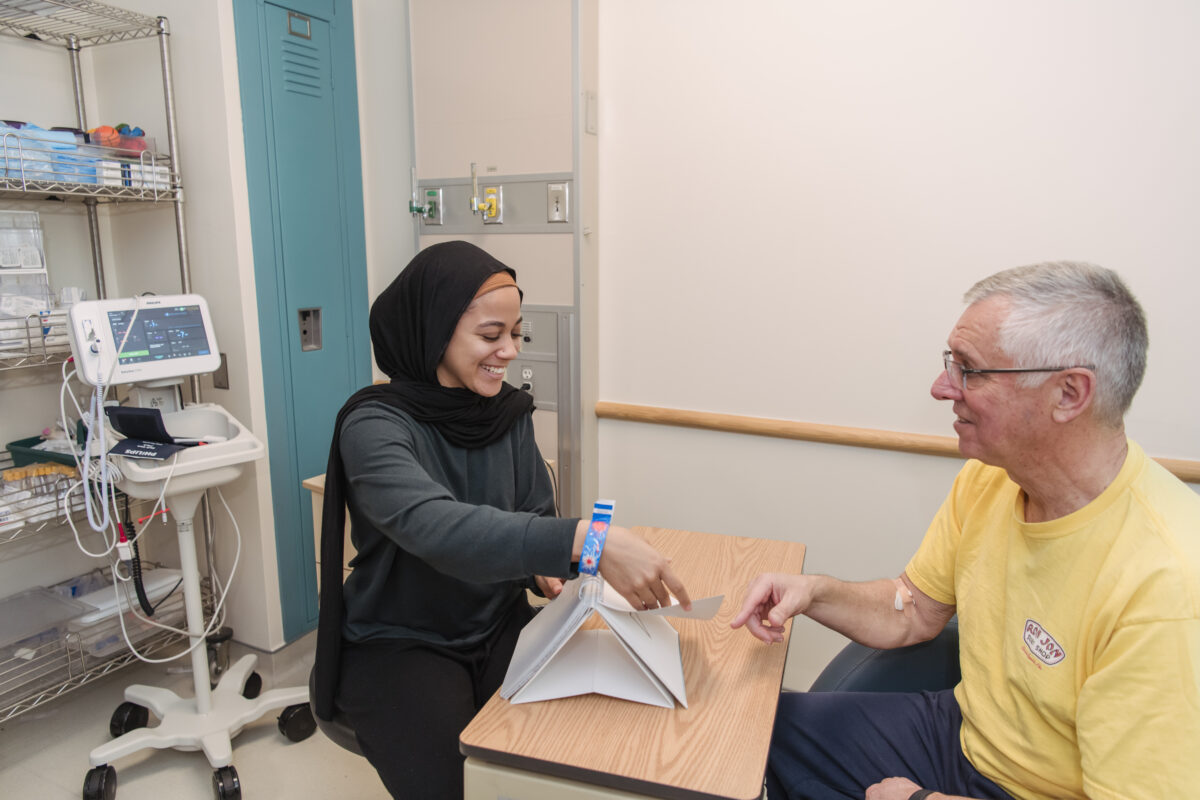
(l-r): The research team models patient care for the students at the GRECC. (Marlayna Demond ’11/UMBC)
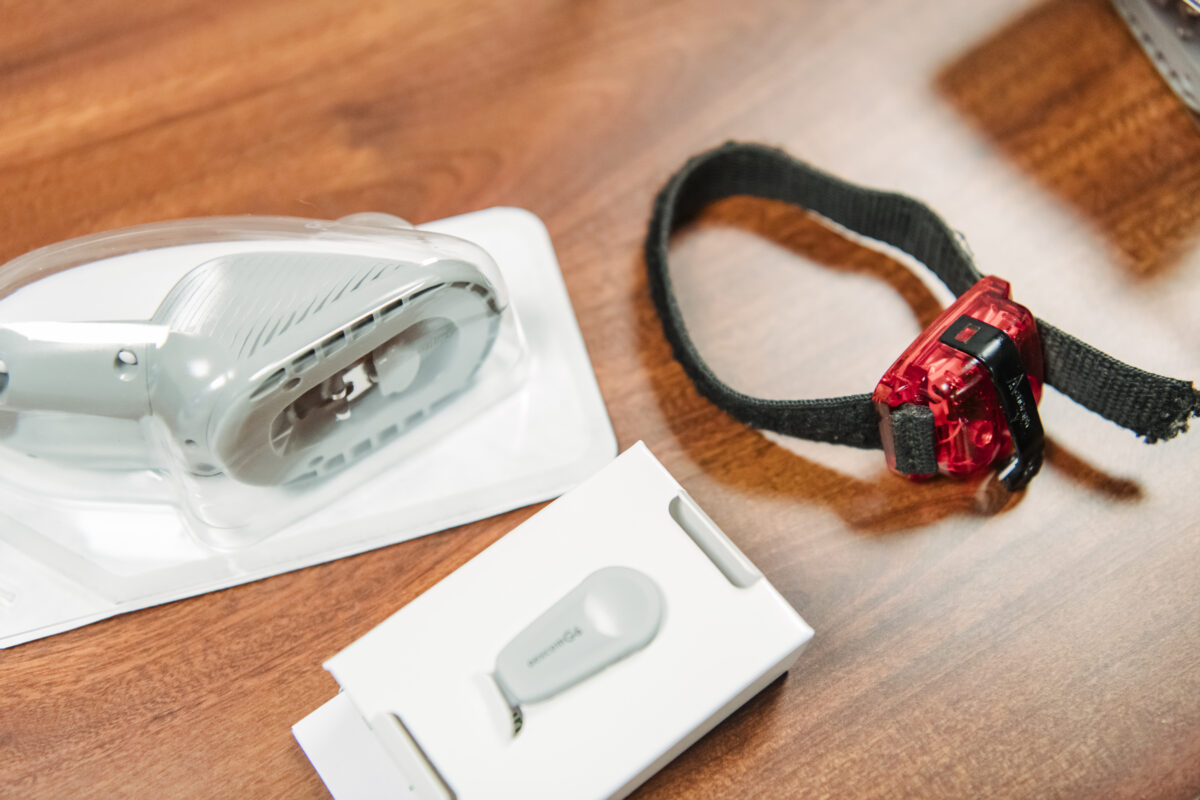
A key benefit of being part of an interdisciplinary team is gaining firsthand experience with the infrastructure and technology essential for this level of research. UM-OAIC and the Baltimore VAMC GRECC provide the infrastructure for the research—human subjects oversight, the study’s safety monitoring, study location, nursing support, blood management, and sample storage. The technology partner, Dexcom, develops, manufactures, produces, and distributes CGM systems for diabetes management. Doctoral students witness in real-time the relationships necessary for driving innovation in this field.
Doctoral research with a global impact
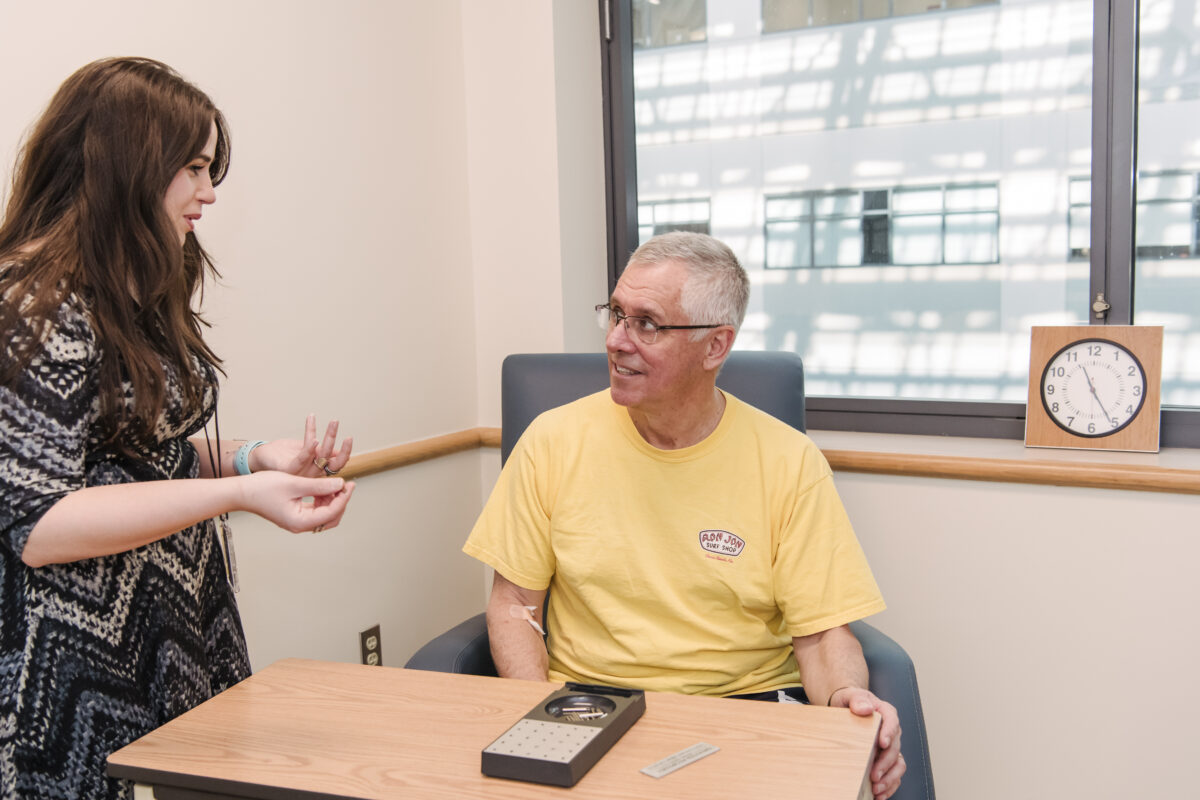
Before participants visit the study nurse at the Baltimore VAMC GRECC to have the Dexcom monitor inserted, they first meet with Splain and DeLane. The pair oversees the entire process, from initial contact to final payment for participation. This includes confirming eligibility, liaising with the nurse practitioners who conduct a physical exam and blood draw, explaining how to use the Dexcom glucose monitoring device and actigraphy band, and conducting neurocognitive assessments to evaluate the participants’ learning, memory, and attention.
(l-r): DeLane and Splain practice administering cognitive assessments. (Marlayna Demond ’11/UMBC)
“A lot of our participants have been interested in the study because they have a family history of diabetes and have seen how devastating it can be if left untreated,” says Splain. Her interests in the intersection of cardiometabolic diseases—such as diabetes, heart disease, and hypertension—and the impact of psychological factors like depression and anxiety on their development made her an excellent fit for Khambaty’s lab. “Because of that history, they are willing to give their time so that we can advance how we treat this debilitating condition,” Splain continues.
Splain explains how the monitor gathers information for undergraduate psychology students. (Marlayna Demond ’11/UMBC)
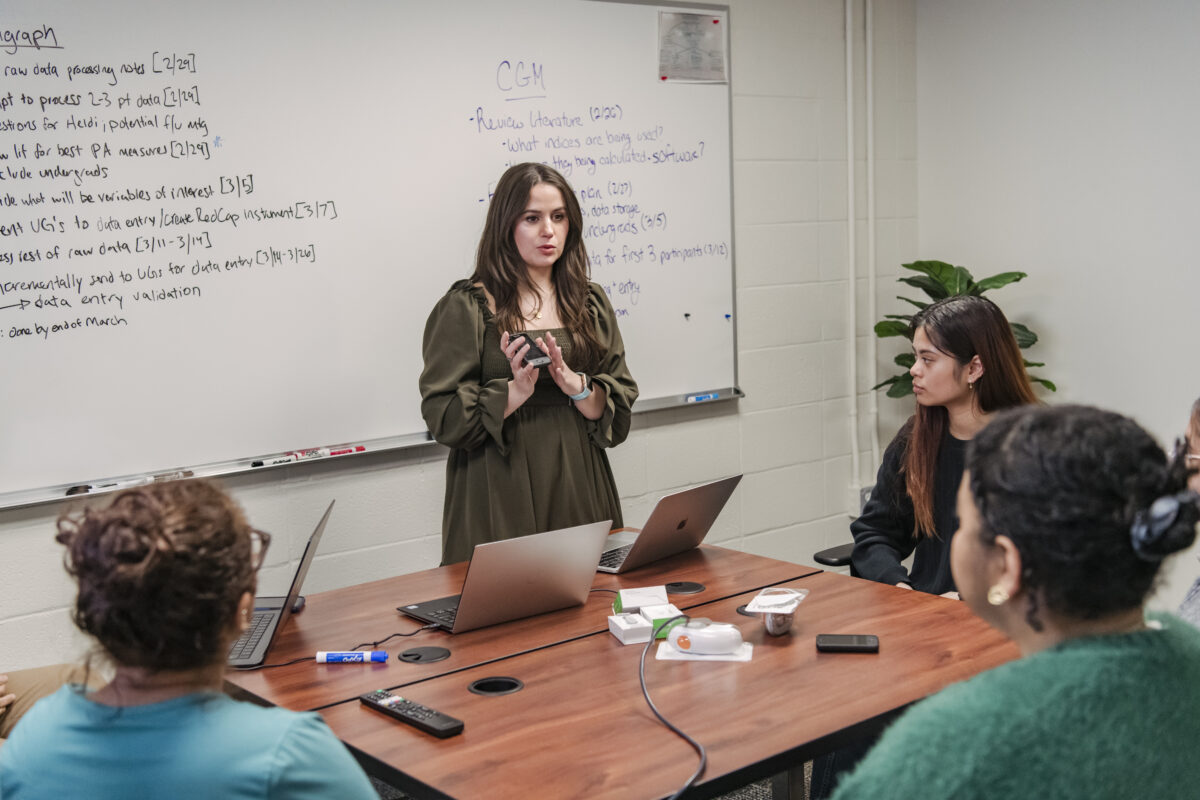
Eight days later, when the monitor is removed, the study coordinators conduct a final review with participants asking about their social networks, mood, and symptoms of depression as well as their sleep and physical activity levels. Meanwhile, back at the UMBC lab, Khambaty, Splain, and DeLane lead undergraduate students in entering, processing, and analyzing the data. The doctoral students dive deeply into the data sets and participant feedback and plan the next phase of their research.
DeLane and Khambaty review the latest CGM data. (Marlayna Demond ’11/UMBC)
“Clinic psychology programs require a lot of mental shifting because we’re doing not only research but we’re also doing the clinical piece,” says Splain. “Connecting with participants, hearing their stories, and knowing that our research can hopefully move the field forward keeps us going.”
Welcoming more student researchers
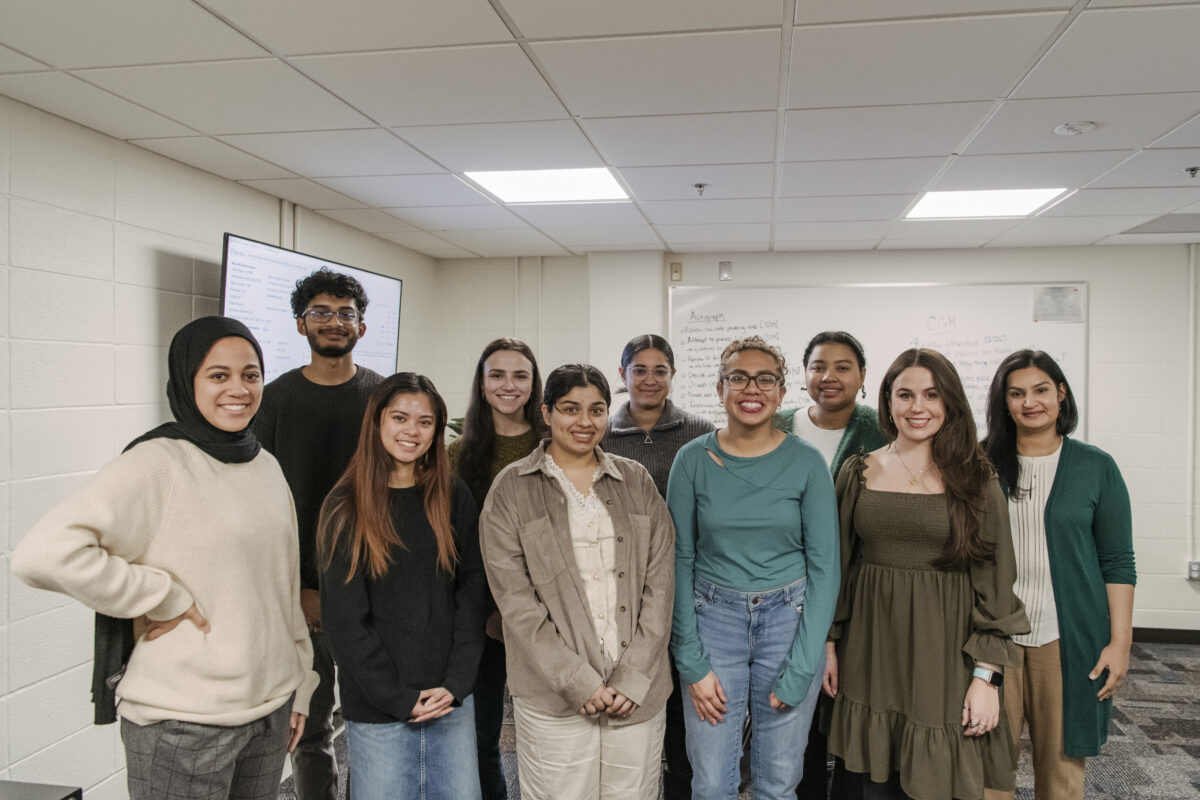
Khambaty is determined to inspire more students in this field. Currently, there are six undergraduates and three graduate students in the lab. Khambaty also shares her research with undergraduate students in her upper-level seminar, Health Promotion and Disease Prevention. “Students are excited to learn about how multidisciplinary perspectives from medicine, public health, epidemiology, and psychology are needed to understand the challenges and opportunities for chronic disease prevention in the U.S.,” says Khambaty.
The CACHE Lab graduate and undergraduate team. (Marlayna Demond ’11/UMBC)
Now working on her dissertation, DeLane reflects on the impact of the research she’s contributed to. The study is in its second year of funding.“I find it very exciting. I’ve been amazed at how when participants first join our study, they begin to connect the dots between their blood sugar levels and their brain health later in life. It empowers them with a sense of ‘I can do something. I can take control,’” she says. Currently, her research focuses on how psychophysiological factors, such as heart rate variability, can enhance our understanding of the link between anxiety symptoms and glucose regulation, particularly in relation to social support and resilience. Over the next year, she plans to apply for internships in pediatric neuropsychology where she can further investigate how early life experiences interact with these factors to shape cognitive health in children.
The World Health Organization reports that there is a globally agreed target to halt the rise in diabetes and obesity by 2025. Its latest reports show that about 422 million people worldwide have diabetes, the majority living in low-middle-income countries, and 1.5 million deaths are directly attributed to diabetes each year. “The fact that we are looking at people with prediabetes rather than a confirmed diagnosis empowers people to make small changes in their lifestyle,” says DeLane. “To be able to share that, and from existing research I’m familiar with, to give them a little bit of advice, it makes me feel like I’m making a bit of a difference.”
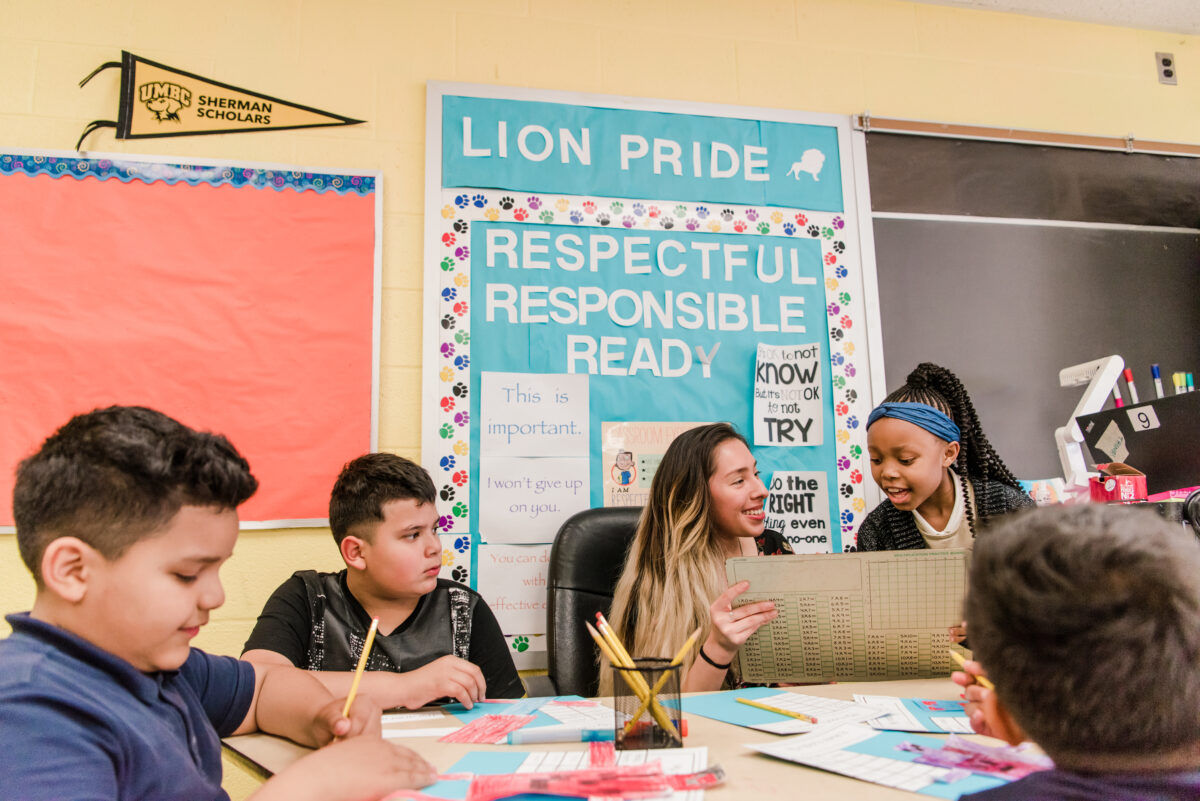
Thanks to award-winning education faculty and UMBC’s research-based teacher preparation programs, hundreds of Retriever alumni lead pre-k through 12-grade classrooms across the state, meeting the need for highly qualified teachers. Maryland’s high school students now have a unique opportunity to join their ranks by beginning their teacher training early in preparation for applying to UMBC’s teaching programs. This fall, UMBC joined an existing network of higher education institutions across Maryland that partner with the Maryland State Department of Education (MSDE) and the Teacher Academy of Maryland (TAM) to offer Maryland-high-school students interested in teaching a direct admissions pathway to UMBC’s undergraduate teacher education programs.
Sherman Teacher Scholars Program alumna, Vanessa Gonzalez ’19, American studies, during her first year teaching at Lakeland Elementary/Middle School in 2019. (Marlayna Demond ’11/UMBC)
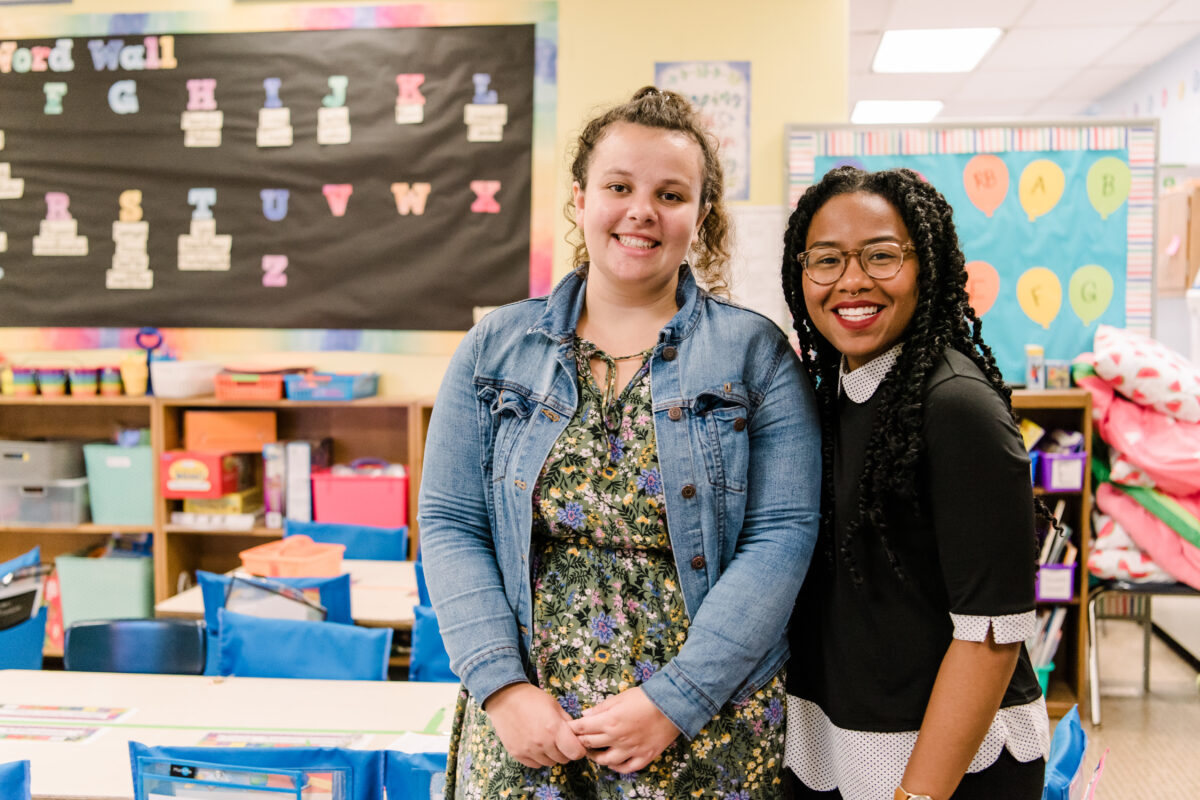
UMBC awarded its first TAM scholarship and academic credit this fall to three first-year students, Layla Bugarini, Alna Thekkiniath, and Sofia Driver.“Once the word gets out that UMBC is a TAM-participating institution offering not only great benefits for TAM students but also a high quality and unique teacher education program, we anticipate many more aspiring educators will see UMBC as a destination institution for teacher education,” says Vickie Williams, director of student services and certification officer for UMBC’s Department of Education and a member of the organizing committee
TAM’s mission is to grow and diversify the teaching field by igniting high school students’ passion for teaching. The program provides them with foundational knowledge and skills essential for success as educators, learners, and leaders. Through a partnership with a higher education institution, participants gain valuable experience in a university setting which helps them prepare for their transition to education majors.
Participating high schoolers develop a portfolio that includes three high school courses: Human Growth and Development through Adolescence, Teaching as a Profession, and Foundations of Curriculum and Instruction. Students are also required to complete an internship in a classroom setting under the supervision of a TAM mentor. After fulfilling all the TAM requirements, students submit their portfolio for review and feedback to the university they plan to attend. Each university offers students different benefits.
UMBC is providing students who successfully complete the TAM program, with several incentives:
a $75 application fee waiver
three lower-level education elective credits that can be applied towards the 120-minimum credit graduation requirement
for those who matriculate directly from high school, a $1,000 merit scholarship from the Homer and Martha Gudelsky and the Maggie Geeter Hrabowski Scholarship, to be applied directly to their UMBC account to assist with tuition, fees, and other educational expenses
“Our undergraduate students enter classrooms equipped with pedagogical knowledge, field experience, and expertise from their academic major. This prepares them for their teacher certification exams in their chosen grade level and subject area,” says Williams. “Collaborating with TAM provides high school students with exposure to rigorous education research and practice, along with guidance, financial support, and mentorship.”
“My journey with TAM began back in my freshman year at Eastern Technical High School [Baltimore County], where I had the opportunity to intern in a third-grade classroom at Rossville Elementary in Baltimore County Public Schools,” says Bugarini. She notes that the experience led her to enroll in UMBC’s education program and major in psychology. “TAM didn’t just introduce me to teaching in a classroom, it also gave me a glimpse of what education courses at college would be like. This head start has been invaluable as I pursue my education certification and the required classes to complete it.”
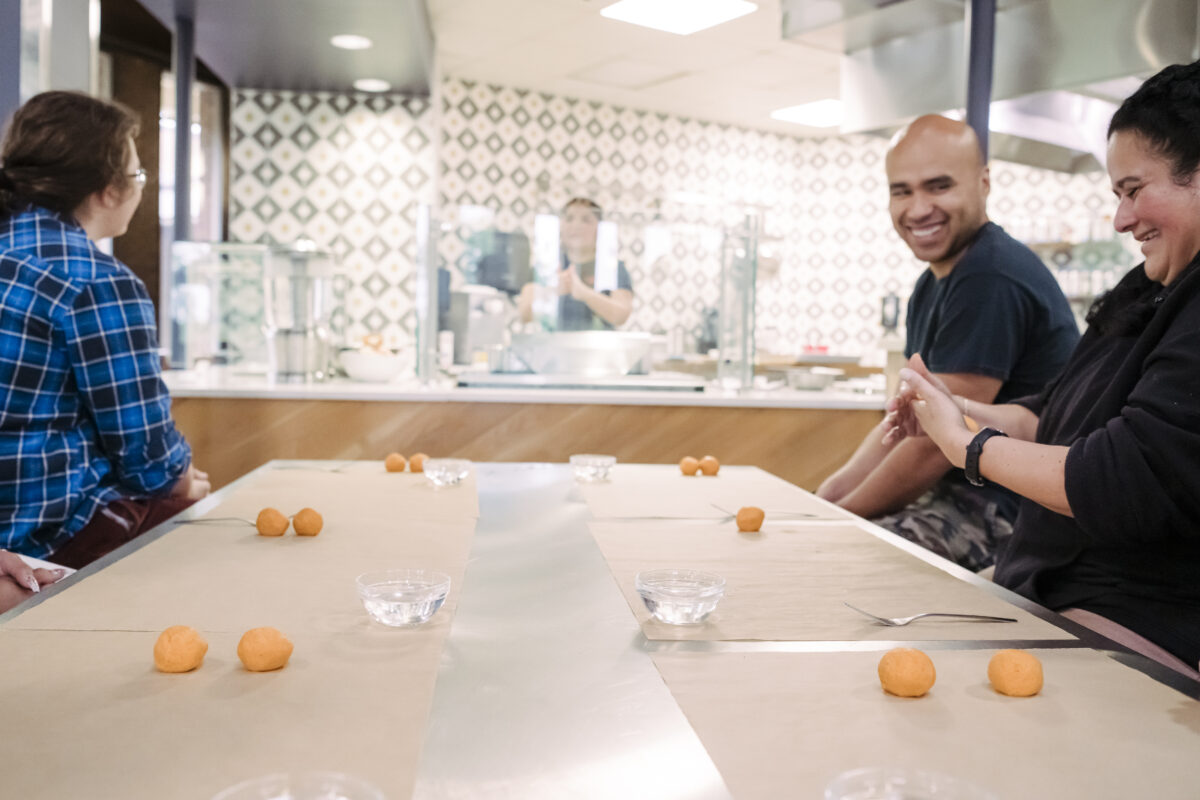
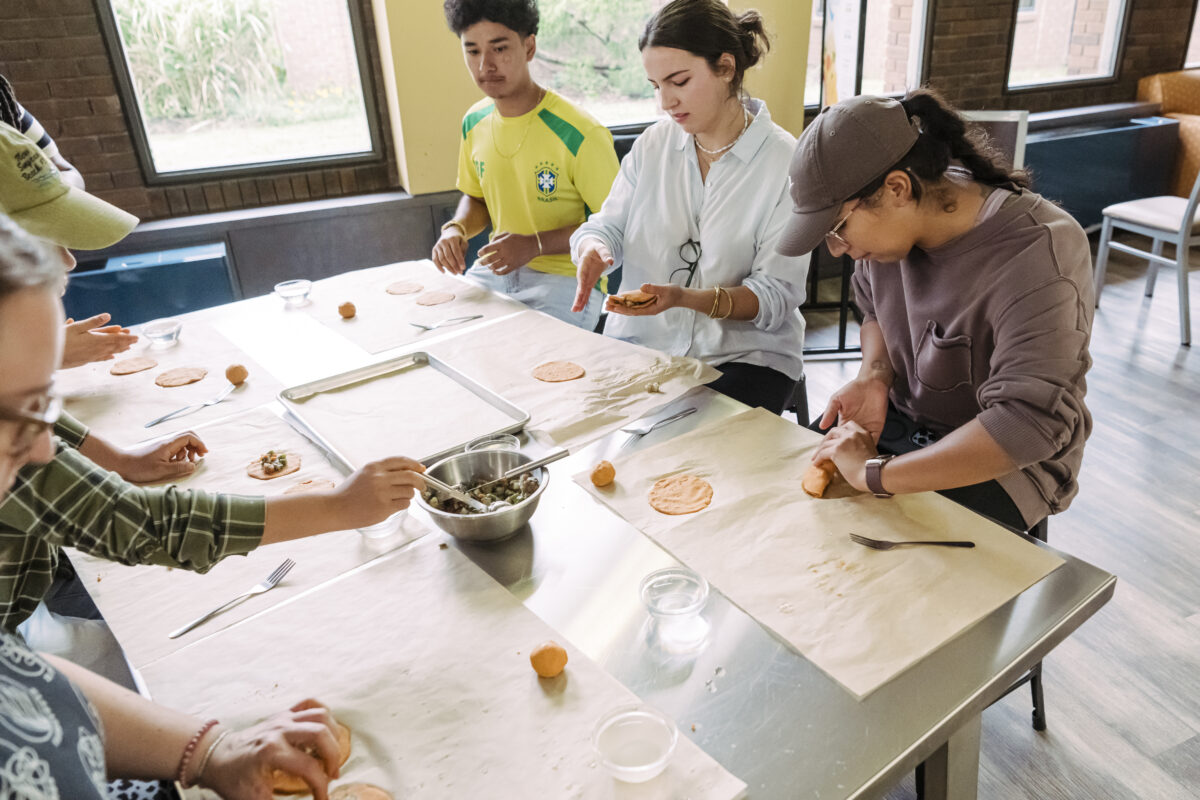
“Recipes are like an address to a homeland, but they’re also very personal to your own story,” said Karla T. Vasquez, author of The SalviSoul Cookbook, in True Grit’s Test Kitchen. Celia Bonilla, a business technology administration sophomore, grinned and nodded—the addresses for her own recipes come from El Salvador and Maryland. Bonilla joined other UMBC students earlier this fall for the “More than Pupusas” cooking demonstration, sponsored by the Dresher Center for the Humanities, to learn how to cook Salvadoran street food.
Bonilla sat at one of two tables set with brown butcher paper with her classmates, Stephania Fonseca, a social work sophomore, and Jeffrey Molina Soriano, a computer science junior. They also have roots in Maryland and El Salvador. “Pastelitos [pah-steh-lee-tos] means little pie and it’s the Salvadoran version of empanadas [em-pah-nah-dahs],” said Vasquez. “Empanadas are well known all over Latin America. Greeks, Italians, and other Europeans make meat pies, too.”
Celia Bonilla and Jeffrey Molina Soriano learn how to mold pastelito dough. (Marlayna Demond ’11/UMBC)
Like many Salvadoran students at UMBC, their journeys to UMBC are as complex as the ingredients they use for this meal. “Sometimes Hispanic Heritage Month events portray Latinx culture as a monolith, often focusing on the Caribbean or Mexican American experience,” said Courtney C. Hobson ’10, M.A. ’14, history, program manager at the James T. and Virginia M. Dresher Center for the Humanities. “I grew up in Prince George’s County, Maryland, where a significant part of the Latinx immigrant community comes from Central America, specifically El Salvador. Many of our Latinx students have roots in Central America—I wanted to organize an event that celebrated the rich culture they represent.”
(l-r): Courtney C. Hobson and Amy Froide, professor of history and director of the Dresher Center for the Humanities. (Marlayna Demond ’11/UMBC)
“I came here when I was six years old from El Salvador,” said Bonilla, who attended the event as part of an assignment for the Spanish for Heritage Spanish Speakers class. Students must participate in two on-campus and two off-campus cultural events that celebrate Hispanic/Latinx culture. While Bonilla is familiar with campus events as the parent of a UMBC alum Jasmine Esmeralda Bonilla ’21, mechanical engineering, this event felt different. “This class gives me a chance to learn more about my culture and language by engaging with people from various countries and age groups.”
Culinary traditions
Most students at the event said they had eaten pupusas (puh-poo-suhz) at home or at a restaurant. This flat corn flour cake, stuffed with cheese, beans, and sometimes meat is the national dish of El Salvador. “I have an aunt who is from El Salvador. She taught my mom, and then my mom taught me how to make pupusas with my sister,” said Fonseca. “My dad is from El Salvador, and my mom is from Mexico. We learned to make pupusas together as a family. So it became a typical food from my home.”
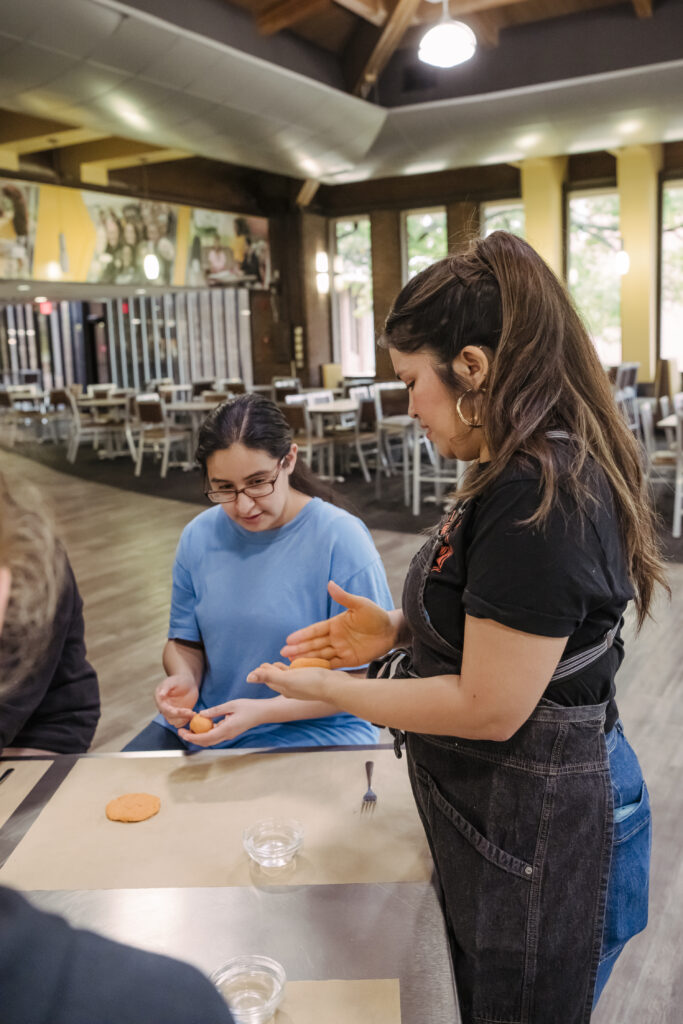
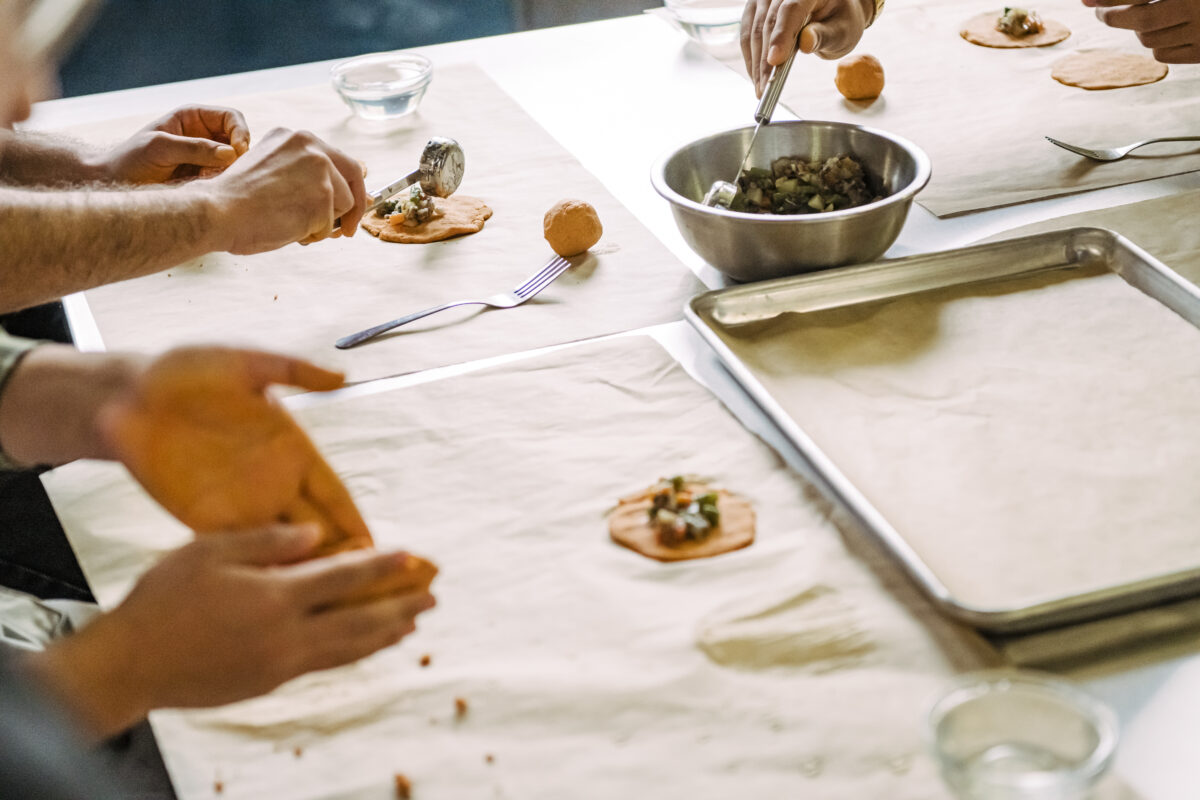
(l-r): Stephania Fonseca watches Vasquez fold the dough to make a pocket. Students fill the pastelitos with a mushroom filling. (Marlayna Demond ’11/UMBC)
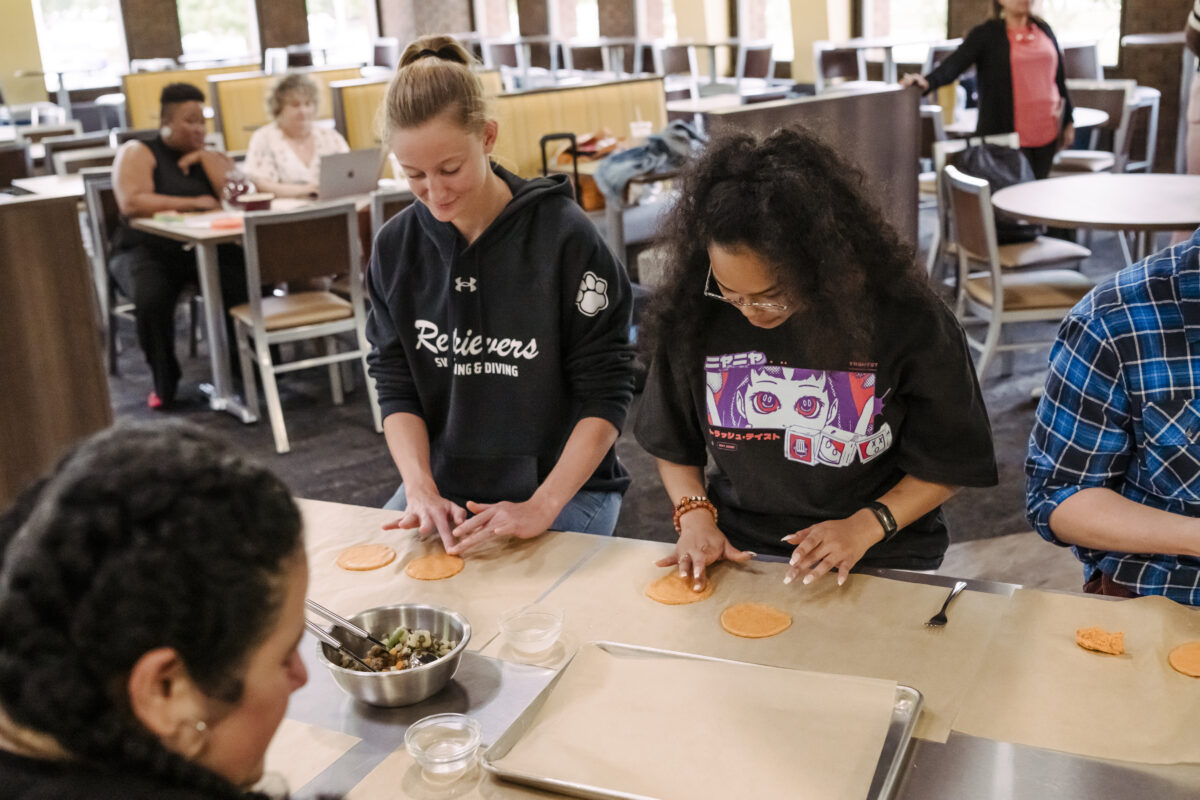
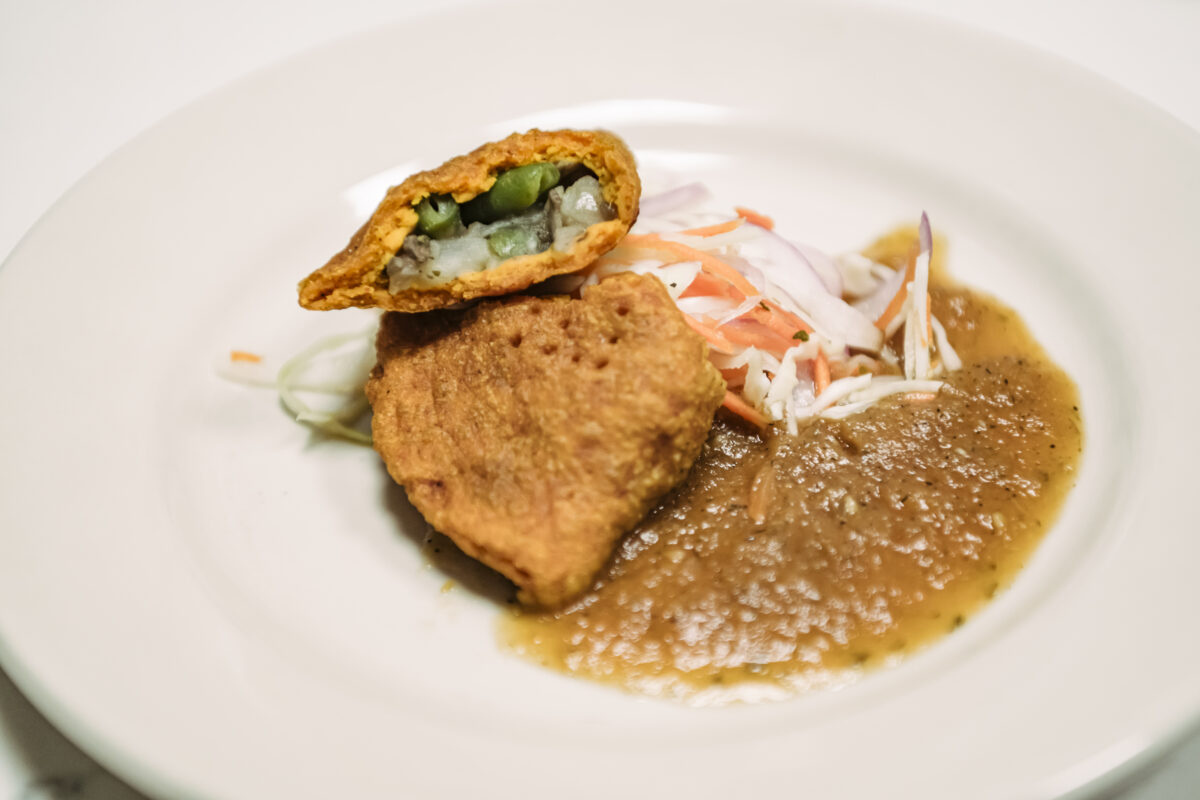
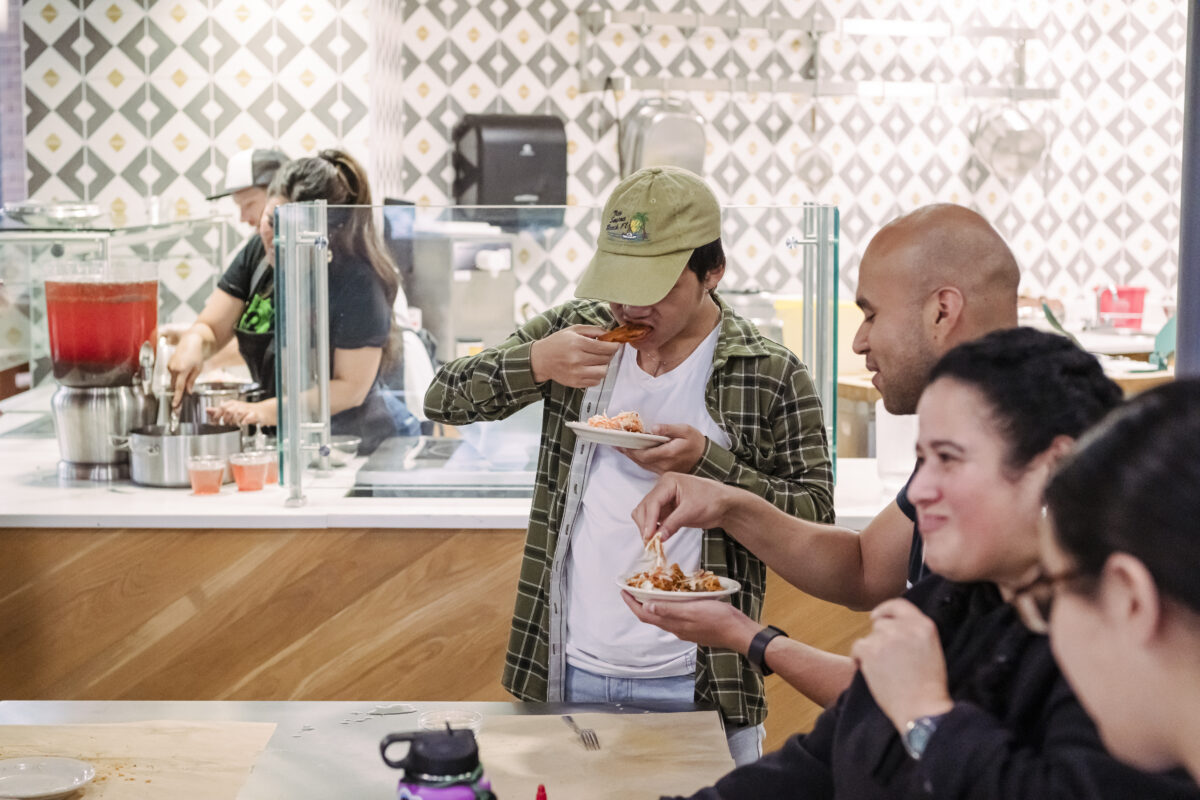
As students kneaded the dough into a palm-sized disc, filled it with sautéed mushrooms, and pinched the edges to seal the pastelitos, they also shared what food meant to them in the context of their family and student life. A clear theme emerged, culinary traditions can extend beyond the kitchen. “We have the Philly pretzel factory. I’ve never been able to find a soft pretzel as good as the Philly Pretzel Factory,” said Ashley Gutshall about her hometown of Royersford, Pennsylvania. Gutshall, a history and Spanish sophomore, shares, “It’s our family tradition to get Philly soft pretzels after doctor’s appointments.”
(l): Ashley Gutshall presses dough into a circular shape to make a pastelito. (Marlayna Demond ’11/UMBC)
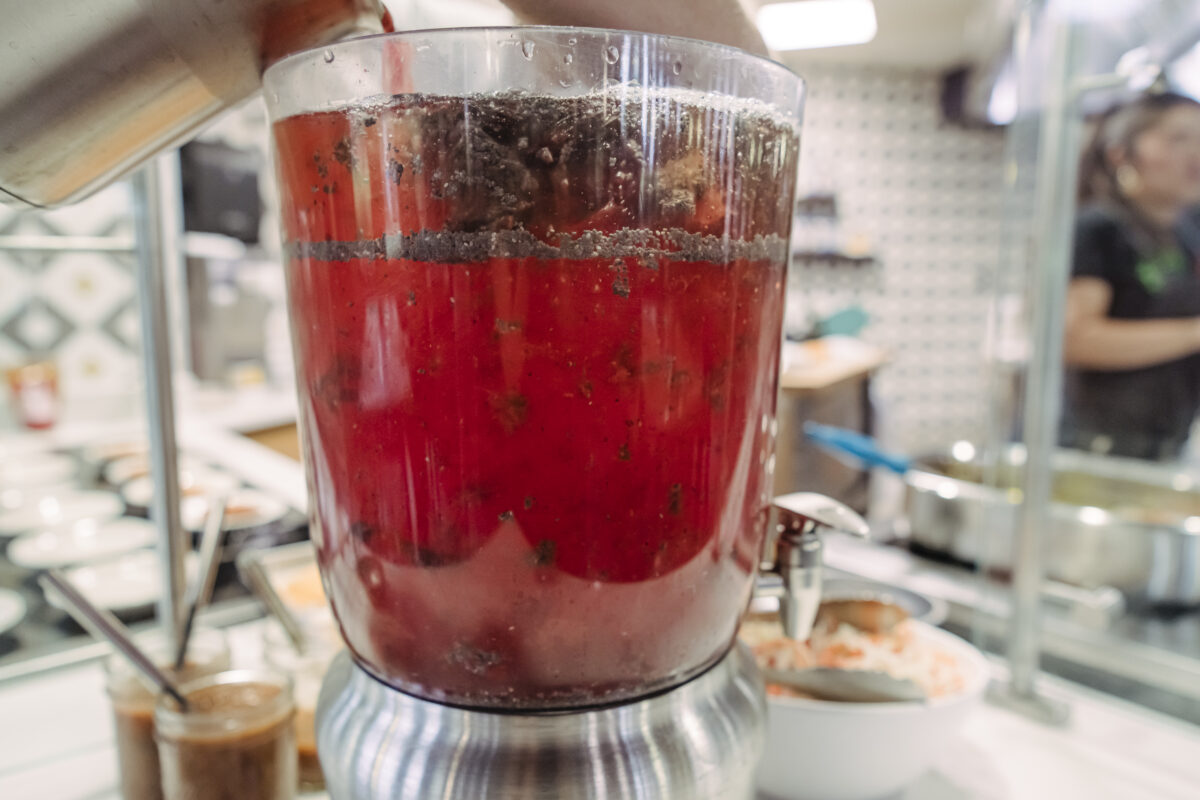
Snack routines also create taste memories. “I was born in El Salvador during the Civil War [1980-1992] but was raised in Los Angeles. I would often fantasize about the routines my family would have had if they had been able to stay in their homeland,” said Vasquez, as she cooked down strawberries that she used to sweeten a large container of water filled with chan seeds—similar to chia seeds in texture and nutrition. “Fresco de chan satisfied that question for me because it’s a drink students have after school,” said Vasquez.
Food as a cultural bridge
Dishes are a fingerprint of a family’s traditions and tastes that can also serve as a timeline marking the evolution of ingredients locally and globally. “When my mom hears of these new trending food ingredients like chia seeds or quinoa,” says Vasquez, “she argues that they have been used in El Salvador and Central American communities for a long time.”
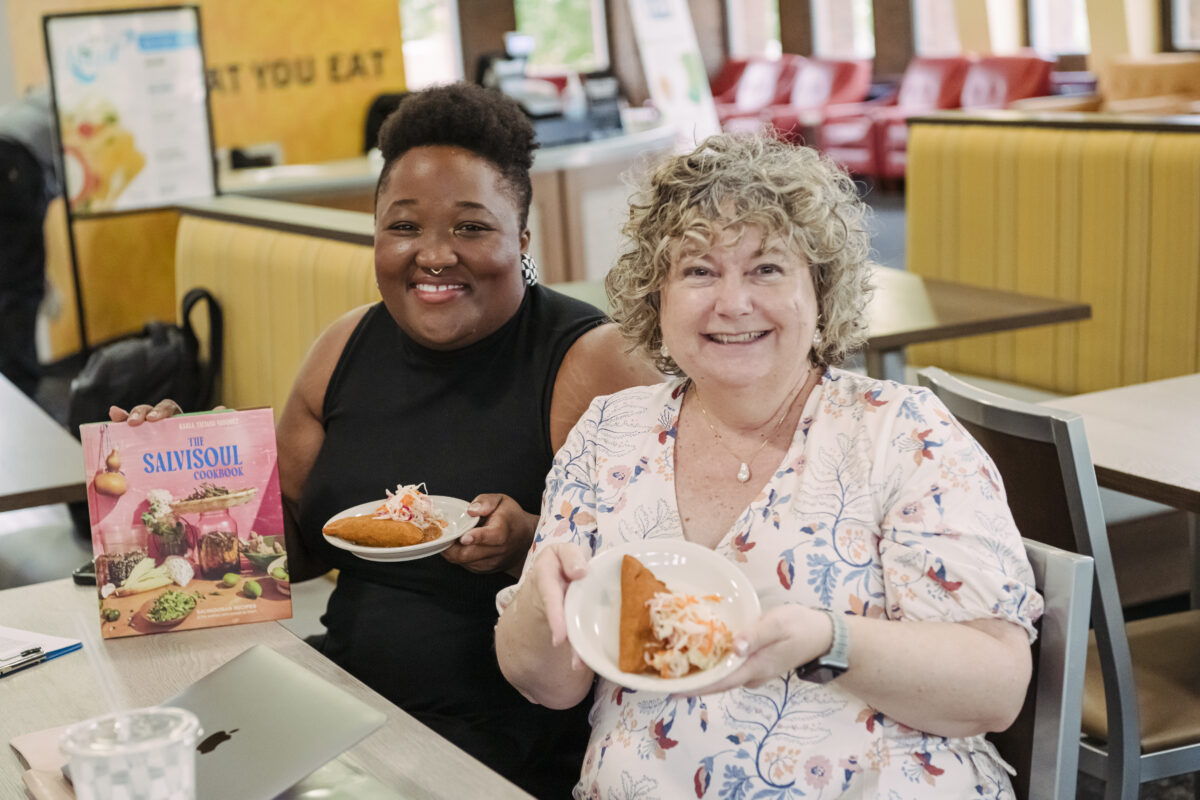
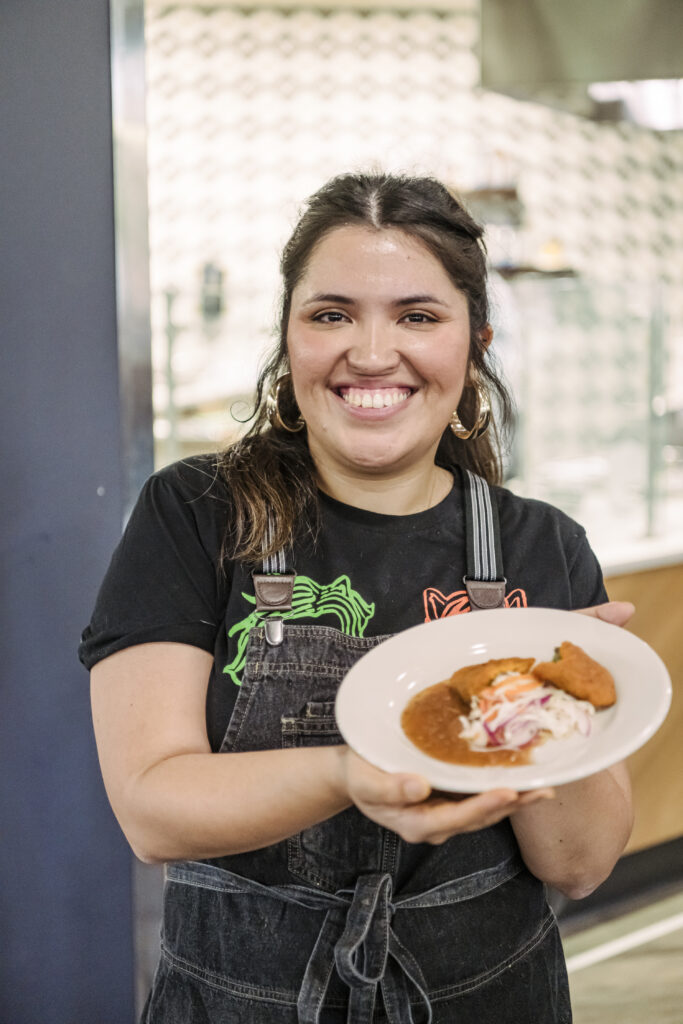
(l-r): Fresco de chan. Karla T. Vasques presents a Salvadoran mushroom pastelito with salsa and slaw. (Marlayna Demond ’11/UMBC)
Whether savory or sweet, the names of foods and spices across Latin America, and the dishes they inspire, are rooted in indigenous, African, and European languages and culinary traditions often fused to create unique dishes with local variations. Vasquez noted that achiote [ah-chee-oh-teh], the spice used to season and enhance the yellow color of the corn flour dough for the pastelitos, is a Nahuat word. Nahuat is a widely spoken indigenous language in Mexico and Central America. The rich legacy of Salvadoran food is seldom recognized alongside Western cuisine, even though many of its ingredients are sourced from the Global South—reinforcing cultural divisions. The Dresher Center’s “More than Pupusas” cooking event aimed to bridge this gap and celebrate the cultural footprint of Salvadoran cuisine.
“I interviewed more than 100 women while I’ve been working on this project. It’s taken me nine years,” says Vasquez about her recent release, The SalviSoul Cookbook. “I wanted to make sure that we’re giving credit where credit is due.”
(r): Bonilla and Molina Soriano taste the fried pastelitos. (Marlayna Demond ’11/UMBC)
The tasters and aspiring chefs were grateful to be part of the long tradition of communities brought together across borders and time to learn, cook, and share a meal with new and old friends. They stamped their seal of approval with dough—a squiggly line, a star, a smile—sealing each pastelito with personal flair.
In the early hours of the morning, as the windows of Albin O. Kuhn Library begin to reflect the sunrise, UMBC’s faculty and staff are making sure all the campus needs—technology, buildings, streets and sidewalks, lessons, and social media—are ready for students. A close-knit community of over 2,500 faculty and staff is at the heart of UMBC’s vibrant campus, and for the 15th consecutive year, UMBC has garnered the distinction of being on ModernThink’s Great Colleges to Work For list.
Retriever Nation spoke loud and clear, sharing what makes their work fulfilling on the 2024 Great Colleges to Work For survey. The survey covered 10 categories, including faculty and staff wellbeing, compensation and benefits, and confidence in senior leadership. The resounding feedback secured UMBC a spot on the Honor Roll among the top 10 four-year institutions with an enrollment exceeding 10,000 students out of 75 outstanding workplaces.
“Great workplaces don’t just happen,” says Lynne Adams, UMBC’s chief human resources officer. “They are built through a collaboration of the community, care, connection, and a shared vision. Our culture really does reflect a team working together continuously evolving into an inspiring workplace for everyone.”
Faculty and staff flourish and enjoy sharing their talents and personal journeys, adding to the campus life through events like yoga and other classes at the RAC taught by Joella Lubaszewski’10, theatre. UMBC gives space for people to be brave and share their whole selves, as executive administrative assistant Melessia Jasper knows. Visit a McNair Scholars information session to see leadership in action with Michael Hunt ’06, computer engineering, and current Ph.D. student leading the pack. The dedication of our faculty and staff allows students to receive support and shine.
“As we nurture an inclusive and welcoming community and support the professional development of our staff and faculty, they see themselves fully in our mission and believe deeply in the transformative power of education,” says President Valerie Sheares Ashby. “Staff and faculty know their work serves both individual students and the public good. They know their work matters and that they are seen and valued.”
Oliver Crossland has fond childhood memories of many fun trips to Salzburg, Austria, from growing up a few hours away in the small town of Sindelfingen in southern Germany. Although his family moved to the U.S. when he was 10 years old, he still remembers Salzburg’s food, people, and candies like Kracher, a large sugar-coated chewy bean-shaped candy with a fizzy powder filling. “I had forgotten entirely about them until I saw them in the grocery store near my hostel and had to purchase them,” says Crossland.
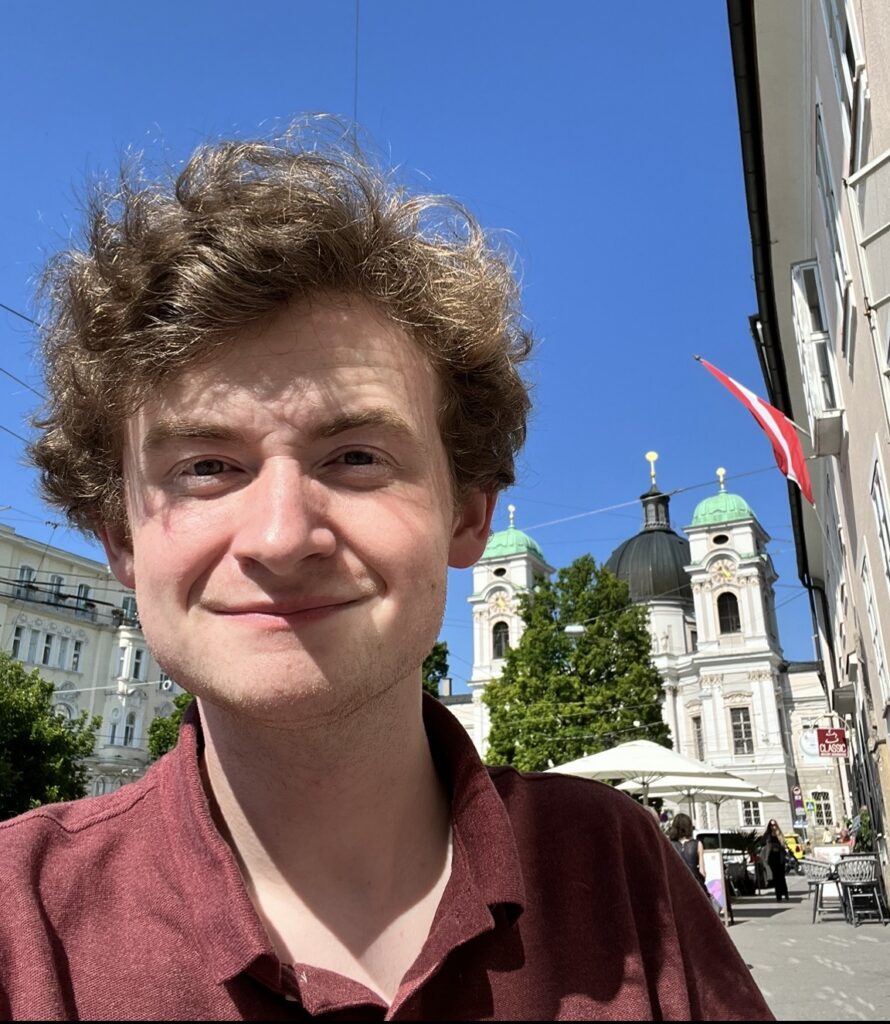
(l-r): Crossland in front of Salzburg Cathedral, where Mozart was baptized in 1756. As part of an assignment, he had to find the building based on a century-old photo and by asking local Salzburg residents. Celebrating his 22nd birthday by hiking in Werfen, Austria one of the oldest market towns south of Salzburg, in the Austrian Alps. (Image courtesy of Crossland)
“I enjoyed the chance to re-engage with aspects of my childhood that were unique to Austrian and German communities. This included food and sweets I have not been able to eat in years and a chance to speak with people in German every day,” says Crossland who speaks German fluently, which helped him research and write a paper on Mozart’s significance in Austrian and Western music. “As a trombone player with a music performance major, living in Salzburg and exploring Mozart’s work in his birthplace and first home was important for me too.”
Crossland is one of 24 recipients of the inaugural CAHSS Dean’s Education Abroad Scholarship, which guarantees $100,000 per year for the following three years to help offset the financial costs of studying abroad. Undergraduate and graduate students with at least one major in CAHSS, and who need additional financial support to study abroad, can apply for awards ranging from $1,500 to $5,000.
“This is a pivotal moment for education abroad at UMBC. The CAHSS Dean’s Scholarship for Education Abroad is the most significant investment in increasing access to study abroad in UMBC’s history,” says Katherine Heird, director of education abroad and global learning at UMBC’s Center for Global Engagement. “If you are a student who wants to study overseas but finances are holding you back, please come and speak with me. We want to make this a reality for you!”
A year of immersion
Thanks to the scholarship, Retrievers spent their summer learning and engaging with communities in Ghana, Greece, Morocco, Spain, Italy, England, Amsterdam, Germany, Switzerland, and Japan. But the scholarship isn’t limited to a season or semester. Samuel Nason, a political science sophomore, set off to Swansea University in Wales, United Kingdom, this fall, and Jessie Gordon, a biochemistry senior, is studying Korean language and culture at Yonsei University in Seoul, South Korea, for the entire 2024 – 2025 academic year.
“I am immensely grateful for this scholarship, which is allowing me more opportunities to enrich my study abroad experience in Korea,” says Gordon, a biochemistry major and a 2024 UMBC public policy undergraduate summer research fellow. Her research focuses on the accessibility and utilization of healthcare resources by immigrants from Spanish-speaking countries and the Korean Peninsula.
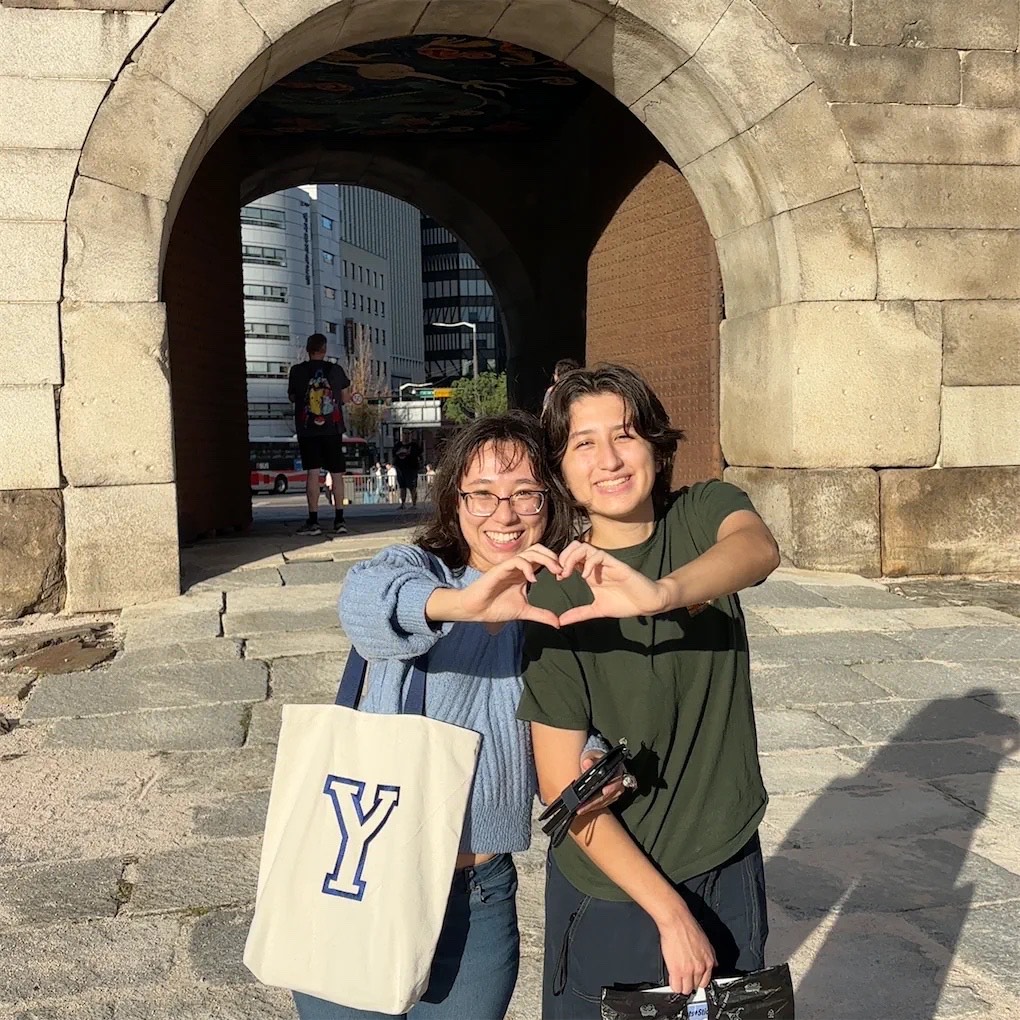
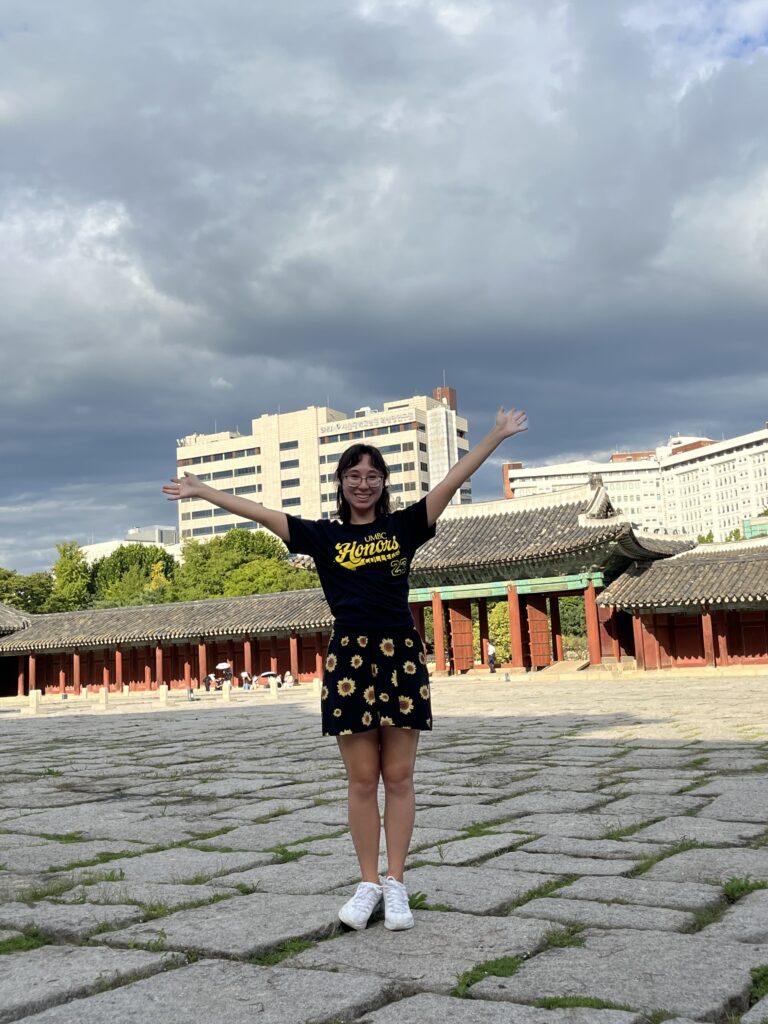
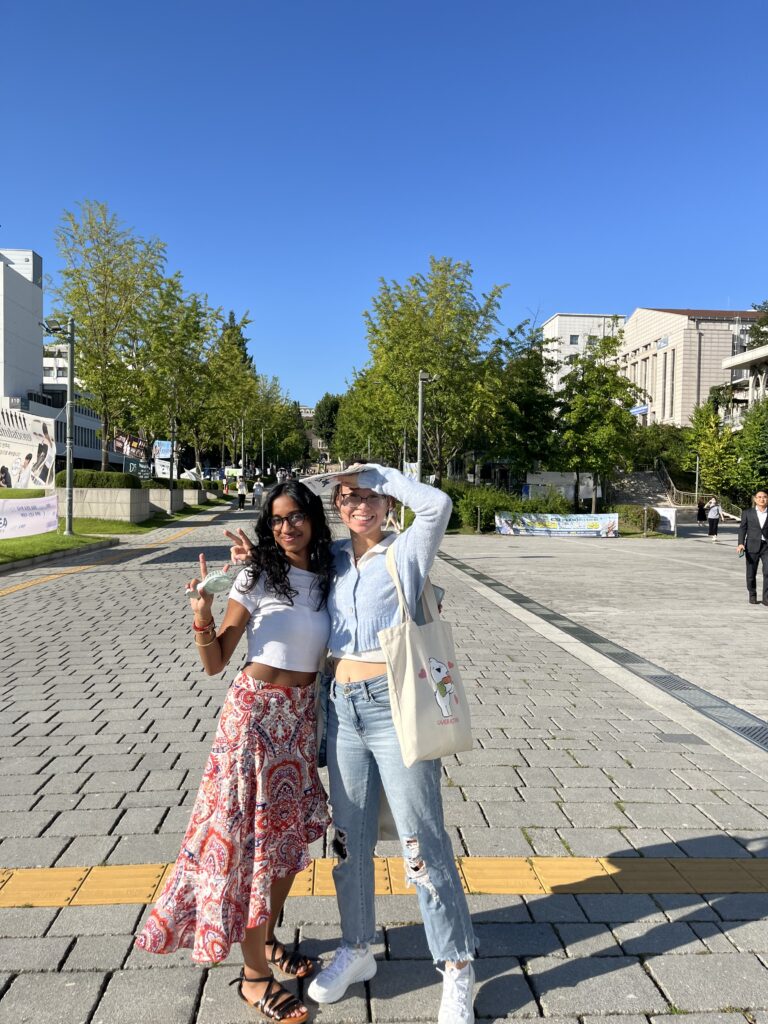
Left: Gordon (in blue) with a friend in front of Sungnyemun, one of the Eight Gates in the Fortress Wall of Seoul, South Korea. (m) Gordon at the Changgyeonggung Palace built in the 15th century. Right: Gordon (r) with a friend at Yonsei University. (Photos courtesy of Gordon)
Gordon chose to study in Korea to achieve a similar level of understanding of the Korean language and culture that she has of the Spanish language and Latinx/Hispanic culture. “It is amazing to learn about historic events in the classroom and then be able to physically visit the actual sites. Thanks to this scholarship, I have some extra funds I can devote solely to extra experiences like these!”
There are dozens of education abroad scholarships and education abroad programs available through UMBC. But, with great opportunity comes great responsibility. Crossland has some practical tips for students interested in education abroad, “Stay on top of forms and documents when registering or paying for this experience,” he cautions. “It will prevent you from missing important deadlines.” And no matter where you go, he says, “Be sure to do your research on which sights are to be seen and what foods are to be eaten so that you can plan around your courses and get the very most out of your stay.”
Meet Ridwan Islam Sifat, an M.P.P. graduate student pursuing a doctoral degree at UMBC’s School of Public Policy researching healthcare disparities among intersex individuals in the United States. Ridwan joined UMBC as an international student after earning both a B.S. and M.S. in development studies from the Bangladesh University of Professionals, where he studied the social exclusion of Hijra (third gender) people in Bangladesh, examining the effects of government policies and healthcare access. Ridwan was awarded the UMBC Adam Yarmolinsky Fellowship, which supports graduate and doctoral students whose research addresses poverty alleviation, social programs for low-income populations, and international diplomacy and peace. Ridwan appreciates the opportunities UMBC has afforded him and the community that supported him through it all. Thanks for sharing, Ridwan!
Q: What’s one essential thing you’d want another Retriever to know about you?
Ridwan Islam Sifat working with students in SOCY 101: Basic Concepts of Sociology. (Marlayna Demond ’11/UMBC)
Q: What brought you to UMBC in the first place?
A: I came to UMBC because of its strong public policy program, particularly, the health policy concentration. The opportunity to study in a supportive environment with access to faculty expertise and resources, aligned with my passion for researching public policy issues made UMBC the perfect place for my academic journey.
Q: What’s the one thing you’d want someone who hasn’t joined the UMBC community to know about the support you find here?
A: The support at UMBC is exceptional—faculty and peers genuinely care about our success. From personalized mentorship to collaborative opportunities, the community is dedicated to helping us achieve our academic and professional goals. It’s a place where you feel valued, encouraged, and empowered to thrive.
Ridwan Islam Sifat with Mercedez Dunn-Gallier, assistant professor of Sociology, Anthropology, and Public Health, in SOCY 101: Basic Concepts of Sociology. (Marlayna Demond ’11/UMBC)
Q: Tell us about someone in the community who has inspired you or supported you, and how they did it.
A: My dissertation chair, Dr. Nancy Miller, and my co-chair, Dr. Loren Henderson, offer unwavering support, encouraging me to think critically and providing invaluable feedback on my research, helping me refine my ideas and stay focused. Also, my academic advisor, Dr. Zoë McLaren, guides me with relevant resources and opportunities, ensuring that I am well-prepared for the challenges of academia. Their combined mentorship has been essential to my growth as a scholar.
Q: What have you learned from being a graduate teaching assistant?
A: As a teaching assistant, I have worked with various professors who have helped me develop teaching skill sets that will be useful when I lead my own classes. My first in-person teaching assistant roles were in Dr. Sarah Chard‘s SOCY 619: Qualitative Methods in Social Research, Dr. Aubrey Jackson Soller‘s, and Dr. Mercedez Dunn-Gallier‘s SOCY 101: Basic Concepts in Sociology. In these classes, I learned to facilitate in-class activities, which allowed me to engage directly with students and observe their understanding of course material. I continued to practice these skills in spring 2024, as a TA for Dr. Brandy Wallace‘s SOCY 101 online class. I also worked on assessing students using rubric-based grading and providing them with constructive feedback. This semester, I have returned to Dr. Jackson Soller’s and Dr. Mercedez Dunn-Gallier’s classes where I am applying all of these aspects of teaching.
Q: Tell us about what you love about your academic program or an organization you’re involved in.
Ridwan Islam Sifat with Mercedez Dunn-Gallier, assistant professor of Sociology, Anthropology, and Public Health, in SOCY 101: Basic Concepts of Sociology. (Marlayna Demond ’11/UMBC)
A: I love the supportive and collaborative environment at the School of Public Policy, where the faculty’s dedication to student success, interdisciplinary research, and real-world policy impact creates an enriching academic experience. As a graduate teaching assistant in the Department of Sociology, Anthropology, and Public Health, I’m continually developing my skills and knowledge, preparing me for a future in academia.
* * * * *
UMBC’s greatest strength is its people. When people meet Retrievers and hear about the passion they bring, the relationships they create, the ways they support each other, and the commitment they have to inclusive excellence, they truly get a sense of our community. That’s what “Meet a Retriever” is all about.
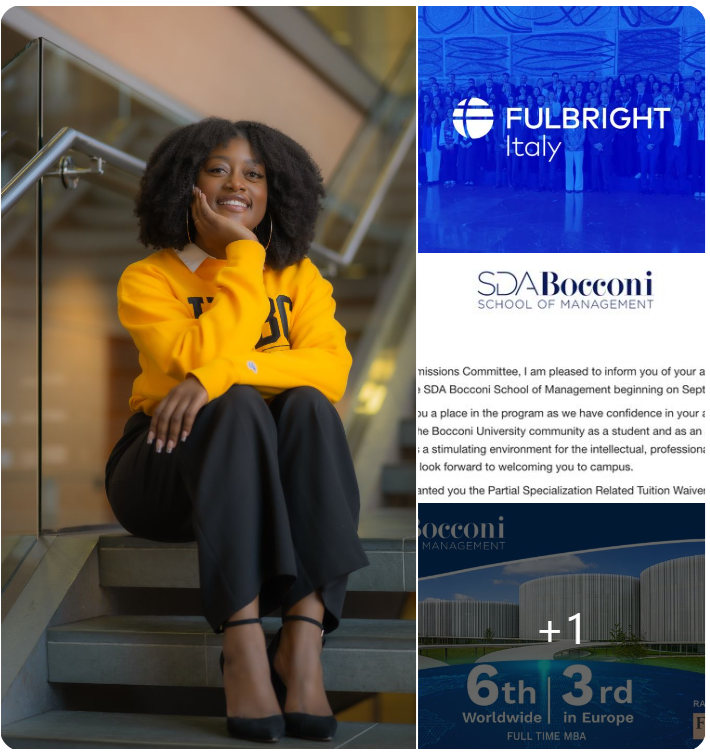
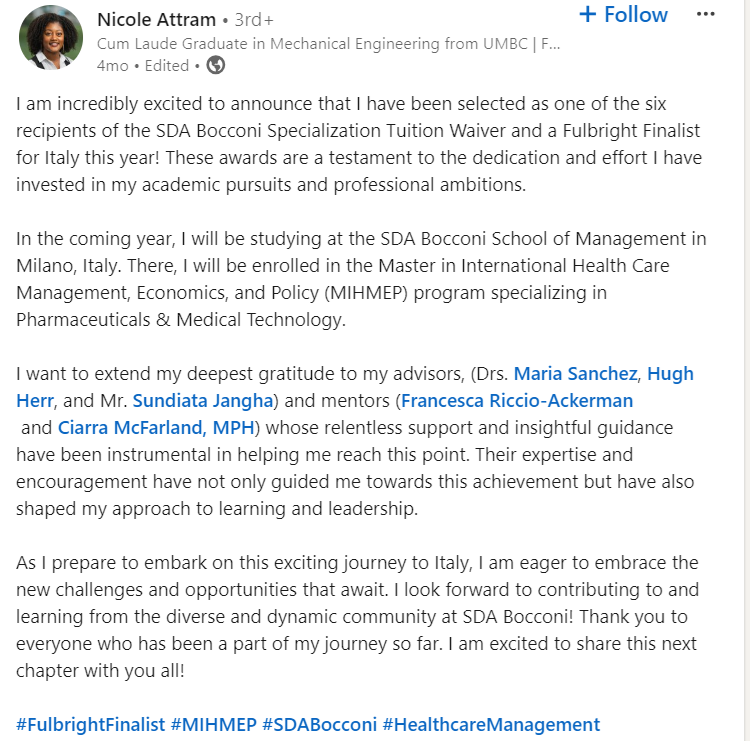
At the height of COVID-19, Nicole Attram developed severe lower back pain which impeded her mobility and flexibility. While physical therapy helped mitigate the symptoms, the cause is still unknown. That experience determined the course of her career. After graduating from UMBC in 2023, Attram, mechanical engineering, received a 2024 – 2025 Fulbright U.S. Student award to study in Milan, Italy, in a master’s program in international healthcare management, economics, and policy specializing in pharmaceuticals and medical technology at the SDA Bocconi School of Management.
“This experience has inspired my interest in orthopedic biomechanics, particularly prosthetics, and exoskeletons, to help restore autonomy to individuals with lifelong mobility challenges,” shares Attram on her website. “I aim to conduct research at the intersection of systemic racism, healthcare policy, and orthopedic biomechanics to offer holistic care and assistive technology to underserved communities.”
Attram’s mentor Maria C. Sanchez, director of the Grand Challenge Scholars Program, professor of the practice, and director of the Engineering and Computing Education Program, says, “Nicole always displayed the motivation, perseverance, and inquisitiveness of a successful researcher. She also demonstrated a high level of global awareness that was refreshing to see in a non-international undergraduate student.”
Advancing global research
Attram is among eight recent graduates and alumni in UMBC’s 2024 – 2025 Fulbright U.S. Student Program class who are sharing their knowledge and building community around the world by earning a master’s degree, conducting research, or teaching English. This year is especially significant, as six of eight awards are research-focused, marking the highest number of research awards in UMBC’s Fulbright history. Students seeking research awards must develop a proposal in coordination with potential advisers in the universities and laboratories where they want to study as part of their application. Graduate degree awards require submitting both Fulbright and graduate school applications.
Arpita Tuladhar ’23 public health, Research Award to Germany
Jennifer Sorrells ’22, political science, Research Award to North Macedonia
Jolie Greer ’24, psychology, Research Award to Bulgaria
Lauren Mister ’24, teaching English to speakers of other languages, English Teaching Award to Bahrain
Sarah-Fatime Yoda ’24, chemical engineering, Research Award to France
Stuart Holton ’24, political science, English Teaching Award to Slovakia
Timothy Mallard, M.A. ’21, teaching English to speakers of other languages, Research Award to Uganda
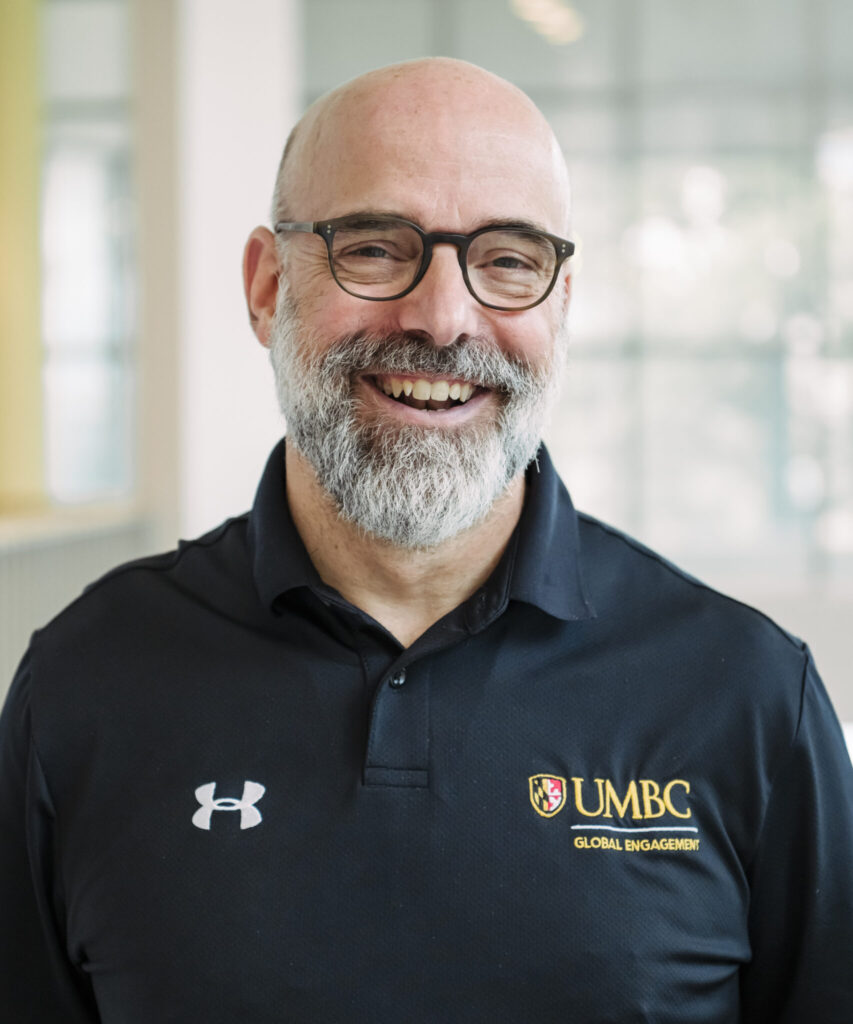
“This year’s cohort of Fulbright recipients and alternates shows the country and the globe what we at UMBC already know,” says Brian Souders, Ph.D. ’09, language, literacy, and culture, M.A.’19, TESOL, the associate director of global learning at UMBC’s Center for Global Engagement. In this role, Souders, who received a 2023 Fulbright International Education Administrator Award to Germany, has led hundreds of Retrievers through the Fulbright application process as UMBC’s Fulbright Program advisor. “We produce world-class graduates who will lead the future with their work in laboratories, in the field, and in the classrooms throughout the world.” (Image by Marlayna Demond ’11/UMBC)
UMBC’s College of Arts, Humanities, and Social Sciences (CAHSS) opened the new Center for Ethics and Values this semester. Through a series of campus, alumni, and community events, the center will foster thoughtful, informed, and nuanced discussions and exploration of pressing ethical issues across a wide range of fields including art, humanities, health care, science, and engineering.
Leading the charge is Jessica Pfeifer, associate professor of philosophy and former executive director of the Philosophy of Science Association. Pfeifer oversaw the development of the center and organized the Public Forum series with additional funding from the CAHSS Office of the Dean. The annual speaker series will feature leading experts on significant ethical issues faced by the campus community and society. Launching the series are experts on Journalism, Ethics, and Democracy, U.S. Presidential Elections, Neuroscience, Freewill, and Moral Responsibility, and more.
“We all face ethical issues in nearly everything we do, from work to family life to our interactions with friends, to our role as citizens,” says Pfeifer. “The center will provide the campus community the opportunity to develop a more sophisticated understanding of the complexities of the ethical issues they face, as well as the relevance of ethical training for daily real-world decisions.”
Whitney Schwab, associate professor of philosophy, will lead the daily workings of the center as its inaugural director. “The Birth of Belief,” an article Schwab co-authored with Jessica Moss, professor of philosophy at New York University, received the 2019 Best Article Prize from the Board of Directors of the Journal of the History of Philosophy and was listed as one of the 10 best philosophy papers of 2019 by Philosopher’s Annual. Pfeifer notes that Schwab brings a wealth of knowledge about the history of philosophy, including the history of ethics, as well as his skills in public and student engagement to the position. “He is one of our most popular teachers,” says Pfeifer, “and is an excellent public speaker and discussant, who can hone in on central philosophical issues.”
In addition to establishing a new public forum series, the center will be home to UMBC’s Ethics Bowl team and a new host in the national line-up of the Association for Practical and Professional Ethics regional competitions. This year’s Chesapeake Regional Ethics Bowl Tournament will be held on December 7, bringing teams from colleges throughout the Mid-Atlantic region to UMBC.
“Activities like the Ethics Bowl engage students to think more critically about their own values and decisions, and thereby be better able to engage with those whose views differ,” says Pfeifer. “This will make them better scientists, doctors, programmers, entrepreneurs, lawyers, parents, and citizens.”
As an undergraduate student at Earlham College in Richmond, Indiana, Nancy Miller, professor of public policy, participated in a National Science Foundation grant-funded program to train students in academic research. Miller traveled throughout Indianapolis, gaining skills in interviewing participants and managing data to investigate how the school, health, and justice systems coordinated child welfare cases. A spark was lit, and Miller has been doing research ever since for the Centers for Medicare and Medicaid Services, the National Institute of Disability and Rehabilitation Research, and now, the Social Security Administration (SSA).
Miller, in collaboration with colleagues at the University of Baltimore, is now offering undergraduate students here a similar research experience to her own in college. She is the lead principal investigator (PI) on a 5-year cooperative agreement from the SSA to support the Retirement and Disability Research Consortium (RDRC) program. Joining her as co-directors are Lisa Lynch, a professor of social and economic policy at Brandeis University’s Heller School for Social Policy and Management and director of the Institute for Economic and Racial Equity, and Jarnee Riley ’97, mathematics, associate vice president at Westat, a Maryland-based company that provides research services to government agencies and businesses. The five-year, multimillion-dollar cooperative agreement requires the team to submit each year’s research, training, and dissemination plan and an activity and budget proposal to SSA, which then reviews and releases the necessary funds.
The RDRC cooperative agreement—Promoting Equity in Retirement, Disability, and Health—is focusing on three research areas: equity in access to Social Security retirement for underserved people, the intersection of health and access to healthcare and equitable Supplemental Security Income (SSI) and SS Disability Insurance (SSDI) program participation, and disparities in SSI/SSDI program access and participation.
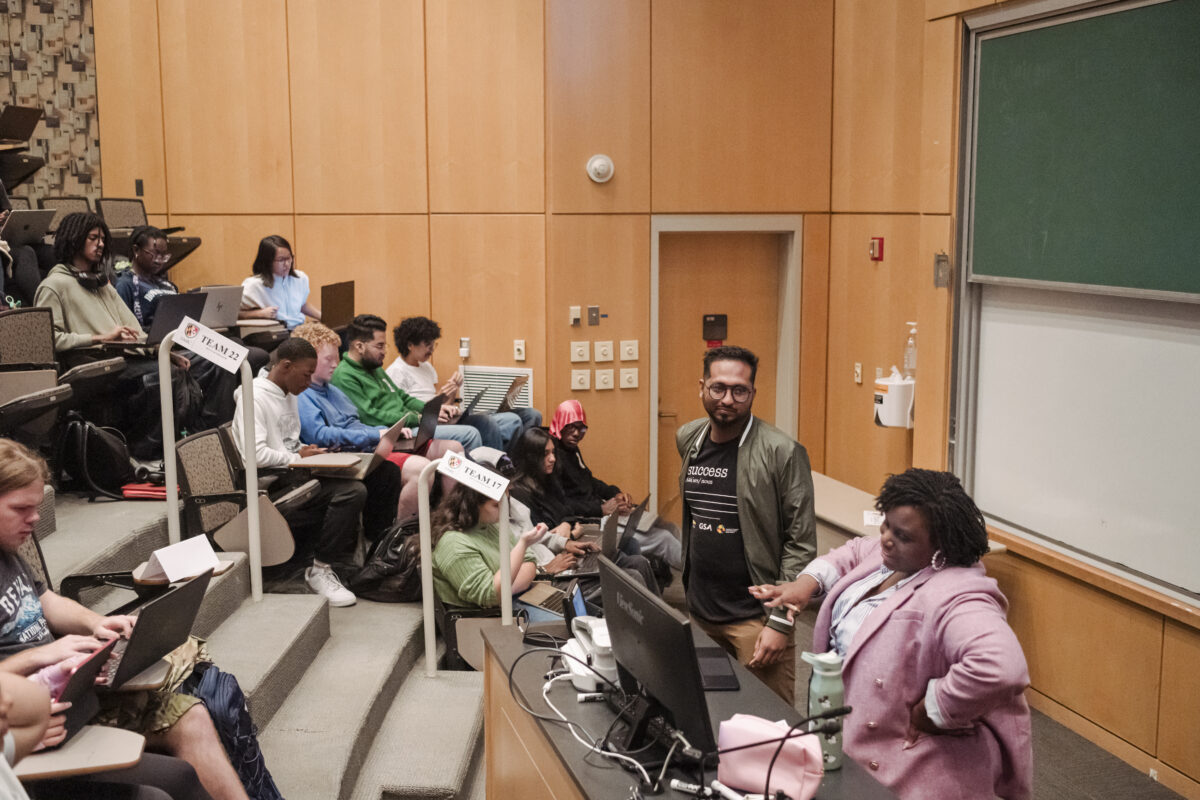
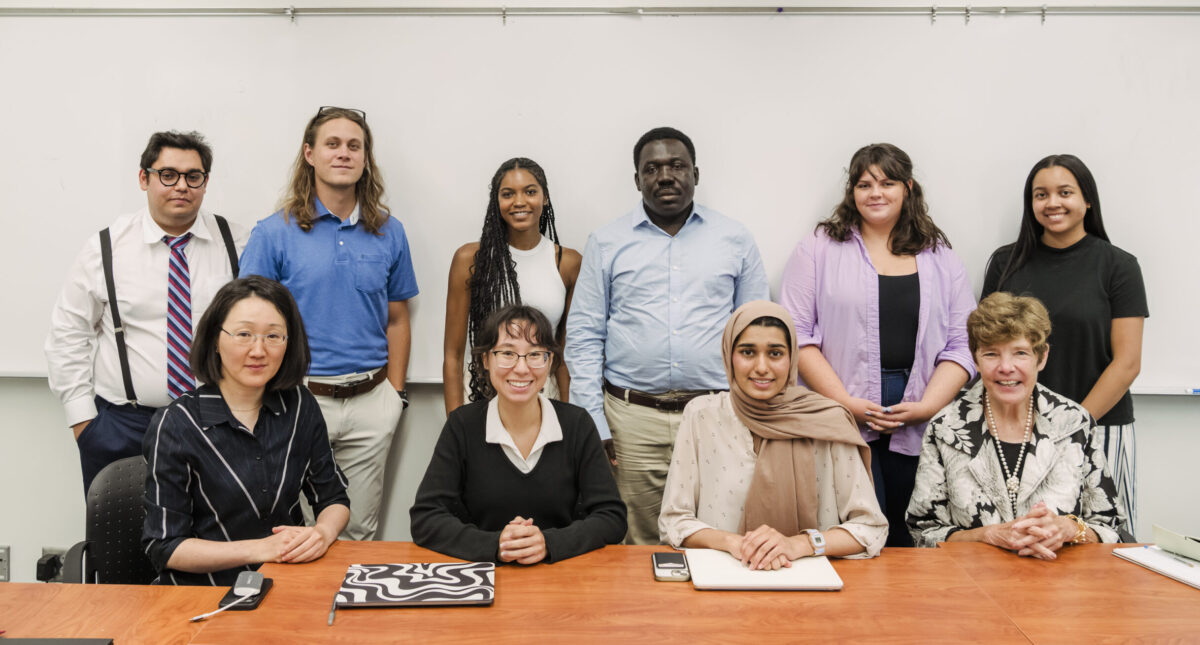
Back row (l-r): Peter Stevenson, a business administration student at UB, Jacob Bassetti a policy, politics, and international affairs senior at UB, Isis Pitt, a political science sophomore at UMBC, George Dwomoh, a political science student at UB, Molly Quinn Walker, a political science senior at UMBC, and Zoe Bond, a public health junior at UMBC. Second row (l-r): Kang, UMBC students Jessie Gordon, a biochemistry senior, and Hala Malik, a political science sophomore, and Miller. (Marlayna Demond ’11/UMBC)
“We’re training students to conduct relevant Social Security-related research at various points in their academic careers,” Miller explains. This includes a mentored undergraduate summer research program housed at UMBC and UB; a doctoral fellowship program; dissertation grants for research on retirement, health, and disability; and mentoring for early scholars as they conduct pilot studies and academic papers. “The consortium aims to create a diverse pipeline of new scholars interested in SSA and its programs and to increase research interest in this area,” says Miller. To meet this goal, the SSA supports research and engages with minority-serving institutions like UMBC and UB.
This summer marks the end of their first six-week cohort of undergraduates gathering to learn about the research skills needed to deepen the understanding of the cross-cutting issues of the SSA programs.
Faculty as students and mentors
Miller who primarily works with graduate and doctoral students at UMBC’s School of Public Policy was thrilled to engage with UMBC’s undergraduate students, especially since it meant collaborating with her former mentee and long-term research partner, Yu “Sunny” Kang, M.P.P. ’06, and Ph.D. ’09, gerontology. Kang is an associate professor of public policy at the University of Baltimore’s School of Health and Human Services, where she has dedicated the past 12 years to working with nontraditional adult undergraduate students.
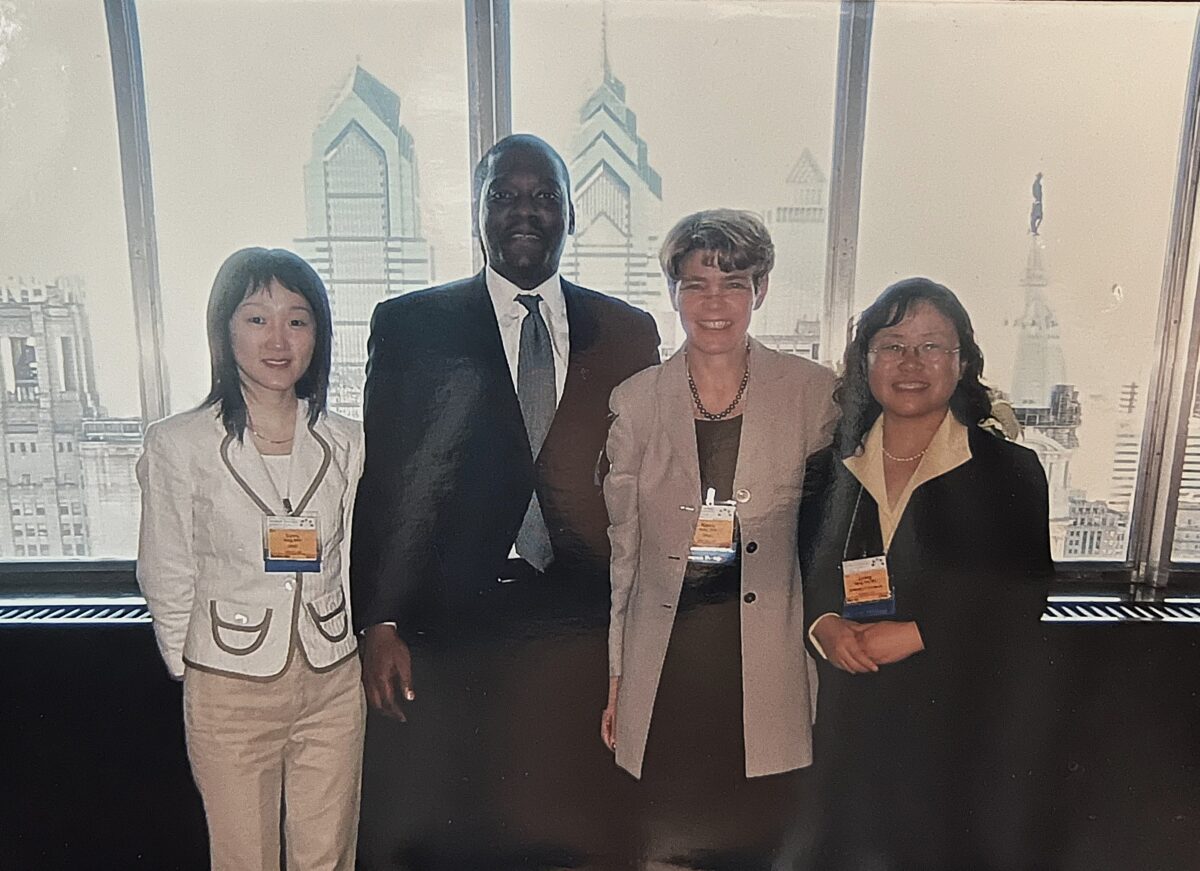
(l-r): Kang, Keith Elder ’02, public policy, Miller, and Junling Wang, a University of Maryland School of Pharmacy alumna, at the 2009 American Public Health Association conference in Philadelphia. (Image courtesy of Miller)
Kang began her master’s in the early 2000s and found a kindred spirit in Miller, who served as her dissertation chair. They began publishing research together during Kang’s master’s program and have continued to publish in journals like Archives of Gerontology and Geriatrics, Journal of Nursing Care Quality, The Gerontologist, and Medical Care Research and Review. “I was fortunate to publish before I graduated. Those opportunities helped me in my understanding of the field and my career,” says Kang. She researches health disparities in long-term care settings among underserved populations, the role of government in mitigating these disparities, and how Medicare and Medicaid shape healthcare delivery and access. “Nancy kept mentoring me afterward and offering career advice. That’s why we continue to work together.” Kang has implemented that same mentorship approach with her students.
The first cohort comprised five UMBC students and three UB students across the social and natural sciences. Fellows received a $7,500 stipend to learn various research methods and then apply these new skills to research a topic of their choice related to equity in retirement, health, and disability. Fellows had a mix of opportunities to learn and engage via in-person classes, independent and group research, and one-to-one mentorships. Kang, Miller, and Zhang—who is an associate professor of finance and economics at the Merrick School of Business—taught classes and mentored fellows. Mitch mentored Hala Malik, a political science sophomore at UMBC, who worked with Mitch on her research “Supplemental Security Income and Child Enrollment Based on Family Structure.”
“We are engaging students who may have never heard of Social Security, Social Security Disability Insurance, and Supplemental Security Income to get them excited about the opportunities and issues associated with them,” explains Miller. “We’re trying to focus on young and very early career people who may not be thinking about research and training in this area, introduce them to this area, and get them excited about it.”
Collaboration and independence
When Molly Quinn Walker became a Retriever,she was certain that political science would be her major and her career would center on policy. “My grandfather loved explaining the policy behind the news to me,” Quinn Walker explains. “Often, as I sit in classes, I feel like I’m drawing on nearly a decade of knowledge to reflect on public policy.”
Quinn Walker, now a senior political science major, learned about the Promoting Equity in Retirement, Disability, and Health fellowship in Miller’s Politics of Health class. “It’s probably one of my favorite classes because it was very conversation-based. Dr. Miller had so much information to share,” says Quinn Walker. “Each week, we went over a different section of health policy and discussed where it began, when it was enacted and why, what it was addressing, and how difficult it was to get that policy placed.”
The fellowship offered Quinn Walker yet another opportunity to learn from Miller. “Dr. Miller helped me fine-tune my idea and was extremely helpful in finding each of the data I utilized in the project,” says Quinn Walker. This feedback led her to research “The Life Expectancy Inequalities of Social Security Beneficiaries.” She also found the structure of the fellowship fostered collaboration and independence. Kang, Miller, and Zhang held online lectures to introduce the SSA programs from a social science perspective and met in person to discuss ideas and give feedback. “Hearing about how the other fellows were structuring their research was very helpful for implementing my project,” says Quinn Walker.
Quinn Walker hopes to continue participating in the Promoting Equity in Retirement, Disability, and Health program in the coming years as she transitions from an undergraduate to a master’s student at UMBC’s School of Public Policy Accelerated Pathways Program, where she earns graduate credits while completing her undergraduate degree.
A mentorship powerhouse
Presenting his research findings was exciting for Jacob Bassetti, a UB student who participated in the summer fellowship. “I love talking about policy. I was so excited to share my results that I offered to be the first to present,” says Bassetti. Bassetti a policy, politics, and international affairs senior was preparing for his next academic journey at UB’s School of Law when his economics professor encouraged Bassetti to apply for the summer fellowship. “I love to challenge myself,” says Bassetti, who up until recently was working on construction crews who had jobs at UMBC and UB, but was always hoping he could be the student instead. Bassetti made his dream come true as an adult learner. “I have always wanted to do real work with the education that I’ve received. This was my first opportunity to do so.”
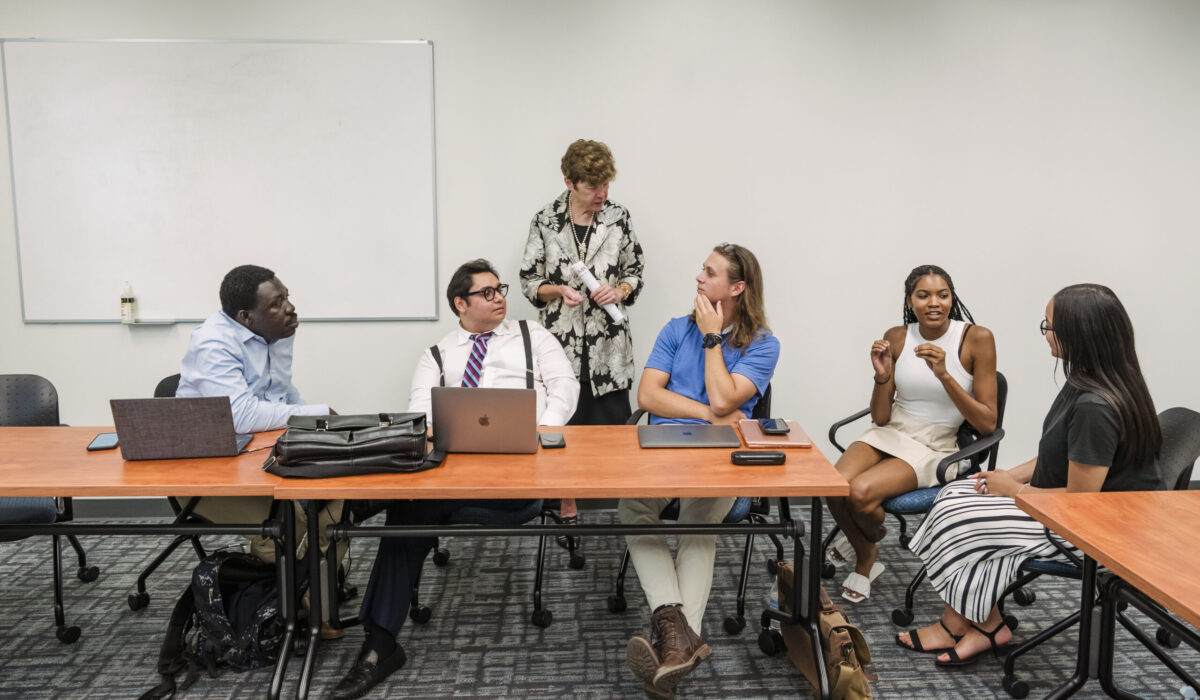
Bassetti, blue polo shirt, speaks with Miller (standing) about his research. (Marlayna Demond ’11/UMBC)
Bassetti’s research resulted in “An Evaluation of Medicaid Expansion through the Affordable Care Act and Its Effects on Chronic Disease Death,” with a focus on the three most prevalent chronic diseases that lead to death—diabetes, cancer, and heart disease.
“I felt lost for the first week trying to sort through sources and data,” shares Bassetti. “I talked to Dr. Miller. She knows everything. In less than 20 seconds, she guided me towards the appropriate resources for the question I was exploring.” Bassetti began to understand that conducting research of this scale involves making numerous small decisions to find, analyze, and interpret large datasets. Kang advised Bassetti to be as precise as possible in his approach. “She helped me find my way, the purpose of my findings, and what I wanted to achieve,” explains Bassetti. “Dr. Kang showed me what didn’t make sense but not how to fix it. She wanted to engage my thought process, and it worked.”
Building a research community
The first year of funding established the undergraduate summer fellowship, supported graduate and doctoral research, and two faculty research projects. At UMBC, Zoë McLaren, associate professor of public policy, Mir Usman Ali, assistant professor of public policy, and Miller researched “COVID-19 in adults with disabilities: Disparities in prevalence, health care access and use, and employment.” At UB, Zhang and Kang conducted a study on “The experience of SSDI beneficiaries in the two-year waiting period for Medicare.” Graduate and doctoral students at Brandeis University, Harvard University, and the University of Wisconsin-Madison began their research in retirement, disability, and health policy in institutions across the U.S., including UMBC public policy doctoral student, Shadi Seyedi.
This fall will begin the second year of funding. McLaren, Usman Ali, and Miller proposed to continue their project. Miller and Kang requested funding to begin working on a new research project “Identifying Disparities in and Potential Facilitators to Receipt of SSDI.” Graduate and doctoral students will have opportunities to share their research throughout the academic year. Seyedi will present her research “Evaluating the Effects of Affordable Care Act on Health Care Coverage, Utilization, and Outcomes: A Comparison of Foreign-born and US-born Populations” at UMBC’s Judith A. Shinogle Memorial Award Lecture this November.
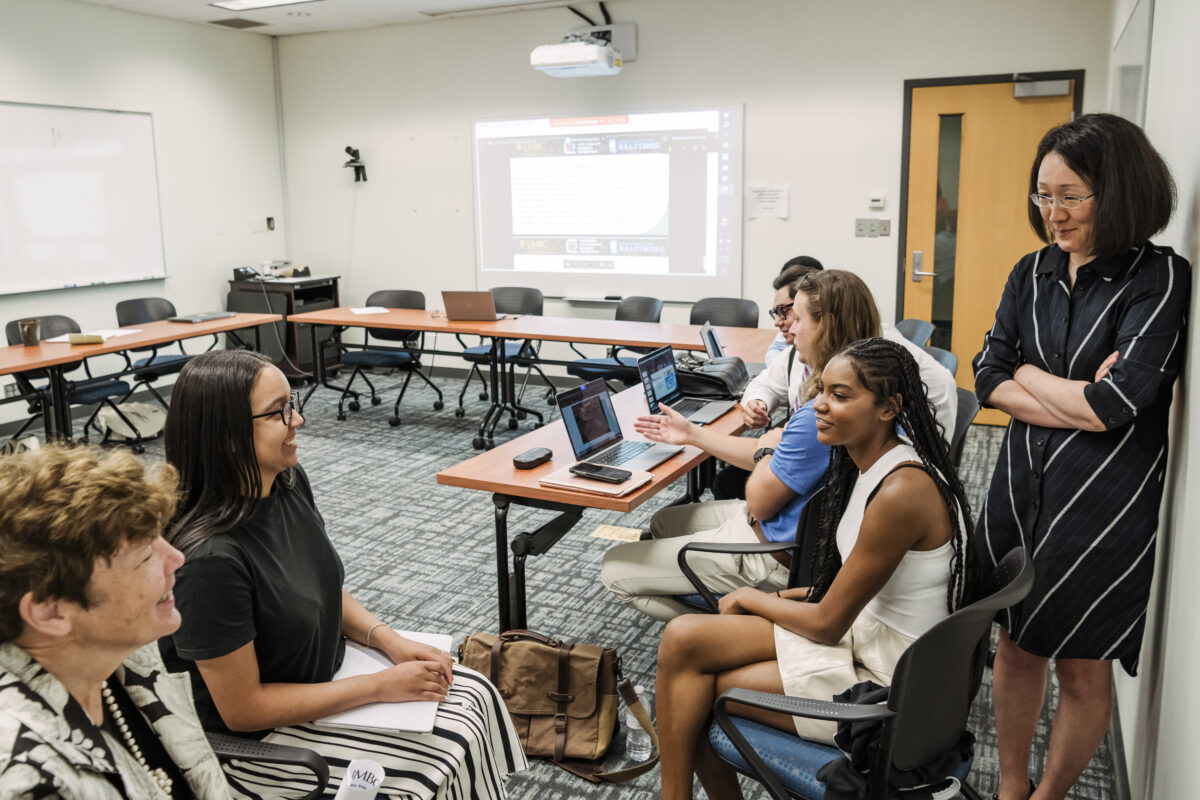
Miller (left corner) and Kang (standing) discuss final presentations with summer fellows. (Marlayna Demond ’11/UMBC)
Miller, along with the co-directors and collaborators, emphasizes that the essence of the cooperative agreement is creating a new multigenerational and diverse network of researchers and community partners invested in advancing research on SSA programs. Learning, mentoring, research, and disseminating knowledge are communal, ongoing, and fluid processes.
“It’s important to learn from Nancy. She is a leading expert in health policy, disability and long-term care, health disparities, and aging policy. Her dedication extends beyond her research. She genuinely cares about her students and the populations she studies,” says Kang. “Fellows understand that our support extends beyond their academic performance to their overall growth and well-being. This project represents a lasting tradition of mentorship and teamwork, shaping the future of research in retirement, health, and disability.”
To learn more about the program or to apply contact Melanie Keys, UMBC SSA program manager, MKeys3@umbc.edu.
2024 – 2025 Application deadlines: Undergraduate and Masters Summer Research Fellowship Program, April – May Masters and Doctoral Student Research Grant Program, November – December Doctoral Student Mentored Pilot Studies Program, April – May
Written by Fan Yang, professor of media and communication studies, UMBC
Speaking at the Republican National Convention in July 2024, Donald Trump invoked China 14 times. In the course of a 92-minute address, the former president recycled his widely criticized term “China virus” for the COVID-19 pandemic, said China was stealing auto jobs, and touted how his administration had China beat on a variety of fronts.
China also made it into the major addresses at the 2024 Democratic National Convention. On the first night, President Joe Biden said that on coming into office, “the conventional wisdom was that China would inevitably surpass the United States.”
“No one is saying that now,” he added.
Democratic presidential nominee Kamala Harris echoed this sentiment on the final night, claiming that if elected she would ensure that “America, not China, wins the competition for the 21st century.”
As an expert on how China is represented in U.S. media culture and politics, I believe the fact that China is edging into the election rhetoric is of little surprise – nor is the imbalance in emphasis given to the country by the Democratic and Republican tickets, respectively.
A tried and tested election ploy
Since Biden’s exit from the presidential race, the Democratic candidates have seemingly limited their references to China on the campaign trail, in contrast with their Republican counterparts.
Trump and his Republican allies have long mobilized the use of China to position themselves as anti-Communist and to burnish their “America first” credentials. For Trump, especially, it is a tried and tested electoral ploy. In the run-up to the 2016 election, Trump invoked China so frequently that The Huffington Post produced a mashup video of the candidate repeating “China” 234 times.
This has continued into the current election cycle.
Aside from the frequent mentions in the speeches by Trump and others, the 2024 GOP platform emphasizes “Secure Strategic Independence from China” as a key commitment, through limiting trade and investment as well as “countering China” to “return Peace through Strength.” In contrast, other perceived adversaries such as Russia and Iran received no mention in the official Republican platform.
Meanwhile, Project 2025 – the conservative Heritage Foundation’s policy plan often associated with Trump, although his campaign denies the connection – mentions China no fewer than 483 times in a 922-page document. The project’s official website even highlights the goal to “take on China” on the “About” page.
Neither ‘dragon slayer’ nor ‘panda hugger’
It was not, therefore, surprising that Trump-supporting elements of the U.S. media pounced on news that Tim Walz, the governor of Minnesota chosen to be Harris’ running mate, has previously taught in China and traveled there an estimated 30 times since 1989, including on his honeymoon.
Although Walz has said he is “neither a ‘dragon slayer’ nor a ‘panda hugger’” when it came to China, conservative commentators painted Walz as a “Marxist” who would make Communist China “very happy.” Fox News host Jesse Watters even called for Walz to undergo an FBI background check due to his China links.
On Aug. 16, the House Oversight and Accountability Committee chair, Republican James Comer, opened an investigation into Walz’s “longstanding connections” to China.
The Great Walz of China? Hardly
The ties that some Republicans find suspicious include Walz’s running Educational Travel Adventures with his wife, Gwen Walz, from 1994 to 2003. The company they founded helped students from small-town America travel to China to learn about the country’s history and culture. Walz also served on the human rights-monitoring Congressional-Executive Commission on China during his time as a House representative.
Walz’s apparent reluctance to highlight his knowledge about China also contrasts with the action of a previous Republican presidential hopeful, Jon Huntsman, who served as an ambassador to China and is fluent in Chinese. During his campaign in 2011, arguably a different time in U.S.-China relations, Huntsman repeatedly demonstrated his ability to speak Chinese and was often praised for doing so.
Harris’ great leap forward, not back
One reason behind the difference in emphasis on China between the two presidential tickets is, I believe, the different framing of the election. To the Democrats, the upcoming vote is about movement – they are projecting the choice between going backward or going forward. Taglines such as Harris’ “we’re not going back” position the United States and its people as marching toward a future of unity, promise and opportunity that, in their view, leaves behind the chaos, division and repression of the past.
In this framing, the role of China as a threat is anchored primarily in the area of high-tech competition; Harris’ mentions of China in her convention speech were in regards to the future on space and artificial intelligence.
By contrast, the Republican campaign is premised more on protecting an imagined Americanism from foreign forces, which is why you hear more from Trump and Vance on the much dramatized “invasion” of immigrants illegally crossing the borders and “bringing” drugs and crime.
The same logic, I would argue, informs the GOP’s frequent invocation of China as a geopolitical and economic threat.
After all, Trump has long attributed a great number of actions to the Chinese government, from calling it a creator of the “Wuhan virus” to blaming it for producing the “hoax” of climate change. In his convention speech, Vance linked China directly to the illegal cross-border drug trade. At a rally in Michigan on Aug. 27, he also accused Harris of using tax dollars to pay “the Chinese Communist Party to build factories on American soil,” omitting the fact that the Republican-led legislature had developed the program.
This characterization of China fits what I called the “racialization” of the Chinese state in my book “Disorienting Politics.” The rhetoric depicts China as a powerful agent that carries out nefarious acts that can only hurt America.
‘Make it all about China’
Over the past two decades, parts of the American media have conflated China’s Communist Party rule with fascism and totalitarianism.
That rhetoric in the U.S. over the “Chinese virus” during the pandemic triggered a spike in reported anti-Asian racist attacks, showing that manufactured fear of a distant place like China can also sow hatred toward people perceived to have come from that place.
In this sense, Walz’s reluctance to invoke China perhaps corresponds to a refusal to oversimplify the complex society of China. “The best way to study about people is to hear them tell what it is like where they live,” said the former social studies teacher back in 1991, while discussing a U.S.-China pen-pal program with a local newspaper.
As the election season unfolds, the specter of China is likely to return even as more urgent geopolitical conflicts continue to dominate the headlines.
After all, even one of Walz’s former students – a self-described “dormant Republican” attempting to defend Walz against Republican attacks on his character – still advised the Trump campaign to focus on policy and “make it about China.”
Meet Buhlebakhe Ncubefrom Zimbabwe. She spent six weeks at UMBC as part of the 2024 Mandela Washington Fellowship for Young African Leaders, the flagship program of the U.S. Government’s Young African Leaders Initiative (YALI) hosted by UMBC’s Center for Global Engagement (CGE). The new cohort included 25 innovators from countries across Sub-Saharan Africa representing education, journalism, tech, health care, and more. Buhlebakhe is now back home reminiscing about her YALI summer experience and the Retrievers she connected with along the way. Take it away, Buhlebakhe.
Q: Briefly introduce yourself. What’s one essential thing you’d want another Retriever to know about you?
A: I am the chief of staff for the Shasha Network, located in Edinburgh, the capital of Scotland, but I work remotely from Bulawayo, Zimbabwe. Shasha Network is a nonprofit organization that provides early career resources, opportunities, and support to students and educators across Africa. I have a bachelor’s degree in civil and water engineering from the National University of Science and Technology in Bulawayo.
2024 YALI Fellows(l-r): Sintieh Nchinda Ngek Okongefeyin from Cameroon, Ncube, and Richard Siaw from Ghana. (Image courtesy of Ncube)
Q: Tell us about someone in the community who has inspired you or supported you, and how they did it.
A: From the first day we arrived in Baltimore, Madison Pickard, M.A. ’24, intercultural communication, assistant director of special programs, and co-academic director of the YALI Fellowship at CGE, went above and beyond for the YALI Fellows. She drove us to different meetings and events all day and stayed with us late into the night, often going back to her home around midnight. Despite everything, she still showed up the next day with a smile and energy, ready to help us tackle the busy day ahead. Through her, I have learned what it means to be truly selfless and fully involved in someone else’s journey and ensure they are set up for success.
2024 YALI graduation day. (Image courtesy of Ncube)
Q: Since you’ve been a part of the UMBC community, how have you found support of your WHY?
A: When I was at UMBC, I was exposed to various types of leadership styles, and rather than try and alter who I am to fit into a particular style—I learned how to use my uniqueness and strengths to create my path as a young leader. The UMBC team went above and beyond to make sure that we had access to coaches and experts in various fields. The facilitators are exceptional, and the people I met through networking sessions are quite eager to work with me beyond the fellowship. Lastly, the UMBC team is full of cheerleaders who constantly push me to challenge myself. I have done so, and I am thankful to them for their support and faith in my abilities.
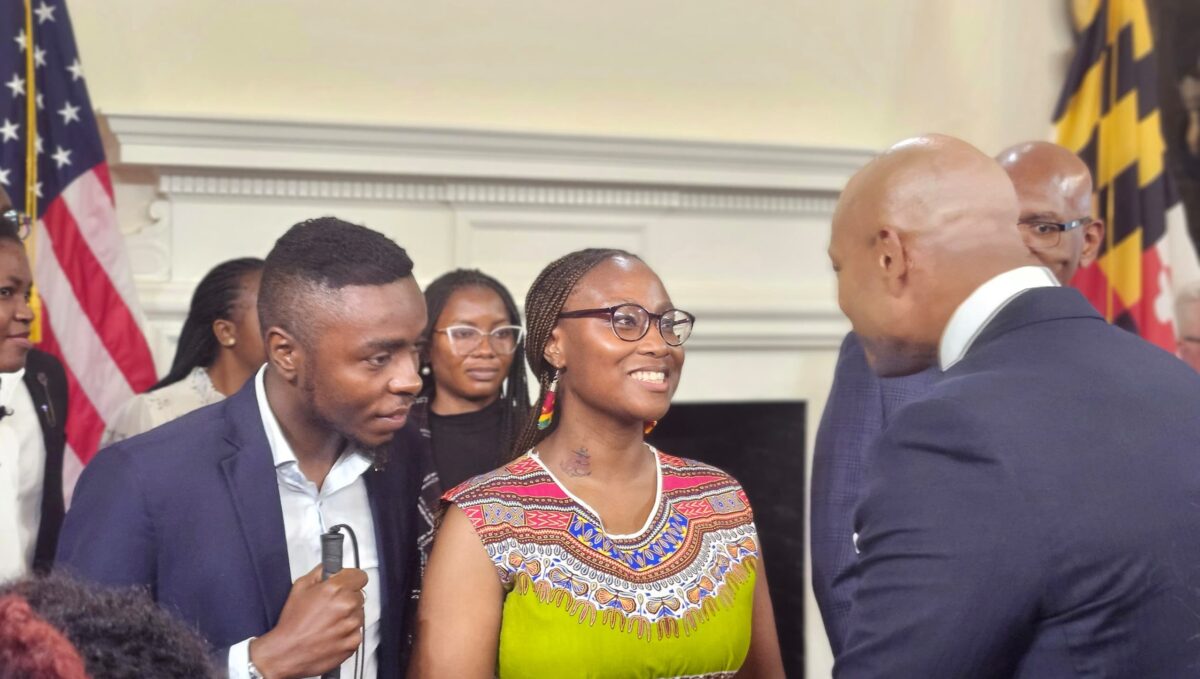
2024 YALI Fellows meeting with Maryland Governor Wes Moore. (Image courtesy of Ncube)
Q: Tell us about what you love about the organization you’re involved in.
A: I am grateful that I was placed at UMBC for the YALI fellowship. The community at UMBC is very welcoming. Baltimore and Maryland are full of humanity, culture, history, art, and love. I was able to connect with people not just through networking but on a human level. There is nothing pretentious about UMBC. People here genuinely want the best for you, and everyone wants to come together and create a better and stronger community. That sense of pride in being from UMBC is something I will always carry with me as an adopted Marylander and Retriever!
* * * * *
UMBC’s greatest strength is its people. When people meet Retrievers and hear about the passion they bring, the relationships they create, the ways they support each other, and the commitment they have to inclusive excellence, they truly get a sense of our community. That’s what “Meet a Retriever” is all about.