




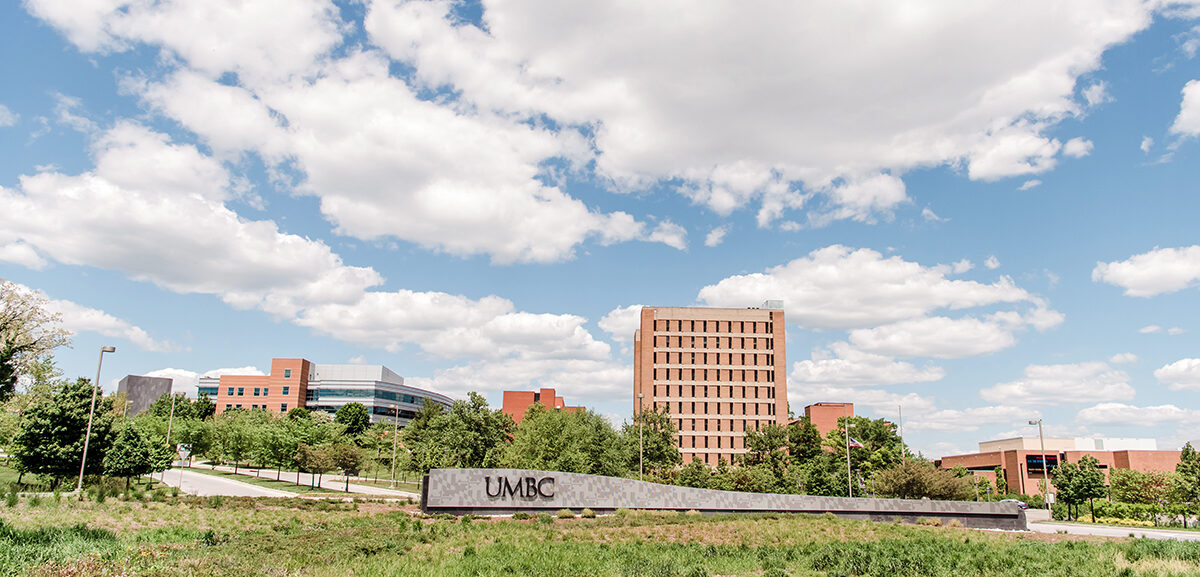
UMBC has been awarded a $64,000 University System of Maryland (USM) grant to support the development of a prison education program at the university
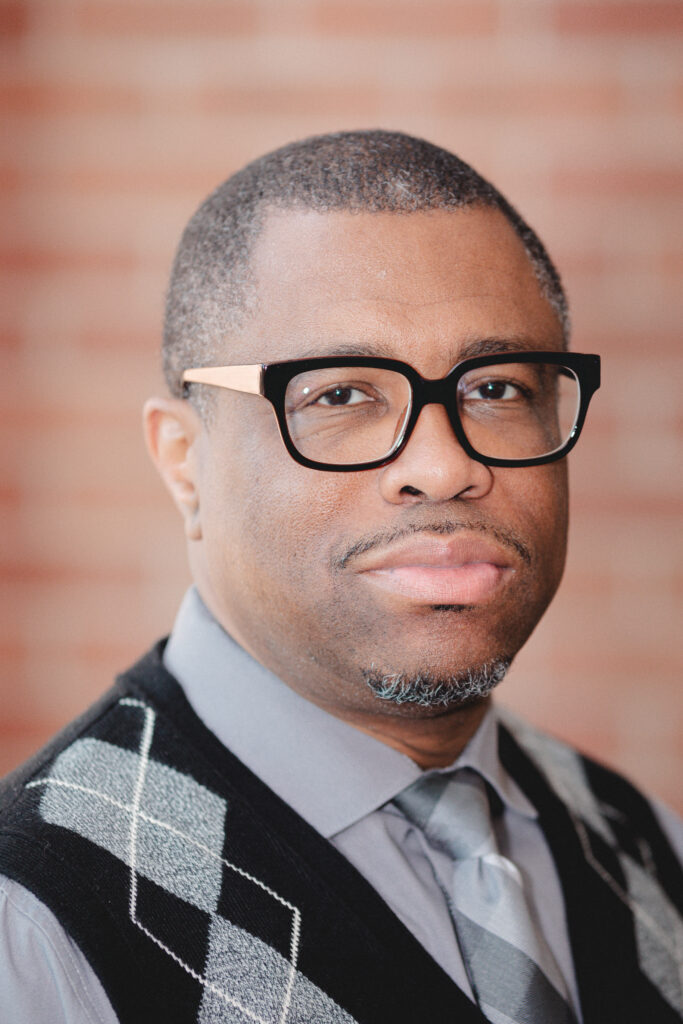
Led by Eric Ford, executive director for the Shriver Center, and Allison Jones, assistant vice provost of extended studies, the USM-funded “Toward a Prison Education Program at UMBC” will explore and develop the institutional, academic, and community partnerships needed to establish a sustainable program providing higher education opportunities for incarcerated students.
The proposed program will initially focus on students at the Central Maryland Correctional Facility in Sykesville, Maryland. UMBC plans to develop possible certificate pathways, with potential coursework in areas including data science, artificial intelligence, and project management.
“The Shriver Center is excited about this opportunity to create a program for students who pursue correctional education programs,” says Ford. “It’s just one of the many ways we support UMBC’s vision of redefining higher education through an inclusive culture rooted in social justice.”

UMBC’s project is part of a larger, USM-led initiative. In September 2026, USM announced that nine colleges and universities will receive a combined $400,000 to advance programs that provide higher education in prisons in Maryland. The USM grant will support a yearlong planning process for UMBC that includes assessing UMBC’s capacity to operate a prison education program, establishing partnerships, identifying faculty and staffing needs, developing curriculum, researching educational delivery models, and preparing for the required state and federal approval processes.
Building on existing frameworks
The initiative builds on the longstanding work of UMBC’s Shriver Center, the university’s campus-wide hub for public service and community engagement. Founded in 1993 by Sargent and Eunice Kennedy Shriver, the center has spent more than 30 years building partnerships and creating opportunities for students, faculty, and staff to address complex social challenges in Baltimore and surrounding communities.
UMBC’s Institute of Extended Learning provides non-credit and professional education programs that connect the UMBC campus to the broader community for noncredit education, workforce development, digital credentials, and degree completion. It also serves learners of all ages and backgrounds, from middle schoolers in summer enrichment programs to working adults seeking professional credentials to individuals training for a new career.
As part of the grant, Ford and Jones will lead listening sessions and focus groups with prospective students, returning citizens, workforce and technology partners, community organizations, faculty, and corrections stakeholders. These conversations will help inform the design of a student-centered program responsive to the educational and career needs of people affected by incarceration.
UMBC is exploring a partnership with Carroll Community College to create an associate-degree completion pathway for students participating in the program.
The project is scheduled to take place from fall 2026 through summer 2027, laying the groundwork for a potential UMBC Prison Education Program and expanded pathways to higher education and workforce opportunities for students entering or reentering higher education.


