Bio-inspired ‘batteries’ will use phytoplankton to power underwater sensors

A new $7.8 million award from the Defense Advanced Research Projects Agency (DARPA) will support the development of biologically-powered underwater sensors. Right now, a vast network of underwater sensing devices in oceans around the world conducts environmental monitoring and supports national security—and most of these devices rely on batteries and underwater cables for power. 

“The motivation of the project is to eliminate the requirement for periodic battery replacement or recharging, which is expensive and logistically demanding,” says Kevin Sowers, professor of marine biotechnology and a co-PI on the award, which is led by Stephanie Lansing, a professor in the Department of Environmental Science and Technology at the University of Maryland, College Park. The project is supported by DARPA’s BioLogical Undersea Energy (BLUE) program and includes researchers from nine universities and companies.

A new fuel source for underwater sensors

The proposed devices, called the Persistent Oceanographic Device Power (PODPower) system, will autonomously draw phytoplankton from the surrounding water into a fermentation chamber. There, microorganisms will break down the phytoplankton into simpler chemical compounds. Finally, other microorganisms in a microbial fuel cell will use those compounds to generate electricity, Sowers explains. Sowers, a microbiologist, will work on engineering bacteria that can break down the phytoplankton into chemicals such as acetic acid that the microbes in the fuel cell can use. 

Sowers will also lead efforts to develop a testing environment in the Aquaculture Research Center (ARC) at the Institute of Marine and Environmental Technology (IMET) in downtown Baltimore to evaluate components and a complete prototype of the new devices. The current award will support development of a functioning prototype, and there is the potential for $3.4 million more for testing in the open ocean. 

“This unique collaboration of interdisciplinary experts will produce a bio-inspired system that has game-changing potential to provide direct electric power to improve sensing capabilities while protecting and limiting the impact to the environment through use of this unique bioenergy system,” Lansing said.

UMBC delegates build international connections at prestigious science and technology conference in India

A six-person UMBC team built international connections at the “PIWOT – World of Technology” conference, held in late January in Mumbai, India. The conference is organized by the alumni association for graduates of the prestigious Indian Institutes of Technology (IITs), and attracts many of the leaders in science and technology in India and around the world. The CEO of Alphabet, Inc. (Google’s parent company), the co-founder of Sun Microsystems, and the CEO of IBM are all graduates of IITs. 

UMBC was represented at the conference by Anupam Joshi, acting dean of the College of Engineering and Information Technology; Upal Ghosh, professor in the Department of Chemical, Biochemical and Environmental Engineering; Ramana Vinjamuri, associate professor in the Department of Computer Science and Electrical Engineering and director of the NSF IUCRC BRAIN Center; Govind Rao, director of the Center for Advanced Sensor Technology and professor in the Department of Chemical, Biochemical and Environmental Engineering; Karuna Pande Joshi, professor in the Department of Information Systems and director of the NSF IUCRC Center for Accelerated Real Time Analytics; and David Di Maria, senior international officer and associate vice provost for international education at UMBC. 

Man stands at podium in front of audience. Large screen behind projects image of him.
Dean Joshi spoke at the conference about the impact of technology on education. (Photo courtesy of Govind Rao)

The UMBC team staffed a well-trafficked booth in the Expo Hall. As an extension of the meeting, they also visited IITs at Mumbai, Hyderabad, and Tirupati, and met with the directors of these institutions to discuss institutional agreements and lay the groundwork for international faculty and student exchanges. 

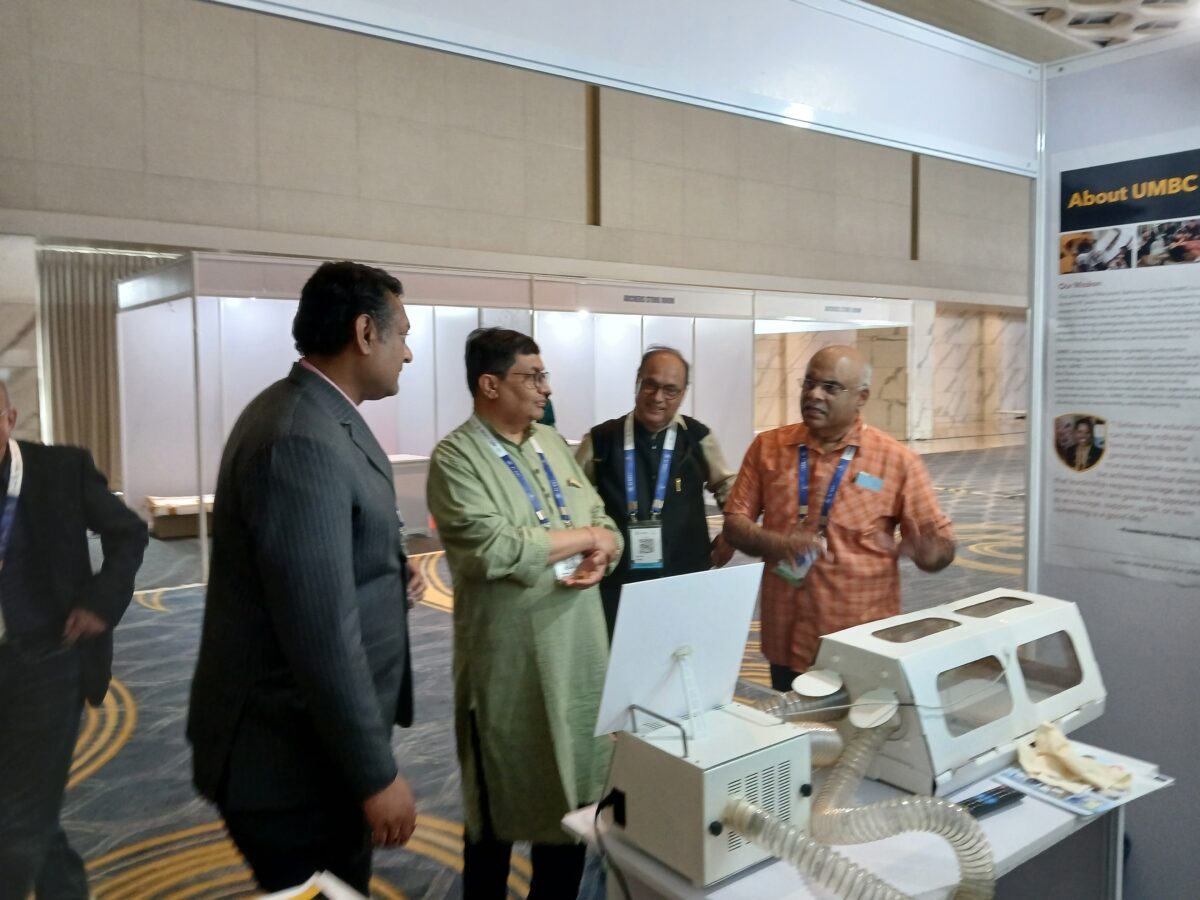
This year’s PIWOT conference focused on the impact of technology across multiple dimensions of life, from the professional to the personal. Dean Joshi took part as a speaker on a panel about the impact of technology on education. The UMBC booth also displayed the low-cost infant incubator developed by Professor Govind Rao.

Four people stand around equipment of tubes and boxes on a table.
The UMBC booth displayed the low-cost infant incubator developed by Professor Govind Rao. (Photo courtesy of Karuna Joshi)

Carla Guarraia, Ph.D. ’06, receives Presidential Award for Teaching

Carla Guarraia, Ph.D. ’06, molecular and cellular biology, has received a Presidential Award for Excellence in Mathematics and Science Teaching for her work at the Park School in Baltimore. Only one award is given per state per year, and Maryland is an extremely competitive region.

In 2017, Guarraia proposed and coordinated a complete redesign of the science curriculum for ninth and 10th graders at Park in close collaboration with colleagues. The new ninth grade course, first implemented in 2019, integrates physics, engineering, and computer science content, and the 10th grade course brings together concepts from biology, chemistry, and data analysis. In addition to covering content, the courses emphasize skill-building and opportunities for memorable and authentic project-based experiences that inspire excitement about science. Park juniors and seniors are then prepared to pursue an array of electives in all five disciplines and interdisciplinary topics.

An external evaluator lauded the resulting curriculum, which Park calls its “Core Program,” for its alignment with the Next Generation Science Standards, differentiated learning approach for students with a range of needs, emphasis on mastery learning and a growth mindset, prioritization of active learning, and the faculty’s commitment to caring for their students. 

Expanding her view

Guarraia, who as of the 2024 – 2025 school year is the upper school science department chair at Park,  studied for her Ph.D. under the mentorship of Philip Farabaugh, professor of biological sciences. Then she completed a postdoctoral fellowship with Jennie Leach, associate professor of chemical, biochemical, and environmental engineering. 

“Phil Farabaugh supported my growth as an academic, and as a citizen of the world. He consistently showed respect for me and built up my confidence that I could be smart and fun while not only teaching science but caring for the people around me. As a mentor for life, I have learned from Phil that if I am my authentic self my life will be most successful,” Guarraia says.  

Leach “shares my passion for teaching, and in Jennie I continue to have a role model for pursuing ambitious exciting science while also being a working mom,” Guarraia adds. 

“UMBC is a really special place that shaped my view of Baltimore, as the campus focus was on rigorous education, inclusion, and excellence, and it was my first experience with a truly international community,” Guarraia says. “I am forever grateful for how UMBC, Jennie, and Phil expanded my view of the world and of myself.”

Mechanical engineering Ph.D. student Md Badrul Hasan recognized for research modeling hurricanes with machine learning

Mechanical engineering Ph.D. student Md Badrul Hasan has received the 2025 Professor Kirti “Karman” Ghia Memorial Award from the American Institute of Aeronautics and Astronautics (AIAA), for his research modeling the fluid flow inside hurricanes with physics-informed machine learning. 

The award recognizes an international graduate student in the U.S. who has developed an innovative approach to computational fluid dynamics, in which computers are used to analyze and predict how fluids flow, with applications in aerospace engineering, weather forecasting, and more. Hasan, who is from Bangladesh, is the inaugural recipient of the award. His research explores new ways to improve the modeling of energy flow in hurricanes.

Machine learning for better weather forecasting

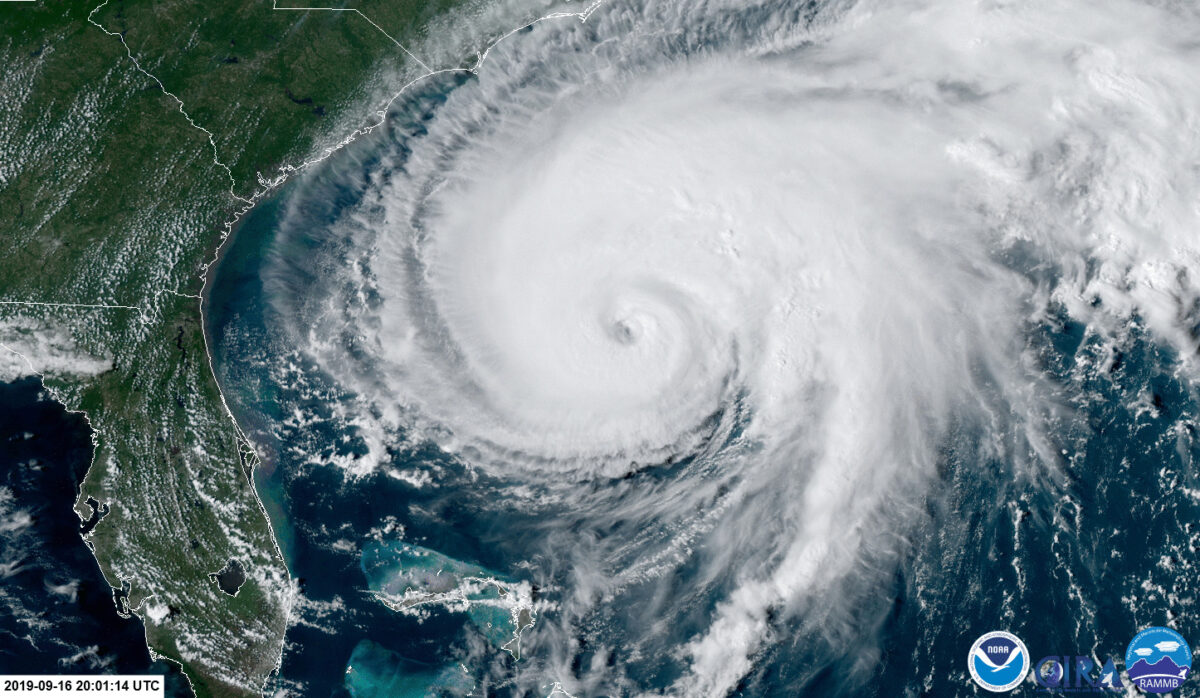
Hasan and his UMBC mentors—Meilin Yu, mechanical engineering, and Tim Oates, computer science and electrical engineering—looked at the layer of atmosphere in a hurricane that is directly above the ocean surface. Called the hurricane boundary layer, it is where turbulent flows bring heat and moisture from the water into the air, and it plays a crucial role in determining a hurricane’s intensity and track.

Traditional modeling of this layer fails to account for ways that energy within the smaller eddies in a flowing fluid can feed back into larger scale eddies. Hasan, Yu, and Oates explored how physics-informed machine learning models—which analyze large datasets to spot patterns—could better capture this phenomenon. Ultimately, they are looking to integrate their machine learning models into larger physics-based hurricane simulations to improve the simulations’ accuracy.

Satellite shows spinning hurricane off U.S. southeast coast.
Hurricane Humberto, as captured by a NOAA satellite Sept. 15, 2019. (Image credit: NOAA Satellites)

“This work sets up the cornerstone of our ongoing research towards more accurate numerical simulation of hurricane boundary layer flows at the scale of tens to hundreds of miles,” says Yu. “It is also a key step in our renewable energy research, where improving offshore wind farms’ resiliency to tropical storms is our ultimate goal as mechanical engineers. Badrul’s hard work pays off, and we are very proud of him.”

Hasan accepted the award for his work at the 2025 AIAA SciTech Forum, held in early January in Orlando, Florida, where he also presented his research. He says that while the community is filled with many researchers specializing in the traditional physics-based simulations, there is more and more interest in machine learning. 

Hasan says he is grateful for the guidance of Tim Oates, from the computer science and electrical engineering department, in selecting and understanding the machine learning models. 

“It was a great team effort between mechanical engineering and computer science—really productive and rewarding for both sides,” he says.

U.S. News ranks UMBC’s online master’s in information systems among best in the nation

U.S. News and World Report has recognized UMBC’s online master’s degree in information systems as #32 on their national list of 2025 Best Online Master’s in Information Technology Programs. The program moved up two spots from last year’s ranking. 

U.S. News evaluates programs based on qualities such as strong faculty credentials, a good reputation among peer institutions, and the opportunity for students to use diverse online learning tools and engage with their instructors and classmates.

The UMBC program prides itself on its flexibility, industry-relevant curriculum, and specialization options. Working professionals can choose to pursue a degree on a full-time or part-time basis, depending on their career and personal goals. Students looking to narrow their focus can choose a specialization track in data science, cybersecurity, artificial intelligence, or UX design.

Man poses for camera outside. Brick building in background.
James Foulds directs the online information systems master’s program (Marlayna Demond ’11/UMBC)

New this semester, the program is expanding the student experience for online learners by offering tailored events and networking opportunities, such as virtual networking events, industry-specific webinars, and guest speaker sessions. “These initiatives will help foster a sense of community, even from a distance,” says James Foulds, the director for the online information systems master’s program. “Students can connect with peers, faculty, and alumni in meaningful ways to support their academic and professional growth.”

Foulds himself will participate in the first such event—the new “Midday Mingle” series offering students the chance for informal online chats with program faculty and alumni. In February, Foulds will discuss his research specialty: the ethical and responsible uses of AI.

Naghmeh Karimi granted industry funding to study promising computing-in-memory based AI accelerators

Naghmeh Karimi, an associate professor in the Department of Computer Science and Electrical Engineering, was recently granted more than $300,000 in funding from the Semiconductor Research Corporation (SRC) to study the security of promising hardware components that speed up the computing process. 

SRC brings together technology companies, academics, and government agencies to tackle large scientific and technical challenges, and Karimi’s research will be funded by three leading technology companies: IBM-Research, AMD, and Siemens. 

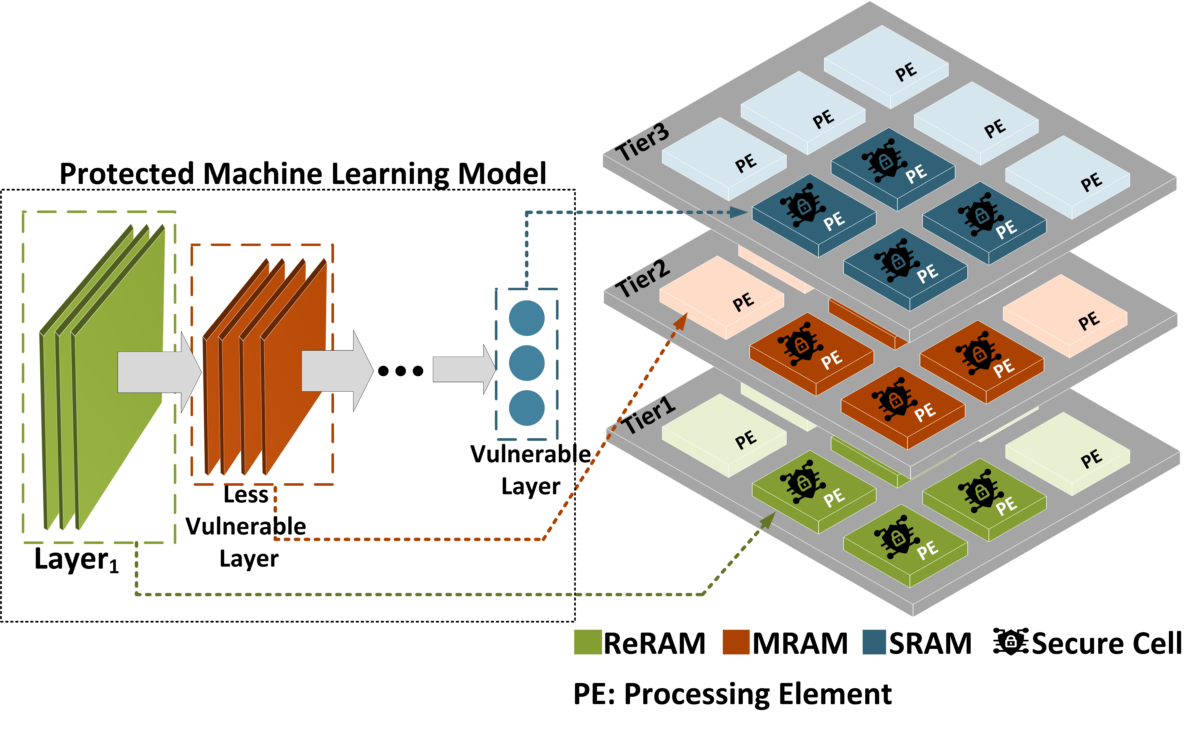
Karimi and her team, including graduate students and a collaborator from Arizona State University, will study computer chips whose design and structure allows computing-in-memory (CiM), where data processing happens directly within the computer’s memory. CiM architectures are promising for speeding up the use of machine learning algorithms because they consume less energy.

Different types of CiM devices (such as RRAM, MRAM, and SRAM) each have their own strengths and weaknesses in terms of performance, power use, and size, and to get the best results, engineers need to combine different CiM devices into one system. Building these systems in 3D layers can further improve their efficiency and performance. However, the security of these 3D architectures has received little attention to date. 

Schematic shows layers of computing elements.
Karimi and her team will study the security of computing-in-memory architectures, as shown in this project overview. (Image courtesy of Karimi)

Karimi’s team will study the security of 3D CiM technologies used in AI applications. In particular, the research will focus on evaluating the security vulnerabilities of the technologies and developing mitigation strategies. 

“I’m excited about this project because the topic is very timely,” says Karimi. “The support from three leading companies in the AI field shows the importance of the problem and the promise of the solutions we are working on.”

The team aims to enhance the security of CiM-based AI accelerators against physical attacks that adversaries might launch to leak sensitive data or induce malfunctions. The researchers will work closely with the funding companies over the next three years in this area.

UMBC and the U.S. Department of Health and Human Services partner to create pathways for a more diverse and inclusive workforce

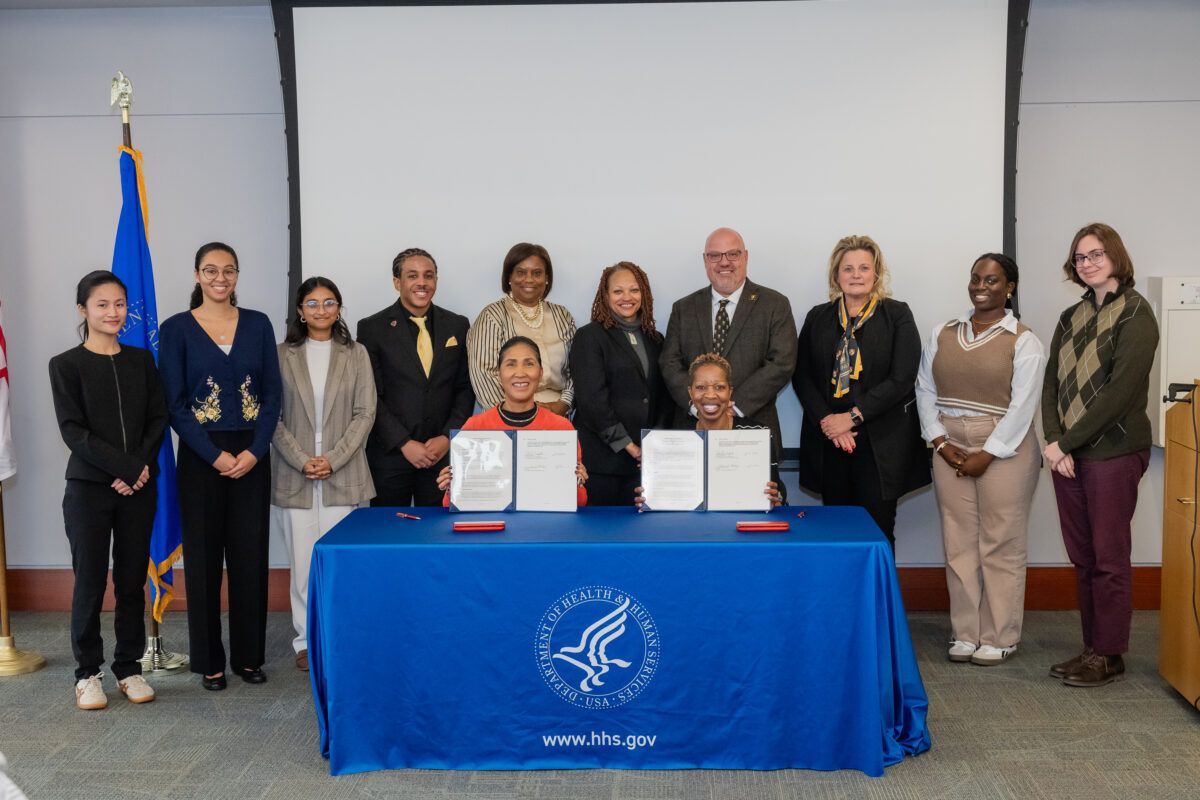
UMBC and the U.S. Department of Health and Human Services (HHS) have signed a memorandum of understanding (MOU) establishing a strategic partnership to increase public service career awareness and diversify workforce opportunities. This collaboration can include internships, mentorships, shadowing experiences for UMBC students, and joint outreach events to boost awareness of HHS as an employer of choice.

“We work very hard to make sure that we do not just have a culture that is great, but we also have representation in places where students can see themselves and imagine who they can be and what they can contribute,” said Cheryl R. Campbell, the assistant secretary for administration for HHS.

HHS’s mission is to enhance the health and well-being of all Americans by providing effective health and human services and fostering sound, sustained advances in the sciences underlying medicine, public health, and social services. This MOU will enhance recruitment efforts, support career development programs, and share resources to broaden federal employment pathways for UMBC students, particularly in public health, research, and engineering. 

Ten people stand behind two people seated at a table who are holding up an MOU between UMBC and Health and Human Services
(l-r): Cheryl R. Campbell, the assistant secretary for administration for HHS, and UMBC President Dr. Valerie Sheares Ashby. (Marlayna Demond ’11/UMBC)

“When you talk about how do we change the conversation, how do we change and improve the health disparities? Well, you have to have people at the table that come from those environments,” said Campbell. “That’s why it’s critically important that we sign these memorandums of understanding to bring the next generation of Black and brown professionals into government service. Because if you want to affect change, you have to have a seat at the table to impact policy.”

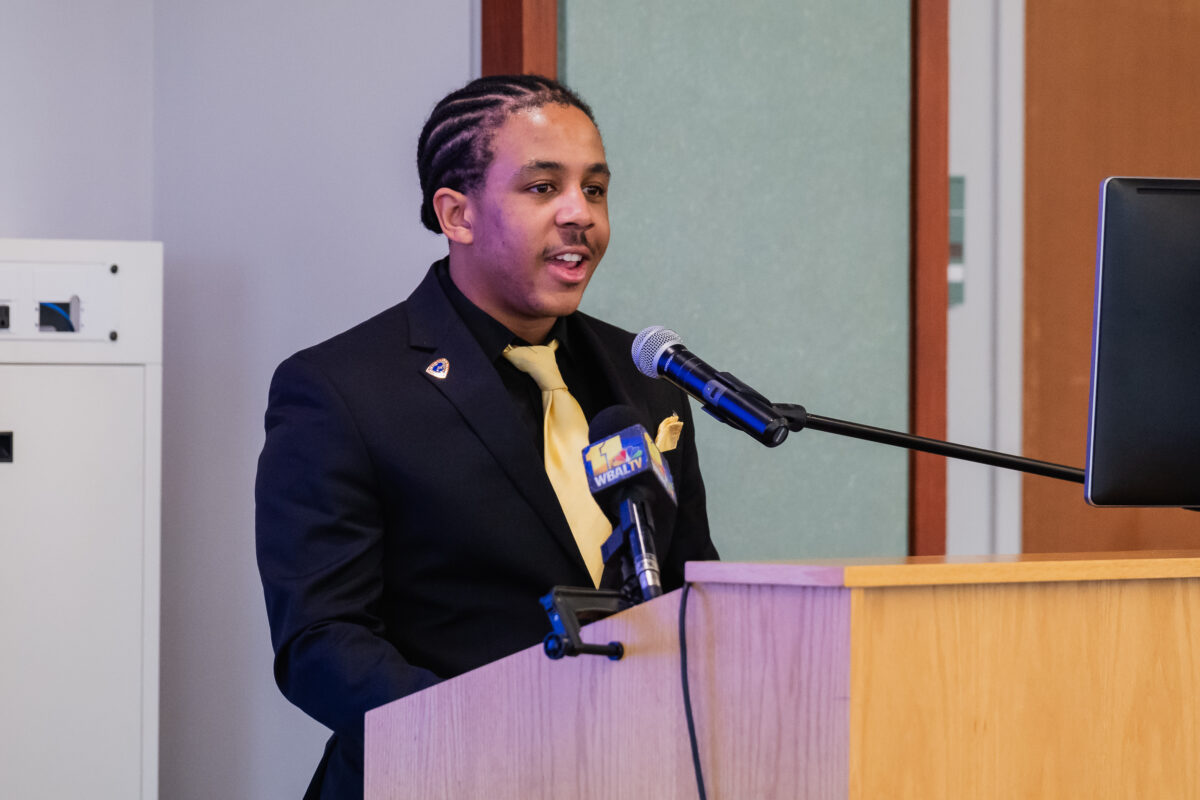
This news is inspiring for Michael Ack. He joined UMBC as a Meyerhoff Scholar and earned a John H., Sr. and Althea Griner Scholarship for outstanding first-year undergraduate students committed to the advancement of minorities in the sciences and who intend to pursue biological sciences as a major. Ack is now a junior and in his second year at the National Institutes of Health Undergraduate Scholars Program (UGSP), which is part of HHS. Ack notes how these programs provided him access to invaluable financial support, mentorship, and a strong community of peers, faculty, and alumni. Last summer, Ack shadowed researchers working on understanding the development and continued survival of cancer cells. After graduation, Ack will complete his UGSP service obligation by working as a full-time NIH employee in an NIH Intramural Research Laboratory.

A college student wearing a black suit and gold tie stands at a podium speaking into a microphone about Health and Human Services.
Michael Ack. (Marlayna Demond ’11/UMBC)

“This MOU will serve as a pathway for UMBC students to pursue meaningful careers in public service and make meaningful contributions to our society,” said Ack. “And through the various opportunities that this partnership promises, more UMBC students will be able to see the benefits of working for HHS, such as I have, and will empower more of us to dream big.”

For more internship and career information visit UMBC’s Career Center and listen to their UMBC Careers Unleashed podcast.

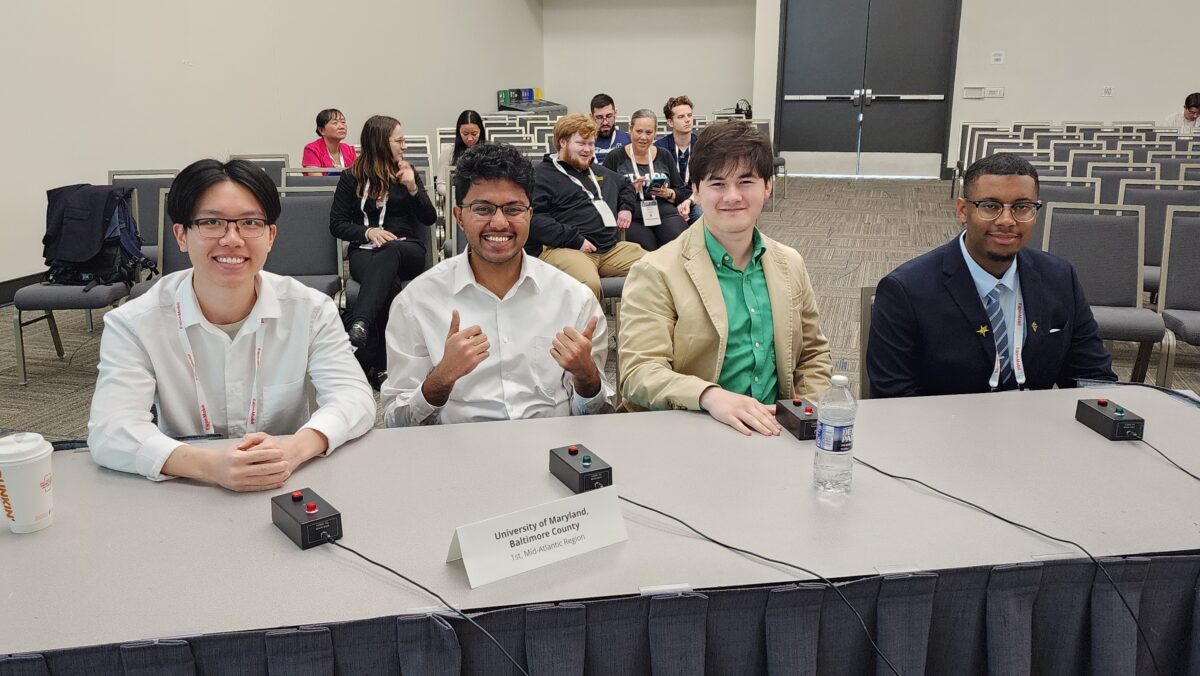
UMBC’s Ethics Bowl team earns spot in national championship two years in a row

UMBC’s Ethics Bowl team won third place at the 2024 Chesapeake Regional Ethics Bowl competition in December. The team competed at UMBC against 15 teams from the Mid-Atlantic region, all vying for one of three qualifying spots in the 2025 Association for Practical and Professional Ethics Intercollegiate Ethics Bowl National Competition. UMBC will join Virginia Tech, first-place winner, Salisbury University, second-place winner, and 33 qualifying teams across the country at the national competition in February 2025.

“Activities like the Ethics Bowl engage students to think more critically about their own values and decisions, and thereby be better able to engage with those whose views differ,” says Jessica Pfeifer, associate professor of philosophy and department chair. “This will make them better scientists, doctors, programmers, entrepreneurs, lawyers, parents, and citizens.”

Six weeks before the competition, teams receive detailed information about the topics they will discuss, allowing them to prepare and strategize their arguments. Students must be ready to answer judges’ questions and defend their responses to the opposing team in just a few minutes. Each team competes in four preliminary rounds to advance to the semifinals and finals.

Greg Ealick, a philosophy lecturer, has coached the undergraduate team 15 years. He meets with the team year-round to hone their critical thinking skills, debate challenging ethical issues across all disciplines, and develop strategies for conveying their research respectfully and succinctly. Ealick knows what it takes to make it to the top. In 1988, Ealick ’89, philosophy, helped lead UMBC’s debate team to number one in the United States and to the Parliamentary Debate Association world finals in Australia, where he was ranked as the number one American speaker. Over the 15 years Ealick has coached the Ethics Bowl team, UMBC has qualified for nationals seven times, most recently in 2023 and 2020.

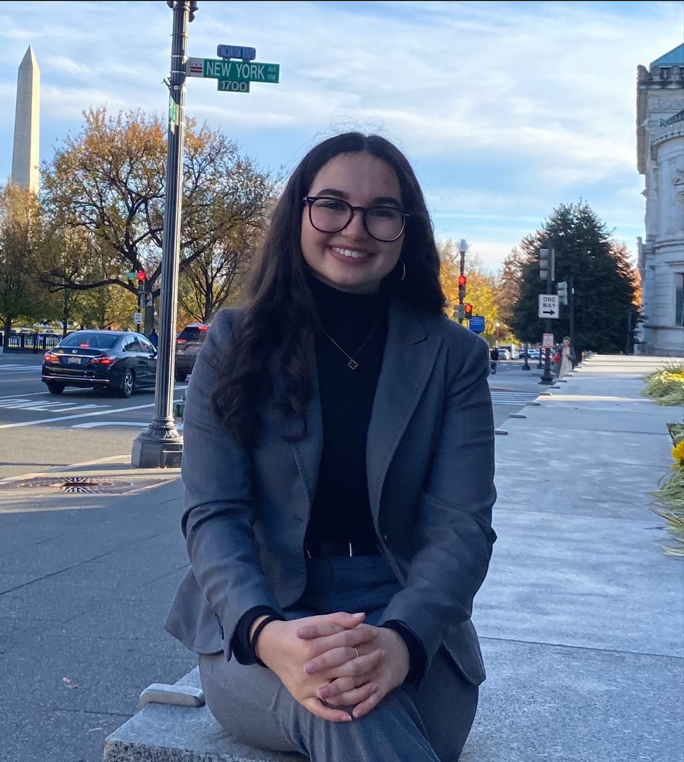
A business professional wearing a grey suit sits outside a building with the Washington Monument in DC in the background. Ethics Bowl.
Tafat Boudif. (Image courtesy of Greg Ealick.)

“Qualifying means a lot since it is a testament to all our hard work throughout the semester. We spent several hours each week preparing for these cases, which were sometimes incredibly difficult to hash out,” says Tafat Boudif, a political science junior. Boudif helps Retrievers engage with government, politics, and policy-making as a political engagement intern at UMBC’s Center for Democracy and Civic Life. She also serves on the Student Government Association’s Appeals Board. “There are also so many additional things that we have to take into account, such as tone, confidence, etc. So I’m super proud of our team for being able to juggle all these things against some pretty tough teams!”

This year’s achievement comes shortly after UMBC’s new Center for Ethics and Values, home to the UMBC Ethics Bowl team, announced it would be a new host in the national line-up for the Association for Practical and Professional Ethics regional competitions. The event was co-hosted by UMBC’s Department of Philosophy and made possible with over 50 former Ethics Bowl team members and community members who helped to run, moderate, and judge the tournament, which took place on December 7, 2024, in the Performing Arts and Humanities Building. 

This is what keeps former Ethics Bowl team member Stephanie Ferrone ’09, physics, returning to UMBC—her role as a coach. She notes that the skills she developed in Ethics Bowl continue to guide her thinking and communication as a physicist at the Underwater Electromagnetics Sensors branch of the Naval Surface Warfare Center.

“Coaching Ethics Bowl has been a joy; past the highs and lows of competition, there is a true delight in sitting in a room in the PAHB every week to help students talk through all aspects of Ethics Bowl, from Beauchamp’s principles of biomedical ethics to the importance of signposting in public speaking,” says Ferrone. “It’s even more meaningful of an experience to know how deeply this is likely to affect these students—this type of experience is one that shapes a college career and crafts friendships and connections that truly last.”


Learn more about UMBC’s philosophy department.

UMBC increases rank in latest HERD survey, among top 10 universities in the nation in NASA funding

UMBC’s national rankings in federal research funding are on the rise based on the NSF’s latest Higher Education Research and Development (HERD) survey results, which includes the university being ranked among the nation’s top 10 institutions to receive NASA funding.

The annual HERD survey, conducted by the NSF’s National Center for Science and Engineering Statistics, collects information on research and development (R&D) expenditures by field of research and source of funds and also gathers information on types of research, expenses, and headcounts of R&D personnel. In the latest HERD survey report published in November that compares fiscal year 2023 data, UMBC was ranked #10 in the country in NASA expenditures, a six-spot increase over the previous year’s HERD report. UMBC’s collaboration with NASA in 2024 has resulted in impactful research advances and contributions to active space missions. 

“We have been collaborating with our colleagues at the NASA Goddard Space Flight Center for three decades now, and today, about 250 UMBC scientists, research faculty, and students are working closely with their civil servant counterparts at Goddard,” says Karl V. Steiner, vice president for research and creative achievement. “All of us are delighted and proud by this top 10 recognition.”

In addition, UMBC has seen improvements in R&D rankings across several disciplines, of which includes the university’s #20 ranking in federal funding for geosciences, atmospheric sciences, and ocean sciences, jumping 13 slots from its 2022 ranking. The university has also seen improvement in federal support for computer and information sciences (now ranked at #54), as well as federal funding for physical sciences (now ranked at #55). 

Overall, the university is now ranked within the top 100 public universities to receive federal research supporting, climbing 11 spots to its new ranking at #96. 

“Over the past two years, our HERD expenditures have increased by more than 70 percent, from $84 million reported in 2021 to $144 million in 2023,” Steiner explains. “This growth, and the corresponding improvement in national rankings, are a direct result of more than a decade focused on developing a true research culture across the campus community, as well as working with faculty members and institutional leaders to provide the research infrastructure needed to support our growing aspirations as a Carnegie R1 institution.”


Review more of UMBC’s research and development expenditure funding in Inquiring Minds, UMBC’s research and creative achievement annual report

Mohamed Younis honored for contributions to modern communication technologies

Mohamed Younis, professor and chair of the Department of Computer Science and Electrical Engineering, has been honored by the Institute of Electrical and Electronics Engineers (IEEE) Communications Society for his significant and lasting contributions to the advancement of modern communication technologies. The award was announced December 9 at the society’s Global Communications Conference in Cape Town, South Africa. In particular, Younis was honored by the IEEE technical committee on internet of things, ad hoc, and sensor networks for his impactful contributions to these frontier areas of communications. 

The proliferation of mobile phones, smart devices, and sensors such as cameras has transformed the communications landscape in recent decades. Oftentimes, diverse devices, such as autonomous vehicles and wearable sensors, talk to other devices without relying on pre-existing communications infrastructure such as routers, a set-up called an ad hoc network.

Younis’ work has advanced the expanding scope of communications technology, while also working to keep these methods reliable and secure. He has developed algorithms for networks of moveable sensor nodes, for example drones on a search-and-rescue mission, to recover from the failure of individual nodes; has created new ways to send signals directly from air to underwater; and has studied ways to protect the privacy of data sent from medical devices and sensors, among many other contributions.

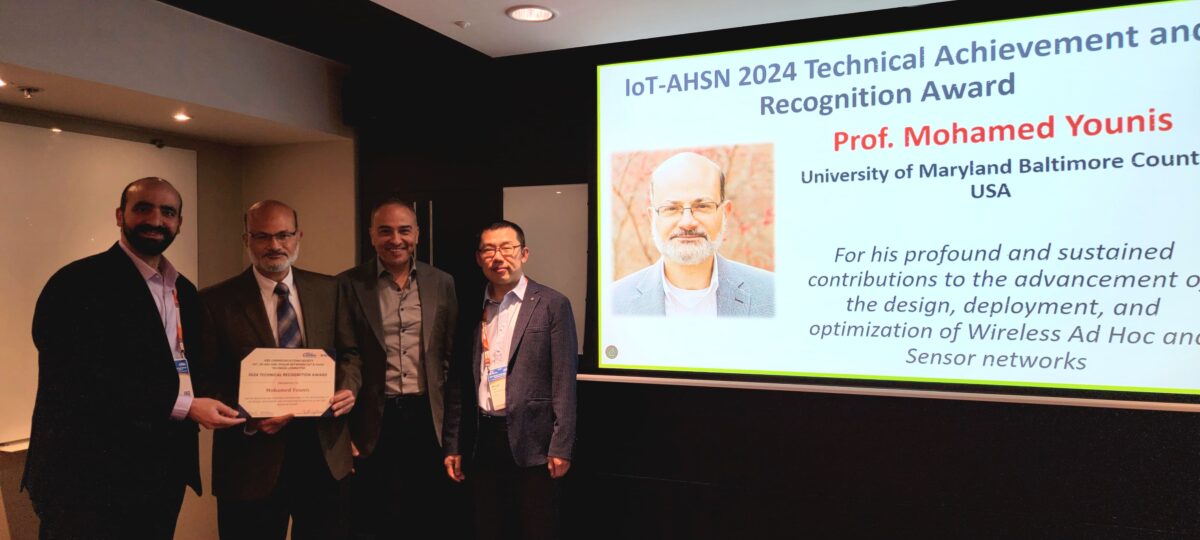
Four men stand in group. One presents a certificate to another. Screen displays slide that reads "IOT-AHSN 2024 Technical Achievement and Recognition Award"
Mohamed Younis (second from left) receives the IoT, Ad Hoc and Sensor Networks 2024 Technical Achievement and Recognition Award at the IEEE Global Communications Conference in South Africa. (Photo courtesy of Younis)

“This award was a surprise to me—it made me happy,” says Younis, who traveled to South Africa to receive it. “It’s a recognition from the community that means a lot.”

UMBC students excel at annual meeting of the American Institute of Chemical Engineers

UMBC chemical engineering students excelled again at the annual meeting of the American Institute of Chemical Engineers (AIChE), held in San Diego this fall. The UMBC ChemE Jeopardy team, led by senior chemical engineering student Colin Jones, claimed third place at the national competition held during the conference; the K – 12 STEM outreach team, led by senior chemical engineering student Jemma Pryzbocki, won the top judges’ award in the high school category for designing a module to teach concepts of heat exchange; and the UMBC AIChE club won a best student chapter award.

The UMBC ChemE car team, which designed a car that starts and stops by chemical reactions, also performed respectably in a competitive field. The team was led by senior chemical engineering student Ben Welling. Several students also received individual recognitions—senior chemical engineering and biochemistry student Pavan Umashankar won a Donald F. & Mildred Topp Othmer Scholarship Award and senior Meredith Morse, chemical engineering, took third place in the student poster session in the food, pharmaceutical, and biotechnology division.

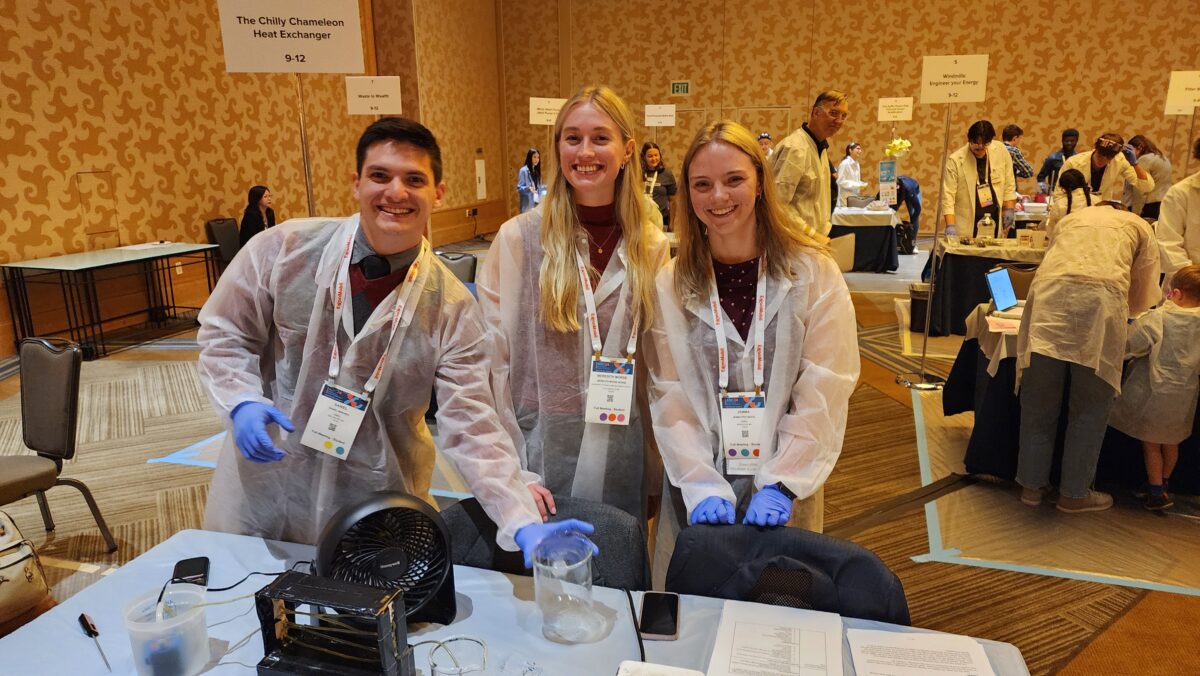
Three students in lab coats stand behind table with beaker, fan, and other equipment.
K – 12 STEM outreach team members (from left to right) Daniel Miranda, Meredith Morse, and Jemma Przybocki demonstrate their teaching module, “The Chilly Chameleon Heat Exchanger.” (Photo courtesy of Neha Raikar)
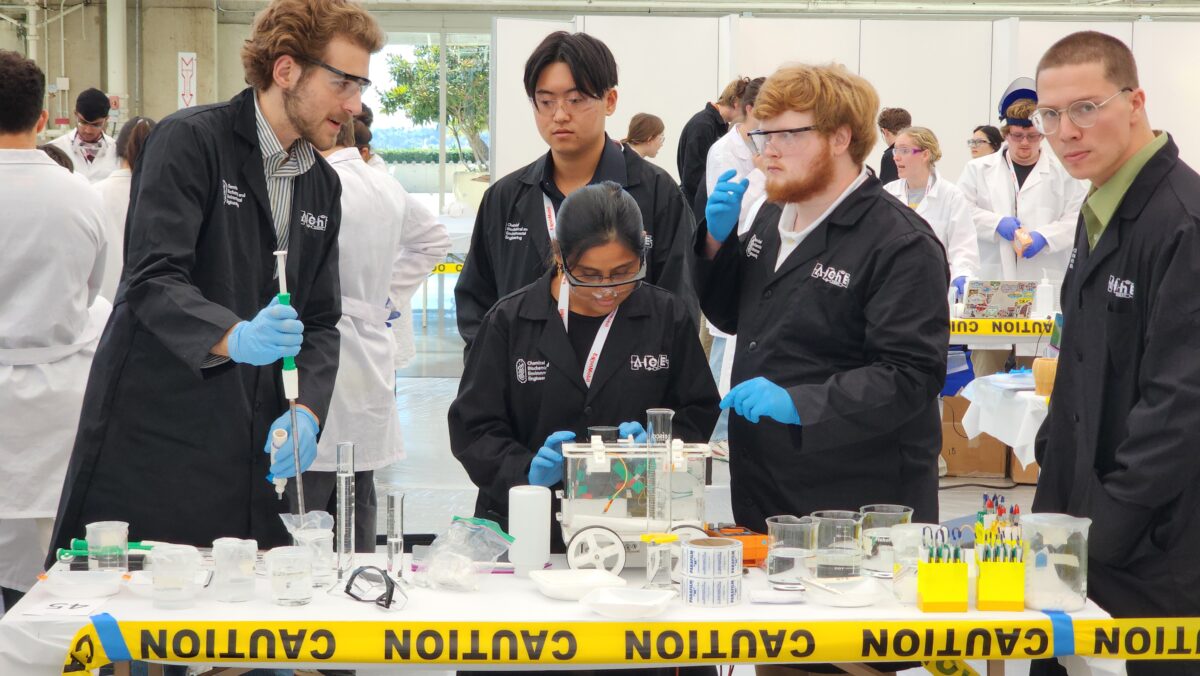
Student in black lab coat work with chemical equipment on a table.
ChemE car team members (from left to right) Ben Welling (team captain), David Ni, Afrah Ahmed, Jacob Craft, and Michael Dinan prepare their car for competition. (Photo courtesy of Neha Raikar)

“The students deserve a big round of applause for all their dedication and hard work,” says Neha Raikar, a senior lecturer in the Department of Chemical, Biochemical, and Environmental Engineering (CBEE) and one of the advisors to the student AIChE chapter. 

“The chemical engineering major demands exceptional attention to detail and hard work,” says Mariajosé Castellanos, another CBEE faculty who advises the AIChE chapter. “It is truly inspiring to see our students consistently apply their skills and make a lasting mark on the national stage!”

UMBC students have achieved impressive AIChE conference success for many years running. The ChemE Jeopardy team has reached the final every year since 2020, and the K – 12 STEM outreach team, which only began competing last year, has won awards at each event. Earlier this year, the UMBC student chapter showed off their growth and talents by hosting a regional meeting of AIChE for the first time.

Four students sit behind buzzers at front table. Audience members sit behind.
ChemE Jeopardy team members (from left to right) Jonathan Wu, Pavan Umashankar, Colin Jones, and Joshua Lewis take their places behind the buzzers. (Photo courtesy of Neha Raikar)

Mechanical engineering professor Weidong Zhu honored for pioneering work analyzing sound and vibration

The elevator in the Shanghai Tower in China can reach speeds of more than 45 miles per hour, whisking passengers up more than 100 floors in under a minute. For elevators this fast and tall, understanding—and ultimately controlling—the vibrations in the cables is key to keeping the ride smooth. It’s a problem that mechanical engineering professor Weidong Zhu has studied, and his analysis of high-speed elevators is just one of the ways his research touches everyday life. His work analyzing sound and vibration also has applications to improving wind turbines, automotive timing belts, and more.

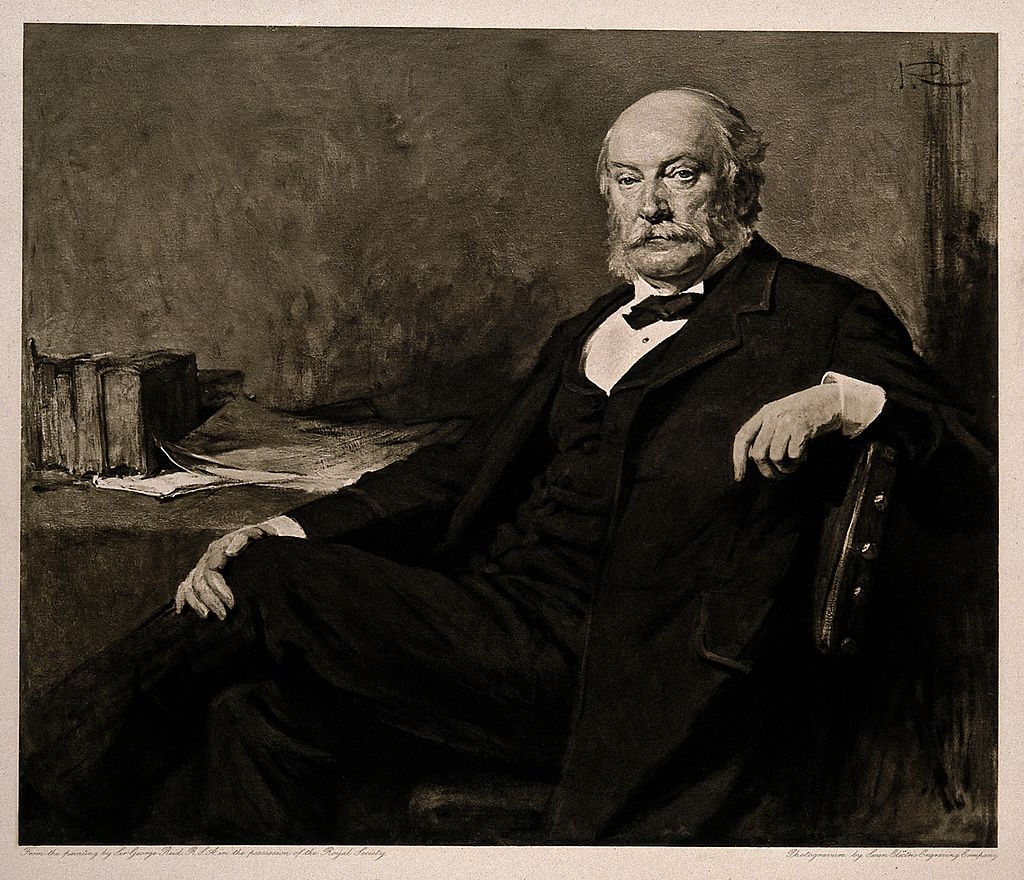
The American Society of Mechanical Engineers recently honored Zhu’s pioneering body of research by selecting him to deliver the Rayleigh Lecture at the society’s annual meeting this November. The lecture is named after British scientist Lord Rayleigh, who, in addition to correctly explaining why the sky is blue and discovering the noble gas argon, wrote a groundbreaking book on the theory of sound. 

Black-and-white picture of a man in formal attire sitting at a desk.
Photogravure of scientist John William Strutt, otherwise known as Lord Rayleigh. (Image credit: Wellcome Library, London, CC BY 4.0)

In his lecture delivered Nov. 20, Zhu presented new methodologies he has developed for analyzing difficult noise and vibration problems. “I’m very honored to give the Rayleigh Lecture,” says Zhu. “It’s a lifetime achievement award and one of the highest recognitions for people doing research in this area.”

Zhu’s impactful research has also been recognized with the 2020 University System of Maryland Board of Regents’ Faculty Award for Excellence in Scholarship, Research, or Creative Activity.