All posts by: Catherine Meyers


From solar energy harvesting to advanced batteries: Cohort of new engineering faculty bolster UMBC’s commitment to Earth-friendly research

This April 22, as the campus community celebrated Earth Day, the feel of spring’s natural reawakening was in the air. Birds chirped from newly leafed trees and students strolled in the bright sunshine. But the pleasant day belied a concerning trend: In Maryland and beyond, the balance of Earth’s life-supporting systems is shifting, driven in large part by the heat-trapping greenhouse gasses we humans send into the atmosphere. The Earth is getting hotter; weather patterns are changing; and ecosystems are under stress. 

“Climate change is pressing us to adopt a more Earth-friendly lifestyle, to develop renewable energy,” says Özgür Çapraz, an associate professor in the department of chemical, biochemical, and environmental engineering at UMBC, who studies advanced battery technologies. Çapraz, who joined UMBC in fall 2023 from a faculty position at Oklahoma State University, was one of three recent faculty hires in the College of Engineering and Information Technology (COEIT) who all specialize in different aspects of sustainability and renewable energy-related research. 

The three hires were part of a COEIT effort to build off recognized strength in the environmental domain, while expanding expertise in important areas such as energy, says Lee Blaney, a professor in the department of chemical, biochemical, and environmental engineering who chaired the search.

The other two hires are Alok Ghanekar, an assistant professor in mechanical engineering, who studies materials that can improve some solar energy harvesting systems, turn waste heat into electricity, and better cool buildings; and Rajasekhar Anguluri, an assistant professor in computer science and electrical engineering, who specializes in the math describing large, complex systems such as the power grid.

The energy conundrum

“Ever since I studied science in high school, I have been interested in energy,” says Ghanekar, who was a postdoctoral researcher at the University of Southern California prior to joining UMBC this spring semester. “Growing up in India, there were regular power outages every week. It is less of a problem now, but energy demand is still growing.” 

Across the world, in many ways, energy consumption drives progress and improves people’s lives. But the burning of fossil fuels to produce much of that energy is increasing the concentration of heat-trapping gasses in the atmosphere. While the exact consequences of this change are uncertain, it’s clear the Earth is warming, and that trend is likely to put extreme pressures on societies in the decades to come.  

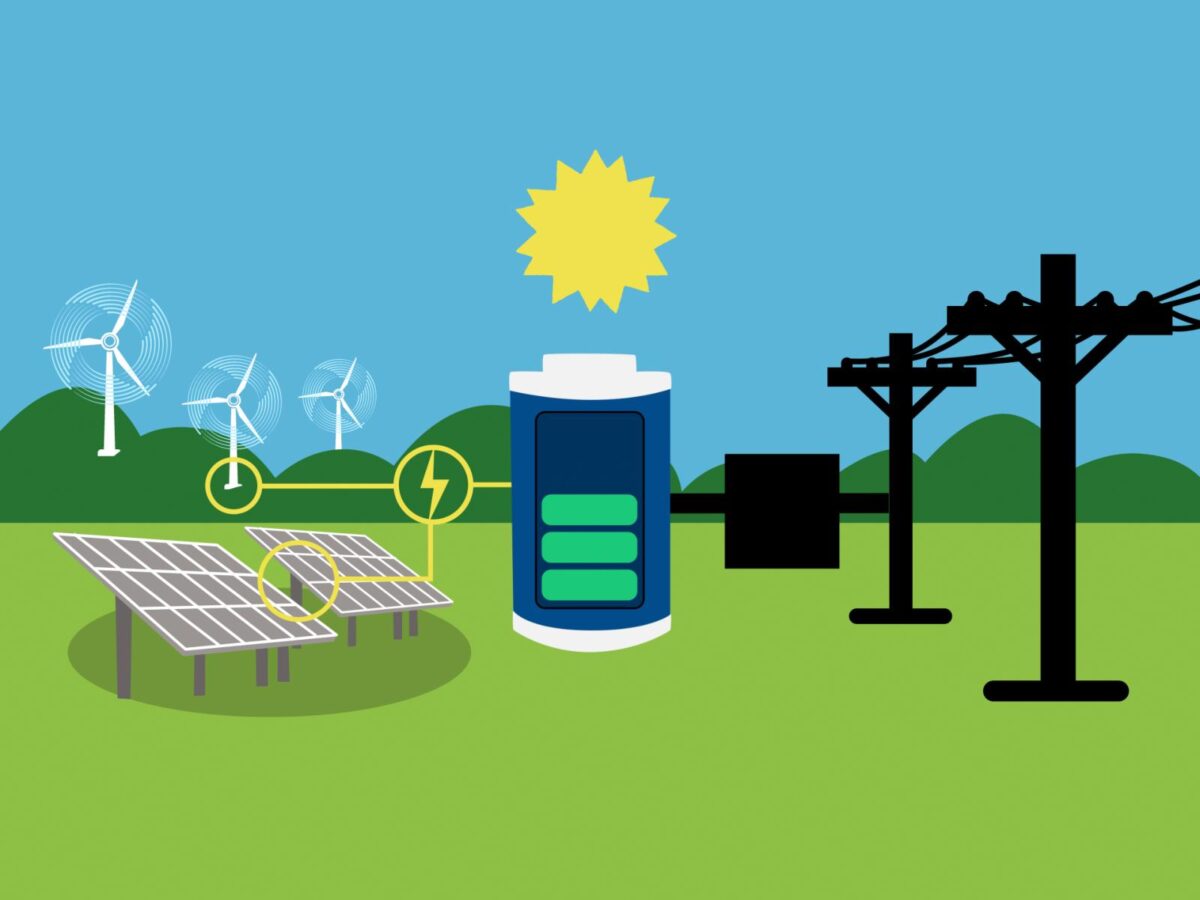
Schematic shows solar panels and wind turbines connected to batteries, connected to the power grid.
To tap intermittent renewable energy sources, we also need to develop solutions for storing and distributing the energy. (Image by Sara Levine | Pacific Northwest National Laboratory)

A big shift toward clean and renewable sources of energy could be part of the solution. Each of the new hires’ research touches this goal in some ways. In Ghanekar’s case, he studies human-designed materials called metamaterials that, among other potential uses, might one day help significantly increase the amount of energy from the sun that we are able to efficiently turn into electricity.

Getting more energy from the sun could help reduce greenhouse gas emissions, but since the sun doesn’t always shine, we also need ways to store that energy (perhaps with new battery technologies, the expertise of Çapraz) and ways to share that energy on the power grid without disrupting its delicate balance (a challenge that Anguluri has explored). 

As academic researchers, they operate at the frontiers of knowledge, asking and seeking to answer fundamental questions that could push the technology forward: How exactly do batteries with new chemistries work, for example, or why does a material degrade over time? Anguluri’s math expertise spans a range of engineering disciplines. He and Ghanekar have already talked about collaborating to mathematically model the behavior of Ghanekar’s metamaterials.

No scientific “Eureka!” moment or technical advance by itself is likely to be a panacea to a problem as complex as global warming, but these incremental steps do offer people more tools.

 “As scholars, we like to think, to solve interesting problems,” says Anguluri, who was a postdoc at Arizona State University before arriving at UMBC this year. “As citizens of the world, we must also look at our values and make wise choices.”

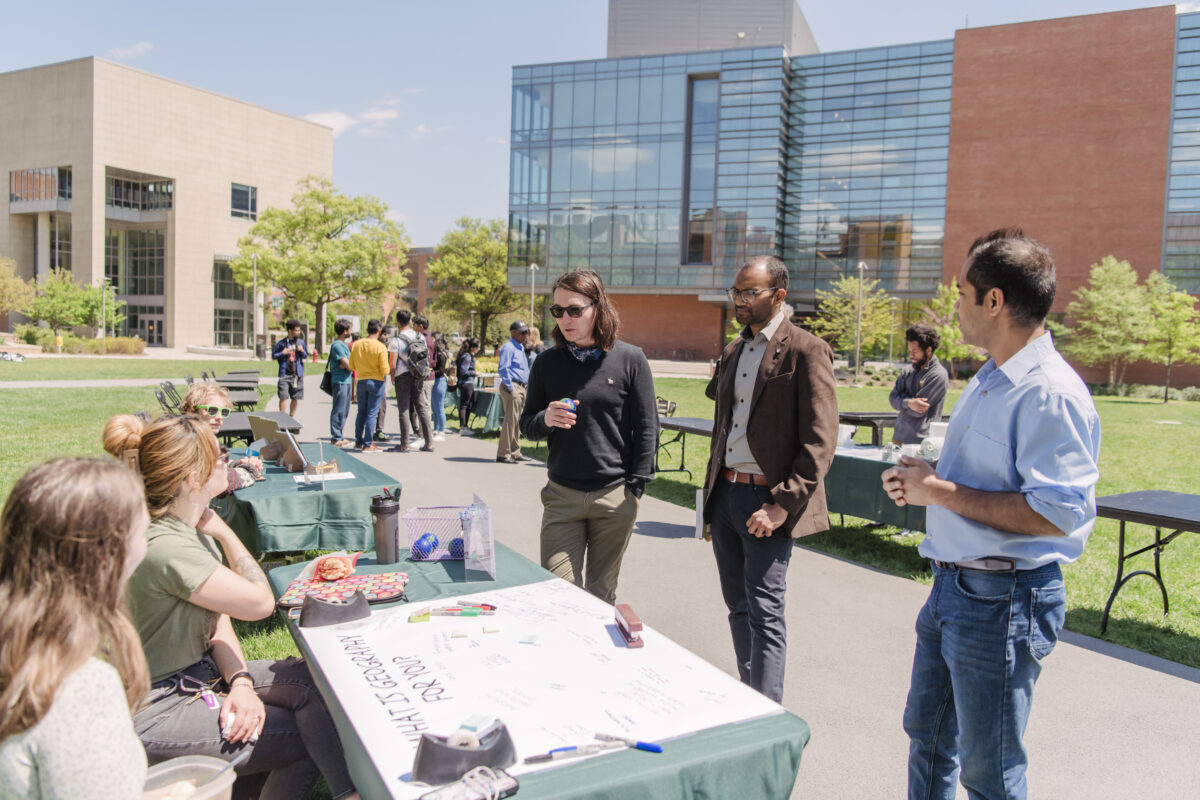
Tables line walkway, with grass on either side and buildings in the distance. Standing groups of people chat with others seated behind the tables.
Çapraz, Anguluri, and Ghanekar chat with community members at the Earth Day Community Day event celebrating UMBC environmental research.(Marlayna Demond ’11/UMBC)

Building on a long-standing commitment

Studying people’s impact on the Earth, and working to mitigate environmental harms, is nothing new for researchers at UMBC. 

The university boasts multiple research centers that advance environmental research, from the Center for Urban Environmental Research and Education to the Institute for Harnessing Data and Model Revolution in the Polar Regions. The university also has long-standing partnerships with NASA to develop new technology for environmental remote sensing. 

Çapraz, Ghanekar, and Anguluri will join faculty at the university who study sustainable aquaculture, wildfire smoke, water and sediment pollution, fusion energy, and more. 

“Sustainability research is an area of strength in COEIT,” says Vandana Janeja, the associate dean for research and faculty development in COEIT. “Now there’s a new sense of urgency about it and our recent hires are a testament to that.” 

“Climate change is an issue that so many of our students are tapped into,” adds Blaney. “They’re really worried about the impacts of climate change and want to do something to address this global challenge.”

As the new UMBC faculty launch research projects and expand their labs, there will be growing opportunities for interested students to learn about and join their important work. And that’s good news, because as the Earth Day festivities on campus showcased, safeguarding our shared home is a duty shared by all of us.

COEIT convenes inaugural research day to encourage interdisciplinary collaborations

On April 19, more than 150 people gathered for the inaugural College of Engineering and Information Technology (COEIT) Research Day. The event was an opportunity for faculty and students to showcase their research and forge interdisciplinary collaborations, including with potential industry partners in attendance. Close to 100 COEIT researchers presented work, either in talks during four concurrent morning sessions or in the afternoon poster session. 

“We are asking you to see how you can get together and solve major societal problems,” said Anupam Joshi, acting dean of COEIT, in opening remarks. 

To incentivize such collaboration, COEIT is offering funding to teams that propose projects involving researchers from two or more of the colleges’ departments. 

“The day was very well attended and several folks made new connections across departments in COEIT,” said Vandana Janeja, the associate dean for research and faculty development in COEIT. “I am already seeing a lot of interest in the interdisciplinary proposals.” 

For Tasnim Nishat Islam, a Ph.D student in computer engineering, the day was a great chance to share her work and engage with other researchers. Islam presented a poster about research she is conducting with Mohamed Younis, computer science and electrical engineering, investigating ways to measure mental stress. “I’ve already connected with others who study similar ideas,” she said.

UMBC joins BRAIN Center to advance innovations in neurotechnologies

Ramana Vinjamuri, associate professor in computer science and electrical engineering, recently received funding from the National Science Foundation (NSF) to support UMBC’s participation in a industry-university cooperative research center aiming to improve how we diagnose and treat people with conditions such as neurological disorders, brain injury, mental illness, limb loss, and paralysis. The center, called BRAIN (Building Reliable Advances and Innovations in Neurotechnology), brings together partners from academia, industry, and the regulatory and clinical communities to develop safe, effective, and affordable personalized neurotechnologies.

The need for such technologies is driven by an increase in survivable trauma and an aging population, Vinjamuri says. However, several challenges are holding back progress, including costly equipment, lagging standards for verifying the safety, efficacy, and reliability of devices, and an undersupply of physicians and engineers trained in emerging technologies.  

The BRAIN Center aims to tackle these challenges by bringing together experts in a wide range of topics, from neural, cognitive, and rehabilitation engineering to neurorobotics, neuromodulation, and ethical artificial intelligence. As an Industry–University Cooperative Research Center (I/UCRC), it emphasizes academic research conducted jointly with innovative industry partners, and UMBC’s location will facilitate cooperation with northeast-based biomedical companies.

“BRAIN will become a neurotechnology hub by creating a pipeline from discoveries to solutions, while helping students, scientists, and engineers solve one of the greatest unmet medical and healthcare needs of our time,” Vinjamuri says. 

UMBC’s participation will expand the center’s research into new areas such as artificial intelligence, neural signal processing, cyber-human systems, human-centered computing, neural imaging and stimulation, and virtual/augmented/mixed reality. Other UMBC researchers who will contribute to the center’s activities include Tulay Adali, Nilanjan Banerjee, Fow-sen Choa, Don Engel, Seung-Jun Kim, and Charles Nicholas. BRAIN is the second I/UCRC at UMBC, joining the Center for Accelerated Real Time Analytics (CARTA), which recently received a second round of funding.

Hundreds of East Coast chemical engineering students to gather at UMBC for regional conference

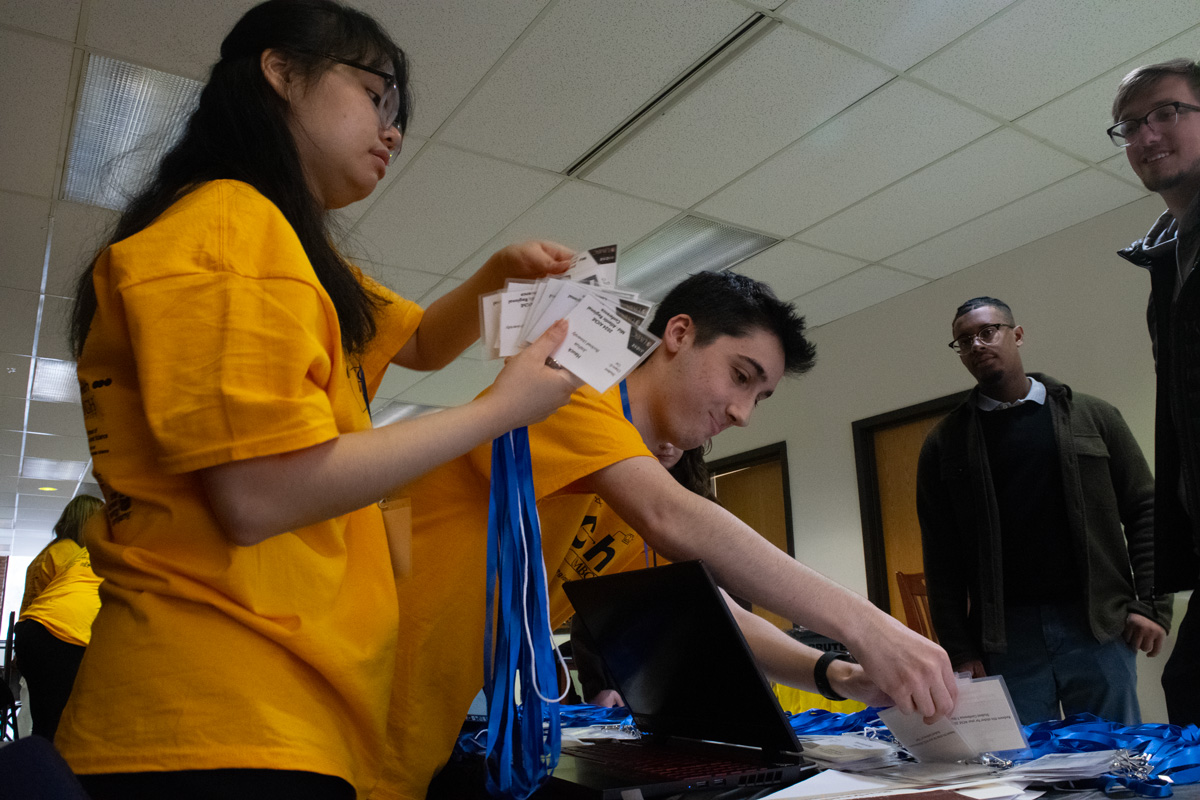
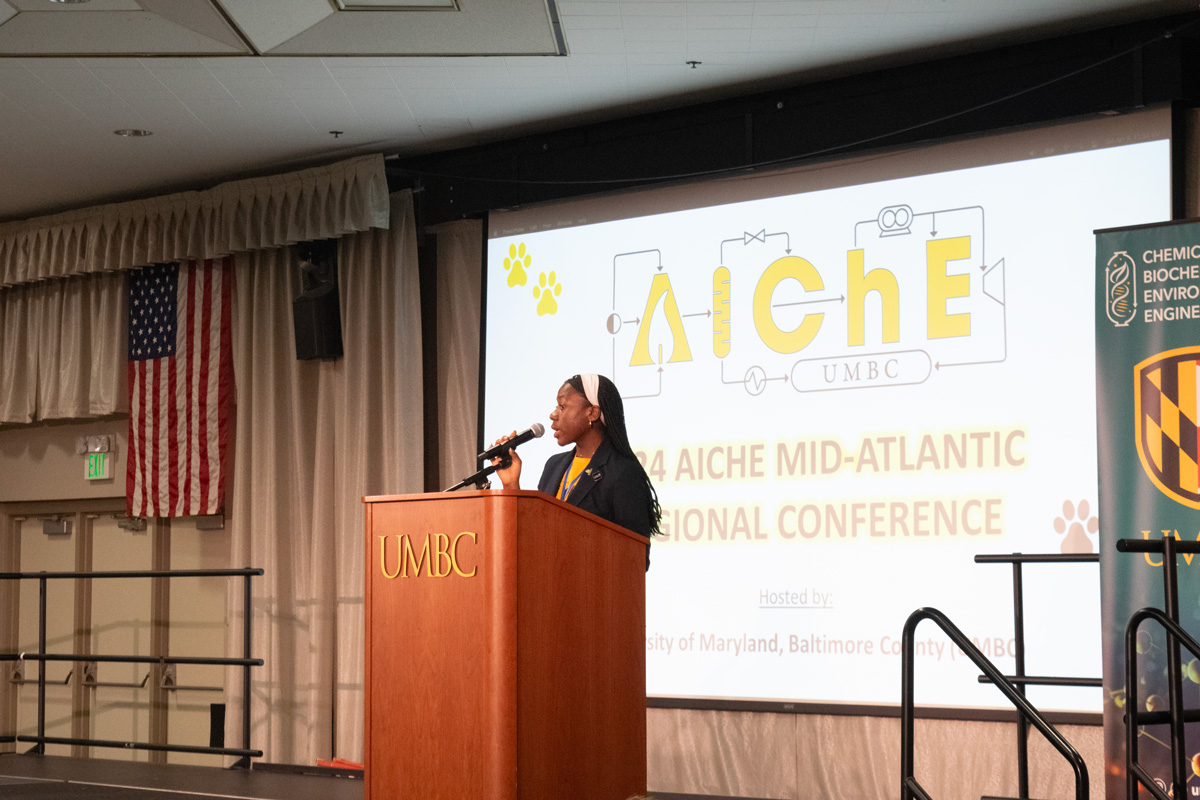
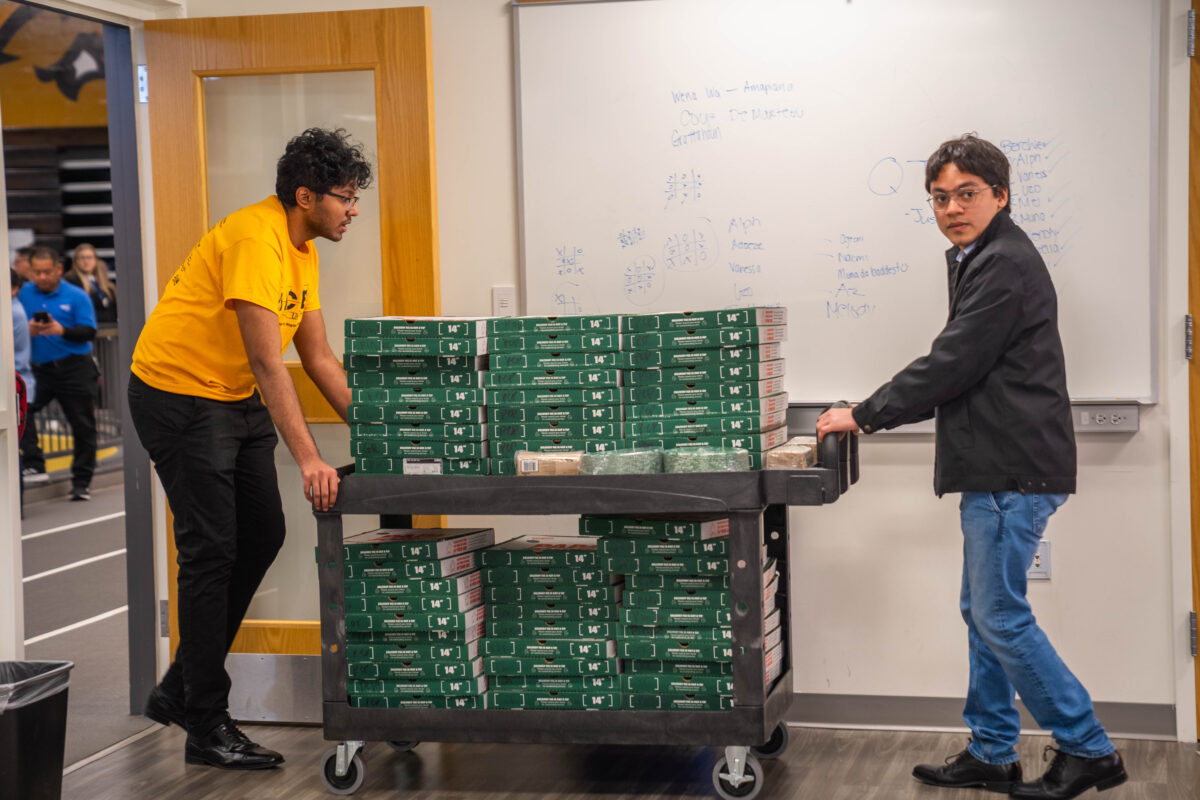
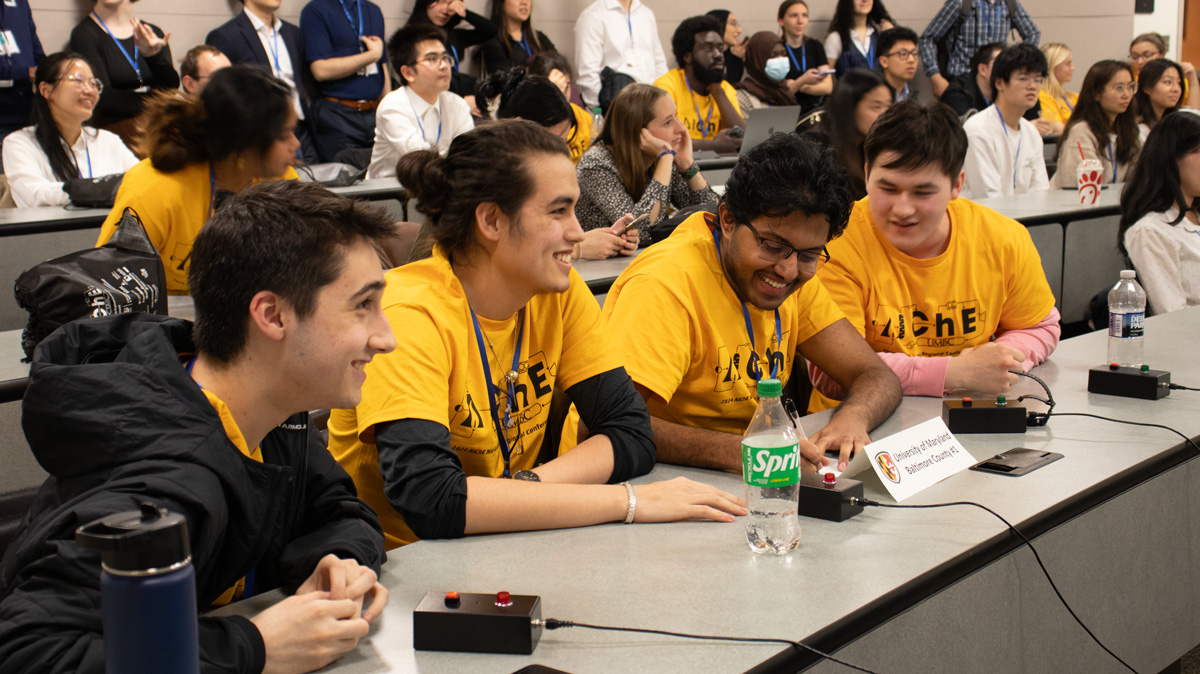
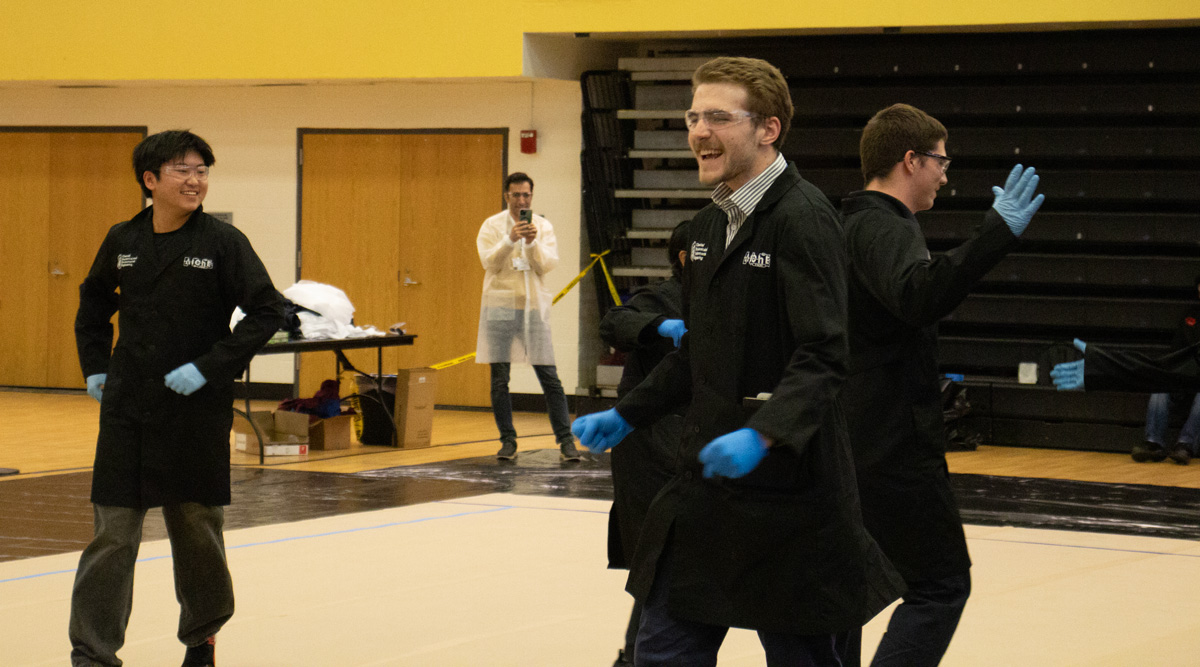
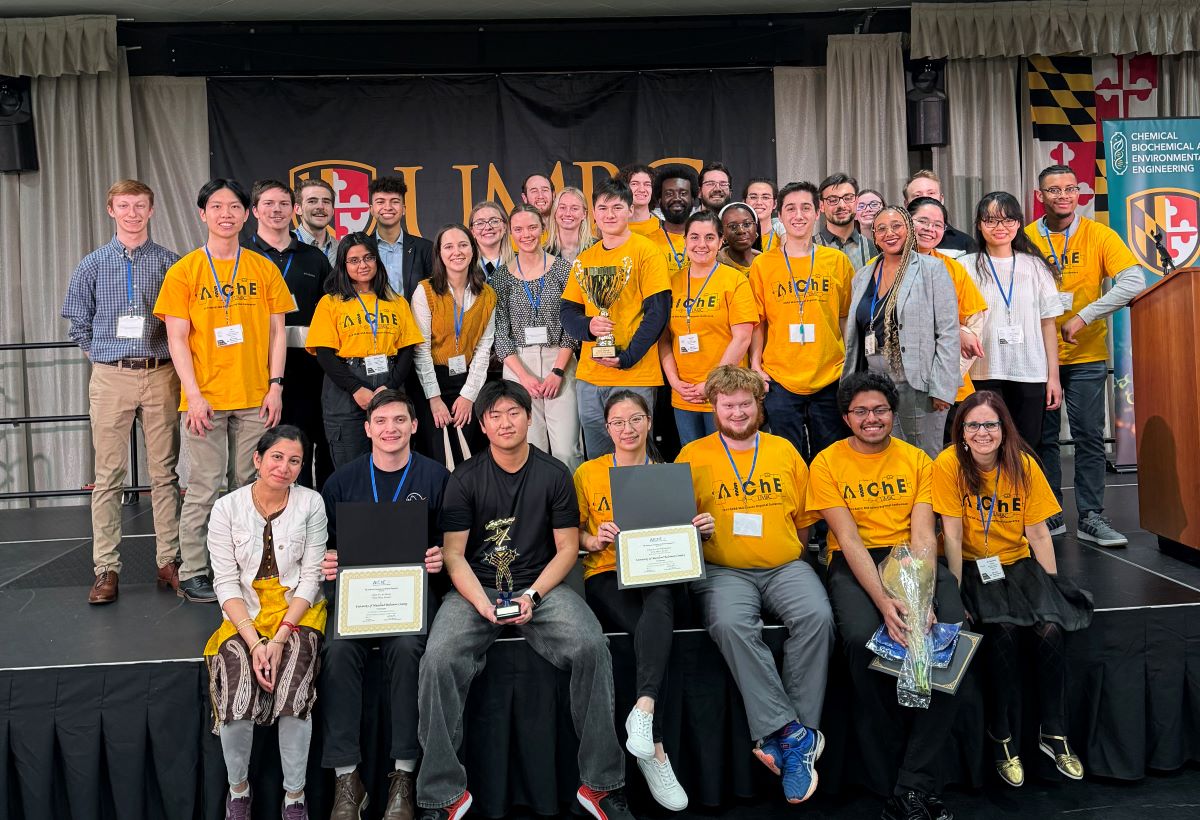
Over the weekend of April 6 – 7, the UMBC student chapter of the American Institute of Chemical Engineers (AIChE) will host the 2024 Mid-Atlantic Regional Conference on campus. The event will feature workshops, research presentations, and a career fair with companies such as AstraZeneca and Astek Diagnostics and schools including Johns Hopkins University, Rutgers University, the University of Delaware, and Lehigh University. It will also feature the conferences’ two signature competitive events: Chemical Engineering Jeopardy and ChemE Car—a competition to build and operate a car powered and stopped by chemical reactions.


Organizers expect more than 350 attendees from more than 30 universities across the region. UMBC students are encouraged to register to attend, even if they aren’t chemical engineering majors. “As the premier student chemical engineering conference in the region, this event will offer great opportunities for networking, presenting research, landing internships and jobs, and general professional development,” says Terra Miley ’25, chemical engineering, who is serving as the communications chair for the student organizing committee.

UMBC faculty share knowledge and passion during Diversity in Cybersecurity, Brunei event

Over two weeks at the end of January, six UMBC faculty woke up early to deliver lectures and lead workshops with students more than 9,000 miles away, in the small Asian nation of Brunei, located on the island of Borneo. The online talks were part of the Diversity in Cybersecurity, Brunei conference, organized jointly by Edah Hasnal, an advocate for gender diversity in the tech sector in Brunei, and Carolyn Seaman, director of the Center for Women in Technology (CWIT) at UMBC.

The idea for the conference was born out of an internship that Hasnal completed with Seaman in the fall of 2021 through the Young Southeast Asian Leaders Initiative, a U.S. State Department-funded leadership development program. During the internship, which was conducted remotely due to the COVID-19 pandemic, Hasnal created a series of short videos highlighting tech workers in Brunei. She also worked with Seaman to propose a follow-up project that ultimately turned into the Diversity in Cybersecurity, Brunei conference.

The goal of the conference was to share cybersecurity concepts and career paths with women interested in the tech sector. Out of around 50 applicants, the organizers picked 10 women with varying backgrounds. 

“We wanted to keep the conference relatively small, so that we could connect the participants with further opportunities,” Hasnal says. She says she was inspired by the stories of the women who attended, including a woman who worked as a cleaner while pursuing a tech education. Hasnal also says that Brunei is working to diversify its economy, and she sees the tech sector as a natural area of growth. 

Seaman recruited speakers from across UMBC to join the conference virtually and share their cybersecurity knowledge with attendees. Karuna Joshi, information systems, Deborah Kariuki, education, Christine Mallinson, language, literacy, and culture, Vandana Janeja, information systems, and Sreedevi Sampath, information systems, gave talks on topics ranging from cloud computing security to AI deepfake detection.

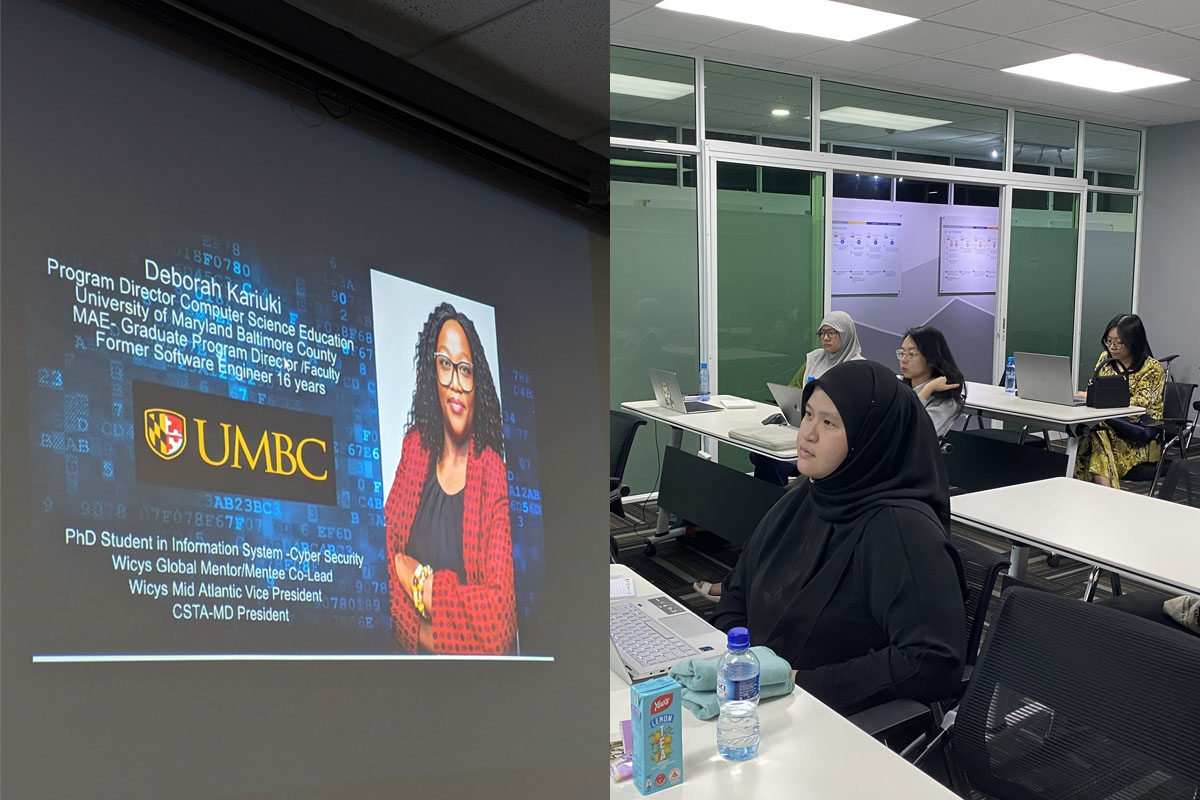
On left, a slide presents UMBC speaker information. On right, participants in the conference listen to a presentation.
On left, a slide introduces UMBC speaker Deborah Kariuki. On right, conference participants listen to a presentation. (Photos courtesy of Edah Hasnal)

“The great thing about having women trainers who come from different backgrounds was that it was both insightful and inspiring for us all,” Hasnal says. 

It was wonderful to have CWIT’s reach extend so far through participation in the conference, Seaman says. “We’ve been dedicated to increasing gender parity in the tech industry, and we could see that many of the same issues and same goals we have are shared by people on the opposite side of the world.”

UMBC fusion researchers get TV spotlight at world’s largest physics meeting

The American Physical Society, an influential professional society founded in 1899 to “advance and diffuse the knowledge of physics,” is highlighting the fusion research of UMBC’s Carlos Romero-Talamás at its largest annual meeting, held March 3 – 8 in Minneapolis this year. A short film showcasing Romero-Talamás and colleagues’ work on a relatively simple and cheap approach to fusion power will be broadcast on APS TV, a channel that plays on screens around the meeting venue, in selected local hotels on dedicated TV channels, on the virtual meeting platform, and on YouTube.

Fusion, which is the reaction that powers stars, releases enormous amounts of energy when light atomic nuclei combine to form heavier ones. Initiating, sustaining, and controlling the process in a way that allows humans to generate clean, safe, and near limitless commercial power has long been a goal in the physics community and beyond. The film, created by the international film and broadcasting company WebsEdge, brings viewers into the lab where Romero-Talamás, alongside colleagues and students from UMBC and the University of Maryland, College Park, are questing to bring this celestial energy down to Earth.

Romero-Talamás’s group is exploring a promising alternative to traditional fusion power approaches, using equipment that is smaller, cheaper, and more simple to operate. The group’s current experiments are going well, and they are working to attract public and private investment to build a next-generation machine that could be fitted to produce more power than it takes to run, a key milestone on the road to commercial fusion power.

“The APS March Meeting is an opportunity to connect and promote our research with the largest physics audience in the world,” Romero-Talamás says. The video aligns with the lab’s work to raise their visibility and attract additional students and researchers interested in fusion energy. “At the levels of effort that we will require for the next step in our quest for fusion energy, we will need to grow quickly,” Romero-Talamás says.


Learn more about fusion research at UMBC in this interview with Carlos Romero-Talamás and in his GRIT-X talk.

National Institutes of Environmental Health Sciences highlight Professor Upal Ghosh’s work cleaning contaminated waterways

The positive environmental and health impacts of work led by Upal Ghosh, professor of chemical, biochemical, and environmental engineering at UMBC, was recently highlighted by the National Institutes of Environmental Health Sciences (NIEHS). The agency showcased a low-cost technology that Ghosh and his colleagues developed to clean waterways contaminated with polychlorinated biphenyls (PCBs), a group of likely carcinogenic chemicals that were used in insulation, coolants, and electrical equipment for decades before being banned in the U.S. in 1979. 

The chemicals are stable and persist in the environment, often accumulating in fish that live in contaminated waterways and posing a risk to humans who consume those fish. NIEHS funded Ghosh’s research into using activated carbon pellets to bind the chemicals in place at the bottom of the waterways. This prevents the PCBs from circulating through the aquatic food chain. In projects carried out in contaminated lakes, rivers, and harbors in Delaware, Maryland, and elsewhere, Ghosh’s team demonstrated that the technique could significantly reduce the concentration of PCBs in the water and in aquatic lifeforms. Importantly, the technique is also significantly cheaper than standard clean-up approaches, such as dredging and disposing of contaminated sediment. 

In related work performed with Kevin Sowers, from the Institute of Marine and Environmental Technology, Ghosh’s team also developed a way to combine the activated carbon with microbes that break down PCBs, reducing their toxicity.

With NIEHS support, Ghosh has co-founded two companies—Sediment Solutions and RemBac—to commercialize the technology and deploy it at full-scale to clean up contaminated sites across the country, such as at Mirror Lake in Delaware.

“The technology brings together innovations in material science and biology,” says Ghosh. It’s an honor, he says, that the NIEHS, the leading agency in the country that funds research on public health and the environment, recognized “the real impact our research is having on improving public health.”

Professor Curtis Menyuk honored for pioneering work that helped transform global telecommunications

Curtis Menyuk, professor of computer science and electrical engineering at UMBC, has won the 2024 SPIE G.G. Stokes Award in Optical Polarization. The award honors Menyuk’s pioneering work in the 1980’s developing equations to describe how light propagates through optical fibers, as well as his ongoing contributions to the fields of optics and photonics.

The fast and reliable internet we enjoy today would not be possible without the fundamental work that Menyuk and his colleagues performed decades ago. Modern global telecommunication systems are built on backbones of optical fiber, and the rate of information flow through the fibers is limited by physical phenomena that affect the way light spreads. Over time and distance, these phenomena can turn a crisp signal into indecipherable garbage, and so optical communication system engineers must account for them in their designs. 

Menyuk developed equations that allow engineers to effectively model optical communication, most importantly by being the first equations to incorporate the effects of a property of light called its polarization. (Light travels as an oscillating electric field coupled to an oscillating magnetic field, and the direction of the electric field determines the polarization.) 

One consequence of the equations was the realization that spinning optical fiber can minimize signal distortion. 

“Curtis is a renowned pioneer in the field of optical communications, and over the years I witnessed the tremendous impact of his group’s work on the telecom industry, photonic technologies, and the field of optics in general,” says DEVCOM Army Research Laboratory physicist Michael Brodsky in a news story from SPIE announcing the award. 

For his part, Menyuk credits much of the impact of his work to his successful collaborations with colleagues and students. “It’s what comes from working with good people,” he says.

U.S. News ranks UMBC’s online master’s in information systems among best in the nation

U.S. News and World Report has recognized UMBC’s online master’s degree in information systems as #34 on their national list of 2024 Best Online Master’s in Information Technology Programs. The program moved up seven spots from last year’s ranking. 

The U.S. News rankings evaluate programs based on qualities such as strong faculty credentials, a good reputation among peer institutions, and the opportunity for students to use diverse online learning tools and engage with their instructors and classmates.

In response to surging interest in artificial intelligence, this year the UMBC program added a new class on AI fundamentals. AI is also one of four program tracks that students can choose to tailor their degree to their career goals. The other tracks are cybersecurity, data science, and user experience. 

Recently, the program also launched five certificates, which students can pursue on their way to a master’s degree, or as a stand-alone credential. 

In September, in honor of national online learning day, the information systems department interviewed the new graduate program director for the online master’s program, Jimmy Foulds, an associate professor in information systems at UMBC. 

Below is a lightly edited version of the interview, which touches on trends in information technology, and the advantages of UMBC’s brand of education.


Man stands in front of brick building, looks at camera.
Jimmy Foulds (Marlayna Demond ’11/UMBC)

Information Systems: Can you shed light on some of the biggest trends, milestones, and challenges shaping online programs right now? 

Jimmy Foulds: With the rapid advancement of artificial intelligence in recent years, the field is coming to the point where we need to take stock of the impacts of AI and other computing technologies in our world, both good and bad, and to better account for humans in the design of computerized systems. Large language models such as ChatGPT are poised to both make our lives easier and to possibly tip over the apple cart of the entire workforce. More than ever, there is a need for skilled computing professionals. Online programs, such as the online M.S. at UMBC, provide a flexible opportunity to advance your knowledge and get ahead in your career while keeping up to date with the rapidly changing computing landscape.

Information Systems: In thinking about these advantages and trends, what are some of your immediate and long-term goals for the program?

Jimmy Foulds: In the short-term, we are increasing our (already broad) AI course offerings, including a new AI course that I will teach myself next semester. We have also recently created program tracks that allow students to specialize in the cutting-edge areas of artificial intelligence, cybersecurity, data science, and user experience. In a new addition to our program, you can now earn certificates in these areas, as well as the foundations of information systems, without committing to completing a full master’s degree, which provides more flexibility.

In the long-term, as more computing professionals look to upskill themselves, we want to grow the program to reach more students, while maintaining the rigor and high quality of instruction that our students have come to expect. I will not compromise on that.

Information Systems: As online options become more prevalent and important among universities, and students wanting even more online options, how do you address the concerns of those that may still be skeptical of online learning?

Jimmy Foulds: I understand the concerns, as there are some programs out there that give online learning a bad name in the eyes of some prospective students. The UMBC online M.S. is not one of those programs. We have exceptional instructors in our program, including many of the tenure track faculty in the department who are leading experts in their fields, as well as highly experienced lecturers and professors of the practice (i.e., professors who specialize in teaching) with doctoral qualifications. UMBC has a reputation for teaching excellence and is a national leader in student-centered learning. Regarding the expertise of our faculty, the university is renowned as a doctoral university with very high research activity under the Carnegie Classification system, commonly known as an R1 institution. The courses offered in our online M.S. program aim to fulfill the full educational experience of our on-campus offerings.

Information Systems: Your research interests are in the area of socially conscious machine learning and artificial intelligence. How does your work aim to improve AI’s role in society regarding fairness and privacy?

Jimmy Foulds: Data-driven artificial intelligence systems now make many decisions that impact our lives, both big and small, from what restaurant we are recommended to try, to whether we get access to medical care, to whether we get offered a job interview. While it’s easy to think of data as being inherently objective and algorithms as being neutral and unprejudiced, the reality is that data reflects bias and inequity in our society, even if it were perfectly representative of the population, which is far from guaranteed. Bias in data leads to bias in algorithms, and to biased, unfair decisions by AI systems. In my research, I aim to help combat AI bias, and I try to shift the field toward taking a more human-centered perspective on the design of these systems. I have also worked on privacy-preserving machine learning algorithms, protecting users from having their personal data leaked by the algorithms themselves.

Information Systems: With your expertise in artificial intelligence and AI being a specialization in the M.S. online program, how will you be expanding the student experience for those interested in this path?

Jimmy Foulds: I am teaching a new introductory course on artificial intelligence that covers high-demand skills sought after by companies in both the public and private sector, including search, constraint satisfaction, and reinforcement learning. The course also covers reasoning and decision-making via propositional logic, probability, and Bayesian networks. As the incoming graduate program director, together with our faculty and staff, I also plan to take a close look at our curricula and see if and where we can make any improvements to take our course offerings to the next level.

Information Systems: The program just launched five new certificates, AI, cybersecurity, data science, UX design and foundations of information systems, all available 100 percent online. What are the advantages of a certificate versus the full master’s degree?

Jimmy Foulds: I am excited about our new certificate programs as they provide students with the opportunity to upskill themselves in a specific area and get recognition from employers without having to invest in completing a full master’s program. Flexibility is what online learning programs are all about, so these certificates are a welcome addition. Students can take up to two certificates concurrently. If they choose to go further, building on their certificate studies they may enroll in and finish an M.S. degree. Our online M.S. degree students can also earn these certificates along the way to their master’s degrees if they so desire. The freedom that the certificates offer to students is really empowering, and is much needed as it allows students to adapt their educational goals to fit into their busy lives.

Mechanical engineering professor Timmie Topoleski honored for his service to the Society for Biomaterials

Timmie Topoleski, professor of mechanical engineering at UMBC, has received the 2024 Society for Biomaterials Award for Service, which honors individuals who have devoted significant time and energy to advancing the goals of the professional society.

The Society for Biomaterials brings together professionals from academia, government, and business to promote advancements in biomaterials science, education, and professional standards to enhance human health and quality of life.

“I do not know anyone for whom “Service” is written in their DNA as it is for Tim,” said Paul Ducheyne, a professor of bioengineering at the University of Pennsylvania who nominated Topoleski for the award and is quoted in a society press release

Topoleski has served on and chaired many Society for Biomaterials committees and has taken on leadership positions for many years. His own research has focused on understanding the behavior of a range of biomaterials, from the harmful plaques that can build up in people’s arteries, to the metal, ceramic, and cement used in joint replacements. The work may lead to better ways to diagnose and treat diseases such as arthritis and heart disease.  

“I enjoy working to make the Society for Biomaterials a society that serves the needs of our members and provides a forum for the exchange of the latest developments in our biomaterials research,” Topoleski says. “It is an honor and very humbling to be in the company of those who previously received the award.”

UMBC manufacturing research center gets boost from new partnership with U.S. Army

The Center for Research in Emergent Manufacturing (CREM), which started as the ambitious idea of two UMBC researchers in 2019, is launching a major new project with the U.S. Army and other partners this year. UMBC has received an initial amount of more than $3 million to fund the first year of the project, which will investigate ways to digitize the army’s supply chain.

CREM is led by director Nilanjan Banerjee, professor of computer science and electrical engineering, and associate director Donna Ruginski, associate vice president for center development in the Office of Research and Creative Achievement at UMBC. It aims to help manufacturers reap the benefits, and manage the risks, of new manufacturing approaches increasingly centered around computer systems—a concept known as digital manufacturing.

Since its founding, the center has already established programs to educate manufacturing professionals in cybersecurity. The new project will significantly advance the center’s research activities and impact. 

“The partnership with the army is an important step in our evolution as a research center. We will be working on cutting edge problems for the Army in the areas of digitization,” says Banerjee.

“We’re new and full of energy,” says Ruginski. “I’m confident we’ll make a difference.”  

From spinning jennies to generative AI

Manufacturing has come a long way since the 18th-century textile industry was revolutionized by the invention of machines such as spinning jennies, which greatly increased the amount of thread a single worker could produce. Since then, new technologies, such as the electric grid in the early 20th century and computers in the mid-century, brought further waves of change to the way goods are made.

On a modern factory floor, robots and their computer control systems increasingly take the place of humans in the assembly process, and the future of manufacturing will likely be even more automated and digitized than it is today. Companies are increasingly turning to new technologies such as smart sensors, AI, cloud computing, and advanced analytics to increase the flexibility, resilience, and efficiency of their operations. This transformation—called industry 4.0—holds enormous promise to improve living standards by increasing productivity, but it also comes with some perils, including vulnerability to cyberattacks.

Robot arm and electronic equipment.
Equipment in the operations technology cyber range. (Marlayna Demond ’11/UMBC)

Training and research

UMBC aims to help manufacturers navigate the industry 4.0 shift. Part of that mission will be to educate future workers in digital manufacturing, be they UMBC students or working professionals looking to expand their skill set.

In 2020, under the auspices of CREM, Banerjee and Ruginski launched the Cybersecurity for Manufacturing Operational Technology (CyMOT) program to train manufacturing professionals in best practices for preventing cyberattacks on manufacturing operations. Through the program, CREM has educated more than 300 manufacturers from small and medium-sized businesses.  

“The manufacturing sector has suffered a number of cyberattacks recently, so it’s important to make sure people in the sector are trained in cybersecurity,” says Banerjee.  

CREM also hosts a state-of-the-art cybersecurity training and research facility, called a cyber range, specifically focused on digital manufacturing technology—one of only a few in the country. In the coming months, the cyber range will move to a new and dedicated location on the UMBC campus.

“The research and training efforts conducted by CREM under Dr. Banerjee’s leadership have wide-ranging consequences,” says Karl Steiner, the vice president for research and creative achievement at UMBC. “As digital manufacturing rapidly becomes a national and global standard, it is critical to develop adaptive cybersecurity strategies and protocols to secure the global supply pipeline. I am delighted that CREM is supported through one of three major research partnerships that UMBC developed in recent years with the U.S. Army.”

UMBC joins national effort to improve pathways for women of color in tech

Earlier this month, UMBC joined dozens of other founding institutions at the kick-off meeting of a newly launched initiative to ensure sustained resources and opportunities in tech fields for women of color.

The effort, called the Action Collaborative on Transforming Trajectories for Women of Color in Tech, is organized by the National Academies of Science, Engineering, and Medicine and guided by the findings and recommendations detailed in a 2022 National Academies report. According to the report, while women of color make up a substantial and growing percentage of the female population in the United States, they earn a small percentage of computing degrees, and remain significantly underrepresented in the tech workforce.

UMBC has a history of success running programs, such the nationally recognized Meyerhoff Scholars Program and the Center for Women in Technology, that work to advance equity and inclusion and increase diversity among future leaders in science, technology, engineering, and related fields.

“Tech jobs are a vital part of our society,” says Anupam Joshi, the acting dean of the College of Engineering and Information Technology at UMBC. “We need to tap the entire talent base of the country to fill these jobs.” 

UMBC’s efforts as part of the action collaborative will be a continuation of the university’s commitment to supporting students from underrepresented groups as they pursue technical education, he says. “UMBC has a solid foundation that we can build on.”

The action collaborative will offer participating institutions—representing higher education, national laboratories, and government—a platform to exchange ideas and promising practices for increasing the recruitment, retention, and advancement in tech fields of women who identify as African American, Black, Hispanic, Latina, Native American, Asian American, Alaska Native, Native Hawaiian, or Pacific Islander. 

The action collaborative’s member institutions will collaborate over the coming four years to share novel, promising, and evidence-based practices, discuss and advance research priorities, share data collection practices, and more.

“This initiative will require dedication and collaboration from all of us,” said National Academy of Sciences President Marcia McNutt, in a press release. “We are committed to facilitating research, collaboration, and action that reflect the representation and lived experiences of women of color, in hopes of driving substantial change in the tech and engineering ecosystem.”

More information can be found on the action collaborative’s website.