Jianwu Wang, assistant professor of information systems, is the most recent UMBC faculty member to receive a prestigious CAREER Award from the National Science Foundation (NSF). Wang’s NSF grant totals more than $500,000 over five years. It will support his work to develop more efficient and reproducible causality analytics for use in climate science.
Understanding cause and effect is fundamental to research in many disciplines. There are some unique challenges in using climate data to discover cause-effect relationships. Wang explains that Earth changes so rapidly that climate scientists studying it must continuously capture a huge volume of data. Each point in time yields distinct information about the planet’s environment, and there is no way to retest the climate to confirm causal relationships.
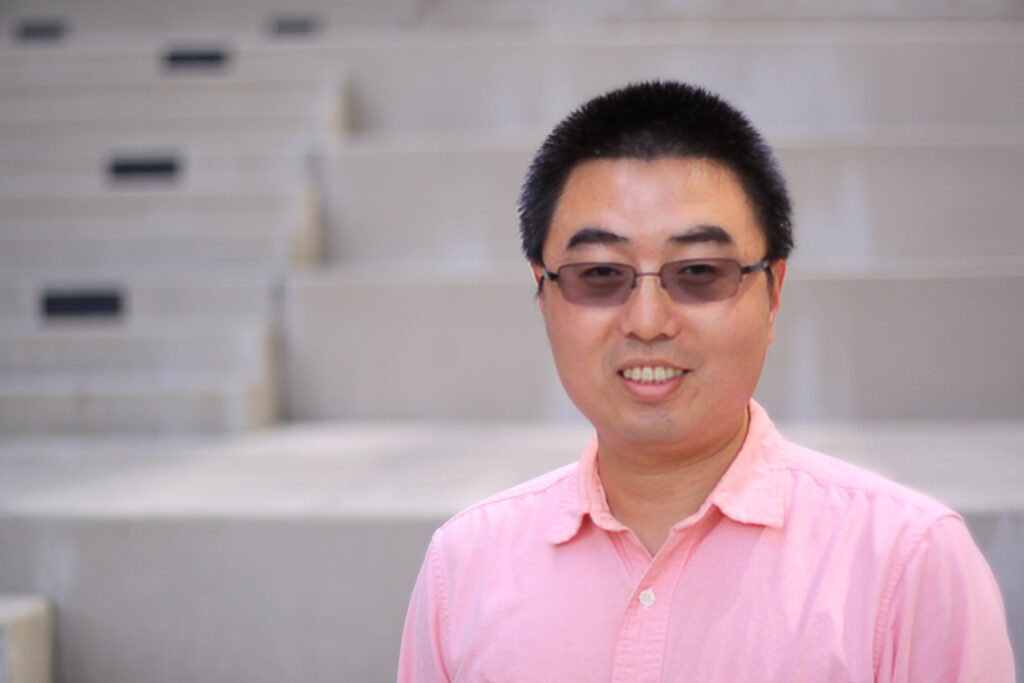
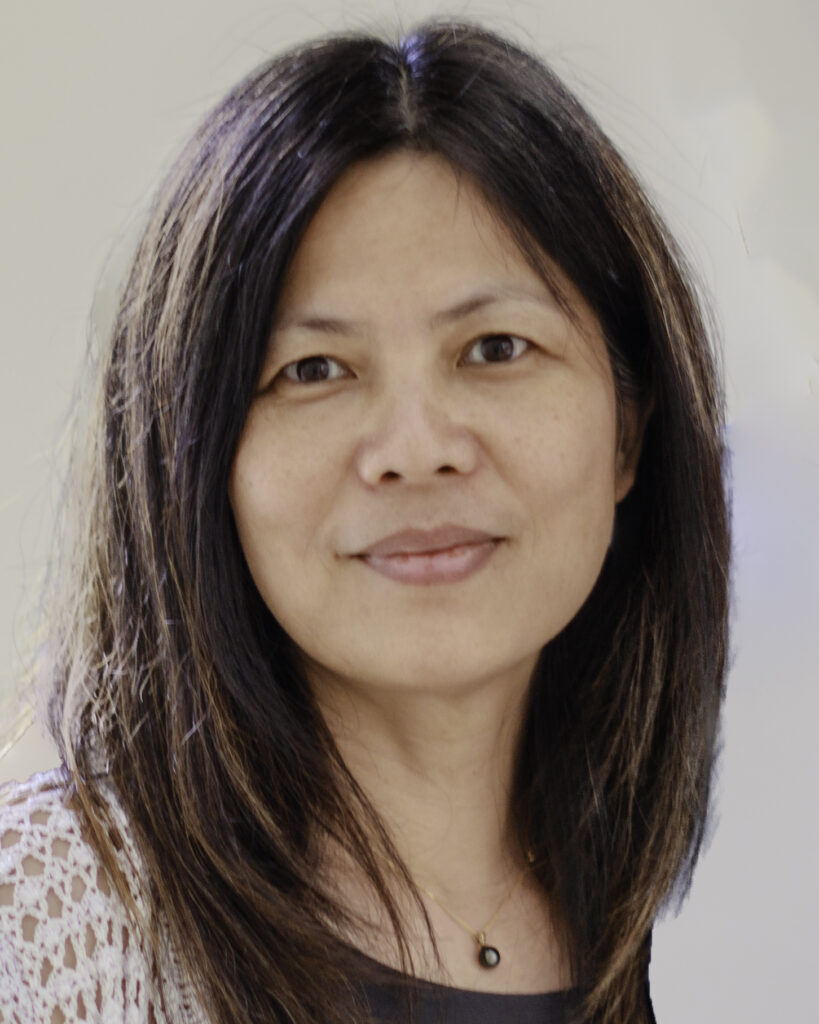
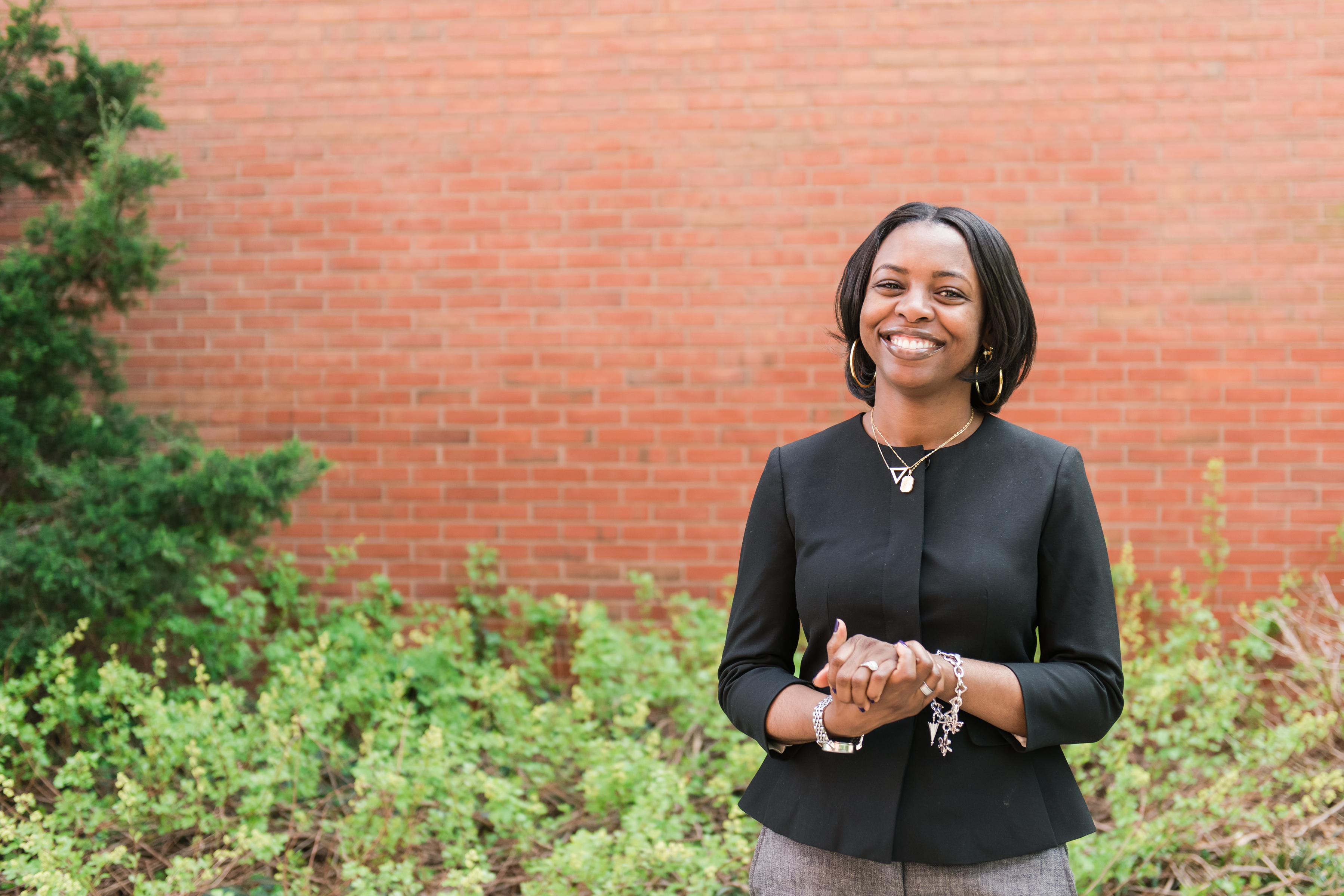
Jianwu Wang. Photo courtesy of Wang.
Rapidly available climate data can be challenging for researchers to keep up with, explains Wang. “Computation and data techniques have become the third and fourth paradigm for science in many disciplines,” he says. “The novel computational and data science techniques we will study through this award could help climate or Earth scientists to quickly find interesting patterns from data and use data to conduct hypothesis testing.”
Using big data to study Earth
Wang is exploring new ways of applying artificial intelligence and data science to studying Earth and its climate system. He has collaborated with faculty across UMBC, including in the physics department and the Joint Center for Earth Systems Technology, where he is an affiliated faculty member. These connections have helped him better understand the needs of climate scientists.
Recent advances in artificial intelligence and data science give hope to studying Earth from a data-driven perspective. Yet climate scientists are challenged by the need to process terabytes of data collected about Earth, Wang has learned. The data’s volume and complexity can make it very difficult to examine, which could mean missed opportunities for insights.
Wang hopes that his work will help climate scientists better understand the data they have already collected, and find better ways to test their causality-related hypotheses. The end goal of the research is to develop a climate causality analytics platform that is scalable and reproducible.
Research opportunities for students
As he plans next steps, Wang is particularly looking forward to providing students with research opportunities. He will connect with graduate and undergraduate students through UMBC’s Center for Women in Technology, McNair Scholars program, and Louis Stokes Alliances for Minority Participation (LSAMP) program. He will also connect with local high school students through UMBC’s Shriver Center.
The range of perspectives these students bring will help Wang address the challenges posed by climate data, ultimately making it more useful and accessible. “We expect our research will help climate scientists efficiently discover causal relationships from complex climate datasets and easily share their findings with others,” he explains.
“These findings could help us better understand how Earth’s climate system works,” Wang says. “Eventually, they could help us better predict and adapt to many specific climate-related events, such as extreme heatwaves, droughts, and floods.”
Banner image: The California Current System. Photo by: NASA/Goddard/Suomin-NPP/VIIRS, used under CC 2.0.
The UMBC Cyber Dawgs ranked #1 among university teams in a challenging cybersecurity competition hosted virtually by the University of Maryland, College Park on April 18.
The Capture the Flag event was designed to test teams’ abilities to solve a variety of realistic cybersecurity problems. UMBC went head to head with both collegiate teams and teams of professionals from the industry, placing third overall and #1 among the universities.
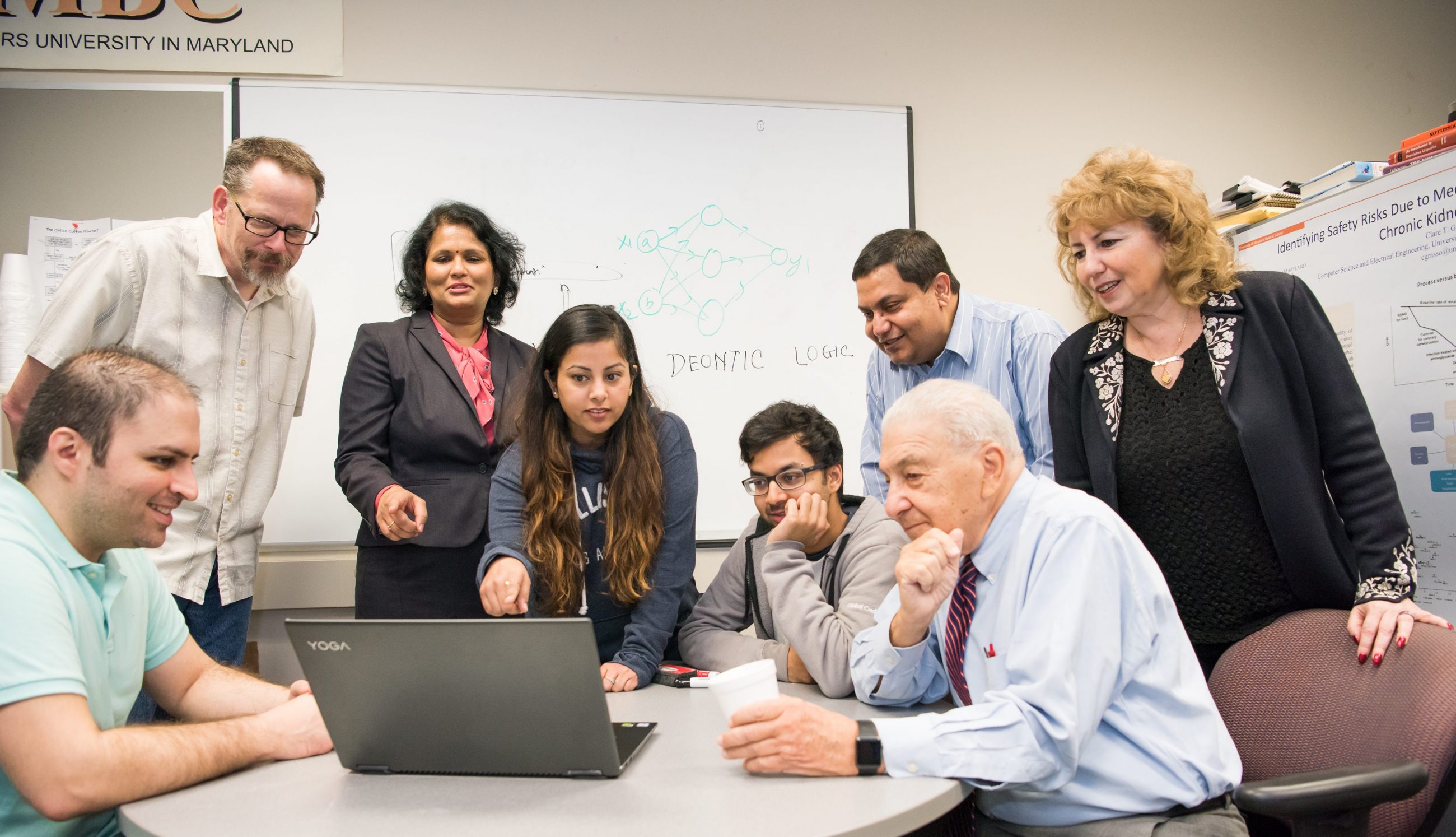
Charles Nicholas, professor of computer science and electrical engineering and a Cyber Dawgs faculty advisor, says that the team’s win shows how well-prepared UMBC students are for careers in cybersecurity, and how committed they are to excelling in intercollegiate competition. “It speaks volumes about our students, their enthusiasm, and their character,” he says.
Reflecting on the Cyber Dawgs’ #3 overall finish, Nicholas shares, “The teams that beat us are made up of experienced cyber professionals, who do this sort of work for a living.” To end the competition as the leading university team and trailing just two professional teams was quite a feat, he notes, saying, “Our faculty and our university are very proud of these students.”
When her courses moved online in mid-March due to the coronavirus pandemic, Sammie Maygers ‘20, chemical engineering, knew staying connected with her UMBC community would need to be a top priority. In some ways, her experience changed substantially. But it was also a continuation of the same UMBC journey, powered by community support.
When Maygers was looking at colleges, she knew that UMBC was the place for her as soon as she heard about the Center for Women in Technology (CWIT) from a high school classmate. When she visited campus, she says that it instantly felt like a family. “UMBC feels like home,” she says. “It’s inclusive.”
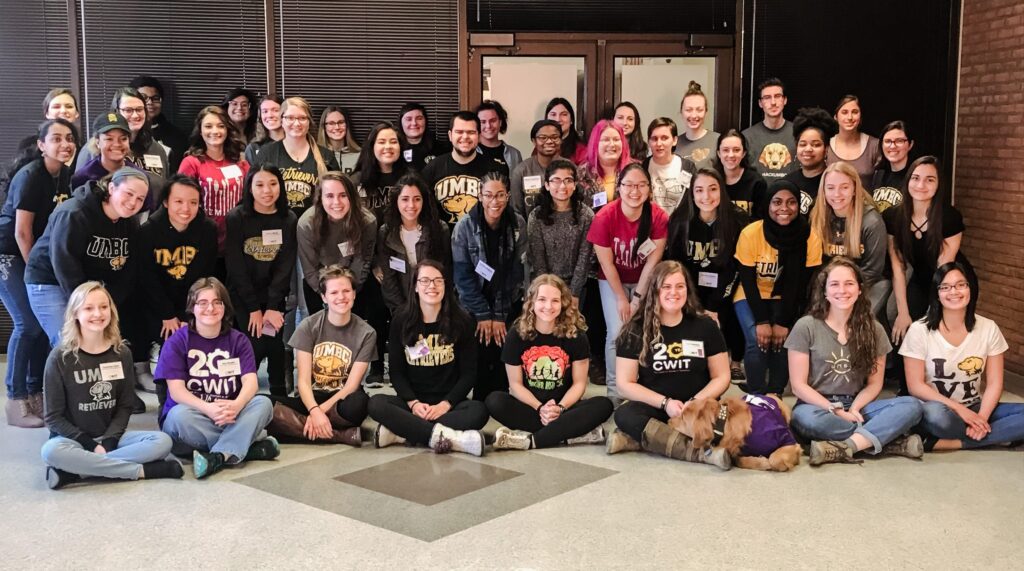
Sammie Maygers, fourth from left in front row, with her fellow CWIT scholars. Photo courtesy of CWIT.
CWIT appealed to Maygers because it meant having a network of peers to work with and rely on. Her connections with new friends and mentors started the summer before her freshman year and continue as she heads toward graduation.
“One thing that CWIT does that is really fantastic is they send you on a retreat before the school year starts, with all of the new scholars,” she explains. “So when you move in, you’ve pretty much met all of the people who live on your floor. Even once people got busy, we were always doing work together and I had people who I could really trust.”
Growing as a leader
Working to build and strengthen this community are dedicated CWIT staff. Maygers shares that Erica D’Eramo, assistant director for the CWIT Scholars Program, has been especially impactful on her UMBC experience, including helping her grow and develop as a leader.
“Sammie has an enthusiasm and passion that is contagious,” says D’Eramo. “She has been a mentor to many students—as a ‘Big Wit’ peer mentor in CWIT, and in her Frisbee family, too. So many times I have heard students tell me how amazing it has been to have Sammie as a guide and, more importantly, as a close friend they can rely on.”
Sammie Maygers, fifth from right, with fellow CWIT Scholars, and Erica D’Eramo, left, at the Society of Women Engineers Conference in 2019. Photo courtesy of CWIT.
Each incoming CWIT scholar is paired with an older student who is also a part of the program. As students move through the program, they become mentors to incoming scholars. Now a graduating senior, Maygers now has a “family” of younger scholars as well as alumni, and they connect regularly.
To sustain and grow these relationships during the pandemic, Maygers says that it is more important than ever to connect with her CWIT community outside of online classes. She intentionally sets aside time to virtually hang out with her mentees, friends, Chem-E-Car teammates, and classmates, including game nights.
Community through student orgs
The format of her classes this semester is helping Maygers stay connected during this difficult time. Most of her current courses are presentation-based. She and her classmates had previously been meeting virtually to develop their presentations, so that work has held steady.
Other changes have been harder to adjust to. Maygers is a member of UMBC’s Chem-E-Car team, which builds and races vehicles powered by precise chemical reactions. The team was heading to a regional competition at Virginia Tech this month, but that’s no longer happening.
“I’ve put a year and a half of work into the Chem-E-Car team, and I’ll never see it through,” Maygers says. She finds herself “mourning the things I was expecting to come.”
Sammie Maygers, left, playing ultimate frisbee. Photo courtesy of Maygers.
Another activity that has proven challenging for Maygers to carry on with is ultimate frisbee, but her close connections to teammates remain strong. In high school, she was a three-sport athlete, and it was important to her to find a way to stay active in college. Soon after arriving at UMBC, she learned about the ultimate frisbee club team from an older student in CWIT. Although practices are cancelled, UMBC’s ultimate frisbee team has held informal virtual meetups every week.
Virtual connections
Intentionally maintaining all these connections has helped Maygers stay centered and motivated. One day that could be an online coffee with a friend. Another day it could be an online board meeting of the American Institute of Chemical Engineers, UMBC chapter.
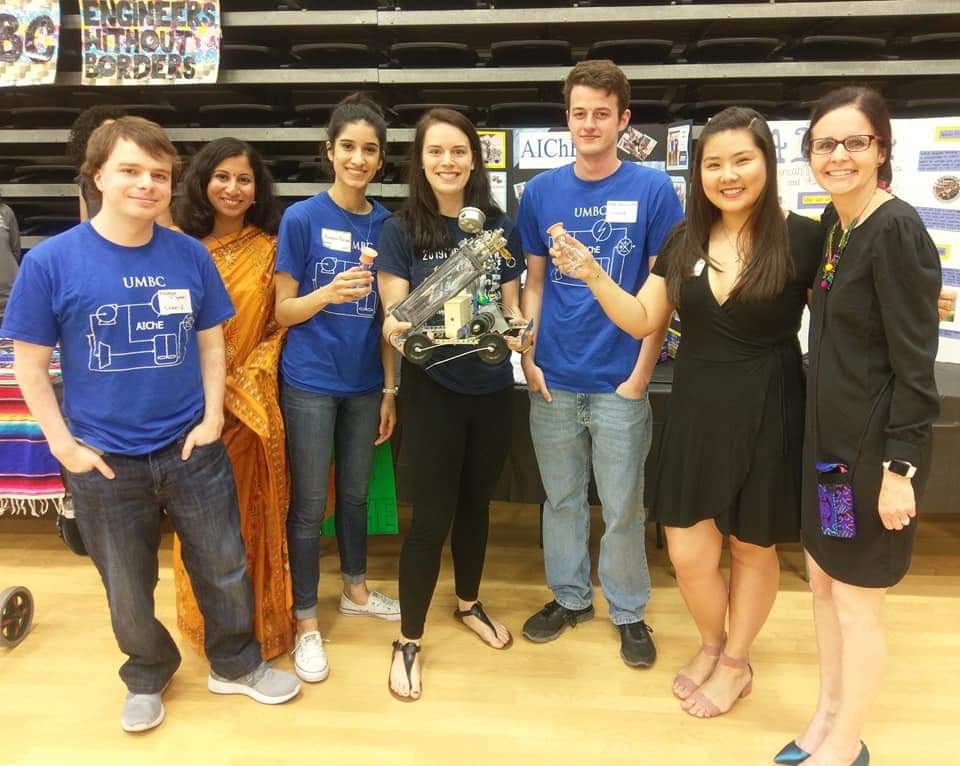
Sammie Maygers, center, with members of the Chem-E-Car team. Maygers holds the team’s first prototype at the 2019 COEIT Celebration. Photo courtesy of Maygers.
Maygers is also continuing her work as a teaching fellow in Mark Marten’s chemical engineering kinetics course. “Being a teaching fellow has given me the opportunity to support students academically and personally. The course load of a student taking this level of chemical engineering courses can really be overwhelming, and I love helping students realize that making mistakes and failing helps them grow as an engineer.”
Maygers has conducted research alongside Marten, professor and chair of chemical, biochemical, and environmental engineering, since fall 2016. One of the most powerful lessons she’s learned from working with him is to be unafraid of learning new skills and making mistakes. This is one of the core messages she works to pass along to both students in the course and younger CWIT scholars.
Thoughtful engineering solutions
Maygers now has her eye on her steps after graduation, and who will be walking those steps with her. She will have a unique opportunity to continue working closely with friends from UMBC after she graduates this spring.
As she has moved through the chemical engineering program, Maygers has become passionate about developing thoughtful engineering solutions. For her, this means solutions that are environmentally conscious and energy efficient. She looks forward to pursuing this passion as an engineer at the Naval Surface Warfare Center (NSWC) near Bethesda, Maryland.
Sammie Maygers, center, after a networking evening with her CWIT LittleWit Courtney Cavin ’21, chemical engineering, and Cavin’s LittleWit Catherine Wraback ’23, chemical engineering. Photo courtesy of Maygers.
She and classmates Laina Colony ‘20, chemical engineering, and Zach Voelkel ‘20, mechanical engineering, learned about opportunities at the NSWC through a trip organized by UMBC’s Career Center. Not only were they all offered positions at the NSWC, but Colony and Maygers will have a chance to work together on the same team and be roommates, along with Voelkel.
A community of support welcomed Maygers to UMBC before she started classes freshman year. She thoughtfully grew that community during her time as a Retriever. Now, she’ll carry it with her to the next stage of her life and career.
Banner image: Sammie Maygers, right, with her roommates on campus. Photo courtesy of Maygers.
Over the weekend, the UMBC Cyber Dawgs took first place in the Mid-Atlantic Collegiate Cyber Defense Competition (MACCDC), which was held virtually. UMBC’s team was one of eight that participated in the competition, fighting to protect their networks efficiently and effectively from simulated cyber threats and attacks. The team topped Penn State; the University of Maryland, College Park; and University of Virginia, which won the national championship for the past two years.
UMBC’s Cyber Dawgs will move on to compete in the National Collegiate Cyber Defense Competition (NCCDC). Due to COVID-19, the competition will be held remotely this year.
How does the competition work?
These regional and national competitions attract leading collegiate cybersecurity teams from across the nation. They put teams in situations that mimic scenarios they might encounter working to secure and protect online systems for government agencies and companies.
Throughout each challenge, teammates work together to protect their systems from hackers and cyber attacks. At the same time, they keep their networks accessible to the users relying on them.
Meet the team
The MACCDC was about 14 hours long, and was held over two days. During the competition, the teams were not permitted to interact with their coaches Charles Nicholas, professor of computer science and electrical engineering (CSEE), and Rick Forno, senior lecturer in CSEE.
The winning UMBC team included Anna Staats ‘20, computer science; RJ Joyce ‘18, M.S. ‘20, computer science; Cyrus Bonyadi, Ph.D. ‘23, computer science; Drew Barrett ‘20, computer science; Seamus Burke ‘20, computer science; Henry Budris ‘22, computer science; Chris Skane ‘21, computer science; and Nikola Bura ‘21, computer science.
“We are so proud of our team, and their ability to work together as a team under such extraordinary conditions,” says Nicholas.
This is the third time in six years that the Cyber Dawgs have won the MACCDC. The UMBC team won the national championship in 2017.
Banner image: Student using a computer. Photo by Marlayna Demond ’11 for UMBC.
Three UMBC students have been named Barry Goldwater Scholars for the 2020 – 2021 academic year, earning one of the most prestigious scholarships available to U.S. undergraduates. This is the second time that three UMBC students have received Goldwater Scholarships in the same year.
The Barry Goldwater Scholarship and Excellence in Education Program seeks to provide the United States with “a continuing source of highly qualified scientists, mathematicians, and engineers.” UMBC’s Goldwater Scholars include Jordan Troutman ‘21, M29, computer science and mathematics; Dominique Brooks ‘21, M29, biological sciences; and Olumide Fagboyegun ‘21, M29, biochemistry. They will receive substantial scholarship funding that advances their undergraduate work and supports their educational paths.
“We are so proud of UMBC’s Goldwater Scholars. Each student will make significant contributions to their respective fields, as future Ph.D.s,” says April Householder, director of undergraduate research and prestigious scholarships at UMBC.
“Their research—in neuroscience, genetics, and machine learning bias—is timely and important,” Householder says. “We can’t wait to see where they will take it with the help of this scholarship.”
Brooks, Fagboyegun, and Troutman are among the 396 winners selected this year. More than 1,300 students applied from 461 institutions across the country.
This year, the Goldwater Scholarship modified their nomination guidelines and allowed each institution to send forward up to five nominees, with one spot specifically designated for a transfer student. Fagboyegun is the first UMBC transfer student to receive a Goldwater.
Jordan Troutman: Eliminating biases in computer algorithms
Jordan Troutman. Photo by Marlayna Demond ’11 for UMBC.
Troutman explains that artificial intelligence and machine learning have changed how the world operates in complex ways. Those impacts aren’t uniformly positive or equitable. Built by people, these technologies can include discriminatory biases that can impact how people are treated and cared for.
“It is so exciting to see a student who is such a strong scientist doing work that has extensive applications in everything from how banks determine home loan acceptance to recidivism rates for prisoners of color,” says Householder.
At UMBC, Troutman works alongside James Foulds, assistant professor of information systems. He has also completed research experiences at Rutgers University and the University of California, Berkeley, and is passionate about using his work to improve society.
“Receiving the Barry Goldwater Scholarship provides me with a stronger sense of confidence in my ability to research topics that have a significant impact on all people,” he says. “Being a Goldwater Scholar reminds me that I will always and forever be a curious scientist.”
Outside of the classroom, Troutman has been involved with UMBC’s chapter of the National Society of Black Engineers (NSBE), where he serves as the conference planning chair. UMBC’s NSBE chapter supports the NSBE Jr. chapter in Howard County. Troutman and the chapter support middle school and high school students through tutoring, workshops, tours, and other activities. He also helps Baltimore City College students prepare for the SATs.
Additionally, Troutman serves on UMBC’s Undergraduate Student Advisory Council, where he advises the vice president for Undergraduate Academic Affairs on important university decisions that affect students.
Support from the UMBC community, including fellow students applying for the Goldwater, has been important to Troutman throughout the process. “Dr. Householder has been pivotal in encouraging me to apply for scholarships like the Goldwater,” he shares. He adds that the Honors College and Meyerhoff Scholars Program encouraged him to apply for the scholarship and helped him refine his career goals.
The application process for the Goldwater Scholarship enabled Troutman to push himself beyond his comfort zone and what he thought he could achieve. “Eventually, after I got comfortable with my uncertainty, I understood that I had nothing to lose. It is better to try and not win than not try at all,” he says, adding, “When one UMBC student wins, I think we all win. And when three students win, that says something powerful about UMBC.”
Dominique Brooks: Developmental biology research and developing as a researcher
Dominique Brooks developed an interest in genes from a young age. She shares that growing up as a light-skinned African American child, she felt different than her mostly dark-skinned classmates. She wondered how that physical difference came to be, which led to a curiosity about how genes worked.
Dominique Brooks. Photo courtesy of Dominique Brooks.
At UMBC, Brooks’s curiosity about genes and gene expression led her to the developmental biology lab of Rachel Brewster, professor of biological sciences. She has worked with Brewster for the last two years and intends to earn a Ph.D. in genetics. Her goal is to launch a career as a researcher in gene therapy or genetic engineering.
“My mentors, Dr. Brewster and UMBC graduate student Maki Negesse, push me to exceed beyond my own expectations,” she shares. “They challenge me to take on various projects while encouraging me to overcome moments of failure in the lab.”
Brooks is involved in research through the Meyerhoff, MARC U*STAR, and HHMI Scholars programs. For Brooks, the community generated through these scholars programs has been critical to her success.
“My peers will forever keep me motivated and focused on achieving my academic and career goals,” Brooks says. “I would also like to thank the staff members of these programs for caring about my future and providing a nurturing environment for me to seek guidance.”
Brooks has received awards for her research posters at the Annual Biomedical Research Conference for Minority Students and UMBC’s Undergraduate Research Symposium in the Chemical and Biological Sciences. She is also highly engaged in leadership, service, and mentoring through several organizations.
Brooks serves as a student justice in UMBC’s Office of Student Conduct and Community Standards and tutors for UMBC’s introductory biology courses. She also volunteers with the Global Brigades international service organization and the student-led STAR STEM outreach program.
When selecting potential Goldwater Scholar candidates, “Dominique emerged because of her strong academic record, impressive research, international service, and community engagement,” Householder says. “She is a STEM leader who will definitely go on to give back to the community and represent Goldwater, and UMBC, well.”
Brooks is already successful by any measure. But “being named a Goldwater Scholar signifies my potential to become a successful researcher in the STEM field,” she says, “which has given me confidence in my ability to be a leader in the field of genetics.”
Olumide Fagboyegun: Tackling neurological disorders and impostor syndrome
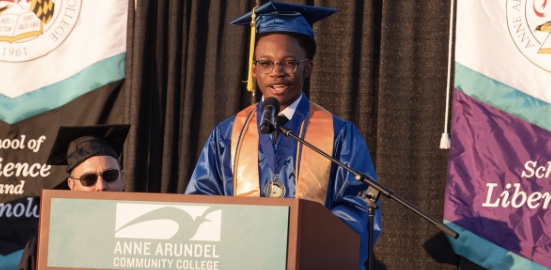
Olumide Fagboyegun came to UMBC after graduating from Anne Arundel Community College as its valedictorian in 2018, and has focused his research on how the brain works.
Olumide Fagboyegun at his graduation from Anne Arundel Community College. Photo by Larry Canner.
Fagboyegun has worked with both Erin Green, assistant professor of biological sciences at UMBC, and John Cirrito, associate professor of neurology at Washington University in St. Louis (WashU). Doing research has fueled his desire to pursue basic science on brain function, in hopes of contributing to improved therapies for neurological disorders such as Parkinson’s and Alzheimer’s diseases.
Through research and the other opportunities he has pursued, Fagboyegun has also always kept top of mind supporting other underrepresented students in STEM. He shares that as an African American, he is all too familiar with the challenges that underrepresented minority students can face in STEM and in broader U.S. culture.
Fagboyegun talks about struggling with impostor syndrome, but the research he has done at UMBC and WashU has helped build his confidence. Now, he wants to pass that on to others through his career as a researcher and mentor—and he’s already putting that plan into action.
Fagboyegun served as a STEM Ambassador and supplemental instruction leader for general chemistry at Anne Arundel Community College. He participates in the STAR STEM outreach program at UMBC. He is also a member of the Sigma Lambda Alpha Honor Society, a Meyerhoff and MARC U*STAR Scholar, and part of the LSAMP program.
Participating in formal and informal mentorship roles “gave me a significant appreciation for mentorship and the influence a single individual can have on a person’s success,” Fagboyegun shares. “I’ve rarely felt greater joy than when students would email me or come to me in person talking about their success on an exam or their interest in science.”
With the Goldwater Scholarship, Fagboyegun is well-aware of his capacity to serve as a role model for other underrepresented minority students in STEM, and especially transfer students from all backgrounds. “This [scholarship] is a sign to other community college transfer students that such an accomplishment is definitely within reach,” he says, “and that UMBC has the ability to help them achieve it.”
That UMBC support has included mentors such as Peter DeCrescenzo, who coordinatesLSAMP; Keith Harmon, director of the Meyerhoff Scholars Program; Jackie King, associate director of MARC U*STAR; and Fagboyegun’s research mentors.
“All of these individuals have been instrumental in helping me understand that I have the ability to pursue whatever goals I set my mind to,” Fagboyegun shares. “They’ve given me opportunities to grow and succeed, and have helped me paint an image of the kind of mentor I will tirelessly work to become.”
From artificial intelligence to human brain function and development, undergraduate scholars at UMBC make meaningful contributions to research. With support from mentors across campus, and now as Goldwater Scholars, Troutman, Brooks, and Fagboyegun will continue to make scientific advances.
Just as importantly, they will also advance the cultures of their disciplines to be more inclusive. They aim to produce a ripple effect, encouraging future talented students from underrepresented groups to pursue STEM research careers.
As the COVID-19 outbreak originating in China has spread to populations across all continents except Antarctica, racism and discrimination against Chinese-American people have also increased. A team of researchers from UMBC and the University of Maryland, College Park (UMD) just received a Rapid Response Research (RAPID) grant from the National Science Foundation to examine this intensified discrimination. They are also researching Chinese-American families’ coping strategies.
This research is led by PI Charissa Cheah, professor of psychology at UMBC. Her co-investigators are Shimei Pan, assistant professor of information systems at UMBC, and Cixin Wang, assistant professor of school psychology at UMD. Their study, “RAPID: Influences of the Coronavirus (COVID-19) Outbreak on Racial Discrimination, Identity Development and Socialization,” is the one of first NSF research awards granted to examine the COVID-19 outbreak.
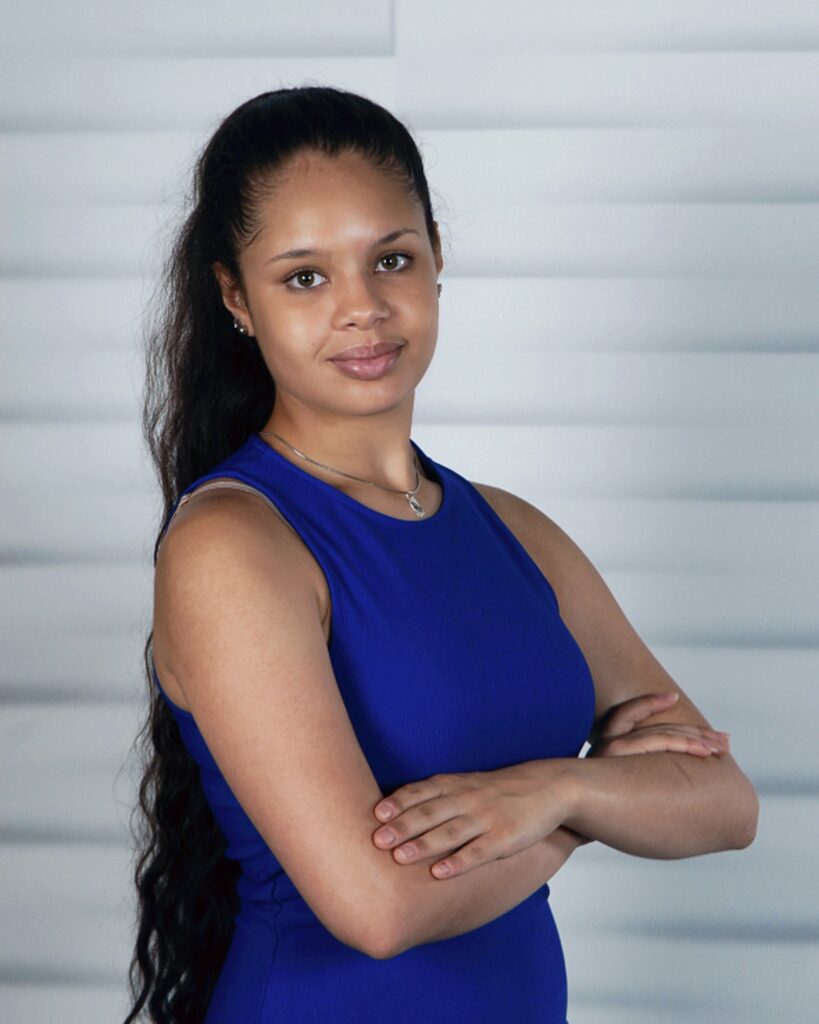
Charissa Cheah.
Cheah, Pan, and Wang will collect data on public opinion, the social climate, and the experiences of Chinese-American families. They seek to capture the current moment and make it possible for future researchers to study this phenomenon in the longer term.
“The negative impact of infectious diseases on psychological health is understudied but highly significant, especially for minority groups linked to the disease through social group categorization,” says Cheah. She explains, “The results from this study will significantly contribute to our understanding of risk and resilience processes among parents and children under conditions of an acute but prolonged health and social threat.”
Understanding the impact
As social scientists, Cheah and Wang will conduct focus groups and surveys to understand how various forms of racial discrimination connected to the COVID-19 outbreak are impacting families, particularly the identity development and adjustment of Chinese-American children. After the initial research phase, they will complete follow-up research six to nine months later to learn how parents have helped socialize their children and offered coping strategies around issues of race, identity, and psychosocial adjustment, in response to discrimination.
Pan, a computer scientist, will lead the analysis of outbreak-related Twitter posts to understand how public opinion, including anxiety and discriminatory attitudes, change as the outbreak intensifies or slows. Pan will apply large-scale social media analytics to study Twitter data from late 2019 onward, to ensure she captures posts from the moment the COVID-19 outbreak began.
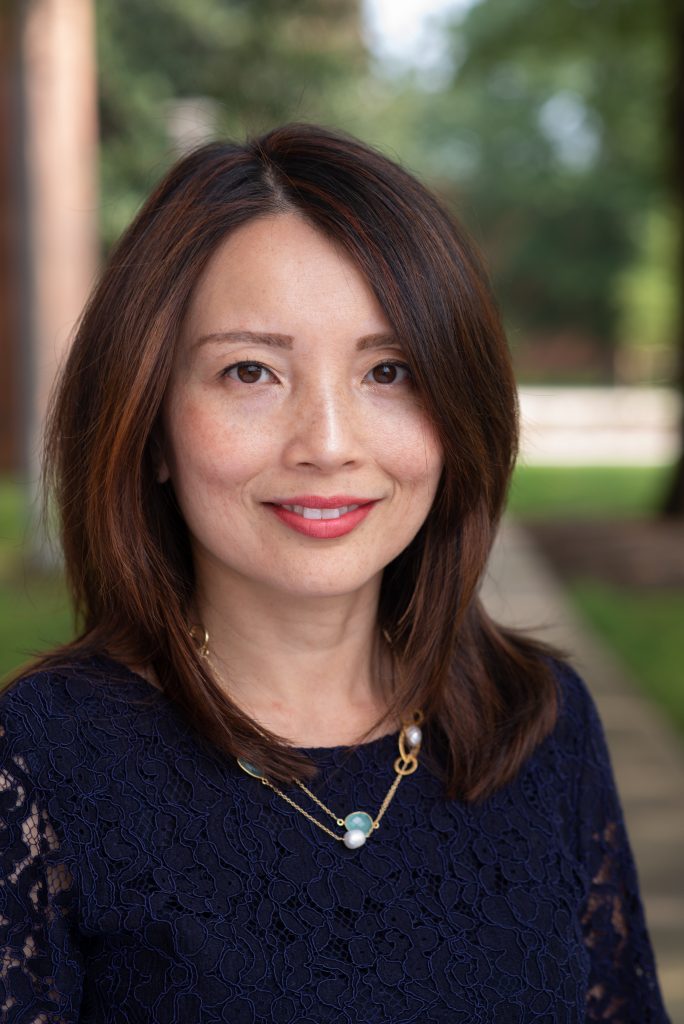
Shimei Pan
The research is significant to Pan on a personal level, as a Chinese American and a parent. “I am aware of the related events and sentiments expressed in the news. As a parent to a Chinese American teenage son, I wonder how this experience will influence his identity formation now and as an adult,” she shares.
This project will also provide graduate and undergraduate students with an opportunity to conduct culturally-sensitive research with racial and ethnic minority families using multi-method and interdisciplinary approaches.
Cixin Wang. Photo courtesy of UMD.
“As a researcher focusing on bullying and mental health, I have seen and heard about discrimination towards Chinese-American and other Asian-American students, and increased anxiety related to COVID-19,” says Wang. “We aim to study the unfolding outbreak and related discrimination against Chinese Americans and other Asian populations to identify specific ways to promote resilience and support children and families during this challenging time.”
Cheah values the opportunity to do research that will immediately impact an urgent real-world issue, and also have a lasting impact on communities. She notes, “Knowledge from this RAPID grant will help educators, health care providers, and policymakers to proactively support targeted marginalized groups and the larger public during future emergency events.”
Banner image:The coronavirus. Image by Alachua County, used under Public Domain Mark 1.0.
The annual Higher Education Research and Development (HERD) survey from the National Science Foundation again includes UMBC as a top recipient of federal research support.
The most recent survey aggregates federal research and development expenditures for fiscal year 2018. The survey data combines total funding from all federal agencies and also provides information on research funding from non-federal and non-governmental sources.
Overall, UMBC is ranked #148 in federal research funding for the 2018 fiscal year, and #173 in total research funding from all sources. The federal investment figures include funding from sources such as the Department of Defense, Department of Health and Human Services, and NASA, among others.
“The annual HERD Rankings represent a widely reviewed national comparison of institutional scholarly and research activities,” says Karl V. Steiner, vice president for research at UMBC. “The most recently released 2018 data represents the fourth consecutive year of growth in research expenditures for UMBC.”
A leader in studying Earth’s atmosphere
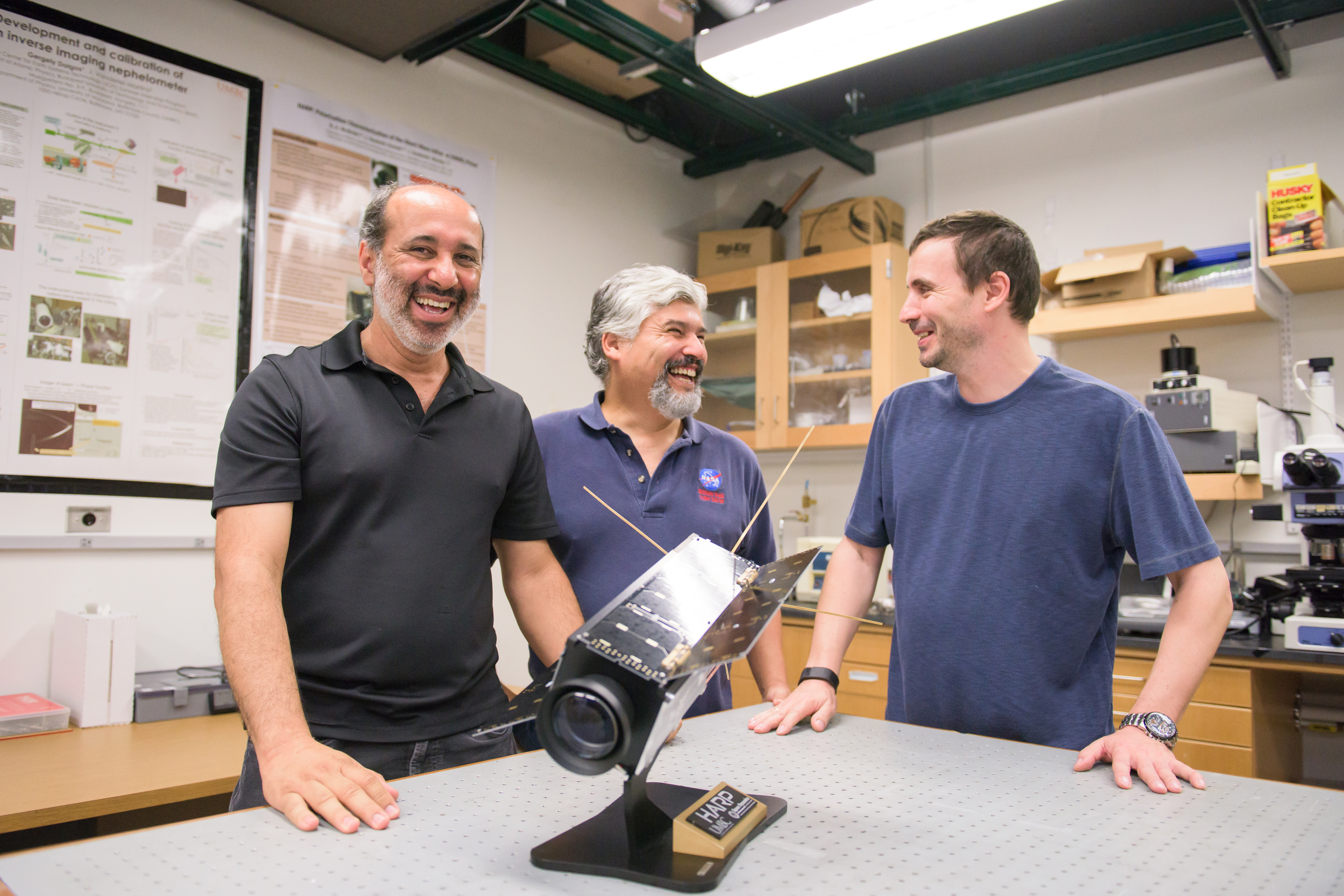
UMBC is now ranked #13 nationally in NASA funding and #27 in federal funding for geosciences, atmospheric sciences, and ocean research more broadly. Among the projects included in that funding was UMBC’s Hyper-Angular Rainbow Polarimeter (HARP) cubesat.
This small satellite, the size of a loaf of bread, was developed by a team of UMBC scientists, led by Vanderlei Martins, director of UMBC’s Earth and Space Institute. It was recently launched into space aboard a NASA rocket heading for the International Space Station. The satellite contains sensors that will collect information about Earth’s atmosphere, informing our understanding of pollution and climate.
Computing hardware to address infrastructure challenges
In computer and information sciences, UMBC ranked #69 in federal research support. Among awards in this area was NSF support for UMBC to lead a new $3 million research partnership to solve major infrastructure challenges with next-generation computing hardware.
Yelena Yesha, computer science and electrical engineering, serves as principal investigator for the five-year grant from the NSF Industry-University Cooperative Research Centers. UMBC launched the Center for Accelerated Real Time Analytics (CARTA) to complete computing hardware research supported by this grant. A portion of the NSF funds are also furthering collaborative research with partner institutions North Carolina State University; Rutgers University, Newark; Rutgers University, New Brunswick; and Tel Aviv University. UC San Diego and the University of Utah are also collaborating, and industry partners like Seagate and Morgan Stanley are engaged in this work as well.
Yesha explains, “CARTA will usher in the era of accelerated real-time analytics by effectively utilizing innovative technologies such as cognitive computing, machine learning, and quantum computing to address our nation’s global competitive challenges in health security, disaster mitigation, and the emerging artificial intelligence revolution.”
Social science research to address health disparities
In the social sciences, UMBC ranks #27 in federal research dollars among universities nationwide. UMBC psychology faculty received a particularly high number of federal grants in 2018, including Danielle Beatty Moody (NIH funding), Shawn Bediako (NSF funding), Chris Murphy (DHHS-NIH funding), and Shari Waldenstein ( DHHS-NIH funding, as well as support from the VA Medical Center in Baltimore). Additionally, Christine Yee, economics, received a research grant from the U.S. Department of Veterans Affairs.
Beatty Moody is director of UMBC’s Social Determinants of Health Lab. In 2018 she was the PI on three NIH grants, funded through the National Institute of Aging. They all focused on the HANDLES study, which stands for Health Aging in Neighborhoods of Diversity across the Life Span. Beatty Moody’s team examined health disparities among middle-aged and older residents of Baltimore. This includes the relationship between factors like structural discrimination and early life experiences with cognitive decline and cardiometabolic measures.
“We are proud of the broad impact of our work, from the social sciences, to computing, to our close relationship with NASA Goddard,” says Steiner. “I am pleased with the continued efforts and growing success of our entire research community.”
Banner image: Research team of Vanderlei Martins, professor of physics, with a model of the HARP satellite. Photo by Marlayna Demond ’11 for UMBC
Wind turbines are massive, with a single turbine blade measuring up to 350 feet (about 110 meters), longer than the wingspan of some commercial airplanes. At its highest point, a blade can be 850 feet (260 meters) off the ground, almost reaching the height of Eiffel Tower. When UMBC engineer Soobum Lee looks up at these turbines, generating energy in fields and even offshore, he thinks about their size as an enormous opportunity, and also a challenge.
Lee, associate professor of mechanical engineering, studies energy harvesting, but not in a way that most casual observers would connect with wind turbines. He researches how vibrations can power portable devices on a very small scale, and he develops devices that convert those subtle vibrations into energy.
A few years ago, Lee began exploring how to harvest energy from the rotation of vehicle tires. This led him to begin looking at the spinning motion of wind turbines, and the additional small vibrations that turbines make as they spin continuously. He came up with a novel idea: using these small vibrations—not previously harnessed for energy—to power transmitters that could send sensor data to a wind turbine’s operation and maintenance systems.
The device that contains the sensor. Photo by Marlayna Demond ’11 for UMBC.
Lee explains that wind turbines have sensors on their blades to alert their operators if the blade gets damaged, such as by birds or lightning, or if there is a malfunction or maintenance issue. For example, icicles can form on turbine blades, changing their aerodynamics. Or, the blade could be vibrating abnormally, indicating a more serious mechanical or structural issue in the blade.
Until now, these sensors have been powered by batteries that need to be changed every two years or so. Changing the batteries is time-consuming and can be dangerous for people maintaining the turbines, as they need to climb up the turbines, hundreds of feet in the air, to access multiple sensors on one blade.
“The sensors are to help with maintenance,” says Lee. “If they also create a maintenance need, it’s a problem.” He wondered, what if you could design a sensor that wouldn’t require new batteries?
Bringing research to consumers
Over the past 7 years, UMBC faculty from engineering and the sciences to the arts have worked to commercialize their research, to bring innovative technologies to companies and consumers. Knowing that this can be a challenging transition, UMBC and the State of Maryland have created a range of initiatives to help faculty pursue entrepreneurship opportunities. One core opportunity is the Maryland Innovation Initiative (MII), established by the state and five research institutions, including UMBC, to promote research commercialization.
A unique feature of the MII program is the introduction of university “site miners” to facilitate the application process for faculty inventors. These commercialization experts support faculty with preparing proposals and advocate for projects in the review process. UMBC site miner David Fink, entrepreneur in residence, says, “The MII program is the most significant factor in the increased commercialization of UMBC-owned intellectual property.” Sixteen companies have been formed by UMBC faculty since the start of MII.
Since 2013, Lee has applied for three MII grants. His first two attempts were not successful but helped him grow his proposal. On his third try, he received a phase one grant to develop his vibration-powered sensor technology.
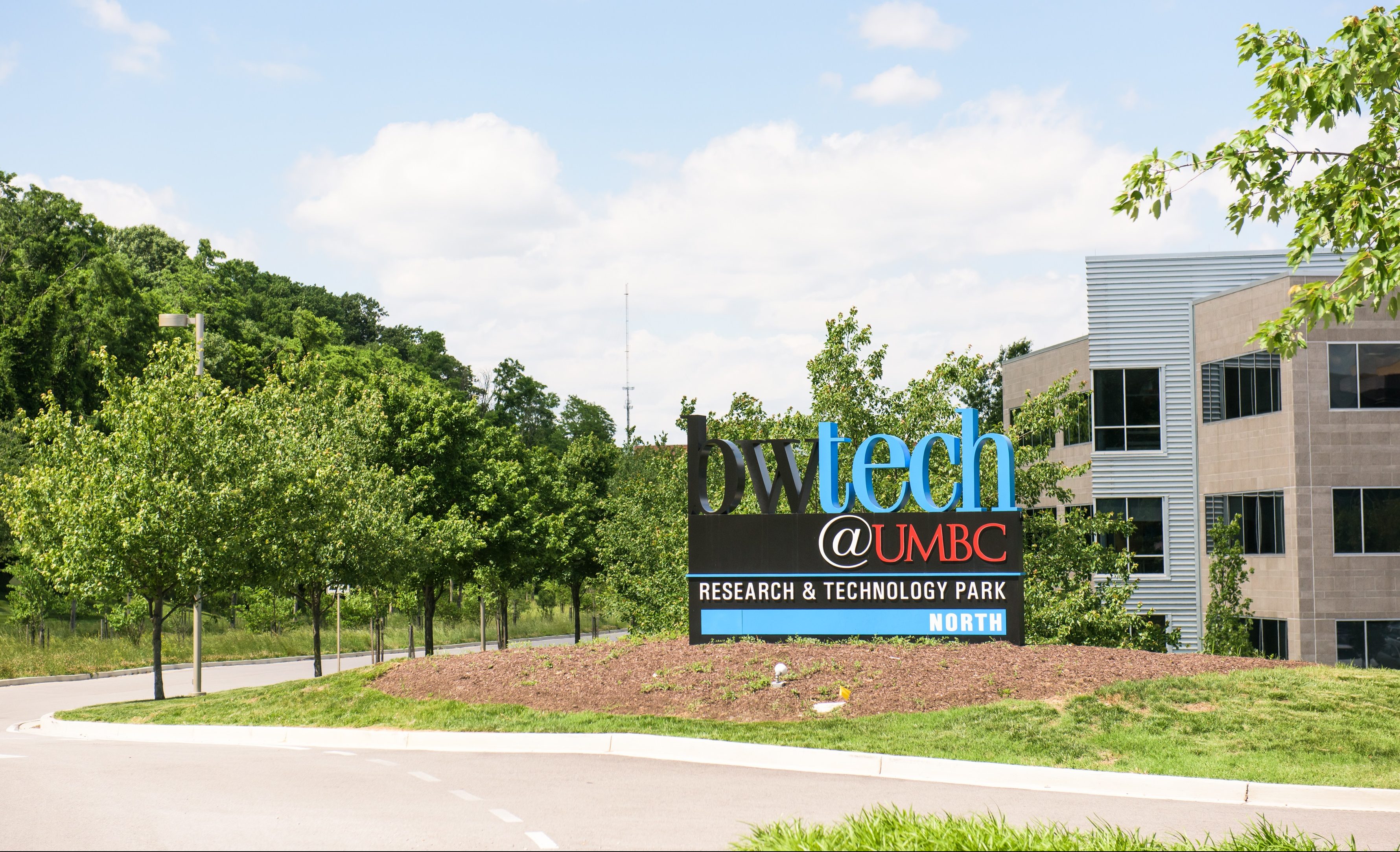
Through bwtech@UMBC, UMBC’s research and technology park, Lee connected with Pranay Kohli, an energy sector executive with experience working with companies and clients around the world. In 2018, Lee and Kohli founded ACTIVEcharge, LLC, a startup that develops solutions to autonomously monitor wind turbines.
Entrance to btwech@UMBC. Photo by Marlayna Demond ’11 for UMBC.
“Soobum and I have benefited tremendously from the MII program. Although we had the technology and the business skills, what MII and bwtech provided us was the ecosystem of professionals who have guided us along the way,” says Kohli, CEO of ACTIVEcharge. “That has opened up so many doors for us as we move forward to commercializing the solution.”
Technology with an impact
Lee’s work has continued to move forward since he received the MII grant. In the lab, he and his students have developed a power management circuit and have integrated it with a power source, sensor, and data transmitter that is about six inches tall and weighs about two pounds.
The sensor provides the signal to the transmitter, and the transmitter sends the data to a receiver. This process uses the energy produced by the attached mechanical generator, powered by vibrations from turbine blades. No external source of energy is needed. It is also designed to sit inside the blades, so it is completely protected from the elements and does not interfere with the blade aerodynamics.
The device that contains the sensor. Photo by Marlayna Demond ’11 for UMBC.
Lee and Kohli hope that, in the next two to four years, their integrated solution will be installed on turbine blades across the country and internationally. Their goal is to provide turbine maintenance crews with near-real-time data that can support their work in a way that doesn’t create additional labor or physical risk and prevents potential catastrophic events.
Sustainable energy projects are growing in the U.S., and now is an important moment to make technology improvements that will boost that growth further, Lee notes. He shares, “I want to make things even better than they are now.”
Banner image: Wind turbines. Photo by Kam Abbott, used under CC BY 2.0.
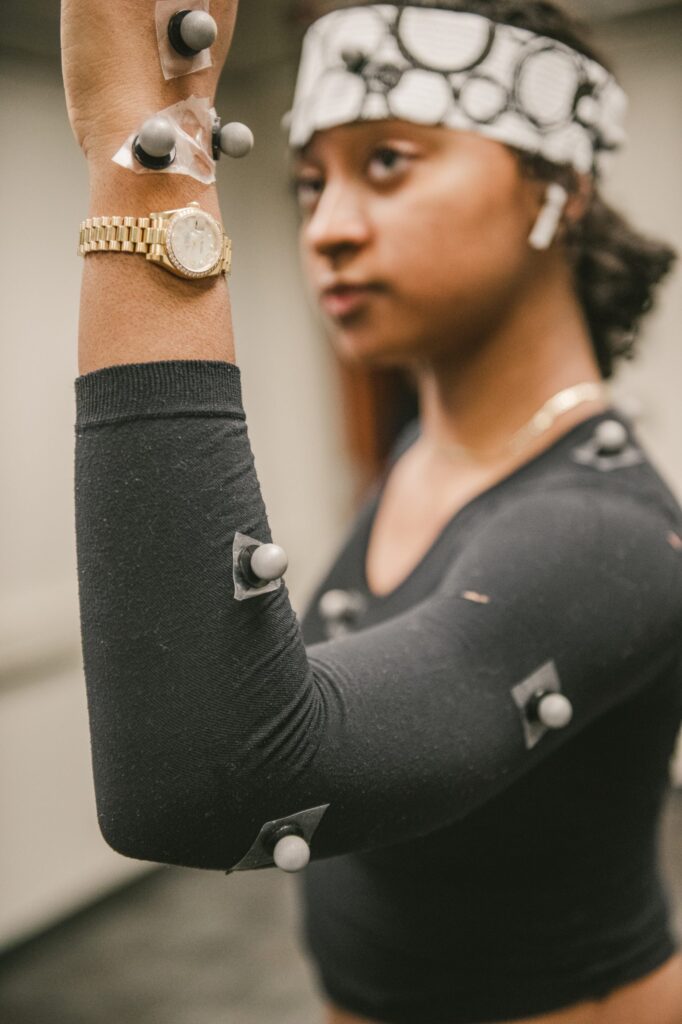
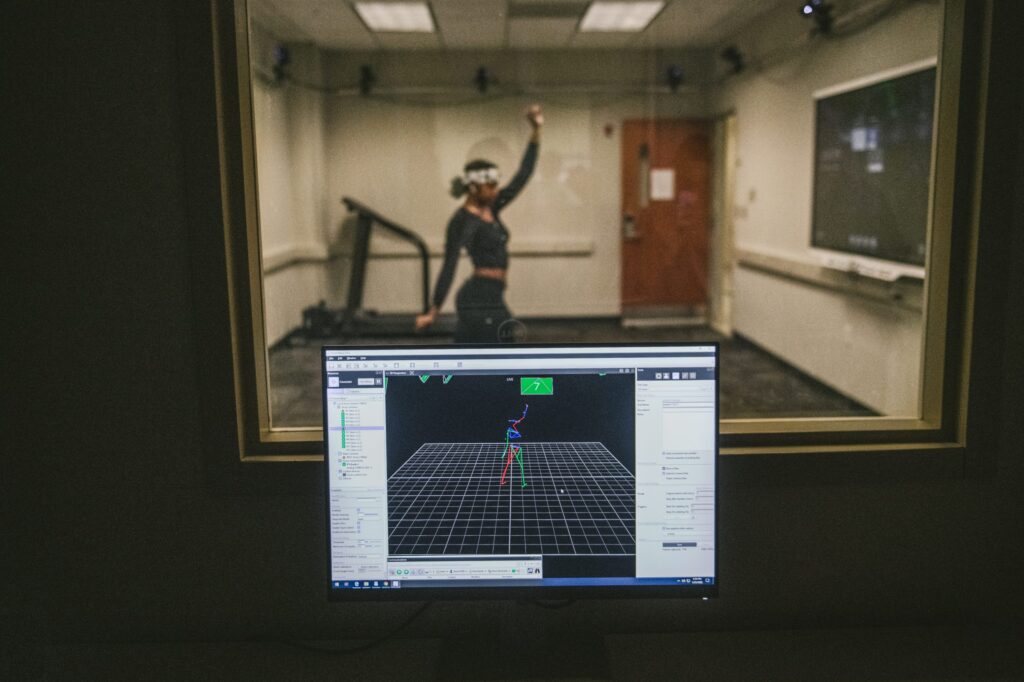
UMBC’s Interactive Systems Research Center (ISRC) has obtained new equipment designed for the precise study of human movement, perception, and emotion. The User Studies Lab, which includes the Motion Lab and the Perception Lab, has installed new technology through a National Science Foundation grant including a Vicon motion capture system. The Vicon system records a subject’s movement using infrared cameras and small, wearable markers affixed with tape that the cameras can track. Andrea Kleinsmith, principal investigator, explains that with this system, tiny, lightweight reflective markers illuminate when the cameras flash. The cameras then capture the reflected light and transmit the information so location and movement can be extrapolated and researchers can study a subject’s movement.
Briana Norwood ’20, dance, wearing the markers that allow infrared cameras to capture the subject’s position in space.
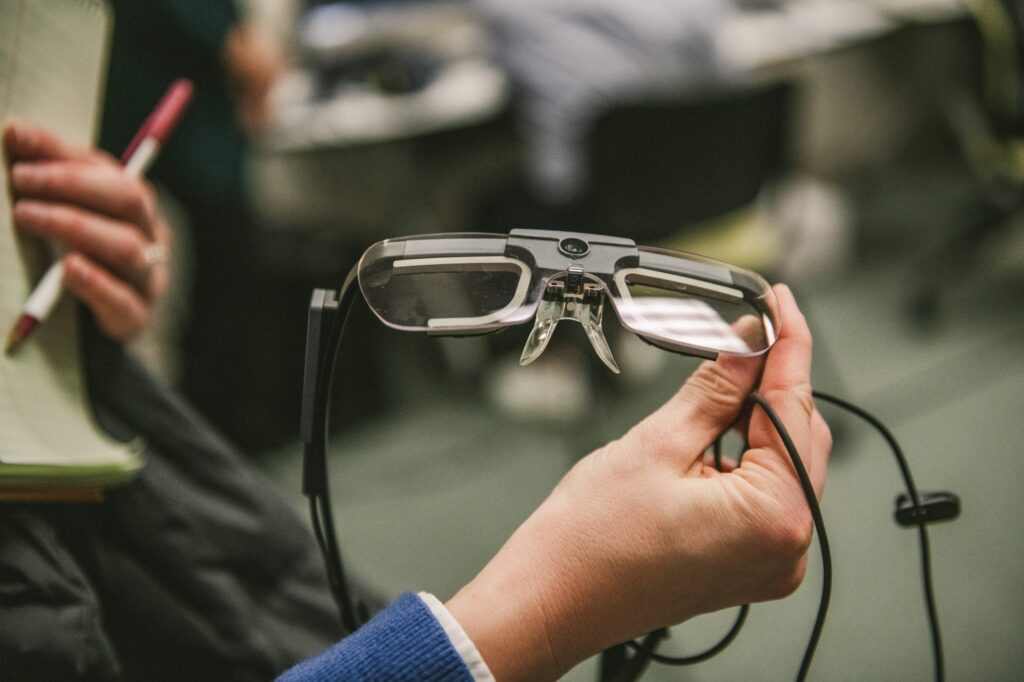
This lab is a shared research space, primarily used by the College of Engineering and Information Technology (COEIT), but also open to others across the university. Other equipment includes wearable research tools such as virtual reality headsets, wristbands that record physiological signals, and eye-tracking sensors that are both fixed and wearable.
Glasses that allow eye-tracking data to be collected.
Kleinsmith, an assistant professor of information systems, explains that the newly outfitted User Studies Lab will enable students and faculty to expand the collaborative research being done across COEIT departments.
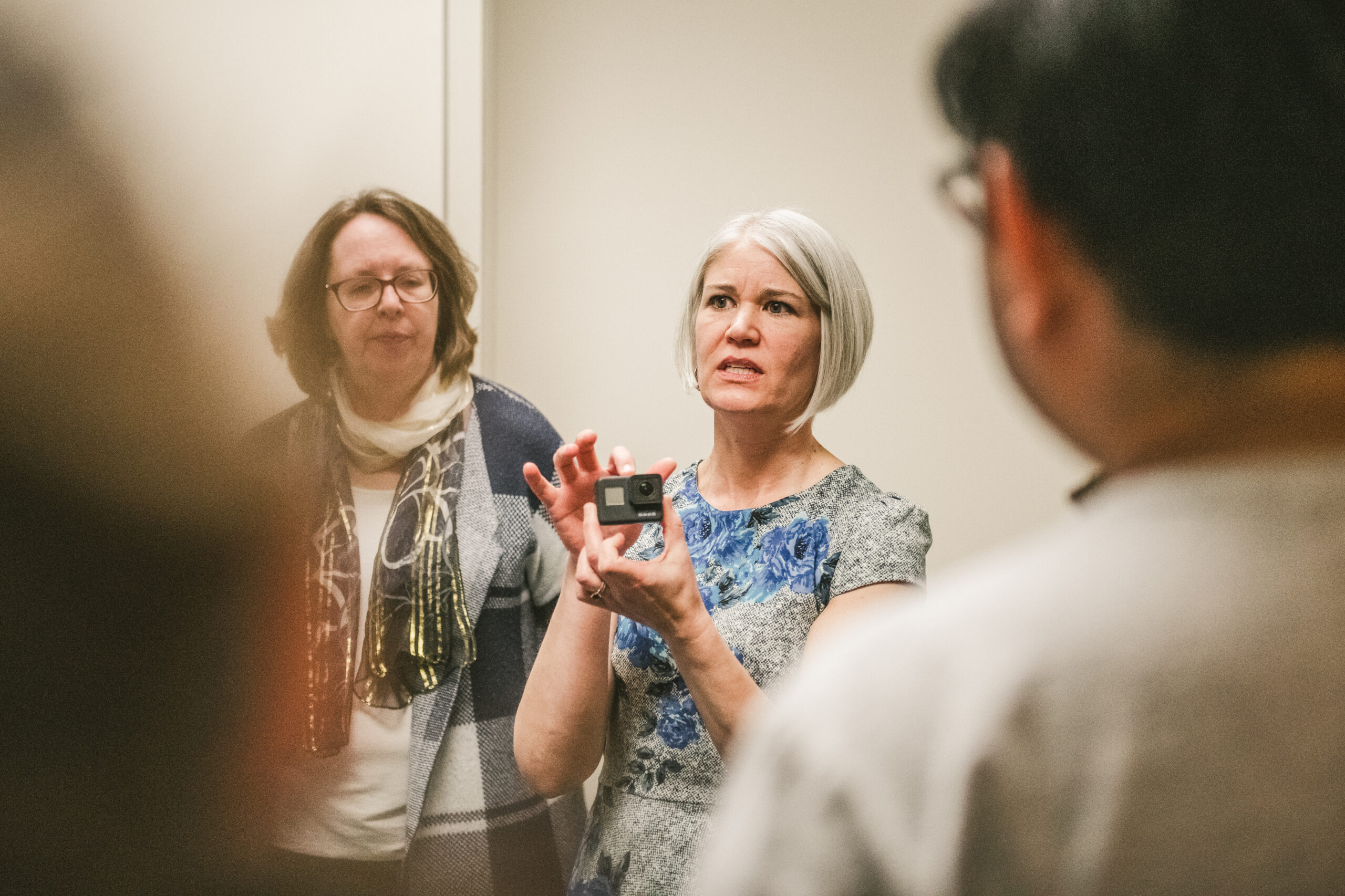
Andrea Kleinsmith gives a tour of the Perception Lab to attendees.
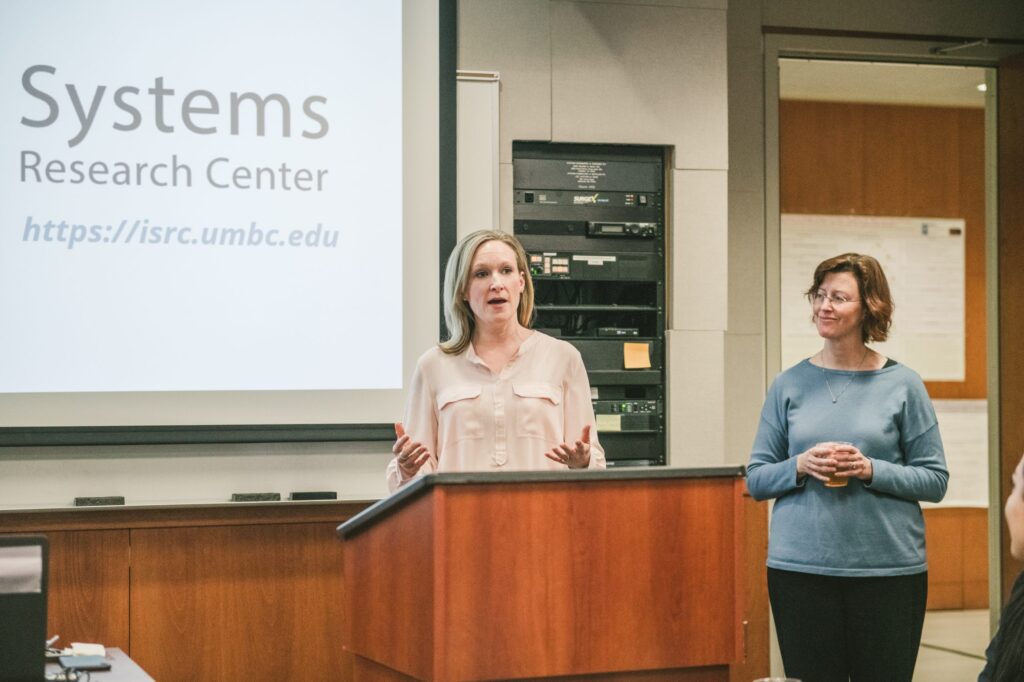
Helena Mentis, associate dean for academic programs and learning in COEIT, and associate professor of information systems, anticipates that the 793 square foot space will also be valuable resources for students and faculty university-wide. In particular, she sees the labs as helping faculty to integrate teaching and research, and to think more expansively about their work. These spaces “will help increase interdisciplinarity and build bridges across ideas,” Mentis said at the kick-off celebrating the new equipment.
Helena Mentis, left, and Erin Lavik, associate dean for research and faculty development in COEIT.
During the event, Briana Norwood ’20, dance, demonstrated how the motion-capture system works. Affixed to her clothes were 39 small, wearable, retroreflective markers. Around the room, near the ceiling, 12 infrared cameras tracked the 3D position of the markers as Norwood moved throughout the space. As Norwood danced in the room, a colorful model of a person moved in unison on a computer screen in the adjacent control room. Kleinsmith explained how the precise 3D coordinate data transmitted to that computer could be analyzed in any number of ways.
Briana Norwood ’20, dance, at the opening of the ISRC. Photo by Britney Clause ’11.
During the opening event, Foad Hamidi, assistant professor of information systems, and his students also provided tours of another ISRC-affiliated lab, the Designing pARticipAtory futurEs (DARE) lab. They offered an overview of the 3D printing tools in the lab, also available for use by other researchers on campus, and explained current research that utilizes those tools.
This new equipment in the User Studies Lab represents a next step in the ongoing growth of interactive systems research infrastructure in the Interactive Systems Research Center (ISRC) at UMBC. Prior to this recent award, faculty received NSF funding in 2007 for biometric research equipment and a COEIT Strategic Plan Instrumentation Grant in 2016 to revitalize the User Studies Lab. “Motion and sensing of motion is all around us,” says Vandana Janeja, interim chair and professor of information systems. “This lab enables us to harness the precise study of movement and perception, which will open up doors of collaborations across many different disciplines that are interested in its study. Collaborative work through this lab will bring us closer in our joint pursuit of knowledge of human behavior and interaction with and through technology.” Banner image: Briana Norwood demonstrates the newly-installed technology during the User Studies Lab event. All photos by Britney Clause ’11.
The U.S. Army recently selected UMBC Training Centers as the sole recipient of an award to develop a novel cybersecurity curriculum for soldiers. The 70-week-long program will train soldiers for a new military role, as cyberspace capabilities developer technicians.
Several companies and institutions were invited to apply for the award, but UMBC was the only recipient selected, explains Kent Malwitz, president of UMBC Training Centers. This relatively rare move by the Army affirms the quality of UMBC Training Centers’ proposal and existing programs.
This new project builds on UMBC Training Centers’ long history of providing world-class technical training to the military and intelligence community. It follows recent work in delivering similar programs to support cybersecurity operations at Fort Meade in Maryland, and Fort Gordon in Georgia.
Expanding programs to meet demand for cyber experts
The new course of study will expand upon existing programs that UMBC Training Centers has presented to soldiers in shorter time frames. In 2013, the Training Centers piloted an intensive 11-week program, says Homer Minnick, director of the Department of Defense programs at UMBC Training Centers. In order to excel in that course, Minnick explains, students need to have a deep understanding of programming languages. There was interest in longer courses that could give students more hands-on lab experience with programming and fulfill the Army’s skill requirements.
Two years later, UMBC Training Centers launched the Tool Developer Qualification Course (TDQC), a 32-week version of the prior pilot program. In addition to a full 22 weeks of classroom instruction, the expanded program provides 10 weeks of project work, including a robust capstone component.
The 32-week long program has produced 90 graduates, and there are currently 20 students enrolled in the seventh cohort from the Army and Marine Corps. Minnick notes that students have the opportunity to develop a cybersecurity foundation and also to apply the skills they learn in the classroom to situations they may encounter in the world. The new 70-week program will yield graduates with even more highly advanced skills and extensive experience.
Serving active-duty military and beyond
An increased demand for skilled cybersecurity professionals within the military means that training opportunities for service members in these areas are more important than ever, says Minnick. He explains, “The Army has recognized the need for this program, and the importance of making it an institutional program.”
UMBC Training Centers is a not-for-profit owned by UMBC that offers professional and technical training in areas such as data science, cybersecurity, cloud computing, software development, project management and leadership and innovation. Training Centers has long served the United States military, including active duty and transitioning soldiers, veterans, and their family members seeking to begin or advance their careers in technology.
In addition to scaling the 32-week program up to 70 weeks, Minnick looks forward to modifying existing intensive programs to meet the changing needs of the Army and to support the learning of enlisted soldiers and others.
Training Centers’ Certified Cyber Analyst Operator program was initially developed to help the military build its cybersecurity capabilities, and is now being offered to soldiers who are preparing to exit the military and begin the next phase of their careers, as well as to civilians changing careers.
Coming soon this year, UMBC Training Centers will launch a certificate in software development to provide people careers or changing careers with “an accelerated way to enter the field of software development,” says Malwitz. In addition to working with enlisted soldiers, he looks forward to helping retired military personnel and others access “the opportunity to begin a career in this high demand, financially lucrative field.”
Banner image: The UMBC Training Centers. Photo courtesy of UMBC Training Centers.
After patients with breast cancer finish their treatment, they are prescribed daily medications to prevent cancer recurrence. There are many factors that impact whether patients take their medications as prescribed, from medication cost and access to ability to keep track of a complex medication schedule.
“Despite the life-saving benefits of these medications, rates of adherence are low,” explains Jiaqi Gong, assistant professor of information systems at UMBC. He’s trying to change that and, in turn, to reduce rates of cancer recurrence.
Understanding behaviors
Gong is working with researchers at the University of Virginia and San Diego State University to study the links among a broad range of factors that can influence medication-taking behavior in breast cancer survivors. The research is being funded by a four-year grant that totals more than $1 million from the National Institutes of Health.
The goal of the project is to design an intelligent, wearable sensor system for breast cancer survivors to help them more closely follow their prescribed medication routine, he explains. The study homes in on the times patients take medications each day. Why? Patients who do not take their medications at the same time each day can develop health issues in the future, such as kidney disease.
“This interdisciplinary team will develop a new paradigm in dynamic monitoring and modeling of medication adherence,” says Gong. “We will focus on understanding the links between environmental, personal, and behavioral contexts of medication-taking behavior.”
“Since coming on board I have been involved in data analysis and preliminary literature reviews. I have focused on analyzing data derived from previous questionnaires and sensor monitoring,” explains Akiri Surely, Ph.D. ‘22, human centered computing. “Eventually, the hope is that this research will provide an innovative way to improve medication adherence among breast cancer survivors in years to come.”
Identifying patterns
The project includes three phases. First, the team will develop a system to monitor when patients take their medication. The system will rely on wearable sensors that are connected to each patient’s smartphone. Gong explains that the system will provide researchers with continuous data that will help them to identify patterns related to taking the medications.
Once the system has been developed, a small group of breast cancer survivors will begin phase two: using the devices to track when they take their medications. This will give the researchers an opportunity to identify and analyze patterns in how they take medications using real data. After the pilot, phase three will begin: testing the system with a larger number of breast cancer survivors.
This work is one of the first attempts to deliver personalized interventions to increase medication adherence. Although the study focuses on breast cancer survivors specifically, Gong hopes the findings will have a broader impact. He explains, “By increasing our understanding of medication adherence in breast cancer survivors, we hope this study will provide a general framework that can apply to chronic diseases beyond breast cancer.”
Banner image: Jiaqi Gong, right, working with Dae-young Leroy Kim, Ph.D. ’25, information systems, and Xishi Zhu ’23, information systems. Photo by Marlayna Demond ’11 for UMBC.
Researchers from UMBC’s departments of information systems (IS) and emergency health services (EHS) are joining forces to help improve the lives of first responders. Through a $370,000 grant from the National Science Foundation, they are using a wristband to collect stress level information from first responders during simulations that mimic on-call situations. The researchers are developing a visual display system for the data to aid first responders in understanding and reflecting on how they react to stressful situations.
This information will ultimately enable those who train and support firefighters, police officers, and paramedics to help these first responders manage highly stressful situations. Their goal is to reduce the stress-induced health challenges that professionals in these fields can experience.
Building a research team
Andrea Kleinsmith, principal investigator, and J. Lee Jenkins, co-principal investigator, are leading a team of researchers for this project. The core group also includes co-investigators Helena Mentis, and Gary Williams ‘04 and M.S. ‘19, emergency health services. Kleinsmith and Mentis are IS faculty and Jenkins and Williams are EHS faculty. Mentis is also an associate dean in UMBC’s College of Engineering and Information Technology, and Jenkins is the chair of the EHS department.
The initial phase of the project focuses on EHS juniors and seniors taking a course that includes emergency response simulations. The students on the project team collect physiological data that indicates the stress levels of simulation participants. The information they gather is informing the development of the system.
“One of the devices that we’re using to collect the data is an E4 wristband by Emaptica,” explains Kleinsmith. “It has sensors that collect data every quarter of a second, recording different physiological responses like heart rate, electrodermal activity, and skin temperature.”
Kleinsmith notes, “We collect this information along with the video of the simulation.” She hopes this will enable the team to develop a visual display for first-responder trainees to review their own stress-response information, to see how they work together as a team, and to see the connections between those two things. This will be an important first step in helping them limit and better manage on-the-job stress.
Clothilde Natividad ‘19, emergency health services, participated in the research program last year. She returns periodically to assist current students who are now enrolled in the class. “One of my best experiences as a student was being part of that research study,” shares Natividad. As a participant, she was impressed by seeing that researchers in the field are aware of the stress first responders experience and are working to do something about it.
Helping first-responders respond to their own stress levels
The project places UMBC researchers at the cutting edge of IS and EHS fields with a collaboration designed to improve health outcomes for first responders. “The innovation component is not that we don’t know how to track stress or give data back to people,” says Mentis. “The part that no one has brought together until now is about collaborative teamwork in a stressful environment, and the first responders being capable of recognizing their own stress reactions and understanding how to respond when in the field and afterward.”
The researchers aren’t just observing the paramedic trainees and their instructors. They are in continuous dialogue with them as they work to determine what the stress information display will look like and what features they would find most helpful.
The information gathered so far on the stress responses of simulation participants is still very raw, but it’s already proving useful. Program graduates have shared that “EHS simulation preparation is very close to the real world,” says Williams. Having experience completing these team-based simulations, and now receiving data about their bodies’ stress responses to the simulations, helps them to recognize stress, to “remain calm when they are on call,” and to work effectively on teams.
Williams notes, “Once trainees have graduated and are in the field with a real patient,” the goal is that “they know what to do and their stress levels are not as high.”
Innovating to save lives
The long-term impact of this project goes beyond the classroom and into the field, where high rates of stress can impact the health of first responders and their families.
“You can imagine the daily stress that EMTs, firefighters, and police officers have is tremendous. The effect that it has on their life, wellbeing, and health is enormous, with heart attacks, strokes, and suicide,” says Kleinsmith. “If we could find ways of improving their resilience by decreasing their stress response through education, that would enormously improve the health and lives of first responders.”
As the project continues through the rest of this academic year, the researchers will get ever closer to seeing that desired impact. Over the next several months, they will continue to run team-based simulations, gather data, and continue processing the data to inform the physical design of the system and to see how having stress response information can change the experience of EHS trainees, as individuals and teams.
Word of the project is already beginning to reach the EMS community. Kleinsmith and Williams recently spoke at the International EMS Research Symposium in Louisiana, where they received the Best Oral Presentation award for their talk on how paramedic team emotional intelligence impacts performance.
Banner image: Students in UMBC’s emergency health services program have the wearable sensors set up before a simulation. Photo by Raquel Hamner ’21, visual arts, for UMBC. Story written by Megan Hanks, and Catalina Dansberger Duque.