All posts by: Megan Hanks Mastrola


Can you catch a deepfake? UMBC researchers receive NSF award to help people identify audio deepfakes

Vandana Janeja and Christine Mallinson have received a two-year, $300,000 grant from the National Science Foundation (NSF) to study deepfakes, focusing on audio clips. Deepfakes are images, videos, and sounds that are developed using artificial intelligence (AI) technology, but that are designed to appear as authentic, real-life recordings. They can be highly deceiving for audiences, impacting public opinion and behavior.

Through their NSF Early-Concept Grant for Exploratory Research (EAGER) award, Janeja and Mallinson will study and evaluate listener perceptions of audio deepfakes that have been created with varying degrees of linguistic complexity. This study will include training sessions to help listeners discern audio deepfakes. Informed by training and linguistic labels, this project will develop data science algorithms that can help people discern audio deepfakes. More broadly, their project will establish a new pathway for collaborative public-impact research across the social sciences and computing. 
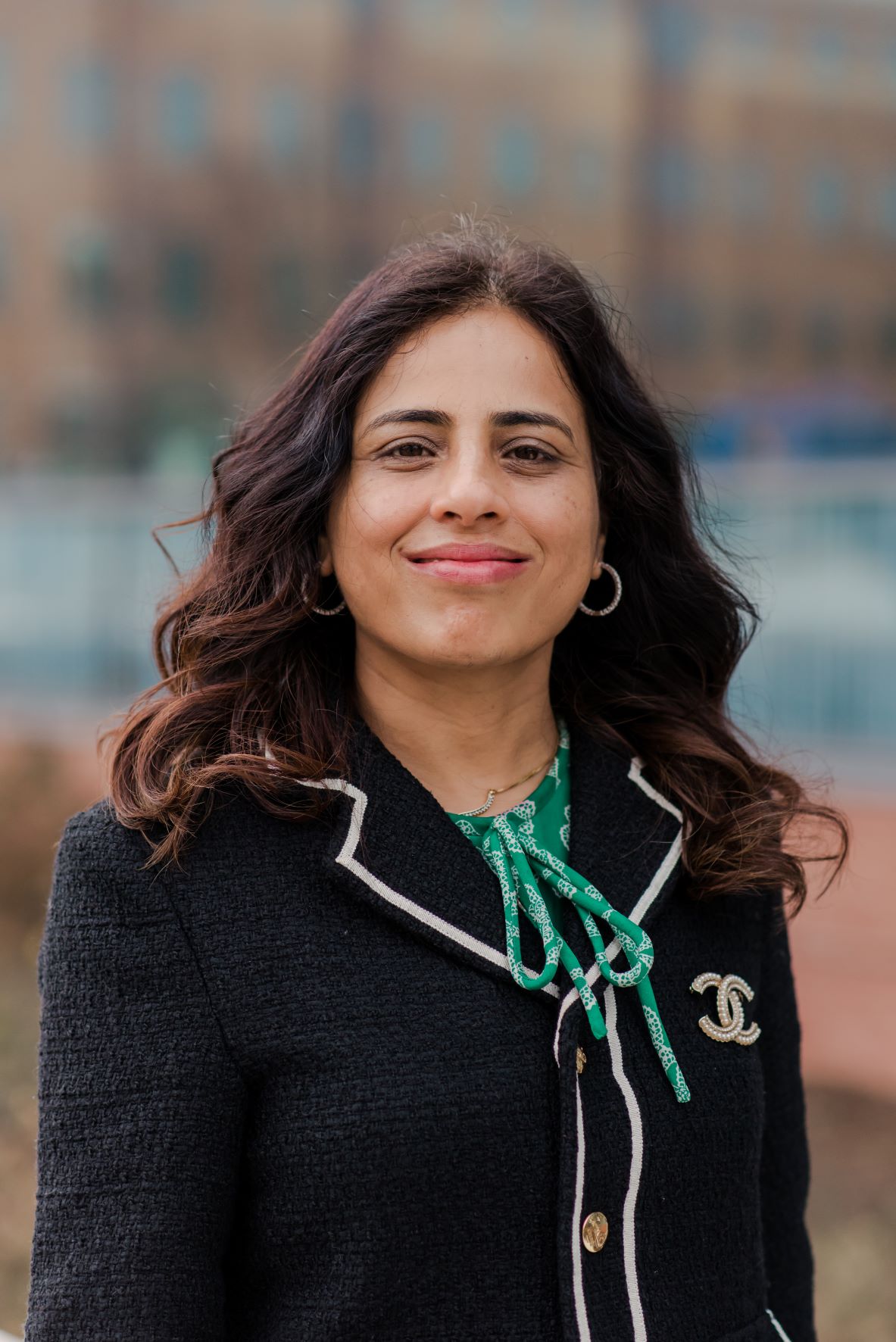
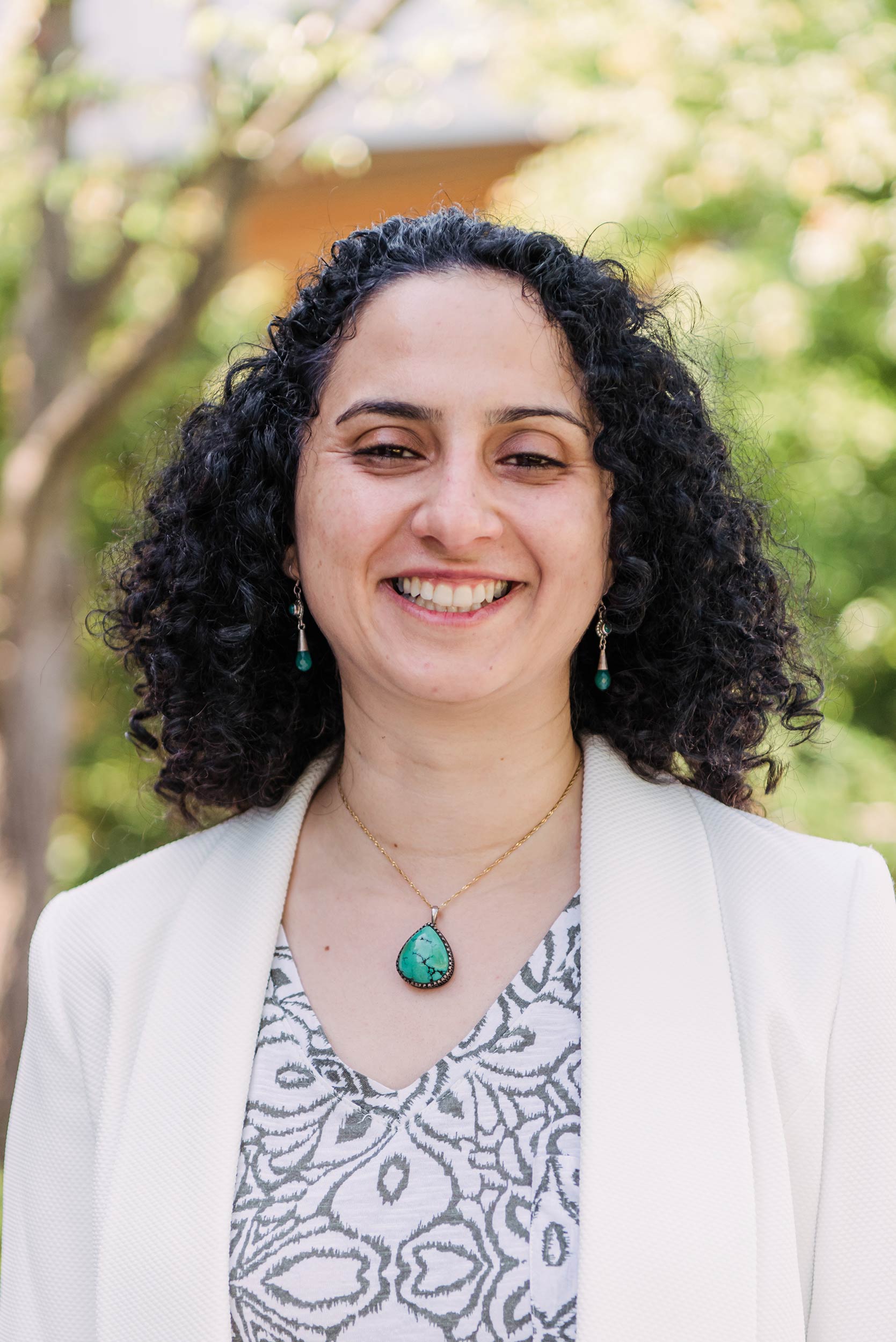
Vandana Janeja, professor and chair of information systems. (Marlayna Demond ’11/UMBC)

UMBC was engaging in multi-disciplinary work between computing and the social sciences when NSF started this initiative. “We can’t solve big societal issues with an AI algorithm alone,” explains Janeja, professor and chair of information systems. She notes that collaboration between researchers in computing and sociolinguistics is essential to address complex, real-world problems that involve both technology and communication.

Evaluating listener perceptions

Deepfakes can contribute to the rapid spread of misinformation. The threat of deepfakes on social media has received some visibility, but they can appear in other contexts as well.

Janeja highlights an example, recently covered in The New York Times, of a situation when an employee at a well-known investment banking company flagged that a person on the other end of a call sounded like their voice was being digitally altered. After the call, the company found that the person on the call was a leader from a media company posing as a different leader at another firm.
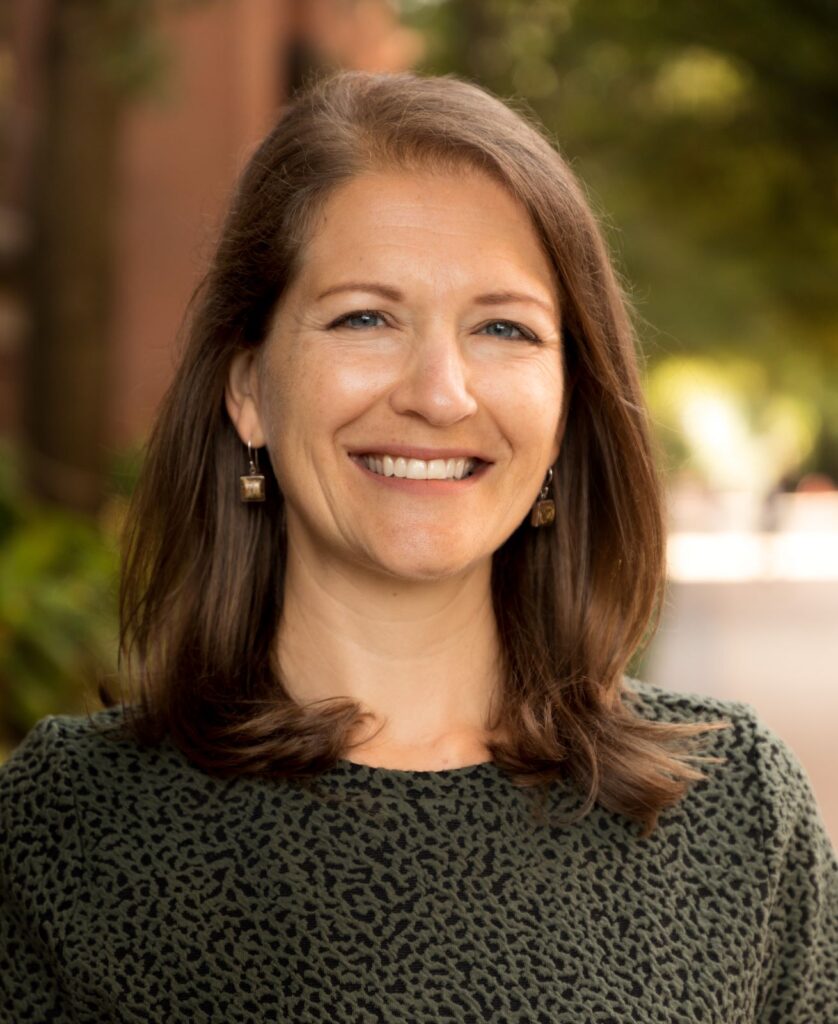
Christine Mallinson, professor of language, literacy, and culture (LLC), and director of UMBC’s Center for Social Science Scholarship. (Melissa Cormier/UMBC.)

With this type of scenario in mind, the research team will develop training sessions to help listeners improve their ability to recognize audio deepfakes with varying degrees of linguistic complexity, says Janeja, principal investigator (PI) on the grant. They will then evaluate the efficacy of those training sessions to help the listeners protect themselves against deception by audio deepfakes. Using linguistic features, the research team will also create data science algorithms to augment the information that a listener is presented with. 

The resulting tools will empower listeners to evaluate the accuracy and authenticity of information they see online, explains Mallinson, professor of language, literacy, and culture (LLC), and director of UMBC’s Center for Social Science Scholarship, who is also co-PI on the award. Participants will receive sociolinguistic training to help them develop a more finely-tuned ear for distinguishing linguistic details, and they will draw upon that information as they evaluate deepfakes.

Open-access tools

Mallinson’s work focuses on language as a socially and culturally embedded phenomenon. She explains that the linguistic complexity of audio deepfakes makes it challenging for listeners to distinguish them from natural speech and identify them as inauthentic misinformation. At the same time, linguistic training and tools can help address these challenges. By working together, experts in computing and linguistics can disentangle this complexity.

The EAGER grant is “high risk, high reward,” she says. It involves approaching a challenging phenomenon in an entirely new way, and building bridges across disciplines. Students studying both data science and the social sciences will develop the skills to identify audio deepfakes, which is uncommon, Mallinson explains. Success would mean helping people protect themselves against deception by deepfakes and increasing the equitability of AI technology.

Janeja and Mallinson’s project team will include UMBC data science scholars as well as Sara Khanjani, Ph.D. ‘24, information systems, and Lavon Davis, incoming LLC Ph.D. student. Khanjani also completed initial research informing the grant, along with Gabrielle Watson ‘21, information systems. That work explored college students’ audio deepfake perceptions. 

Khanjani looks forward to creating tutorials that can better prepare people to spot deepfakes. The team’s series of online educational modules will be openly accessible to the public, to help them improve their critical listening and discernment skills. 

Ultimately, Mallinson says, this interdisciplinary research in sociolinguistics and data science will better prepare people to navigate emerging communication issues in today’s technologically complex world. 

Mallinson and Janeja hope that in establishing an innovative pathway for collaborative research that fully integrates sociolinguistics, human-centered analytics, and data science, the study will also lay the groundwork for future analyses of deepfakes in ways that are broadly relevant to all of these fields.
The College Tour series on Amazon spotlights the UMBC student experience

The College Tour—hosted by Alex Boylan of “The Amazing Race” and a team of award-winning producers—offers prospective college students and their families an opportunity to get a first-hand glimpse of colleges and universities across the country, with students as the tour guides. Through interviews with students, prospective students from around the world explore academic, social, cultural, and campus life at these institutions. The latest season highlights UMBC in a full, hour-long episode.

The show’s producers visited campus in fall 2021 to film authentic stories about what it is like to be a UMBC student. Retrievers share their favorite elements of the UMBC experience. Twenty undergraduate and graduate students across a range of majors describe how they decided to attend UMBC, what student organizations and activities they are involved with on campus, and how they have been supported and inspired during their time as students. 

The episode also takes viewers all around UMBC, including to academic buildings and common spaces where students might connect with friends, without needing to travel to campus. Students take viewers to the Dance Cube in the Performing Arts and Humanities Building, for a walk down Academic Row, to play foosball in the Game Room in The Commons, and to connect with friends at OCA Mocha, just off campus. 

Showcasing student stories

Through this episode, students tell the UMBC story—and their own stories—in a brand new way. Students featured in the video wrote their own scripts to share their stories as artists, innovators, entrepreneurs, international students, transfer students, student leaders, scholar-athletes, and more. 

Giuliana Weiss ‘22, computer science and theater, shares how being tutored in UMBC’s Writing Center was their inspiration to become a tutor to support other students. “Even from my first semester at UMBC, it was clear to me that UMBC prioritizes its students,” said Weiss, in the segment about their UMBC experience. 

In addition to the students who spoke on camera, more than 250 members of the campus and surrounding Catonsville and Arbutus communities supported the project as extras and production volunteers.

Mohamed Galal, M.A. ‘25, TESOL, found a community at UMBC that welcomed him and his family when they moved to Maryland from Egypt, and helped his daughter get settled at a local public school. “At UMBC you find professors that provide support, and a friendly classroom environment,” says Galal. “This personal and academic support made me feel at home away from home.” 

Watch the episode.

Banner image: Levi Lewis ’22, English and media and communication studies, (center) during filming for The College Tour. Photo by Marlayna Demond ’11 for UMBC.

UMBC’s Cynthia Matuszek receives NSF CAREER Award to study how robots understand spoken language

Robots are becoming increasingly capable of complex tasks and are moving into roles that previously could only be done by people, in sectors like healthcare, education, and elder care. UMBC’s Cynthia Matuszek has received a National Science Foundation (NSF) CAREER Award to study how robots learn about the physical world from spoken language to improve how they work with people. The grant totals nearly $550,000 over five years.

There are robots that can do household chores, distribute medications, and even tutor students in various subjects. Matuszek, assistant professor of computer science and electrical engineering, explains that as robots become more ubiquitous, it is important that they are trained to interact naturally and equitably with the people around them. 

Training robots to respond to the real world

Scientists train robots in a range of ways, including developing algorithms that allow them to respond to real-world interactions and to learn through experience. But there are challenges. As machine learning algorithms are made by people, they replicate human biases, which can lead to unfair outcomes. 

An overarching goal of Matuszek’s Interactive Robotics and Language Lab is to increase the usability and fairness of robots. Through the CAREER Award, Matuszek and her students will focus on creating training algorithms for robots that enable them to interact with humans in equitable, accessible ways. 

The work will start with gathering a large dataset of spoken language from a demographically diverse population. Matuszek and her team will then teach robots to understand that language through a combination of speech and inputs from sensors, such as cameras. 

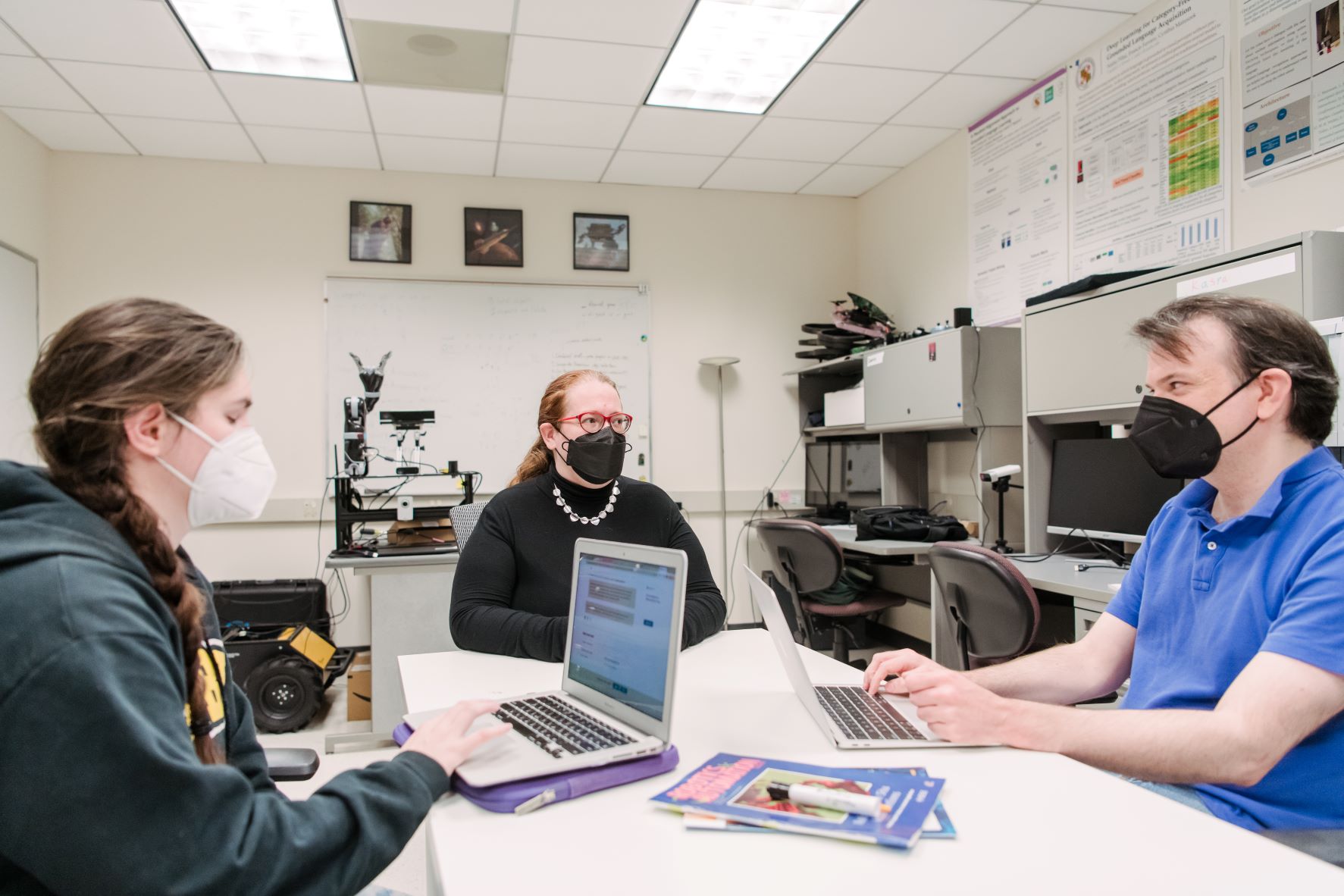
Cynthia sits at the end of a table with two other people looking at their laptops. Everyone has a mask on.
Cynthia Matuszek, center, with Nadezhda Bzhilyanskaya ’19, M.S. ’25, computer science, and Padraig Higgins, Ph.D. ’23, computer science, in the lab.

This is similar to how people learn about new things from explanations given while they interact with the world using their senses. Through this approach, robots will be trained to understand how people talk about things, while avoiding some of the representation problems present in current large learned AI models. 

Matuszek says that while robots can provide value in human spaces, their usefulness is limited if they are only accessible to technology experts. Making robots that can process plain spoken language and respond appropriately will be key to their success.

“This is science that I’m excited about getting pushed forward. And having external reinforcement is a great feeling,” she says. 

UMBC faculty consistently recognized

Matuszek’s award is the 41st CAREER award received by UMBC faculty since NSF established the program in 1995. Faculty in departments across campus, from chemical, biochemical, and environmental engineering to physics to chemistry and biochemistry, have received CAREER awards. 

UMBC faculty in the College of Engineering and Information Technology (COEIT) have earned several of these grants. Last year, James Foulds, assistant professor of information systems, received a CAREER Award to support his research on improving the fairness and robustness of AI algorithms. Matuszek’s award is the 15th CAREER Award for UMBC’s computer science and electrical engineering faculty. 

“Dr. Matuszek’s focus is on ensuring successful communication in noisy, real world, and diverse contexts,” says Keith J Bowman, dean of COEIT. “That includes contexts ensuring aging individuals can maintain their independence and a higher quality of life in their elder years.”

“It’s certainly a big honor to receive a CAREER Award,” says Matuszek. “Receiving the award reinforces that the work I’m doing has value.”

Banner image: Cynthia Matuszek. All photos by Marlayna Demond ’11 for UMBC.

Four UMBC students receive Goldwater Scholarship for STEM research, tying prior record

Four UMBC students have been named 2022-23 Goldwater Scholars, tying the university’s past record, set just last year. This year’s recipients are Christopher Slaughter ‘23, computer engineering; Rachel Myers ‘23, chemical engineering; Tobi Majekodunmi ‘23, mechanical engineering; and D’Juan Moreland ‘23, biological sciences and music. UMBC had more winners this year than any other institution in the state of Maryland. 

Moreland, Myers, April Householder, Slaughter, and Majekodunmi.

“Having a full slate of four Goldwater Scholars selected for the second year in a row is an incredible achievement for the student-scholars, the faculty and staff who support them, and the university as a whole,” says April Householder, director of Undergraduate Research and Prestigious Scholarships. “It means that STEM education at UMBC is preparing our students to be the best in the nation.”

The Barry Goldwater Scholarship and Excellence in Education Program is designed to provide the United States with “a continuing source of highly qualified scientists, mathematicians, and engineers” to move the nation forward. More than 1,200 students applied from over 425 institutions across the country this year. The program selected a total of 417 scholars to receive Goldwater scholarships for 2022-23. 

Aspiring minds

Goldwater Scholars each receive substantial scholarship funding that advances their undergraduate work and educational paths. The program focuses on students pursuing research, and many past scholars have published and presented their work as early as their undergraduate years.

This was a major draw for Slaughter, who has been involved in UMBC research since high school. He currently is working with Govind Rao, professor of chemical, biochemical, and environmental engineering, to develop an automatic glucose monitoring system using an optical biosensor. “Research has always played a huge role in my life,” Slaughter says. “That’s why I find myself in the position that I’m in today, because I fell in love with research and bioengineering. Receiving the Goldwater is so affirming—it means that I am recognized as one of most promising aspiring minds in STEM.”

Christopher Slaughter.

When Slaughter learned that he had been selected for the scholarship, it brought tears to his eyes, he shares. It has renewed his commitment to pursuing research, even when presented with obstacles. And he can’t wait to meet the Goldwater community that will help him surpass those obstacles. “I am looking forward to connecting with other Goldwater Scholars and joining their network, and to meeting other scholars who are in similar fields,” he says.

Importance of mentorship

The process of applying for and receiving a Goldwater Scholarship was more than two years in the making for UMBC’s recipients. Majekodunmi applied to be nominated for the Goldwater during his sophomore year, but it wasn’t until his junior year that he was formally nominated by UMBC. Leading up to the deadline, Majekodunmi spent several hours each night developing and refining his application. 

Tobi Majekodunmi.

“The most pivotal contributions to my essays came from several of my mentors, some of whom were previous Goldwater awardees. They took time out of their busy schedules to review my work and provide helpful feedback,” he says. “Although arduous and filled with many late nights, participating in this process has strengthened and increased my confidence in my technical writing skills.” 

All four of this year’s recipients say their respective mentors played an important role in supporting them during the application process and preparing them to compete for the award. And those mentors are now sharing in the students’ excitement. Moreland says that the first people he reached out to after hearing the news of his Goldwater Scholars were his mentor and research advisors.

D’Juan Moreland.

Representation matters

Like Majekodunmi and Moreland, Myers shares that she was supported by mentors, family, advisors, and fellow students throughout the Goldwater application. She was at the National Society of Black Engineers Convention with Majekodunmi and Slaughter when she received the email announcing that she received the award. 

“I was absolutely elated and felt so honored,” she recalls. “All I could think was, ‘Wow, what I represent matters. What my fellow awardees represent matters,’” Myers says. 

Rachel Myers.

Reflecting on the power of that moment, she shares, “I just imagined a young black girl from a community like mine, seeing me in this position and saying to herself, ‘So I can definitely do that too,’ just as I’ve said when I met women like Dr. Kizzmekia Corbett in high school or Dr. Lola Eniola-Adefeso during my freshman year at UMBC.” 

Both Corbett ‘08, biological sciences and sociology, and Eniola-Adefeso ‘99, chemical engineering, are alumni of UMBC and the Meyerhoff Scholars Program who have made enormous contributions to biomedical research at a global scale. “I’m just excited to be another catalyst for other people’s dreams becoming a reality,” says Myers, “just as Dr. Corbett and Dr. Eniola-Adefeso have been for me.”

Majekodunmi similarly shares, “Becoming a Goldwater Scholar awardee is a celebration of the many influences in my life that have contributed to my development and success. To name a few, there are my family, teachers, mentors, and the Meyerhoff Scholars Program.” 

He reflects, “My success is made possible because of their support, inspiration, and wisdom.”

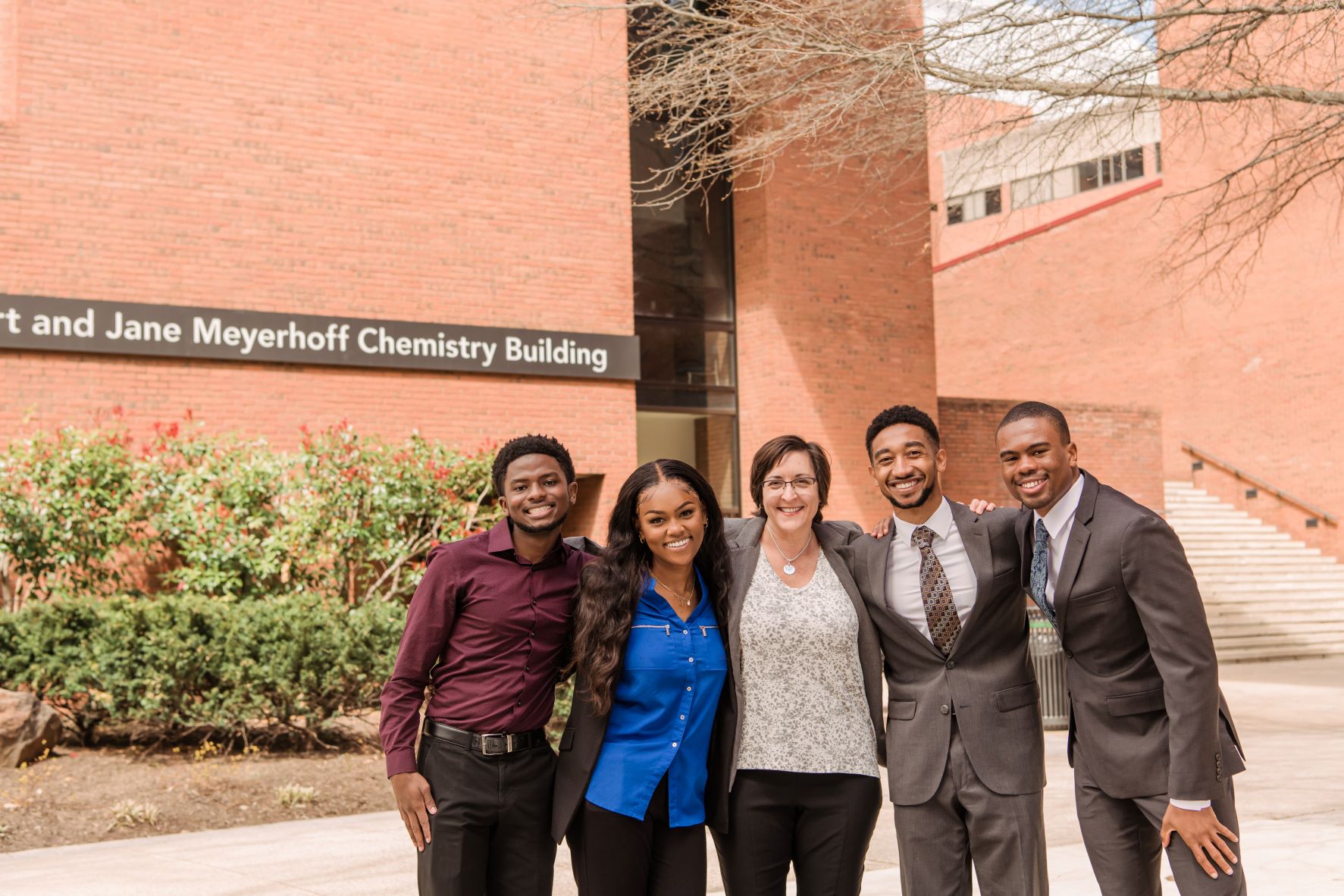
Banner image: UMBC’s 2022 Goldwater Scholars. From left, Tobi Majekodunmi, Christopher Slaughter, D’Juan Moreland, and Rachel Myers. All photo by Marlayna Demond ’11 for UMBC.

U.S. News names UMBC graduate programs among the nation’s best 

U.S. News announced its 2023 Best Graduate School rankings today, including outstanding UMBC graduate programs across all three colleges. Top fields where UMBC excels range from computer science and several types of engineering to psychology and statistics. Among UMBC’s 14 Best Graduate School rankings for 2023 are seven top-100 programs.

This recognition honors UMBC faculty, staff, and students’ combined commitment to excellence, says President Freeman Hrabowski. “These rankings reflect the energy and creativity of our colleagues and students,” he shares. “We’re very proud of everyone involved.”

To develop the rankings, U.S. News combined quantitative data and expert opinions on the reputations of over 2,000 programs, gathering input from more than 23,000 deans, program directors, senior faculty, and other leaders. 

Continued success in engineering

UMBC’s engineering programs ranked in the top 100, both broadly and in multiple subfields. Overall, UMBC engineering jumped up 9 spots to rank 99th, tied with the University of Oklahoma and Illinois Institute of Technology. UMBC’s environmental engineering graduate program moved up to 55th. The university also ranked 77th in chemical engineering, 89th in computer engineering, 99th in mechanical engineering, and 113th in electrical engineering.

Additionally, U.S. News ranked UMBC’s graduate programs in computer science 74th in the nation.

This recognition and the forward momentum it represents come at an important moment for the university. UMBC marks the 30th anniversary of the College of Engineering and Information Technology (COEIT) this year.

“COEIT’s continued success and UMBC’s newly designated R1 status are a testament to our outstanding students, staff, and faculty, and support from our campus,” says COEIT Dean Keith J Bowman. “Investments in UMBC by our state and our corporate partners have enabled the continued ascendance of programs across UMBC.”

Strength in natural and mathematical sciences

Today’s rankings also honor programs from UMBC’s College of Natural and Mathematical Sciences (CNMS), including mathematics (54th), statistics (54th), biological sciences (119th), chemistry (115th), and physics (95th). The statistics program joins top-55 institutions like University of Chicago, Penn State, Virginia Tech, and University of Virginia. 

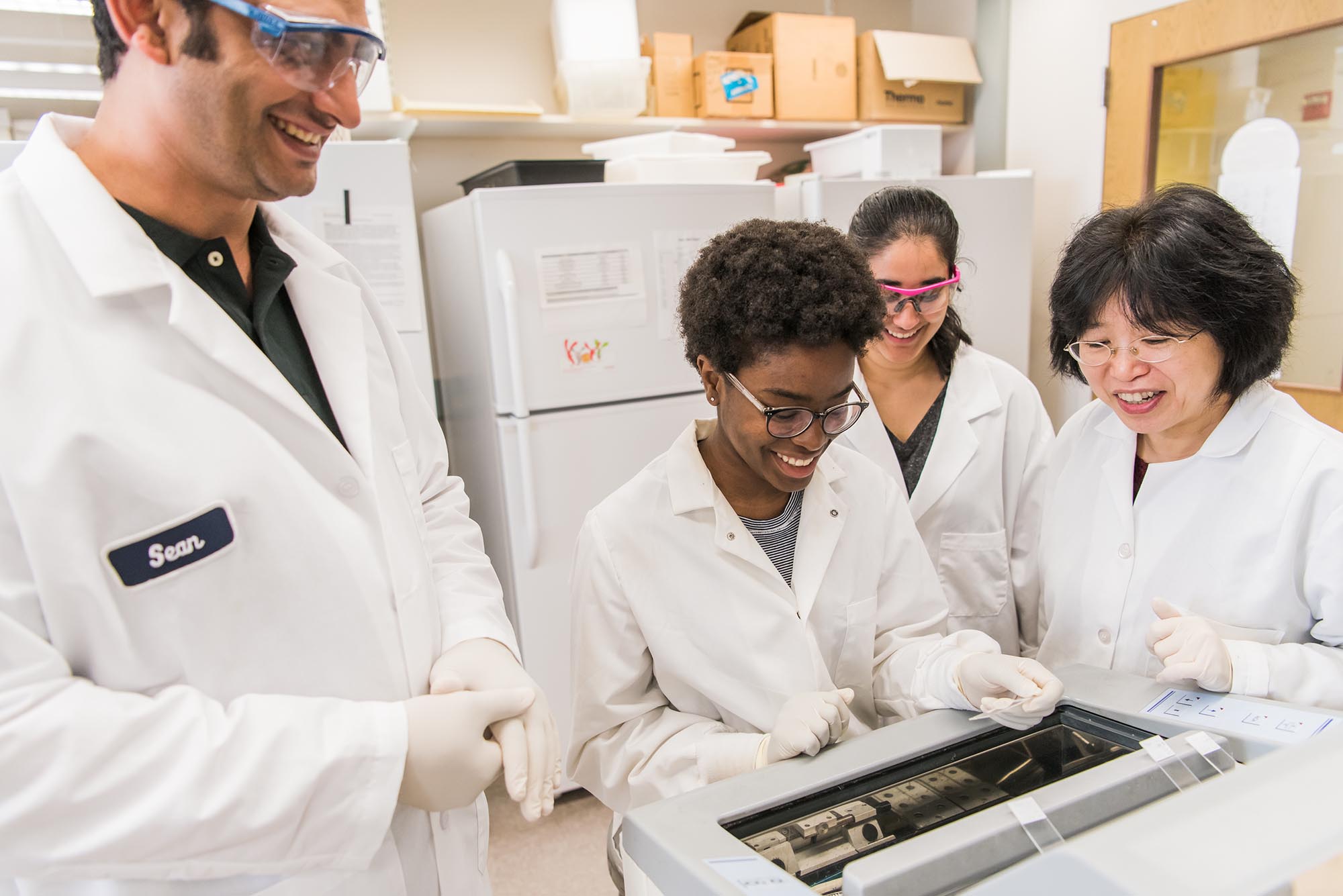
Weihong Lin, biological sciences, (right) works with students in the lab. Photo by Marlayna Demond '11 for UMBC.
Weihong Lin, biological sciences, (right) works with students in the lab. Photo by Marlayna Demond ’11 for UMBC.

“The U.S. News graduate program rankings reflect many years of effort and dedication by the faculty, staff, and students in the college. Their commitment to world-class research, mentoring, and inclusive excellence provides the foundation for UMBC’s growing reputation as an R1 university,” says CNMS Dean Bill LaCourse. “I am grateful that our programs are receiving the recognition that they deserve.”

Excellence in social sciences

In the social sciences, UMBC’s psychology graduate programs came in at 122. UMBC joins fellow top-125 universities in psychology ranging from Johns Hopkins and Rutgers to University of Delaware and American University.

Additionally, UMBC is 140th in the interdisciplinary category of geology. This U.S. News ranking includes fields ranging from environmental sciences⁠—part of UMBC’s College of Arts Humanities and Social Sciences (CAHSS)⁠—to geophysics.

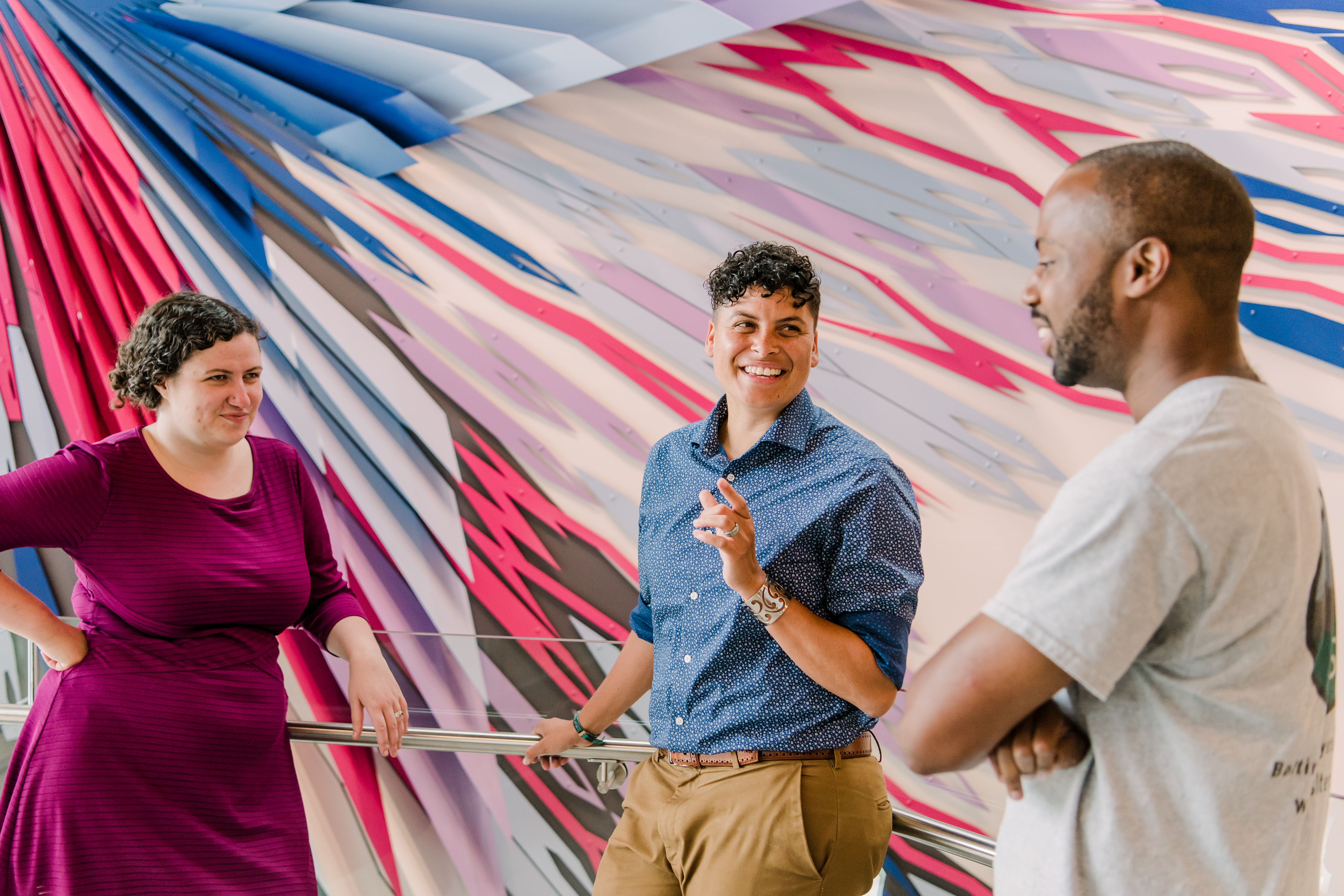
Three people in conversation below a colorful wall art installation
Chris Hawn, geography and environmental systems, (center) and their graduate students in the ILSB in 2019. Photo by Marlayna Demond ’11 for UMBC.

“The departments of geography and environmental systems and psychology consistently elevate the work of the social sciences in our College and at UMBC,” says CAHSS Dean Kimberly R. Moffitt. “I am most appreciative of the tremendous efforts of the faculty, staff, and students that are reflected in these rankings and are worthy of such recognition.”

UMBC’s strength in research has helped grow graduate programs in all colleges. “We are so proud of our focused development in research and graduate education,” says Janet Rutledge, vice provost and dean of the Graduate School. “This growth has led to our recent R1 classification as well as these graduate program rankings, which reflect UMBC’s overall excellence as a leading public research university.”

Banner image: Nilanjan Banerjee, computer science and electrical engineering, (right) working with a student in the lab in 2018. Photo by Marlayna Demond ’11 for UMBC.

UMBC’s Riadul Islam receives NSF funding to secure cars against communication system attacks

As vehicles become more advanced, opportunities increase for hackers to remotely attack their embedded systems, creating significant safety concerns for drivers and passengers. Riadul Islam, assistant professor of computer science and electrical engineering at UMBC, received a $200,000 grant from the National Science Foundation to study how to better detect and protect against these cyber attacks.

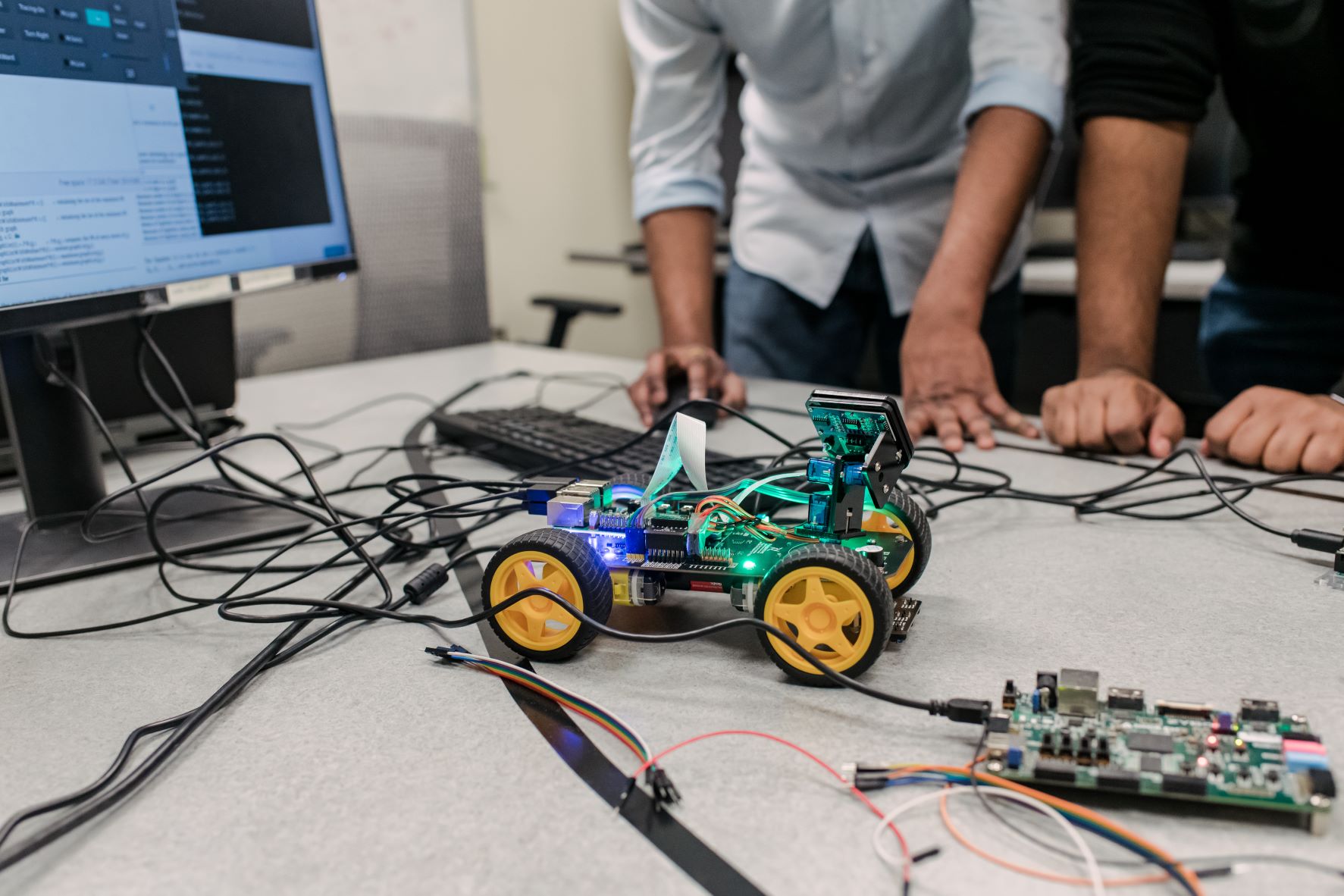
Surrounded by wires and a computer chip, the model vehicle that Islam and his team are using in their research glows with green and blue lights.
A model vehicle that Islam and his team are using in their research.

Today’s cars include complex electronic systems that interact and communicate with each other in order to operate properly. For example, steering and braking systems rely on internal communications and must also effectively communicate with other systems and networks in the vehicle to function properly. 

Issues arise when communications between systems are interrupted, or when external players intentionally hack into these systems. “Remote attacks can jam the communication systems,” Islam explains, which can pose dangers. 

Improving safety

To detect potential issues that can put people at risk, Islam and his team are developing data graphs that chart out messages and signals among a vehicle’s systems. They will next build an attacker detection algorithm based on that analysis. 

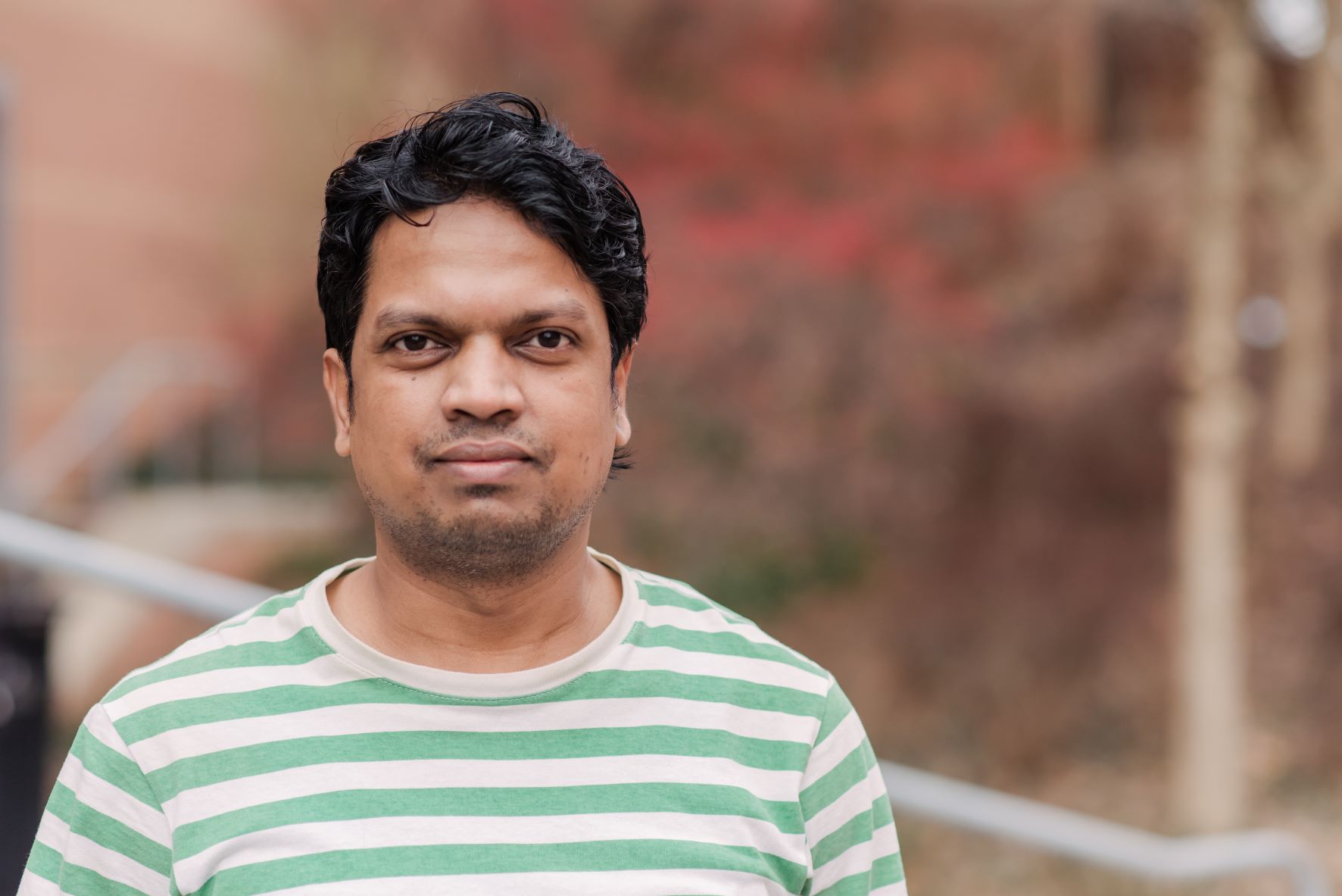
Portrait of Riadul Islam outside. He is wearing a green and white striped shirt and looks very serious.
Riadul Islam.

This approach to detecting attacks will fundamentally change how people can analyze the enormous amount of data that modern vehicles generate. And it’s essential that people become more aware of this data and start to manage it, says Islam. He explains that vehicles with advanced driver-assistance systems, more common today than ever before, are more vulnerable to being hacked. “Anyone can take over a car remotely,” he says. “It’s a huge safety concern.” 

Boosting public confidence in autonomous cars

Dhandeep Challagundla ‘22, computer engineering, and Sri Ranga Sai Krishna Tummala, M.S ‘25, computer science, are working alongside Islam on this research. Challagundla is primarily working on energy-efficient computing, while Tummala is building a testbed for collecting sensor data from vehicular networks.

“Vehicular security is the primary key to maintaining the integrity of the automated driving systems, which can significantly boost public confidence in future autonomous cars,” explains Tummala.   

Dr. Riadul Islam in the lab with two students, one of which is pointing at a computer screen.
Dr. Riadul Islam, right, in the lab with students.

This research will also integrate novel neural architectures to manage humongous data generated by vehicle electronic control units and provide real-time training and inference platform to tackle unknown issues, says Islam.

Detecting and classifying images

In addition to the funding from NSF, Islam received funding through the Maryland Innovation Initiative (MII), and from the Maryland Industrial Partnership (MIPS). He is collaborating with Ryan Robucci, associate professor of computer science and electrical engineering, and industrial partner Oculi on a project funded by the MIPS. 

Their work will focus on developing algorithms that allow cameras to more accurately detect and classify images. Through this work, Islam and Robucci are working to create a software platform to support the design of an energy-efficient spiking neural network that can be implemented in conventional vision sensors. 

“Both the MII and MIPS research will directly impact Maryland’s economy,” explains Islam. “The MII research will also improve the security of our transportation systems, and MIPS will concentrate on energy-efficient imaging considering public safety and privacy.”

Banner image: Dr. Riadul Islam, right, in the lab with students. All photos by Marlayna Demond ’11 for UMBC.

UMBC’s Deepa Madan develops bendable zinc-based batteries

Rechargeable alkaline batteries are readily available at many stores and pharmacies, but they are rigid and cannot be used in slim or small devices that require batteries. Deepa Madan, assistant professor of mechanical engineering, and her research team are working to develop zinc-chitosan gel-based batteries that are enclosed in flexible plastic. This would revolutionize how consumers power devices they use every day.

Deepa Madan.

Zinc, chitosan, and manganese dioxide—all components of the gel-based batteries—are abundantly available and are safe for people and animals to be around, Madan explains. Zinc-based air battery technology is already used to create small, rigid batteries, like those used in hearing aids. For this new technology, she envisions a broader array of possible forms and uses, particularly for wearable health monitoring devices.

Madan’s work has received a phase 1 award from the Maryland Innovation Initiative (MII). The MII is a partnership between the State of Maryland and five academic research institutions in Maryland, including UMBC, which promotes the commercialization of research conducted at the universities involved. It helps to get innovative products to consumers more quickly.

Improving battery safety

The goal of this work is to develop a flexible, rechargeable zinc battery (RZB) prototype that can be used in wearable devices such as watches, wireless headphones, and health devices. “By demonstrating the unique advantages of safety and design flexibility—which enables larger battery footprint and, hence, better performance—we expect to enable RZB commercialization and gain market share for wearable health monitoring devices,” Madan explains.

Enhanced durability is an additional benefit of the RZB technology. These batteries can continue to safely generate power even if they are punctured, bent, or cut. 

During testing, Madan and her students poked six holes in the plastic that contained the battery. They found that the holes reduced the power generated from 100 percent to about 88 percent. The remaining power was still enough to power a small light. 

Deepa Madan, left, in the lab with three students.

“I have always been interested in exploring eco- and user-friendly principles in research,” says Aswani Poosapati, Ph.D. ‘20, mechanical engineering. “After meeting with Dr. Madan, I saw how we can adapt these concepts to make a unique, highly-performing battery, to make a difference in people’s lives. This experience allowed me to see myself as a researcher and has also spurred my desire to explore more.”

The results of this research are promising, Madan says. Initial results show battery performance at levels comparable to existing products. With this finding and several additional benefits, she hopes to quickly move toward bringing these new batteries to market.

Banner image: Deepa Madan, right, in her lab in the ILSB. All photos by Marlayna Demond ’11 for UMBC.

Pres. Hrabowski elected a member of the National Academy of Engineering

Today, the National Academy of Engineering (NAE) announced the election of UMBC President Freeman A. Hrabowski, III as a member. This prestigious honor recognizes Pres. Hrabowski’s leadership in higher education—serving as president of UMBC for three decades and working to increase diversity in STEM fields, including engineering, at a national level.

President Hrabowski joins more than 2,000 leaders in engineering who have been previously elected as NAE members, including top researchers, practitioners, and educators from both the U.S. and international community. 

Membership to NAE is one of the highest honors granted within the field of engineering. The NAE describes individuals elected for membership as having made “outstanding contributions” to engineering research or practice. Members also make significant contributions to engineering literature, new and developing fields of technology, and innovative approaches to engineering education.

“It is a tremendous honor to be elected to membership of the National Academy of Engineering,” says President Hrabowski, who will retire at the end of the 2021-2022 academic year. “This recognition highlights UMBC’s distinctive approach to engineering education. It also honors the remarkable students, faculty, and staff at UMBC who are committed to increasing diversity in engineering and STEM disciplines more broadly.”

A career of leadership and innovation

“I can think of no one more deserving of this honor than President Hrabowski,” said University System of Maryland Chancellor Jay A. Perman. “Over 30 years of leadership at UMBC, he’s revolutionized engineering education—how we open access to engineering education, how we ensure equity and excellence, how we nurture students’ success.”

Keith J Bowman, dean of UMBC’s College of Engineering and Information Technology, says that Pres. Hrabowski’s election as a member of NAE highlights the important contributions of academic leaders in the field of engineering. 

“This is simply awesome,” Bowman shares. “President Hrabowski’s election to the NAE recognizes one of the foremost figures in our country working to advance equity and inclusion in who does engineering research, who leads engineering academia, and the social responsibility inherent to our engineering fields.”

Pathways to increase diversity in STEM

Pres. Hrabowski has held many high-profile, high-impact roles, including leading President Barack Obama’s Advisory Commission on Educational Excellence for African Americans in 2012. Under his leadership, UMBC has become the nation’s #1 producer of Black undergraduates who go on to complete  Ph.D.s in the natural sciences and engineering.

Three students walk down a path at a university campus in spring
Three Meyerhoff Scholars connect at UMBC in spring 2021.

An important driver of this success is UMBC’s Meyerhoff Scholars Program, which works to increase the diversity of STEM leaders by providing students from underrepresented groups with paths to academic research. Institutions across the country, from Penn State to UC Berkeley, have developed programs based on the Meyerhoff model.

“It is a pleasure to welcome President Freeman Hrabowski as a fellow member of the prestigious National Academy of Engineering,” says Darryll J. Pines, president of the University of Maryland, College Park, and an aerospace engineer. “His contributions to creating a diverse STEM pipeline are unmatched.”

The newly elected member class will be formally inducted during the National Academy of Engineering’s annual meeting in October 2022.

Banner image: Dr. Hrabowski, right, with two K-12 students during an on-campus event organized within UMBC’s College of Engineering and Information Technology in 2016. All photos by Marlayna Demond ’11 for UMBC.

Meet the UMBC alumni who built the Smithsonian’s Searchable Museum, expanding online access to African American history and culture

The National Museum of African American History and Culture (NMAAHC) is known for its stunning architecture and powerful, immersive exhibits. More than 600,000 visitors experienced the NMAAHC – the newest Smithsonian museum – in the first three months of its opening in Washington, D.C. During the COVID pandemic, the museum wondered how it could best reach audiences unable to visit in person. Enter Baltimore-based tech company Fearless and a team of UMBC alumni bridging computing and the arts.

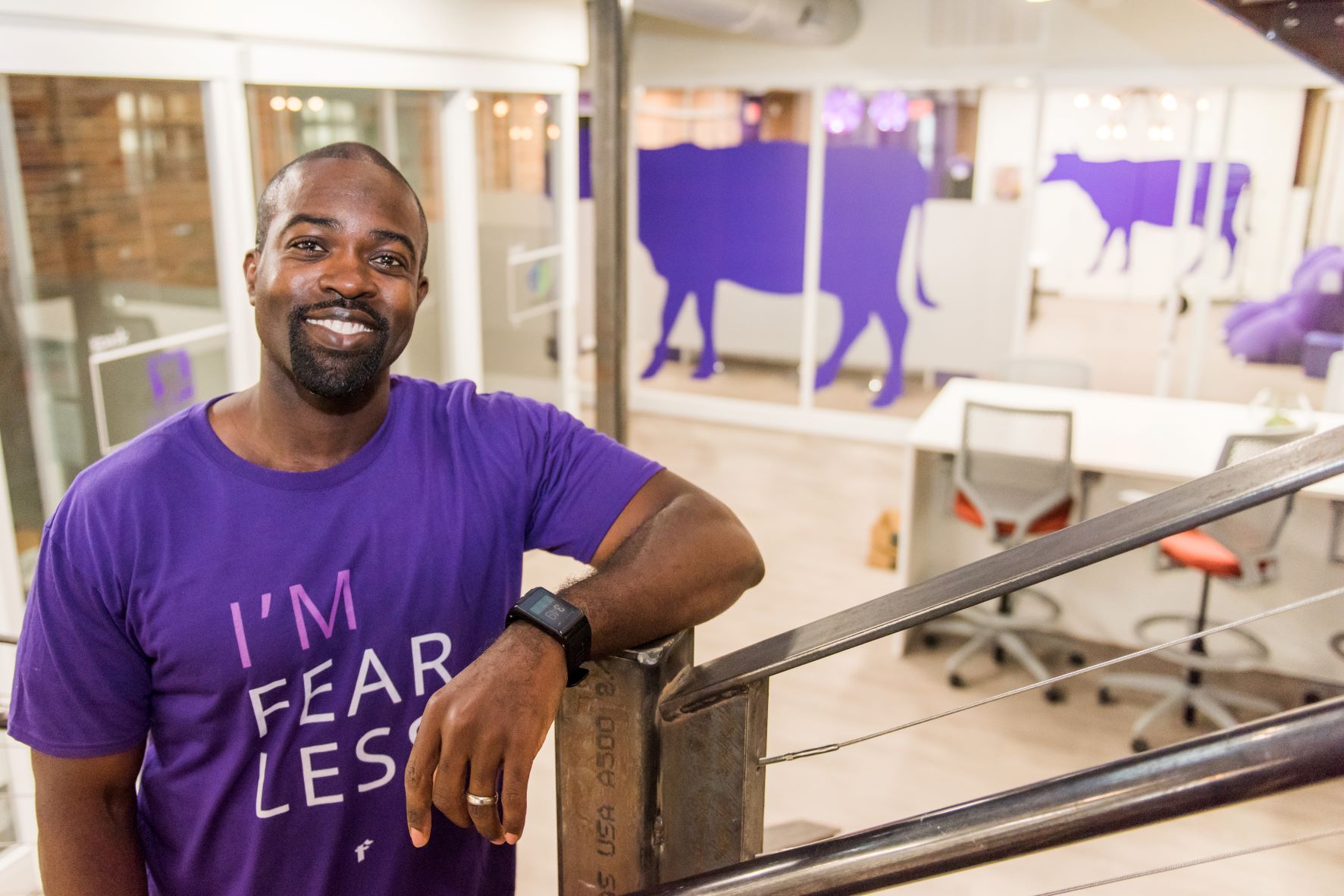
Fearless, founded by Delali Dzirasa ‘04, computer engineering, led the development of the Searchable Museum to complement the NMAAHC’s “Slavery and Freedom” exhibition. The Fearless and NMAAHC teams worked together to reimagine this exhibit specifically for online audiences.

The Smithsonian’s announcement of the new platform notes, “Over a year in the making, the Searchable Museum initiative is one of the museum’s largest digital undertakings, bringing the museum’s evocative content and immersive in-person visitor experience into homes around the world.”

Reaching students where they are 

The Searchable Museum has notably increased access to the NMAAHC exhibit materials, enabling people from around the world to immerse themselves in African American history and navigate critical conversations. A particularly important audience for the museum is K-12 students, whose class field trips to Washington, D.C. have been sharply curtailed by COVID. 

A man wearing a purple t-shirt stands with his arm resting on a bannister. Behind him is a
Delali Dzirasa in the Fearless office space. Photo by Marlayna Demond ’11 for UMBC.

The Fearless team designed the Searchable Museum with this audience in mind, and website data reveals they have succeeded in reaching that audience. Google Classrooms is one of the top ways that visitors have accessed the Searchable Museum.

“This is a dream project for us, and we knew we had to put together a world-class team,” says Dzirasa. “It was very important to us and the museum team that this be an experience for everyone. The types of interactive features we included are meant to be inclusive of as many people and devices as possible.”

Collaboration and innovation 

Dzirasa and UMBC alumni and Fearless COO John Foster ‘04, computer engineering, convened a team of 16 Fearless employees who have worked on the two year project, including UMBC alumni Avery Smith ‘03, visual arts; Bill Streckfus ‘06, computer science; and Evan Rittenhouse ‘17, computer science. 

“Fearless helped extend the museum’s reach to the online world, which required sensitivity. It was both a responsibility and a pleasure to make sure the museum’s stories of perseverance, tragedy, and triumph were carefully transmitted through an online medium, directly to the hearts of each visitor of the site,” explains Smith, a software engineer at Fearless. 

Avery Smith. Photo courtesy of Smith.

“Personally speaking, the NMAAHC is a landmark institution that provides a national record of activity of my ancestors and contemporaries,” says Smith. “It is extremely important that many of our artifacts and accomplishments are adequately surfaced to a global audience.” 

Smith shares, “Fearless believes that the internet is a major tool for innovation, collaboration and critical thought. Helping to chronicle this extremely important segment of American history is our way of contributing to a fairer, healthier world, with an internet that is even more useful for even more people.”

Expanding access to African American stories

Dzirasa, Smith, and the rest of the Fearless team look forward to collaborating with the NMAAHC to translate more exhibits to the Searchable Museum platform.

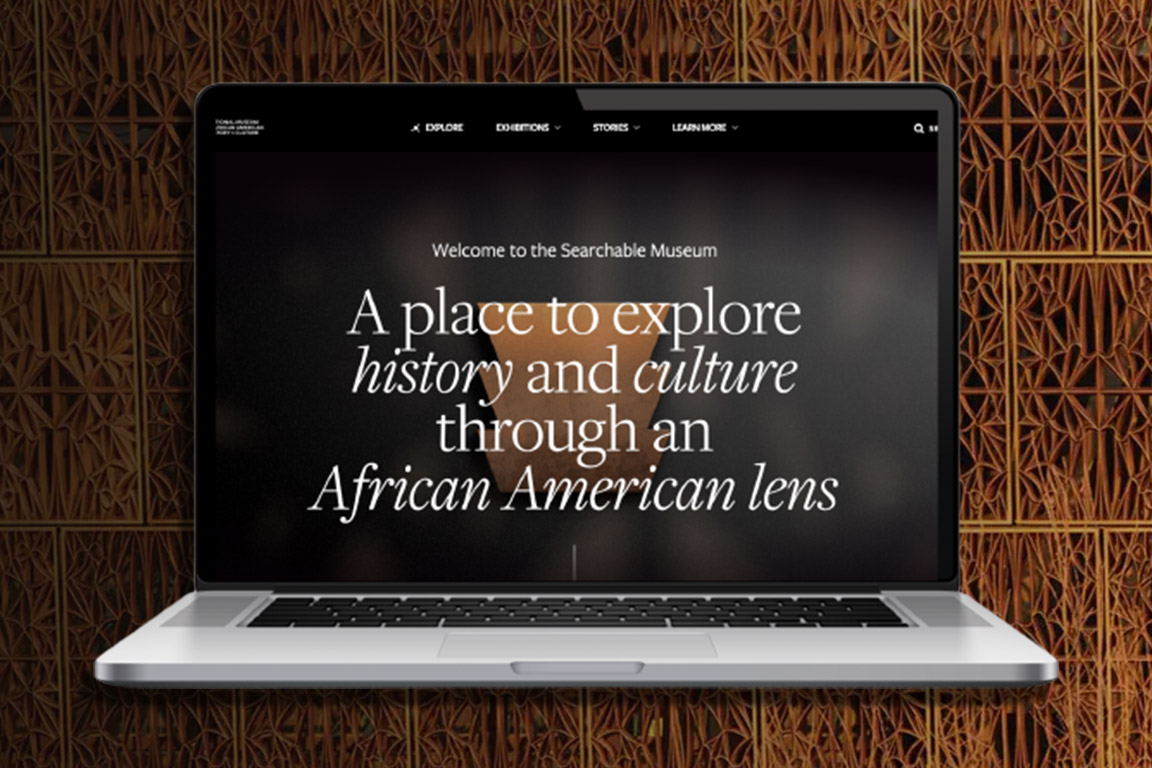
A photo of the Searchable Museum interface and introductory slide on the screen of a laptop computer. The background is a brown pattern.
A photo of the Searchable Museum interface. Courtesy of the National Museum of African American History and Culture.

“Visiting NMAAHC is a life-changing experience, but I know not everyone will be able to go to Washington, D.C. to see the exhibitions in person. It was very important to us that we preserve and enhance the emotional storytelling people experience when they visit the museum and bring it online,” says Dzirasa. 

“What you see today is version one, and we’re already making plans for what comes next,” he notes. “We are learning and taking feedback to make the next versions even better. As more exhibitions are added to the Searchable Museum, you’ll be able to access and experience hundreds of years of the African American story from anywhere in the world.”

Kevin Young, Andrew W. Mellon Director of the museum, shares, “Allowing the public to virtually revisit the originating struggle for American freedom in the ‘Slavery and Freedom’ exhibition reminds us of the centrality of the African American journey to the American experience—a story of triumph, resilience and joy over the centuries.”

Banner image: The National Museum of African American History and Culture. Photo by Angela N., Flickr CC by 2.0.

UMBC’s Mohamed Younis earns IEEE Fellow distinction as a leader in wireless network research

UMBC’s Mohamed Younis has long been known as an innovator in wireless communications and networks, addressing complex protocol and security challenges. Now, he is one of the newest fellows of the Institute of Electrical and Electronics Engineers (IEEE). 

The IEEE is a professional organization dedicated to advancing technology. It is the world’s leading and largest technical society, with over 400,000 members in more than 160 countries. 

The organization awards the IEEE Fellow distinction to members who have contributed to their fields in particularly significant ways. Less than one percent of all IEEE members are elevated to this status. This year, IEEE selected 331 new fellows worldwide. 

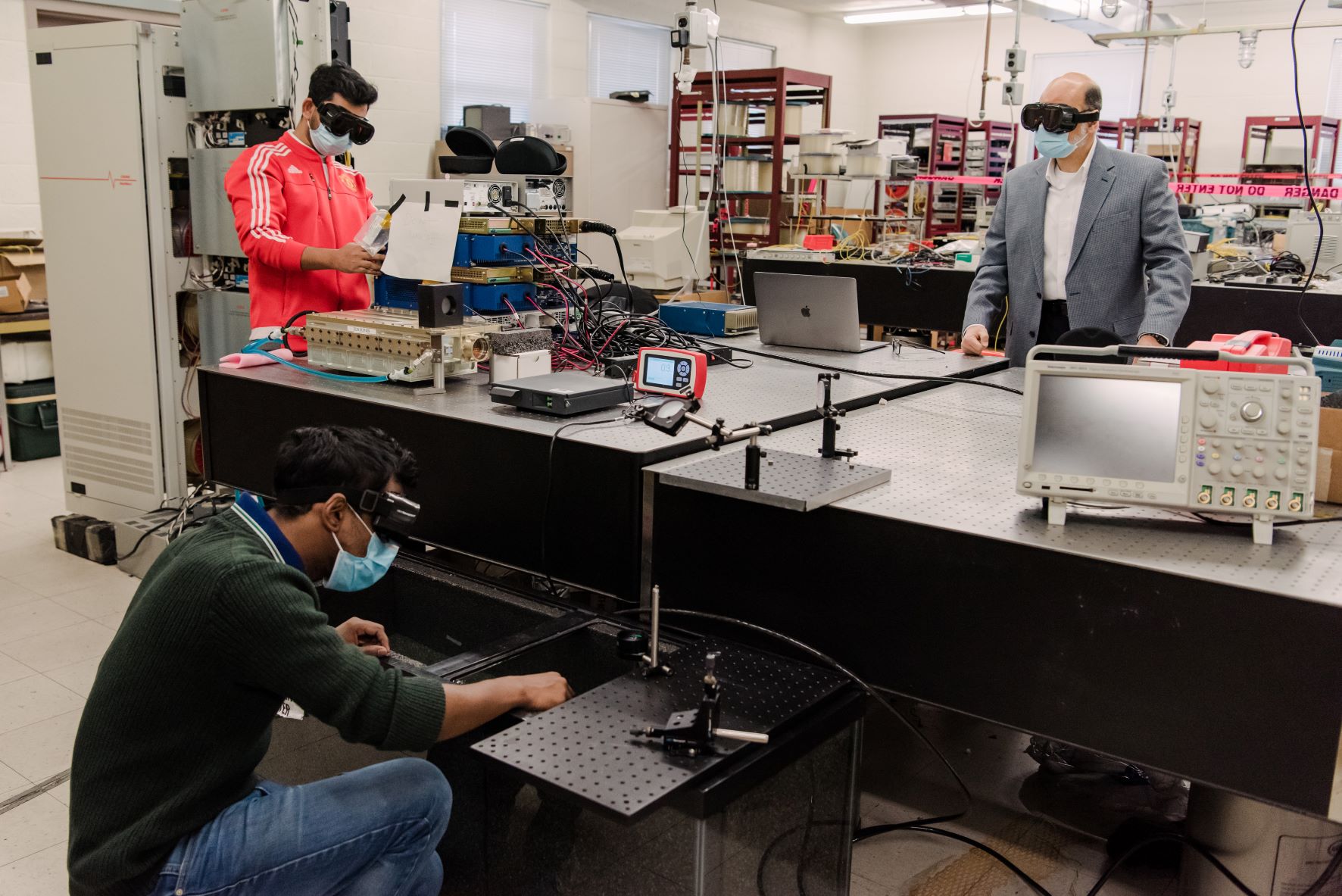
Mohamed Younis, center, works with two students in his lab. Photo by Marlayna Demond ’11 for UMBC.

“I am very proud of this recognition from IEEE,” says Younis, professor of computer science and electrical engineering. “It’s the icing on the cake.” He joins six other faculty in UMBC’s computer science and electrical engineering department who have earned this honor. 

Driven to find solutions 

Younis studies embedded operating systems as well as sensor networks and wireless networks. A passion for finding solutions to thorny technical challenges drives his research.

Mohamed Younis, right, works with two students in his lab.

Throughout his career, he has published more than 300 papers in conference proceedings and journals. With gratitude for his speaking and publishing opportunities, he advises students to consistently focus on high quality, impactful research. “If you set a high standard and tackle important problems,” he shares, “people will recognize your work.”

Younis’s current research is funded by several grants from the National Science Foundation. One project focuses on the design of underwater networks and communication across the air-water interface using optoacoustic links, with implications for national defense.

Banner image: Mohamed Younis. All photos by Marlayna Demond ’11 for UMBC.

UMBC’s online master’s in information systems is one of the nation’s best, U.S. News reports

U.S. News today announced that UMBC’s online master’s degree in information systems (IS) is one of the nation’s best online programs in this growing field. UMBC’s program has been recognized as a leader for several years. This year, joining UMBC in the top 50 ranked programs are universities like Virginia Tech, Johns Hopkins, and George Mason. UMBC’s program is also included on the Best for Veterans list for the second year in a row, among the top 25 programs nationwide.

Cutting-edge research in the classroom

Michael Brown, professor of practice in information systems, is the graduate program director for the online master’s in information systems. He says that UMBC’s program offers students a unique and valuable opportunity to learn from innovative researchers and establish strong connections with people in the field.

“It is an honor for our program to be recognized by U.S. News,” he shares. “UMBC offers a truly unique program that is preparing students for careers of the future.”

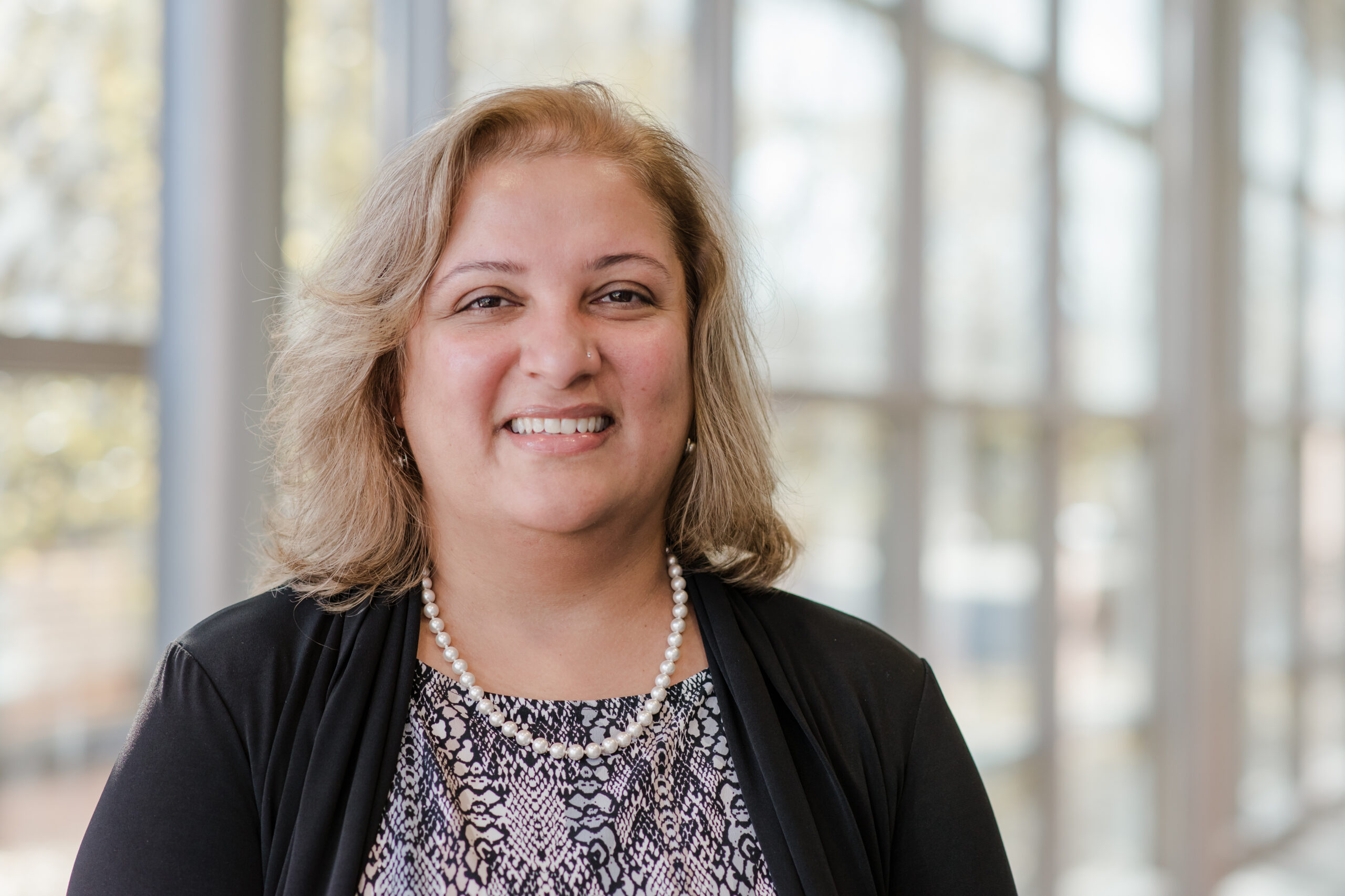
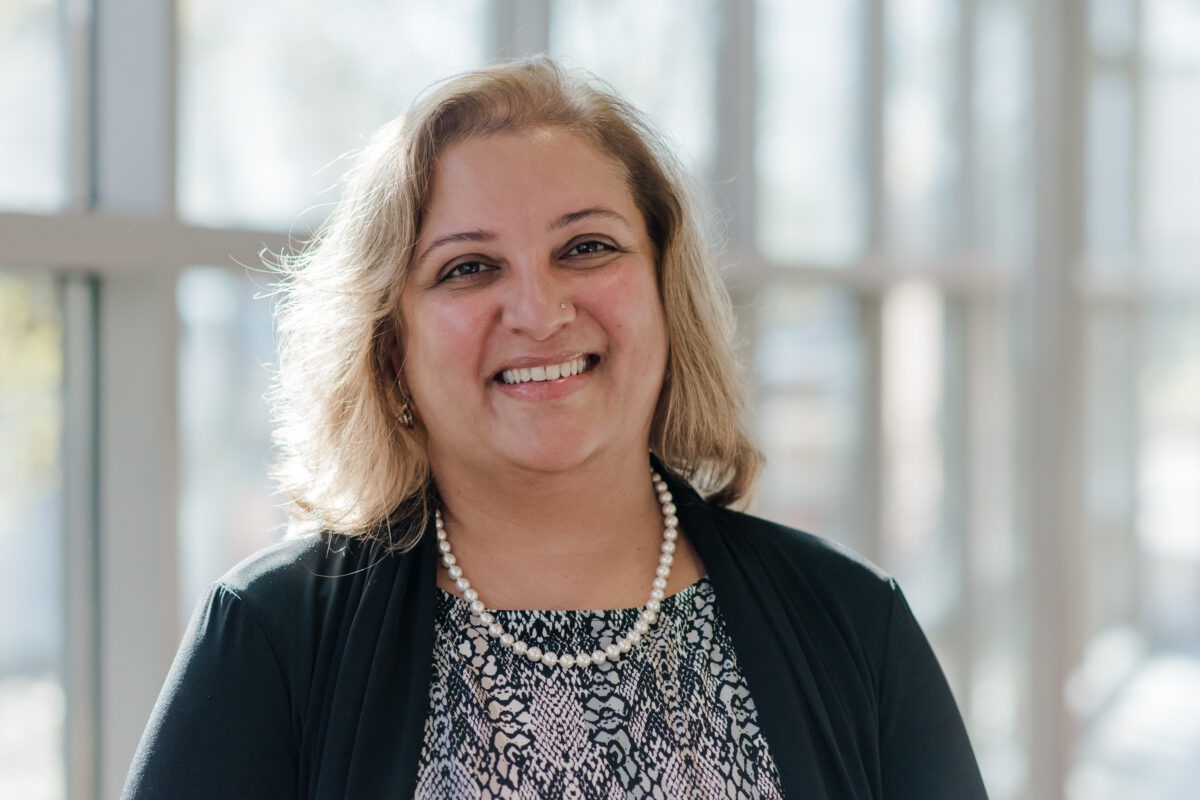
South Asian woman with shoulder-length hair smiles for a portrait, wearing a pearl necklace, black and white print shirt, and black sweater.
Vandana Janeja.

What makes it so unique? “Our curriculum is designed by world-class faculty who bring cutting-edge research and development directly into the virtual classroom,” explains Vandana Janeja, professor and chair of information systems.

“UMBC’s IS online master’s offers specializations in artificial intelligence, cybersecurity, data science, and user experience. This range of pathways ensures that we are preparing students for the next phase of their careers and meeting critical workforce demands in these areas of technology,” says Janeja. “We are very proud that our IS online program is consistently a top-ranked program, and that UMBC is regularly recognized for supporting our students, in whatever mode they are learning.”

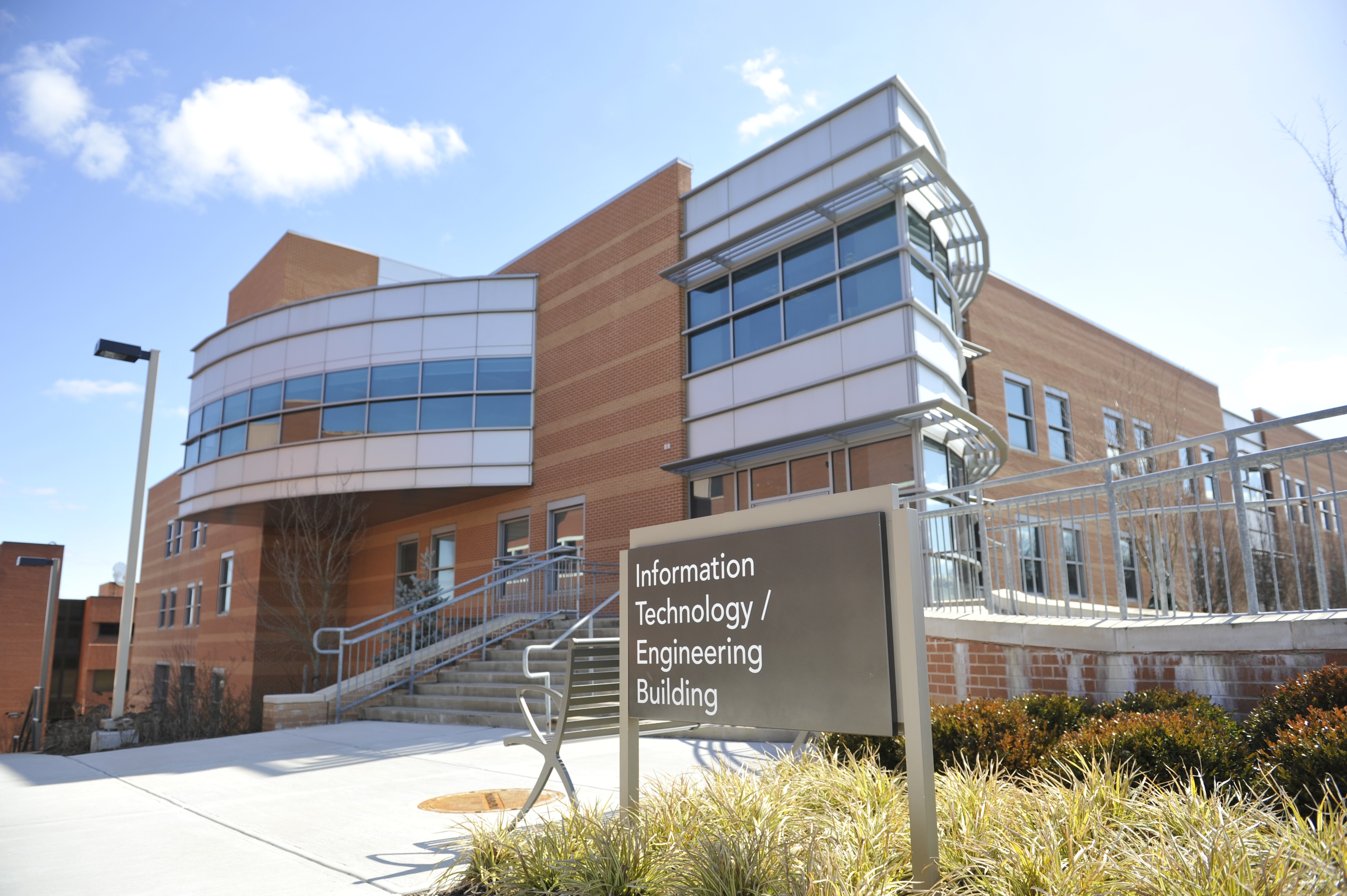
The ITE building.

Practical knowledge, caring faculty

The online master’s degree in IS was designed for students balancing many responsibilities, including careers, family, and military service. With so many different tracks available, students can choose the pathway that meets both their interests and their career needs and aspirations, whether they are coming directly from a graduate degree, working to advance in their career, or pivoting to a new field.

Current student Sahir Jafri M.S. ‘22, information systems, says that the program was especially appealing to him as a full-time professional. “The courses emphasize gaining practical knowledge of the subject matter. This is beneficial in the real world, as I learned how to communicate my new knowledge effectively through writing and presentations,” he explains.

He also appreciates the value of faculty who are deeply invested in teaching and really connecting with students. “The professors are top-notch in this program,” he shares. “They are knowledgeable about both the industry and academic research, and care about student success.”

Banner image: A person types on a laptop. All photos by Marlayna Demond ’11 for UMBC.

When Real-World Problems Drive the Work

Natural disasters leave layers of industrial and economic damage in their wake—not to mention loss of life. In order to better combat the next unforeseen event, data is collected immediately after floods, hurricanes, and other weather-related tragedies. But when Maryam Rahnemoonfar, associate professor of information systems, was in graduate school, she had to cull through this data manually. Eager to combine her interests in civil engineering, remote sensing, and computer science in a meaningful way, Rahnemoonfar began developing an algorithm that could automatically assess and understand the post-disaster data.

Along with her colleagues, Rahnemoonfar began working with the Humanitarian Robotics and Artificial Intelligence at Texas A&M University, where she was faculty before coming to UMBC. Rahnemoonfar explains that various types of robots including unmanned aerial vehicles and robots on the ground and on water are used to collect data, but the data needed to be analyzed closely. 

“The data collected is not AI ready,” Rahnemoonfar explains, noting that in order to make the data about natural disasters more useful, it needs to be annotated and trained. The data helps determine the level of damage caused by these events, including what type of response team is needed and the immediacy of the need.

The next step, she says, is to develop an AI and machine learning algorithm to assess the images collected by the robots. However, this work is not without challenges. The images collected were not of easily-identifiable objects, explains Rahnemoonfar, so it took more time to develop algorithms that could distinguish a damaged building from a road that was washed out, for example. 

By applying AI and machine learning techniques to the data collected, Rahnemoonfar explains that it allows people to thoroughly assess damage and issues that need to be addressed such as flooding, destroyed buildings, or to detect debris. 

Research with community impact

Over time, Rahnemoonfar worked with collaborators to develop the first high-level data, called FloodNet. As a publicly available data set, it drew the attention of people around the world who were interested in using FloodNet in their cities and towns. 

Officials in Germany connected with Rahnemoonfar because they were interested in utilizing the FloodNet dataset to train their algorithms to recognize natural disasters throughout the country. “For any future natural disaster, you need similar data sets to train your algorithms,” she explains. “This is the importance of the data set that we prepared.”

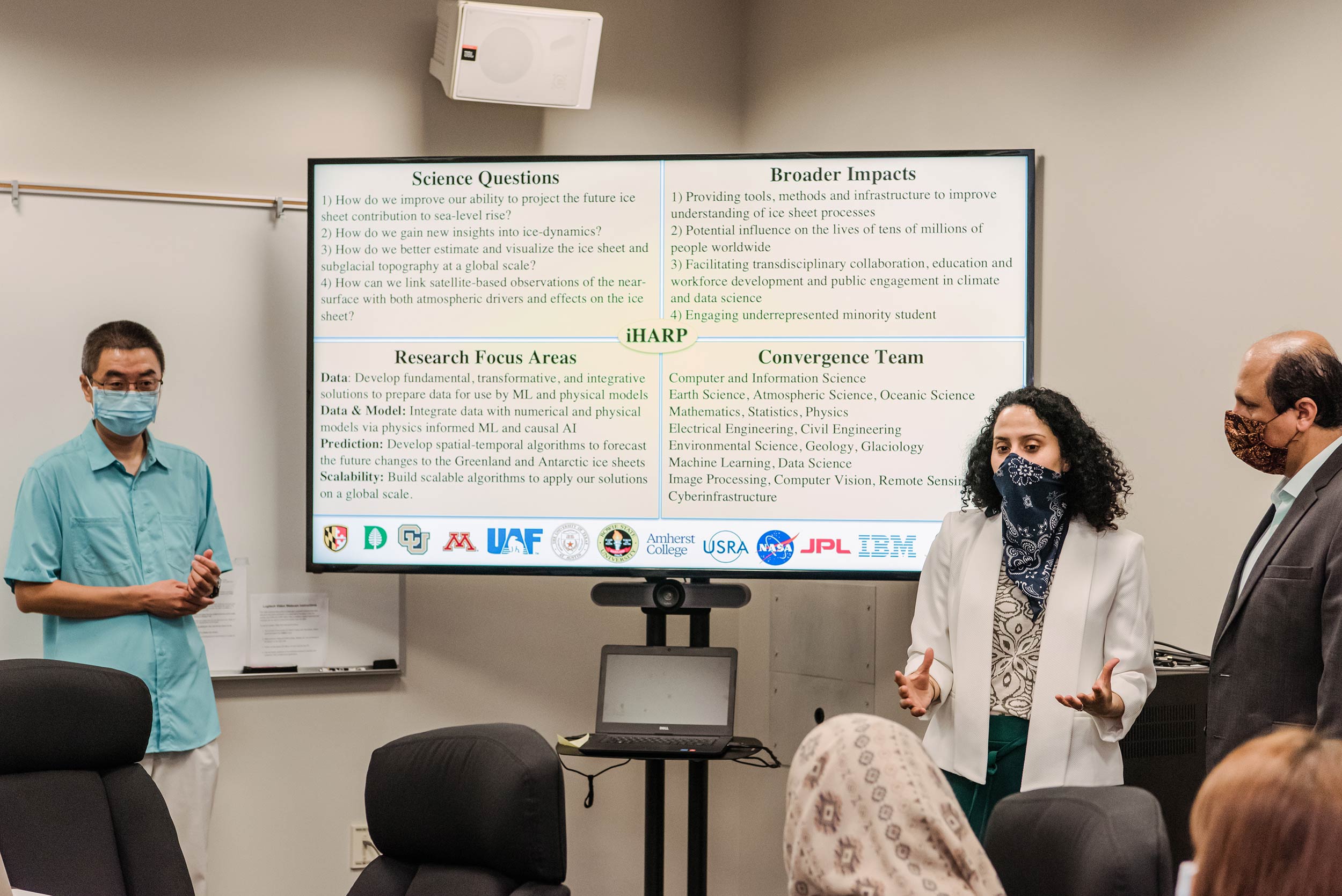
From left to right: Jianwu Wang, Maryam Rahnemoonfar, and Masoud Yari presenting on NSF HDR Institute for Harnessing Data and Model Revolution in the Polar Regions.

“For me, it’s important to know that the research I do has value and impacts the communities after natural disasters,” Rahnemoonfar says, noting that she is eager to continue to analyze large data sets so that the data available more widely.

The next generation of experts

Rahnemoonfar’s commitment to helping communities recently expanded when she received a significant grant from the National Science Foundation, which allows her to make a bigger impact around the world. In September 2021, NSF announced the launch of the NSF HDR Institute for Harnessing Data and Model Revolution in the Polar Regions (iHARP), which Rahnemoonfar is leading as the principal investigator. She and her collaborators will use similar tools from creating FloodNet like data science, machine learning, and AI to analyze enormous volumes of climate data, along with Arctic and Antarctic observations, in ways that could help populations prepare for and respond to climate change risks. 

Climate scientists rely on data that are incredibly challenging to disentangle, she explains, and AI offers solutions to analyzing these large datasets. “It is so exciting to be selected as one of the five HDR institutes in the nation, however, this comes with huge responsibility,” she says. “We are the first data science and machine learning institute in the world that is dedicated to research in polar regions.”

The researchers involved with this grant will reduce uncertainties in projecting sea level rise by combining physics modeling, machine learning techniques, and data analysis. The results of their work will inform policymaking to address national and global priorities related to the climate crisis, explains Rahnemoonfar. 

The solutions that are developed through the iHARP work will have applications beyond environmental issues. Rahnemoonfar anticipates the team’s research will impact the future of medicine, autonomous driving, and remote sensing, and that the students working on the project will become the next generation of experts addressing these global issues.

*****
All photos by Marlayna Demond ’11.