All posts by: Megan Hanks Mastrola


UMBC student and alumna selected to attend Nobel laureate meetings in Germany

A UMBC Ph.D. student and an alumna have been selected to participate in this year’s international Nobel laureate forums, which connect top student engineers and scientists from universities around the globe with the world’s leading scientific researchers.

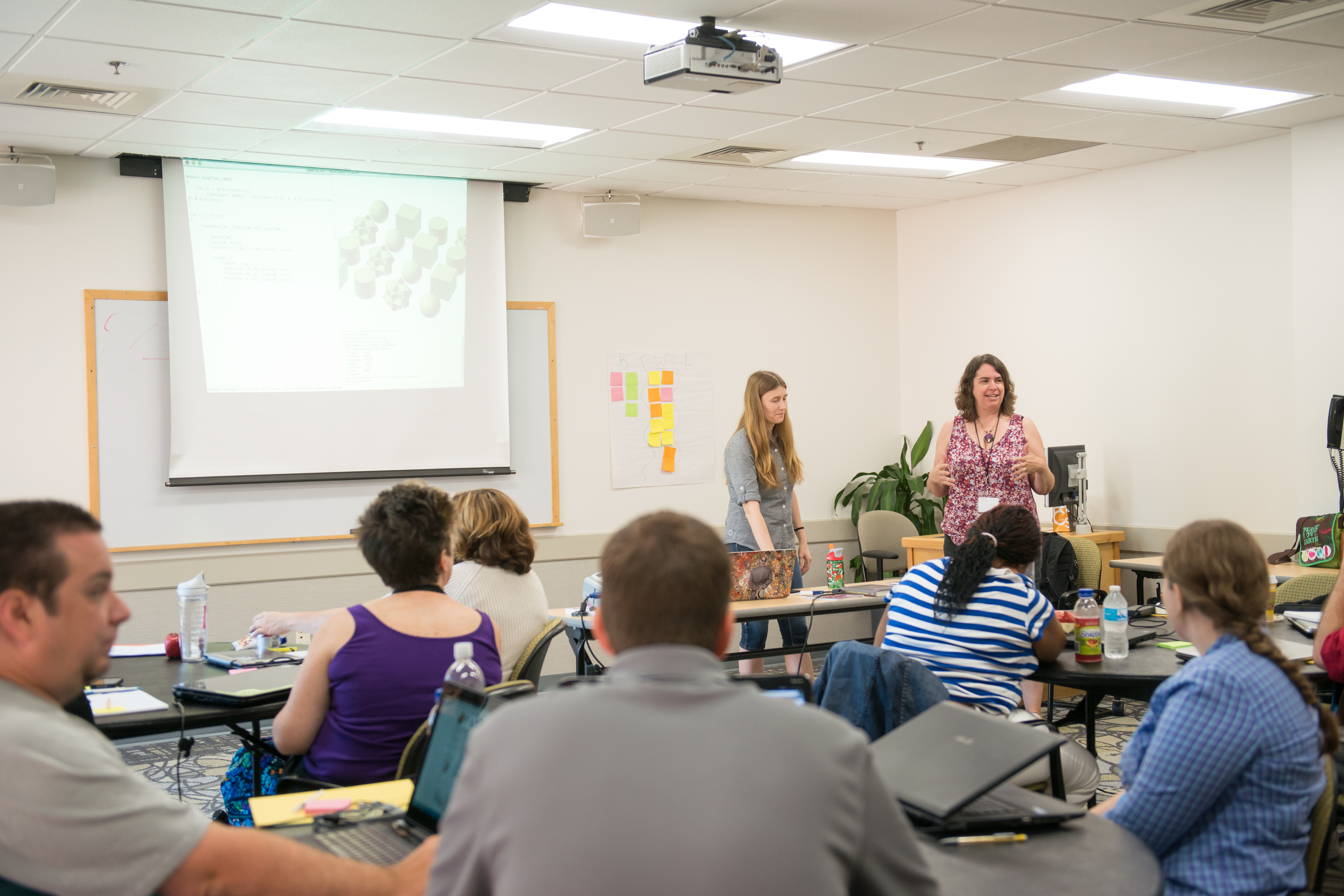
Kavita Krishnaswamy ‘07, computer science and mathematics, and Ph.D. ‘18, computer science, will attend the Heidelberg Laureate Forum, and Naomi Mburu ‘18, chemical engineering, will attend the Lindau Nobel Laureate Forum. William Easley ‘13, information systems management, M.S. ‘15, human-centered computing, and Ph.D. ‘22, human-centered computing, was also nominated to participate in the Heidelberg Laureate Forum.

“These competitive events bring great minds, who have been recognized for outstanding scientific achievement, together with a new generation of scientists, who are considered to be among the top young minds from countries around the world,” explains Renetta Tull, associate vice provost for strategic initiatives. She is delighted to say, “This year, we have not one, but two students from UMBC who will receive this significant honor.”  

Mburu, the first UMBC student to receive the Rhodes Scholarship, will attend the 68th Lindau Nobel Laureate meeting, June 24 29, in Lindau, Germany. The meeting brings approximately 500 undergraduate and Ph.D. students, and post-doctoral researchers together from around the globe to promote connections between scientists across generations, cultures, and disciplines. Each year the focus of the meeting changes to address topics including physiology, medicine, physics, and chemistry.
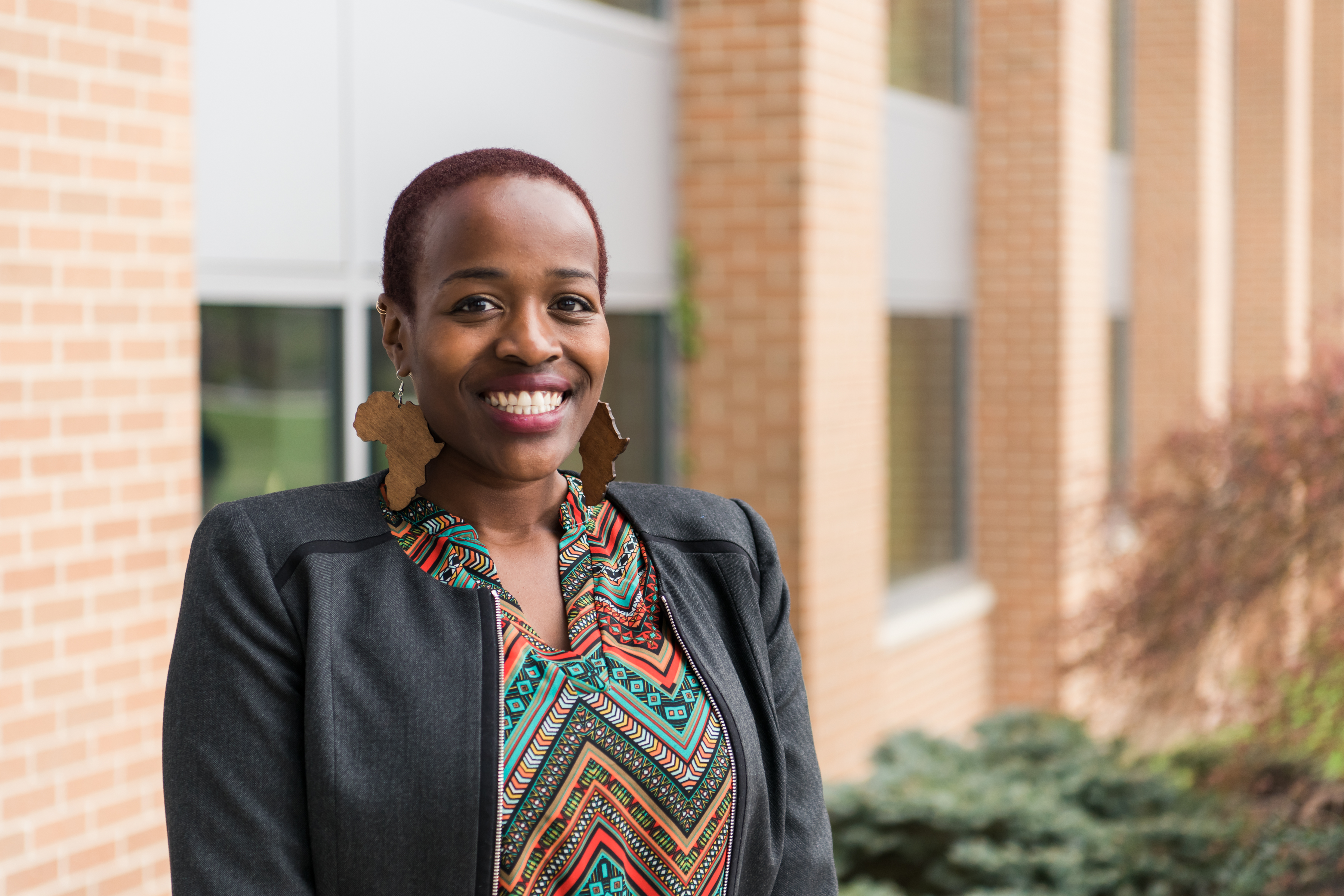
“I am beyond excited to be attending this meeting with 40+ Nobel laureates and brilliant students from around the world,” says Mburu. “There will be opportunities to both network and speak with the Nobel laureates, while celebrating different cultures and learning more about advances in medicine and physiology.”

In addition to her most recent honors, Mburu received a Goldwater Scholarship in 2016. She has also already conducted research at European Organization for Nuclear Research in Switzerland.

During the one-week-long Heidelberg Laureate Forum, Krishnaswamy will have the opportunity to connect and network with leaders in the fields of mathematics and computer science. The forum will be held at Heidelberg University in Germany, September 22 28.

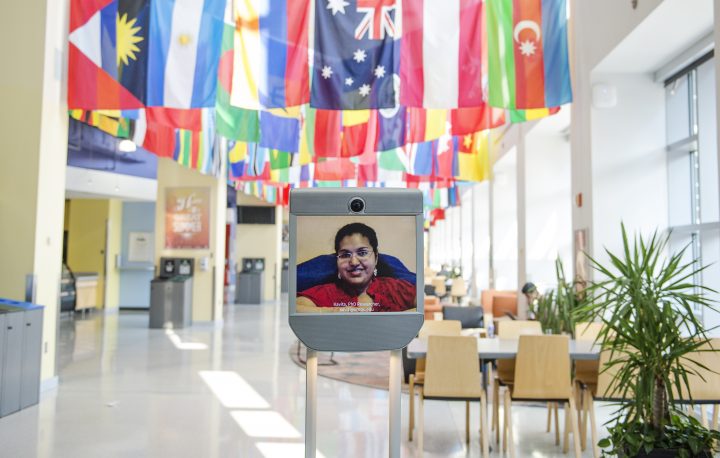
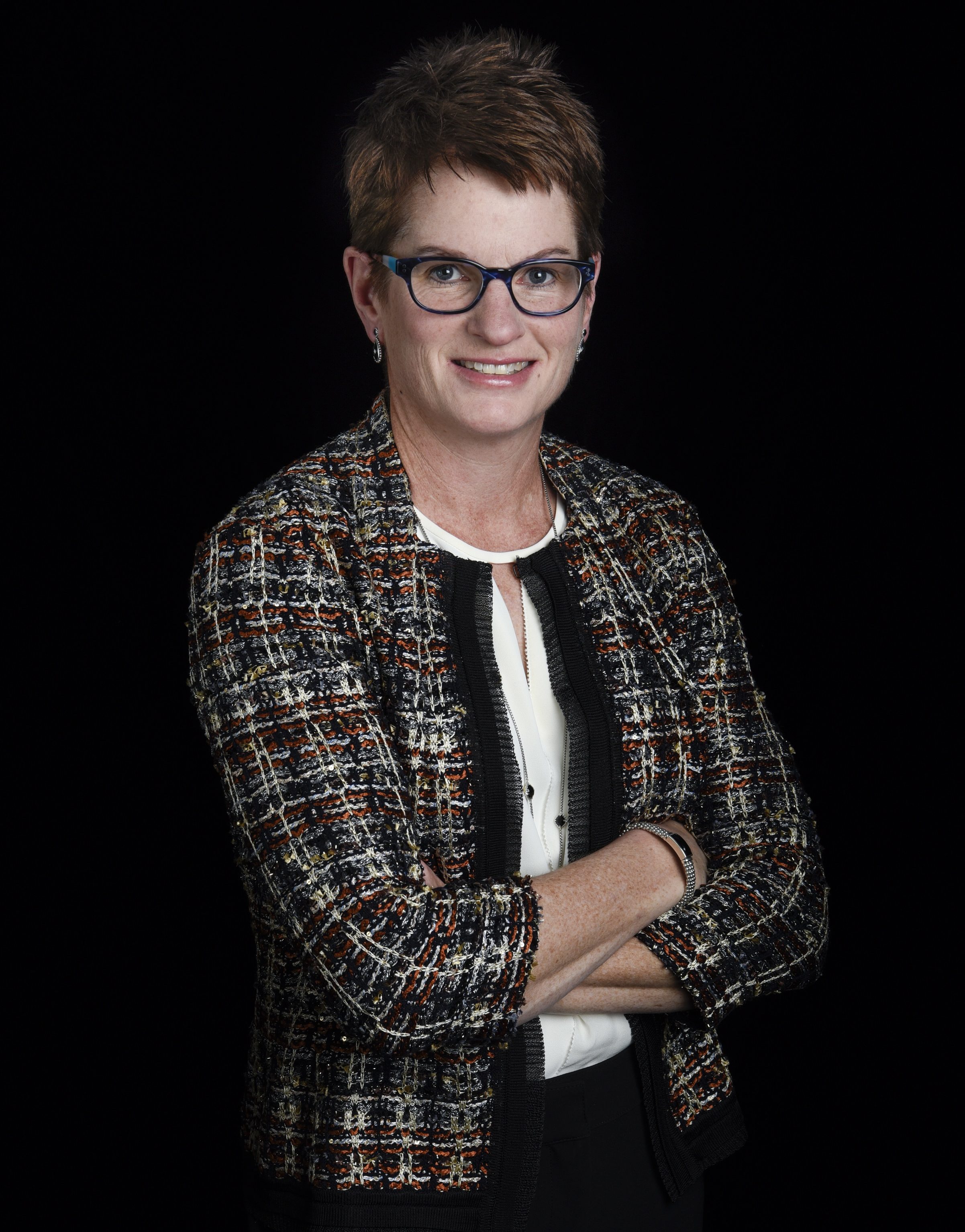
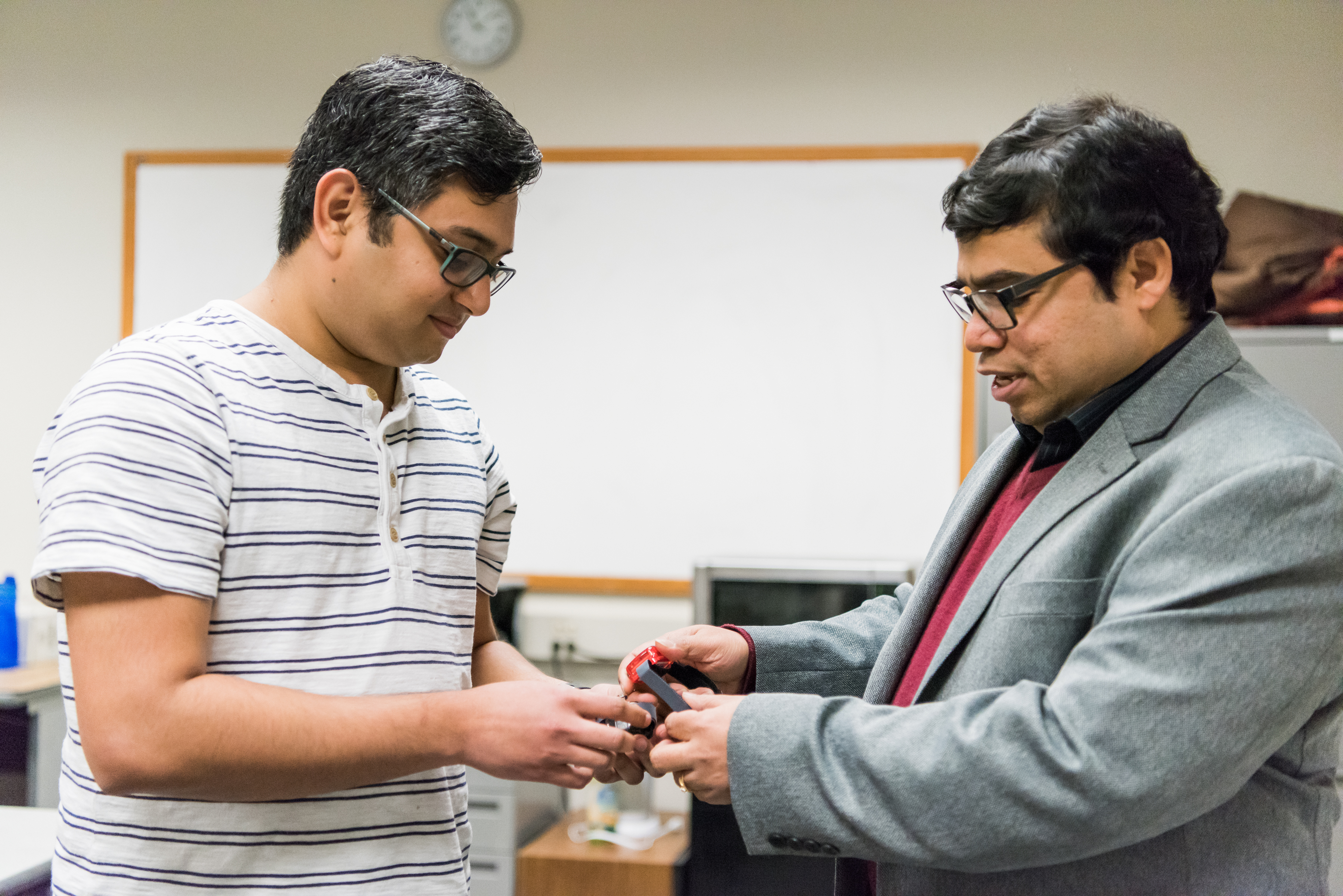
Kavita Krishnaswamy exploring UMBC via robot. Photo by Britney Clause ’11.

Krishnaswamy is one of just 200 students from around the world selected to participate in the Heidelberg Laureate Forum. She shares, “I am very thankful for the opportunity to represent UMBC and help promote the public understanding of mathematics and computer science from the perspective of improving the quality of life for individuals with physical disabilities through the advancement of robotics.”

Krishnaswamy’s previous honors include being named a Microsoft Fellow and received the Google Lime Scholars in 2017, prestigious honors that recognize emerging scholars in computing who are dedicated to increasing diversity in the industry.

“At UMBC we think of our university as an institution committed to inclusive excellence that prepares students who can compete on a global scale,” Tull reflects. “Kavita and Naomi’s awards signify that others around the world agree.”

Banner image: Nobel Prize. Photo by Flickr user Adam Baker under license CC BY 2.0.
How To Lead a NASCAR Pit Crew

With John Klausmeier ’04, mechanical engineering

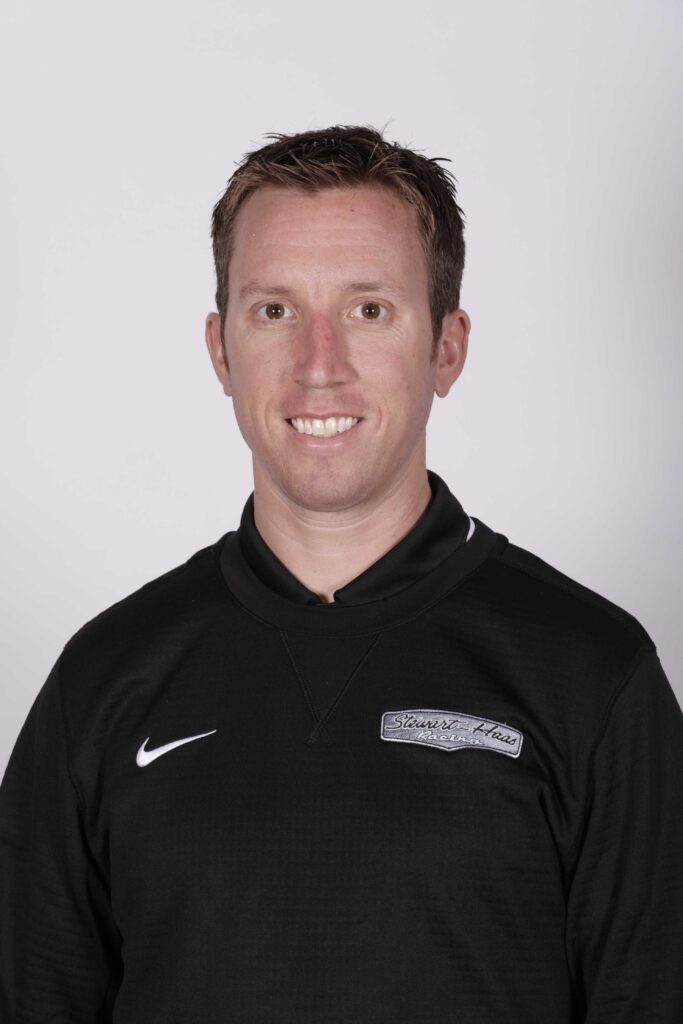
As a boy, John Klausmeier ’04, mechanical engineering, dreamed of working in the racing industry. He began working toward his current role as crew chief at Stewart-Haas when he was a student at UMBC, where he was able to take classes that would allow him to develop the skills needed to succeed in the motorsports industry. Shortly after graduating he began a full-time position at Dale Earnhardt Incorporated, and since then, Klausmeier has ascended the ranks from intern to crew chief. Today, he is responsible for a whole team and making sure that race day runs smoothly.

Each Sunday during the racing season, you can find Klausmeier behind the pit wall, on top of what is called the pit box. There, Klausmeier and his team have the best view of the racetrack and race car so they can work on race strategy and plan for necessary adjustments as the race cars whiz by at speeds well over 190 miles per hour.

With so much at stake with each race, how does Klausmeier keep himself cool? The answer: When you’re under pressure, remember your training and rely on your plan.

Step 1: DEVELOP A PLAN.

About one month before any given competition, Klausmeier and his team begin drafting a rough plan for the race, including logistics and strategies. Between then and race day, the plan undergoes many edits and changes. “Every track is different,” he says, explaining that it is important to pay attention to details when developing scenarios. “Different race cars go to different tracks. Different tracks require different things. We race at tracks where the handling is most important so we emphasize the shocks, springs, and increasing the aerodynamic downforce on the car. Other tracks require the least amount of aerodynamic drag, so we focus on streamlining the body and engine horsepower.”

One week before the race, Klausmeier and his team meet with each of the departments to get briefed on the latest developments for the upcoming event. Klausmeier, a crew chief at Stewart-Haas, is in charge of bringing each element of the race together and putting the best car on the racetrack.

“I’m basically like the head coach in football — bringing all of the hard work of the team together and making sure we’re putting the best product on the track in order to win races and championships,” he says.

March 3, 2018: during practice at Las Vegas Motor Speedway in Las Vegas , NV. . . (HHP/Andrew Coppley)

Step 2: PRACTICE, PRACTICE, PRACTICE.

Klausmeier explains that the team spends Tuesday and Wednesday of race week “populating a play book,” which outlines scenarios that the driver and team may encounter during the race. During the practice phase, each specialty department, such as fabrication, aerodynamics, and engine, runs through the demands of the race from their perspective, and the team interfaces with the driver to make sure their need in the race car are met.

There are many hours of practicing pit stops at the Stewart-Haas pit training facility. This is a practice area that mimics the pit stall layout at the track. The team performs mock pit stop scenarios four days a week prior to the event giving the pit crew repetitions to execute tire changes in seconds.

The team typically travels to the race location the Thursday before race day and completes qualifying sessions on Friday. Saturday is primarily reserved for practice sessions and preparing for the competition the following day. The practice sessions give Klausmeier and his team the opportunity to run through the race strategy, compare notes with the driver, and address any challenges that came up during the practice sessions.

February 18, 2018: before the Daytona 500 at Daytona International Speedway in Daytona Beach , FL . . . (HHP/Andrew Coppley)

Step 3: STAY FLEXIBLE ON RACE DAY.

On race day, Klausmeier can be found on the “pit box,” which sits behind the pit wall. His team works through race strategies, makes adjustments, and coordinates what will be modified during pit stops. “After two days of practice, the morning before the race you are bolting in what you think is the ultimate set up,” he explains. “You present the car for the final race inspection and that’s when we’ll start the race. That’s where all of the strategy planning and the handling adjustments take over to keep the driver in position to win.”

Race cars do not have fuel gauges, which means that the race engineers perform the calculations by hand to determine how much fuel the car has left and how many more laps can be completed on that amount of fuel. “When winning the race comes down to a few ounces of fuel, it definitely adds another element of excitement,” says Klausmeier. “It’s definitely an adrenaline rush because every decision that you make affects so many things.”

March 3, 2018: during practice for the Pennzoil 400 at Las Vegas Motor Speedway in Las Vegas, NV. (HHP/Ashley R Dickerson)

Step 4: LEARN FROM YOUR MISTAKES.

Klausmeier and his team are responsible for preventing and addressing mistakes during the race. They rely on checks and balances to make sure that mistakes are not a frequent occurrence on the racetrack. “Sometimes there’s going to be a parts failure, there’s going to be an engine failure or something that you can’t control. So, you really have to make a lot of on-the-fly decisions depending on what happens to get the best possible outcome,” he explains.

The day after the race, the entire team meets to discuss and debrief with the driver. Klausmeier says that the team reviews a lengthy checklist of items and addresses any issues that came up during the race. “There are a lot of things that go into it. But at the end, obviously, the goal is to win races and championships,” he says. “When it’s all said and done, we are going for the best aerodynamics, the best horsepower, the fastest pit crews, and that’s what wins races with a good driver.”

— Megan Hanks

Photos courtesy of Stewart-Haas

New test to rapidly diagnose sepsis comes out on top in UMBC’s Cangialosi Business Innovation Competition

Six finalists pitched creative business ideas to a panel of judges during UMBC’s fifth annual Cangialosi Business Innovation Competition (CBIC), held on April 25, 2018 in the new UMBC Event Center. The business ideas ranged from online tools and apps to products with medical applications.

The Cangialosi Business Innovation Competition is for undergraduate and graduate students who are serious about starting a business, explains Vivian Armor ’73, American studies, director of the Alex. Brown Center for Entrepreneurship at UMBC. Throughout the course of the competition, each team is paired with an industry mentor who provides guidance and professional advice ahead of a final Shark Tank-style event. The structure of the event and its focus on mentorship are inspired by the vision of entrepreneur Greg Cangialosi ‘96, English, reflecting on his own undergraduate days at UMBC and what he has learned in the years since then about moving from an idea to a successful company.

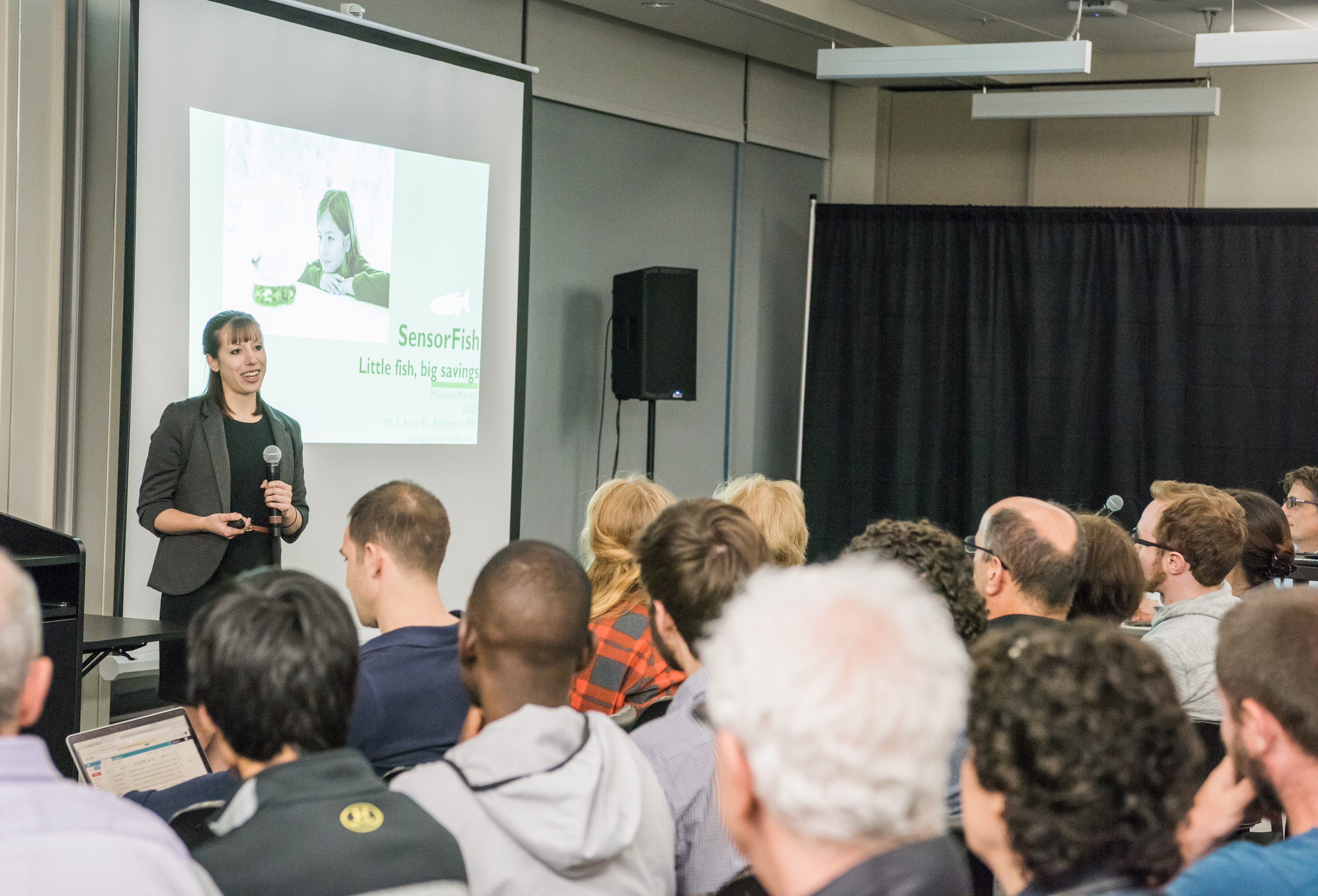
Miranda Marvel, Ph.D. ‘19, marine estuarine environmental sciences, shared SensorFish, which took third place in the competition. She explained how fish mortality due to stress is a common problem that fish owners face. SensorFish are special type of zebrafish bred to change color based on common stressors that fish commonly encounter, such as poor water quality or particular illnesses. Because the fish change color immediately when they are experiencing a problem in the tank, their owners can more quickly work to fix the problem, keeping the fish healthy.

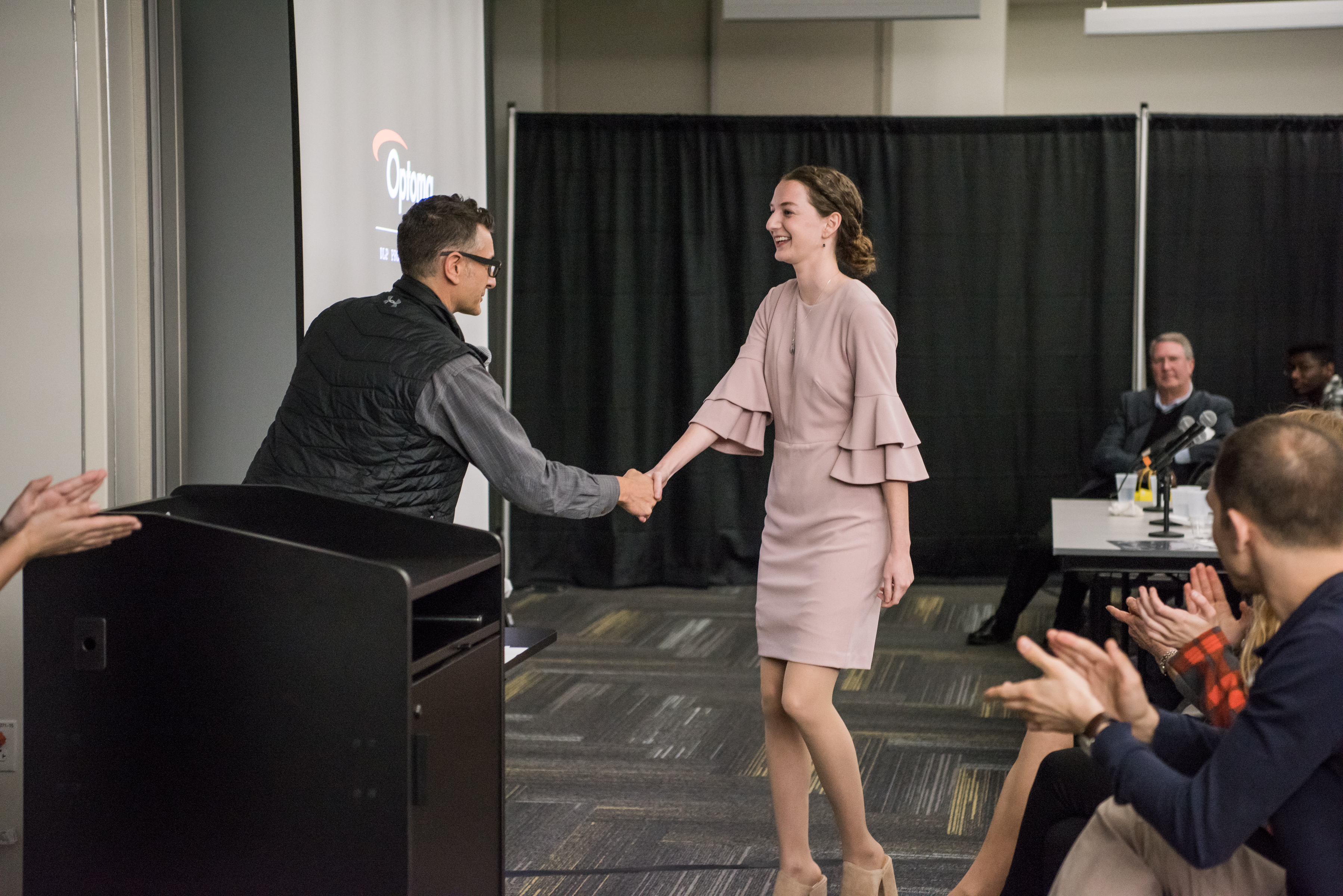
Second place was awarded to Matrix Cast, an idea presented by Flo de Sande ‘18, mechanical engineering. Matrix Cast is a plastic cast that can be altered to fit all arm shapes and sizes. de Sande explained that Matrix Cast offers a low-cost cast option for physicians working in remote or low-resource locations, such as communities served through Doctors Without Borders or military installations in conflict zones. The cast is a “pressure vessel” type design, which, while made from plastic, is very sturdy, explained de Sande during her business pitch.

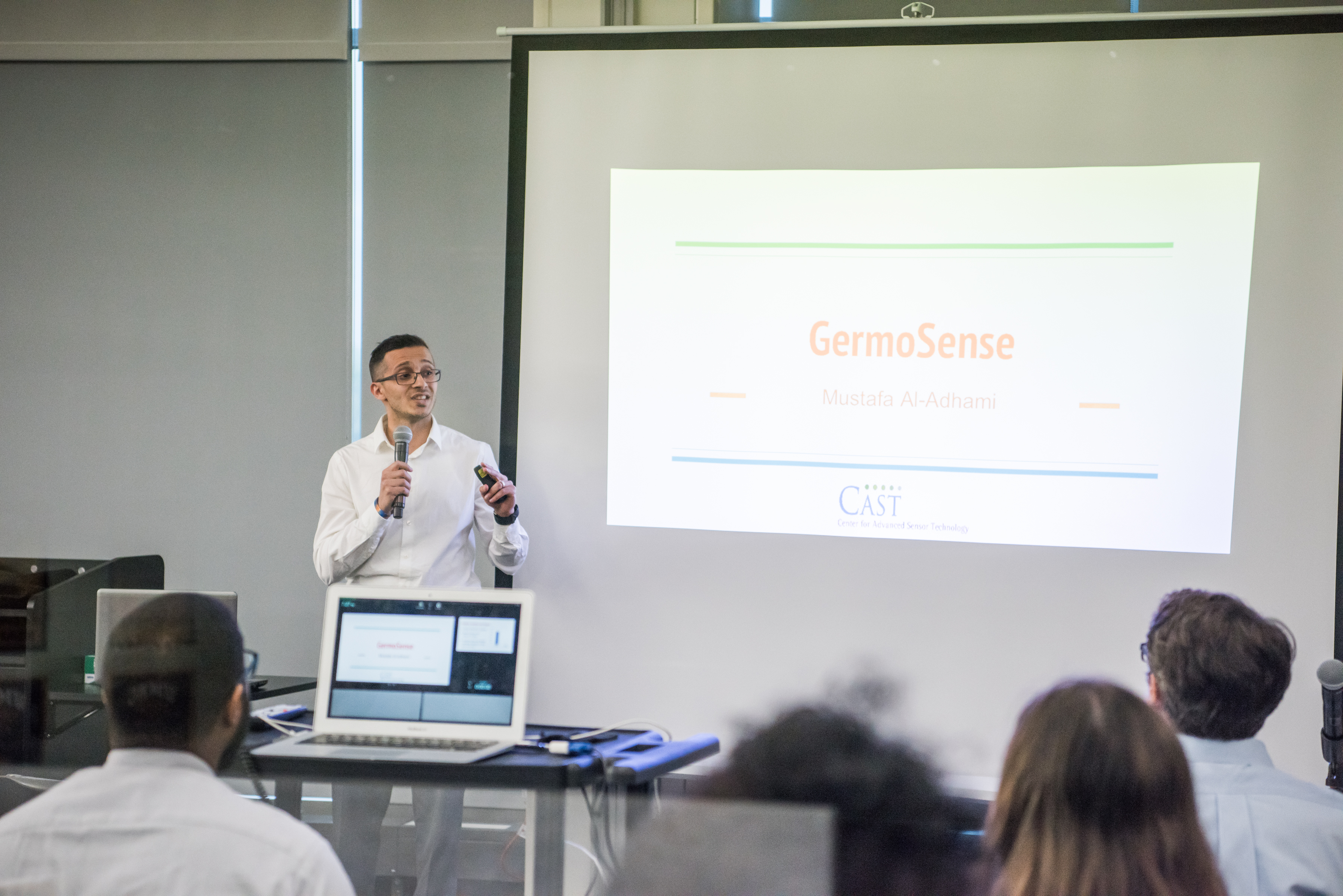
GermoSense, a rapid sepsis-detection test developed by Mustafa Al-Adhami, M.S. ‘15, mechanical engineering, Ph.D. ‘19, mechanical engineering, received first place in the competition. Sepsis is a life-threatening blood infection that, if not treated promptly, can lead to serious complications and even death in mere days. Currently, the test that medical professionals rely on to determine antibiotic efficacy for sepsis patients can take several days to yield results. Because of this challenge, physicians often start patients who they suspect have sepsis on broad spectrum antibiotics, which can possibly help if the patient has sepsis but might be unnecessary and ineffective for people facing other medical conditions that are presenting similarly to sepsis, or in the case of antibiotic resistance.

Al-Adhami explained that GermoSense is able to determine whether a patient has sepsis within one hour, which can lead to shorter hospital stays, help prevent antibiotic resistance by avoiding unnecessary antibiotic use, and reduce medical costs. GermoSense costs approximately $100 to use, compared to comparable tests that can cost $170 or more. At last year’s CBIC, Al-Adhami presented GermoSense, then at an earlier stage of development, and took third place in the competition.

The contest’s additional three finalists included UniVerse by Allison Gross ‘18, certificate in English as a second language; Frey Custom Cues by Christopher Bodan ‘19, interdisciplinary studies, and Michelle Barrow ‘08, gender and women’s studies, and marketing coordinator in the division of professional studies at UMBC, and James Baker; and Skanaroo by Vincent Celebrado-Royer ‘17, business technology administration, and Tyler Little ‘20, computer science. 

For Cangialosi, the event was not just about identifying top projects, but, more broadly, about helping young entrepreneurs move toward success one step at a time. Taking in the creativity and energy of the event, he reflected, “This room is filled with dreams and entrepreneurial spirit.”

Banner image: Mustafa Al-Adhami, M.S. ‘15, mechanical engineering, Ph.D. ‘19, mechanical engineering, left; Greg Cangialosi ’96, English; Flo de Sande ’18, mechanical engineering; and Miranda Marvel ‘Ph.D. ‘19, marine estuarine environmental sciences, after the competition. All photos by Marlayna Demond ’11 for UMBC. 

LEGO Maniacs – STEM Learning in Action

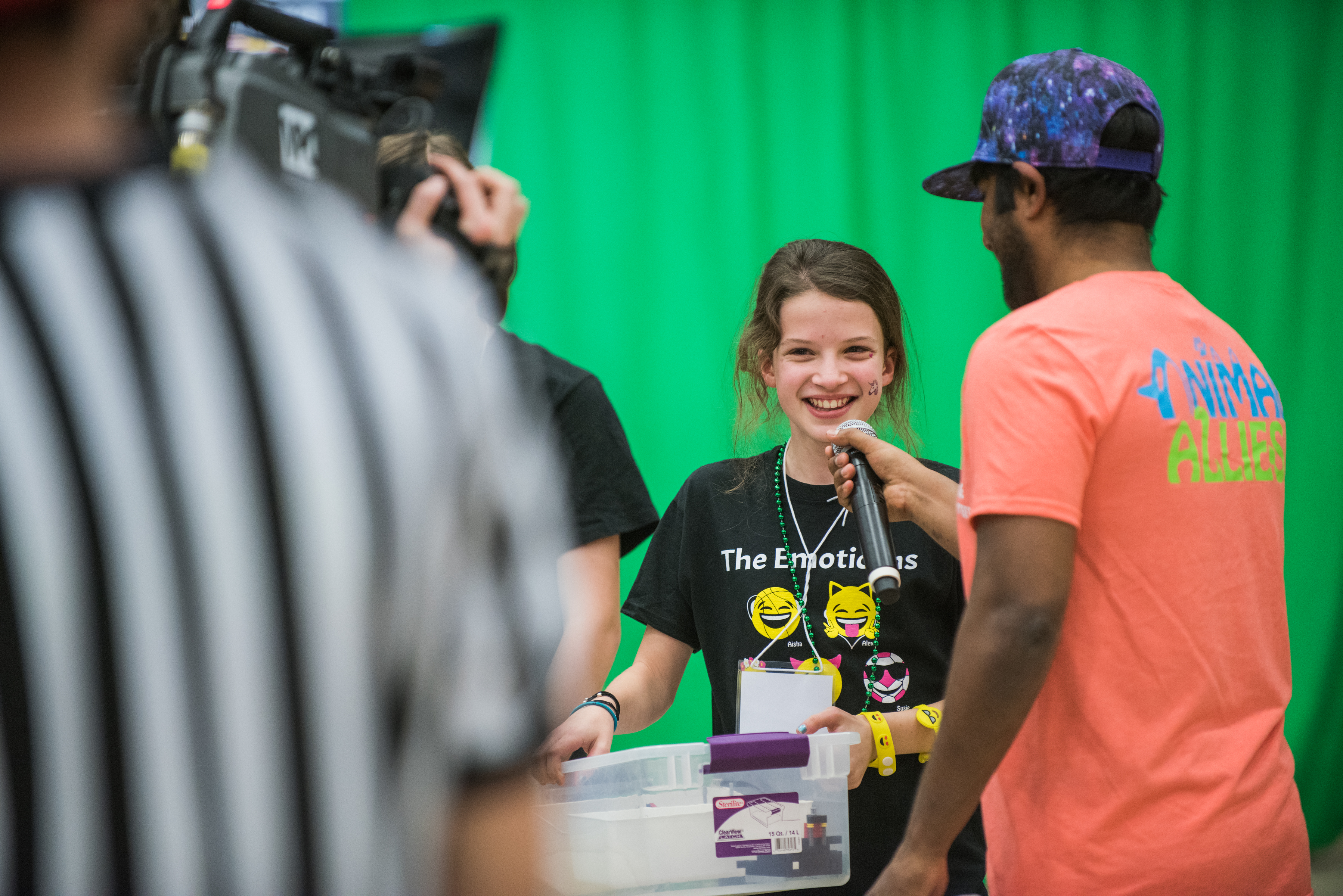
Jennifer Sleeman, Ph.D ’17, computer science, loves programming. So, when she was asked to coach the Einstein Narwhals, her son’s FIRST LEGO League team, the visiting assistant professor was excited to be able to share her passion and spend more time with her 10-year-old all at once.

The team competed in the Maryland FIRST LEGO League competition, held at UMBC, in February, taking first place for Robot Strategies and Innovation. With that win, the team of eight elementary and middle schoolers participated in the FIRST LEGO League World Championship, held in Detroit in late April. Among 104 teams, they won the Judge’s Award trophy, and walked away with lots of new ideas.

LEGO Learning

“FIRST LEGO League inspires young children to work as scientists and engineers. It requires them to program a robot and complete missions that are built with Legos,” says Sleeman. “It also allows them to discover a real problem, research possible solutions, meet with experts in the field to understand the problem better, and to get feedback on their proposed solution and present their solution to others.”

There are three components of the competition: project, robot design, and core values. During the robot design portion of the event, the team must build the attachments and robot completely out of LEGOs, according to themed challenges.

At the beginning of the season, the team took some field trips to local businesses, including a fire station in Clarksville, MD, to choose a grassroots issue that they would work to address over the course of the season. The firefighters told the students that one challenge they face in the colder months is fire hoses freezing when the water is not flowing. To prevent the hoses from freezing, the firefighters resort to letting the water run, which poses dangers and is wasteful.

The Einstein Narwhals decided to come up with a way to prevent fire hoses from freezing by developing a hose heater that generates energy that can be used to keep the hoses warm enough. Sleeman’s son and his teammates developed a water wheel that stores energy generated by the wheels in a battery and uses it to heat the hoses. The team has applied for a provisional patent for one of the ideas that they developed during the season.

“The Team Loves Working Together”

Throughout the season, the team met once or twice each week for a couple of hours to work on their project. Students wind up helping out with every aspect of the project, from programming to engineering, so that they have a broad range of skills. “It’s great because the team loves working together,” says Sleeman, adding that it allows the students to have more time with their friends during the week.

For Sleeman, the most rewarding part about being a coach has been getting to mentor the students, particularly the girls on the team, because she says it’s important for the girls to have role models in STEM who are women.

Damian Doyle ‘99, computer science, senior director of enterprise infrastructure at UMBC, has been involved with FIRST LEGO League because his son Leo has been a participant for several years.

“I’ve watched him become invested in his team, engaging with teammates, and truly partnering to accomplish more than any of them could accomplish individually,” he explained, adding that his son loves working with his team on robots, and that he learns new things each year. “Leo found he really enjoys the programming aspect, developing that skill and sharing that knowledge has really helped to boost his confidence in himself, which is wonderful.”

— Megan Hanks

Standing the Test of Time

In an industry known for changing direction without warning, a UMBC professor has drawn praise for predicting the movements of social networks a decade ago. A paper written in 2008 by Anupam Joshi, professor and chair of computer science and electrical engineering at UMBC and one of the authors at the IBM Research Lab in India, has received the “Test of Time Award” from the Extending Database Technology Association.

Each year the Association selects a paper written 10 years prior that still applies to the industry. The paper, “Social Ties and their Relevance to Churn in Mobile Telecom Networks,” examines the role of social ties, relationships, and groups in influencing how people use mobile networks and select providers. The authors discussed the idea that people who use certain mobile providers are more likely to switch to a different mobile provider if they have friends who have already changed providers, which the authors call churning.

“The research we did over a decade ago touched upon a lot of issues that are still relevant. We were amongst the first to analyze the ‘social networks’ formed by people when they call each other and infer what this tells us about people. Our target then was to prevent customer churn (i.e. a customer changing from a prepaid plan of Verizon to T-Mobile),” explains Joshi.

The authors analyzed data to determine whether people with friends or acquaintances who churned from one service provider to another were more likely to switch providers themselves, and explored the structure of cellular networks, which helps explain how relationships can lead some customers to churn.

The research outcomes can be applied to topics from crime fighting to business and marketing and can be applied to social media networks that are created by popular platforms, including Facebook and Twitter. “As long as people connect to each other by electronic means and form ‘networks’, and these networks
tell us something about their behavior, I expect our techniques to remain valid,” Joshi says.

— Megan Hanks

Leaders in research, policy, and education to address UMBC’s Class of 2018

UMBC’s upcoming commencement ceremonies — held for the first time in the new UMBC Event Center — will highlight three honorary degree recipients nationally recognized as top leaders in their fields.

On Wednesday, May 23, Erin O’Shea, president of the Howard Hughes Medical Institute (HHMI), will speak at UMBC’s graduate commencement ceremony. O’Shea is the first woman to lead HHMI, a philanthropic research organization that studies how living things work. She is also a professor of molecular and cellular biology and of chemistry and chemical biology at Harvard University.

Erin O’Shea.

Under O’Shea’s leadership, HHMI is working to increase diversity and inclusion in STEM fields. She is committed to bringing a wide range of viewpoints and variety of approaches to problem solving, and sharing innovative approaches that institutions can use to support this work.

O’Shea holds a bachelor’s degree from Smith College in biochemistry, and a Ph.D. in chemistry from MIT. Before joining HHMI, O’Shea was the director of the Center for Systems Biology at Harvard University, and a faculty member at the University of California, San Francisco. She has been honored by numerous leading research and professional organizations, including the National Academy of Sciences, American Academy of Arts and Sciences, American Academy of Microbiology, American Society for Cell Biology, and National Academy of Inventors.

UMBC will host two undergraduate commencement ceremonies on Thursday, May 24. Ted Mitchell, president of the American Council on Education (ACE), will speak in the first ceremony, addressing graduates in UMBC’s College of Arts, Humanities, and Social Sciences, the School of Social Work, and the Erickson School.

Ted Mitchell.

Prior to serving as president of ACE, Mitchell was the president of Occidental College for six years, and served as U.S under secretary of education, where he oversaw postsecondary education policies and programs. He has also worked as chief executive officer of the NewSchools Venture Fund and served as the president of the California State Board of Education. He attended Stanford University, where he earned his bachelor’s, master’s and Ph.D. degrees.

In a recent Baltimore Sun article about UMBC President Freeman Hrabowski’s Lifetime Achievement Award from ACE, Mitchell called UMBC a “powerhouse engine of social mobility and academic excellence, particularly in the area of expanding the number of minority students pursuing degrees in the fields of science and technology.” President Hrabowski has also reflected on the unique growth opportunities that ACE provides to emerging leaders in higher education, describing the ACE Fellows program as “one of those rare opportunities in American higher education that focuses on experiences that can broaden a future leader” in Diverse magazine.

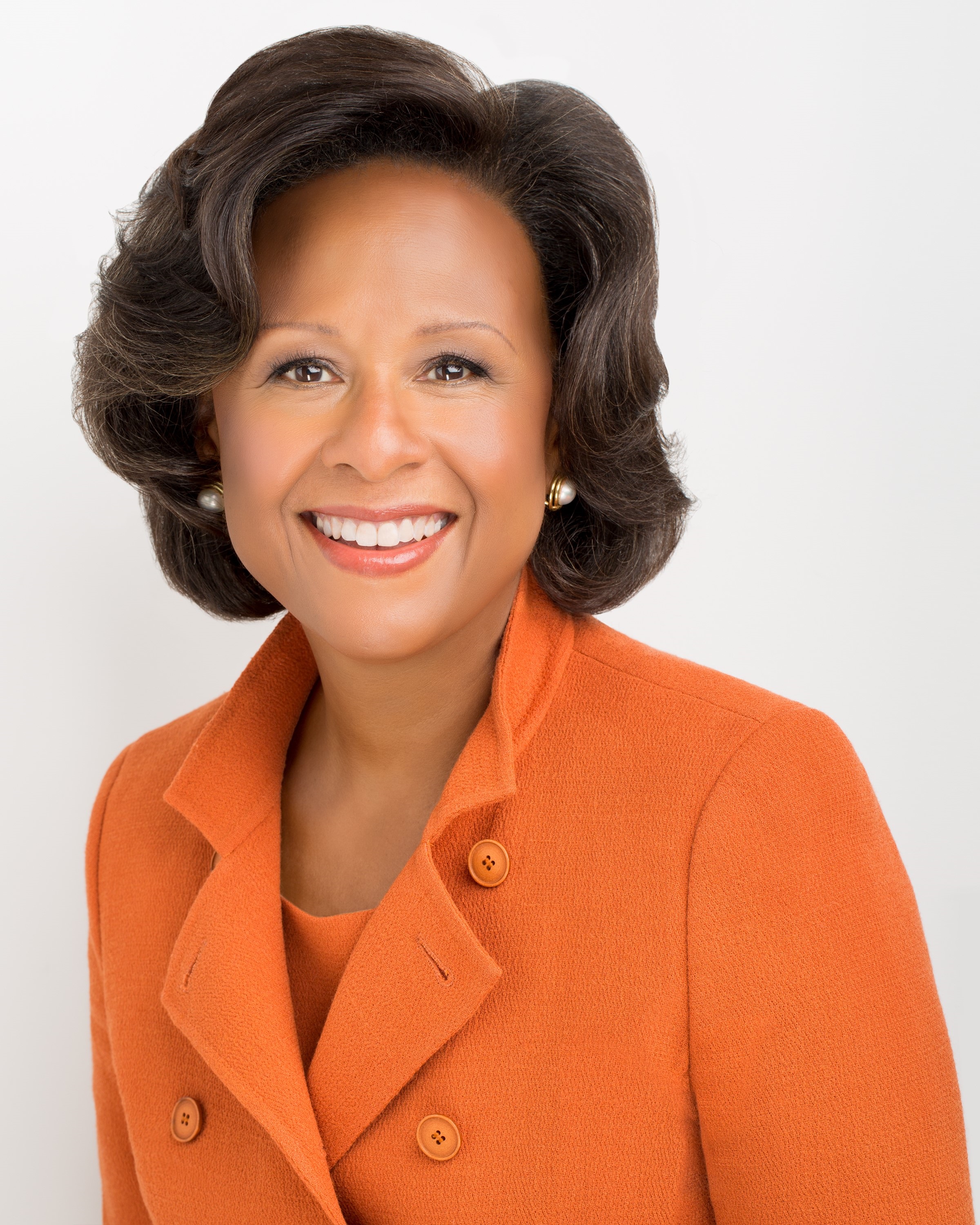
Paula A. Johnson, president of Wellesley College, will address undergraduates from the College of Natural and Mathematical Sciences, the College of Engineering and Information Technology, and interdisciplinary studies during UMBC’s second undergraduate commencement ceremony of May 24. Johnson attended Harvard University, where she earned her bachelor’s degree, M.D. and M.P.H. degrees. A cardiologist by training, Johnson is known globally for working to advance the education, health, and well-being of women through a highly interdisciplinary approach to her work.

Paula A. Johnson.

Before being named president of Wellesley, Johnson served Brigham and Women’s Hospital as the Division of Women’s Health chief, and was the inaugural executive director of the Connors Center for Women’s Health and Gender Biology. Her dedication to improving healthcare access, delivery, and policy has improved the health of women around the world. She is a member of the American Academy of Arts and Sciences and National Academy of Medicine, and the National Library of Medicine has recognized Johnson as a leader in medicine.

UMBC will honor Johnson and O’Shea with honorary doctor of science degrees. Mitchell will be presented with an honorary doctor of public service degree.

Community members who are not able to attend the ceremonies in person can view them live through the commencement webcast or follow them on Twitter @UMBC and through #UMBCgrad. Videos of the remarks will also be available online after the ceremonies.

Image: Ted Mitchell, left, Paula A. Johnson, middle, and Erin O’Shea. Photos courtesy of Mitchell, Johnson, and O’Shea.

American Association of Immunologists names UMBC’s Greg Szeto a public policy fellow

The American Association of Immunologists has selected Greg Szeto, assistant professor of chemical, biochemical, and environmental engineering, as one of just ten scientists nationwide to participate in its prestigious Public Policy Fellows Program (PPFP). During the 2018-2019 year, Szeto will work to better understand how national policies impact biomedical research, and how he can use this knowledge to inform his future work.

Each year the AAI, selects a small group of junior scientists who are emerging as leaders in biomedical research to take a deep dive into understanding how public policy intersects with their work. Fellows also explore the role of the president of the United States, the president’s administration, the U.S. Congress, and the National Institutes of Health in creating and implementing policies that shape biomedical studies today. The program culminates with a multi-day visit to Capitol Hill in 2019 with AAI public policy committee members, fellows, and legislators.

Szeto’s research focuses on using engineering approaches to discover basic immunology and develop immunotherapy and drug delivery platforms. In 2017, he received funding from the Multiple Myeloma Research Foundation to develop experimental tests and computational models that could assist physicians in more accurately predicting how individual patients with multiple myeloma will respond to immunotherapy. The Elsa U. Pardee Foundation currently funds work in Szeto’s lab on rapid cell engineering for cancer immunotherapy.

As a public policy fellow, Szeto looks forward to attending AAI meetings and training sessions, participating in events on Capitol Hill, and meeting with members of Congress to advocate for increased funding to support the advancement of biomedical research.

“It is a core responsibility for all scientists to advocate for science. For those of us who are lucky enough to also be training future scientists, we must have a refined understanding of the broader context that shapes the science and careers of our labs and our trainees,” says Szeto. “The knowledge and experience I acquire from the PPFP will be translated into sustained regional and national advocacy for the rest of my career.”

Several UMBC faculty have taken advantage of the university’s proximity to the nation’s capital to complete policy-oriented fellowship programs in Washington, D.C. Most recently, Christy Ford Chapin, associate professor of history, participated in the prestigious Kluge  Fellowship at the U.S. Library of Congress, and Diana Parr, adjunct instructor for the cybersecurity graduate program, participated in the Brookings Legis Congressional Fellows Program.

Photo by Marlayna Demond ’11 for UMBC.

UMBC recognizes Marie desJardins for lasting commitment to inclusive computing education

Marie desJardins, associate dean of the College of Engineering and Information Technology (COEIT) and professor of computer science and electrical engineering, will be leaving UMBC to take up a new position as founding dean of the College of Organizational, Computational, and Information Sciences at Simmons College in Boston.

“What I will remember most about my 17 years here is UMBC’s collaborative spirit. Because of the open environment and commitment to diversity, I’ve been able to work with colleagues across the university on a wide range of initiatives,” desJardins says.

During her tenure at UMBC, desJardins has applied her passion and expertise to implementing programs for students across all disciplines and majors, explains Keith J. Bowman, dean of the College of Engineering and Information Technology (COEIT). “She brought her passion and expertise to UMBC, and has changed the lives of faculty, students, and staff through her work,” Bowman says. “As COEIT’s founding associate dean, she has played a crucial role in establishing how the College operates, with a focus on supporting students at all levels. She has set an incredibly high bar in all areas of her work.”  

One of desJardins’ many accomplishments was the development and launch of UMBC’s Grand Challenge Scholars Program, based on the National Academy of Engineering’s (NAE) Grand Challenges for Engineering. The program is open to students who are interested in working on interdisciplinary teams to address pressing challenges facing society. UMBC’s program is distinct because it is open to all majors, bringing together students studying everything from computing and mechanical engineering to the life sciences, social sciences, humanities, and the arts. The Grand Challenge Scholars Program is “a great match with so many things that UMBC and UMBC students are already doing: applied, project-based learning; service learning; entrepreneurial explorations; global involvement; and undergraduate research,” desJardins said of the program when it launched in 2016.

desJardins also reached students across the university through her work with the Honors Colleges, as an Honors Faculty Fellow. This role enabled her to teach a seminar called “Computation, Complexity, and Emergence,” where students from a range of majors shared their perspectives on interdisciplinary topics and learned how subjects they had not previously explored were relevant to their lives. desJardins also served as a chair of the Honors College Advisory Board during her tenure at UMBC.

Beyond her passion for expanding computer science education at UMBC, desJardins has also been steadfast in her work to increase access to computing education for K 12 students. She has served as the lead principal investigator of CE21-Maryland, a series of projects implemented to increase opportunities for high school students to access computer science education. She was also instrumental in the creation of How Girls Code, an afterschool program and a summer camp at UMBC where girls in elementary and middle school develop computer science skills through engaging activities and learn about careers in the field.

In addition to her writing for academic and technical audiences, desJardins has written numerous articles for the public, including pieces for The Conversation and The Baltimore Sun about the need for computing education for students of all ages. She is particularly passionate about engaging girls and women in computer science.

In a recent op-ed in The Baltimore Sun, desJardins discussed the importance of computer science education in K 12 schools, both to expand career opportunities for students of all backgrounds and identities and to make sure the world has a chance to benefit from a diverse talent pool in computing fields. “The need for computer science and computational thinking skills is becoming pervasive not just in the world of software engineers, but in fields as varied as science, design, marketing, and public policy,” she wrote.

desJardins has also worked to support new faculty in her College, as they work to advance their careers, inviting assistant professors and lecturers in COEIT to participate in the Junior Faculty Initiative. The program introduces participants to university resources through units like the Faculty Development Center and Office of Student Disabilities Services. It also supports junior faculty through a series of workshops addressing topics such as time management, mentoring relationships, and conflict management, to acclimate faculty to UMBC.

Across the nation and the world, desJardins has been recognized as a leader in the field of artificial intelligence (AI). Earlier this year, she was named a fellow of the Association for the Advancement of Artificial Intelligence. In 2017, she was included on Forbes’ list of women advancing AI research. UC Berkeley, desJardins’ alma mater, also recently recognized her work to advance her field by presenting her with the Distinguished Alumni Award in Computer Science.

“UMBC has given me so many opportunities to learn, grow, and give back to the community around me, I will be forever grateful,” says desJardins. “No matter where I go from here, I will always consider myself to be part of the UMBC community.”

All photos by Marlayna Demond ’11 for UMBC.

UMBC’s Nirmalya Roy receives NSF CAREER Award to advance smart home and wearable technologies

UMBC’s Nirmalya Roy, assistant professor of information systems, has received a prestigious CAREER Award from the National Science Foundation (NSF) to advance his research on smart home technologies and wearable devices. The grant, totaling $550,000 over five years, will support Roy’s work to design, develop, implement, and evaluate in-home technologies with applications related to healthcare and smart computing.

With many smart home technologies and wearable devices on the market — such as Google Home, Samsung SmartThings, Amazon Echo, FitBit — collecting data on human behavior is easier than it has ever been. The information collected via these devices can be used to support elderly adults and people with disabilities in living more independent lives, in their own homes, Roy notes. However, he explains, building computational methodologies for longitudinal health assessment can also be challenging due to the availability of emerging multimodal heterogeneous data sources.

Through this NSF award, Roy will develop algorithms and create Cross-domain Autonomous Health Assessment (CATS) technology that can account for the broad range of information reported by diverse users and their devices. CATS will build upon previous work by Roy and his collaborators (through a UMB-UMBC Research and Innovation Partnership Grant), but will take a closer look at how combining multiple smart home technologies and wearable sensors can offer a more comprehensive understanding of a user’s everyday activities, particularly relating to the long-term health of older adults and people with disabilities.

Roy will focus on analyzing consistencies and variations in habits among people who use smart home devices and wearable sensors. Tech developers must better understand people’s behaviours in order to build technologies that can more effectively help users, such as elderly adults, complete daily tasks, Roy explains. “The smart home technologies proposed in this project can decrease the number of medical specialist visits and overall healthcare costs, and increase patient satisfaction and quality of life,” Roy emphasized in his CAREER proposal.

Research related to technologies that are now so intertwined with everyday life involves navigating through complex challenges. “Making these internet-of-things devices work in unison and mitigating the disparities across their sensing, sampling, energy, privacy, and accuracy inference are significant issues,” he says. “The research will focus on developing cross-domain smart home technologies, and human behavior and activity recognition methodologies which will go beyond a single home, user, or specific device.”

Each NSF CAREER Award includes not just research, but also an educational component, and Roy will use his grant as an opportunity to increase student participation in computer science research with the goals of retaining more diverse students in computing majors.

Roy will work with UMBC’s Meyerhoff Scholars Program, Center for Women in Technology, and Shriver Center, as well as Baltimore City Public Schools, to connect with student researchers and with community members who might want to participate in or learn about his work on smart home health technologies and eldercare. He will also develop a new multidisciplinary graduate course that will be offered through UMBC and the University of Maryland, School of Nursing, and he will work with undergraduate students on senior design projects connected to real-world health topics, such as smoking behavior, stress, and physiological health.

“We congratulate Dr. Roy on his NSF CAREER Award,” says Karl V. Steiner, vice president for research at UMBC. “It recognizes his passion for improving the lives of our fellow citizens through his innovative and potentially impactful technologies by integrating embedded sensors and data analytics into a smart environment, and by involving both graduate and undergraduate students in his research.”  

Roy’s award also represents the continued success of UMBC’s junior faculty, who are emerging as national and international leaders in their fields. This is the twelfth CAREER award earned by a UMBC faculty in the past 10 years.

Image: Nirmalya Roy. All photos by Marlayna Demond ’11 for UMBC.

UMBC launches Wisdom Institute to expand role of faculty and staff emeritus in the university’s future

Dozens of retired faculty and staff gathered in the UMBC Event Center’s Retriever Room earlier this month to celebrate the launch of the Wisdom Institute, created to foster ongoing connections between the university and its most long-standing community members. Through the Wisdom Institute, emeritus faculty and staff will have the opportunity to continue to impact UMBC’s mission and future students by attending workshops, serving as guest lecturers, and offering mentorship.

“It is your shoulders on which we stand today,” said Philip Rous, UMBC’s provost and senior vice president for academic affairs, during his opening remarks. “You have dedicated your lives, your careers, your heart, and your passion to building this great university.”

The Institute was established by Craig Saper, professor of language, literacy and culture, and Leslie Morgan, professor of sociology, through the support of a Hrabowski Innovation Fund grant. Diane Lee, former dean of undergraduate education, has worked to make it a reality over the past two years, with Provost Rous calling her “the heart and soul of the Institute.”

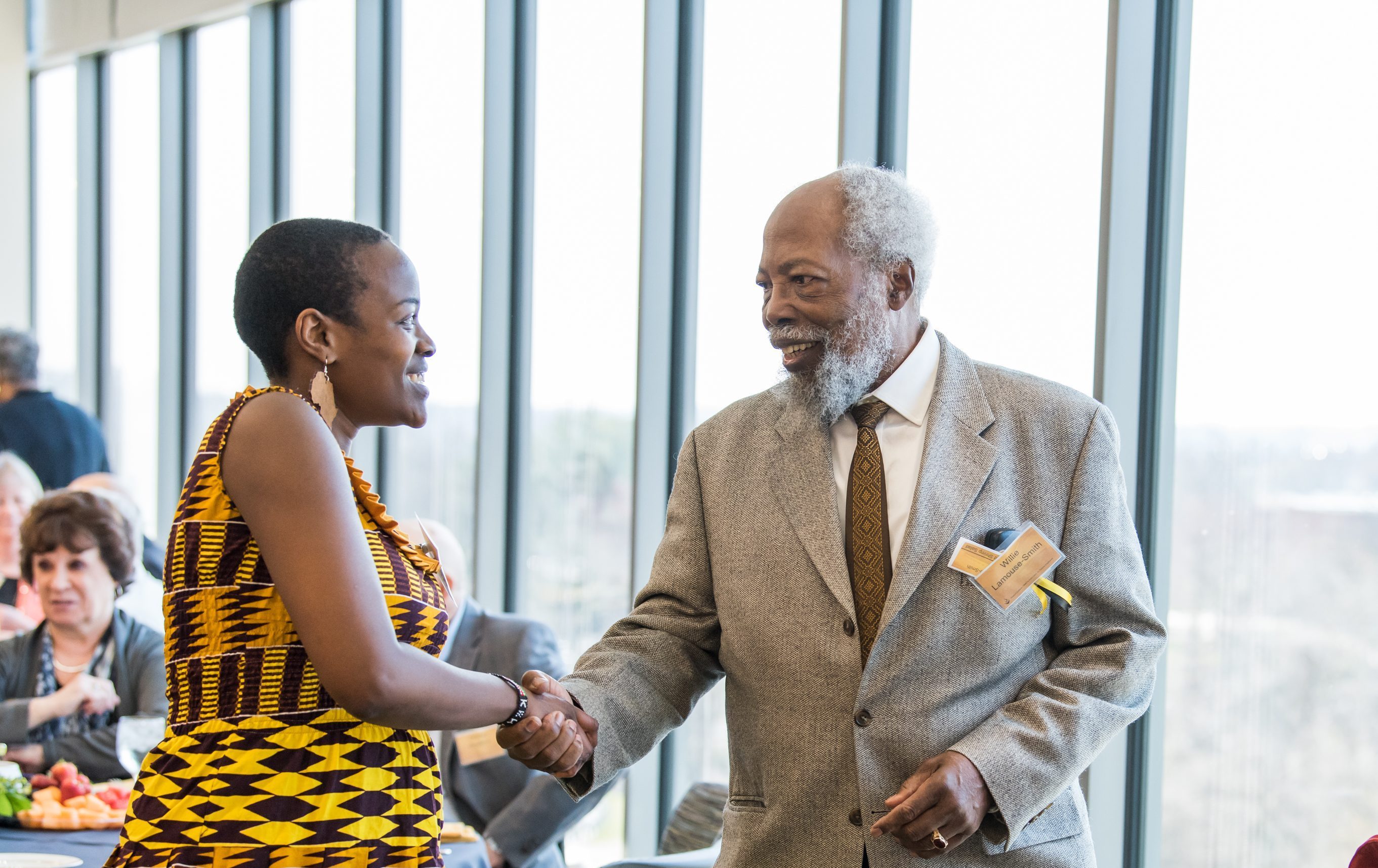
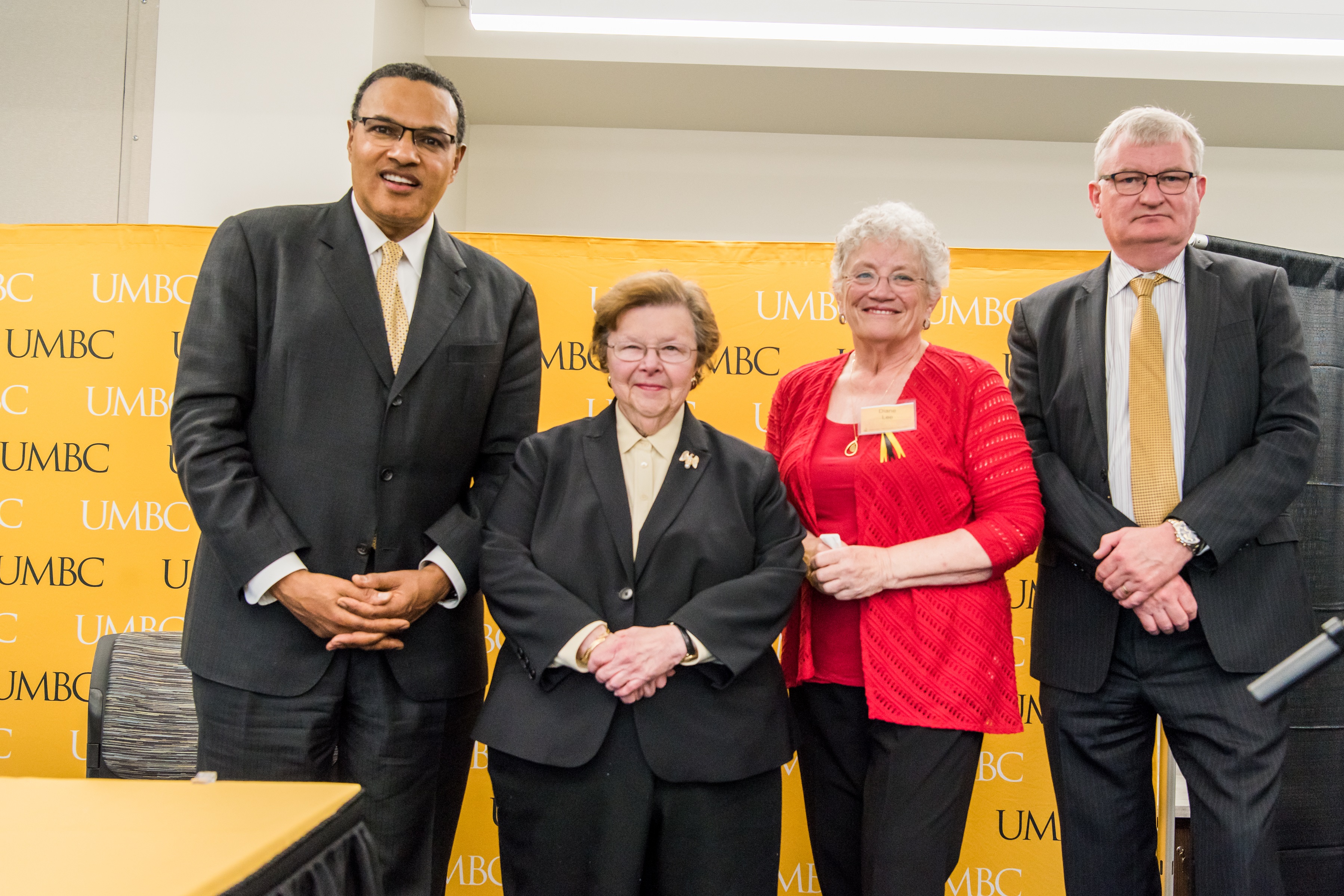
The first official members of the Wisdom Institute returned to campus for a program featuring former U.S. Senator Barbara Mikulski; Naomi Mburu ‘18, chemical engineering, the first UMBC student to receive the Rhodes Scholarship; Tim Hall, director of athletics at UMBC; and Ryan Odom, head coach of the history-making UMBC men’s basketball team.

Mburu shared her gratitude for the UMBC faculty and staff who have supported her in setting high goals and moving past obstacles. She reflected that the forward-thinking attitudes of UMBC mentors and their commitment to providing opportunities and support for all students have played a major role in her experience and achievements. “The Meyerhoff Scholars Program has been vital in molding me into the confident engineer that I am now,” Mburu said. “They nurtured the fire within me to instill that sense of confidence into students around me.”

Hall and Odom discussed the success of the men’s basketball team in last month’s NCAA championship tournament and highlighted the importance of stellar faculty and staff who support UMBC’s student athletes. Odom spoke about how essential it can be to hear from people who believe in you during challenging times, not just in moments of glory. “Everyone has doubts,” Odom said. “Everyone needs someone to pat them on the back and say ‘I believe in you.’”

Senator Mikulski’s 30 years of service in the U.S. Senate have had a lasting impact on people in Maryland and across the United States more broadly. When she retired from public office, Mikulski joined Johns Hopkins University as a professor of public policy, and brought her “no issue too small to take up” approach into the classroom. In this role, she is able to continue to impact the next generation of leaders, like Mburu, who want to change the world. Mikulski encourages her students, and people she meets, of all ages, to apply their knowledge and skills to causes that matter to them, no matter how big or small.

The Wisdom Institute currently includes a few dozen members, but organizers hope to expand it over time to welcome all retired faculty and staff. As the Institute grows, Diane Lee looks forward to fostering connections between its members and broader university to propel UMBC forward. In closing the kick-off event, Lee shared, “I hope as we leave today we celebrate what we’ve been able to do, we celebrate who we are, and that we continue to think about who we might become.”

Additional photos from the event can be found on the UMBC Magazine website.

Banner image: Charles Woolston, vice provost emeritus, greets colleagues and friends at the Wisdom Institute event. All photos by Marlayna Demond ’11 for UMBC.

UMBC Racing hosts teams from around the world at Baja SAE Maryland competition

UMBC Racing will host the 2018 Baja SAE Maryland competition, where engineering students test the limits of single-seat, all-terrain vehicles they have spent the year designing and building. The event, which attracts teams from across the country and the world, will be held at Budds Creek Motocross in Mechanicsville, MD, April 19 22.

Throughout the weekend, each team will put their vehicle to the test in a series dynamic events and an endurance race. The teams will compete not only in racing times, but also in areas like durability and cost.

I am most excited about the chance to compete against 100 other schools from all across the world,” said Robert Sherwood ‘20, mechanical engineering, one of the UMBC Racing team captains. “It allows us to show all the other schools what UMBC is capable of achieving.”

Each year, UMBC’s team develops one vehicle, relying on lessons learned in prior competitions. Beginning in the fall, this year’s team worked together to develop a new off-road, all-terrain vehicle that is fast, structurally strong, and meets SAE International’s strict technical requirements. Their focus has been on designing and constructing it to withstand the difficulties that come with navigating rough terrain, in preparation for challenges that will test the vehicle’s performance in various situations. On one day of the competition, the team participates in a range of events that put the acceleration, suspension, and maneuverability to the test.

The first race of each season is the most difficult because it is the first real end-to-end challenge for the team and vehicle, and will likely reveal any deficiencies in their design or fabrication,” explained Neil Rothman, professor of practice in mechanical engineering, and faculty advisor of the UMBC Racing team. The team took a fresh approach to the vehicle design this year, focusing on simplicity and reliability so we will see how that holds up over the next 4 days of competition.

Team members share that the endurance race is one of the most exciting and challenging parts of the weekend event. During the endurance race portion of the competition, the team must drive the vehicle for four hours. The team must switch drivers out at least once, and the vehicle may stop to refuel throughout the race.

Another element of the competition is pitching the vehicle to an fictitious company. Members of the team present their vehicle as a prototype. It is then inspected based on criteria including technical elements, cost, and design, keeping in mind SAE’s requirements for a design that is “reliable, maintainable, ergonomic, and…serves a recreational user market.” Beyond the design and construction of the vehicle, this part of the competition evaluates the students on their skill in delivering a sales pitch.

In 2015, the last time the UMBC team hosted the Baja SAE Maryland competition, UMBC came in fifteenth place overall. During the 2017 season, the team placed twentieth at a competition in Illinois, and thirty-third at a competition in Kansas.

For additional details about the competition, visit the SAE International website.

Banner image: A member of the UMBC Racing team working on a part for the vehicle. All photos by Marlayna Demond ’11 for UMBC.

Naomi Mburu, UMBC’s first Rhodes Scholar, to pursue engineering Ph.D. at Oxford

Naomi Mburu
B.S., Chemical Engineering
Summa Cum Laude
Hometown: Ellicott City, Maryland
Plans: Ph.D., University of Oxford

As a scientist interested in cross-disciplinary research, UMBC faculty have supported me in confidently conducting research and co-authoring work in scientific journals in research projects that combine chemical engineering with electrical engineering, biology, and chemistry.

When Naomi Mburu arrived at UMBC, she hit the ground running and never turned back, as an exceptional student, researcher, peer mentor, campus leader, and passionate advocate for increasing diversity in STEM fields. She is a Meyerhoff Scholar and MARC U*STAR Scholar, and the first UMBC student to receive the Rhodes Scholarship. In 2016, she was also one of three chemical engineering undergraduate students to receive the highly prestigious Barry Goldwater Scholarship.

Mburu has conducted research at UMBC and around the world, including under the direction of Gymama Slaughter, associate professor of computer science and electrical engineering, to develop a bioreactor to extend the viability of human organs awaiting transplant. The project involved developing sensors to track glucose and lactic acid levels to ensure that the organs remain healthy as they are transported to a recipient.

Mburu’s work with mechanical engineering faculty at Vanderbilt University formed the basis of her application for the Goldwater Scholarship. She has also brought her passion for engineering and research to internships at Intel, the Johns Hopkins Applied Physics Laboratory, and the European Organization for Nuclear Research in Switzerland. She recently was one of 500 students from around the world selected to attend the Lindau Nobel Laureate Meetings, which bring together researchers from around to world to promote collaboration across generations, cultures, and disciplines.

Outside of the classroom, Mburu previously served as president of the UMBC chapter of the National Society of Black Engineers (NSBE), and was named the Region II Vice Chairperson this year, in addition to being the Pre-College Initiative chair for the organization. The national NSBE organization presented Mburu with the Region II Executive Board Member of the Year award. She also received the Academic Achievement Award at the 2018 Black Engineer of the Year Award Gala.

As a Rhodes Scholar, Mburu will attend Oxford University in England to pursue her Ph.D. in engineering.

Portrait by Marlayna Demond ’11 for UMBC.