All posts by: Dinah Winnick


Congrats, Class of 2017! Meet some of UMBC’s exceptional new graduates.

As UMBC’s Class of 2017 busily prepares for commencement—reserving caps and gowns, signing job contracts, completing visa paperwork to research, study, and teach abroad—the UMBC community honors our soon-to-be graduates for all they have achieved in their time as Retrievers, and the legacies they will leave as they take their next steps.

Daniel Ocasio ’17, chemical engineering, is valedictorian of the UMBC Class of 2017. A Meyerhoff Scholar, MARC U*STAR Scholar, and Howard Hughes Medical Institute Scholar, Ocasio is also a first-generation college student appreciated across the university for his leadership in research, academics, and student organizations. This includes founding the UMBC chapter of the Society of Hispanic Professional Engineers.
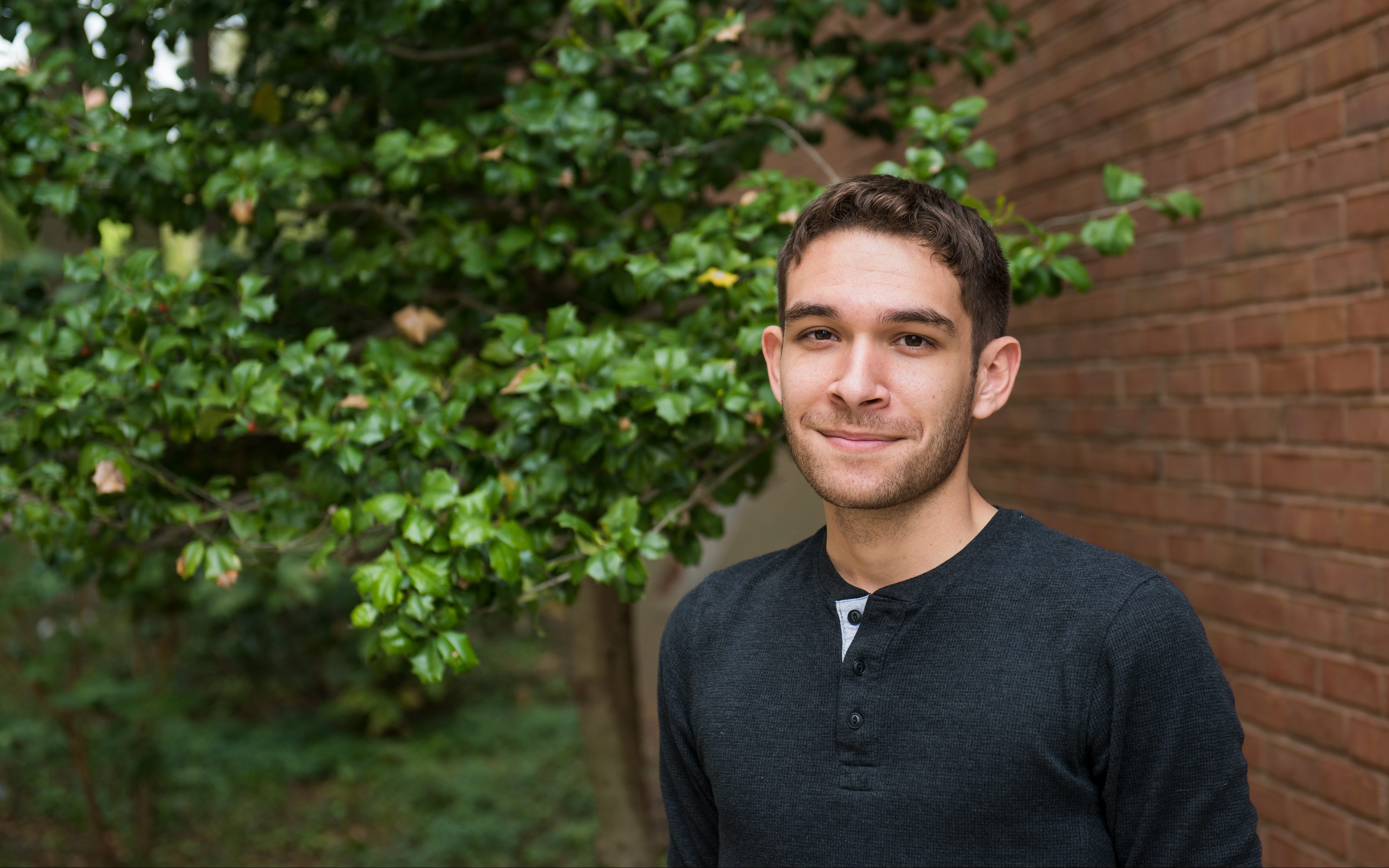
Daniel Ocasio, valedictorian 2017

In 2016, Ocasio was one of three UMBC students to receive the prestigious Barry M. Goldwater Scholarship, along with Andreas Seas ‘17 and Naomi Mburu ’18, also chemical engineering majors. He has received the highly competitive and nationally prestigious NSF Graduate Research Fellowship and GEM Fellowship to support his Ph.D. studies in environmental engineering at UC Berkeley, focused on water quality and water treatment.

Outside of the classroom and lab, Ocasio co-founded Achievement and Inspiration through Mentorship (AIM), a mentoring program for Baltimore City middle school students, with Austin Maduka ’17, biochemistry and molecular biology. Their goal was to pass on the UMBC value of ensuring “everyone has a chance to thrive in their own unique way,” says Ocasio. As Maduka recently explained in ASBMB Today:

It is crucial to realize that support can change a person’s trajectory in life… Although I had a positive outcome, many like me do not. Whenever possible, be a source of support for others. It may have a bigger impact than you would expect.
The Class of 2017 includes many other high achieving young scientists, heading to M.D., Ph.D., and combined programs at Harvard, Carnegie Mellon, and Duke. It also includes visual and performing artists who have already begun their creative careers, tech leaders heading to top graduate schools and industry, and social science and humanities students heading to law school, teaching careers, Ph.D.s, Fulbright fellowships, and Peace Corps service.

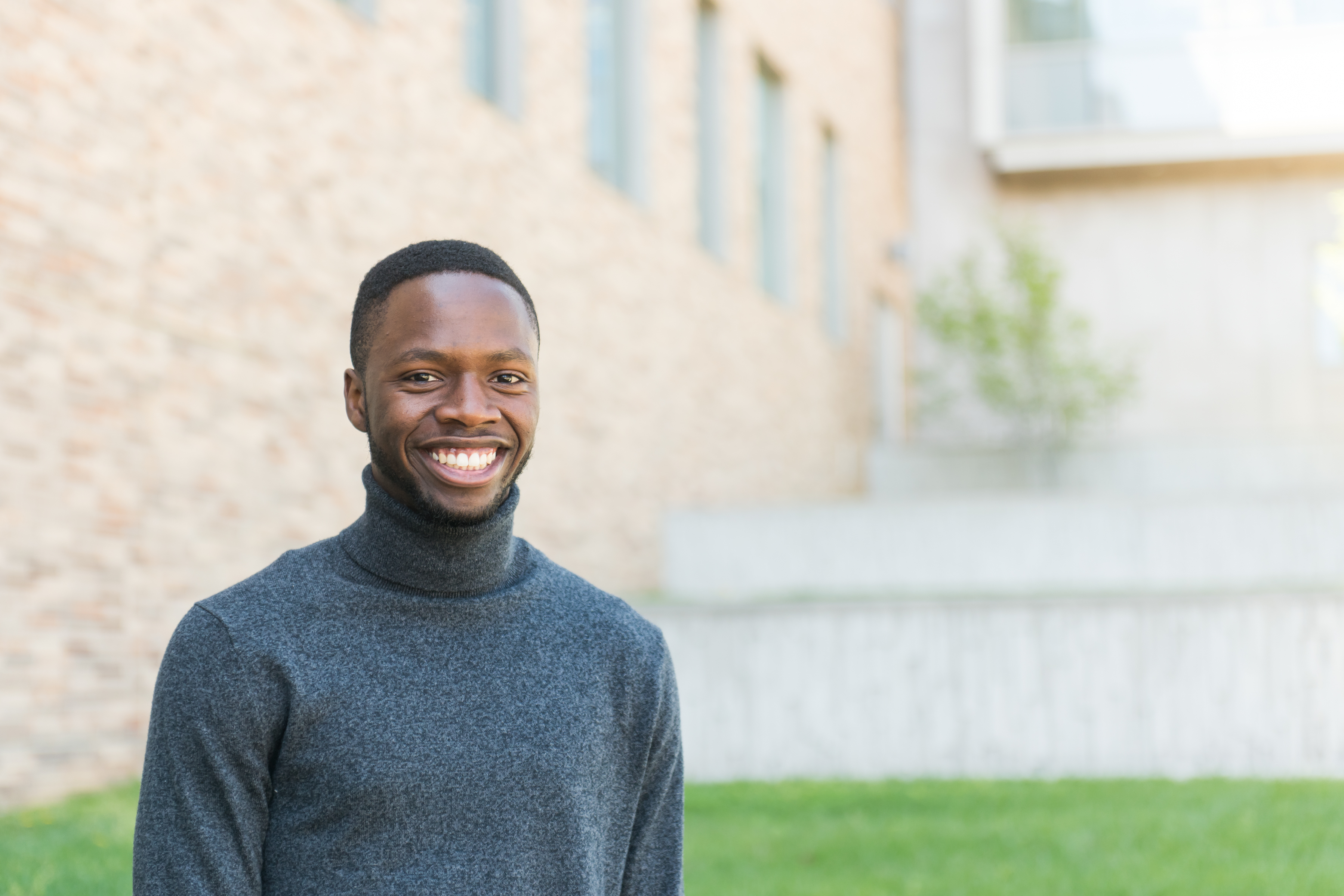
On the path to completing her dissertation on how games enhance mental acuity in older adults, Gloria Opoku-Boateng, Ph.D. ’17, information systems, took advantage of a broad range of support opportunities, connecting with peers, faculty, and other mentors both at UMBC and around the globe. This includes actively participating in the PROMISE AGEP program and Dissertation House, led by Renetta Tull, associate vice provost for graduate student development and postdoctoral affairs. There, she says, “I felt that I had a community of fellow graduate students and mentors who understood my journey.”

During her doctoral studies, Opoku-Boateng received scholarships and grants from IBM, Google, LinkedIn and Xerox, and presented at numerous conferences, including sharing award-winning work at the engineering-focused Global Students Forum in South Korea. Post-Ph.D., Opoku-Boateng will work as a user experience research scientist at Northrop Grumman.
Isabel Geisler ’17, global studies, a Sondheim Public Affairs Scholar and France-Merrick Fellow, has excelled as a student researcher, combining her interests in gender, power, and economics through a study in Honduras focused on fair trade coffee. But her greatest UMBC legacy may be the Reach Initiative, a program she founded to support Baltimore high school girls interested in STEM, based on the pillars of mentorship, research, and empowerment.

“At UMBC no one has ever told me to temper my ambitions. It was here I learned the adage of not asking if I can do something, but how I can do it,” Geisler says. She focused on planning the Reach Initiative and building the partnerships that would make it a success for two years before running a pilot in 2015-16, and formally launching the program in 2016-17 with 20 mentors and 20 mentees. She will soon begin a Ph.D. in sociology at Northeastern University.
Learn more about the Class of 2017 through this year’s features on students from across the university:

Danielle Allison ‘17, political science and Asian studies
Ryan Atkinson ’17, biochemistry and molecular biology
Hector Barrera ’17, financial economics, health administration and policy
Amy Berbert ’17, visual arts (graphic design and photography)
Jaelyn Bos ’17, biological sciences and environmental science
Erin Callahan ’17, social work
Bentley Corbett-Wilson ’17, music (music education)
Natalie DeNigris ’17, physics
Emily Eaglin ’17, visual arts (cinematic arts)
Dylan Rogers Elliott ’17, history
Brandon Enriquez ’17, economics and mathematics
Emily Escobedo ’17, psychology
Heather Frank ’17, biochemistry and molecular biology
Samantha Furman ’17, mathematics
Austin Gabel ’17, biological sciences
Isabel Geisler ’17, global studies
Da’Kuawn Johnson ’17, biochemistry and molecular biology
Faith Kamei ’17, psychology and social work
Ghazaleh Keshavarz, M.F.A. ’17, intermedia and digital arts
William Klotz ’14, modern languages and linguistics, M.A.T. ’17, foreign language education
Matthew Landen ’17, computer science and mathematics
Andrew Lee ’17, mechanical engineering
Austin Maduka ’17, biochemistry and molecular biology
Emily Melluso ’17, biological sciences and sociology
Jacob Mueller ’17, theatre
Daniela Mujica-Martorell ’17, Asian studies, global studies, and design
Natacha Ngea ’17, computer engineering
Daniel Ocasio ’17, chemical engineering
Gloria Opoku-Boateng, Ph.D. ’17, information systems
Gabrielle Salib ’17, interdisciplinary studies (human-centered computing)
Andreas Seas ’17, chemical engineering
Kayla Smith ’17, interdisciplinary studies (public health advocacy)
Kaitlin Smith ’17, media and communication studies
Jacqueline Wojcik ’17, visual arts (animation/interactive media)

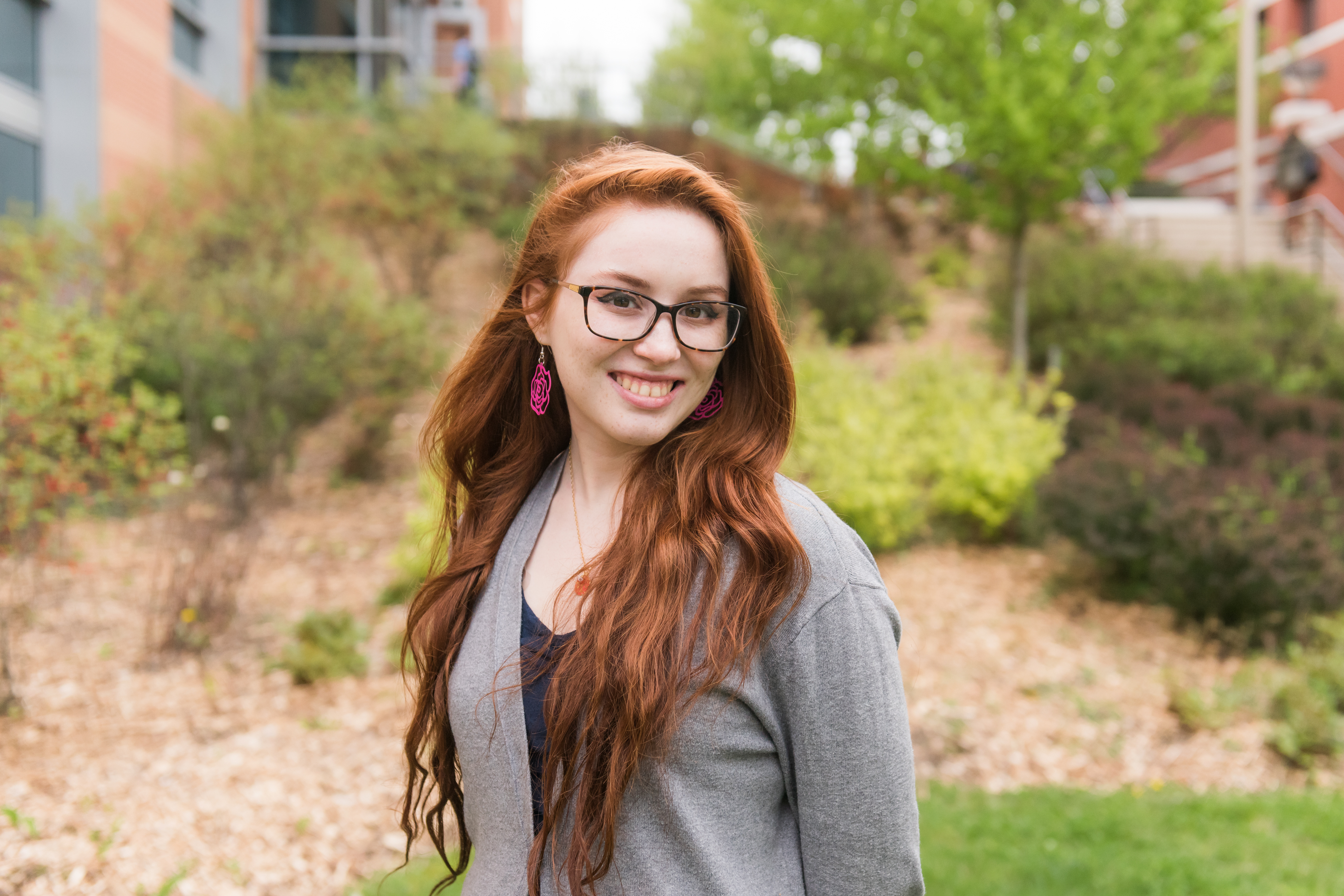
Header image: Spring 2017 UMBC graduate Isabel Geisler, a Sondheim Public Affairs Scholar. Portraits by Marlayna Demond ’11 for UMBC.
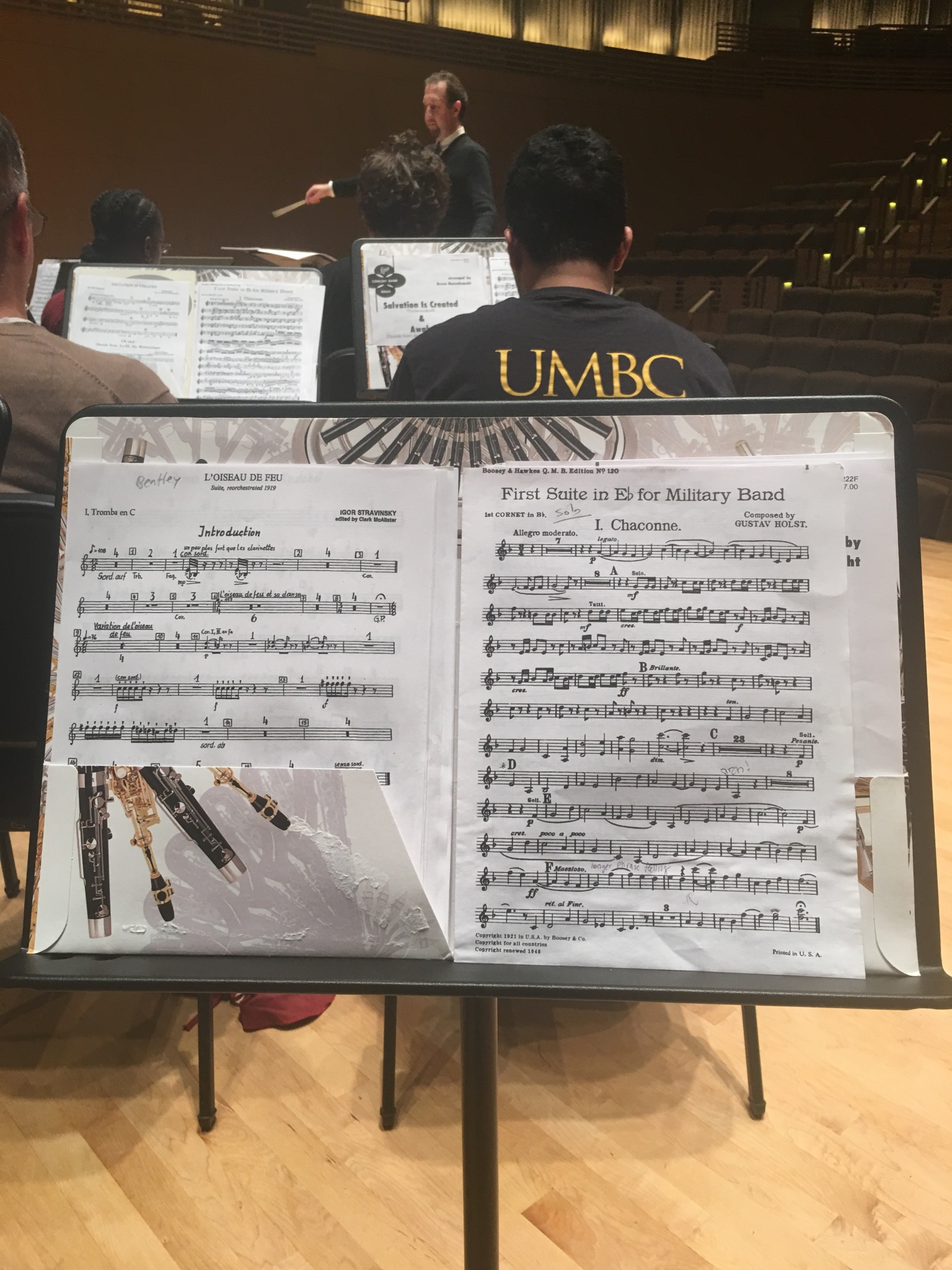
Bentley Corbett-Wilson, SGA president, prepares for career in music education

Bentley Corbett-Wilson
B.A., Music (Music Education)
Hometown: Las Vegas, Nevada
Plans: Leadership consultant, Pi Kappa Phi

UMBC has presented me with opportunities that have led me to be more open-minded, think more critically, and take action within my community.

Bentley Corbett-Wilson’s UMBC story is one of personal growth and supporting others through leadership in shared governance and campus life.

As president of UMBC’s Student Government Association (SGA) during the university’s 50th anniversary, and an active senior member of the Student Events Board (seb), Corbett-Wilson was closely involved in UMBC’s anniversary celebrations. He also offered a student perspective on major campus-wide events throughout the 50th year, from the Women’s Center’s “Take Back the Night” to SGA’s “Election Night Extravaganza,” sharing photos and reflections on UMBC’s main social media accounts and in UMBC Magazine.

For multiple years, Corbett-Wilson has has served as an (seb) event programmer, a Student Life ambassador, and senior orientation peer advisor, acclimating new students to campus and training other students as orientation peer advisors.

Corbett-Wilson is carrying forward a lifelong passion for music with career plans in music education. He has performed as a member of the UMBC Community Symphony, UMBC Wind Ensemble, and UMBC Jazz Ensemble as a trumpet player, and has served as student director of the UMBC Pep Band.

Reflecting on his time at UMBC, he shares:

I’ve been surrounded with like-minded people who have helped me foster my skills within leadership and music, and I’ve also been able to be challenged by other’s different ideas and values that have given me a more holistic view of the world. I am more educated about social issues and feel more equipped to be a part of larger conversations that contribute to promoting social equity.

Portrait by Marlayna Demond ’11 for UMBC.

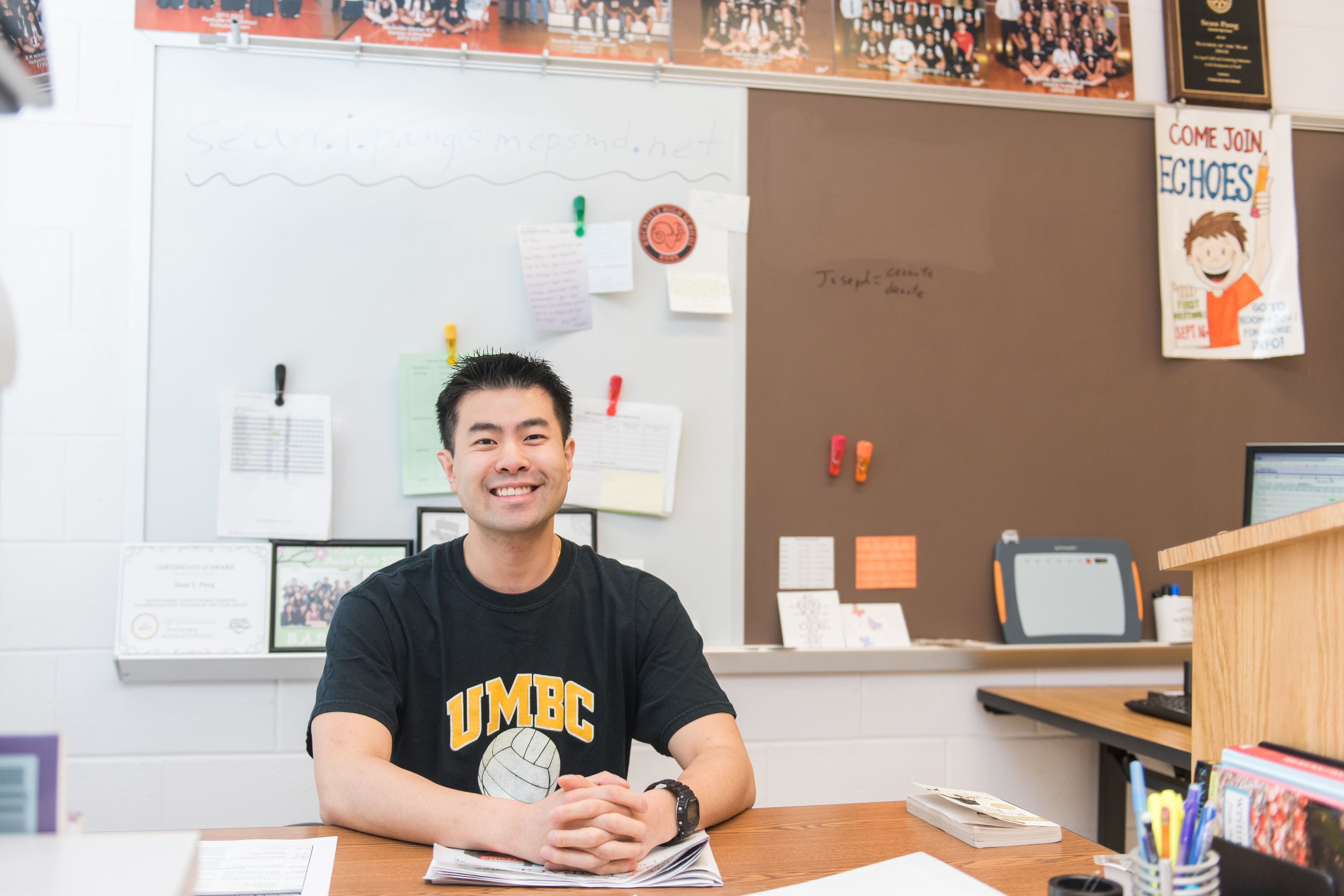
Washington Post names UMBC alumnus Sean Pang 2017 Teacher of the Year

The Washington Post has honored UMBC double-alumnus Sean Pang as its 2017 Teacher of the Year in recognition of the supportive connections he makes with Rockville High School students as an educator, tutor, coach, and mentor.

The honor is tremendously meaningful for both Pang and UMBC’s education programs, particularly following last year’s recognition of Shalonda Holt ’07, biological sciences, teaching certificate in education, as 2016 Washington Post Teacher of the Year.

Sean Pang ’09, English, M.A. ’11, education, has taught ninth-grade English, creative writing, TV production, and an academic intervention course since he began working at Rockville High School in 2011, but he didn’t always realize he had a passion for writing and language arts. Pang arrived in the United States from Hong Kong at age 6, and his love of English literature grew over time, particularly through his undergraduate years.

“UMBC was not only my home for six years during both my undergraduate and graduate pursuits, but I identify with this university as the place I found my calling,” says Pang. “As an undecided and nervous freshman, I had no clear line of sight for my career path. But, through my amazing teachers and mentors who inspired me to be my best on a daily basis, I soon realized the answer to my worries was always in front of me; I wanted to teach.”

In particular, Pang thanks his UMBC mentors Sally Shivnan, senior lecturer in English and associate director of writing and rhetoric, and Jim Thomas, lecturer in philosophy, for inspiring his teaching career and guiding him on that career path.

“The first thing I did when I heard about my award was to visit UMBC and personally thank my teachers,” Pang shares. “Among them, Sally Shivnan was a great spark of hope, as she encouraged me through my ups and downs as my undergraduate advisor. Jim Thomas is the teacher I still always want to be. His humor and ability to captivate my interest… He genuinely had fun while he taught and Jim pretty much sealed the deal for me.”

Pang’s award comes as no surprise to his professors. Says Shivnan:

Having taught Sean Pang in English classes starting in first-year composition and all the way through to his time as editor of our creative arts journal Bartleby, I can say I am not surprised to see him win this honor. His energy and commitment were always incredibly impressive…[and] the values that won him recognition as DC-area Teacher of the Year—passion, creativity, and caring—reflect UMBC values.

Cheryl North, clinical assistant professor of education and director of secondary English education, agrees. “We are proud of Sean but not surprised that others have recognized him as Teacher of the Year,” she says. She notes it was clear early on that Sean is someone “who was knowledgeable in English, student-centered, and a leader.”

UMBC alumnus Sean Pang named Washington Post Teacher of the Year.

Offering a glimpse into Pang’s classroom, the Washington Post describes the space as “always abuzz with students — at lunch, before school, after hours. Some gather for club meetings or come for help with schoolwork. Others just hang out or update Pang on their lives.”

This “buzz” of activity directly reflects Pang’s teaching philosophy: “to get involved in as many ways as you can.” He applies this advice to his students and himself — encouraging students to try new things to find their passions, and working to connect with students in a wide variety of ways. He also applies it to his own professional development as a teacher, building connections with colleagues whom he sees as mentors, and constantly working to improve and grow in new directions.

“This award showed me my work has been successful, but that I also have so much to learn,” Pang says. “This award will only strengthen my resolve to push myself to become even better.”

Ultimately, he sees being an educator as a path of continual growth, always working to find what way of teaching, what approach, will connect with a particular student. “Sometimes I succeed; sometimes I fail,” he told the Post. “When something clicks, oh my gosh, it’s like opening Christmas presents.”

Photos of Sean Pang by Marlayna Demond ’11 for UMBC.

UMBC students tackle complex questions with creativity at URCAD 2017

Now in its twenty-first year, UMBC’s Undergraduate Research and Creative Achievement Day (URCAD) “attains a certain kind of maturity,” but it’s “thrilling to see that as it comes of age, it retains the brawling, restless energy that has always made it so special,” shared Simon Stacey, interim dean and vice provost of undergraduate education, in his URCAD 2017 message to the university.

The vibrant scene that Stacey described is familiar to guests and each year’s more than 250 student participants alike. It’s palpable as soon as one enters the buzzing University Center Ballroom full of posters, or one of the many research lectures or performances featuring students sharing their work and their intellectual passions. “URCAD’s contributors are doing serious, hard labor on important issues, but they do it with such spirit and vigor and joy,” says Stacey.

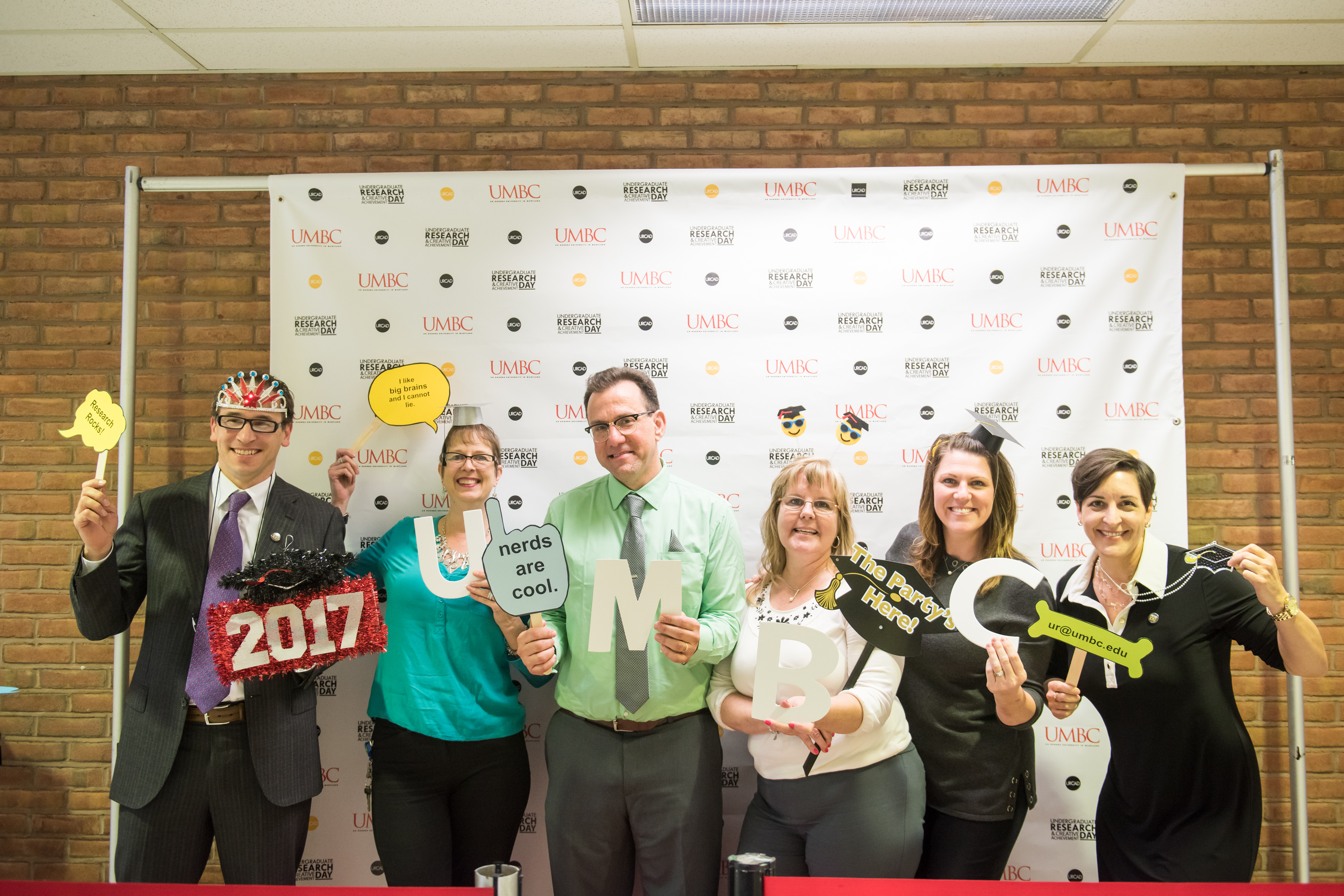
Some of the lead organizers behind URCAD 2017, including Simon Stacey (far left)

URCAD kicked off on April 26, 2017 with welcome remarks by Provost Philip Rous, with a special moment to recognize the Retrievers behind the UMBC Review, including editors Dylan Elliott ‘17, history, and Emily Huang ‘17, biochemistry and molecular biology, and graphic designers Amir Khatirnia ‘17, design, and Maryam Banyahmad ‘17, design, as well as faculty advisor Susan McDonough, associate professor of history, and arts director Guenet Abraham, associate professor of visual arts.

Poster sessions, exhibits, performances, film screenings, and research talks took place throughout the day, with a midday pause for Stacey’s remarks and the introduction of 2017-18 Undergraduate Research Award (URA) Scholars.

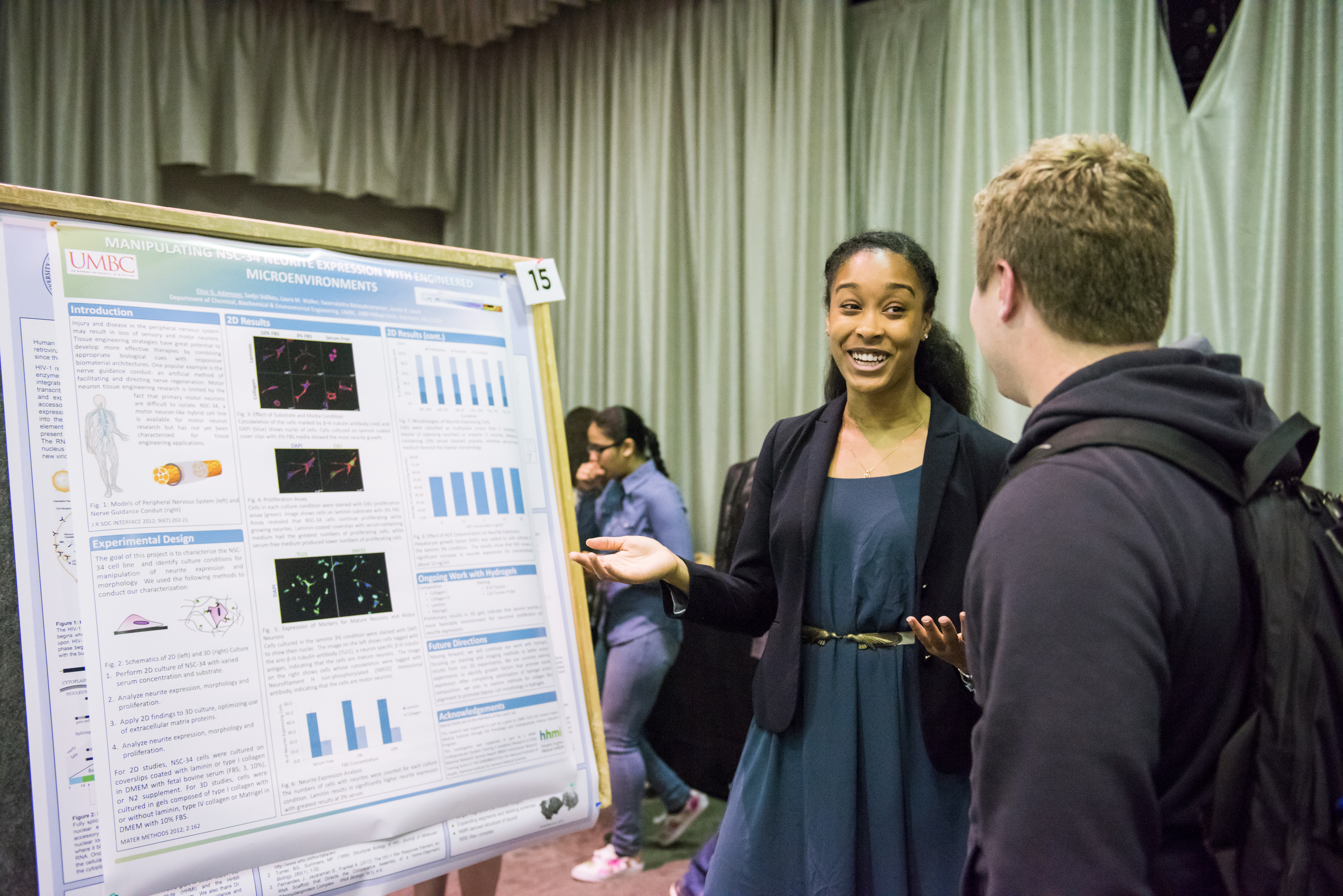
Elise Adamson, CBEE, URA Scholar, presents at URCAD 2017.

The noon hour also feature keynote by Michelle Margolis Chesner ‘06, history, who, as librarian for Jewish studies at Columbia University since 2010, is responsible for a significant collection of rare books and manuscripts. During her time at UMBC, Chesner completed a special collections internship in UMBC’s Albin O. Kuhn Library, as well as a capstone research paper on very early Hebrew printed materials, which laid the groundwork for her future career.

The Power of Mentorship

Just as Chesner thanked James Grubb, professor of history, for supporting her early development as a researcher, students throughout the day recognized the impact that faculty mentorship has had on their early research experiences.

Aarti Shah ’18, environmental science, works with Katherine Seley-Radtke, chemistry and biochemistry, on synthesized molecules whose flexibility makes them more effective at attacking Ebola. “You can tell she just really wants us to succeed,” says Shah of Seley-Radtke. Abraar Muneem ’18, biological sciences, spoke of working one-on-one with Daniel Lobo in his bioinformatics lab. Jaelyn Bos ‘17, geography and environmental systems (GES), who has investigated the effects of impervious pavement on invertebrate stream life with Matthew Baker, GES, is thankful that “Dr. Baker gave me a lot of open-ended assignments,” to discover new things in her own way.

Scott Thompson ‘17, information systems, worked with Sreedevi Sampath, associate professor of information systems at UMBC, and Sara Sprenkle at Washington and Lee University to detect and block malicious visitors to websites. Thompson says that the research process has enabled him to determine what steps should come next in finding a solution to a problem without having continuous guidance. “It’s more close to what I’d expect in the real world,” says Thompson, who will work as a government contractor after graduation. “I’m not told what to do. I have to figure it out myself.”

Eye on Impact

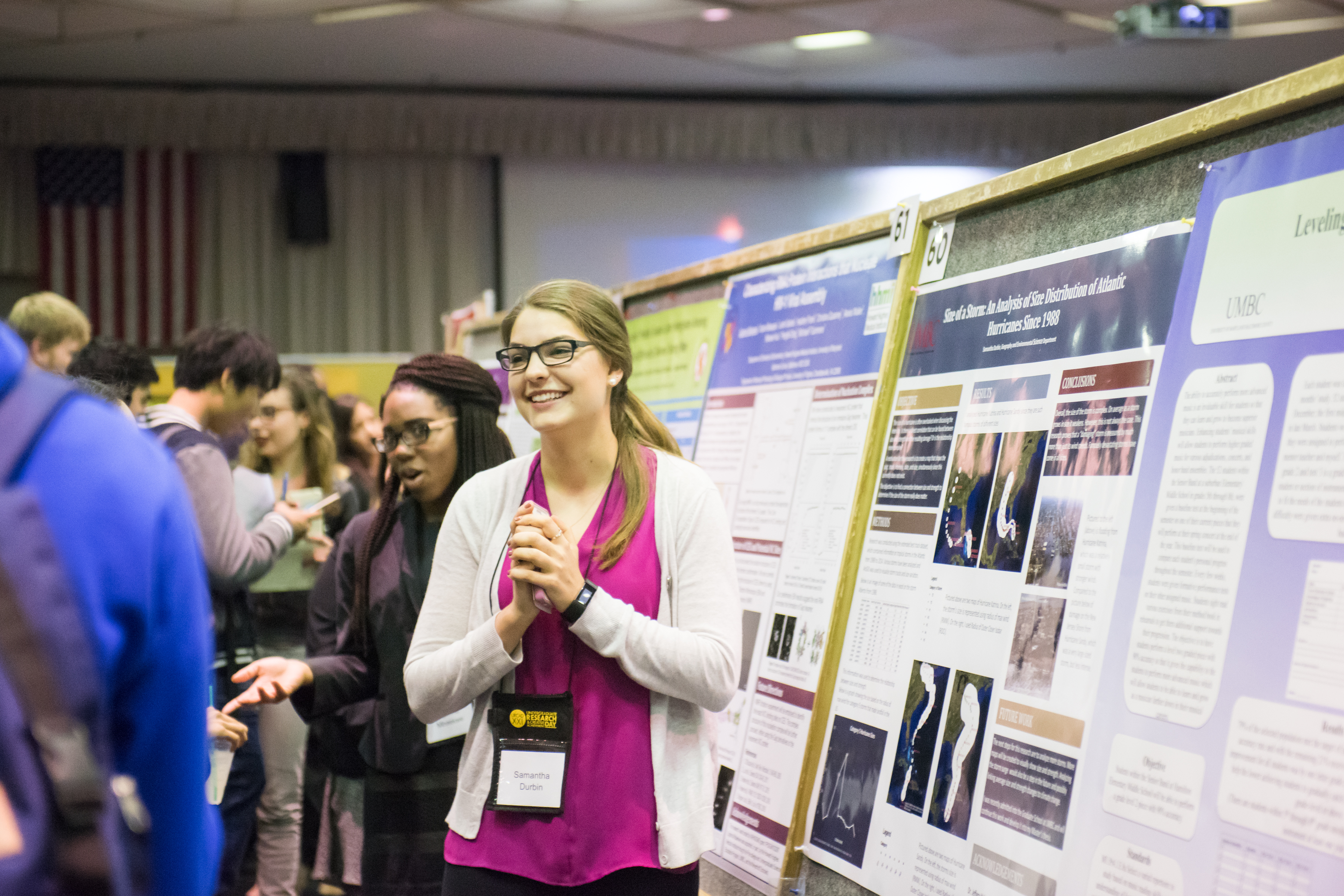
Students also reflected on the ways in which they hope their work will create positive change in the world. Samantha Durbin ’17, GES, studied the complex relationships between storm size, strength, and storm surge in Atlantic hurricanes over the last 30 years. She and faculty mentor Jeff Halverson, GES, hope to eventually develop simple ways to share information with residents in a hurricane’s path about both its strength and size, as their research revealed that large storms may cause major devastation even if their winds are not as severe as category 4 and 5 storms.

Samantha Durbin presents at URCAD 2017.

Samantha Furman ’17, mathematics, contributed to improving cancer treatments through her summer internship at the Memorial Sloan Kettering Cancer Center. Her machine learning approach to analyzing microscope images of breast tumors may aid clinicians in identifying which patients will respond best to immunotherapy. “I want to apply my math and statistics skills to medical problems,” she says, “so this was the perfect project for me.”

Edward Hanson ‘19, computer engineering, worked with Jennifer Helgeson at the National Institute of Standards and Technology to develop a web program that can be used to determine the costs associated with planning for disasters such as forest fires and floods. NIST will continue to use the Economic Decision Guide tool moving forward.

Edward Hanson presents at URCAD 2017.

Taylor Patrick ‘18, computer engineering, is working to create neural sensors and devices that can collect both chemical and electronic signals from the brain. In the Bioelectrics Lab, led by Gymama Slaughter, associate professor of computer science and electrical engineering, Patrick is developing small probes that can monitor cells’ signals and responses, which could eventually help physicians diagnose neurodegenerative diseases, such as Parkinson’s disease.

Chimdiya Onwukwe ‘18, biology, works with Erin Lavik, professor of chemical, biochemical and environmental engineering (CBEE), to study how nanoparticles can help promote blood clotting at the site of traumatic injuries. Onwukwu focuses on understanding the efficacy and potential side effects of these nanoparticles.

Collaboration Across Fields

Several student projects were fundamentally shaped by combining questions, research techniques, and knowledge from different fields.

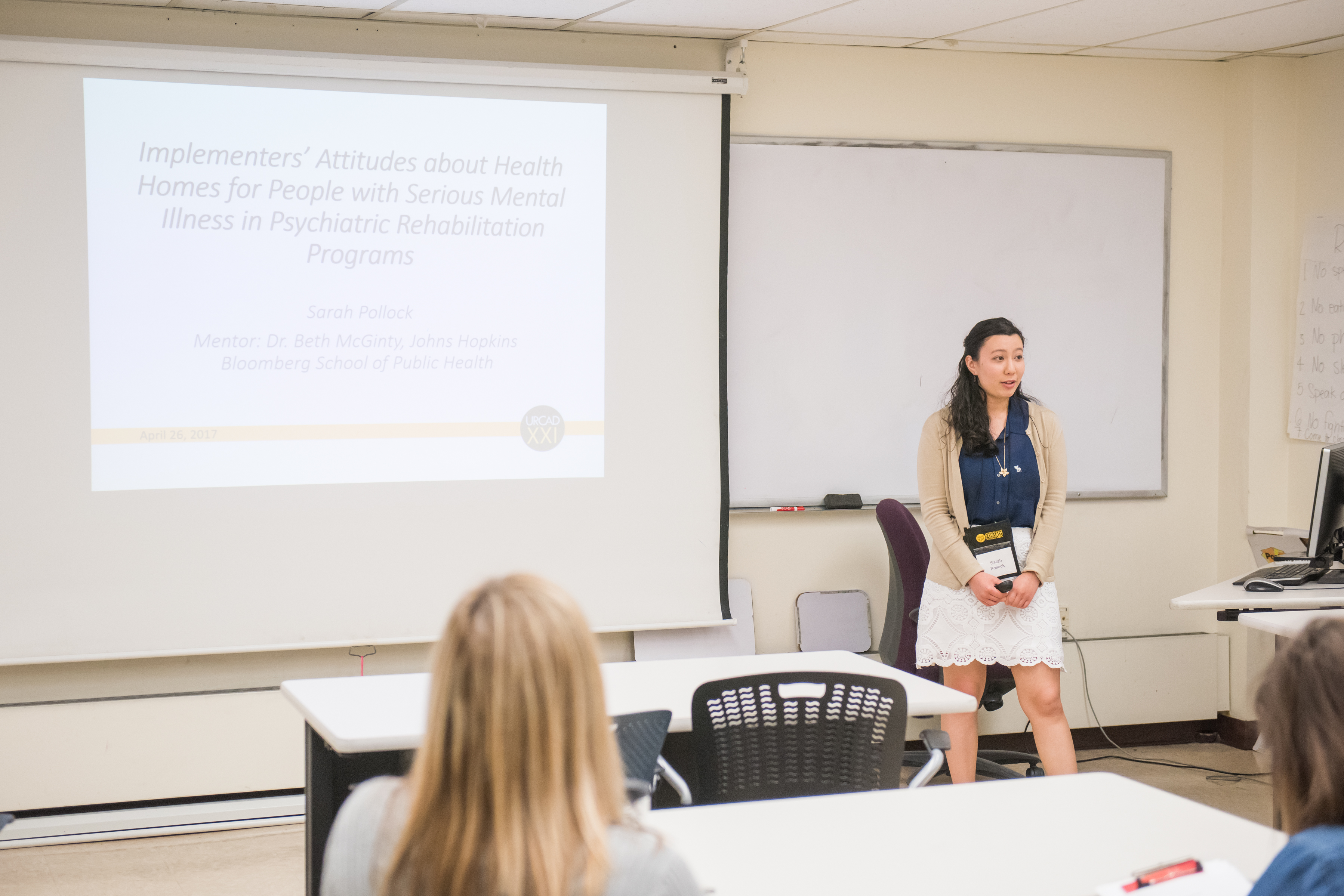
An interest in public health led Sarah Pollock ‘17, biochemistry, to study attitudes about healthy homes for people with serious mental illness in psychiatric rehabilitation programs. While she continues her work in biochemistry, she is also now fascinated by understanding how U.S. health policy functions and how socioeconomic factors can create barriers to accessing healthcare.

Rosa Rada ’17, interdisciplinary studies, examined information flows in Maryland’s food assistance programs, blending knowledge of policy, information systems, communications, and geography. Her presentation examined the limitations of current communications materials provided by Maryland food assistance programs, and highlighted a need to streamline information systems and policy to make food assistance programs more effective and equitable.

Rosa Rada presents at URCAD 2017.

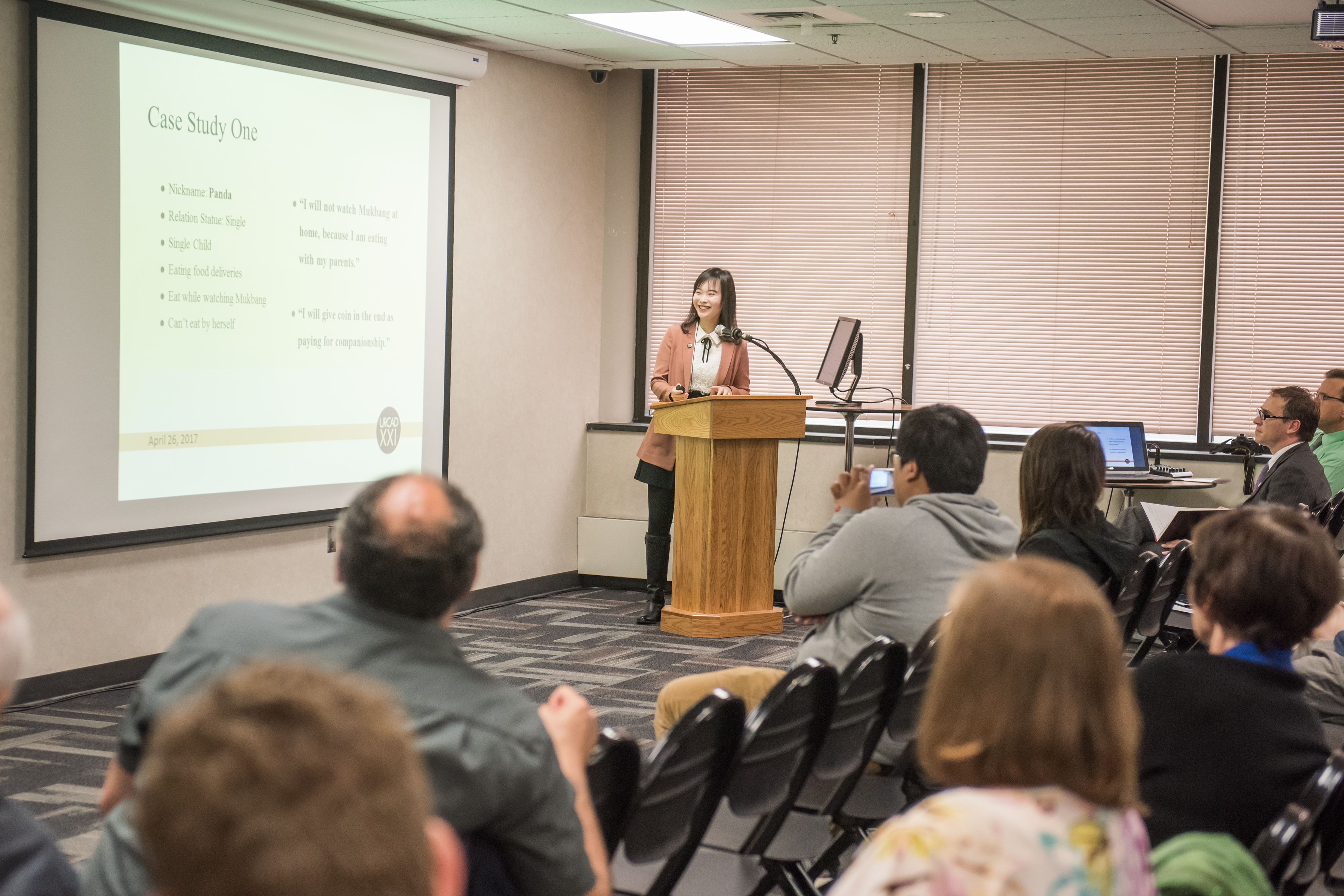
Yun Zheng ‘17, media and communication studies, shared her analysis of the Asian pop culture phenomenon Mukbang—a portmanteau of Korean words for “eating” and “broadcast,” which involves the act of eating large quantities of food in front of an internet audience. Zheng’s research examines cultural factors such as body image and standards of beauty, as well as how political factors, such as one-child policies, influence social norms.

Yun Zheng presents at URCAD 2017.

Passion Projects

While students’ excitement for their projects was apparent throughout the event, regardless of topic, some seemed particularly driven by a deep passion for fundamentally understanding different experiences and how things work.

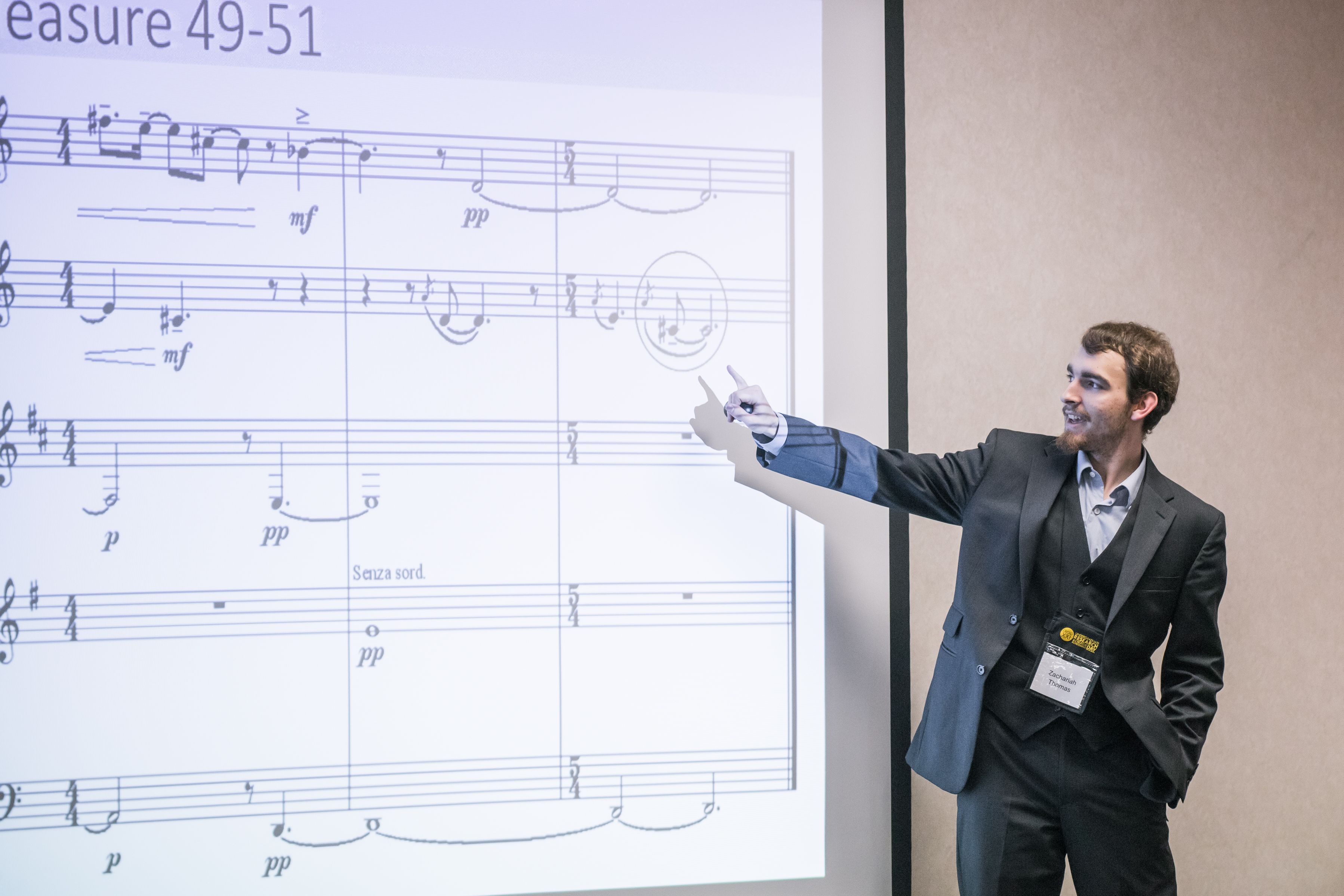
Zachariah Thomas ‘17, music and music composition, presented “Composers-Performer Communication Methods in Contemporary Classical Music,” examining the challenges that composers face in using traditional music notation to convey explicit meaning to performers. Using a recent chamber music piece as an example, Thomas spoke about his work with a music ensemble, and how feedback and observations from the performers’ interpretations of the score helped him refine and clarify his notation.

Zachariah Thomas presents at URCAD 2017.

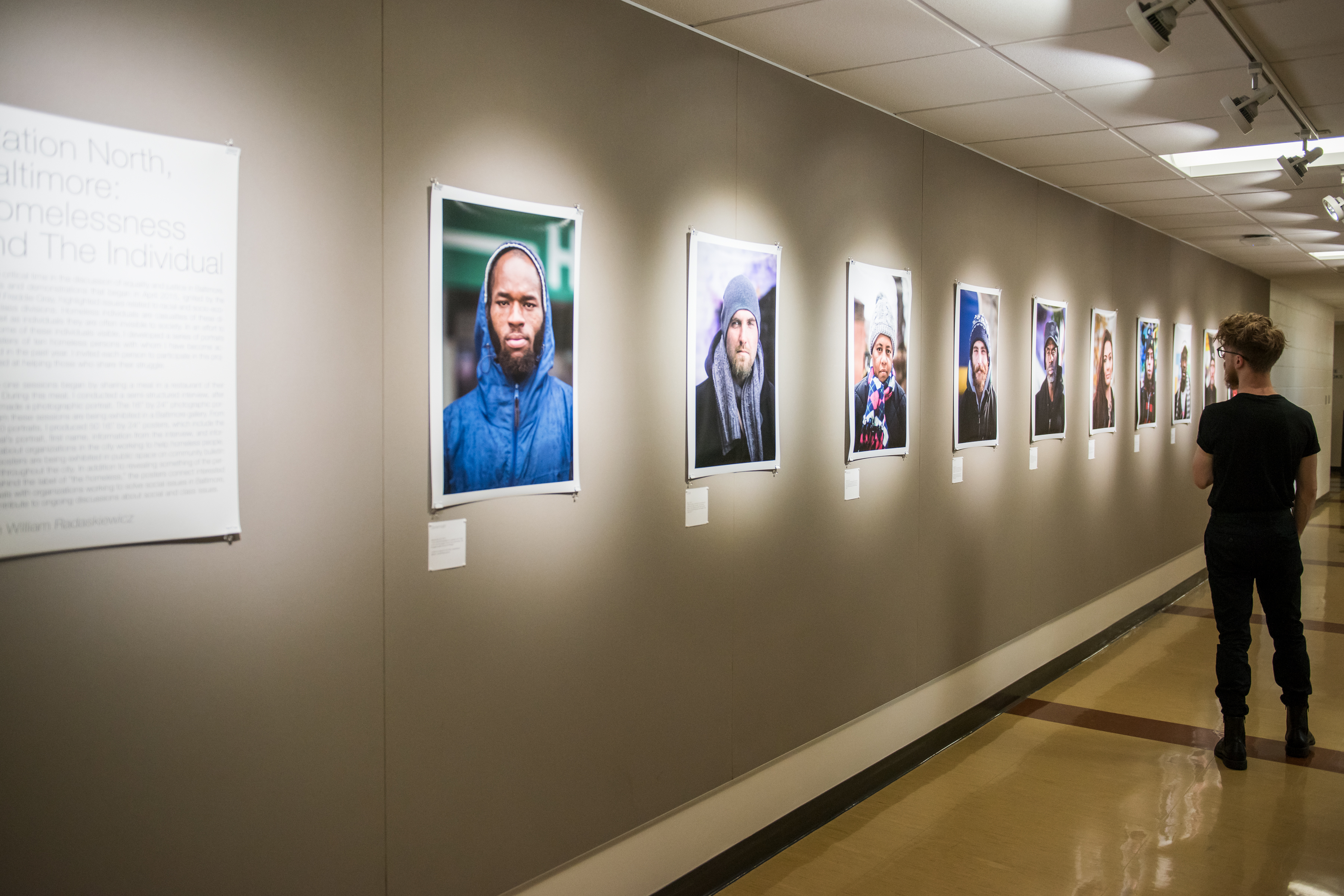
Sean William Radaskiewicz ‘18, visual arts, presented “Station North: Homelessness and the Individual,” a series of striking photographs of people experiencing homelessness in Baltimore’s Station North area. Radaskiewicz will install posters featuring his photos and captions from interviews with each subject in Station North and throughout Baltimore.

Sean William Radaskiewiczs exhibit at URCAD 2017.

Fellow artist Stephen Dan ‘17, dance, presented “East vs. West,” a dance quartet for four women that incorporated hip hop dance styles that Stephen learned on the west coast as well as a wide variety of dance forms he has studied at UMBC.

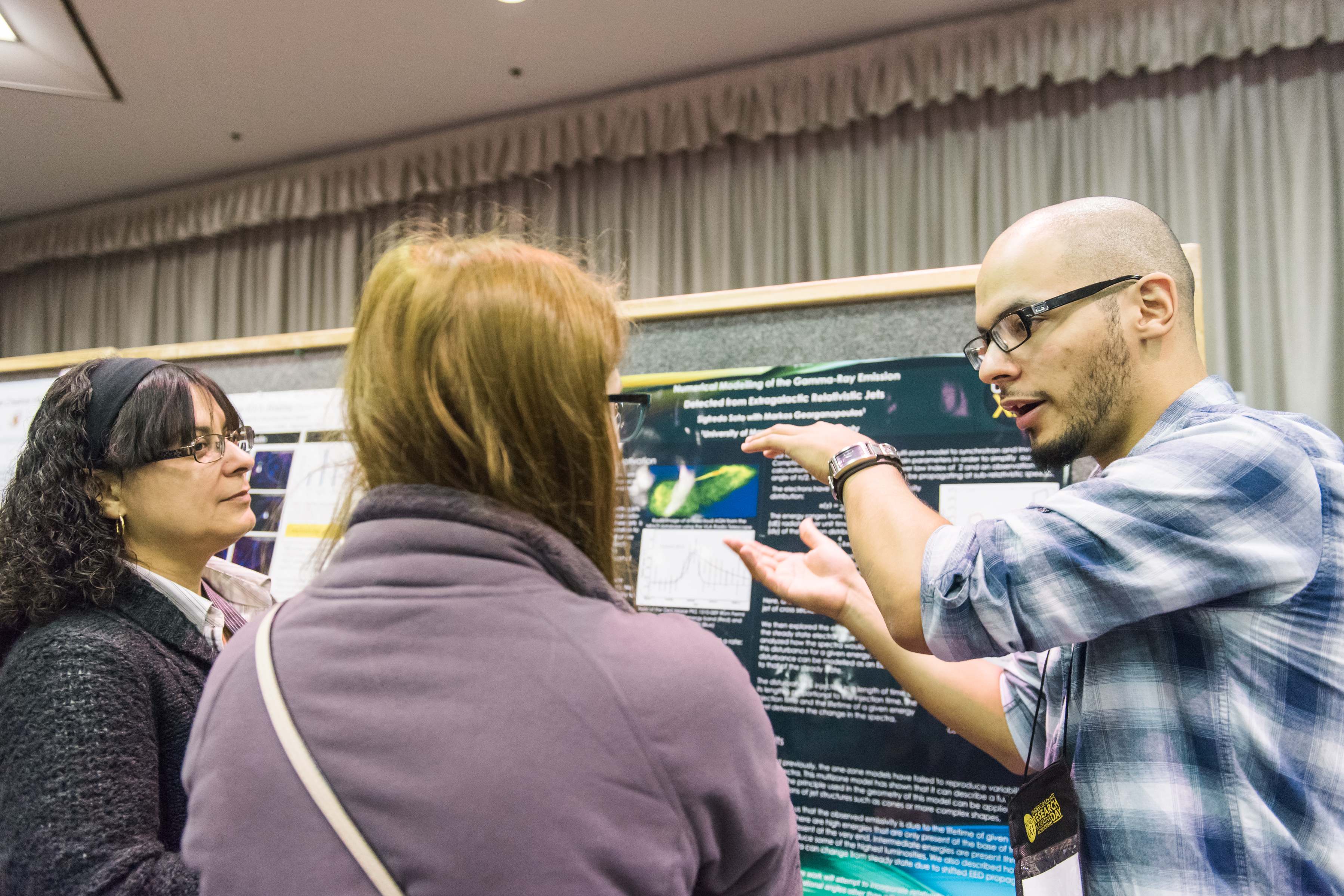
Working in basic research at vastly different scales were Sigfredo Soto-Diaz ’17, physics, and Khizra Ehsan ’17, biochemistry. Soto-Diaz has developed a new model for the structure of jets streaming from black holes in Eileen Meyer’s astrophysics lab. “Modeling helps us understand the cause of these jets, and better understand physical phenomena in space overall,” he explained. Meanwhile Ehsan is helping to develop and refine a technique for inserting proteins into lipid bilayers, which make up cell membranes, in Ryan White’s biochemistry lab. Certainly, the work has potential future applications, but at this stage, says Ehsan, it’s “just really interesting.”

Sigfredo Soto-Diaz presents at URCAD 2017. P

Whether students are focused on basic research, immediate applications, or something in between, Simon Stacey explains that this stage of the scholars’ growth is all about asking compelling questions. Because UMBC undergraduates are asking such complex, difficult questions this early in their careers, says Stacey, “we all stand such a good chance of seeing their questions, both today’s and so many more, answered in the years to come.”

Header image: URA Scholar Georgina Stephanie ’18, CBEE, presents “Analyzing the Dynamics of Intracellular Trafficking and Processing of Lipid-tailed Peptides in Immune Cells.” All photos by Marlayna Demond ’11 for UMBC.

Brian Grodsky examines challenges of emerging from conflict, 25 years after start of Bosnian war

Marking the 25th anniversary of the start of the war in Bosnia, Brian Grodsky, associate professor of political science at UMBC, provided analysis of the post-war years and ongoing divisions among the people of Bosnia and Herzegovina (BiH) in The Conversation.

Despite the efforts of international bodies to help the BiH deal with human rights abuses and unify post-conflict, “The past two decades have repeatedly shown that divisions exacerbated by the war continue to permeate politics,” writes Grodsky. “In fact, according to a 2013 public opinion poll, just one in six residents of BiH feels that the three ethnic groups that live there – the Bosniaks, Serbs and Croats – have reached reconciliation.”

This results in a troubling situation, Grodsky notes. He writes, “The fallout is not just a lack of reconciliation, but also the constant threat of violence.” As he later describes, “The war may be long over, but wounds are still oozing.”

The reasons for these continued difficulties are tremendously complex, but Grodsky disentangles some of the major issues. “Lack of reconciliation in BiH comes despite – or perhaps because of – a major international effort to ensure justice in the region,” he argues, ultimately concluding “international justice may bear some blame for the predicament [Bosniaks, Serbs, and Croats are] in today.”

Post-conflict, the International Criminal Tribunal for the former Yugoslavia (ICTY) attempted to bring people to justice for human rights abuses, but their process of seeking justice “may have incited tensions” rather than improving relations as intended. Ultimately, writes Grodsky, “only 8 percent of those polled in BiH in 2013 felt the ICTY had done a good job facilitating reconciliation.”

So what would a more effective solution look like? Grodsky suggests:

The ICTY and subsequent tribunals demonstrated that international prosecutions can play an important role in ending impunity. But they must carefully balance the need of the international community to ensure accountability with the needs of a local populace to deal with past rights abuses on their own terms.

Brian Grodsky’s Conversation article “Bosnia’s 25-year struggle with transitional justice” also appeared in The Huffington Post.

President Hrabowski and Meyerhoff Scholars speak out to support March for Science

On April 22, 2017, millions around the world will march in support of the value of scientific research. Among them will be more than a hundred Meyerhoff Scholars Program students and alumni in Washington, DC, plus dozens more at satellite marches in other U.S. cities, from San Diego to New York. Their message is two-pronged, voicing support for scientific innovation as well as the importance of diversity in science.

Erwin Cabrera

“Truth matters. Science matters. And diversity in science matters,” says Erwin Cabrera ’10, biological sciences, president of the Meyerhoff Alumni Advisory Board. “It’s important for the public to know that scientists are a diverse set of people, and that the Meyerhoff Scholars are effecting change in policy and in STEM fields now.”

Lydia Grmai

“It’s important to see people like us in these fields, but I think it’s even deeper than that,” adds Lydia Grmai ’11, biochemistry and molecular biology, vice president of the advisory board. “A diverse research space is a more collaborative, open, and inclusive space, and doing research in that environment is just going to be more productive.”

President Freeman Hrabowski and other campus leaders support the scholars’ efforts. Hrabowski and Jay Perman, president of University of Maryland, Baltimore, published a joint op-ed in The Baltimore Sun and on Center Maryland championing science and the core values of march.

“It is the scientific method that helps us distinguish between fact and fiction, and to make progress in fields from medicine to energy production, which impact our everyday lives,” the presidents write. They add that the administration’s proposed “draconian budget cuts” will severely undermine scientific research in the United States—and as a result, people’s health and safety.

The next generation of scientists, who can be found at UMBC, UMB, and other institutions around the world, “are the people who will one day solve the greatest challenges of clean energy and global sustainability, human health and well-being, national security, and economic opportunity,” Hrabowski and Perman write. “We take this responsibility to educate tomorrow’s problem-solvers seriously, and we support them in their fight to preserve smart and humane science policy and investment.”

Investment in science in the past has contributed to major progress. “Every modern medical advancement that has saved a patient’s life had its origins in the research lab,” write the presidents. “Every leap forward in making our computers faster and smaller, capable of calculations that send astronauts to space and help us better understand Earth, is achieved by researchers who appreciate the power of science.”

Cabrera and Grmai also emphasize that who does science is important, and they speak with pride of the Meyerhoff Scholars Program for its national impact in training a diverse community of STEM leaders.

“There are so many scientists of color out in the forefront making amazing discoveries,” says Grmai. Yet, “it’s not lost on us that our predecessors and our pioneers didn’t do it easily…People helped them to get where they are, and then they reached back and they’re helping us. We feel that duty and that obligation to reach back as well.”

Decades hence, “We’ll be in the history books,” for marching for science, Cabrera predicts. “We want to make sure that UMBC and Meyerhoff Scholars and people of color are marked down in history as movers and shakers.”

For additional coverage of UMBC community members’ participation in the march, read “Maryland researchers see March for Science as way to raise public trust, support for discovery” and “Baltimoreans mark rainy Earth Day” in The Baltimore Sun and watch the WJZ segment “Baltimore students, scientists prepare for March for Science on Washington.”

Images: Header image of UMBC is by Marlayna Demond ’11 for UMBC. Photo of Cabrera is courtesy of Cabrera and Farmingdale State College. Photo of Grmai is courtesy of Grmai.
USG honors historian Andrew Nolan with top program director award

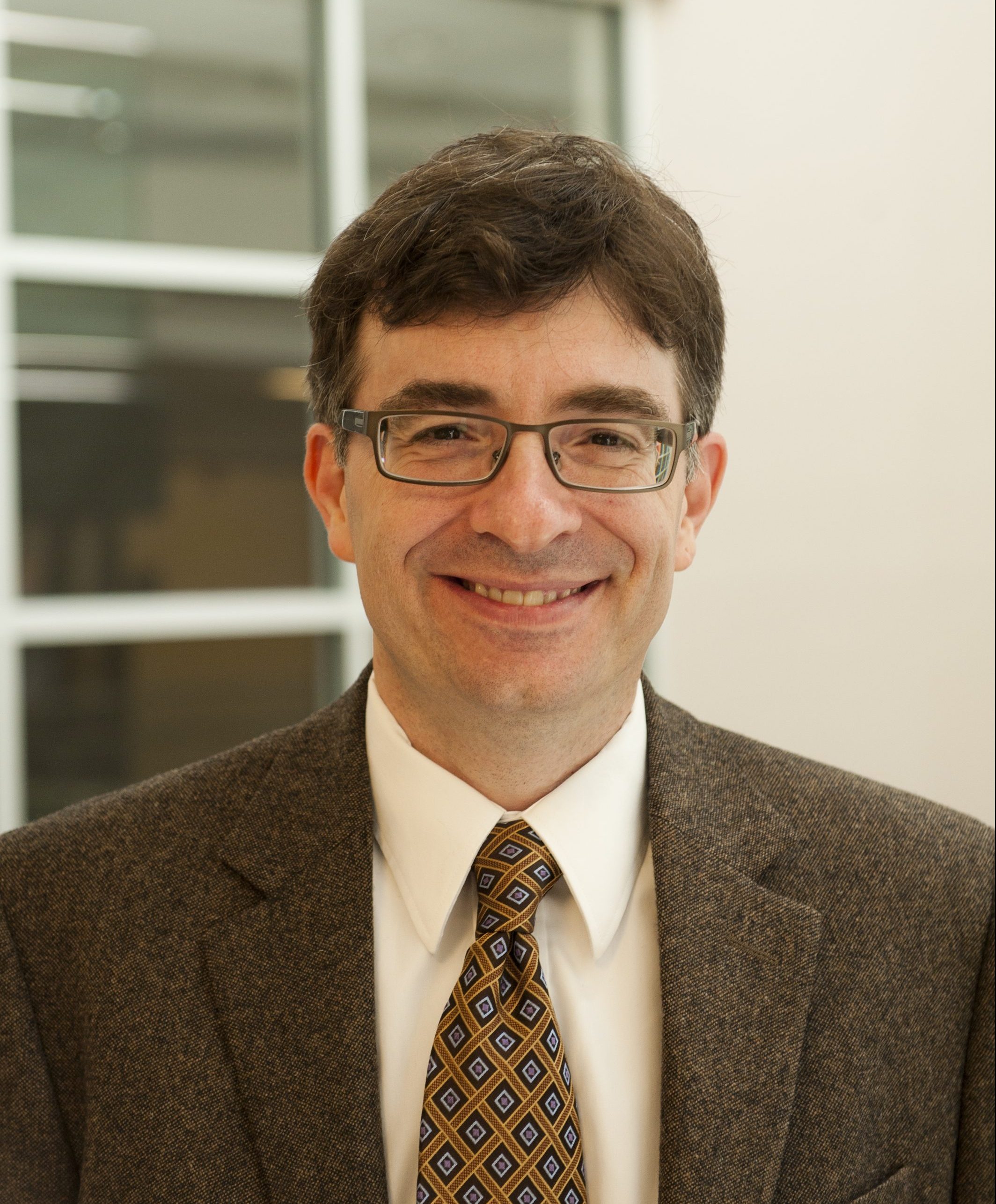
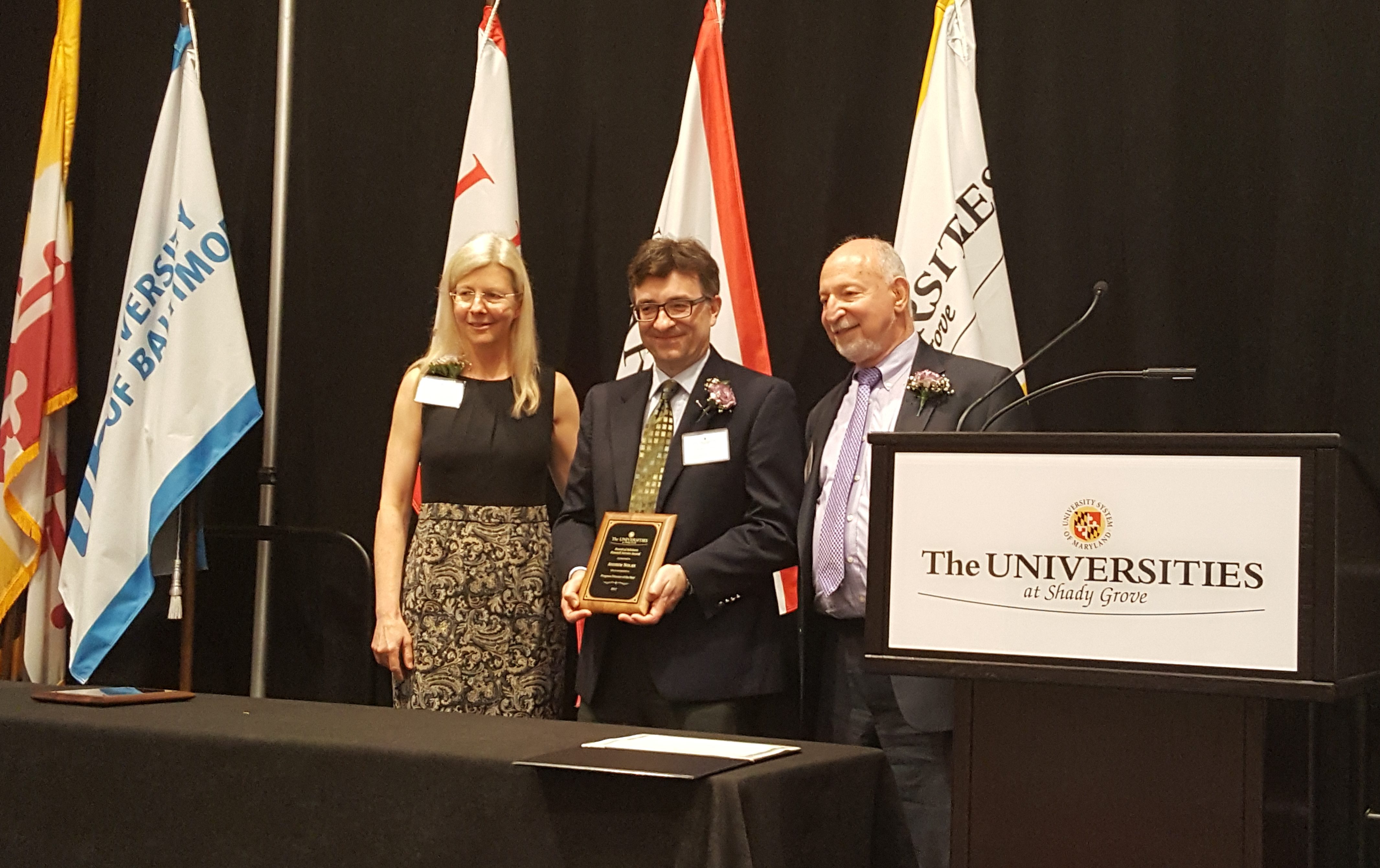
The Universities at Shady Grove (USG) has awarded UMBC’s Andrew Nolan the Program Director of the Year Kendall Service Award for 2017. Nolan is senior lecturer and program director for UMBC’s history program at USG. He has been part of the UMBC’s history faculty at USG since 2008.

Andrew Nolan, program director of history at UMBC@USG

Nolan’s teaching focuses on modern U.S. history, cultural and constitutional history, and historical writing and research methods. He is currently working on a book that explores the 1925 Scopes Trial as a symbolic opening in an ongoing debate over the nature of the modern American nation. This research also resulted in the article “Making Modern Men: The Scopes Trial, Masculinity and Progress in the 1920s United States,” published in Gender & History.

In addition to teaching, Nolan also worked to launch a minor in public history at UMBC@USG. His efforts, along with the efforts of his staff and faculty colleagues at Shady Grove, have doubled the size of the UMBC@USG history program in the last year.

The Kendall Service Award recognizes faculty, program directors, and staff who have performed exceptionally in supporting student success at USG. Winners were recognized at a campus-wide ceremony earlier today.

Award ceremony photo

Images: Photos of Andrew Nolan are by Marlayna Demond ’11 for UMBC. Awards ceremony photo is by Christopher Steele.
UMBC welcomes Librarian of Congress Carla Hayden for conversation on digital access

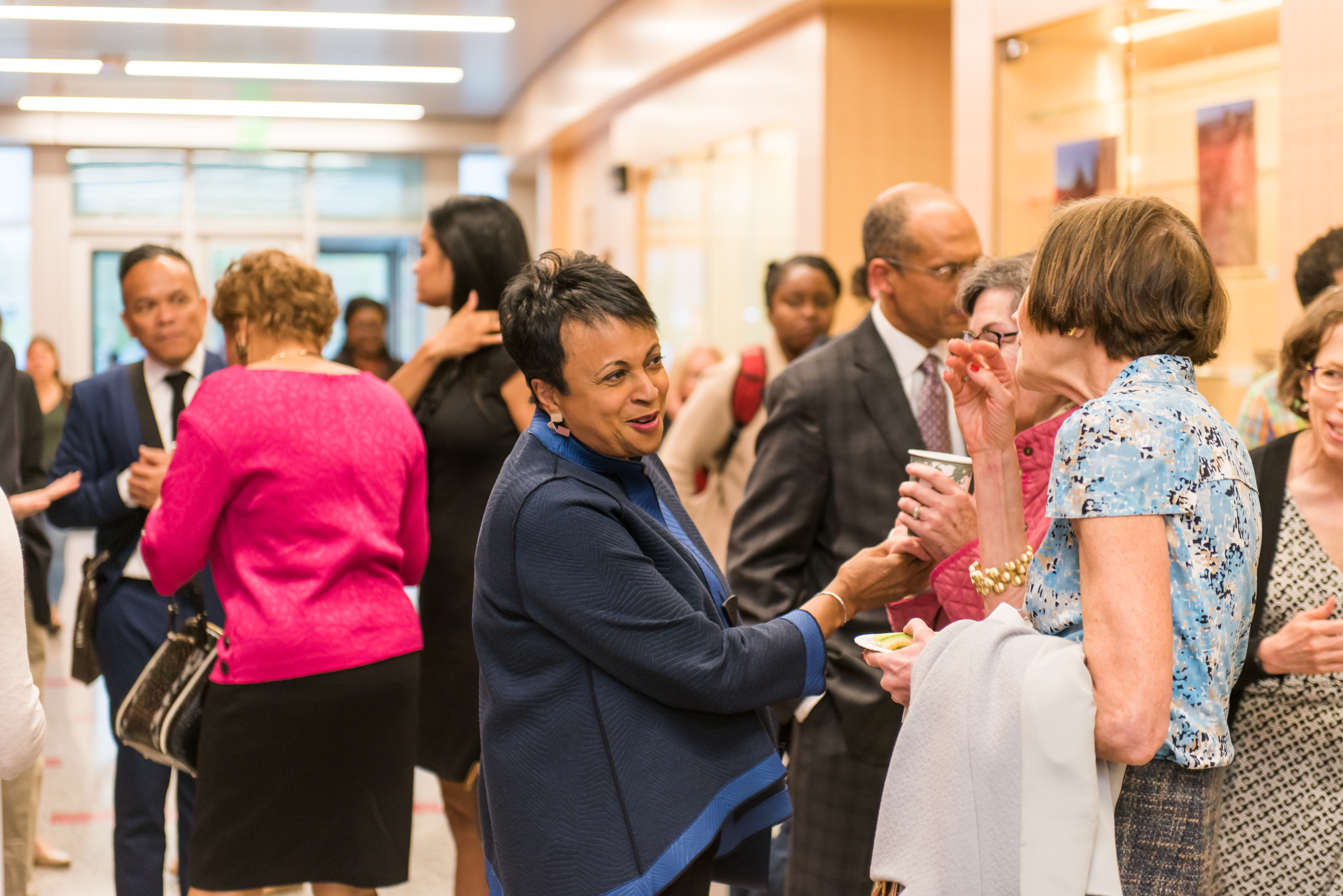
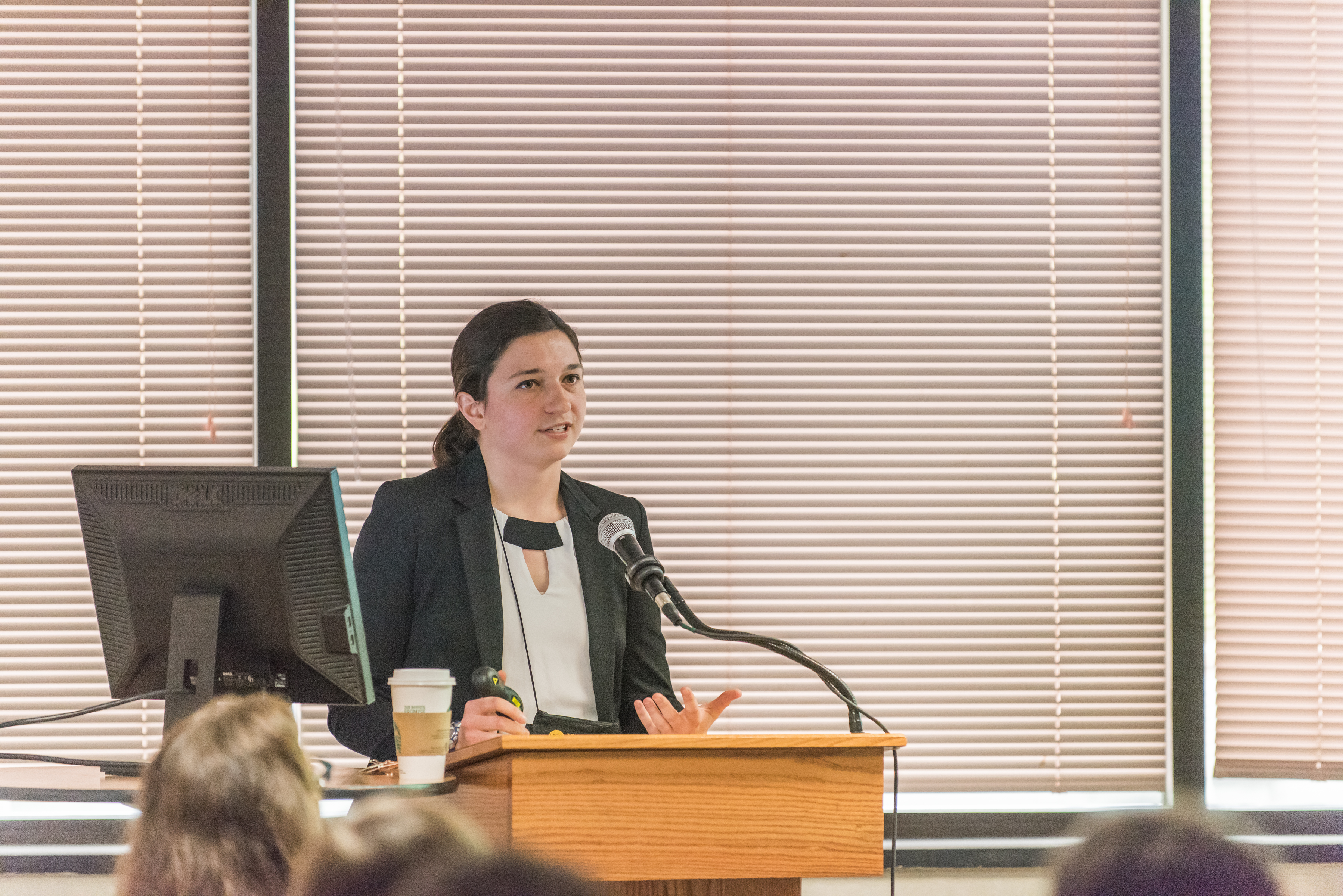
The UMBC community welcomed U.S. Librarian of Congress Carla Hayden to campus on April 13, 2017 for a conversation on her new role heading the oldest federal cultural institution in the nation. Hayden focused her National Library Week talk on a major issue in the library world, and for the Library of Congress in particular: expanding digital access to the country’s unparalleled collections, “a treasure chest just waiting to be opened.”

The lecture was a homecoming for Hayden, former director of Baltimore’s Enoch Pratt Free Library, who spoke of her longtime friendship with UMBC President Freeman Hrabowski. But before Hayden took the stage, Jessica Berman, director of the Dresher Center for the Humanities, shared a powerful personal reflection on the impact of public libraries.

“I wouldn’t be where I am today without librarians,” said Berman. She described how it was a public library that opened doors previously unimaginable for her family, particularly her mother, who grew up in a low-income family in New York.

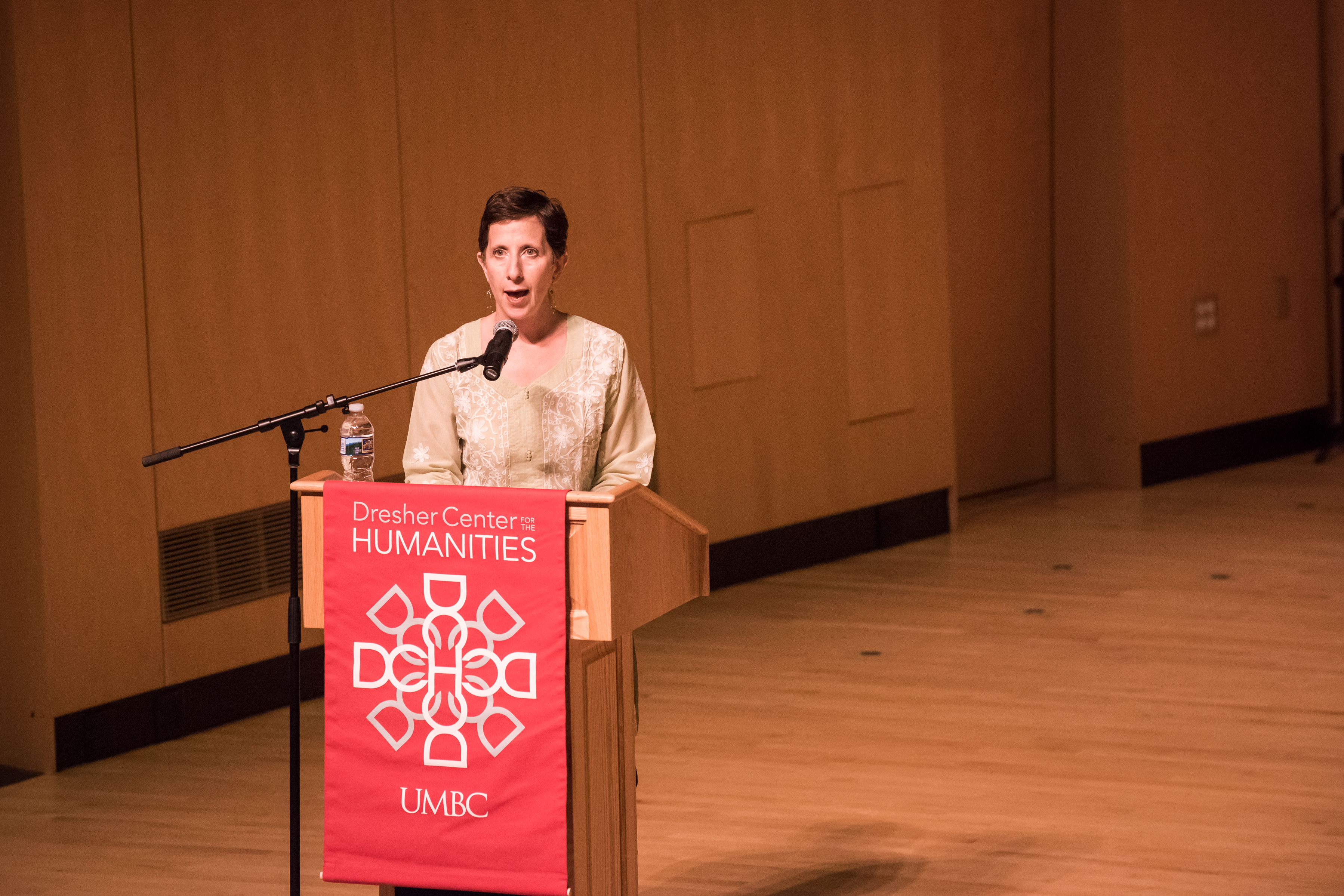
Dresher Center Director Jessica Berman

“My mother’s eyes still tear up when she describes receiving her first library card. It was a talisman,” Berman shared. Her mother went on to receive an undergraduate degree from Smith College and, years later, her doctorate in social work, the same year Berman earned her own Ph.D.

As a young academic, said Berman, “When I first moved to Washington D.C., the Library of Congress was my intellectual life.” She described the rush she felt sitting in the Jefferson Reading Room for the first time and how she still gets the same feeling when she steps into that space 25 years later.

It was with a “personal passion and gratitude for all she has done and all she represents,” that Berman welcomed Hayden to UMBC’s Linehan Concert Hall to present UMBC’s 2017 Daphne Harrison Lecture.

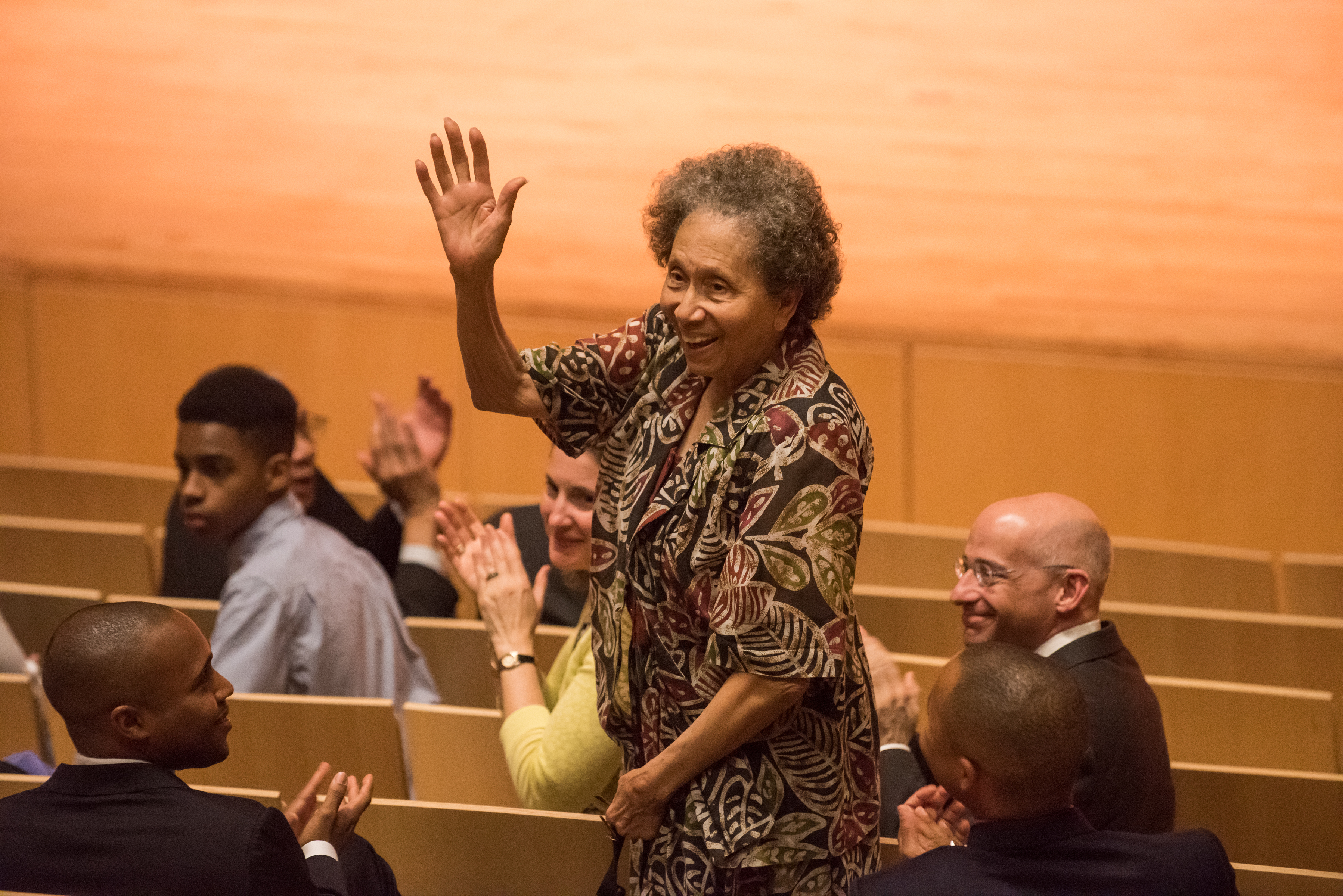
Daphne D. Harrison, professor emerita of Africana studies and founding director of UMBC's humanities center, now the Dresher Center for the Humanities

Hayden began by sharing how she made the difficult decision to leave the Pratt library to head the Library of Congress.

For years, Hayden focused her attention on cultivating Baltimore libraries as community spaces and community resources. During the 2015 unrest in Baltimore, she reflected, “the public library was the lifeline for so many people.” She had concerns about “moving from a library that was connecting to people every day” in such an essential way, to serving as the leader of a national institution — broadly impactful, but perhaps less closely connected with city residents’ everyday lives.

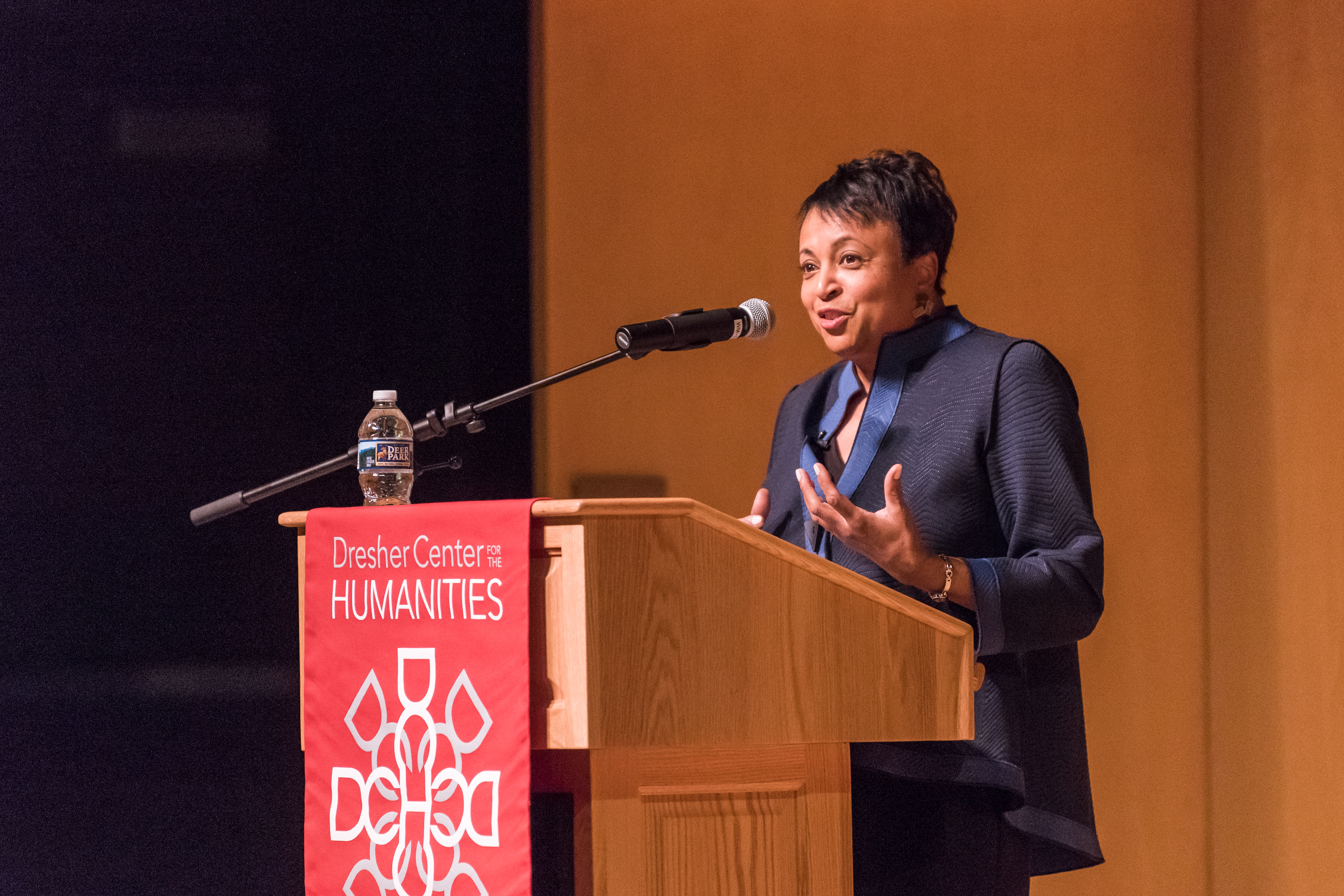
Librarian of Congress Carla Hayden speaks at UMBC.

Hayden recounted meeting with then-President Barack Obama before her nomination. Together, at the Library of Congress, they viewed personal letters that Rosa Parks wrote after her arrest in Montgomery, Alabama in 1955 for refusing to give up her bus seat. Looking at the letters, Obama spoke with Hayden about the immense potential of historical records to directly inform, affirm, and inspire people across the nation. What was needed, he expressed, was someone to bring the library’s 160 million items directly to the public.

Once she formally stepped into her new role, Carla Hayden resolved to open the “treasure chest,” as she describes the Library of Congress, for all the nation to see. Through her own @LbnofCongress Twitter account, she says, “I invited everyone to discover with me” the collections’ riches. After all, Hayden noted, “This wonderful treasure chest is just a mausoleum if people can’t read and see [what’s inside].”

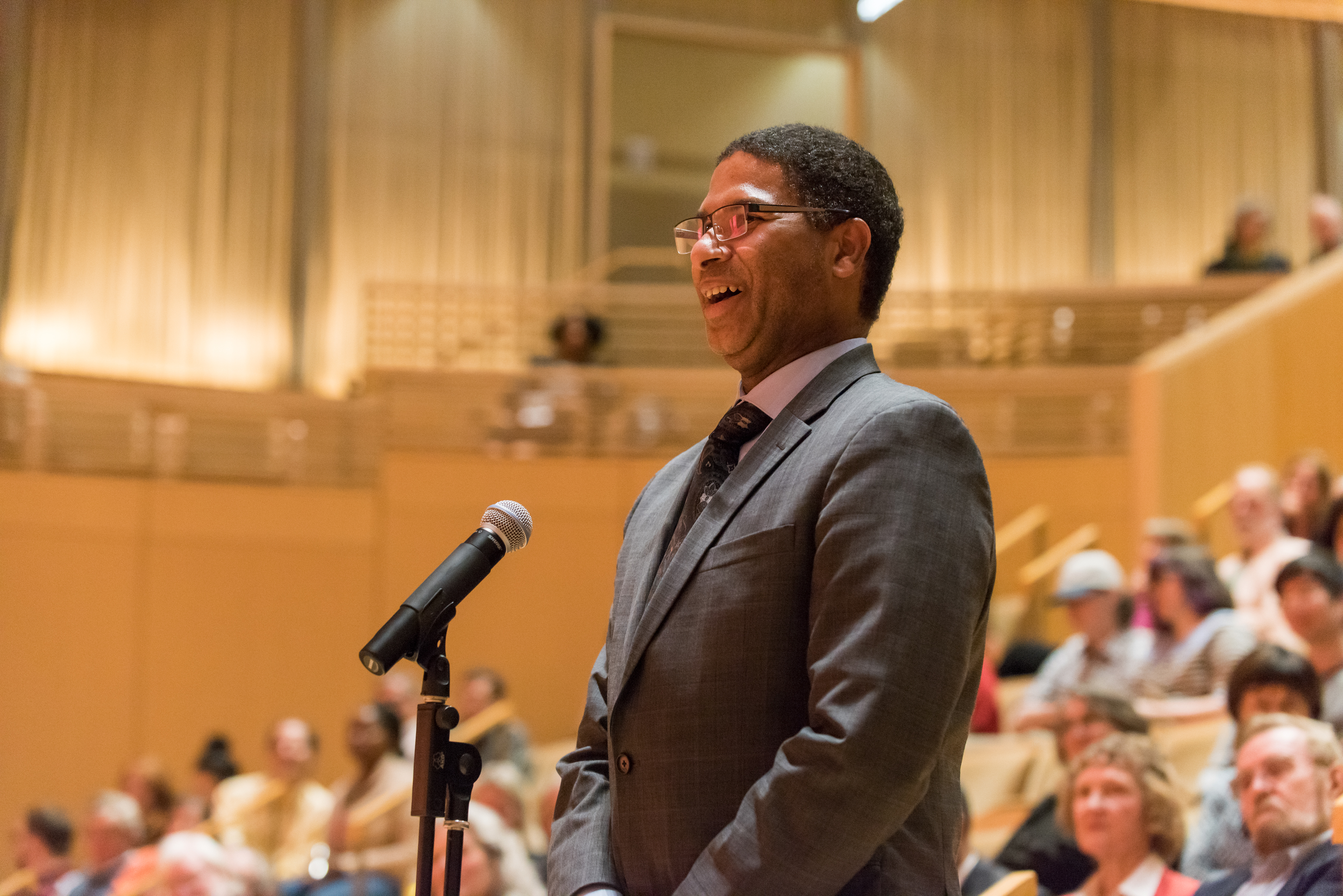
Kevin Joseph, director of business intelligence at UMBC and avid comic book collector, asks Carla Hayden participates in a Q&A following the talk.

So great are the library’s treasures that Hayden still regularly comes across collections that astound her and excite colleagues who have worked at the library for decades. Many know about the draft of the Declaration of Independence in Thomas Jefferson’s handwriting and Abraham Lincoln’s draft of the Gettysburg Address. Fewer people know about the personal correspondence between Jackie Robinson and scout Branch Rickey or the letters Sigmund Freud and Albert Einstein wrote to one another.

Carla Hayden connects with guests at her National Library Week talk on digital access.

“The biggest surprise is how much is there that even people who have worked there [for years] don’t know [exists],” she says. “It’s just there…waiting to be opened,” in room after room, across hundreds of miles of shelves.

It’s these discoveries that affirm for her, every day, that digital access isn’t an add-on, it’s a core part of her mission, and that of the library itself.

“This is America’s library. This is your library,” Hayden shared. “We want to be part of people’s lives.”

Carla Hayden’s 2017 Daphne Harrison Lecture, which took place during National Library Week, was sponsored by the Dresher Center for the Humanities, Albin O. Kuhn Library and Gallery, Africana studies department, and English department.

Photos by Marlayna Demond ’11 for UMBC.
UMBC voices at Light City connect visitors with new ideas

Baltimore’s second annual Light City festival featured numerous vibrant art installations and performances by UMBC faculty, students, staff, and alumni, as well as thought-provoking talks by UMBC researchers during the Labs@LightCity companion innovation conferences.

Interactive artworks by Eric Dyer, associate professor of visual arts, and Timothy Nohe, professor of visual arts and director of the Center for Innovative Research in the Creative Arts, drew crowds throughout the festival week, March 31 – April 8. Dyer discussed his piece, “Shabamanetica,” with the Baltimore Sun just ahead of Light City, and Voice of America featured Nohe’s work in story recapping highlights from the festival [see video at 1:30].

A sneak peek of the UMBC SPARK pop-up gallery drew a crowd on its opening night, and audiences throughout the week, for installations by several UMBC faculty and students and performances by UMBC’s Baltimore Dance Project, percussion ensemble, and others, as well as an animation workshop by Corrie Parks, assistant professor of visual arts.

Preminda Jacob, chair and associate professor of visual arts, speaks at the SPARK gallery.

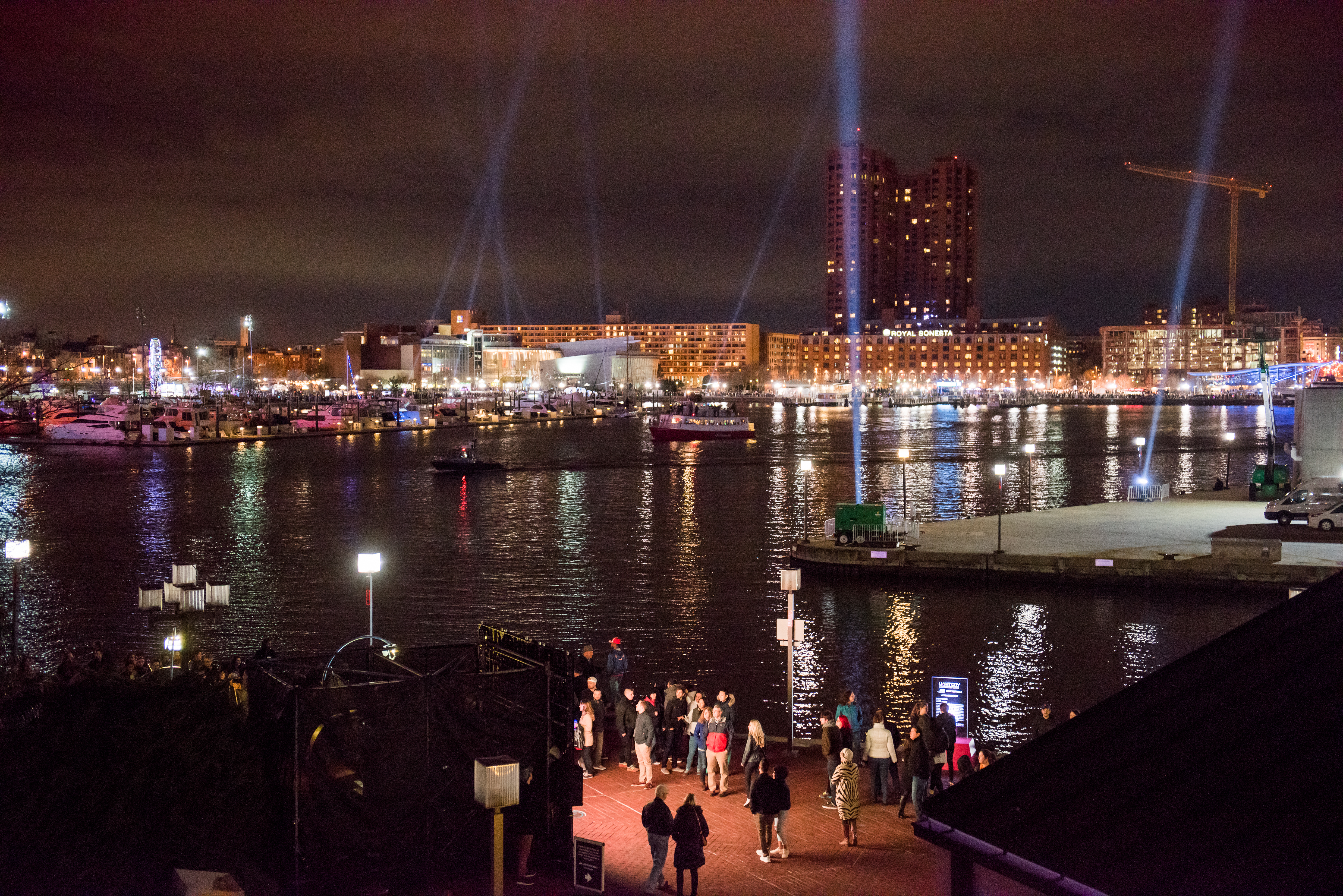
The Black and Gold Lounge was also a major draw throughout the evening on Saturday, April 1, as the UMBC community gathered, with family and friends, to enjoy a 180-degree panoramic view of Light City, right on the path of the BGE Art Walk.

View of Baltimore's Inner Harbor from the Black and Gold Lounge.

Light City’s HealthLab on April 3 featured Gymama Slaughter, associate professor of computer science and electrical engineering. Slaughter works to develop biosensors that are powered by the human body and do not require batteries. Her talk, “The Body as a Battery,” focused on how the body’s chemical energy can be channeled to power wearable and implantable medical devices.

Gymama Slaughter speaking at Light City’s HealthLab.

Slaughter’s work examines novel ways to use the human body’s natural ability “to reboot and recharge your energy reservoir” by eating food and breaking it down. “What we’re doing in my lab is taking energy-rich blood sugar and converting it into electricity to power implantable devices such as the pacemaker, or wearable devices such as the continuous glucose monitor,” she explained.

Current technologies are dependent on battery power, and failing to recharge or replace batteries when needed can pose health risks. Creating devices that utilize the body’s own energy reservoir could remove those risks and also “allow us to eliminate repeated surgery” for battery replacement.

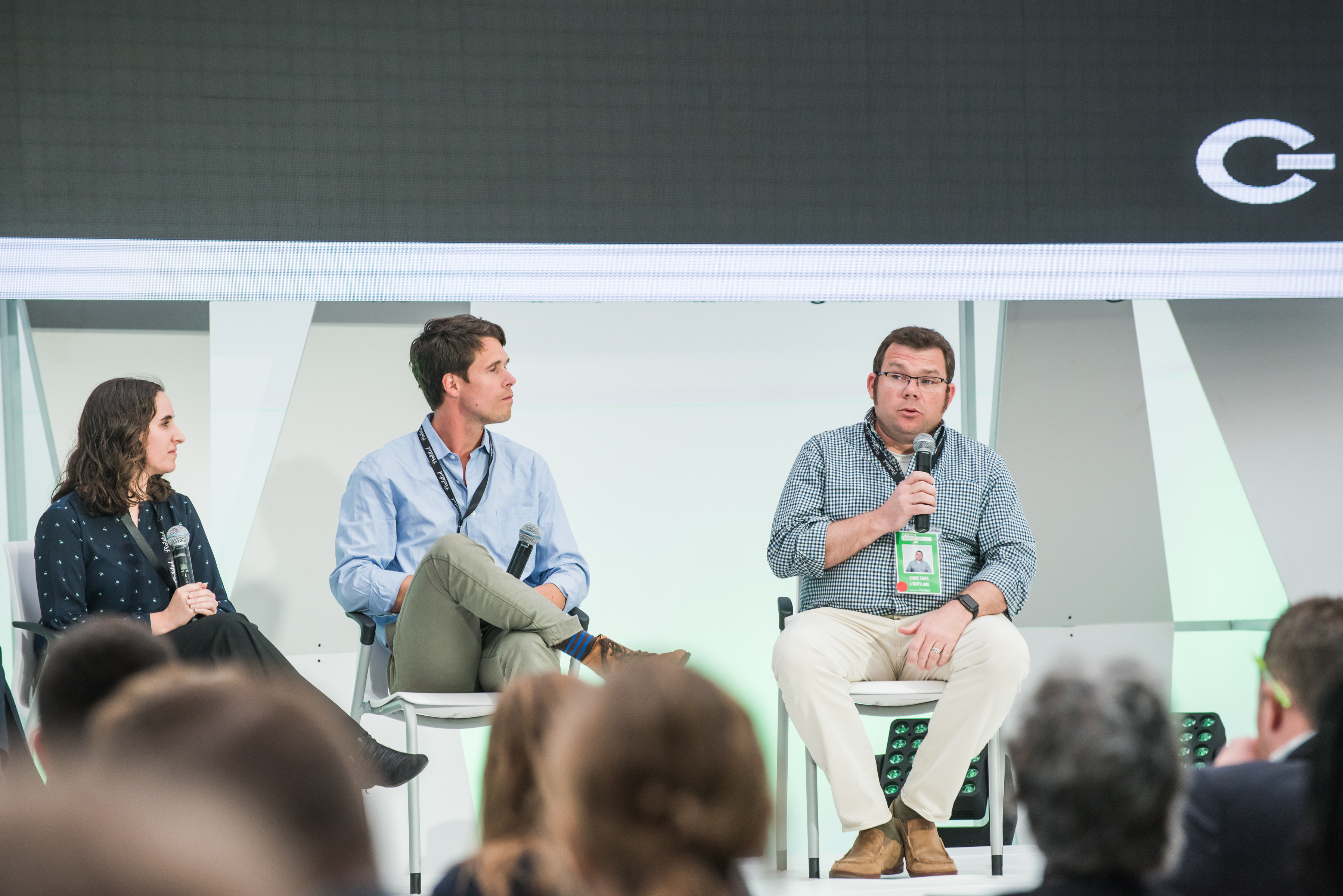
The following day, Chris Swan, professor of geography and environmental systems, shared his perspective on the GreenLab panel, “New Thinking: Greening Baltimore at the Grassroots.” Swan’s research over the past six years has focused on re-greening vacant lots in Baltimore with native species. He asks cutting-edge ecological questions, and at the same time, works with communities to improve the health and safety of underserved Baltimore neighborhoods.

Chris Swan speaking at Light City's GreenLab.

“We were very surprised at how quickly we got results,” Swan said, noting that robust populations of native plants, pollinators, and other wildlife returned within two years of the start of the study, despite terrible soil conditions. Following this success, his project is now expanding from an original 25 lots to nearly 100.

Swan also shared his previous collaborative work with incarcerated men in Baltimore. “We had master gardeners providing education to inmates about how to do urban agriculture,” he detailed, describing how the inmates were able to contribute to the ecological research and gained useful gardening skills they could leverage after their release.

Based on his experiences with creative partnerships, Swan is optimistic about the future of Baltimore. “There’s tons of potential,” he says, in all kinds of areas.

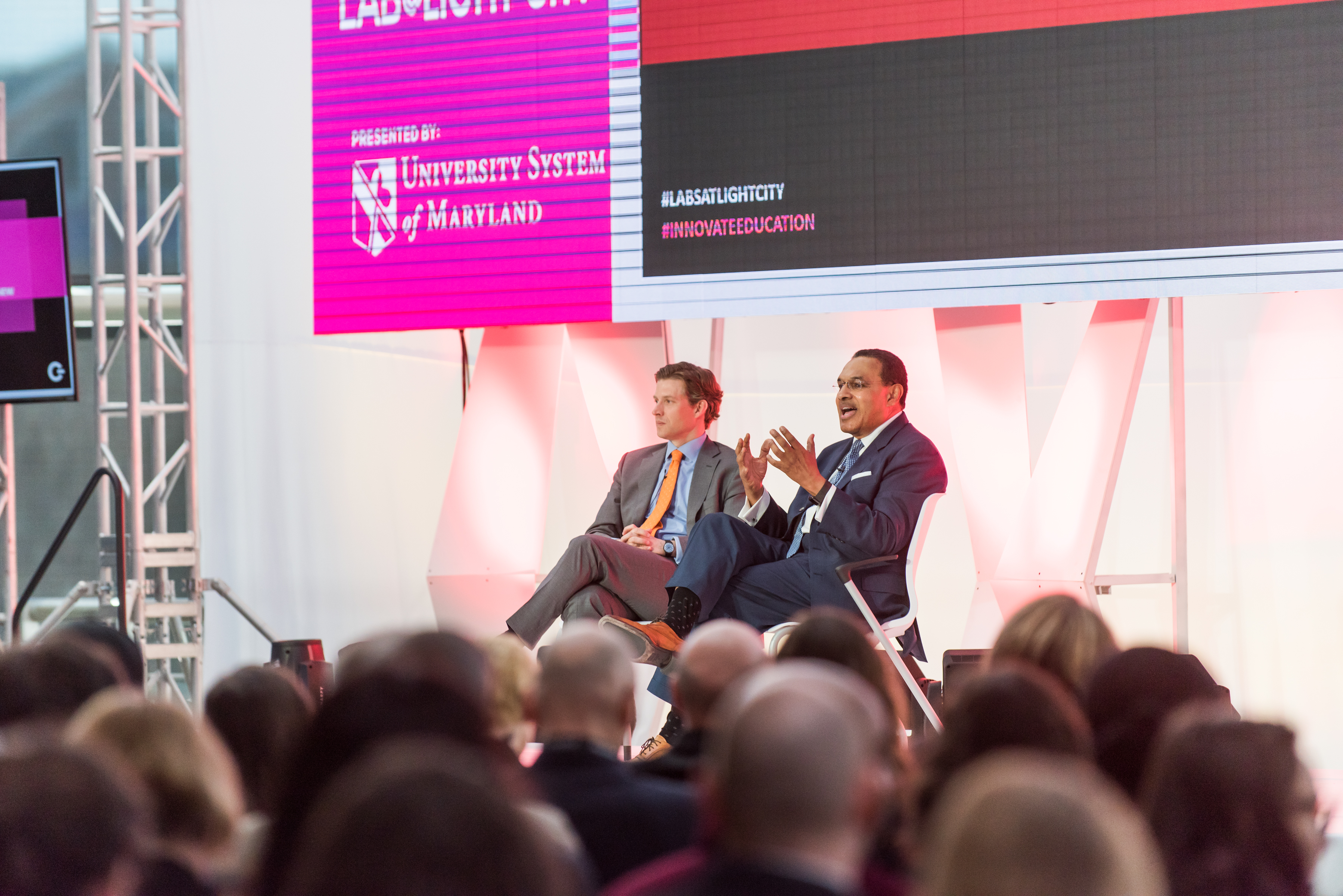
On April 5, President Freeman Hrabowski kicked off Light City’s EduLab in a conversation with Johns Hopkins University-affiliated entrepreneur Alec Ross titled “The Path to the Future.” President Hrabowski discussed what education might look like in the years ahead, emphasizing the interconnections among different fields, the increasingly prominent role of data and data science, and the possibility of more personalized education pathways.

President Freeman Hrabowski at Light City's EduLab.

Hrabowski particularly emphasized the need for students to embrace both STEM and the humanities. “We have to get away from thinking some kids are going to be good at math and science, and some kids are good at history, arts, and English,” he said.

“I want everyone in the room thinking about how we teach young people and ourselves to connect both with the humanities and with the technology side.” Why? Careers of the future will require skills in many areas, not one narrow topic, Hrabowski suggested. Plus, he shared, even in fields they find initially challenging, “students can learn much more than they think,” and knowledge across disciplines can expand the possibilities for their futures.

Light City, with its artworks inspired by technology and society, and talks by experts across a diversity of fields, gave visitors a glimpse of that future.

Header image: Eric Dyer with his piece “Shabamanetica” at Light City 2017. All photos by Marlayna Demond ’11 for UMBC.
Sarah Shin named American Council on Education Fellow for 2017-18

The American Council on Education (ACE) has selected UMBC’s Sarah Shin, professor of education and special assistant to the provost for academic initiatives, as a fellow in its 2017-18 class.

Each year the ACE Fellows program, the longest running leadership development program in the United States, names a select group of emerging college and university leaders to participate in its intensive program. Shin is one of just 46 emerging leaders in higher education selected nationwide this year.

“I am deeply grateful for the opportunity to participate in the ACE Fellows Program,” says Shin, thanking her nominator, Provost Philip Rous, whom she works with closely on programs and initiatives that support the university’s new strategic plan. Shin notes, “The ACE Fellows Program will help me be more effective in this work by offering me the opportunity to benefit from on-the-job experience and skills development that are condensed into a single year.”

The robust program combines retreats and visits to campuses and higher education-related organizations with placement at a host institution for a close mentoring experience with a university leader outside of the fellow’s home campus. Fellows observe and work closely with senior officers at their host institution, including the university president, and use those experiences to inform projects of pressing concern to their home institutions.

“I believe that the close mentoring, leadership seminars, campus visits, and frequent opportunities for networking that are the hallmarks of the ACE Fellows Program will be enormously valuable both to my own professional development and to UMBC,” Shin reflects. “I’m looking forward to a great year of learning and growth and bringing back important lessons to contribute to advancing the mission of UMBC.”

Dean Scott Casper, of UMBC’s College of Arts, Humanities, and Social Sciences, wholeheartedly agrees. “I’m delighted for Sarah and for UMBC that she will join the ACE Fellows program,” he shares. “The opportunity to learn from another institution’s practice, as well as from colleagues around the country, will enrich not just Sarah but our entire community.”

In addition to being named an ACE Fellow, Shin recently received UMBC’s prestigious Presidential Research Faculty Award.

Photo: Sarah Shin, by Marlayna Demond ’11 for UMBC.
UMBC celebrates 2017 Presidential Faculty and Staff Award winners

Hundreds gathered to celebrate colleagues’ achievements and dedication to the Retriever community at the UMBC Presidential Faculty and Staff Awards Ceremony, held on April 5. The annual ceremony honors faculty and staff for their contributions to advancing the mission of UMBC and the state of Maryland, and for their commitments to teaching, learning, and excellence in research, scholarship and creative achievement.

The ceremony includes several prominent awards granted by UMBC as well as by the University System of Maryland (USM), including awards added in recent years specifically to recognize faculty and staff who demonstrate a strong commitment to student academic success, faculty career advancement, and problem-solving.

This year’s awardees include:

Presidential Teaching Faculty Award
Marc Zupan, associate professor of mechanical engineering

Presidential Research Faculty Award
Sarah Shin, professor of education and special assistant to the provost for academic initiatives

Presidential Distinguished Professional Staff Award
Wendy Martin, director of the Office of Technology Development

Presidential Distinguished Non-Exempt Staff Award
Ali Shahegh, accounting associate in Residential Life

USM Board of Regents’ Faculty Awards
Kathie Seley-Radtke, professor of chemistry and biochemistry
Donald Snyder, senior lecturer of media and communication studies

USM Board of Regents’ Staff Awards
Denise Atkinson, executive administrative assistant in The Graduate School
Paul Dillon, deputy chief of police
Mildred Homa, research administrator for marine biotechnology and IMET

Jakubik Family Endowment Award
Janet McGlynn, director emerita of communication and outreach, Office of Undergraduate Education

Karen L. Wensch Endowment Award for Outstanding Non-Exempt Staff
Abigail Granger, program management specialist, media and communication studies

Marilyn E. Demorest Award for Faculty Advancement
J. Kevin Eckert, professor and chair of sociology, anthropology, and health administration and policy

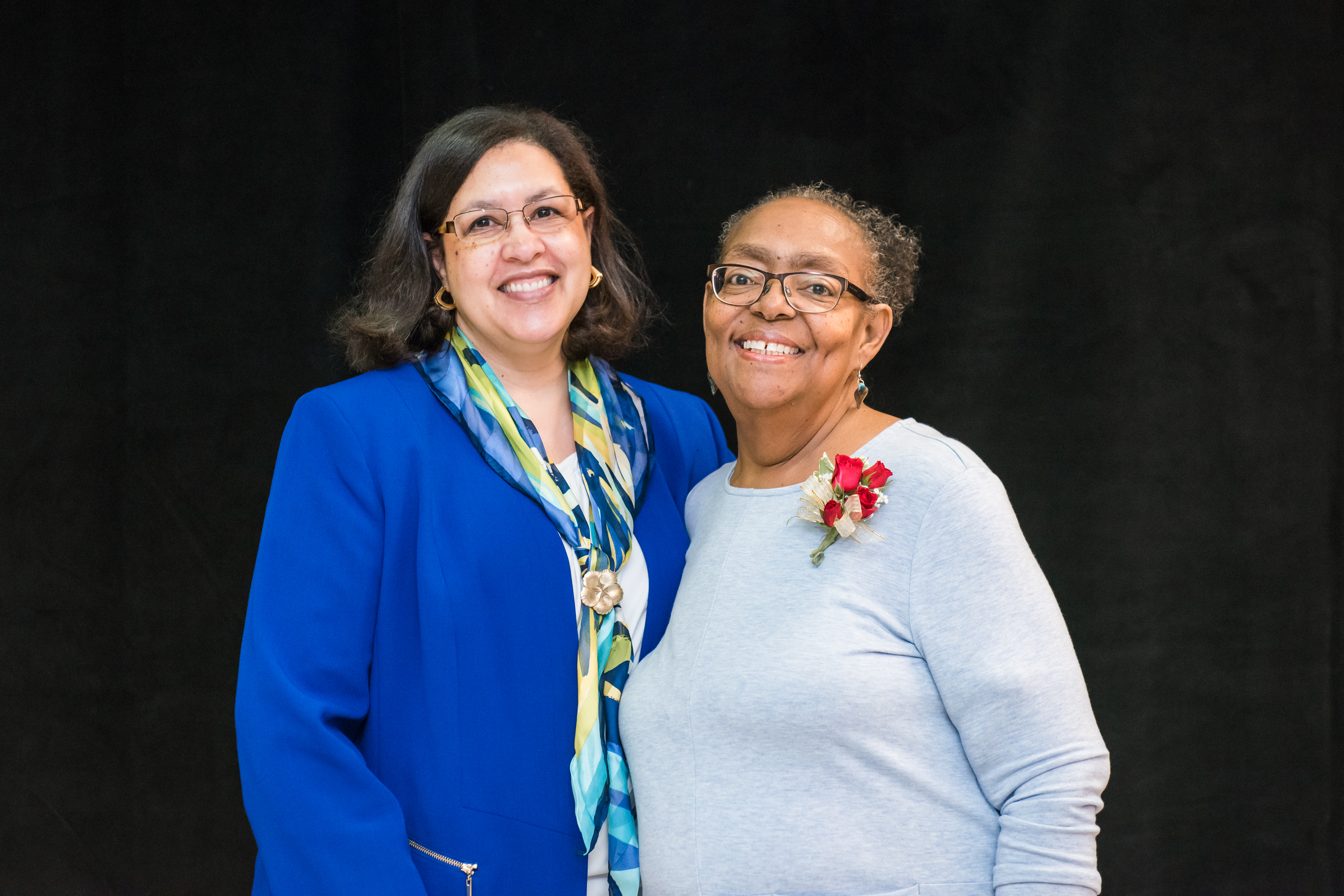
Graduate School Dean Janet Rutledge, left, and Denise Atkinson, right

Throughout the ceremony, awardees shared their appreciation for UMBC’s culture of support and collaboration, emphasizing the importance of an open, inclusive environment in inspiring their creativity and innovative ideas.

Sarah Shin, one of the nation’s leading scholars on bilingualism and TESOL teacher development, shared the story of beginning her career at UMBC several years ago with some uncertainty about how her status as new parent would be received. Reflecting on the relationships she developed once on campus, Shin shared, “I am the professor I am today because of the support I have received from this community.”

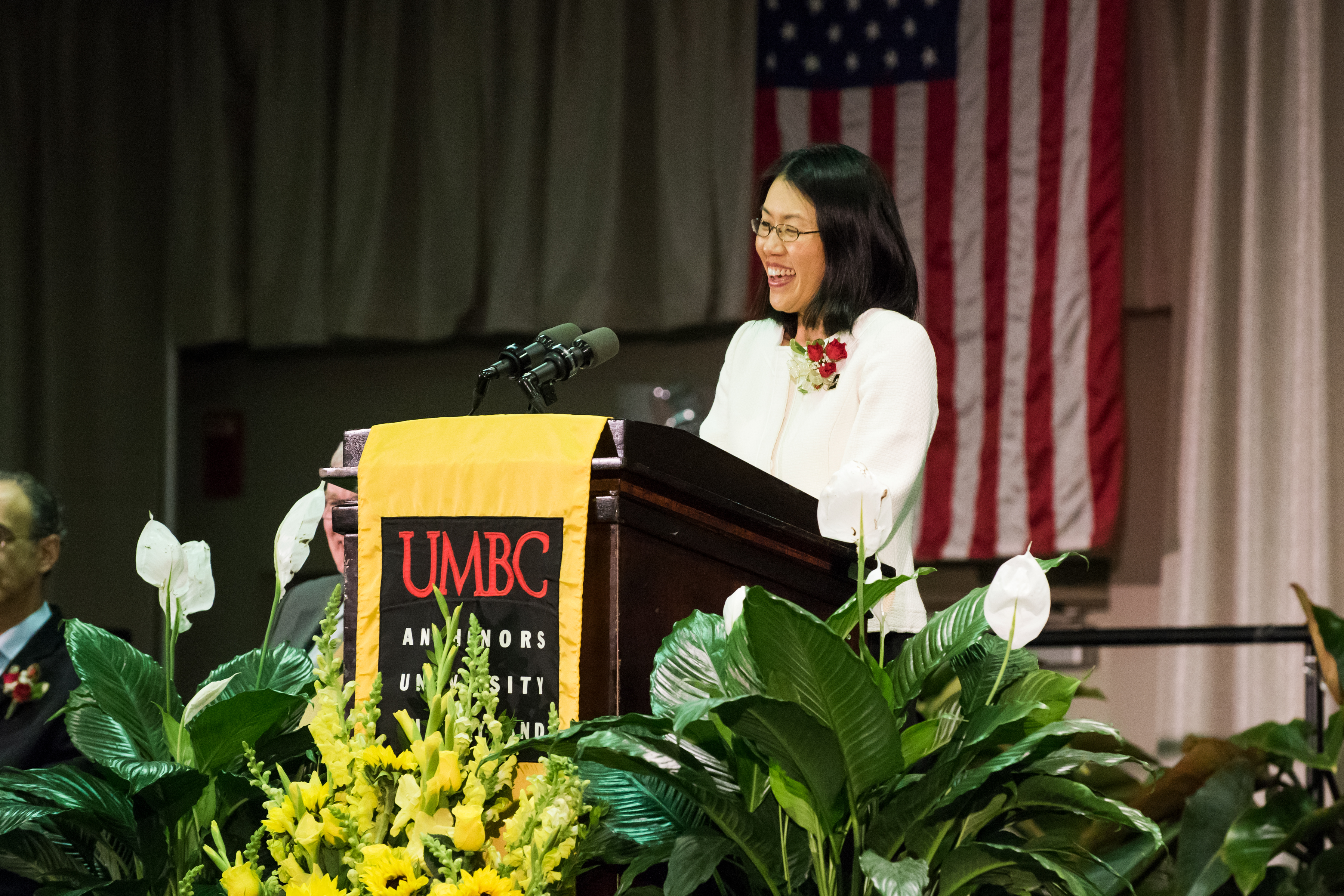
Sarah Shin speaking at 2017 UMBC Presidential Faculty and Staff Awards.

Ali Shahegh, recognized as a thoughtful, positive source of inspiration to his colleagues, shared these sentiments, commenting, “UMBC has become a second home for me over the years” thanks to everyone’s “unwavering support and friendship.”

Although the event focused on the achievements of faculty and staff, awardees shared their gratitude for the students they encounter daily through teaching, research, and life on campus. “This award…is all about the students,” said global engineering visionary Marc Zupan, sharing that his research and teaching have developed over the years thanks to constantly being “surrounded by students asking good questions.”

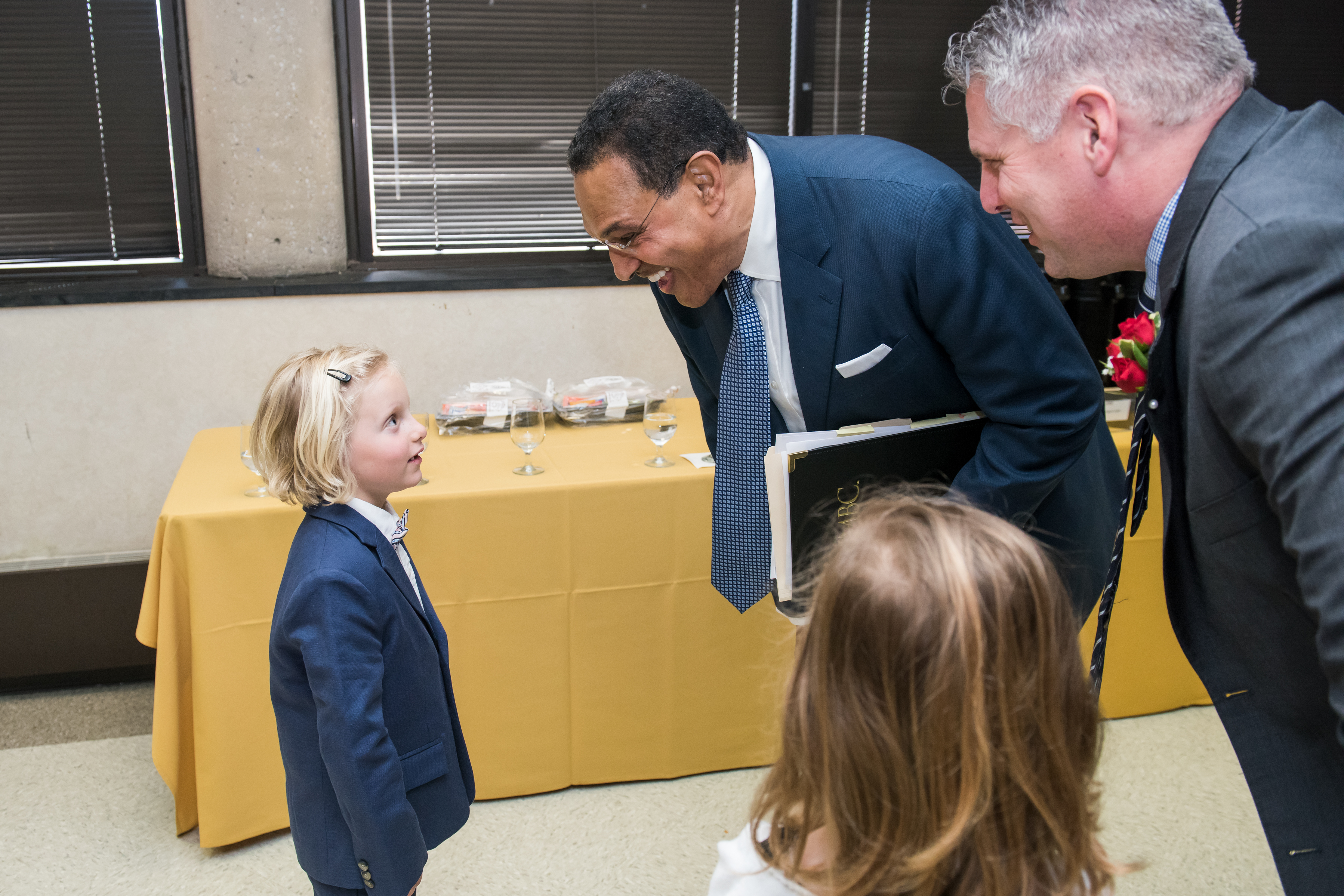
President Hrabowski greets family of Marc Zupan, award winner at UMBCs PFASA 2017

Kathie Seley-Radkte, an internationally renowned expert on drug design through chemical synthesis, asked her graduate students in the audience to stand for a round of applause. “I couldn’t have done this without my students,” she said. “Without their hard work, taking care of things while I travel the globe, I wouldn’t be able to do what I do today.”

Kathie Seley-Radkte with her family

Janet McGlynn shared the special impact working with students has had on her life and career, particularly students who “came to UMBC with hopes and aspirations, but no idea that they could do research” and who then worked with her to gain research experience and expand their graduate school and career possibilities.

Students also serve as a daily source of inspiration for Abigail Granger ’10, psychology and gender and women’s studies, M.P.S. ’13, I/O psychology. “I want to thank our students,” Granger shared in her remarks. “It is truly their passion and their ambition that drives my work every day.”

This level of community spirit and mutual respect and admiration came as no surprise to President Freeman Hrabowski. “It’s amazing what happens when people care about each other and the transformative power of education,” he said, in closing the event. “It’s a privilege to be part of this community.”

President Hrabowski also shared a few examples of university achievements from 2016-17 during the event. A fuller list of university achievements is available on the president’s webpage.

Photos: All PFASA event photos are by Marlayna Demond ’11 for UMBC.
UMBC’s Ryan Odom named top first-year Division I coach in the nation

UMBC’s Ryan Odom has been named 2017 recipient of the Joe B. Hall Award, CollegeInsider.com’s honor recognizing the top first-year Division I coach in the United States.

Odom coached a remarkable turnaround season for UMBC men’s basketball, leading the team to a record of 21-13, and its first winning season since 2007-08. UMBC finished the year as the third most-improved team nationwide, and the team’s 21 wins represent the second-most wins in single year in the Division I history of UMBC men’s basketball.

“Ryan is an excellent coach, but a better person,” said UMBC Director of Athletics Tim Hall. “He has laid the foundation this year for sustained success. This award is confirmation that he is the right leader for Retriever men’s basketball.”

“I would like to thank the committee for this prestigious award,” said Coach Odom. “It is a testament to the work that our players and staff put in all year. I’m humbled by this recognition and I’m extremely blessed to coach such great young men.”

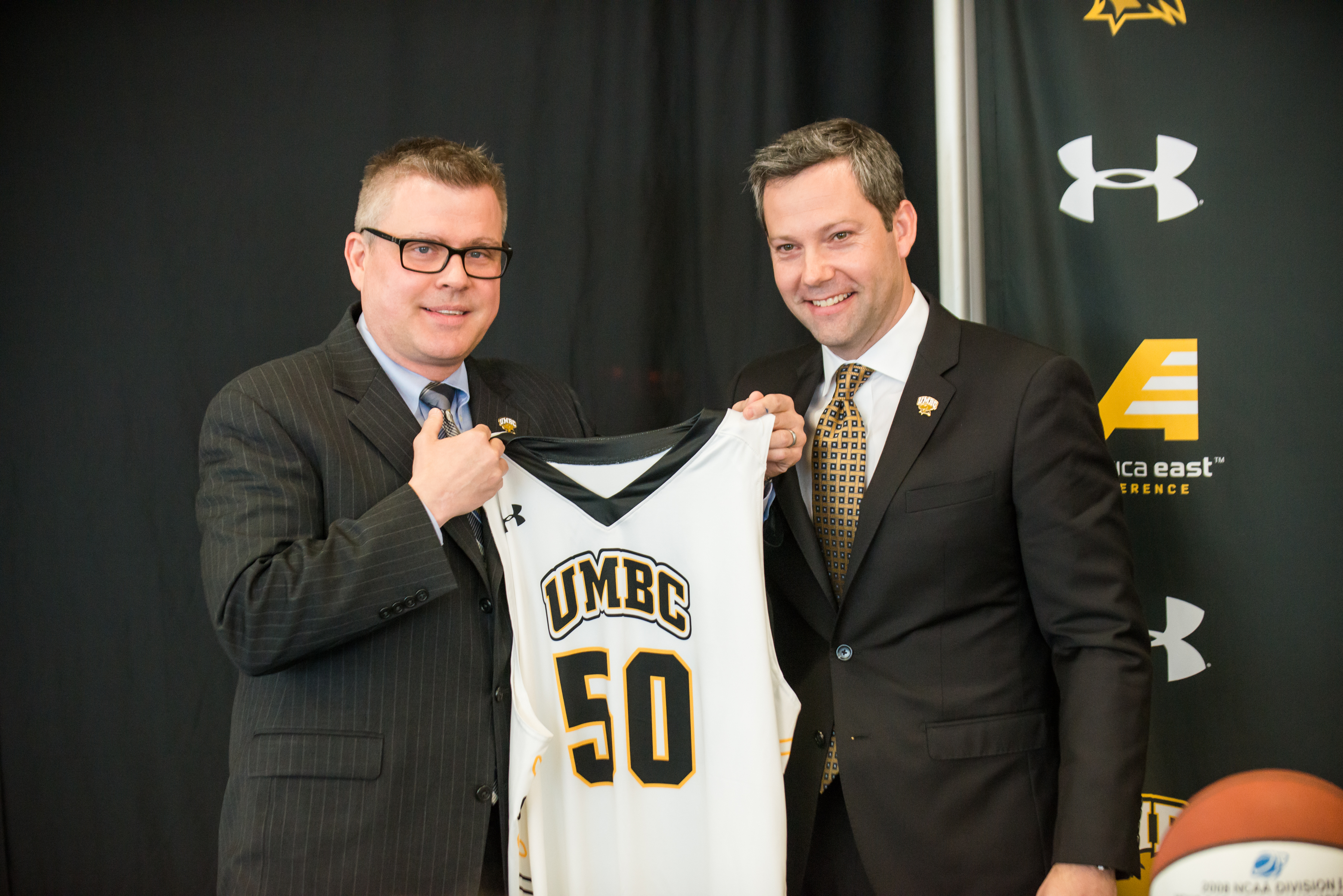
Tim Hall and Ryan Odom in 2016

2016-17 was truly a remarkable year for UMBC men’s basketball. With three wins in the College Insider Tournament (CIT), the team became the first in America East to win three games in a postseason tournament. The Retrievers also set new single-season records for points and three-point field goals, with Will Darley ’17, environmental studies, recognized as one of the most accurate three-point and free throw shooters in the nation.

“Ryan Odom brought a new attitude and a new style to UMBC,” said CollegeInsider.com’s Angela Lento. “He changed the culture and won more games this season than the program had won in the previous three seasons combined.”

See the initial announcement of this award from UMBC Athletics, and media coverage in The Baltimore Sun and So Much Sports.

Photos by Marlayna Demond ’11 for UMBC.