All posts by: Adriana Fraser


UMBC researchers listed among the world’s top 2% of most-cited scientists and engineers

More than 40 active UMBC researchers are listed among the top 2% of the world’s most-cited scientists and engineers in an analysis recently published by Elsevier.  

These researchers include faculty across all three of UMBC’s academic colleges as well as UMBC’s NASA-funded centers, such as the Goddard Earth Sciences Technology and Research (GESTAR II) Center. Their work covers an incredibly diverse array of topics. Represented academic departments include:

  • biological sciences
  • chemical, biochemical, and environmental engineering
  • chemistry and biochemistry
  • computer science and electrical engineering
  • geography and environmental systems
  • information systems
  • mathematics and statistics
  • mechanical engineering
  • physics
  • psychology

“We perform research to further our understanding of how the various aspects of our world function,” says Karl V. Steiner, vice president for research and creative achievement. “One of the highest recognitions in the scientific community is when other members of this community cite our work.”

He notes, “The Elsevier analysis shows that our researchers are truly impacting the scientific community in a significant way.”

History of citation honors

The list includes faculty researchers who have also received other “highly cited” researcher accolades. In 2022, Erle Ellis, professor of geography and environmental systems (GES), was featured on Clarivate’s Highly Cited Researchers list, which includes papers ranked in the top 1% of citations within Clarivate’s Web of Science database. About 0.1% of the world’s researchers have received this distinction. Ellis is known for his transformational work on human-managed ecosystems, with his research described as top discovery of 2021 by the Smithsonian National Museum of Natural History.
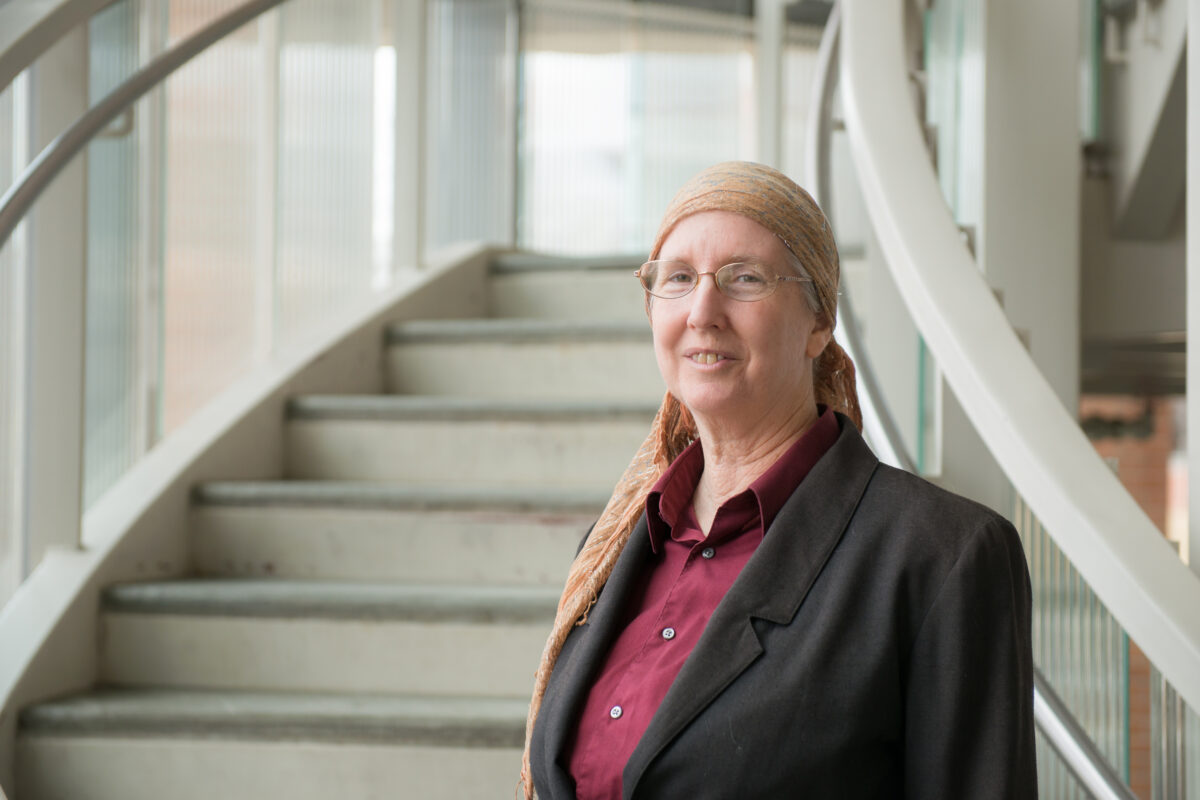
Lorraine Remer, one of UMBC's most-cited scientists -- a woman with glasses who is smiling while standing near a staircase.
Lorraine Remer (Marlayna Demond ’11/UMBC)

Lorraine Remer, research professor for the Joint Center for Earth Systems Technology, who is affiliated with both GES and physics, is frequently honored for her geophysics publications. She received the 2019 UMBC Research Faculty Excellence Award following her recognition as one of “The Most Influential Scientific Minds” on the Thomson Reuters highly cited researchers list.

Anupam Joshi, director of UMBC’s Center for Cybersecurity and professor and chair of computer science and electrical engineering, was also included on Elsevier’s highly-cited list. His career trajectory demonstrates how UMBC faculty balance high-impact research with other forms of leadership. He has published more than 275 papers, has been granted nine patents, and has obtained research support from a variety of federal and industrial sources. At the same time, he is now serving as a 2022–23 American Council on Education (ACE) Fellow, an intensive program focused on agility and innovative problem solving among higher education leaders. 

Measuring impact

This latest most-cited researchers list is based on data annually compiled from author profiles in Elsevier’s abstract and citation database, Scopus. 

Elsevier’s 2022 database of standardized citation indicators classifies researchers into 22 fields and 174 subfields. Those with a composite indicator (c-score) within the top 2% of each subfield are included in the most-cited list. The list’s authors indicate that c-score is used because it “focuses on impact (citations) rather than productivity (number of publications)” and because it includes granular information on authorship, including co-authorship and author position (e.g., single, first, or last author). 

NSF awards UMBC’s Lauren Clay $624K Convergence Accelerator grant to address food insecurity in disasters

Longstanding food insecurity problems in the U.S. and around the world, exacerbated by the pandemic, are projected to increase over the coming decades, as food, water, and energy demands increase and environmental crises worsen. With this in mind, the National Science Foundation (NSF) is investing $11 million toward solutions to address the nutritional needs of vulnerable and under-resourced communities through its Convergence Accelerator Program

UMBC’s Lauren Clay, associate professor and chair of emergency health services, is one 16 Convergence Accelerator awardees selected for Phase I of the program. Clay was awarded $624,000 for her project to improve food system resilience and decrease disaster-induced food insecurity in communities impacted by hurricanes.

Supporting food system resilience

Clay’s proposal explains that 11-15 percent of the U.S. population experienced food insecurity annually between 2008 and 2018, and households that are struggling with food insecurity before a disaster are at greatest risk for serious food access issues when a disaster strikes, and long after. 

“Food and nutrition insecurity rates can increase threefold following disasters,” Clay notes. “Increased food and nutrition insecurity rates persist for years while households and communities recover.”

Piles of packaged food, diapers, and bottled water fill a school gymnasium in New York City as a crowd of people wait to receive aid.
Food and clothing relief center for Hurricane Sandy survivors in New York City in 2012. (“Walter Jennings”/Wikimedia Commons)

“Communities across the U.S. are planning for growing threats related to climate disasters. Food security is a basic human need and is highly susceptible to disruption when families and communities experience disasters,” says Clay. “I’m excited to work with a multi-disciplinary and multi-sector team to develop a new tool for measuring community food security to support communities planning for, responding to, and recovering from hurricanes.”

Converging on solutions

The NSF Convergence Accelerator Program seeks to address national-scale challenges in science, engineering, and society through a collaborative research process that brings together expertise from multiple scientific disciplines, known as convergence research. The food and nutrition focus was recently added to the Convergence Accelerator, which also includes approaches towards combating challenges related to population health and climate change.

“We hope to create a group of synergistic efforts that advance regenerative agriculture practices, reduce water usage, provide equitable access to nutritious and affordable food for disadvantaged communities, and spur technology and job creation,” says Douglas Maughan, head of the Convergence Accelerator, in NSF’s announcement of award recipients

Over the course of nine months, Clay and her team will work to develop the Food Index for Resilience, Security, & Tangible Solutions, called FIRST. This index will measure food system functioning in communities and is intended to be a resource that can be used to respond to and recover from disasters and environmental changes. 

This effort builds on Clay’s prior and ongoing research to address disaster-specific food insecurity issues. She was also recently awarded an NSF Faculty Early Career Development (CAREER) award to develop a sociocultural model called Food Environment in Disasters (FED) and other tools to improve the understanding and monitoring of food availability, acceptability, and accessibility during disasters. 

Following Phase I of this project, participating teams will take part in a formal pitch and Phase II proposal and could receive up to $5 million of additional support. Selected Phase II teams will further develop their solutions and sustainability development plans over the course of 24 months, to rapidly meet the needs of global communities.

UMBC’s CyMOT receives $1.2M to expand cyber training for manufacturing workers

UMBC researchers designed the Cybersecurity for Manufacturing Operational Technology (CyMOT) program to help manufacturing professionals grow their cybersecurity skills, protecting the sector from cyber threats and increasing their career opportunities. Now, the program has received significant additional funding to expand its impact.

The CyMOT program—launched in 2020 in collaboration with the Chicago-based MxD (Manufacturing x Digital) and UMBC Training Centers—has been renewed with a $1.2 million grant from the U.S. Department of Defense’s Office of Local Defense Community Cooperation (OLDCC). The funding will support the implementation of new training curricula around machine learning and cybersecurity. 

“In recent years, there has been a large number of cyber attacks on the manufacturing sector,” says Nilanjan Banerjee, professor of computer science and electrical engineering and the grant’s principal investigator. To address this rising concern, Banerjee explains, CyMOT aims to “make sure that people that are in the manufacturing business can get trained and upskilled in cybersecurity concepts around manufacturing.”

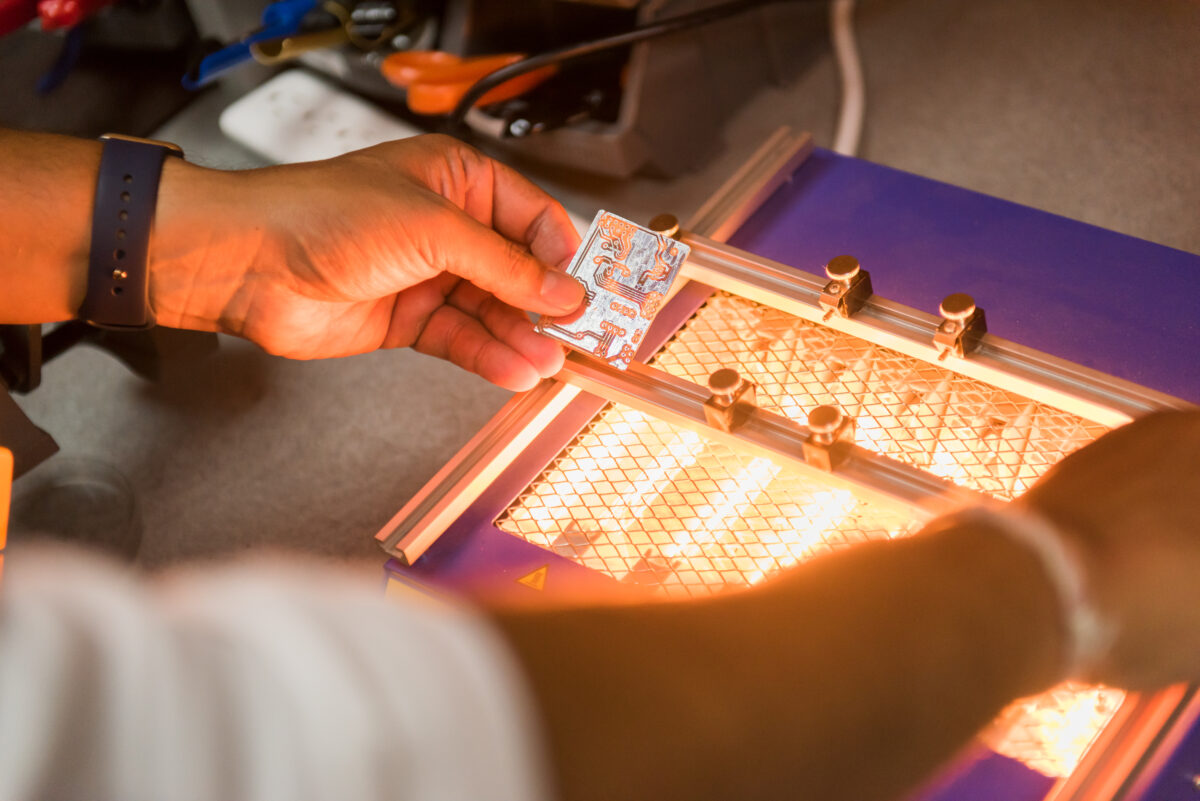
Close-up of a person's hands working on a machine with a very bright light.
Banerjee working in his lab (Marlayna Dremond ’11/UMBC)

Expanding the curriculum

The first initiative of the multi-phased project included developing a cybersecurity curriculum tailored for people who already worked in the manufacturing industry, building on their existing expertise. It provided training for a manufacturing cyber systems operator role and offered content through an online training platform. 

The first cohort included 25 manufacturing professionals. In summer 2022, the program expanded when community college students in Chicago were invited to participate in a modified version of the course.

With this recent 12-month contract renewal, the next phase of the project will include courses for two more senior roles: a manufacturing artificial intelligence/machine learning engineer and an advanced manufacturing cybersecurity operator. This phase is slated to begin in February 2023. The additional funding will cover the cost for up to 150 new students interested in the programs. 

Creating an operational technology cyber range at UMBC

As this program continues to grow, Banerjee also has a related objective in mind: building an operational technology (OT) cyber range at UMBC focused on cybersecurity in manufacturing. 

“We will have equipment on campus with software to run exercises for small and medium manufacturing businesses in Maryland and students at UMBC,” Banerjee explains. “The cyber range will include red team-blue team exercises, as well as exercises to learn about cyber attacks on a company’s infrastructure. We will also conduct exercises around attacks at the interface between information technology networks and operational technology networks.”

With the cyber range, manufacturing professionals in the state can learn how to detect and mitigate cyberattacks through hands-on exercises using similar equipment found in a manufacturing OT environment.

The cyber range will be a unique resource for training and research in Maryland. It will also tie to several cybersecurity programs offered by UMBC and an apprenticeship program offered through the Maryland Extension Partnership (MEP). With emphasis on digitizing the manufacturing sector in Maryland at a time of continually increasing interconnectivity and automation (known as Industry 4.0), the cyber range will act as the testbed to train manufacturers across the state.  

Workforce development in Maryland

Donna Ruginski, UMBC’s executive director of cybersecurity initiatives and a co-PI of CyMOT, shares that the project has the potential to expand Maryland’s workforce development in a significant way, whether through curriculum development and delivery or an OT cyber range. 

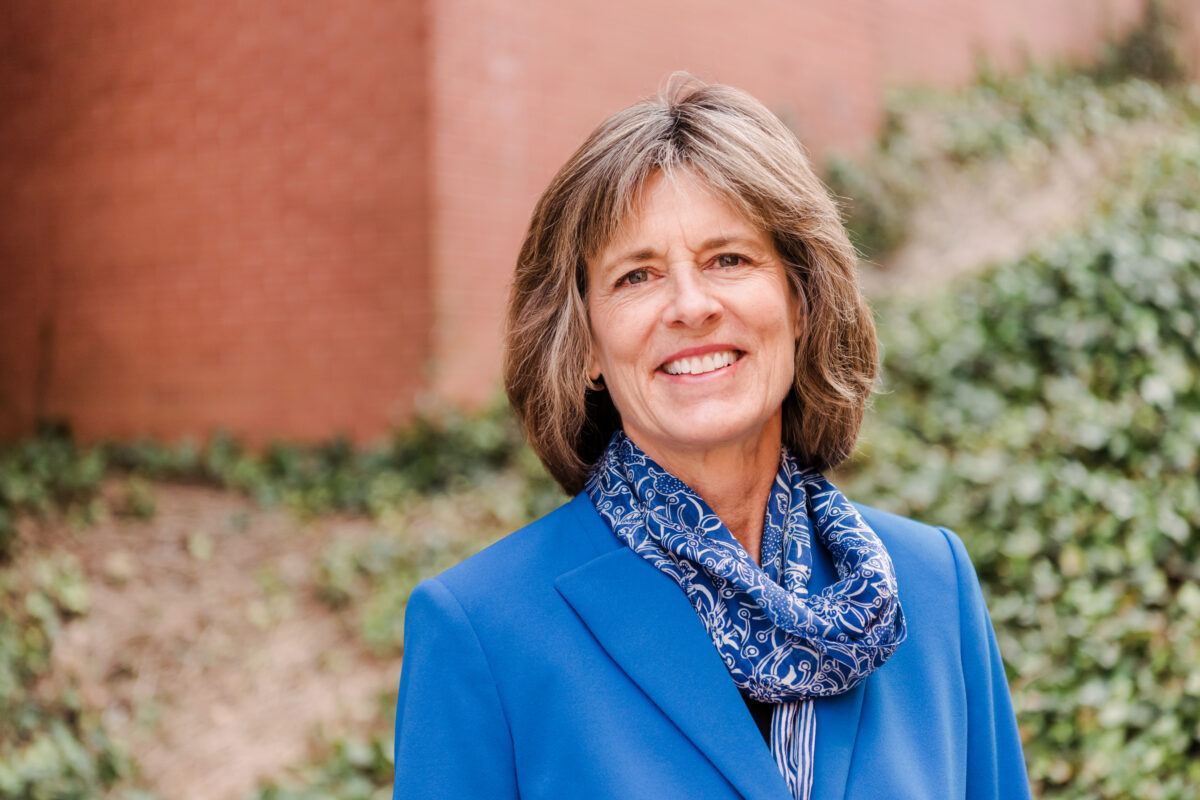
Professional portrait of woman smiling, wearing blue business suit and scarf
Donna Ruginski (Marlayna Demond ’11/UMBC)

“As the manufacturing industry implements digital transformation to Industry 4.0, cybersecurity training resources have become more important,” says Ruginski. “There is a shortage of people who can do cyber-related jobs. CyMOT is an avenue to up-skill and train a talent base positioned to fill those gaps in the workforce.” 

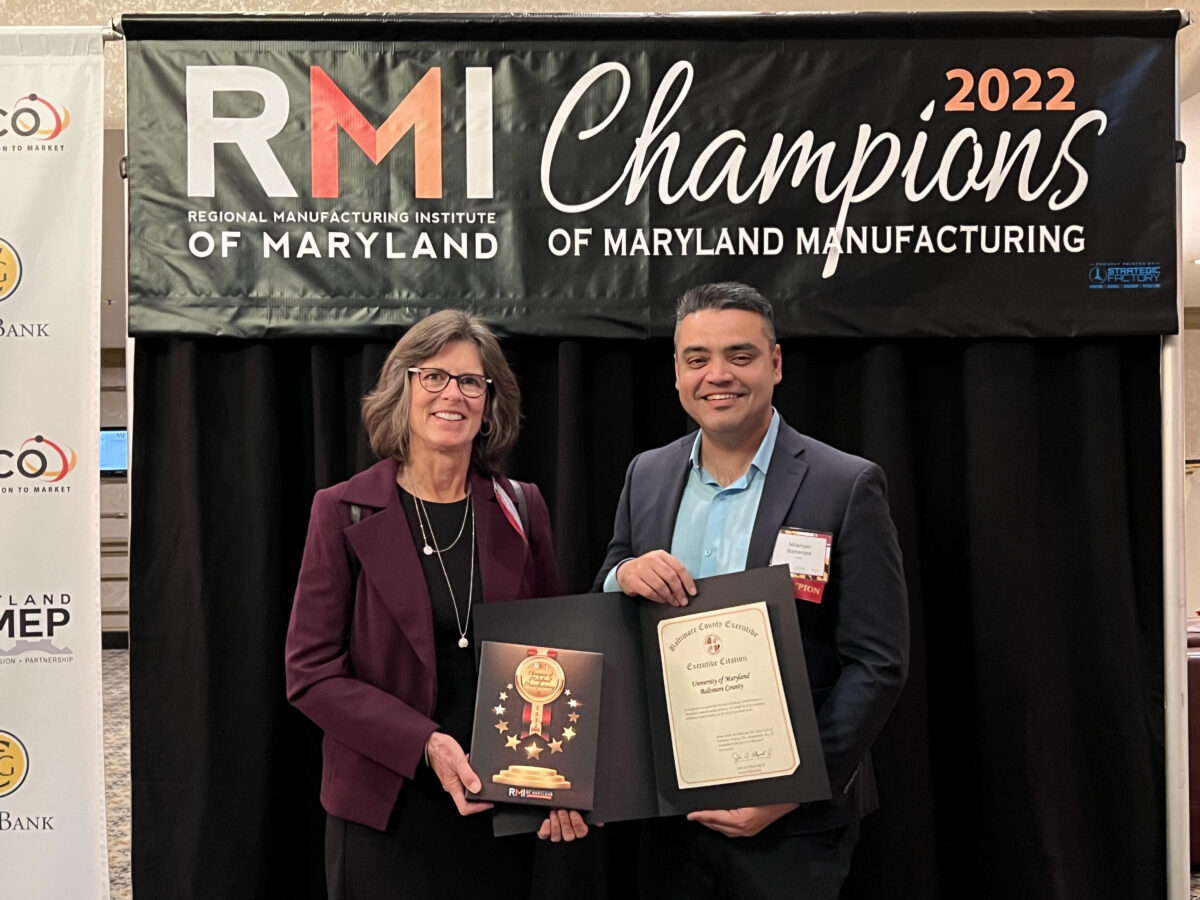
After getting its start with implementation in Chicago, CyMOT has attracted the attention of Maryland state agencies, such as the Department of Commerce, and has been recognized by leaders in manufacturing, such as the Regional Manufacturing Institute of Maryland (RMI). UMBC was named as one of RMI’s Champions of Maryland Manufacturing at its 2022 Maryland Manufacturing Celebration, held earlier this fall. 

Two smiling people stand, holding awards, in front of a sign that reads, "RMI Regional Manufacturing Institute of Maryland Champions of Maryland Manufacturing 2022"
Donna Ruginski and Nilanjan Banerjee accepting an executive citation at RMI’s 2022 Maryland Manufacturing Celebration. (Image courtesy of Donna Ruginski)

On behalf of UMBC, Banerjee and Ruginski accepted an executive citation in recognition of CyMOT’s contributions to Maryland’s manufacturing industry.

“It is a great honor to be awarded an RMI Champions award,” says Banerjee. “The work around cybersecurity training and research performed at UMBC is having a true impact on growing the workforce and digitizing the regional manufacturing ecosystem, and the award is testimony to that fact.”

UMBC and UMSOM work to more effectively reverse opioid overdose in real time through $500,000+ NIH award

Opioid-related deaths have risen sharply in the U.S. in recent years. In 2017, the Department of Health and Human Services declared the opioid crisis to be a public health emergency—one disproportionately affecting historically marginalized communities—and the crisis has worsened since then.

In response to the rising epidemic, UMBC researchers have partnered with the University of Maryland School of Medicine (UMSOM) to develop a device that could help prevent opioid overdose deaths. The device is a non-invasive CO2 monitor designed to more effectively detect and reverse an opioid overdose in real time. It was recently awarded a one-year grant of more than $500,000 from the National Institutes of Health (NIH). 

“Opioid-related death is a serious problem for the country. We hope this new device will help to directly address this issue,” said the study’s co-PI Xudong Ge, research professor of chemical, biochemical, and environmental engineering (CBEE). 

Meeting an urgent need

The Centers for Disease Control and Prevention’s (CDC) National Center for Health Statistics reported that during a 12-month period ending in April 2021, more than 100,000 drug overdoses were recorded in the U.S., with nearly 76,000 deaths attributed to opioid usage. In a separate 2022 report, the CDC noted the severity of this impact among underserved communities of color. Between 2019 and 2020 alone, overdose death rates increased 44 percent amongst Black populations and 39 percent in American Indian and Alaska Native populations.

“If you look at the statistics, the people who are dying from opioid overdoses largely come from underserved minority communities. They are the ones that need the most help,” said Thelma Wright, associate professor of pain medicine at UMSOM, who developed the idea for the study. 

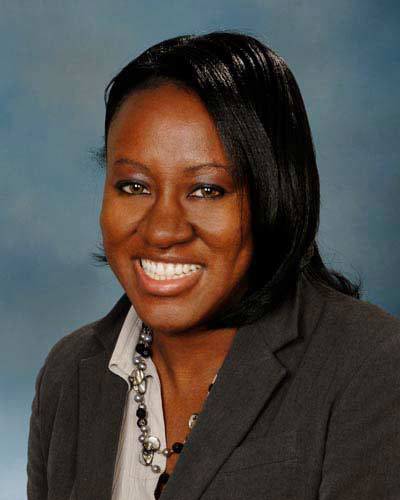
Professional headshot of a smiling woman in a suit jacket
Thelma Wright (Image courtesy of UMSOM)

As a pain medicine physician, she said she was aware of how medically-prescribed opioids have contributed to the rise in overdose death rates. In 2016, Wright began to conceptualize a way to non-invasively monitor if a patient is about to die from an opioid overdose and ways to immediately administer naloxone, an opioid antagonist that can quickly reverse an overdose.  

Despite administering naloxone to people experiencing opioid overdose, to reverse their respiratory depression, many overdose cases are fatal because the naloxone was not administered in time, Wright shared. 

“When someone is dying from an overdose, they cannot get the antidote from their medicine cabinet to administer it to themselves. I asked around if there was a sensitive monitor that could immediately detect an opioid overdose, and there was nothing,” said Wright. “I needed to find some sort of parameter that would signal respiratory depression due to an overdose, and the most accurate parameter happened to be a carbon dioxide (CO2) monitor.”

Evolving CO2 monitoring research

Opioids stimulate receptors in the brain and can cause a decrease in pain perception. When brain receptors are overstimulated, the brainstem can then become desensitized to rises in CO2 levels. As a result, the opioid user could experience respiratory depression, loss of protective airway reflexes, and respiratory arrest. 

Ge, who serves as the assistant director of UMBC’s Center for Advanced Sensor Technology (CAST), has spent more than a decade researching and developing non-invasive CO2 sensor systems. During the pandemic, Ge, along with Govind Rao, a professor of CBEE and the director of CAST, co-authored a study published in Medical Engineering & Physics analyzing the effects of face coverings on transdermal CO2 levels. The study demonstrated the potential effectiveness of monitoring CO2 levels through the use of wearable transdermal CO2 sensors. 

“The original CO2 monitoring device is large, about the size of a suitcase,” said Ge. Wright approached Ge and Rao to develop a miniaturized, wearable version that could address some of the shortcomings of other devices available today.

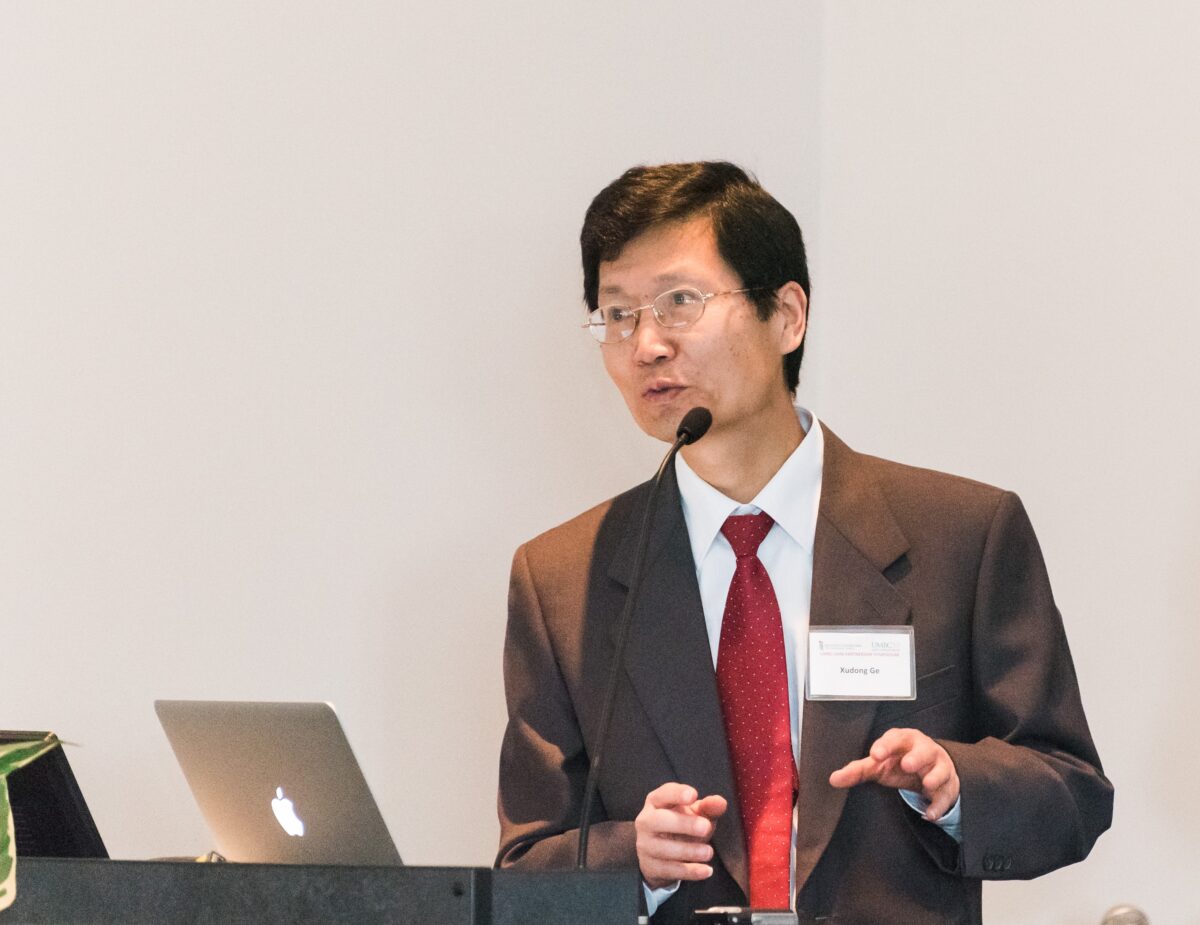
Man speaking at a podium, wearing a suit and red tie
Xudong Ge (Marlayna Demond ’11/UMBC)

Ge explains that traditional non-invasive CO2 monitors that are used on the skin heat up to about 42 degrees Celsius, or more than 107 degrees Fahrenheit. Because of the high heat, they can leave burns on skin and cannot be worn for an extended amount of time. The monitors tend to work at a slower speed and can come with a price tag averaging about $25,000. 

Along with miniaturizing the device, Ge aims to create a monitor that is safer and more comfortable, delivers data more efficiently, and is more affordable for the average consumer.

Developing the device

When a patient wears the CO2 device and experiences respiratory depression due to an overdose, the device will trigger an alarm that will automatically inject naloxone. In order to validate the study’s proof of principle, the initial phases of the study will start with developing and testing CO2 sensor prototypes. The test results will then be compared to data from a similar FDA-approved device that they are hoping to improve on. 

“We will run side by side tests to see how accurate our device is and then do challenge studies, like holding your breath, breathing into a bag, or exercising to get the subjects’ CO2 levels up in the body to see if we are able to detect it,” says Rao. “We will incorporate some elements of machine learning to detect the signal accurately, to make sure that there are no false positives or false negatives.”

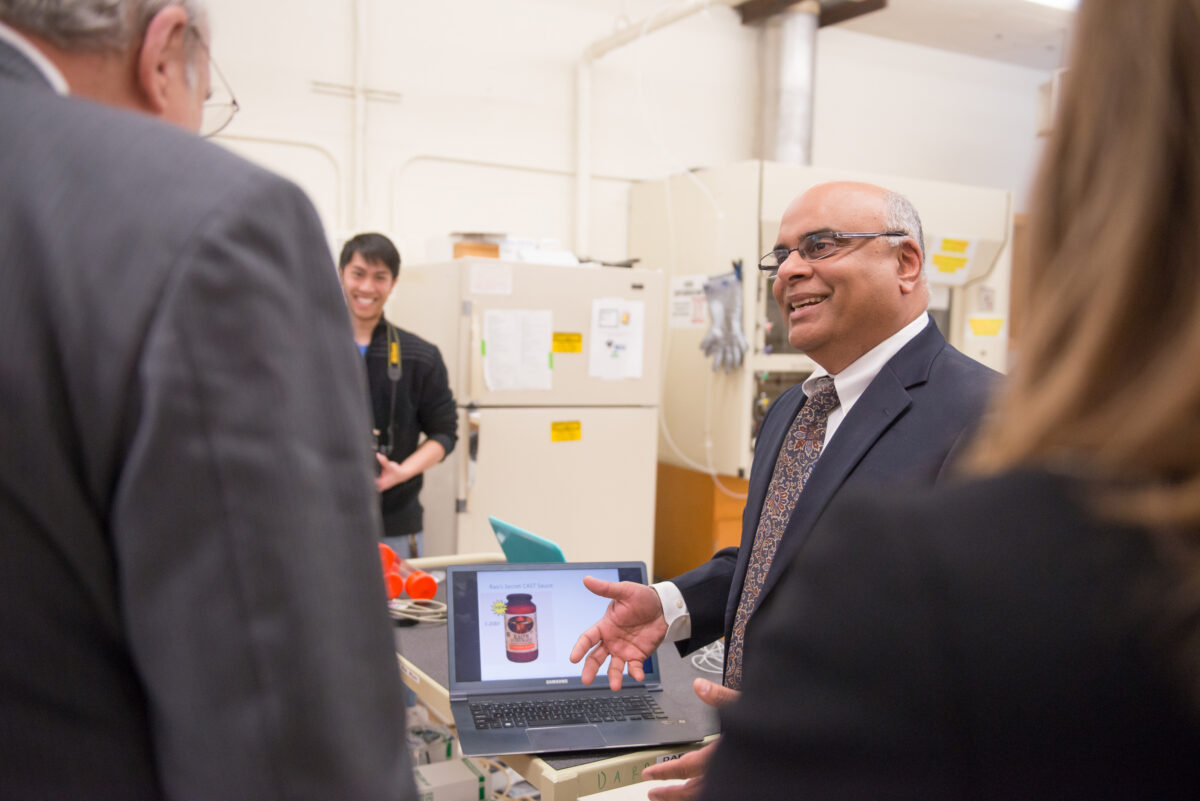
Man smiling while speaking with a few other people in a lab.
Govind Rao (Marlayna Demond ’11/UMBC)

The investigators have hired UMBC postdoctoral researcher Preety Ahuja to work on the prototyping. If the study is granted additional funding, Wright and her team of researchers will test the sensor on animal subjects to validate whether the wearable transdermal CO2 alarm will be effective. The researchers also intend to develop a mobile app to gather and share the data provided by the monitor. 

Rao looks forward to collaborating closely with Wright through this UMBC-UMSOM partnership, noting the significance of her work with underserved populations in Baltimore. He shares, “Dr. Wright is very keen and passionate about finding solutions and our UMBC team is very excited to be working with her.” 

GRIT-X 2022 brings to life the “essence” of UMBC research and creative achievement

Amid a bustling day filled with Homecoming excitement, GRIT-X returned to UMBC this month for its sixth year, delivering a wide-ranging lineup of Retriever excellence in action. Held in the Fine Arts Recital Hall, this year’s GRIT-X was the first for new UMBC President Valerie Sheares Ashby. Enjoying one engaging talk after another, she deemed the event “the essence of UMBC.”

“What a beautiful day,” said President Sheares Ashby, in her remarks to the GRIT-X audience. “Not only were [the presenters] brilliant, they were people-centric. They were thinking about things that were real and important to each one of our lives being better, the universe being better, our bodies being better, and our communities being better. I cannot have experienced a better first GRIT-X.”

Watch the GRIT-X 2022 talks

Rethinking digital divides: Creating access, experiential learning, and empathy in the digital world

Delali Dzirasa ‘04, computer engineering, opened this year’s GRIT-X event with a presentation detailing how his company, Fearless, led the development of the Searchable Museum to complement the Smithsonian National Museum of African American History and Culture (NMAAHC) “Slavery and Freedom” exhibition. Dzirasa elaborated on how his team, including several UMBC alumni, was able to reimagine this exhibit specifically for online audiences amid the pandemic. The Fearless CEO was the third in his family to deliver a GRIT-X talk, following his wife, Baltimore City Health Commissioner Letitia Dzirasa ‘03, biological sciences (GRIT-X 2021), and his brother Kafui Dzirasa ‘01, M8, chemical engineering (GRIT-X 2017).

Can we reduce the deluge in sea levels with a data deluge?

Vandana Janeja, professor and chair of information systems, discussed the research she’s leading as the director of the NSF HDR Institute for Harnessing Data and Model Revolution in the Polar Regions, or iHARP. Janeja outlined how she and the iHARP team are utilizing data science, machine learning, artificial intelligence, and polar science to analyze enormous volumes of climate data as well as Arctic and Antarctic observations in ways that could help populations respond to the harmful impacts of climate change. 

Sounds of the world through the violin

Airi Yoshioka, professor of music, delivered her presentation on how the cultural background of a composer manifests in the music they create. Yoshioka played excerpts of music from several composers around the world, explaining how they were able to express their cultural identities through their music. The violinist then captured the imagination of the audience with her striking performance of “Sentimental” from “Five Little Milonguitas” by composer Pablo Ortiz from her 2015 album Sueños Misticos.

Community building: How to build with materials that are stronger than brick and mortar

Alicia Lynn Wilson ‘04, political science, serves as vice president for economic development at Johns Hopkins University. She has taken part in some of the largest redevelopment efforts in the country, overseeing more than $10 billion in redevelopment projects in the last decade. Wilson shared her perspective on how every person is involved in construction, being actively engaged in the community-building enterprise. Her presentation outlined five principles that she relies on when forging and maintaining community connections.

Glucosome: 4D Visualization of the secret society of metabolic enzymes

Minjoung Kyoung, associate professor of chemistry and biochemistry, started her presentation on metabolic enzymes in an unexpected way: by showing the audience a picture of donuts. The image helped to entice the audience as they listened to her research on how the food we eat transforms into glucose and the metabolic process that happens as a result. The presentation explored the glucose metabolism and its 4-dimensional network with mitochondria in living cells, and how Kyoung’s team built the Lattice Light Sheet Microscope to better visualize small features inside of living cells.

Green walls or greenwashing? Tree planting dreams meet reality

Matthew Fagan, associate professor of geography and environmental systems, delved into his research related to forest restoration and reforestation showing that sometimes, planting trees can cause more harm than good. He educated the audience on the rise of tree planting initiatives around the world and the reality of what has happened as a result of reforestation efforts. 

The many faces of immune cells: Building back tissues after trauma

Kaitlyn Sadtler, ‘11, biological sciences, who earned an honorary doctorate from UMBC in 2022, presented on immunology and how the body works to heal after injuries. Sadtler is an investigator and chief of the section on immunoengineering at the NIH’s National Institute for Biomedical Imaging and Bioengineering. She earned a Ph.D. at Johns Hopkins University School of Medicine and completed a postdoctoral fellowship at MIT. She described her lab’s research into different immune cells and how they respond during injuries. She also shared how her team is working to develop new methods to help modulate the immune response to injury and implantation of medical devices.

The quantum universe is weird, but our world is not: Schrödinger’s cat is dead, right?

Sebastian Deffner, associate professor of physics, focused his presentation on demystifying the world of quantum physics and the quantum universe. He offered the audience an introduction to the components of this growing field of study. He also explained different interpretations of quantum mechanics with his analysis of the “Schrödinger’s cat” thought experiment.

Sometimes systems fail us: Designing alternatives for domestic violence survivors

Nkiru Nnawulezi, associate professor of psychology, has been working with the D.C. Coalition Against Domestic Violence to collect data on the experiences of domestic violence survivors in Washington D.C., particularly related to housing services. She closed the afternoon’s program by detailing her experience of conducting research interviews with the survivors. She explored what can be done to create more inclusive community responses that support domestic violence survivors in more effective and sustainable ways.

Karl V. Steiner, vice president for research and creative achievement, was the master of ceremonies for GRIT-X 2022. Moderators included: Keith J Bowman, dean of the College of Engineering and Information Technology; Kimberly R. Moffitt, dean of the College of Arts, Humanities, and Social Sciences; and William R. LaCourse, dean of the College of Natural and Mathematical Sciences.

NSF awards $10M to UMBC to expand successful initiative developing underrepresented postdocs in STEM

UMBC will expand its work boosting diversity in academia from Maryland to the national level through a new NSF INCLUDES Alliance: Re-Imagining STEM Equity Utilizing Postdoc Pathways (RISE UPP). The RISE UPP Alliance, anticipated to officially launch in fall 2022, is modeled after the AGEP PROMISE Academy, a high-impact initiative co-led by UMBC that supports faculty diversification in the biomedical sciences across University System of Maryland (USM) institutions. 

The UMBC-led RISE UPP Alliance will assist the University of Texas System, Texas A&M University System, and University of North Carolina System in creating programs similar to the AGEP PROMISE Academy, but tailored to meet the needs of their specific institutions and systems. The AGEP PROMISE Academy focuses on recruiting diverse Ph.D. recipients and helping them develop their careers from the postdoc to tenure-track faculty stage. UMBC has received a $10 million grant from the National Science Foundation (NSF) to replicate this national model. 

RISE UPP seeks to help R1, R2, and teaching-intensive institutions recruit and train postdoctoral scholars from underrepresented backgrounds in STEM, and help them build community and supportive networks, facilitating their progression into tenure-track positions. 

“The underrepresentation of minoritized scholars in universities has been a stagnant problem for a really long time and decades of effort have not yet yielded much change,” said Robin Cresiski, assistant vice provost for graduate student development and postdoctoral affairs. “There is an appetite for trying something different.”

A systemic approach to faculty diversity

The AGEP PROMISE Academy, which launched in 2018 and is set to continue until 2023, is an extension of Maryland’s nationally-regarded PROMISE Alliance for Graduate Education and the Professoriate (PROMISE AGEP) program, also funded by NSF. UMBC co-leads the Academy with the University of Maryland, College Park, University of Maryland, Baltimore, Towson University, and Salisbury University. 

Since its inception, 10 fellows have participated in the AGEP PROMISE Academy, including UMBC’s Nykia Walker, a biological sciences research assistant professor. Walker’s lab is focused on how primary breast tumors initiate metastases through transcriptional regulation. Walker is currently preparing for a tenure track position as one of UMBC’s Pre-Professoriate Fellows. 

Cresiski, who also serves as the director of Maryland’s AGEP PROMISE Academy Alliance, explains that the Academy was developed as an extension of UMBC’s Fellows for Faculty Diversity program. UMBC developed that program to better recruit, support, and retain scholars committed to diversity, equity, and inclusion, particularly members of groups underrepresented in the professoriate.

As members of UMBC’s Executive Committee for the Recruitment, Retention and Advancement of Underrepresented Minority Faculty shared in a recent Baltimore Sun letter, “the program, launched in 2011, has been a resounding success.” In its first decade, the initiative brought in 18 postdoctoral fellows in disciplines from dance to history to geography and environmental systems, 17 of whom have transitioned to higher academic positions (11 at UMBC).

The success of the Fellows Faculty Diversity program, along with UMBC’s Natural Sciences Pre-Professoriate Fellowship program, served as the inspiration for the AGEP PROMISE Academy program, Cresiski notes. “We feel so fortunate that UMBC’s leadership has led us to generate approaches to addressing faculty diversity at a large scale,” she says.

The USM leading the way

In addition to the AGEP PROMISE Academy, other university systems will also be learning from additional RISE UPP Alliance partner, the University of California President’s Postdoctoral Fellowship Program. 

Principal investigator Philip Rous, UMBC provost and senior vice president for academic affairs, shares that at its core RISE UPP is a research project that assesses the effectiveness of a university system-based approach to faculty diversification and allows participating systems to learn from one another. 

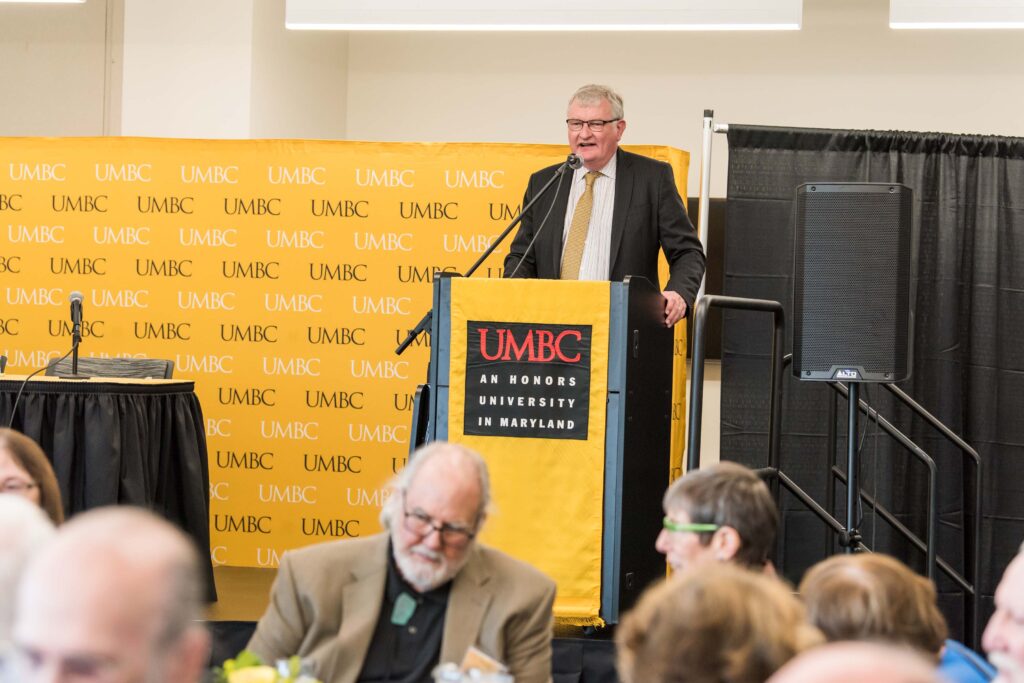
Provost Rous speaks behind UMBC podium
Philip Rous (Marlayna Demond ’11/UMBC)

He underscores that by replicating USM’s approach within other university systems, more institutions across the country may also be able to increase the faculty diversity. 

“Only by many systems and many universities doing this are we actually going to succeed in what we want to do, which is not only to change the diversity of our faculty but change the opportunities for diversity and inclusion of faculty across the nation,” says Rous. “All universities and all university systems have an obligation—and should, with our support—to diversify their faculty. Hopefully we can be useful to the other systems from our experience and help guide them.”

Rising up to the challenge

The RISE UPP Alliance will work with both participating university systems and their institutions and departments to make campus cultures and structures more inclusive. 

In order to do this, RISE UPP will focus on four areas. The first will be supporting postdoctoral scholars from underrepresented groups by providing training, professional development, and community with other scholars across their university system and the RISE UPP Alliance network. RISE UPP will also facilitate formal assessment of participating departments, institutions, and systems to check if the adaptations are proving effective.

The Alliance will help the institutions create pathways, through policy and practice, that remove barriers for postdocs from underrepresented groups to access tenure-track positions within and across participating university systems. To make all this work possible, they will develop and support faculty who serve as mentors for postdoctoral fellows and junior colleagues through training, compensation, recognition, and advocacy. 

“We have learned a lot about the benefits of working across the [USM] to develop, implement, study and evaluate our model that allows multiple pathways for postdocs to convert to tenure track faculty positions,” says Janet Rutledge, vice provost and dean of UMBC’s graduate school. “We look forward to further development, dissemination and further evaluation and research with additional state system partners to expand opportunities for postdoc conversions.”