All posts by: Magazine Editor


Rising Together—Software that Empowers the Community

Since 2009, as part of its Alumni Awards celebration, the UMBC Alumni Association names one “Rising Star” recipient each year who exemplifies early career and professional achievement. In the coming weeks, we will spend some time with awardees from the past decade to see where they are now—and how they’ve grown in their fields while maintaining ties to UMBC. In this installment, UMBC Rising Stars and Fearless coworkers Delali Dzirasa and Kelsey Krach discuss their Retriever networks and the responsibility of working in the civic tech space.

When Delali Dzirasa ’04, computer engineering, founded Fearless 12 years ago, he ran it out of his mother’s basement. A year later, when Dzirasa joined forces with John Foster ’04, computer engineering, their first proper office was a shared cubicle at bwtech, UMBC’s business and technology research park. Their vision for the software company was to provide digital services, but specifically tools that empower communities and create good change. “Software with a soul,” Dzirasa, CEO, says.

And their methods caught the attention of the Retriever community. In 2011, Dzirasa won the Rising Star award from the UMBC Alumni Association, and in 2019 Fearless project manager and designer Kelsey Krach ’14, anthropology, won the same award for her contributions to human centered design. Krach, now based in California, joined Dzirasa virtually to discuss the fulfillment of working on technology in co-creation with the community who will use it, and how the Fearless culture is changed and strengthened with each added team member. Reflecting on the years since their respective awards, Dzirasa and Krach see their professional and personal growth as possible only through the support they received from their UMBC communities.

Here’s a little secret they both share—as members of Retriever-filled families, neither Dzirasa nor Krach initially saw themselves going to UMBC, but the campus won them over as high schoolers and the pair can’t help but hype their alma mater.

So much more than software

Delali Dzirasa: Some folks might ask, “Well, what in the world does a software company have to do with community partnerships and service?” 

Kelsey Krach: Fearless is so much more than a digital services firm. Honestly, it’s one of the reasons I was drawn to come work there, because we do so much in the Baltimore community, like partnering with the Downtown [Partnership’s] BOOST Program and some other community organizations. 

Dzirasa: Fearless is actually based in Baltimore because of the Downtown Partnership, so they’re very much a part of our story. Black-Owned and Occupied Storefront Tenancy (BOOST) is a program of the Downtown Partnership where they’re looking to increase Black-owned founders and entrepreneurs. I think it just really speaks to entrepreneurs that might have the passion, might have the energy, but need a little bit of support to get going.

Krach: What type of help did you receive in your early stages? I feel like that’s one of the reasons why you spend time doing this work.
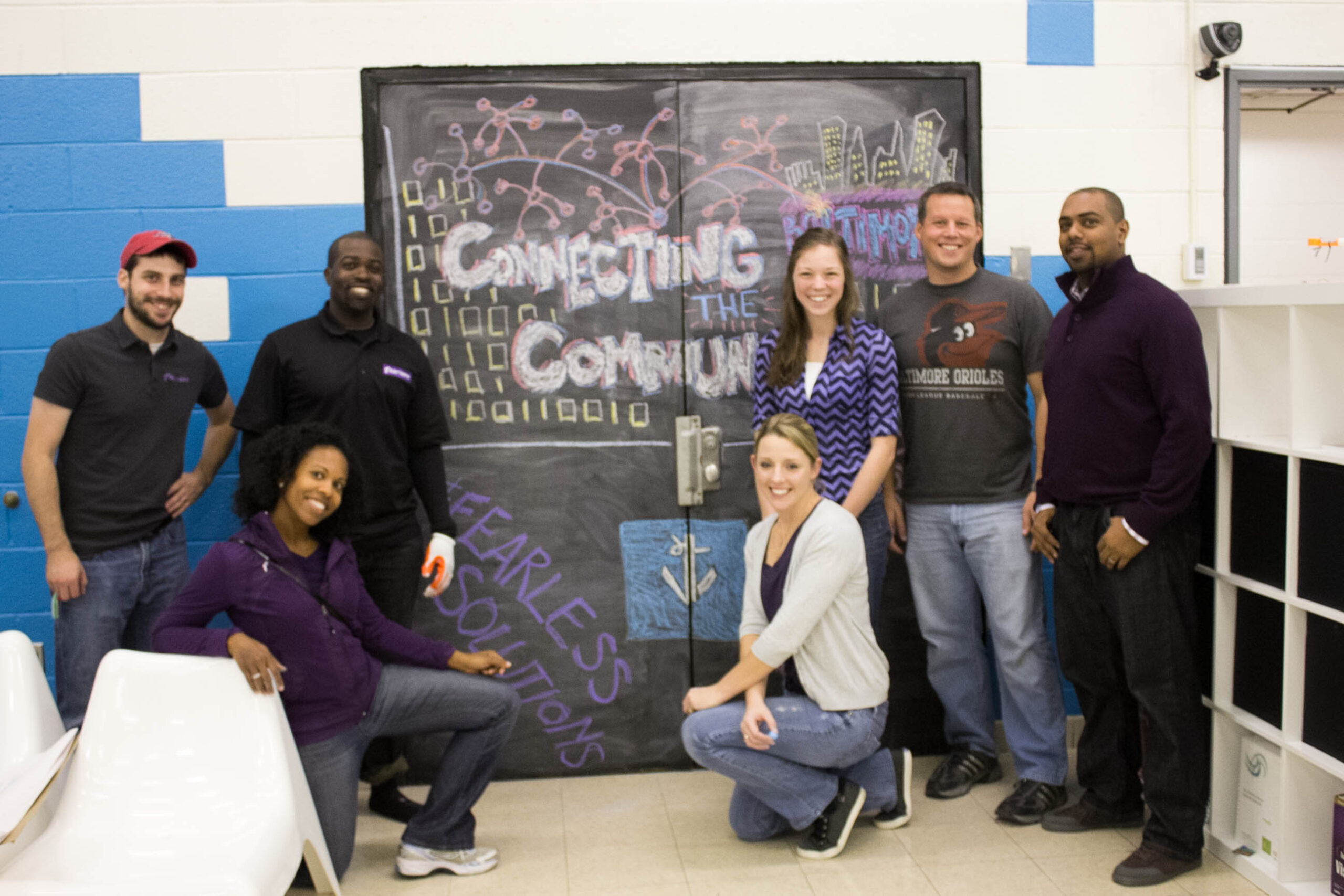
Dzirasa, standing second from left, and Foster, right, with members of the Fearless team. Photo courtesy of Fearless.

Dzirasa: Fearless started off at UMBC, and so UMBC is always going to be part of our story. My brothers and I had a bunch of little side hustles and businesses growing up but never really knew the formal side of entrepreneurship, and UMBC started a fantastic entrepreneurship program while I was there, so I attended those courses.

When Fearless was born, our first cube—not even an office, but our first cubicle—was at UMBC in the bwtech Incubator on campus. So UMBC has been there, whether we needed advice, whether we needed partners, whether we needed someone to be able to get direction from. 

I don’t know that I feared it not working, right? I think entrepreneurs have to have a healthy dose of delusion. I think if there was a fear it was—will we be like everybody else? Or would we have the courage to stand out and try to do things a little bit differently?

A Fearless culture

Krach: I’ve been at Fearless for three years, and I’ve seen a lot of growth happening, especially over the past couple of years. I think what’d be really interesting to talk about are maybe two things, how do we keep this community camaraderie as we continue to grow and how do we make sure that as people come into the company we are maintaining excitement around the community work that we do?

Dzirasa: I don’t think that we will keep the culture, and I don’t think that’s a bad thing. Every time we add a new person into Fearless, the culture is different. That’s because new people bring new ideas and new interests and new energy, and they create something that wasn’t here before that we all get to benefit from. What I think will remain consistent are the values, our internal culture code, like “create belonging, take initiative, open dialogue, make impact.”
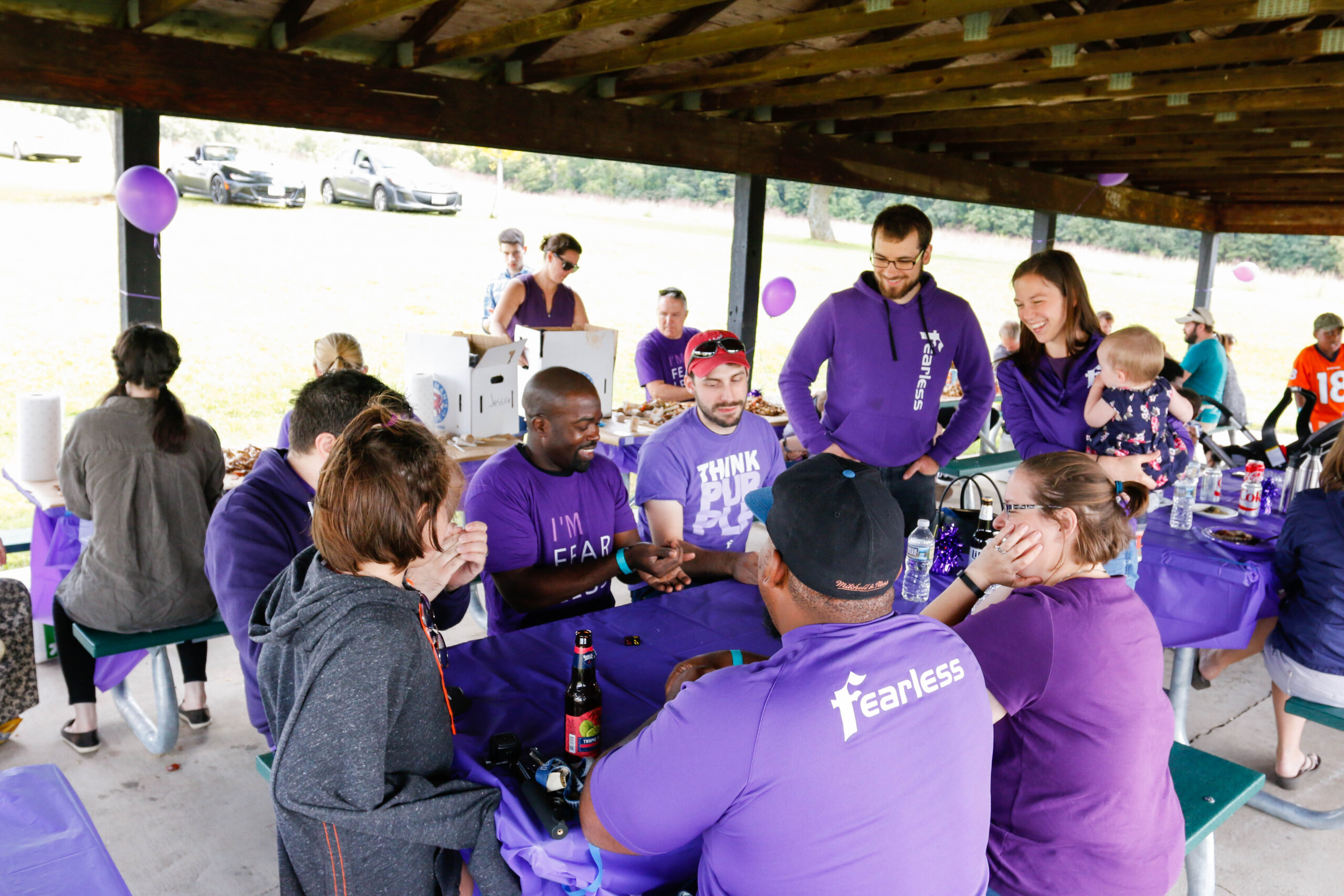
Fearless team members at a company picnic wearing their signature purple. Photo courtesy of Fearless.

Krach: I think that’s a great way to explain it, and I think when we talk about the community aspect of Fearless, what I really love, too, is that we have things built into our work, like our community hours, a certain number of hours a year we get compensated for doing some of this community-based work. I remember even before we had those community hours, a group of people at Fearless went out to serve breakfast at a local food shelter in Baltimore. I thought, “Wow, these are amazing people who want to wake up with me at 5 o’clock in the morning.”

Dzirasa: A question I ask myself often is have we done a good job as a company giving space for people to do community work, or have we just done a good job of attracting people that already care about humanity and the world and just get out of their way? I think it’s a little bit of both but probably more the latter.

Kelsey, in your case and all you’ve done, whether it be serving food or supporting mental health institutions and initiatives or Code for Baltimore—we didn’t create or enable that. That’s you. You were going to do those things anyway. So I think we’ve been able to do a good job of getting a collection of great humans and just kind of getting out of the way and helping them to amplify their message and what it is that they’re doing. 
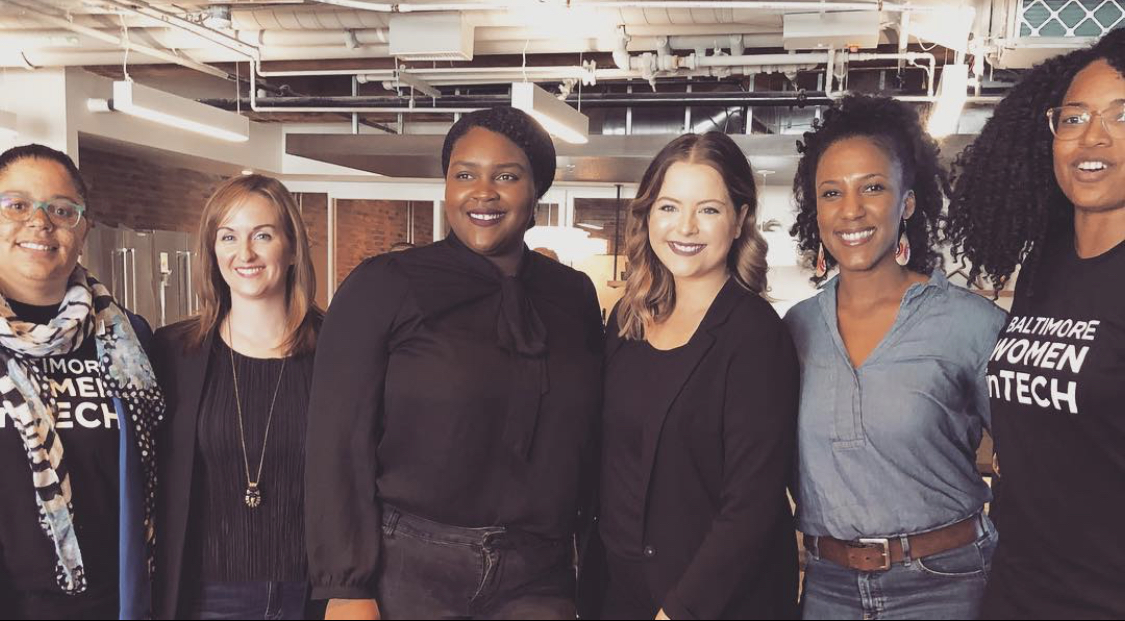
Women in Tech panel that Krach, third from right, spoke on. Photo courtesy of Krach.

Krach: I think this topic leads into our role in the civic tech space. People are like, “Well, let’s just build this piece of technology and that will fix problems.” But we know you need to have communal co-creation from the people it’s going to affect. We can’t just assume that they’ll want to use the thing that’s created.

Dzirasa: That’s right. What civic tech is—is you’ve got civic and you’ve got tech and they come together and they co-create and they solve problems together. I think that’s something that allows us to both bring an air of authenticity in what we’re doing, but it also ensures that there is accountability for everyone to solve the problem together. 

Keeping Retriever ties

Krach: UMBC has had such a fundamental effect on me and…I’m at a loss for words, actually, to talk about what UMBC has done for me. I couldn’t even imagine having another type of university experience.

Dzirasa: UMBC means a lot. I mean, not just from personal and professional, but it’s a bit of a family thing. I met my wife at UMBC. Both my brothers went to UMBC, so our whole family went there. Then there are the personal relationships I made on campus, Dr. Freeman Hrabowski, Greg Simmons, Kim Leisey, and so many people that are at UMBC who were instrumental in my journey, like Vivian Armor, who directs the Alex. Brown Center for Entrepreneurship. Any time there’s an opportunity to participate or give a talk or support students, I jump at the opportunity.
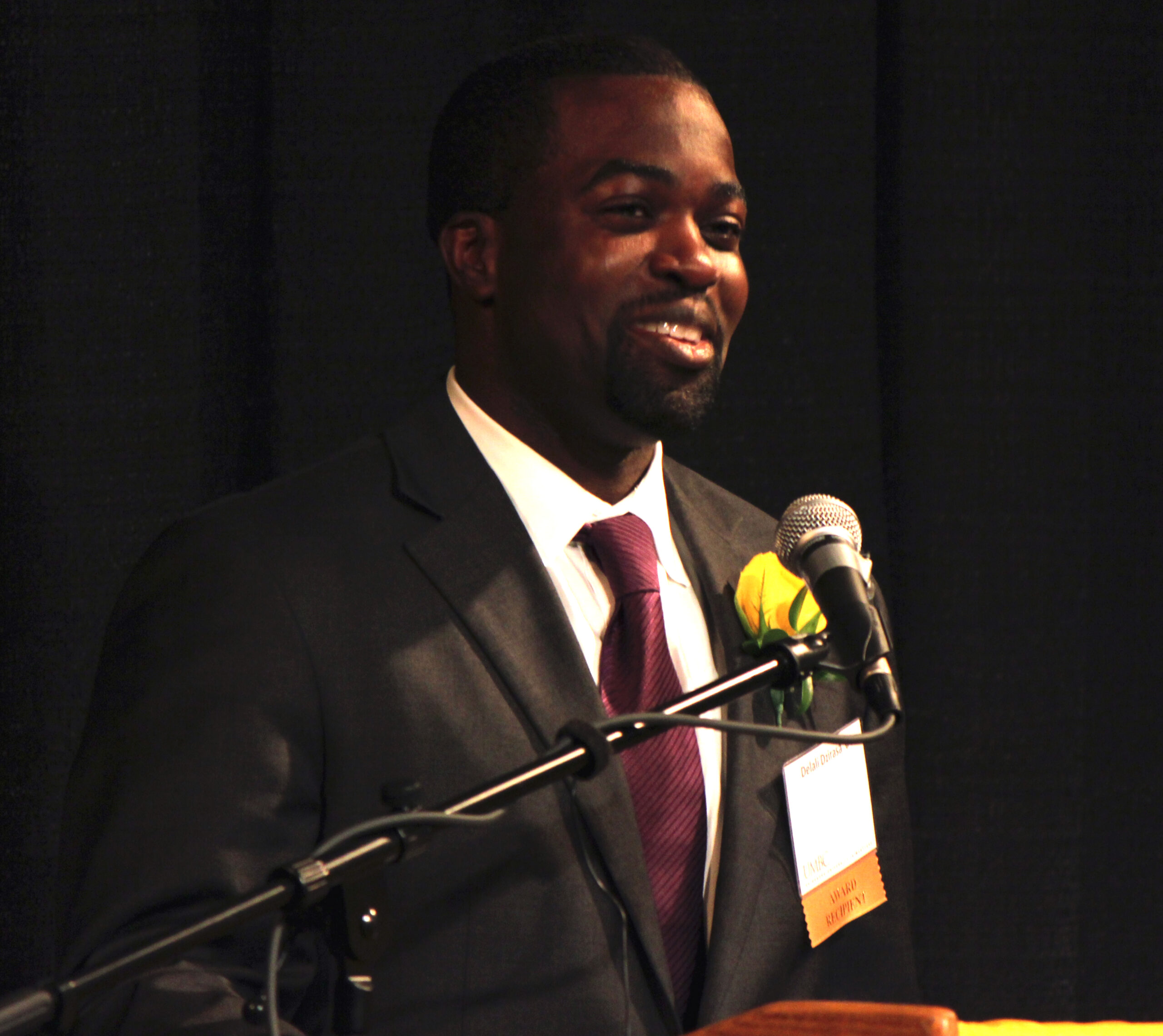
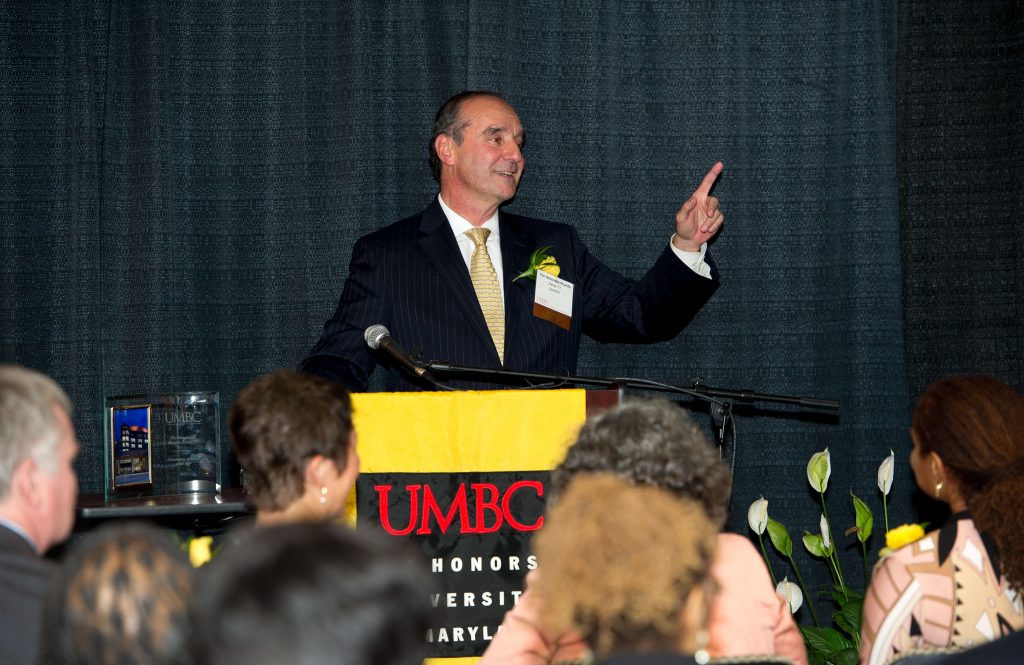
Dzirasa accepting his Rising Star award in 2011.

Krach: I laughed when you said your whole family went to UMBC. My mom and dad went to UMBC. My younger sister went to UMBC at the same time I was there. My aunt went to UMBC and works there, so I definitely get that family feeling. In fact, I did not want to go to UMBC because of that.

Dzirasa: We share that.

Krach: I was a very rebellious younger person, and I was just like, “No, I’m not going to go to UMBC.” I wanted to go as far away as possible. Then my mom was just like, “Just please visit and then you can say definitively.” I shadowed a friend of mine from high school who was going to UMBC, and I totally fell in love.
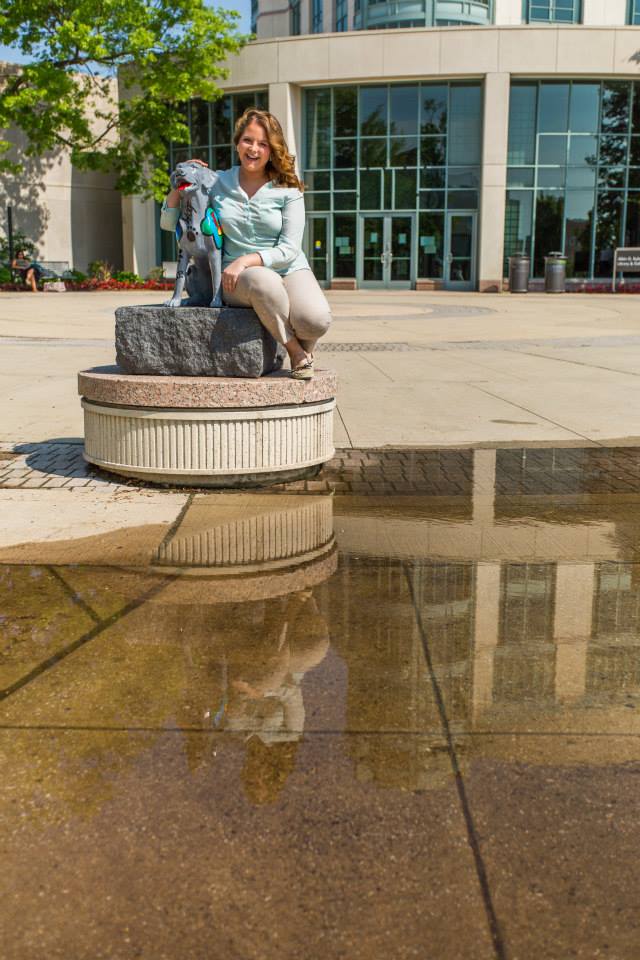
Krach in front of the A.O.K. Library. Photo courtesy of Krach.

Dzirasa: We’re like the same person. Same thing, I resisted it. It was the last place on earth I wanted to go to. But then I absolutely loved it, and I couldn’t have imagined a different world for myself. 

Krach: My liberal arts education set me up to be a critical thinker going into the tech space. My job is to think about the big picture. How is what we’re doing with our piece of technology actually solving the problem for whomever we’re trying to help? 

I’ve been able to go back to the Sondheim Scholars Program and teach them about human-centered design and how that can be applied in policy and how technology is related to the policies that we implement. It’s all so connected in my brain. It’s funny because I’m like, “How do people not see all of these things are connected?”

How have you grown since receiving the Rising Star award?

Dzirasa: All right, let me set the stage. I received the award about 10 years ago. My guess is that every single person in our company could fit in the first row or two in the Library Gallery, where they held the ceremony. That’s certainly not the case now!   

A less visible area I’ve seen growth is in something I’m not inherently good at, so it’s something that I’m continuing to work at, which is how to build systems. But at Fearless, we’ve been able to bring along amazing people that are really smart—a heck of a lot smarter than I am in their respective areas—who contribute so much to the organization. So it’s really finding what am I uniquely gifted at, leaning into that lane, but really trusting other people to do what it is that they do so well. 
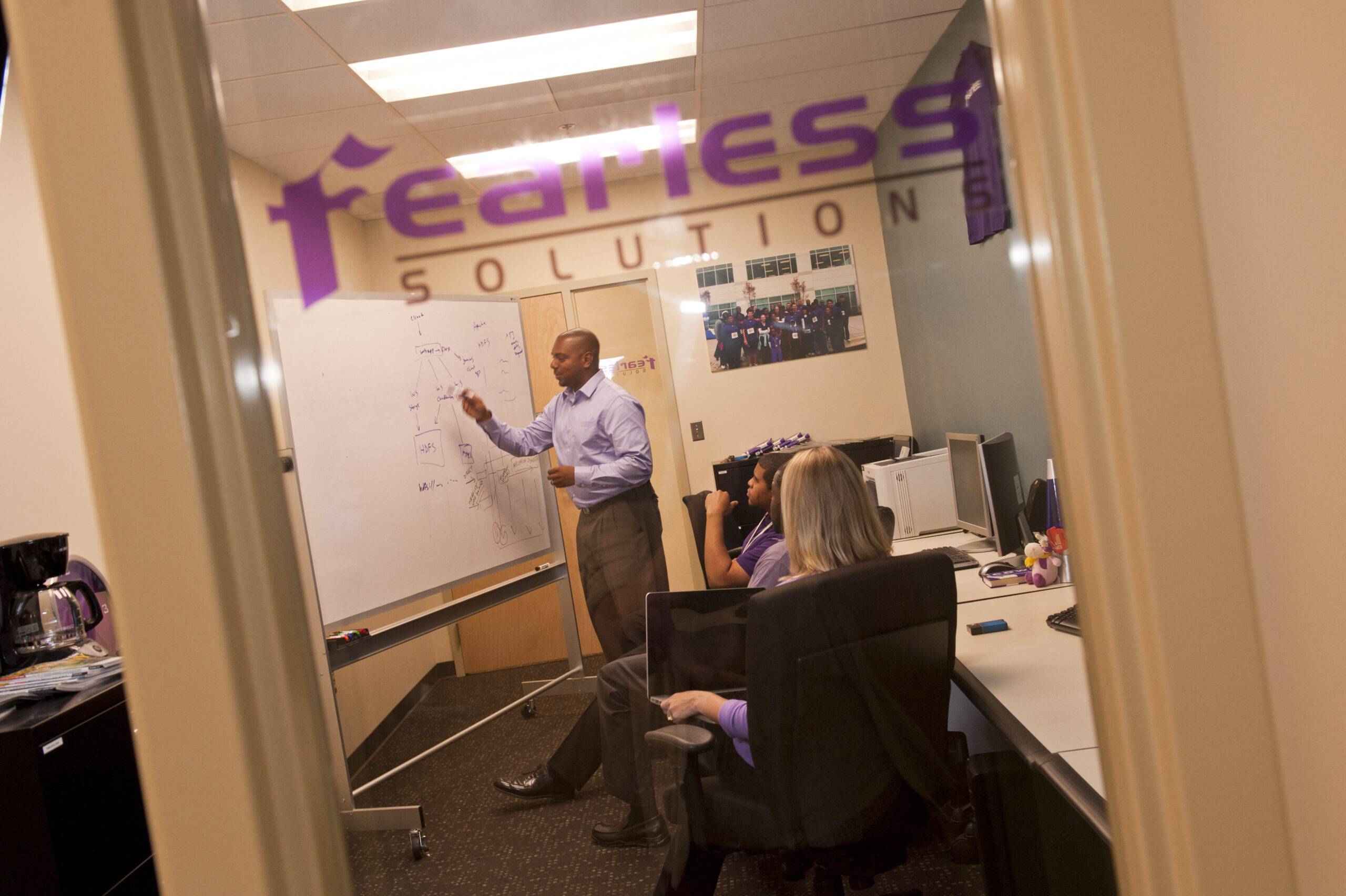
When the company was at their original bwtech location, they were called Fearless Solutions. Photo courtesy of Fearless.

Kelsey, you received your Rising Star award more recently in 2019. Can you talk about what has changed in your own life personally and professionally?

Krach: I had a big shift personally with moving from Baltimore to California right before I got that award—our ceremony was in the Linehan Concert Hall. I’ve been so lucky to continue working with Fearless in a remote capacity, so a big piece for me has been growth around building a new life here. One of the most beautiful parts of this move is that Oakland reminds me a lot of Baltimore in the sense of the people and community. 

Professionally, I’ve been able to dig in more to being a product manager and thinking more about what is the value we’re providing. What problems are we focusing on with our technology, and how are we helping the government make smart decisions about what they want to implement. I want to make sure that we’re not just putting Band-aids on stuff but instead we’re ripping off the Band-aids and getting to these deep wounds that exist.
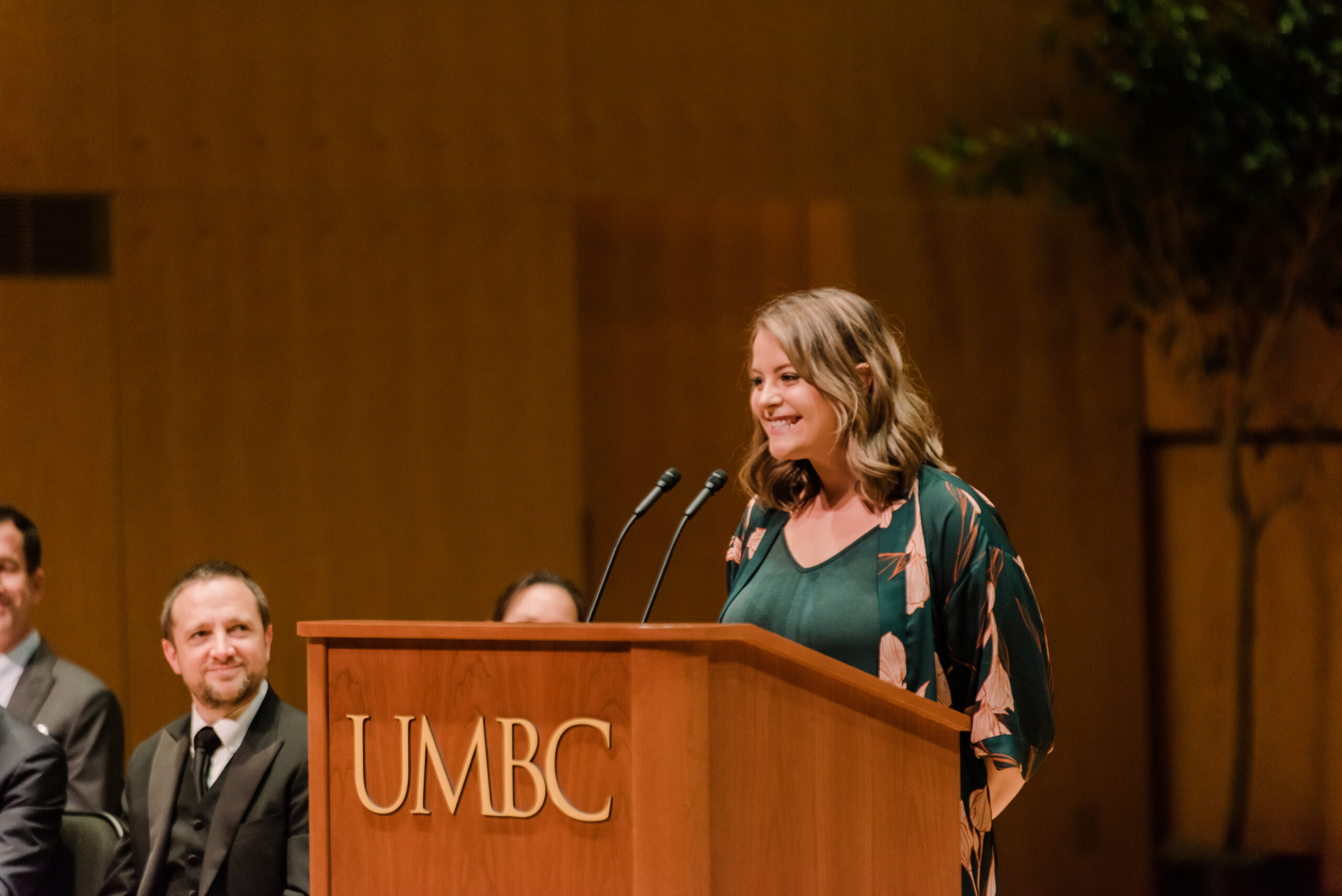
Krach accepts her Rising Star award in 2019. Photo by Marlayna Demond ’11.

Delali, one last question—what was something you learned at UMBC that you still use in your daily life?

Dzirasa: I feel like UMBC taught me how to build community, how to help put some of the pieces in place that build culture. What about you?

Krach: For me, it’s like what have I not used? But, really, one person who stands out for me is Vivian Armor, who you mentioned earlier, and the entrepreneurship classes that I took while at UMBC. That combined with my cultural anthropology background took me to this level of thinking about structure and agency and what it means to build the technology in order to help individuals accomplish their goals. And to ask ourselves, is our tech creating a foundation for equitable spaces? 

Dzirasa: For me, it goes back to what we talked about: how do we empower people like you who already care about humanity and are awesome humans and let them just do amazing things? Even through the lens of equity, if you’re a woman founder or a founder of color or whatever it is who has a particular experience that traditionally isn’t in the marketplace, if we help those companies to be really successful, they then have a lived experience of how to do that. They become a story…an example that people can point to and say, “Oh, I can do that, too.” 

Do you know a UMBC alum who should be recognized for the great work they’re doing? Nominate them for an Alumni Award by filling out this form by May, 3, 2021.
The Life-Changing Power of Giving

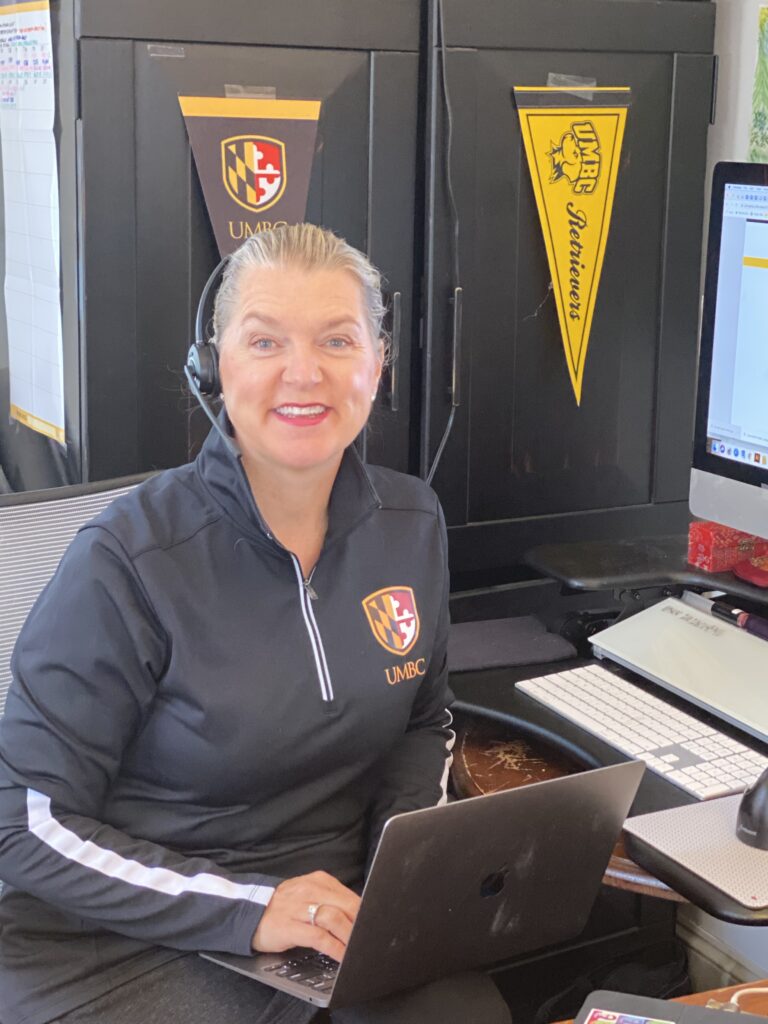
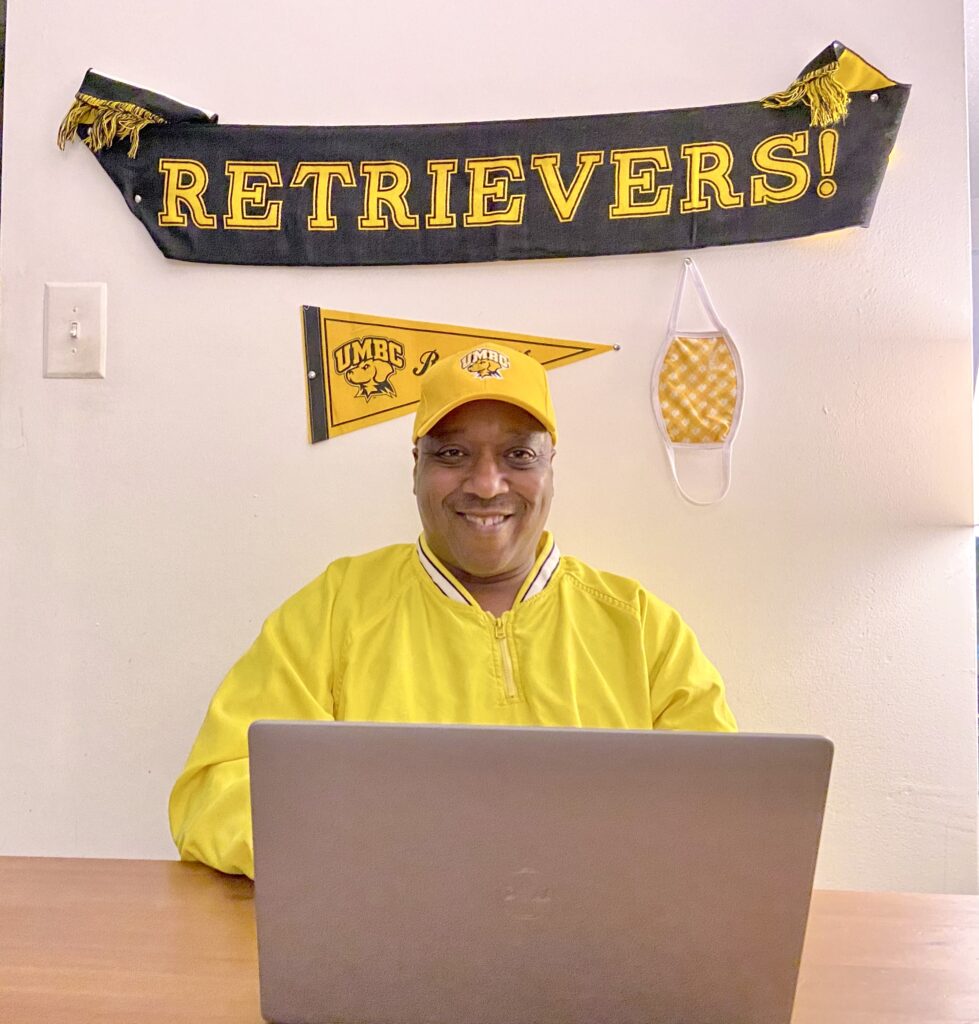
Little did we know that 2020’s successful Giving Day would be one of the last major on-campus events before COVID-19 moved UMBC and the rest of the world to a virtual format. Since then, two new staff members have started key roles in UMBC’s Office of Institutional Advancement. Giving Day 2021 will look different from past celebrations, not only because it’s virtual and 36 hours long, but also because its messaging and call to action are spearheaded by faces new to UMBC, but certainly not to the world of giving. Meet Stacey Sickels Locke, associate vice president for Alumni Engagement and Development, and Carl Fowlkes, director of annual giving, two new Retrievers who personally understand the impact and importance a gift can make. And despite working completely remotely since being hired, their Black & Gold pride is front and center.

UMBC Magazine: You both have a storied history with university giving—can you tell me about your first role in giving and why the career path stuck? 

Stacey Sickels Locke: My first volunteer experience was as a student at Sweet Briar College. I loved my college and gave admissions tours and then was hired as a student phonathon caller. I found myself enjoying calling alumnae, hearing about their lives, and seeing how they applied their education. Rarely did I actually need to ask people to give; usually they volunteered as they knew why I was calling. At my fifth reunion, my college asked me to come work full time and my career was launched. 

Carl Fowlkes: When I went to the University of Connecticut for my graduate degree, they had an opening for an assistant director to manage their student phonathon. I had experience doing survey calls, so it was a translatable skill to fundraising calls. I found that I liked working with the students and alumni, and after six months I was promoted to interim director of annual giving and I continued on that path.

UMBC Magazine: For those outside of the giving world, can you explain some of the day-to-day duties of your positions?

SSL: I think we have the very best jobs on a university campus—we work with generous people who love their institution and who want to give back. My favorite part of my job is working with donors. Right now I am working with someone who has fond memories of their academic department and wants to do something transformational. Each week, I meet with deans, program directors, and other university leaders to explore how alumni and philanthropy can impact their programs. 

CF: Most of my day to day involves working with data and spreadsheets. I’m looking at reports to see how a previous giving appeal performed and analyzing its effectiveness with targeted audiences. I also spend a fair amount of time responding to alumni and parent questions about their individual giving and the priorities of the university. 

I think we have the very best jobs on a university campus—we work with generous people who love their institution and who want to give back.

—Stacey Sickels Locke

UMBC Magazine: Is there a particular instance or story that sticks out to you that makes you say, “Yes, this is why I do this job!”?

SSL: Yes! Early in my time at UMBC last year, I had the honor of working with the Sinha family who established an endowed professorship in honor of their father, Dr. Bimal Sinha in Statistics. Hearing the stories of the Sinha children growing up on the UMBC campus inspired me. Working with the family, my colleagues, and the Statistics Department, we applied for a matching program with the State of Maryland and were able to secure a match bringing the endowment to $1.8 million

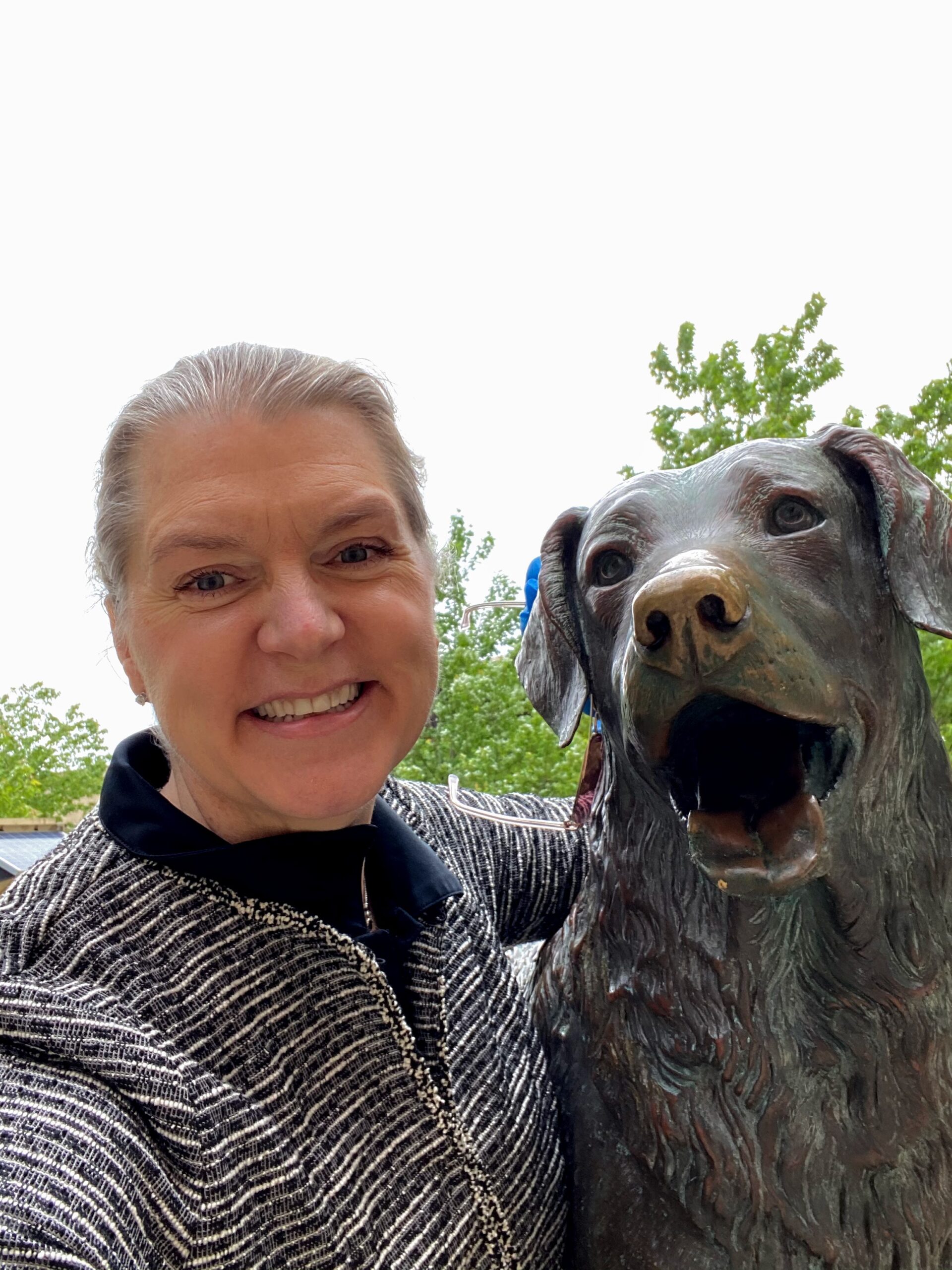
A woman poses with a dog statue.
Sickels Locke on campus with True Grit.

CF: At a prior institution where I worked, we learned about a student living out of his car with his mom and a sibling. We were able to provide support to the student through the student emergency fund to help provide meals, buy schools books, etc. We also were able to connect the mother with childcare for the younger sibling and a generous alumni donor who provided a work opportunity for the mother. The student ended up graduating and was a featured speaker at a donor thank you event…not a dry eye was in the room. 

UMBC Magazine: You are both relatively new Retrievers. How would you describe the alumni and (online) campus community so far?

SSL: UMBC is a very special community. Everyone I have met in my time working for the University System of Maryland LOVES working at UMBC. When I was approached about the new associate vice president position, I applied enthusiastically and was thrilled to join this community in May 2020.

CF: I have been struck by the family atmosphere of the UMBC community—the love the students and employees express for UMBC is truly awe-inspiring. Just recently I had a call with an alumna from the class of 1971 and she shared with me what UMBC was like during her time on campus, from the highlights of attending campus concerts to the growing pains of being a new university, and how much she treasures those memories.

UMBC Magazine: What are you looking forward to most when campus reopens?

SSL: Not feeling like I am watching the Netflix version of my job…and I hear I have an office!  But seriously, what I most look forward to are the informal moments of connecting in the hallway, at the gym, at a game, or after a meeting. 

CF: I miss the personal interactions with students and colleagues and particularly look forward to meeting colleagues who work in different areas on campus that I don’t get to speak with on a regular basis.

UMBC Magazine: Can you talk about the challenges of an online Giving Day and how your team has come up with solutions?

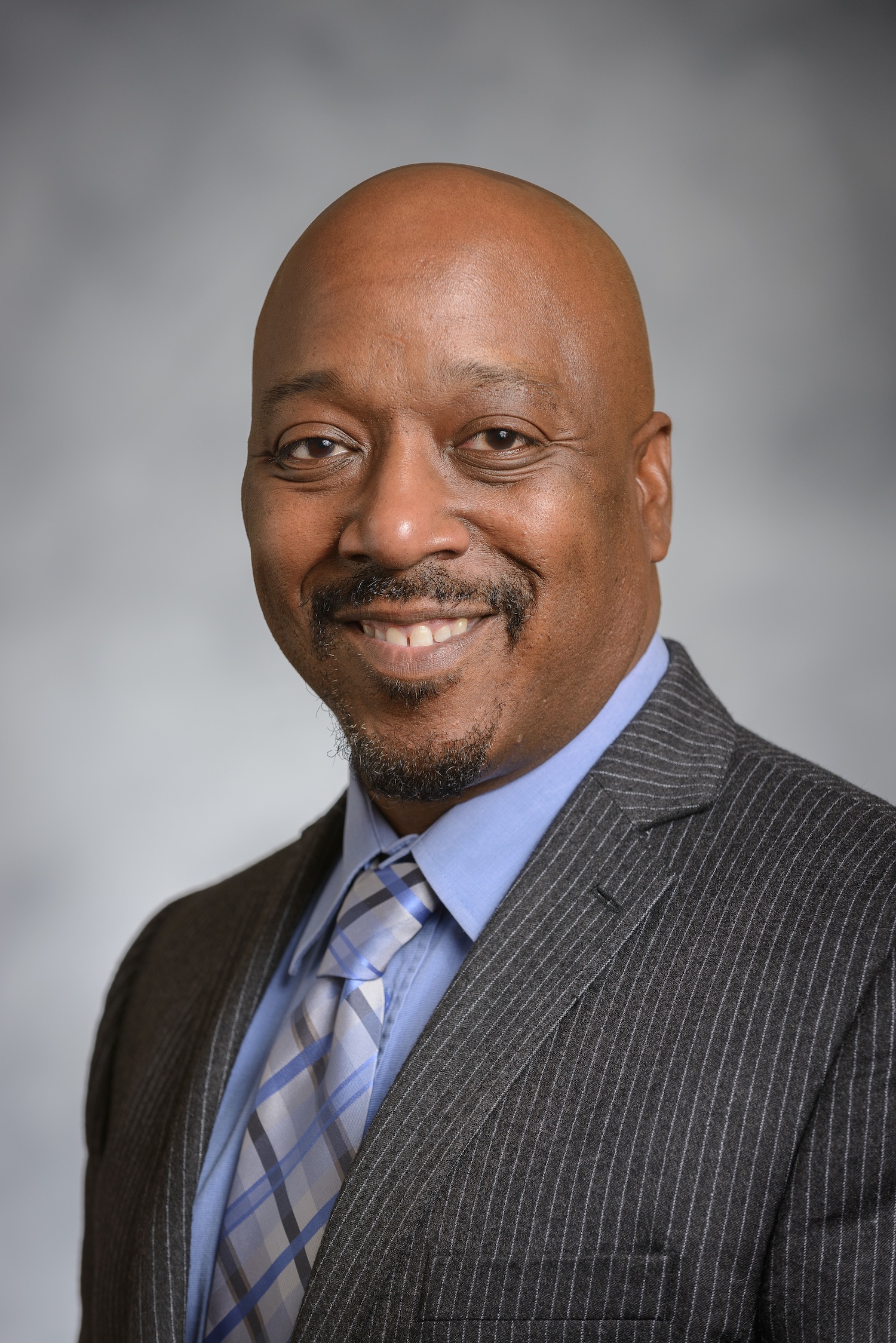
A headshot of Carl Fowlkes
Carl Fowlkes

SSL: Days of giving provide an opportunity to rally alumni and friends in a concentrated period of time. The best day for giving is the day when a donor is inspired to give to the project that most inspires them. After giving days, we will work all year long with generous donors making a difference at UMBC. 

CF: The main challenge of Giving Day this year is how to engage the Retriever Nation when we can’t capture the on-campus excitement or have impromptu, live interactions with students and faculty to show the impact of giving. Fortunately, our team has worked with students and alumni who sent in personal videos that we will showcase. We have a wonderful student and alumni community who have stepped up to help us in this unusual time.

UMBC Magazine: What do you want Retrievers and others who give to know about where their money is going and what it will be used for?

SSL: My colleagues across campus are extremely diligent in making sure that donor funds are spent as each donor intends. The funds showcased on our Black and Gold Rush are priorities for campus and there are very dedicated people who are eager for these funds to reach students, faculty, and programs.  

UMBC Magazine: What is one place outside of UMBC that you give to and why?

SSL: I give to my alma mater, Sweet Briar College, which almost closed in 2015. I joined a group of alumni raising $30M in six months to save the college. This experience (of almost losing my college) made me realize how critical every gift is. I also support my son’s college as I know how important giving from parents can be. 

CF: I give to my alma maters, and I give to every university/college I have worked for. Specifically, I like to support scholarships for students in need as I received a full ride scholarship for my undergraduate education and was fortunate to not have a lot of student debt after graduation. 

Learn more about supporting UMBC on Giving Day by helping the university reach the goal of 1,966 donations to honor the founding year of Retriever Nation. 

*****
Header image of thank you cards from UMBC’s 2020 Giving Day by Marlayna Demond ’11.

5 ways the Biden administration may help stem the loss of international students

By David L. Di Maria, associate vice provost, International Education, UMBC

Over the past four years, the Trump administration made it increasingly difficult for students from other countries to study in the United States.

In 2017, the number of new international students enrolled at American colleges and universities – that is, those just coming to the U.S. for the first time – declined for the first year on record. Restrictive immigration policies, frayed relations with foreign nations and travel bans all contributed to further drops in new enrollment over each of the following years of Trump’s presidency.

President Joe Biden’s election signals a new day for international education. This is evident based on a slew of Biden’s executive orders, many of which revoked immigration and travel restrictions imposed by the Trump administration. Additionally, Biden sent a bill to Congress aimed at reforming the nation’s immigration system.

As a university administrator who specializes in international education, I foresee five major ways the United States may once again become the top choice for students from around the world during the Biden administration.

1. Reform of the immigration system

In 2019, the total number of enrolled international students – that is, newly-arrived students as well as those already studying in the U.S. – dropped for the first time since 2005. And the economic impact of international students decreased by US$1.8 billion.

While the declining number of international students wreaked havoc on U.S. colleges and universities, as well as the communities in which they are based, there is renewed optimism that things will change.

That’s because the Biden administration has expressed a commitment to modernizing the nation’s immigration system in ways that respond to economic needs and prevent the U.S. from losing talent to other nations. This includes making it easier for international students who are working on advanced degrees in science, technology, engineering and mathematics – or STEM – to stay and work after graduation.

How much Biden can actually reform the immigration system remains to be seen. But international applications to U.S. colleges for this fall are already up 9% compared to a year ago. This suggests a renewed interest in the U.S. as a study destination. It also serves as a hopeful sign that international enrollment will soon rebound, presuming Biden’s handling of the pandemic instills more confidence abroad than that of his predecessor.

2. Elimination of discriminatory bans

On his first day in office, Biden revoked the Trump administration’s so-called Muslim ban and other discriminatory restrictions on travel and entry in favor of strengthening information-sharing relationships with foreign governments.

Black muslim female student in mask with workbooks outdoors
Biden’s executive orders will increase STEM field diversity by bringing in more international students to the U.S. Prostock-Studio via iStock/Getty Images Plus

While many of the country-specific restrictions did not directly affect people with student visas, the policy had a broad cooling effect. Consider the sharp decline in student visas issued to applicants from countries included in the bans. For instance, student visas issued to Iranian nationals fell by 59%, from 3,139 in 2016 to 1,970 in 2019.

Biden’s approach to national security aims to keep would-be threats from entering the U.S. while allowing for citizen diplomacy efforts, such as student exchange programs, to resume. This tactic will ultimately increase the diversity of nations represented on college campuses. Such diversity enhances learning opportunities for all.

3. Protections for Dreamers

Undocumented immigrants brought to the U.S. as children – often known as Dreamers – faced an uncertain future under Trump. The Trump administration refused to accept new applications for the Deferred Action for Childhood Arrivals program – which extends certain protections to Dreamers – that was established under the Obama administration. And this occurred even after the program was upheld by the U.S. Supreme Court.

Biden issued a memorandum aimed at preserving and fortifying DACA the same day he was sworn in. While further actions are needed to achieve these goals, the memorandum should provide the country’s more than 200,000 DACA-eligible college students with the hope that a pathway to citizenship is not far off.

4. Options for graduates to stay

Even before he was elected, former President Donald Trump regularly claimed that immigrants were taking jobs away from American workers. This is a notion largely disproved by economists, disputed by employers and rejected by 64% of the general population.

In sharp contrast to his predecessor, Biden has proposed making it easier for international students with advanced degrees in STEM fields to receive work visas and apply for permanent residency. If successful, Biden would enable the U.S. to retain a greater number of STEM workers who are critical for continued economic growth. Just consider that nearly 25% of billion-dollar startup companies had a founder who first arrived to the U.S. as an international student.

STEM products and services are the focus of many of these companies, which create an average of 1,200 new jobs each.

5. Boost for global science

According to a recent survey, the top recommendation that researchers around the world have for the Biden administration is to expand scientific collaborations between the U.S. and other countries.

The exchange of ideas between students and scholars from different parts of the world is important for advancing knowledge and addressing global threats that range from climate change to COVID-19. However, research indicates that two of the most significant barriers to international collaboration are a lack of funding and restrictions on sharing data.

Biden’s decisions to elevate the director of the White House Office of Science and Technology to a Cabinet-level position, rejoin the Paris climate accord and reverse the previous administration’s move to depart from the World Health Organization all indicate that science will inform future policy decisions. This could help address current barriers to international collaboration.

Biden’s commitments to “lead with science and truth” and attract top global talent to the U.S. not only bode well for U.S. colleges, universities and companies but also hold the promise of reclaiming lost ground by restoring U.S. leadership in science and technology.

*****

David L. Di Maria, Associate Vice Provost for International Education, University of Maryland, Baltimore County

This article is republished from The Conversation under a Creative Commons license. Read the original article.

Header image: President Biden’s rollbacks on former President Trump’s travel restrictions signal new opportunities for international students. Brothers91/E+ via Getty Images Plus

Why COVID-19 won’t kill cities

By John Rennie Short, professor, School of Public Policy, UMBC and Michael J. Orlando, lecturer, Finance and Politics, Global Energy Management Program, University of Colorado Denver

Editor’s note: For those of you who live in cities, ask yourself: What it is about your urban lifestyle that makes it worth it despite the pollution, the noise and the traffic? Perhaps it’s the hundreds of unique restaurants that you like to dine at. Or the density that fosters a vibrant night life and cosmopolitan cultural scene. Maybe it’s the parks, the museums, the tall buildings, the mass transit.
What if much of that went away? Would you still want to live there?
That possibility is worrying many as the pandemic chips away at the foundations of much of what makes cities special. Restaurants, small businesses and even big brand-name retail chains are closing in record numbers. Mass transit systems, like New York City’s, are warning of severe cuts in service if they don’t get aid soon as state and local tax revenue plunges. Many have fled to rural or suburban areas. And the situation appears likely to only worsen as America endures a “dark winter” with no guarantee of more aid from Congress.
Despite these challenges, two scholars who study cities explain why they think urban areas will endure – even if they don’t get the aid from Congress that now seems more likely.

Why some cities will survive – and thrive

John Rennie Short, UMBC

The death of the city is regularly predicted. But, like Mark Twain’s premature obituary, it is greatly exaggerated.

The city was thought to be redundant when the telephone was introduced to the world in 1876 and then the first personal computer in 1971. What was the point of cities when people could communicate over the phone or through the internet? The future was imagined as a global village of electronic cottages.

In fact, the future was and continues to be giant metro areas and dense cities.

After 9/11, some thought that the threat of terrorism would lead to the suburbanization of financial services and a drift away from the city. In the two decades that followed, New York City continued to grow and prosper as a global financial center.

And today, many cities will survive the pandemic for the same reasons they survived the telephone, internet and terrorist attacks. That’s because there are powerful economic forces at work.

As early as 1922, British economist Alfred Marshall pointed out three key traits of cities:

  1. The pools of skilled labor allow the transfer of information, knowledge and skill.
  2. The presence of so many companies generates more business for peripheral industries – such as how a big banking sector creates work for accountants and lawyers.
  3. The proximity of people facilitates contact that leads to the maintenance of trust and the exchange of information.

These forces are even more powerful for the more dynamic sectors of the economy, particularly banking and financial services, advertising and a vast range of cultural and creative industries – all built around face-to-face contact.

I believe the cities that generate this type of “cognitive capitalism,” such as San Francisco, New York and San Jose, will bounce back. Those that have more routine industries that can be done anywhere, like Detroit, Baltimore and Buffalo, may not. This is a trend that is already occurring across the U.S. over the past 30 years as cities focused on the knowledge economy have grown faster than those that are not.

Despite the long tradition of anti-urbanism in the U.S. that always seems to see the demise of cities just around the corner, they will survive because they are one of humanity’s greatest inventions.

Times Square in New York City is nearly empty on Jan. 1, just after midnight, as celebratory confetti covers the street.
Confetti lies on the street after the Times Square New Year’s Eve ball dropped in a nearly empty Times Square early Friday, Jan. 1, 2021, as the area normally packed with revelers was closed because of the ongoing coronavirus pandemic. ( AP Photo/Craig Ruttle)

The power of cities: Sharing, matching and learning

Michael Orlando, University of Colorado Denver

Density is what makes a city special. A place can support a dizzying array of cultural delights only where significant numbers of people live in close proximity to one another.

But in a pandemic, density is the last thing you want, which is why many people have moved from the urban core and office buildings sit empty.

This won’t last forever. Soon, I believe, new vaccines and improved treatments will end this pandemic. And when density is no longer cursed by contagion, cities will reassert their magic, through their ability to enhance sharing, matching and learning.

Economists refer to these three mechanisms as types of agglomeration economies because they represent benefits of concentration. They are the incentives that lead people and production to exist side by side, enduring the high cost of dense urban areas. Economies of sharing, matching and learning explain why cities form and grow.

Economies of sharing refer to economies of scale. For example, businesses that specialize in high-quality instrument repair and intellectual property law provide important services, but they are consumed only infrequently and sporadically. These businesses prefer to locate in large cities where fixed cost of operations can be spread over many customers, making it more likely their services are always in demand.

Economies of matching refer to the cost and time savings in searching for goods, services and jobs in a large city compared with a less populous area. Workers such as piano tuners and patent attorneys, for example, possess a narrow set of skills that are of great value to particular employers that regularly need these unique services. So workers with these specialized skills will prefer to locate in larger cities, where they are more likely to be matched to a job – and quickly find another if they lose it.

Economies of learning refer to the value derived from serendipitous interactions. People learn from each other, through both intentional meetings and chance encounters. Learning through intentional meetings may occur wherever people seek each other out. But learning through chance encounters will happen more frequently in dense urban areas where there are simply better odds of encountering other people. As a result, companies and workers will prefer to locate in cities where they can command higher profits and wages associated with the learning that occurs through serendipitous interactions.

Companies for whom knowledge and ideas are particularly important may engineer such chance encounters by strategically locating co-workers from different departments so that they might interact, seemingly, at random. Similarly, by locating in cities, workers and businesses engineer chance encounters with those from other companies.

In research on the economic geography of innovation, my co-authors and I have found that knowledge-intensive workers do disproportionately locate in cities. The share of workers with a bachelor’s degree is highest in the most populous county areas. And patents per capita correlate to the share of workers with a bachelor’s degree across dense urban areas.

The risks and costs of contagion will fade. And then workers and companies will be unable to resist the benefits of sharing, matching and learning that arise in densely populated areas. These are the factors that explain the lure of cities.

*****

John Rennie Short, Professor, School of Public Policy, University of Maryland, Baltimore County and Michael J. Orlando, Lecturer, Finance and Politics, Global Energy Management Program, University of Colorado Denver

This article is republished from The Conversation under a Creative Commons license. Read the original article.

Header image: Cities are breeding grounds for creativity – and infectious diseases. Salvator Barki/Moment via Getty Images

Engineering can contribute to a reimagining of the US public health system

By Woodrow W. Winchester III, Graduate Program Director, Professional Engineering Programs, UMBC

Of the many things that COVID-19 has made abundantly clear to us, surely one of them is a newfound realization that public health has become increasingly complex. Understanding the challenges to public health – that is, the task of guarding the well-being of the U.S. population – is essential now more than ever.

As an engineer, design futurist and graduate program director, I have seen how COVID-19 has transformed how public health preparedness is viewed and understood. Some say the pandemic has delivered an urgency for a reimagining of public health.

From problems in producing PPE that demonstrate the vulnerabilities in critical supply chains to solutions in vaccine distribution challenges that leverage innovative public-private partnerships, new perspectives and approaches to public health are necessary.

A way to accomplish this: using health care engineering, or more specifically, the application of systems engineering in health care. Systems engineering is defined as an interdisciplinary approach and means to enable the realization of successful systems. These could include such complex systems as aircraft and spacecraft systems. Already, this concept is flourishing. Research centers throughout the U.S., including those at the Mayo Clinic and Northeastern University’s Healthcare Systems Engineering, suggest challenges such as patient safety could be made better by applying systems engineering principles and techniques through more holistic and human-centered approaches to systems design.

These efforts have proven helpful to health care delivery in response to COVID-19. But more is required, particularly in the use of systems engineering in informing public health responses and interventions. A field of public health systems engineering is needed.

Its intent: to develop and apply systemic and integrated approaches to understanding and solving public health problems. Formalizing a field of public health systems engineering – focused on health care at the population level – offers the needed research and educational pathways to advance this work.

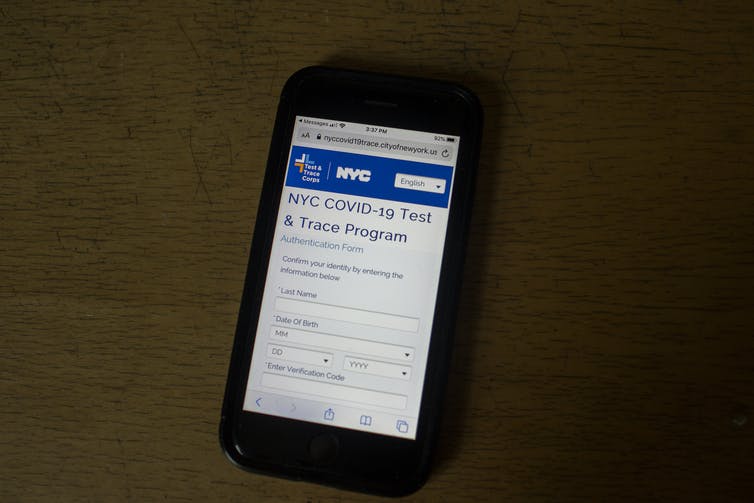
A COVID-19 patient's iPhone receives its daily contact tracing message from the city of New York.
Effective contact tracing is critical to reducing the impact of the pandemic. Andrew Lichtenstein/Corbis via Getty Images

The systems engineering imperative

Examples of this include designing and developing personal protective equipment, repairing the vulnerabilities in the food supply chain, and grappling with vaccine logistics. COVID-19 has made clear the growing interconnected, interdisciplinary and multifaceted nature of public health’s future. In partnering with public health, systems engineering can mature mindsets (systems thinking) and practices that can aid in meeting this future.

Illustrating this notion are efforts by Pinar Keskinocak, the co-founder and director of the Center for Health and Humanitarian Systems at Georgia Institute of Technology, and her colleagues. In a recent interview, Keskinocak said: “Whenever there is a complex problem, it needs serious analysis or technology and that’s where an engineer comes in. This is exactly the situation now, very complex, dynamic and uncertain. It’s difficult to understand what’s going on or make decisions just by sitting around a table and discussing. We need expertise in engineering.”

And it’s not just technical or technological concerns. Human systems integration or human factors considerations are equally central in systems engineering approaches. For example, building trust with Black Americans is vital to the success of contact tracing. Public health systems engineering could advance efforts to develop more equitable practices that could improve Black participation. An example is works that further the development of requirements elicitation techniques such as storytelling that provide a more comprehensive understanding of users and their context of use. These more inclusive practices would consider historical context and support more community-led public health design engagements.

A health worker gives a woman a COVID-19 vaccination.
COVID-19 has demonstrated the difficulties in the mass production and distribution of a vaccine. Paul Hennessy/SOPA Images/LightRocket via Getty Images

A ‘test we cannot fail’

COVID-19 has often been called a stress test for public health. COVID-19 will not be our last or worst pandemic; our emerging understanding of the public health implications of climate change further spotlights this growing need. “What is true for COVID is true for climate change,” says a recent Scientific American opinion piece. “We’re not prepared. Part of the gap is a knowledge gap: We haven’t done the needed research, and we lack critical information.”

As the future of public health is likely to become increasingly digital, the technical understanding and holistic approach offered by systems engineering will begin to fill this critical public health knowledge gap. Fortunately, efforts are emerging in meeting these needs. Emory University’s Health DesignED, the Design Institute for Health at the Dell Medical School, Vanderbilt’s Medical Innovators Development Program and recent initiatives such as those at Johns Hopkins are examples. The time is ripe for evolving the field of public health systems engineering. It is something the U.S. public health system desperately needs.

*****

Woodrow W. Winchester III, Graduate Program Director, Professional Engineering Programs, University of Maryland, Baltimore County

This article is republished from The Conversation under a Creative Commons license. Read the original article.

Header image: A worker pours dry ice into boxes containing Pfizer’s COVID-19 vaccine. Morry Gash/Pool/AFP via Getty Images

An Act of Kindness Inspires a Legacy

In 1977, Ricardo Zwaig was nine credits away from completing his degree in Spanish at UMBC. Instead of working toward graduation, he had dropped out and was working at a pharmacy near campus, trying to decide what his next move would be.

That next move came in the form of Louis Kaplan, then interim Chancellor of UMBC, walking up to the counter waiting to be rung up. Zwaig couldn’t have known at that moment that the trajectory of his life was about to irrevocably shift.

“I immediately recognized who he was and asked how things were going at UMBC,” says the Honorable Zwaig, now a judge for the District Court of Maryland in Howard County. “After learning that I had been a student at UMBC, Dr. Kaplan found it inconceivable that I was so close to graduating just to throw in the towel.”

Zwaig was a 2013 UMBC Alumni Award recipient.

Economic hardships had made it nearly impossible for Zwaig to pay for his final semester. In his mind, he was already in work mode. Just one day prior he had interviewed for a job at a lumber yard, having already completed orientation there. Whatever he needed to do next, he thought to himself, it had to produce enough money to live off.

However, speaking with Kaplan about his circumstances as a former student stirred something in Zwaig. “After some more small talk about my situation, Dr. Kaplan told me to call him if I needed help finishing school,” he remembers.

By week’s end, Zwaig was face-to-face with Kaplan’s secretary asking to see him.

Good luck, good karma, whatever you want to call it, Zwaig says, he found himself on the receiving end of generosity and good faith that set him on a whirlwind path to a remarkable career. His meeting with Kaplan instantly became the cornerstone of his time at UMBC—to which he always comes back all these decades later.

Kaplan handed over a check that covered Zwaig’s last semester’s tuition and put Zwaig in touch with a scholarship service in Baltimore. In 1981, in recognition of Kaplan’s contributions to UMBC during his tenure, the Student Government Association established the Louis L. Kaplan Scholarship Fund—an endowment that offers financial support to academically gifted students close to finishing their degrees.

“He covered my tuition, my books, everything,” says Zwaig. “I don’t know why I deserved such kindness and generosity from Dr. Kaplan, but it’s something I have never forgotten and it’s something I’ve always tried to repay in some way.”

Zwaig, along with his brother Michael Zwaig ’81, history—also a lawyer—have been key donors and vocal supporters of the Esperanza Scholarship Fund, established by a group of alumni in 2010. Awarded to full-time undergraduate or graduate students of Hispanic or Latine/x/a/o descent—or those committed to the advancement of minority students—the scholarship provides students with the kind of financial support they need to continue their studies and not feel the economic pressure of having to drop out. Since its launch, the Esperanza Fund has been awarded to 15 students.

“The scholarship may not exactly level the playing field, but it sets the stage for equitable opportunities,” says Zwaig. “It was important for me to be a part of its success after experiencing firsthand the difference someone’s generosity can make.”

Kaplan’s unexpected mentorship and financial support opened doorways for Zwaig to pursue his passion for law—a passion that was admittedly tinged with a bit of romanticism.

“I wanted to practice civil rights law,” he says with a hint of a smile in his voice.

Zwaig earned his J.D. from the University of Maryland in 1982. In 1983, he was admitted to the Maryland Bar.

Civil rights law wasn’t exactly where Zwaig ended up, but he thrived in trial work. After practicing law for 27 years, he applied for judgeship and won it in August 2010, making him the first Latino male judge in the history of the state.

“UMBC has always been positioned to produce great future leaders,” says Zwaig, and the proof is in his life’s trajectory. “My ongoing contributions to the Esperanza Fund are just a small way to ensure those leadership opportunities are just as readily available for minority students.”

Nikoletta Gjoni ’09

Esperanza Scholarship Fund
Established: 2010
Scholars Served: 15
Committee Members: Jessica Contreras ’98, Roxanna Goodwin ’01, Shivonne Laird ’99, Gustavo Matheus ’90, Joseph Morales ’00, Alfredo Santiago ’08, Michael Zwaig ’81, and Ricardo Zwaig ’77

*****

Header image: Zwaig outside the Ellicott City courthouse, by Marlayna Demond ’11.

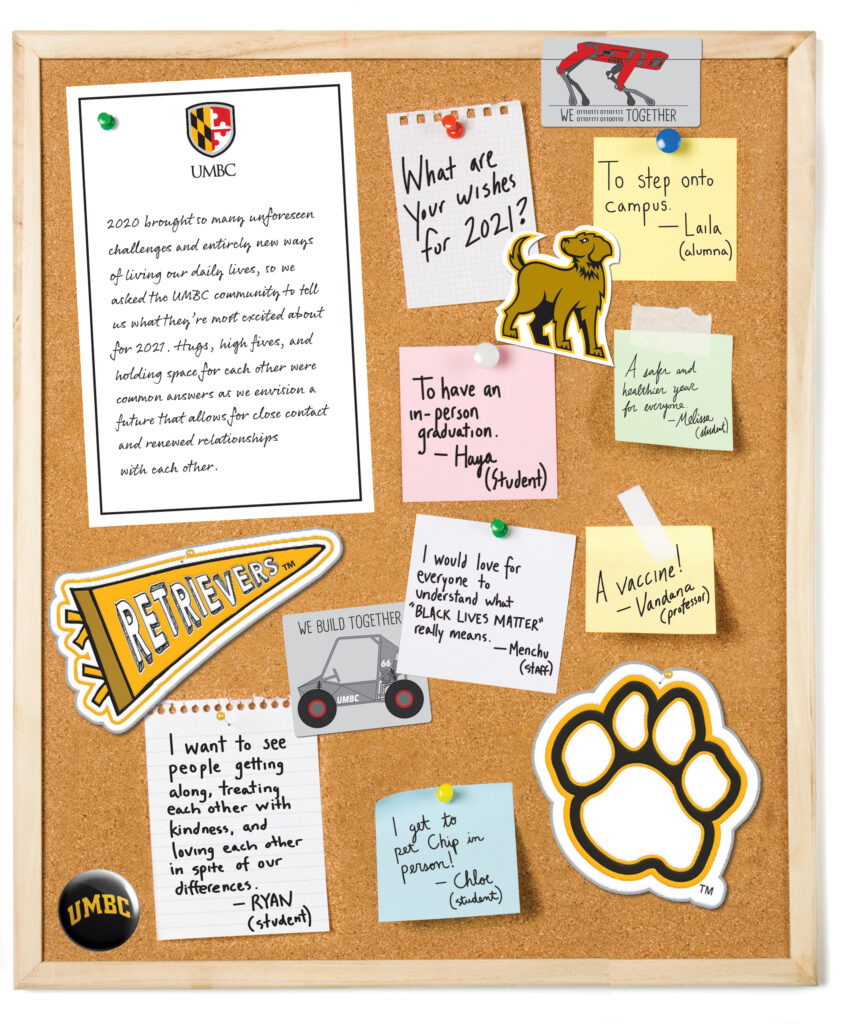
We Have 2021 Vision

We knew this before 2020, but can see even more clearly now, that Retrievers don’t shy away from hard tasks—we’re a community defined by grit. Students continue to redefine success, through scholarships and research. Faculty and staff prove again and again how adept they are when needing to navigate new online norms. Alumni give generously to students in need while many also volunteer time and resources to assist those on the front lines of the pandemic with food or PPE.

We asked the UMBC community to tell us what they wished for the coming year. We look forward to 2021 and beyond, we share a common hope, to once again be in community with one another. 

Designed by Jim Lord ’99.

*****

Header image by Marlayna Demond ’11, taken in 2019.

Goals Achieved

When UMBC women’s lacrosse coach Amy Slade received a phone call several months ago but did not recognize the number, she didn’t initially answer. Slade later called back, and it proved to be a good move. 

The caller told Slade she was one of eight people being inducted into the 2020 class of the National Lacrosse Hall of Fame. This ceremony was originally scheduled for October but has been postponed until mid-to-late 2021 due to COVID-19.

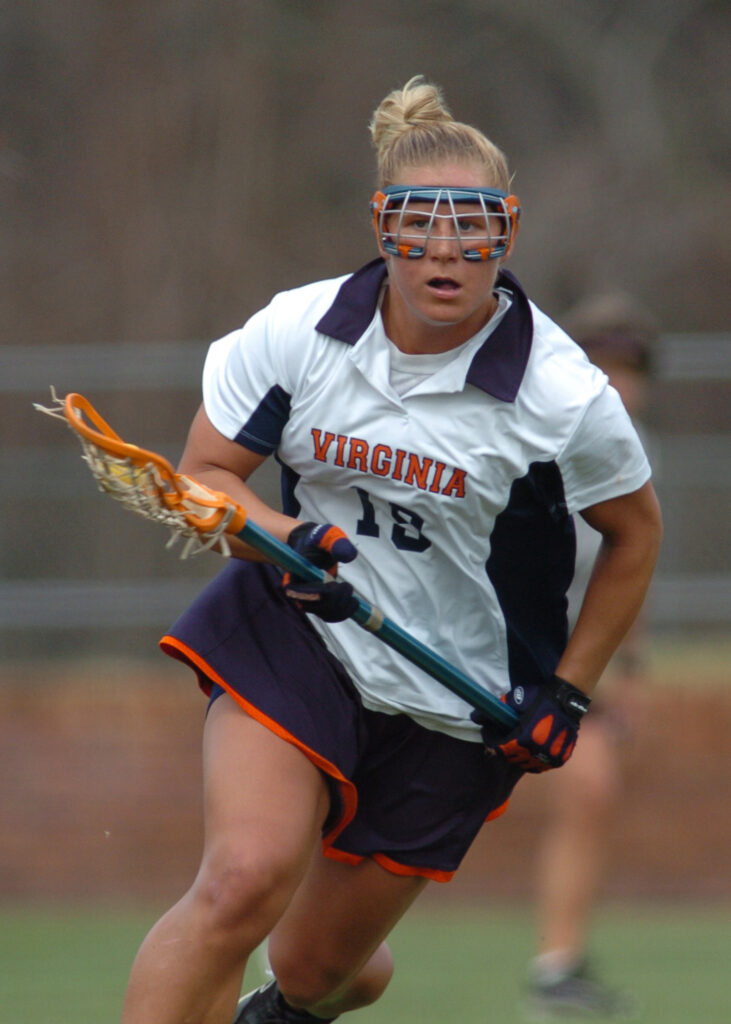
Amy Slade runs towards the camera in her University of Virginia lacrosse uniform during a game.
Slade during her time playing as a University of Virginia Cavalier. Photo provided by Amy Slade.

Slade is the fourth person—and the first woman—inducted into the Hall of Fame with Retriever ties. Former men’s lacrosse coach Don Zimmerman, player George McGeeney ’82 and contributor Dick Watts are the others.

Slade will start her 12th season as a coach for UMBC in 2021, including three years as assistant coach. She said this honor means a great deal to her. 

“In the midst of a pandemic, it was really cool to find out,” Slade said. “The fact that the lacrosse world is recognizing me…that’s a cool feeling. It feels really special to be remembered.”

Slade was already well known in the lacrosse world due to her accomplishments while an attacker at the University of Virginia. There, she captured the prestigious Tewaaraton Award—given to the nation’s top player—in 2004. Slade (then Amy Appelt) scored a Virginia-record 90 goals and 121 points as the Cavaliers captured the Atlantic Coast Conference crown and then the national championship. The ACC also picked her as the player of the year. 

Slade left Virginia with the record for goals (258), points (373) and consecutive games scored in (66). 

UMBC director of athletics Brian Barrio believes that some of the success Slade found as a player has helped her as a coach because she reached such high levels. 

“She knows the path up that mountain to being an elite athlete,” Barrio said. “She can show them that. I thought it’s important and that our athletes know. Not all of us have what it takes to get to the top of the mountain…Amy clearly does. She’s unbelievable in a lot of ways.”

Right now, Slade is focused on the 2021 season. She wants good players who also are good people, something she thinks will give the team a strong foundation. Slade feels the 2021 team will have just that.

The Retrievers graduated just one player from the 2020 team that played just six games before the pandemic shut down everything, but they are bringing in 10 new players that Slade is excited about having on the team. Although the schedule for the spring is still being determined, she is hoping this new team can make some noise in the America East.

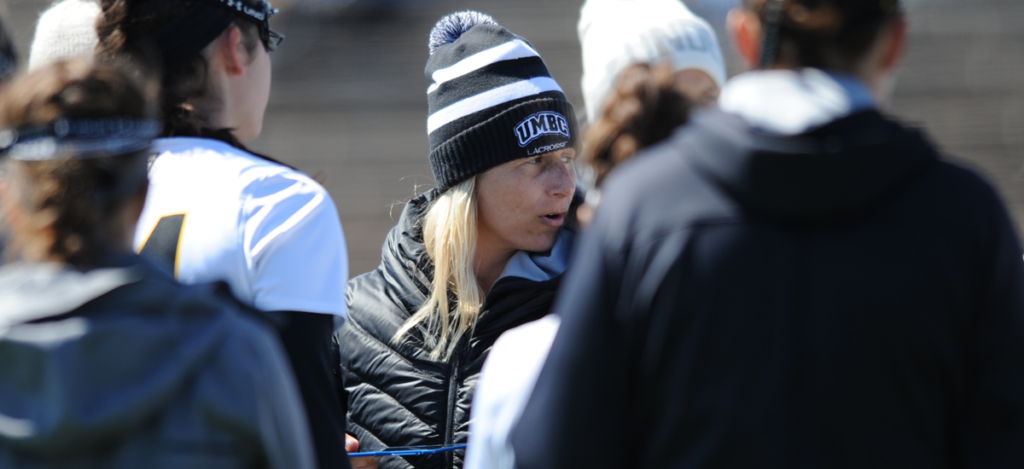
Amy Slade in a winter UMBC hat surrounded by women's lacrosse players.
UMBC women’s lacrosse coach Amy Slade received various awards, including an induction into the 2020 class of the National Lacrosse Hall of Fame.

“I’m thrilled with the types of kids we’re getting,” Slade said. “They’re fast. They’re coachable. From an ability point, the sky’s the limit for them.”

Now, Slade is glad she returned the phone call she didn’t answer, and is looking forward to the Hall of Fame induction.

“I would also like to thank UMBC for the amazing opportunity to continue my passion,” Slade said in a statement. “Six years ago, when the program was at a crossroads, the athletic department and deputy athletics director Jessica Hammond-Graf trusted in my leadership to get this program back on track. UMBC has allowed me to take my love of this game to the next level.”

Jeff Seidel ’85

*****

Header image: UMBC women’s lacrosse players huddle around Slade during a timeout. Photo by Jack Miller.

Retrievers Behind the Scenes—Adwoa Hanson-Hall

As travel has come to a standstill for many students worldwide, it’s never been quite so crucial to have someone like Adwoa Hanson-Hall on the job. In her work as an international student advisor for the Office of International Education Services (IES), Hanson-Hall knows first-hand how important it can be to have someone who knows the ins-and-outs of immigration and international travel on your side.

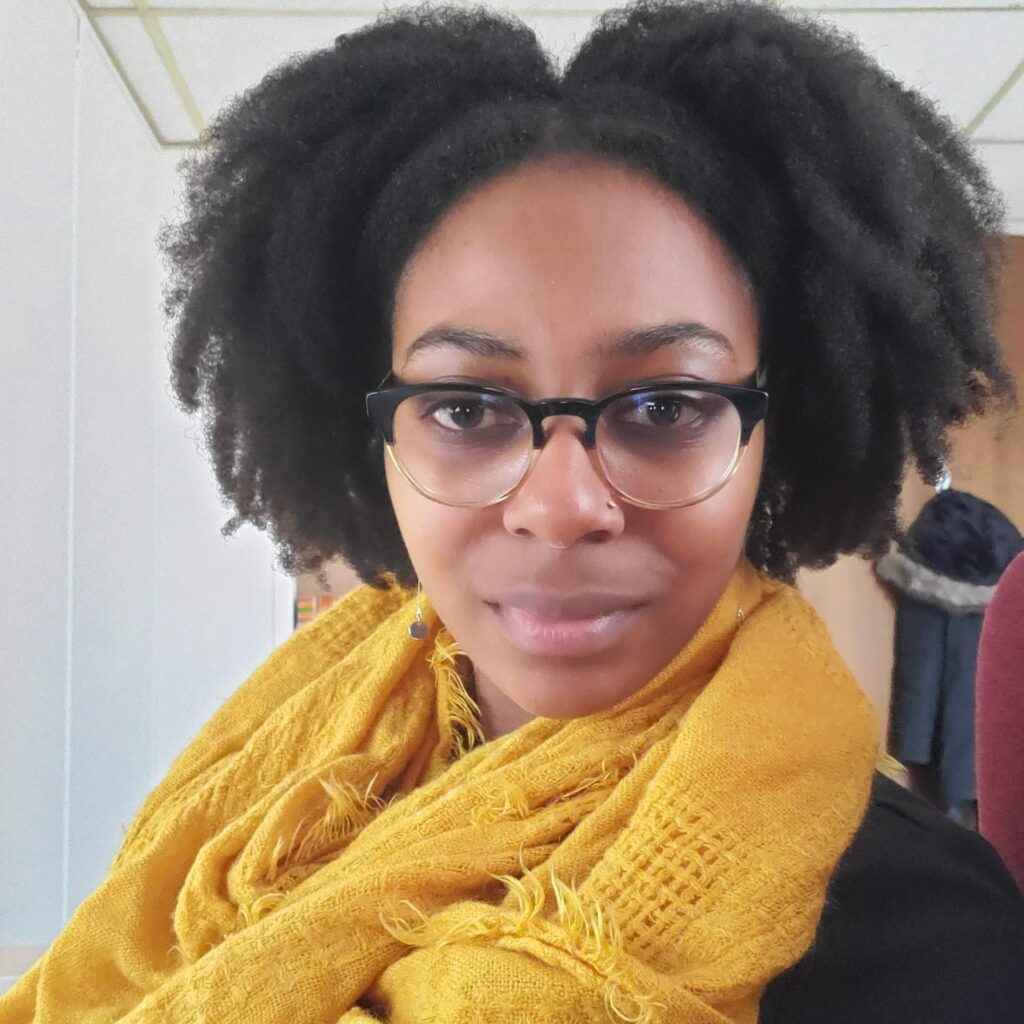
Headshot provided by Hanson-Hall.

UMBC Magazine: What is your favorite thing about the work you do at UMBC, and why? 

Adwoa Hanson-Hall: Advising international students often consists of addressing non-immigration concerns like culture shock, interpersonal relationships, and more. I immigrated to the U.S. as a child and have also studied and lived outside the U.S. before my time at UMBC. I really enjoy being able to connect with students through shared experiences to help them navigate any frustrations related to adjusting to and studying in a new culture. 

UMBC Magazine: Can you tell us a little bit about the work you do in the International Education Services office?

Hanson-Hall: Of course! I work mainly with new and current international students at UMBC. This includes immigration advising related to F-1 visa requirements, general support for our international student population regarding cultural adjustment, and outreach to newly admitted international students who are still abroad. I also coordinate our You Are Welcome Here (#YAWH) Scholarship program.

UMBC Magazine: Why do you feel that service is so important, especially now?

Hanson-Hall: As I mentioned above, moving to a new country can be very jarring. Additionally, adjusting to an academically rigorous university like UMBC while navigating cultural nuances has its challenges. Our work mitigates the stress related to following immigration rules and provides support services so our students can focus on thriving academically and personally while engaging meaningfully as part of the UMBC community. In the current climate, this support is even more necessary.  Our students are juggling academic and personal responsibilities, COVID-19-related anxiety as well as increased unpredictability regarding the state of immigration rules.

For example, a recent proposal by the Department of Homeland Security would mean a dramatic shift in the length of time a student can remain in the U.S. to complete their academic program. This is on the heels of another proposal that was struck down in July which would have barred international students from attending classes virtually and jeopardize their immigration status if their schools decided to switch to a remote learning model during COVID-19. In addition to our day-to-day advising, the outreach and education efforts of the IES office has been instrumental in keeping our students informed of their rights and responsibilities and planning next steps that impact their academic and career goals.

UMBC Magazine: What are you missing most about the office during the pandemic?

Hanson-Hall: That’s a tough one. I usually rode UMBC Transit to and from work—it was a nice time to relax or chat with other members of the UMBC community. That was also my unofficial way of keeping up with what was happening on campus outside of my work area so I do miss that a lot.

UMBC Magazine: Who would you want to thank for making a difference in your life at UMBC?

Hanson-Hall: My team! I’m thankful to have people that share my passion and commitment to our work and who also encourage me to explore professional goals and interests without sacrificing my personal life.

UMBC Magazine: What else would you like people to know about your work?

Hanson-Hall: I mentioned earlier that over the past six months international students are facing some uncertainty. In the midst of all these changes, UMBC has really rallied to support international students in our community. From President Hrabowski and the University leadership, to colleagues at the graduate and undergraduate levels, individual professors, and student organizations like the SGA and GSA, each facet of our UMBC community has shown care and concern in some way. It’s been encouraging to see this level of support from all facets of the campus community especially considering everyone is adjusting to new work and study structures during COVID-19. Thank you everyone!

*****

Header image of The Forum in 2018 by Marlayna Demond ’11.

FDA authorized first over-the-counter COVID-19 test – useful but not a game changer

By Zoë McLaren, associate professor, Public Policy UMBC

Soon, people in the U.S. will be able to pick up a rapid antigen test for COVID-19 from their local drugstore without a prescription, test themselves and process the results at home.

The Ellume COVID-19 Home Test that was granted an emergency use authorization from the Food and Drug Administration is expected to cost US$30, is easy to use and produces results within 20 minutes.

How does the test work?

The Ellume test is currently the most versatile rapid antigen test because it is authorized for testing anyone age 2 or over, whether they have symptoms or not. It is an antigen test that detects viral proteins, as opposed to the gold-standard PCR tests that detect viral genetic material.

The Ellume test includes a smartphone app that provides step-by-step instructions explaining how to take a nasal swab and place it into the small analyzer that processes the sample. The app connects to the analyzer via Bluetooth to display the test results on the user’s phone. It is also possible to transmit test results securely and anonymously to public health authorities via the app, which helps provide data to guide COVID-19 policy decisions.

How does the Ellume test compare to other rapid tests?

Independent testing by the National Institutes of Health confirmed that the Ellume COVID-19 Home Test successfully identified 96% of PCR-confirmed COVID-19 positive cases in people with symptoms and 91% of PCR-confirmed cases in people without symptoms. This is comparable to the Abbott BinaxNOW rapid test, another commonly used rapid antigen test, that reported agreement with PCR testing for 97.1% of COVID-19 positive cases with symptoms.

Health care providers have been using the Abbott BinaxNOW test for months, and it was also authorized for home use this week. However, it is less versatile than the Ellume test since the Abbot test requires a prescription and is currently only authorized for home use in people within seven days of the onset of COVID-19 symptoms.

How can this test be useful?

Widespread rapid antigen testing to slow COVID-19 transmission remains an important goal even though the FDA has already authorized a COVID-19 vaccine. At-home tests could boost testing rates by offering a quick and convenient alternative to testing at a doctor’s office or public testing site. Since the Ellume test is authorized for everyone, it should help identify COVID-19 cases in people without symptoms, which might otherwise go undetected.

Are there enough tests to make a difference?

Home-based antigen testing is one way to improve access to testing. While this test will help identify COVID-19 cases, the planned production of 20 million Ellume tests by mid-2021 still falls far short of meeting the overall need for testing in the U.S. to bring the pandemic under control. Some experts estimate that number could be as high as 14 million tests per day.

Additionally, the $30 cost of the test poses a potential barrier to widespread and frequent use. Ideally, screening tests should cost $1-$5 to achieve the high testing rates needed to control the spread of the virus. Ultimately, the FDA may need to authorize more rapid screening tests if the U.S. is to meet the demand for testing.

Even though there aren’t enough of these tests to dramatically change the testing landscape, rapid testing can still help identify contagious cases early so infected people can avoid spreading the virus. This type of easy-to-use rapid antigen testing could also be used to screen travelers entering the U.S.

It will take months for the U.S. to reach the vaccine-driven herd immunity threshold. In the meantime, rising vaccination rates and rapid antigen testing can work together to slow transmission and suppress the virus. The Ellume test is not a game changer, but every little bit helps.

*****
Header image: The new rapid test is available without a prescription, but only 20 million are set to be sold by the middle of next year. Ellume/AP

Zoë McLaren, Associate Professor of Public Policy, University of Maryland, Baltimore County

This article is republished from The Conversation under a Creative Commons license. Read the original article.

Shop Talk

One of the undeniable benefits of UMBC’s relative youth is access to founding members of the institution and other individuals who’ve played a foundational role in shaping the University. What happens when you sit down three key players in Alumni Relations and Development who span the years of UMBC from the first day to this present moment? You learn that some things haven’t changed.

When Royce Bradshaw ’70, political science, was hired in 1969 by Chancellor Albin O. Kuhn to be the first director of the not-yet-formed alumni association, he worked as an office of one. Barbara Quinn ’78, ancient studies, who took on the role of executive director of Alumni Relations in 1979, reiterates the need to wear multiple hats when working with a small staff that carries a large mandate—a mandate that grows larger with each graduating class. 

Today, under the leadership of Stanyell Odom, the director of Alumni Engagement, UMBC boasts 83,000 Retriever alumni. These three sat down in October 2020 for a socially distanced discussion of how their work has shifted over the years.

Stanyell Odom: How would you both characterize UMBC alumni? What sets them apart from students at other schools? 

Barbara Quinn: I would say that they’re extremely committed and they really believe in the institution. A lot of that has to do with Freeman because he has made UMBC into a family. Even though it’s continued to grow it still feels like the original institution it was back in the ’60s. And so people feel really committed to it and really want to see it continue to do well. 

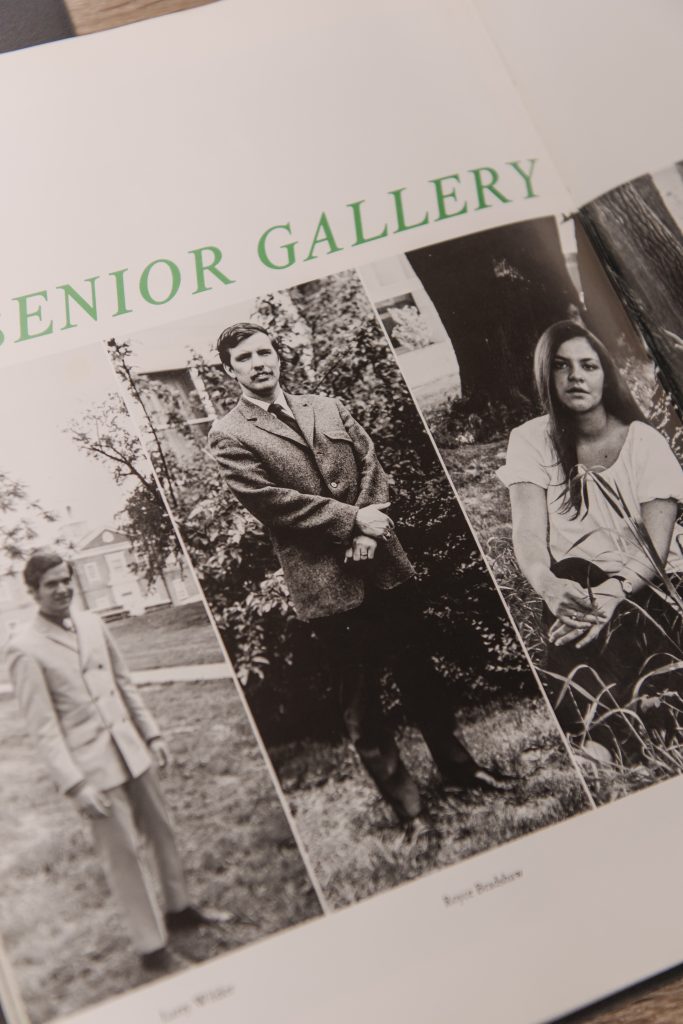
Bradshaw featured in the 1969 Skipjack, the university yearbook at the time.

Royce Bradshaw: We’re getting to be a big family. How do you make it personal at this size? To go from representing the founding class to somehow connecting with this giant population of alumni, that’s very different.

For example—Dr. Kuhn, UMBC’s chancellor at the time I graduated—he still had his farm, and during graduation, we got to nibble on strawberries from his own garden. When you have 80,000 alumni, that relationship is much different.

Odom: Barb, during your 15 years at UMBC the alumni population jumped from 5,500 to 22,000. How did you manage to keep the alumni as a whole engaged but also develop personal relationships?

Quinn: You know what, we did a lot of stuff around Athletics, because we had a good lacrosse program, a good basketball program. We also engaged the sororities and fraternities to help us. We also did special projects, like installing the statue of the Chesapeake Bay Retriever in front of the RAC.

An early project that engaged alumni is the Second Generation Scholarship, created by a committee of African American alumni to support students trying to finish their degree. We also  had an alumni board that was just really devoted, really committed to the University. 

Odom: Royce, from 1970 to 1972, you went from 240 graduates to 1,200 graduates. That’s a pretty substantial increase. And I know when I started at UMBC in 2006 we had 40,000 alumni, which has more than doubled now.

So to get to your question, Royce, about how to make it personal, I think anyone working with alumni now, that’s the constant struggle. I get the opportunity to work with alumni leaders and so my personal relationships are developed through the Second Generation Scholarship committee, the alumni board, working with your group, Royce, the Founding Four. 

It would be really helpful to get an understanding, Royce, of how you became the first, alumni director.

Bradshaw: I came to UMBC after getting out of the army with a wife and child. The Cold War GI bill passed and I decided to use it. My second child was born 10 days before UMBC opened. 

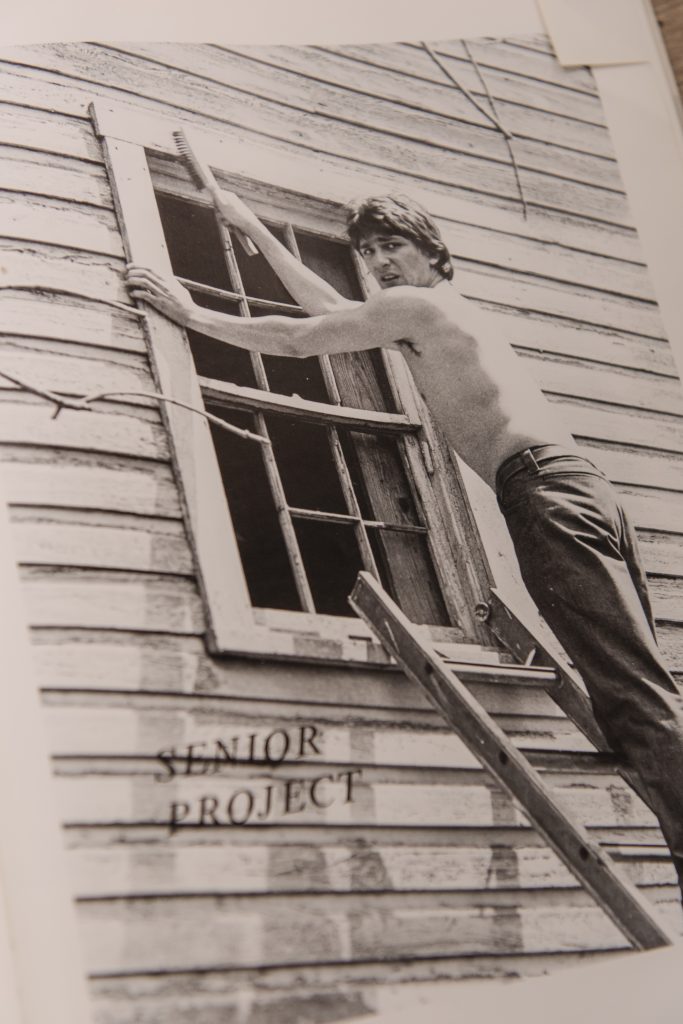
Part of the senior project included repainting local buildings.

I was very active in student government even though I was driving a taxi to support my family at the same time. I was the first student appointed to the faculty senate. I worked very closely with Dr. Kuhn. He was a guy you could call and get a meeting with the same day. I mean as a student, you know?

I was the second person to complete their degree requirements at UMBC, finishing in 1969. Chancellor Kuhn asked me to stay on at UMBC as his graduate assistant, and to begin planning for the alumni and development programs. In 1971, I became the first director of Alumni and Development, and served for one year. During my tenure I helped organize the class of 1970 gift.

Our senior class project was to write to corporations and ask them to donate to a student emergency loan fund, and in return we would do projects for them. We raised $13,000, which was no small amount of money at the time!

Odom: Barb, during your tenure as executive director of Alumni Relations what are some major ways that your office engaged alumni?

Quinn: There are actually two things. The first wasn’t a project that I particularly liked but it turned out to be a good thing—the first alumni directory. Creating something like this (and without a computer!) takes so much work. It was the first collective thing that we had with all the alumni listed in it. 

The second thing, one of my favorite projects I mentioned earlier, was the Second Generation Scholarship.

Odom: Oh, wow. We still have that in place!

Quinn: The Second Generation Scholarship requires that scholarship candidates take a course in Africana studies and demonstrate a commitment to improving the lives of minorities through community service. It was started by James Wiggins ’75, political science, and other African American alumni. It was a lot of work but it was so much fun. 

Odom: We actually think it’s one of the first, or possibly the first alumni-endowed scholarships at the University.

Quinn: It’s a huge source of pride for me. Because I know how much work went into it, and it was a really cool thing. I have to admit.

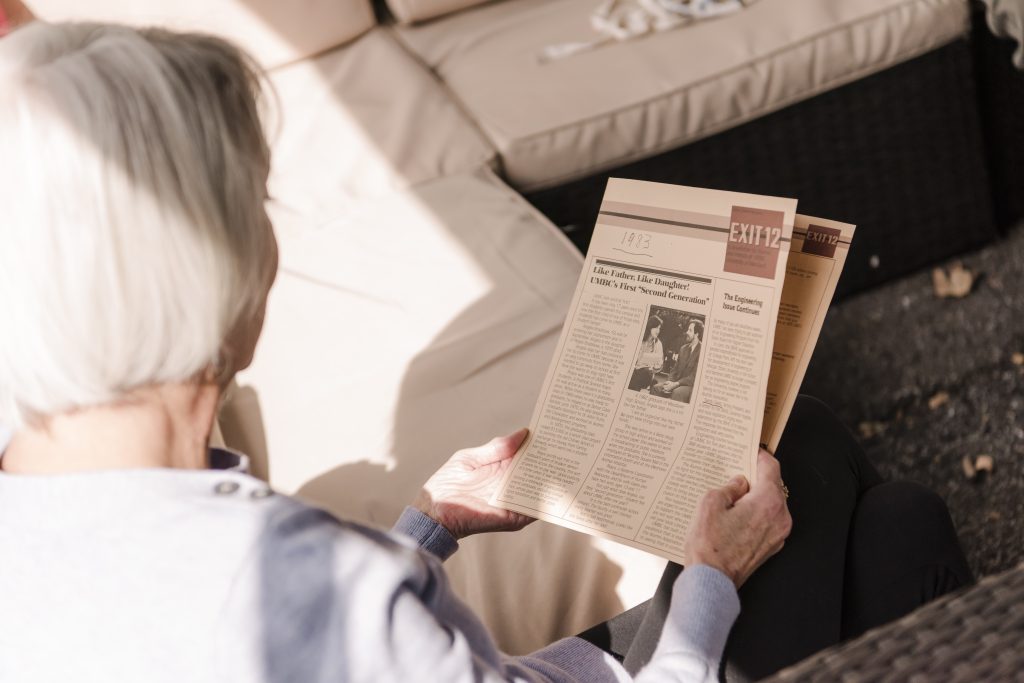
Quinn looks through documents from UMBC’s early years.

Quinn: Stanyell, while you’ve been at UMBC, what are you most proud of?

Odom: I think for me the pinnacle of my experience at UMBC was the 50th anniversary celebration. I don’t think any of us fully knew what we were in store for, but to see thousands of alumni be engaged throughout those yearlong series of events was so satisfying.

I’ll just never forget the moment when the fireworks went off and it was done and the night was over and it was like, we did this. It was such a feeling of accomplishment because I mean we put our blood, sweat, and tears into that. And through that work I got a better relationship and a strategic partnership with the alumni board and the association.

I know that when I think about how we characterize our alumni, I see their immense pride of really being part of the school’s story. I’ve been here to see the prominence and the reputation of the University continue to evolve. It’s not that we’re without our problems—we certainly have our challenges—but I think that the way we approach problem-solving as a community, it feels really good, and I think alums have become accustomed to being a part of that.

The Second Generation committee continues to illustrate this, and our Alumni Association Board of Directors is also a perfect example. They award annual scholarships to students, and they wanted to double their endowment to $200,000 by 2020. Five years ago the endowment was at $100,000. Before the campaign ended they actually had $225,000. And so I think it’s a good example of alumni also taking the lead and saying, “No, we want to help with this fundraising. It doesn’t have to all be UMBC. Here’s what we want to do.” And that’s been really great.

Barb, doesn’t it feel good to know that things that were in place when you were here that they’re still moving forward?

Quinn: It feels like it’s coming full circle.

Odom: I think that we’re ready for the next big thing.

*****

Header image: Quinn, Bradshaw, and Odom sit outside OCA Mocha in Arbutus for a socially-distant discussion. All photos by Marlayna Demond ’11.

Virgin births from parthenogenesis: How females from some species can reproduce without males

By Mercedes Burns, assistant professor, Biological Sciences, UMBC

An Asian water dragon hatched from an egg at the Smithsonian National Zoo, and her keepers were shocked. Why? Her mother had never been with a male water dragon. Through genetic testing, zoo scientists discovered the newly hatched female, born on Aug. 24, 2016, had been produced through a reproductive mode called parthenogenesis.

Parthenogenesis is a Greek word meaning “virgin creation,” but specifically refers to female asexual reproduction. While many people may assume this behavior is the domain of science fiction or religious texts, parthenogenesis is surprisingly common throughout the tree of life and is found in a variety of organisms, including plants, insects, fish, reptiles and even birds. Because mammals, including human beings, require certain genes to come from sperm, mammals are incapable of parthenogenesis.

Creating offspring without sperm

Sexual reproduction involves a female and a male, each contributing genetic material in the form of eggs or sperm, to create a unique offspring. The vast majority of animal species reproduce sexually, but females of some species are able to produce eggs containing all the genetic material required for reproduction.

A microscopic view of a translucent water flea show four round eggs inside.
A female freshwater water flea (Daphnia magna) carrying parthenogenetic eggs. buccaneership/iStock via Getty Images Plus

Females of these species, which include some wasps, crustaceans and lizards, reproduce only through parthenogenesis and are called obligate parthenogens.

A larger number of species experience spontaneous parthenogenesis, best documented in animals kept in zoo settings, like the Asian water dragon at the National Zoo or a blacktip shark at the Virginia Aquarium. Spontaneous parthenogens typically reproduce sexually, but may have occasional cycles that produce developmentally ready eggs.

Scientists have learned spontaneous parthenogenesis may be a heritable trait, meaning females that suddenly experience parthenogenesis might be more likely to have daughters that can do the same.

How can females fertilize their own eggs?

For parthenogenesis to happen, a chain of cellular events must successfully unfold. First, females must be able to create egg cells (oogenesis) without stimulation from sperm or mating. Second, the eggs produced by females need to begin to develop on their own, forming an early stage embryo. Finally, the eggs must successfully hatch.

Each step of this process can easily fail, particularly step two, which requires the chromosomes of DNA inside the egg to double, ensuring a full complement of genes for the developing offspring. Alternatively, the egg can be “faux fertilized” by leftover cells from the egg production process known as polar bodies. Whichever method kicks off the development of the embryo will ultimately determine the level of genetic similarity between the mother and her offspring.

The events that trigger parthenogenesis are not fully understood, but appear to include environmental change. In species that are capable of both sexual reproduction and parthenogenesis, such as aphids, stressors like crowding and predation may cause females to switch from parthenogenesis to sexual reproduction, but not the other way around. In at least one type of freshwater plankton, high salinity appears to cause the switch.

Advantages of self-reproduction

Though spontaneous parthenogenesis appears to be rare, it does provide some benefits to the female who can achieve it. In some cases, it can allow females to generate their own mating partners.

The sex of parthenogenetic offspring is determined by the same method sex is determined in the species itself. For organisms where sex is determined by chromosomes, like the XX female and XY male chromosomes in some insects, fish and reptiles, a parthenogenetic female can produce offspring only with the sex chromosomes she has at hand – which means she will always produce XX female offspring. But for organisms where females have ZW sex chromosomes (such as in snakes and birds), all living offspring produced will either be ZZ, and therefore male, or much more rarely, WW, and female.

Between 1997 and 1999, a checkered gartersnake kept at the Phoenix Zoo gave birth to two male offspring that ultimately survived to adulthood. If a female mated with her parthenogenetically produced son, it would constitute inbreeding. While inbreeding can result in a host of genetic problems, from an evolutionary perspective it’s better than having no offspring at all. The ability of females to produce male offspring through parthenogenesis also suggests that asexual reproduction in nature may be more common than scientists ever realized before.

Biologists have observed, over long periods of time, that species that are obligate parthenogens frequently die out from disease, parasitism or changes in habitat. The inbreeding inherent in parthenogenetic species appears to contribute to their short evolutionary timelines.

Current research on parthenogenesis seeks to understand why some species are capable of both sex and parthenogenesis, and whether occasional sexual reproduction might be enough for a species to survive.

*****

Mercedes Burns, Assistant Professor of Biological Sciences, University of Maryland, Baltimore County

This article is republished from The Conversation under a Creative Commons license. Read the original article.