




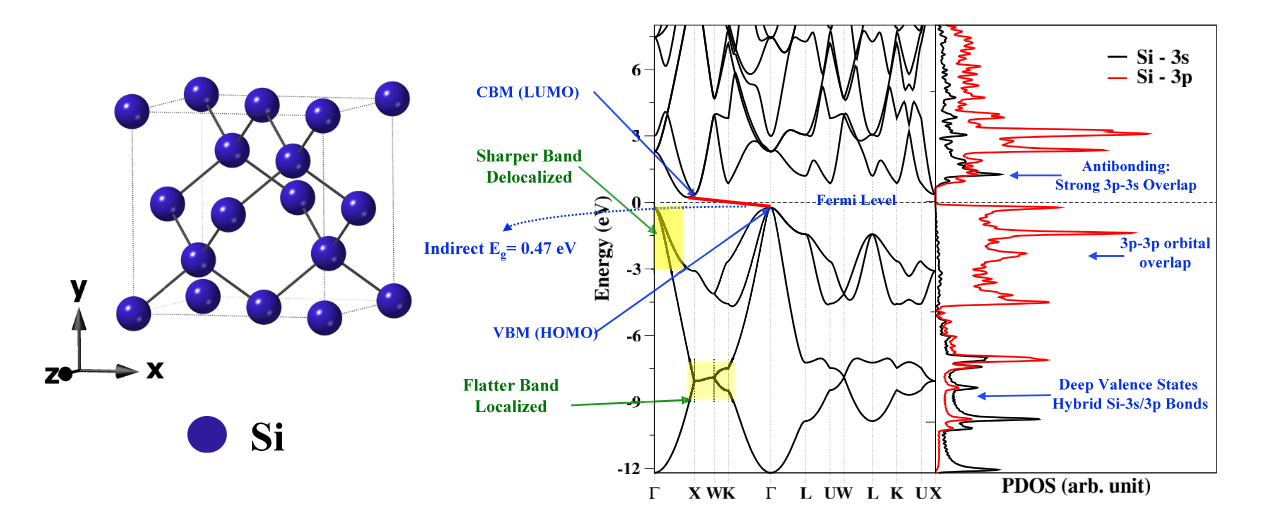
Joseph Bennett, assistant professor of chemistry and biochemistry, and Mona Layegh, Ph.D. ’25, chemistry, know how hard it can be to teach density functional theory (DFT) to undergraduates. DFT is a computational method for predicting a substances’ properties at the quantum level, such as how they conduct electricity or react with other compounds. Despite its complexity, DFT is a foundational technique that underpins research in fields like renewable energy, pharmaceuticals, and nanotechnology, so it’s critical that students understand it and know how to apply it.
To address the challenge of teaching DFT well, Bennett and Layegh coauthored a tutorial on teaching the technique, which was published in the Journal of Chemical Education. Their paper was the first ever published in the journal’s brand new Tutorial section, which was inspired by their submission and a need to develop more training tools.
The tutorial, refined over five years of training UMBC students in DFT, is paired with open-source resources on GitHub, including ready-to-use files and visualizations. These allow instructors at community colleges or in areas with limited internet to teach the concepts even without advanced computers.
“If you can erase some of the hurdles to make DFT a little bit more accessible, more students can get into it,” Bennett says.
In sharing these teaching tools, UMBC is leveling the playing field, making it possible for students in all kinds of learning environments to master this core technique. As a result, they’ll be better prepared for careers in growing industries like technology and healthcare, where they may go on to design better batteries, solar panels, life-saving drugs, and more.


