All posts by: Magazine Editor


Pictures From Providence – Sharon Knecht ’99 and ’03 M.A., history

knechtMost members of the UMBC community who drive between the university’s main campus and its south campus don’t know that they’re passing a bit of Baltimore’s cultural and religious history along the way. Tucked on a hill near south campus is the motherhouse of the Oblate Sisters of Providence – a Catholic religious community founded in the United States by women of African descent.

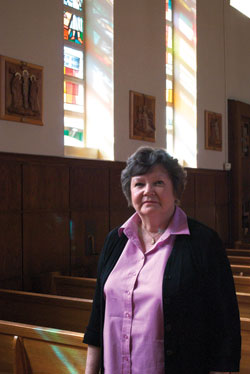
During her studies at UMBC, Sharon Knecht ’99 and ’03 M.A., history, became involved in helping the Oblates tell their uniquely American story. In the following essay, Knecht shares her experience as an archivist with the order:

Members of the Oblate Sisters of Providence (OSP) have lived in the Baltimore suburbs surrounding UMBC since the 1930s, decades before the university itself arrived on the scene. As a longtime resident, I knew that this order of women religious of African descent existed here. I would see them from time to time— in the local shops or in the post office—and wonder about them.

Eight years ago, however, I was led, through God’s providence, to become part of the OSP’s extended family. The master of arts degree in historical studies at UMBC requires students to complete two internships. Among the possibilities offered to me for an internship was working in the archives of the Oblate Sisters of Providence—and the chance to satisfy my curiosity about these nuns.

I called the order’s archivist, Sr. Reginald Gerdes, OSP, and applied for the post. Her acceptance of my application in 2002 commenced an amazing journey which continues to this day.

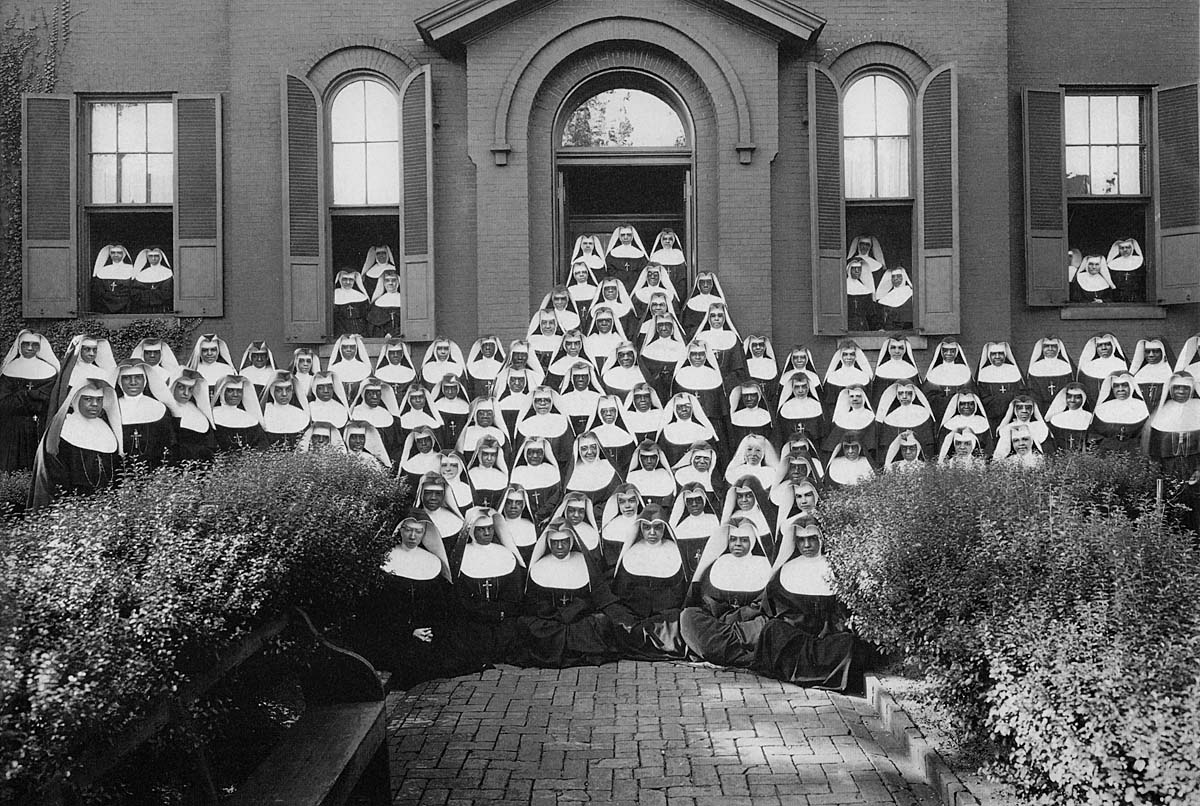
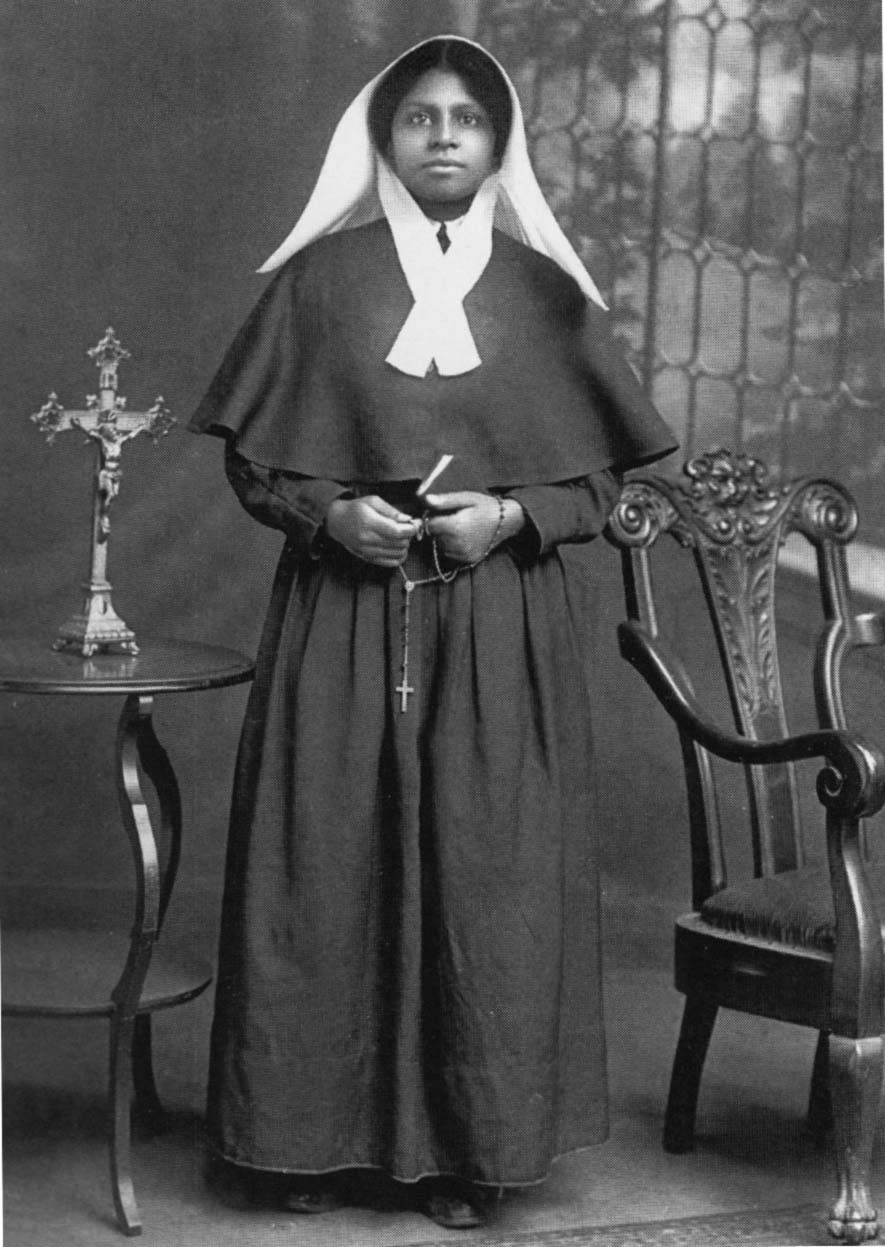
The order of the Oblate Sisters of Providence is the oldest order of women religious of African descent in the world. Father James Joubert, a French-born Sulpician priest, and Mother Mary Lange, a West Indies immigrant, created the new group in 1829 in Baltimore with a mandate to teach and care for African-American children. The Oblates opened their first school, St. Frances Academy, in 1828, and it is the oldest continuously operating black Catholic school in the United States.

From this humble beginning, the Oblate Sisters of Providence grew into a community of over 350 sisters who served in the order’s missions in eighteen states, several Caribbean countries and Nigeria. Over the past 180 years the order’s members have served their communities by creating and maintaining schools and orphanages and providing other social services. The archives of the order are located at the Oblate Sisters’ motherhouse, which is adjacent to UMBC’s South Campus. It is a repository for a variety of invaluable historical materials about the Roman Catholic Church in the United States: organizational records, Catholic African-American periodicals and newspapers and over 600 rare books dating from the late 1600s to the 1840s. The collection also includes a variety of materials detailing the Oblates’ activities in their missions throughout the United States, Central America and Cuba. These manuscripts have been useful to a variety of academic, religious and local history scholars, as well as genealogists and students.

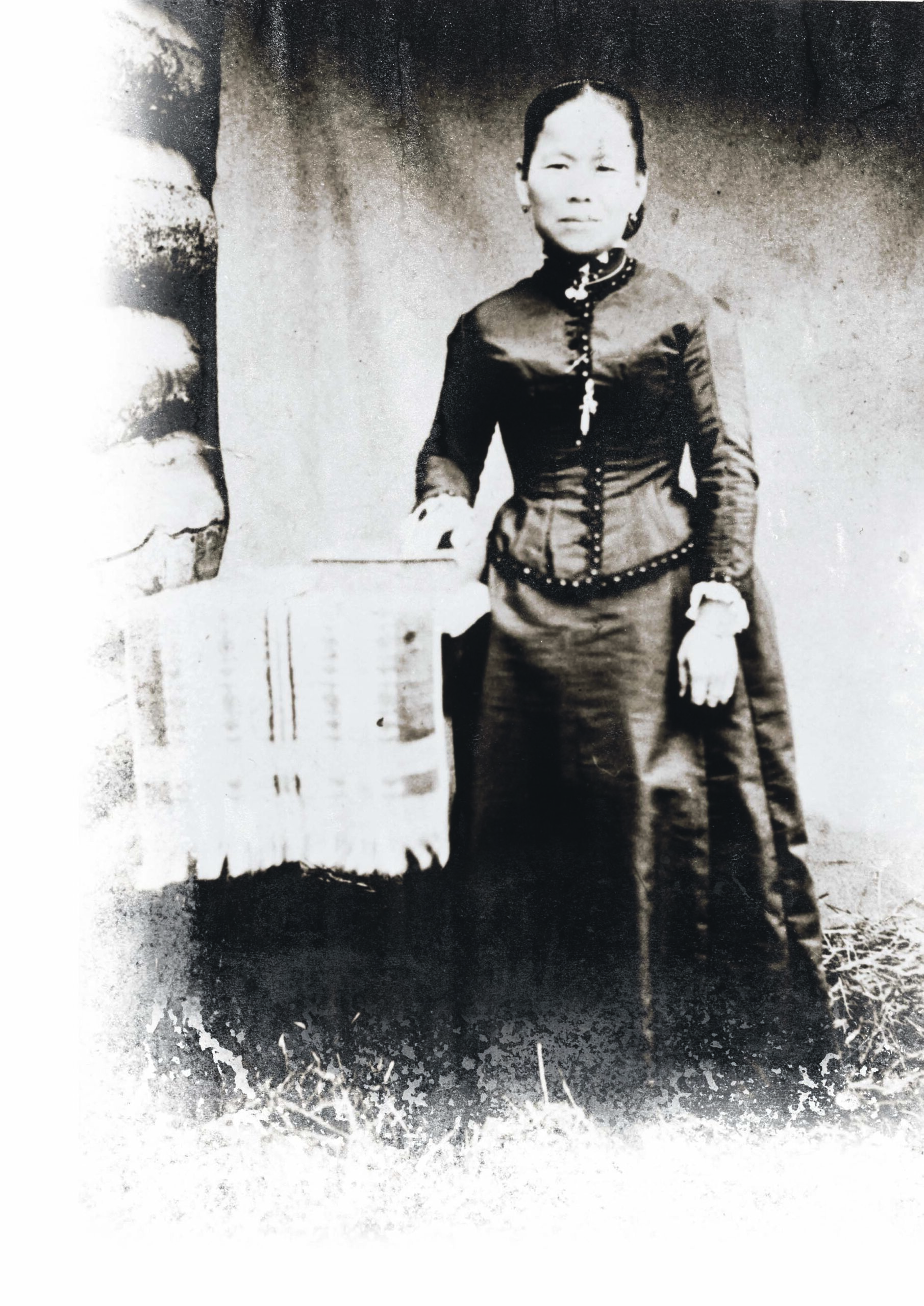
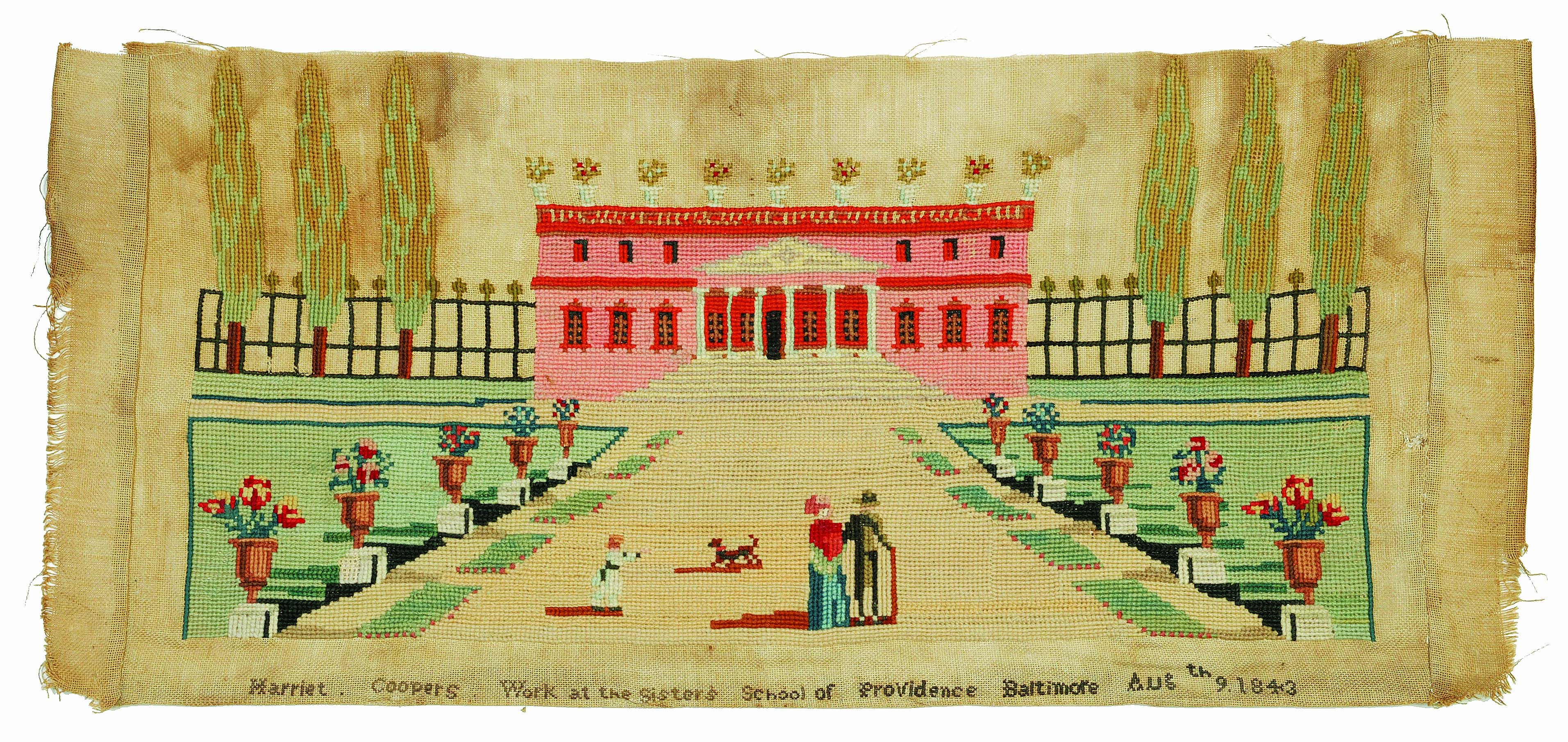
Taken together, the collection is an amazing treasure trove. But two elements of it grabbed my attention from my first days working in the archives. The first is an extensive collection of 19th and 20th century photographs that document the lives and labor of African-Americans. The second is an impressive collection of eight 19th century needlework samplers created by African American schoolgirls.

The conservation and preservation of both collections became my highest priority. In 2003, I began writing grant proposals to the National Publications and Records Commission to request funding to create an electronic finding aid and a searchable database of archival images. I also pursued and won permission from the Oblate Council to assemble a book to tell the order’s story using photographs from the collection. With preliminary funding from actor Bill Cosby and his wife, Camille, I selected 250 images and secured a publisher for Oblate Sisters of Providence: A Pictorial History, which was published in 2007 and is close to selling out its second printing.

Saving the eight schoolgirl samplers for future generations was also a priority. Through generous donations from needlework guild and private donors, all the samplers are stabilized, encased in archival cartons, and stored in climate-and-humidity-controlled conditions.

My relationship with the Oblates has continued long past my internship, and has blossomed into a career and a vocation. My work at the motherhouse includes helping the Oblate sisters with their computers and marketing items on the community’s website.

Over the years, the number of sisters in the order has dwindled to 75 women. But though their numbers are diminished, the members of the Oblate community’s faith, and strength, and determination to do the will of God have not faltered.

When the recent financial crisis interrupted construction of a new addition on the motherhouse property to house the elderly and infirm sisters, the Oblates moved forward and found new and different ways to support their needs and serve their community.

If the history contained in the archives where I work every day tells us anything, it is that struggles and challenges are not new to the Oblates. That same history also reveals that hard work and a belief in God’s providence can see the order through this crisis as it has so many times before in the Oblates’ 180 years of caring and service.

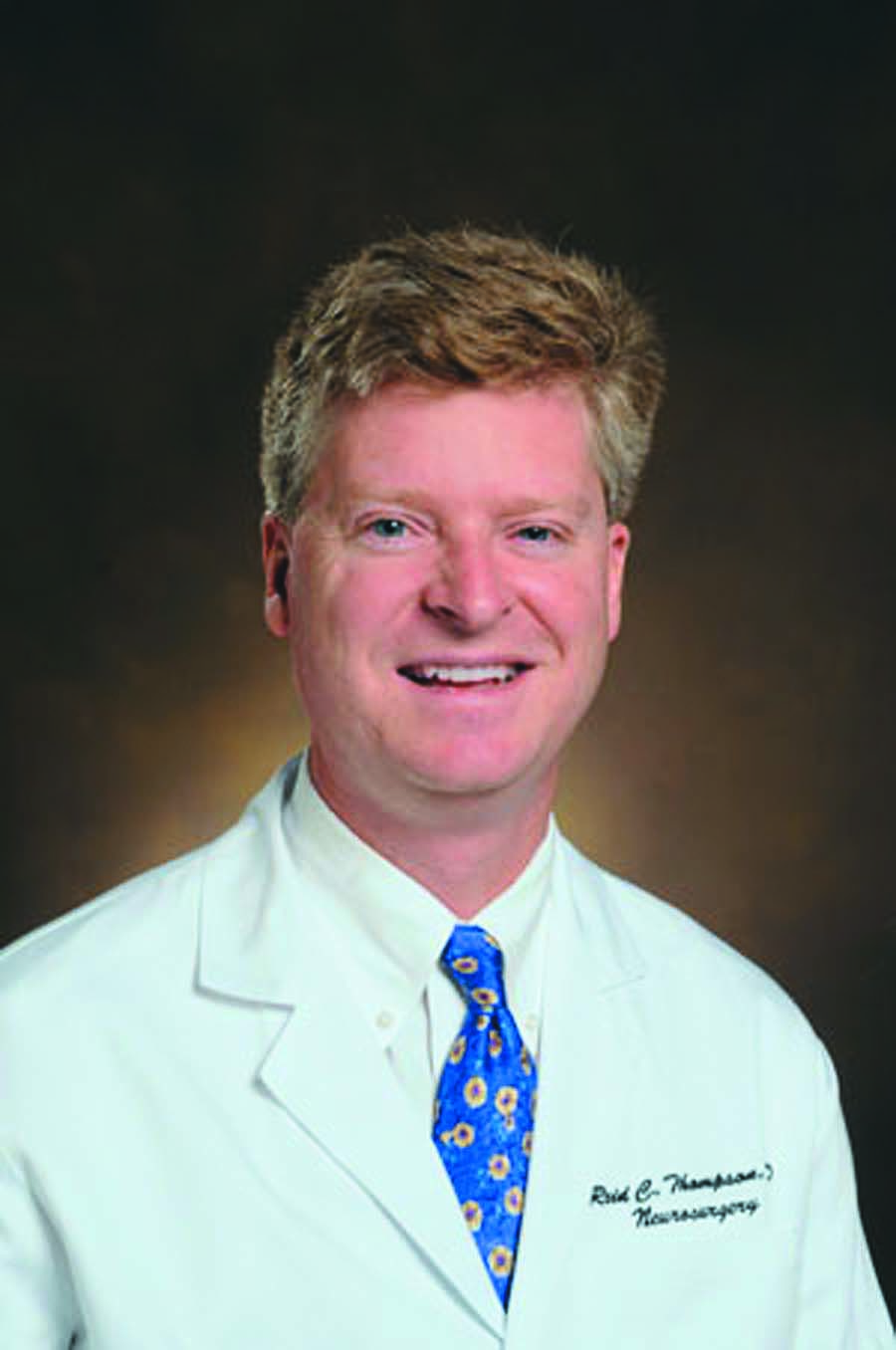
The Matter of Mind – Reid Thompson ’85, biological sciences

When Reid Thompson ’85, biological sciences, was named chairman of Vanderbilt University’s Department of Neurological Surgery this past fall, it was yet another big step forward on a road that began at UMBC.

The recipient of the Outstanding Alumnus in Natural and Mathematical Sciences in 2008, Thompson credits UMBC with giving him a wide-ranging store of knowledge that has helped to shape him as a surgeon, a researcher and an administrator.

“One of the things I learned at UMBC was a different way of looking at the world,” says Thompson. “A broad way of looking at the world that comes from liberal education.” Thompson’s encounters with the broader world began before UMBC. He came to university from Deerfield Academy, a New England prep school, and he had spent a good amount of time in his teenage years in Indonesia and elsewhere in Asia, where his father was working as a plant geneticist.

He was planning on attending Emory University when his parents – who had relocated to Maryland – asked him to consider a school closer to home. UMBC’s fledgling Honors Program – now the Honors College – was one attraction. But it was a prominent reminder of Indonesia in the form of UMBC’s Gamelan Angklung – an ensemble that played traditional Indonesian music – that really sealed the deal.

“I told Honors Program assistant director Barbara Ireland that I’d spent time in Indonesia,” says Thompson, “and she said that there was a really interesting guy at UMBC named Mantel Hood, who ran the ethnomusicology program. And Mantel had been the first person to bring the Indonesian Gamelan to this country – first at UCLA and then at UMBC. It was one of the only Indonesian Gamelans in the country. At UMBC. I had studied Gamelan in Indonesia, so it seemed like the stars were aligning.”

Thompson recalls that he was a student with a taste for philosophy and literature as well as biology. UMBC and the Honors Program also gave him early chances to acquire leadership skills as the student representative on curricular committees, where he remembers that campus leaders were eager to hear student points of view. “I remember sitting around a table with department chairs,” says Thompson, “and saying to myself: ‘They actually care what I think.’”

But it was the study of the human brain that most fascinated Thompson as an undergraduate. And when he finally settled on pursuing that study via a career in medicine, Honors Program assistant director Barbara Ireland (whom Thompson cites as a key mentor) arranged for Thompson to work in The Johns Hopkins University laboratory of one of America’s leading neuroscientists, Joseph T. Coyle, who eventually left Hopkins to become Eben S. Draper Chair of Psychiatry and Neuroscience at Harvard Medical School. An undergraduate’s path to a career as a neurosurgeon began to open up.

The lure of neurosurgery, says Thompson, is the chance to work closely with the brain itself on a daily basis. “To be in an operating room and see the human brain is an unforgettable thing the first time you see it,” Thompson recalls. “As a neurosurgeon, every day I get to see the brain. Neurosurgeons get to feel the human brain, and marvel at it.”

Thompson took his medical degree from Hopkins in 1989. In his career, Thompson has excelled as a surgeon, a researcher, and an administrator. An expert in surgical treatments for patients with complex brain and spinal cord tumors, Thompson was recruited to Vanderbilt by George S. Allen, chairman of the university’s neurological surgery department, to become both vice chairman of the university’s neurological surgery department and the head of its Brain Tumor Center. When Allen retired late last year, Thompson was promoted to chairman of the department.

Thompson admits that juggling surgery, research and administration is not always the easiest of tasks. “For a surgeon,” he says, “there’s always a gravitational pull to the operating room.”

But his opportunities to develop as a researcher and an academic leader have led him to discover that “I can see a larger picture. I’m seeing what it means to have your imprint on a department, and on a new generation of neurosurgeons.”

Thompson insists that his experiences at UMBC – the study of liberal arts as well as sciences – have also influenced his view of what’s needed to excel as a neurosurgeon. “You need to master a certain technical level of skill to do what we do,” he says. “But I think there’s more to it than that. There’s talking to patients about what could be potentially a fatal diagnosis. Caring for patients in a meaningful way requires more than technical skill.”

— Richard Byrne ’86

Past UMBC Alumni Award Winners

Distinguished Alumna/us of the Year Award

Established in 1988, the Distinguished Alumna/us Award was presented to an alumna/us who has achieved national recognition for excellence in his/her profession or field of endeavor.   This award was presented until 2003. Past recipients were:

2003:    Diane L. Bell-McKoy ’73
2002:    Ram S. Mohan ’92
2001:    Richard Chisolm ’82 and William Whiteford ’80
2000:    Dr. Tayebeh Pourmotabbed ’86
1999:    Robert G. Seasonwein, Esq. ’71
1998:    Charles L. Bevins, M.D., Ph.D. ’76 & ’86
1997:    Dr. Charles A. Taylor, ’73
1996:    Dr. Richard Lytel ’75, Dr. Lauren A. Schnaper ’71 and Peggy Southerland ’75
1995:    Dr. Jo Ann E. Argersinger ’74
1994:    Dr. Blair Grubb ’76
1993:    Ruth Williamson ’77
1992:    Dr. Stephen Vicchio ’73
1991:    Dr. Rita Berndt ’71
1990:    Dr. Paula Grabowski ’76
1989:    Dr. Robin West ’76
1988:    Dr. Winston Griner ’74

Outstanding Alumna/us Award

Established in 1991, the Outstanding Alumna/us Award was presented to an alumna/us who received recognition for the contributions s/he had made to his/her profession or community, and for the individual’s volunteer participation and advancement of UMBC.   This award was presented until 2003. Past recipients were:

2003:    The Honorable Adrienne A. Jones ’76
2002:    Paul W. Behrens ’80 and ’83
2001:    Karen Johnson ’85
2000:    Jennifer Anne Cooper ’94
1999:    Roosevelt Hairston, Jr., Esq. ’87
1998:    George Thomas Grace, M.D. ’77
1997:    Richard S. Foster ’73 and Richard Moreland ’83
1996:    W. Jack Mullen ’72 and Kimberly Joseph ’83
1995:    Dr. Scott M. Rifkin ’81
1994:    Nathan Chapman, Jr. ’80
1993:    The Honorable Dana Levitz ’70
1992:    The Honorable David Young ’74
1991:    The Honorable Lawrence LaMotte ’71

Alumni Community Leadership Award

Established in 1994, the Alumni Community Leadership Award recognized an alumna/us who had demonstrated, through dedicated service and leadership, including voluntary service beyond employment, a commitment to strengthening the community and creating positive change for society. This award was presented until 2003. Past recipients were:

2003:    Emily A. Byrne ’70
2002:    Elsa T. Collins ’95
2001:    Gary M. Brooks ’79
2000:    Cheryl Burke-Schwarz, D.V.M. ’82
1999:    James P.M. Atsaides, Ph.D. ’71
1998:    Anita Maddox Jackson ’80 and Karin Wagner Walker, M.Div., D.Min. ’85
1997:    Jack B. Neil ’77
1996:    The Honorable Thomas H. Dewberry ’73
1995:    Dr. Michael L. Zollicoffer ’80
1994:    Bobby Richardson ’89

UMBC Volunteer(s) of the Year

This award was presented until 2003. Past recipients were:

2003:    Robert A. Baruch ’89
2002:    Michael A. Rowe ’78 and C. Emmerson Small, II ’74
2001:    Scott E. Weber ’85
2000:    Jack Suess ’81
1999:    Maureen McCormick ’91
1998:    Diana Fertsch, M.D., Ph.D. ’82 and Stephen Rice ’79
1997:    Robert Dietrich ’70 and Mary “Mimi” Haw Dietrich ’70
1996:    Lori Smith-Watson ’85 and Yvette Mozie-Ross ’88
1995:    William Glover ’90
1994:    Michele Hayes ’85
1993:    James Andercyk ’88 and Jose Barata ’79
1992:    Tyrone Bullock, Sr. ’84
1991:    Edward Hodges ’82
1990:    Sandra Geest ’72, Mary Beth Schoch Engelbride ’84 and James L. Wiggins ’75

Learn more about Alumni Award winners.

A Natural Progression: Rithy Chhay '02

Only four short years have passed since Rithy Chhay graduated from UMBC, but he is already on the fast track to success.
At just 26 years old, the computer science grad is a senior software engineer with Red Arch Solutions, a software and systems engineering firm in Columbia, Md. He’s a young husband, as well, and one of the core members of the recently re-energized Chapter of Young Alumni steering committee.
Then again, Chhay has been ahead of the game for most of his life, as least where computer science is concerned.
“I started writing my own computer programs when I was in middle school,” he explains, adding that he took several computer science classes in high school, including an Advanced Placement course. He describes his choice to continue studying computer science in college as “a natural progression.”
Chhay decided to pursue his studies at UMBC for several reasons. He liked the location, which was close to his family, and the cost was reasonable, especially with the merit scholarship he earned. Chhay’s decision was also influenced by his brother, Sinath Chhay, who graduated from UMBC in 1996. “He always spoke highly of the school,” Chhay says.
Chhay was invested in the UMBC community from day one. “I was actively involved with Greek life and Residential Life,” he explains, adding, “I worked as part of the desk staff for Potomac Hall and I was a resident assistant for two years in Erickson Hall.” He was also a member of the Lambda Chi Alpha fraternity, giving him a close-knit group of friends with whom he still keeps in touch.
By combining what he learned in the classroom with the life skills he gained through leadership activities, Chhay had a solid foundation of lessons to take with him to the working world.
“Interpersonal relationship skills, teambuilding, problem solving, and time management – all of those things on top of what I learned from my coursework enabled me to be where I am today,” he says.
Chhay credits his calculus II class with Dr. Jagmohan Kapoor as being a particular turning point in his life. “I began to realize what my potential could be and what I could achieve if I really worked hard for what I wanted,” he explains. Dr. Kapoor’s class was important to Chhay’s future for another reason as well – it’s where he met his future wife, the former Lauren Boudra ’03, biochemistry and molecular biology.
Now that he’s out in the “real world,” Chhay has to use his multitasking skills even more than he did in college. He is currently balancing a career, a new marriage, and continuing his education. A computer science master’s candidate at UMBC, Chhay admits, “I’d be lying if I said balancing life, work and school was a walk in the park.”
In addition, Chhay’s involvement in the 15-member C-YA steering committee allows him to give back to the university that gave him his start. As a member of a group that is focusing on educational programming, he has been helping to organize upcoming Etiquette & Networking Dinner at the Brass Elephant, as well as a seminar on how to buy a home.
For Chhay, transitioning to the real world hasn’t been too difficult. “Life after college is definitely different,” he says, “but I always looked at college as my job.” With such a strong work ethic and positive attitude, Chhay is sure to be successful for years to come.
– Jennifer Matthews ’07
Originally posted August 2006

A Healthy Balance: Stephanie Hill '86

Stephanie Cole Hill ’86 sometimes feels like a woman in a man’s world.
Most of the other executives at Lockheed Martin Corporation, a major engineering firm which earns most of its income from contracts with the U.S. military, are men. Hill began to face feeling like “the only one in the room” early in her computer science career, a feeling she still experiences sometimes. However, she learned not to let that feeling get her down.
“I have learned that you have a choice. You can allow others’ perceptions to define you, or you can decide to define their perception and be a pathfinder,” she said. “Although some may still wonder initially if I have what it takes to make it, working hard and performing with excellence and professionalism at all times quickly answers their question, and I get to define their view in a very positive way.”
A Turning Point
As an undergraduate at UMBC, Hill originally planned to major in economics and become an accountant. However, she became interested in computer science after taking a programming class and decided to double major in economics and computer science. During her sophomore year, Hill interned at the U.S. Department of Labor, applying her computer science knowledge to the real world. It was a turning point in her education.
“I realized at that point that all of the things that I was learning in school would be applied as I entered the workforce as a professional,” she explained. “Although I was always a conscientious student, this experience reinforced the importance of the subject matter being taught and I was more invigorated to learn.”
Putting Knowledge to Work
After graduating in 1986, Hill quickly moved up in the corporate world. She currently works as a program director and site general manager at Lockheed, where she oversees 600 employees specializing in engineering, finance, business development and production and is responsible for business growth, program execution, community involvement, and site morale.
She credits UMBC with teaching her several important lessons that helped her to get to where she is today, from the necessity of working hard to the importance of teamwork.
“The variety of classes that I was fortunate enough to take also helped me to be better rounded and able to function in the corporate environment,” she added.
Lessons in Diversity
Additionally, UMBC taught her important lessons about diversity. As a member of the Black Student Union, she enjoyed the social interaction and support of the group as well as their work on serious issues. Additionally, the diversity at UMBC prepared her for conditions she would later encounter in the workplace.
“The diversity of the student population is so very representative of the real world,” she said. “Understanding how to interact and make things happen with multiple cultures and backgrounds was an invaluable experience in preparation for corporate America.”
Today, Hill passes on this lesson in diversity in several ways. She works with the Society of Women Engineers to encourage high school girls to pursue a career in engineering. She also mentors many younger employees at work.
“I hope that I help them to see that regardless of their obstacle, whether it is perception based on physical difference or personality type, that they can show their value and make the difference for the business and grow in their career,” she says.
A Great Support System
Hill has a passion for working with children as well. She leads the children’s ministry and directs the children’s choir at her church, and is active in sports and the arts with her three children, Kori, Cole, and Cameron. Hill admits that balancing a family and a career can be difficult sometimes. However, she doesn’t let her job get in the way of her family life.
“I am fortunate enough to have been able to have an incredible family and great career. It’s hard work, but it can be done. You need to have a great support system, good priorities, and personal courage, and you need to be clear about your personal boundaries,” Hill explains. “I am a wife, mother and executive – in that order.”
– Jennifer Matthews ’07
Originally posted November 2006

2010 UMBC Alumni of the Year & Distinguished Service Award Winners

Each year, the UMBC Alumni Association presents awards to honor alumni for their professional and personal achievements and service to the University.   Learn more about our past award winners.

ENGINEERING AND INFORMATION TECHNOLOGY

Michael George ’87, Information Systems, has spent the past 12 years with Amazon.com in Seattle, WA. Mike started his Amazon career as the Director of Systems and Networking Operations. Since then, he has held senior positions that span several functional areas; Director of WW Third Party Platforms, GM/Dir of WW Marketplace, VP of Human Resources, VP of WW Payments, VP of Spoken Word Audio, and now VP of a yet-to-be-announced new business. Mike joined Amazon through the acquisition of the Junglee Corp. in mid-1998; where he was VP of Business Development. Prior to Junglee, Mike spent 14 years in the newspaper industry; working for the Baltimore Sun, USA Today and the Washington Post Co. Mike is named on several patents and pending patents related to marketplace, payments and group buying business processes and technologies.
HUMANITIES

Vikki Valentine ’96, English, is an award-winning science journalist and senior editor for NPR’s science unit and lead editor of NPR’s environment, energy and climate coverage. Before that, she managed the desk’s daily digital output of science, environmental, health and technology stories, and initiated major features and series. Prior to NPR, Valentine worked at Discovery.com and BaltimoreSun.com. Her writing has also been published by the Smithsonian Channel, The New York Times, National Geographic, Marketplace Radio, Science, and Washingtonian. Valentine graduated with honors from the University College London Wellcome Trust Centre for the History of Medicine master’s program in 2005; and magna cum laude from the University of Maryland Baltimore County in 1996, with a major in English and minors in anthropology and writing. She currently resides in Washington, D.C.
NATURAL AND MATHEMATICAL SCIENCES

Michael I. Nishimura ’80 BA ’84 MS ’89, PhD Biological Sciences, has devoted his career to developing novel immunologic approaches for cancer therapy and is recognized for his talents as a scientific mentor. Building upon his strong genetics and immunology training acquired at UMBC, he pioneered the use of retroviral vectors encoding T cell receptor (TCR) genes to engineer an individual’s own lymphocytes to be able recognize and control the patients cancer cells or virus-infected cells. The first clinical trial using TCR gene modified T cells was conducted in Denmark using one of Dr. Nishimura’s TCR’s targeting the melanoma protein MART-1. Dr Nishimura serves as the Vice Chair for Research in the Department of Surgery at the Medical University of South Carolina and has assembled a strong clinical and scientific team committed to bringing this and other novel cellular therapies to the clinic.
SOCIAL AND BEHAVIORAL SCIENCES

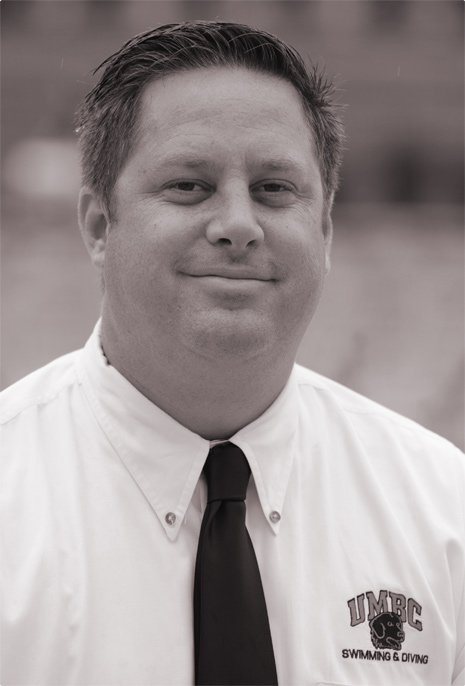
Chad Cradock ’97, Psychology, was named to UMBC Athletics’ Hall of Fame in 2004 after a stellar career as a Retriever from 1993 until his graduation in 1997 and immediately became an assistant coach, but his greater contribution to the UMBC family would begin in 2001 when he became just the second head coach of the swimming and diving program. Since he took over, the Retriever men have won nine consecutive conference championships, including seven straight America East titles, while the women have won four conference crowns. In addition, the amount of alumni giving has gone up over 1,200% during his tenure. Cradock and his staff have been named Coach/Coaching Staff of the Year six times, including being named 2010 America East Coaching Staff of the Year.
VISUAL AND PERFORMING ARTS

Dean Alexander ’88, Visual Arts, is a photographer and the owner of Dean Alexander Productions, Inc., based in Baltimore Maryland. His work covers a broad range from advertising and editorial to fine art and has taken him to over 40 countries throughout the world. Clients range from corporations such as IBM and UnderArmour to non-profits such as the National Institute of Health and HealthCare for the Homeless. Subjects range from Oprah Winfrey and Lady Sutherland (Lady-in-Waiting to the Queen of England) to Baltimore’s homeless. He has been invited to speak at various institutions including, MICA (Maryland Institute College of Art), Boston University’s Center For Digital Imaging Arts and the U. S. House of Representatives Page School at the Library of Congress. He has won nearly 100 international awards in his career.
DISTINGUISHED SERVICE AWARD

Gene Trainor ’86, Health Science & Policy and Economics, is the Chief Operating Officer of Foundation Capital, a Menlo Park CA – based venture capital firm. Prior to joining Foundation, Gene served for 10 years as the Administrative General Partner and the Chief Operating Officer for New Enterprise Associates. Prior to joining NEA, Gene was an Executive Vice President and the Chief Operating Officer of Cramer Rosenthal McGlynn, LLC, and before that the CFO/Controller of a Mid-Atlantic venture capital firm and a member of the audit group for Ernst & Young, LLP. A certified public accountant, he earned BA degrees from UMBC in Economics and Health Science and Policy with certificates in Accounting, Finance and Managerial Economics. Gene received his MBA from Loyola College of Maryland. Gene serves on the board of the non-profit Families of Spinal Muscular Atrophy.
RISING STAR AWARD

Aaron Merki ’05, Political Science, graduated from UMBC as a Sondheim Public Affairs Scholar and then attended University of Maryland School of Law as the Bekman Leadership Scholar. While there, Aaron founded the FreeState Legal Project, which provides legal services to low-income LGBT clients throughout the Greater Baltimore region. Aaron was named the National LGBT Bar Association’s 2008 student leader of the year. After graduating law school, Aaron accepted a judicial clerkship with the Hon. Susan K. Gauvey of the United States District Court for Maryland. Now an Associate at Venable LLP, Aaron’s clients range from Fortune 500 companies to low-income individuals. He continues to serve as Chairman of the FreeState Legal Project Board of Directors, which now includes judges, professors, elected officials, and some of Walter Sondheim’s closest friends.

2010 UMBC Alumni of the Year & Distinguished Service Award Winners

Each year, the UMBC Alumni Association presents awards to honor alumni for their professional and personal achievements and service to the University.   Learn more about our past award winners.
ENGINEERING AND INFORMATION TECHNOLOGY
Michael George ’87, Information Systems, has spent the past 12 years with Amazon.com in Seattle, WA. Mike started his Amazon career as the Director of Systems and Networking Operations. Since then, he has held senior positions that span several functional areas; Director of WW Third Party Platforms, GM/Dir of WW Marketplace, VP of Human Resources, VP of WW Payments, VP of Spoken Word Audio, and now VP of a yet-to-be-announced new business. Mike joined Amazon through the acquisition of the Junglee Corp. in mid-1998; where he was VP of Business Development. Prior to Junglee, Mike spent 14 years in the newspaper industry; working for the Baltimore Sun, USA Today and the Washington Post Co. Mike is named on several patents and pending patents related to marketplace, payments and group buying business processes and technologies.
HUMANITIES
Vikki Valentine ’96, English, is an award-winning science journalist and senior editor for NPR’s science unit and lead editor of NPR’s environment, energy and climate coverage. Before that, she managed the desk’s daily digital output of science, environmental, health and technology stories, and initiated major features and series. Prior to NPR, Valentine worked at Discovery.com and BaltimoreSun.com. Her writing has also been published by the Smithsonian Channel, The New York Times, National Geographic, Marketplace Radio, Science, and Washingtonian. Valentine graduated with honors from the University College London Wellcome Trust Centre for the History of Medicine master’s program in 2005; and magna cum laude from the University of Maryland Baltimore County in 1996, with a major in English and minors in anthropology and writing. She currently resides in Washington, D.C.
NATURAL AND MATHEMATICAL SCIENCES
Michael I. Nishimura ’80 BA ’84 MS ’89, PhD Biological Sciences, has devoted his career to developing novel immunologic approaches for cancer therapy and is recognized for his talents as a scientific mentor. Building upon his strong genetics and immunology training acquired at UMBC, he pioneered the use of retroviral vectors encoding T cell receptor (TCR) genes to engineer an individual’s own lymphocytes to be able recognize and control the patients cancer cells or virus-infected cells. The first clinical trial using TCR gene modified T cells was conducted in Denmark using one of Dr. Nishimura’s TCR’s targeting the melanoma protein MART-1. Dr Nishimura serves as the Vice Chair for Research in the Department of Surgery at the Medical University of South Carolina and has assembled a strong clinical and scientific team committed to bringing this and other novel cellular therapies to the clinic.
SOCIAL AND BEHAVIORAL SCIENCES
Chad Cradock ’97, Psychology, was named to UMBC Athletics’ Hall of Fame in 2004 after a stellar career as a Retriever from 1993 until his graduation in 1997 and immediately became an assistant coach, but his greater contribution to the UMBC family would begin in 2001 when he became just the second head coach of the swimming and diving program. Since he took over, the Retriever men have won nine consecutive conference championships, including seven straight America East titles, while the women have won four conference crowns. In addition, the amount of alumni giving has gone up over 1,200% during his tenure. Cradock and his staff have been named Coach/Coaching Staff of the Year six times, including being named 2010 America East Coaching Staff of the Year.
VISUAL AND PERFORMING ARTS
Dean Alexander ’88, Visual Arts, is a photographer and the owner of Dean Alexander Productions, Inc., based in Baltimore Maryland. His work covers a broad range from advertising and editorial to fine art and has taken him to over 40 countries throughout the world. Clients range from corporations such as IBM and UnderArmour to non-profits such as the National Institute of Health and HealthCare for the Homeless. Subjects range from Oprah Winfrey and Lady Sutherland (Lady-in-Waiting to the Queen of England) to Baltimore’s homeless. He has been invited to speak at various institutions including, MICA (Maryland Institute College of Art), Boston University’s Center For Digital Imaging Arts and the U. S. House of Representatives Page School at the Library of Congress. He has won nearly 100 international awards in his career.
DISTINGUISHED SERVICE AWARD
Gene Trainor ’86, Health Science & Policy and Economics, is the Chief Operating Officer of Foundation Capital, a Menlo Park CA – based venture capital firm. Prior to joining Foundation, Gene served for 10 years as the Administrative General Partner and the Chief Operating Officer for New Enterprise Associates. Prior to joining NEA, Gene was an Executive Vice President and the Chief Operating Officer of Cramer Rosenthal McGlynn, LLC, and before that the CFO/Controller of a Mid-Atlantic venture capital firm and a member of the audit group for Ernst & Young, LLP. A certified public accountant, he earned BA degrees from UMBC in Economics and Health Science and Policy with certificates in Accounting, Finance and Managerial Economics. Gene received his MBA from Loyola College of Maryland. Gene serves on the board of the non-profit Families of Spinal Muscular Atrophy.
RISING STAR AWARD
Aaron Merki ’05, Political Science, graduated from UMBC as a Sondheim Public Affairs Scholar and then attended University of Maryland School of Law as the Bekman Leadership Scholar. While there, Aaron founded the FreeState Legal Project, which provides legal services to low-income LGBT clients throughout the Greater Baltimore region. Aaron was named the National LGBT Bar Association’s 2008 student leader of the year. After graduating law school, Aaron accepted a judicial clerkship with the Hon. Susan K. Gauvey of the United States District Court for Maryland. Now an Associate at Venable LLP, Aaron’s clients range from Fortune 500 companies to low-income individuals. He continues to serve as Chairman of the FreeState Legal Project Board of Directors, which now includes judges, professors, elected officials, and some of Walter Sondheim’s closest friends.

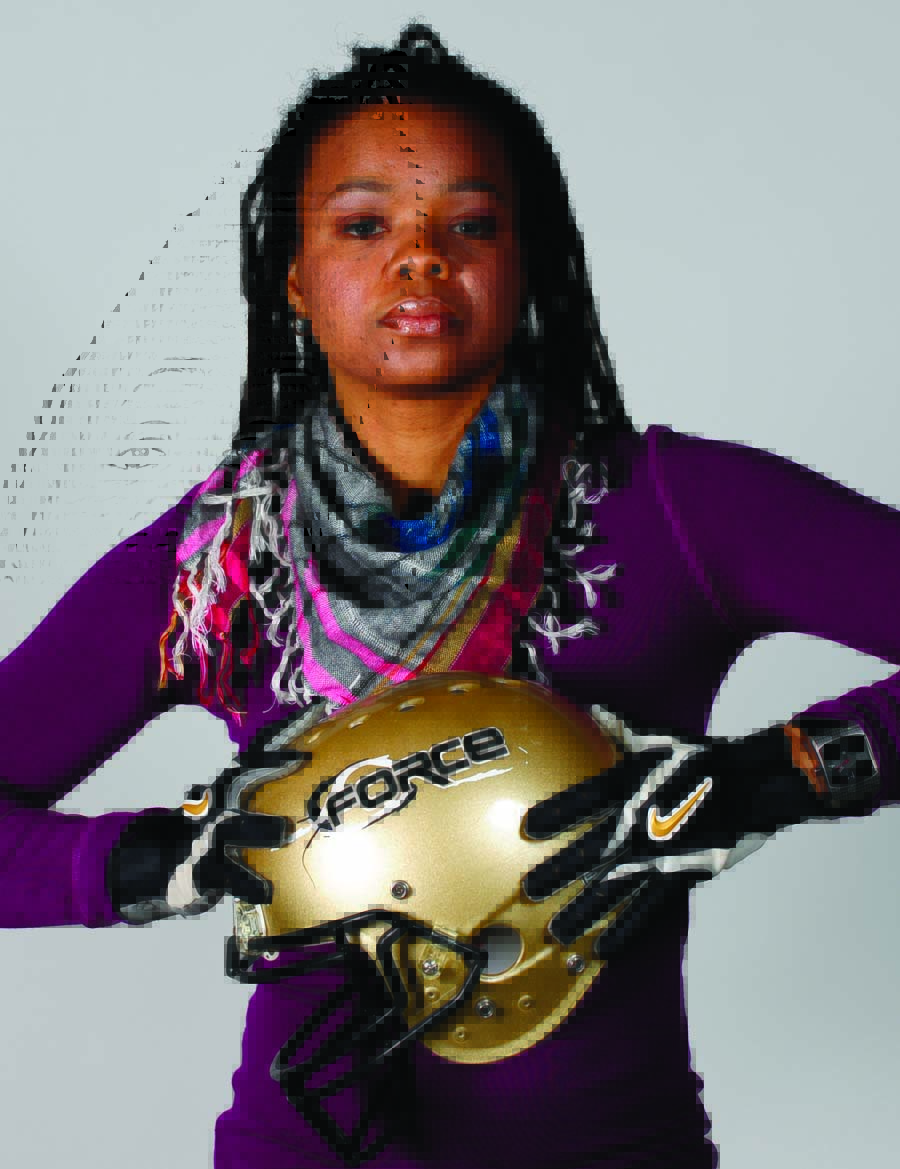
Bioengineering and Blitzing – Brooke Coley ’03, chemical engineering

Brooke Coley ’03, chemical engineering, remembers it as a dream play for a football defense. Two defenders burst through the offensive line just moments after the snap, trapping the quarterback in the backfield. One defender tackles the quarterback, allowing the second defender to zero in on the ball and yank it loose.

As the football falls from the quarterback’s hands to the turf, the second defender alertly scoops up the ball and scampers all the way down the field for a 41-yard touchdown. Coley was the second defender on the play, and the touchdown she scored were the first points ever tallied by the Pittsburgh Force: a women’s football team that began playing last year.

She still smiles broadly when she talks about the play. “I go in the history books for our team. For the first TD to be a defensive TD; I wasn’t expecting that at all,” says Coley. “It was cool. It was a really good feeling.”

Coley is a Tidewater, VA native who played four sports in high school. But as a member of the tenth class of Meyerhoff Scholars at UMBC (M10), Coley decided to limit her pursuit of athletic glory as she pursued a bachelor’s degree in chemical engineering.

After graduation, Coley began working toward a Ph.D. in bioengineering at the University of Pittsburgh. She expects to receive her degree this spring.

But Coley heard the call of athletics – and the gridiron, in particular – as she sprinted for a doctorate. It began one night while she was playing pickup basketball one night, when she received an offer to try out for the Pittsburgh Passion, a team that was playing in a women’s football league. While Coley had played some rugby while she was at UMBC, she had never really considered playing football.

Coley made the team and quickly fell in love with the game. She joined the Pittsburgh Passion as a safety and linebacker in 2006. Coley played with the Passion for three seasons until moving to a new expansion team in the women’s league – the Pittsburgh Force – this past spring.

“I’m an aggressive person, but I’m always thinking, always calculating,” says Coley. “One thing that was hard for me for football was that our coaches tend to want us to be animated, and they want us to growl. They’ll say, ‘You girls aren’t mad enough, aren’t angry.’ If a player comes my way, I’m going to get her, but I don’t have to growl at her or anything like that.”

Coley prefers to let her play do all the talking. Another one of her favorite plays came when she had to cover a wide receiver who was talking trash at the line of scrimmage. Coley gave no verbal response, but instead flattened her talkative opponent when she tried to catch a pass only moments later. As the player lay stunned on the ground, Coley quietly reached down and helped her up.

“She didn’t say another thing the whole game,” recalls Coley with a smile.

Coley isn’t sure what the future holds for her professionally, but she professes that she’d love to return to UMBC – which she says is “like a second home to me” – as a teacher and researcher with Dr. Timmie Topoleski, who was a mentor during her undergraduate years.

Coley picked UMBC and the Meyerhoff program over Duke after receiving acceptance letters to the schools only one day apart. Coley said her trip to UMBC during the Meyerhoff selection process quickly sold her on the school, even though she had spent lots of time talking with her family about her love for Duke.

Though Coley is now busy crunching data and finishing her doctoral thesis, she says she will continue playing football this spring. She views the three-hour practices that the Force holds three times a week during the season as great outlets for relieving academic stress and staying in shape.

“Football used to be a game I watched on TV,” Coley said. “I watch the game differently now. Now I know what it means to be a player.”

— Jeff Seidel ’85

Building and Bonding – James Donlan ’85, economics

If you marvel at how well UMBC’s buildings have been maintained over the last decade or so, you can point to the hard work of James Donlan ’85, economics, who until recently served as the university’s director of facilities management.

Portrait of James Donlan outside, wearing a blue polo with bright green trees behind him.
James Donlan, ’85

In that position, Donlan supervised the maintenance of 3.6 million square feet in UMBC’s 49 buildings. He also guided the university through some of its most challenging renovations of major buildings and constructions of new buildings in the past 15 years.

And while his departure means the university has big work boots to fill, Donlan is tackling a challenge that will call on his organizational skills, and the experience he has gleaned from his years at UMBC and his experiences as a colonel in the United States Marine Corps Reserves: leading a project designed to combat the deadly improvised explosive devices (IEDs) that are a favored weapon of insurgents in Iraq and Afghanistan.
Donlan says that he is sad to leave UMBC. “But the opportunity presented itself to work on a project with a significant impact on saving lives,” he says. “That made the decision easier.”
It was Donlan’s work on a recent tour of duty as a Marine combat engineering officer in the Marine Corps’ War Fighting Lab in Quantico, VA, that led him to his new position. The lab, he says, “finds scientific and technological solutions to problems the Marines are having in combat.” The goals of such work, he observes, is to find ways to “harden vehicles and protect people.”
Donlan’s work in that group led him to participation in a joint working group on the deadly explosives culled from all branches of the armed forces by the Department of Defense. “It is sort of a Manhattan Project to predict and prevent IEDs,” says Donlan of the Joint Improvised Explosive Device Defeat Organization, or JIEDDO.
After Donlan’s tour was up, he was contacted by CenTauri Solutions – a defense contractor which had won an $11.7 million bid with the Pentagon and JIEDDO to work on new techniques to detect IEDs with aerial electromagnetic sensors. The group recruited Donlan as a project director on the new effort, dubbed “Yellow Jacket.” He began work on the project in the autumn.
On his tour of active duty in Iraq in 2004 and 2005 (including a stint in Fallujah), Donlan says that he “encountered multiple IEDs on a daily basis, either disarming them or finding them.” Helping his fellow solders identify and neutralize the threat, he adds, proved a strong lure to sign up for Yellow Jacket.
Donlan’s tasks at UMBC may not have taken on the life or death quality of his work as a Marine, but his steady efforts as the university erected new structures and renovated key buildings were a crucial element in UMBC’s growth. Donlan succeeded the late Richard Butler in 1994, first as associate director and later as director of facilities management.
In Donlan’s tenure, UMBC constructed the Information Technology and Engineering (ITE) building, the Public Policy building, the Physics building and a number of new residential buildings. “In the 1990s, there was construction fence everywhere,” Donlan recalls. “As I look back at it now, it seems like we were building everywhere.”
Yet Donlan feels that UMBC has retained a lot of what made it special for him as a student in the 1980s. “The campus has doubled in size,” he observes. “But it still feels small. It’s big enough that it has all of the amenities of a larger school, but it’s still small enough that it feels like a family.” (Indeed, his son Justin Donlan ’11 is a student in UMBC’s Honors College.)
Out of all his accomplishments at UMBC, Donlan points to the renovations of the biology and chemistry buildings as the most satisfying. “The biology and chemistry buildings were two of the toughest jobs we did,” he says. “We did both of them in occupied settings.”
The chemistry renovation posed vexing problems for Donlan and his team to solve.
“We were building a building on top of a building,” Donlan recalls. “The building was built like a tank. The air handling systems and everything else were in the basement. At [the time of the building’s construction], that was great idea. It worked well. But when you’ve got to replace those systems, there’s no way to get back in there. So we actually had to take the mechanical rooms that were in the basement and put them on the roof.”
Sensitivity to the important research that was happening in both buildings was also a key element in both successful renovations, Donlan says, because any mistakes “could have a devastating impact on researchers’ careers.”

— Richard Byrne ’86

Carny Attraction – James Taylor ’73, INDS

Sideshows featuring amazing feats and astonishing freaks became an industry in the United States in the 19th century. But these traveling caravans have been on the endangered list in recent decades. Collecting the artifacts and celebrating the artistry of this vanishing industry has proven addictive to James Taylor ’73, interdisciplinary studies.

Taylor’s magazine about the sideshows – James Taylor’s Shocked and Amazed! On & Off The Midway – has been featured prominently in The Washington Post, The New York Times and The Baltimore Sun. His collection of sideshow memorabilia was the backbone of Baltimore’s late, lamented American Dime Museum, and it can now be seen as you sip a beer at one of Washington D.C.’s hippest taverns: the Palace of Wonders.

UMBC Magazine asked Taylor why he loves the sideshow – and keeps its manifold wonders in the public eye.

Why do I love sideshow and its talent: all the sword swallowers and magicians and knife throwers and jugglers and ventriloquists and fire breathers and human blockheads?

There’s an easy answer: Because it’s a kick, a rush, a thrill. Tell me anyone doesn’t get a bit of an adrenaline surge watching Zamora the Torture King launch into his body-skewering and literally electrifying (himself, that is) act? I once watched two guys – big as linebackers, the pair of them – pass out stone cold, falling over at the ankles while watching Zamora’s act. Another time, I watched a young girl, staring hard at his final stunt, sit and weep, her eyes never leaving his. Who wouldn’t be shocked and amazed at that show?

But there’s a more complicated answer, too. It might seem strange to most folk. It’s all about the love that these performers have for their craft and their audiences.

Whenever I deliver my “writing in the real world” spiel to a classroom of students, I tell them that you have to decide first what you love, and then whether you can (or even want to) make a buck off it. I don’t mean to be crass, but this is America: You better be makin’ the moolah, or you’re just un-American, some poor loser.

That’s a particularly brutal – and unlovely – life assessment for many creative folk in this country. But I make that judgment because I’ve seen that interplay of love and money at work – up close, alive, livin’ and breathin’, right in front of me – in the lives of the people who still work the midways. It’s a sight I’ll remember till the longest day I live, as the old-time sideshow guys used to say.

These oddball jugglers, hula hoop manipulators and fire breathers will tell you flat out that they’re in it for the money… which they’re not making. They’re starving to death. They’re limping along at best. Many of them can’t figure out how they’re going to make it to the next show.

Most people would ask: “Then why do you keep doin’ it?”

One of the best answers was told to me by showman Mark Frierson many years ago. When he mounted and trouped out his first show, Frierson told me he had so much fun while he made his money that he couldn’t believe that what he was doing was legal.

Not that there aren’t trials. Sideshow folk talk endlessly about how horrific things are now or were in the past. My ma’s late boyfriend, carnival owner Jerry Farrow, owned a monkey show back in the ‘50s, a show with an assortment of monks, all of which escaped from the barn he’d housed them in, all of which ran riot throughout Glen Burnie for about a week, and all of which were shot dead by police before Jerry’s – and Glen Burnie’s – nightmare ended. A horrifying story by today’s standards, not so in the 1950s when I grew up. And in the telling, it remained one of Jerry’s most uproarious tales, a tale of near financial ruin for him but always hilarious despite that.

The wild stories are verbal armor against more truly horrific circumstances they face almost every day. But what you hear even more than that in these over-the-top, half-fabricated-for-entertainment-effect tales – the carnival folk call them “jackpots” – is the obvious love and the outrageous passion that these show people have for the work they do.

Take the late Jeanie Tomaini, a performer born with literally nothing below her waist. In her heyday in the 1930s and ’40s, she was billed as “the World’s Only Living Half Girl.” Put “on show” by her desperately poor parents, and later “adopted” by an evil stepmother from the orphanage where Jeanie’s father had abandoned her after her mother died, Jeanie only escaped the stepmother’s clutches when she married fellow freak performer Al Tomaini, “the American Giant.” Of course, they were billed as “the World’s Strangest Married Couple.”

When I met her toward the end of her life, I asked her what it meant to be a freak act in the sideshows. After hearing all that life drama, I asked her how she’d sum up such a life. Jeanie looked me dead in the face and with a grin said: “I had a ball.”

That’s why I love this weirdness that doubles as entertainment. I love knowing there’s a business, a world, where people so love what they do – entertaining us – that, even though they often pretend otherwise, they would work just for the thrill of thrilling us.

And while it may seem strange, weird, bizarre, exotic or unusual to you, love can look all of those ways sometimes, now can’t it?

The Art of Educating – Laura Pasquini ’98, visual arts

When Laura Pasquini ’98, visual arts, started her studies in art at UMBC, she thought she wanted to be a museum curator, creating exhibits that set great art in narrative contexts.

Pasquini did end up working at the Corcoran Gallery of Art in Washington, D.C., one of the most prestigious museums in the United States. But she did so in way that’s making a difference for thousands of young people and their families by opening up the Corcoran’s magnificent collection and the gallery’s other assets for learning.

As the director of the Corcoran’s Youth and Family Programs, Pasquini has revamped and revitalized the gallery’s approach to education with the aim of “empowering kids to confidence.” Most notable among her achievements is the growth in Corcoran ArtReach – an after school program that collaborates with community centers to reach 150-200 disadvantaged students a year.

In one evaluation of the program, a parent called Corcoran Artreach “the best youth arts program in the area.” And this success has also brought Pasquini recognition, most recently as the winner of the 2009 UMBC Outstanding Alumni of the Year award for a graduate in the visual and performing arts.

Pasquini points to a junior year internship at UMBC in the university’s Center for Art, Design and Visual Culture as a key moment in choosing a career in arts education, one which she says “changed my career and life outlook.”

Working in conjunction with Arbutus Elementary School, Pasquini designed a program to introduce and integrate students into the world of art that included talks, tours of the UMBC Fine Arts Gallery and the creation of original works of art by students. The important thing, Pasquini recalls, was to find and reinforce connections between art and the students’ experiences.

Her enthusiasm for the project steered Pasquini away from an intended career as a museum curator. “I realized I didn’t want the academic, the behind-the-scenes,” she recalls. “It awakened a world I didn’t know was out there – a world of possibilities.”

After taking a master’s degree in teaching at the Corcoran, Pasquini ended up working at the gallery full-time. She quickly worked her way up into her present position as director of Youth and Family Programs, where she drew upon her UMBC experiences to spark a renewal in the Gallery’s Corcoran ArtReach program – which brings the gallery’s art to disadvantaged children in the Washington, D.C. area.

ArtReach works in partnership with community centers in District neighborhoods. Pasquini and other members of the Corcoran Gallery develop curricula specifically geared towards each individual community, complete with lesson plans, slides of Corcoran art exhibits and a brief outline of each work.

ArtReach students also get a chance to explore the Corcoran itself, and the program augments individual coursework with monthly family workshops that incorporate parts of the gallery’s exhibits collection into broader contexts. Pasquini points to “Creatures of the Deep” workshops that the program offered last October in concert with the gallery’s “Sargent and the Sea” exhibit. These family workshops used John Singer Sargent’s paintings as a springboard for an examination of sea creatures, providing a fun, kid-friendly science lesson communicated through art.

Pasquini says that exciting student interest is the key element in ArtReach’s success. “Art has value and meaning,” Pasquini insists. “It isn’t supposed to be dead on the wall. It isn’t about a lecture – it’s about the experience, about making a learning connection [for the students] between what they saw on the wall to what they see in their own lives.”

The culmination of the ArtReach experience is a chance for students to create their own works of art using techniques and knowledge gleaned in their classes. The work is both displayed in community galleries and professionally framed and hung (with accompanying silkscreen text) in the Corcoran Gallery of Art itself.

Pasquini says that ArtReach has become “a place of learning through visual learning, creating an experience for people that brings [art] to life… It empowers kids to talk about art. It ignites curiosity and higher thinking skills. Seeing [the students] gain confidence in themselves and their art…it’s incredible.”

— Holly Britton ’11